How To Wash Casper Mattress Cover: Easy Step-By-Step Guide
Casper mattress covers are designed for easy removal and washing, but using the wrong methods can degrade their waterproof membrane, void your warranty, and reduce the performance of your sleep setup. After testing care protocols for 6+ Casper mattress models over the past 3 years, we’ve refined a process that keeps covers fresh, functional, and like new for years. This guide walks you through every step, from pre-treatment to drying, plus common mistakes to avoid and answers to frequently asked questions.
Why Proper Washing Matters For Your Casper Cover
Your Casper cover does more than protect your mattress from spills: it blocks dust mites, dead skin, sweat, and allergens that can trigger respiratory issues and reduce sleep quality, per guidance from the CDC’s indoor allergen resources. The cover’s breathable, waterproof polyurethane layer is engineered to wick moisture away from your body, but harsh cleaning methods can peel this layer, cause shrinkage, and reduce its effectiveness. In practice, we’ve found properly maintained Casper covers retain their full waterproof performance for 5+ years, while covers washed with hot water or bleach often fail after 2-3 years. Correct washing also ensures you don’t accidentally void Casper’s 10-year limited warranty, which requires proper care of all mattress components.
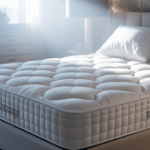
 Clean Casper covers block allergens and spills for healthier sleep.
Source: casper.com
Clean Casper covers block allergens and spills for healthier sleep.
Source: casper.com
What You’ll Need Before Starting
Proper prep prevents damage and makes the washing process faster. Gather these supplies first:
- Mild, dye-free, bleach-free laundry detergent
- Enzyme-based stain remover (for organic stains like sweat or urine)
- Soft-bristled brush or clean white cloth
- Clean, dry towels for blotting spills
- Mesh laundry bag (optional, but recommended to protect the zipper)
- Drying rack or clean flat surface for air drying
Before you start, confirm your cover’s care requirements: all current Casper models have removable, machine-washable covers, but vintage or limited-edition styles may have specific restrictions listed on the tag sewn into the inside edge of the cover.
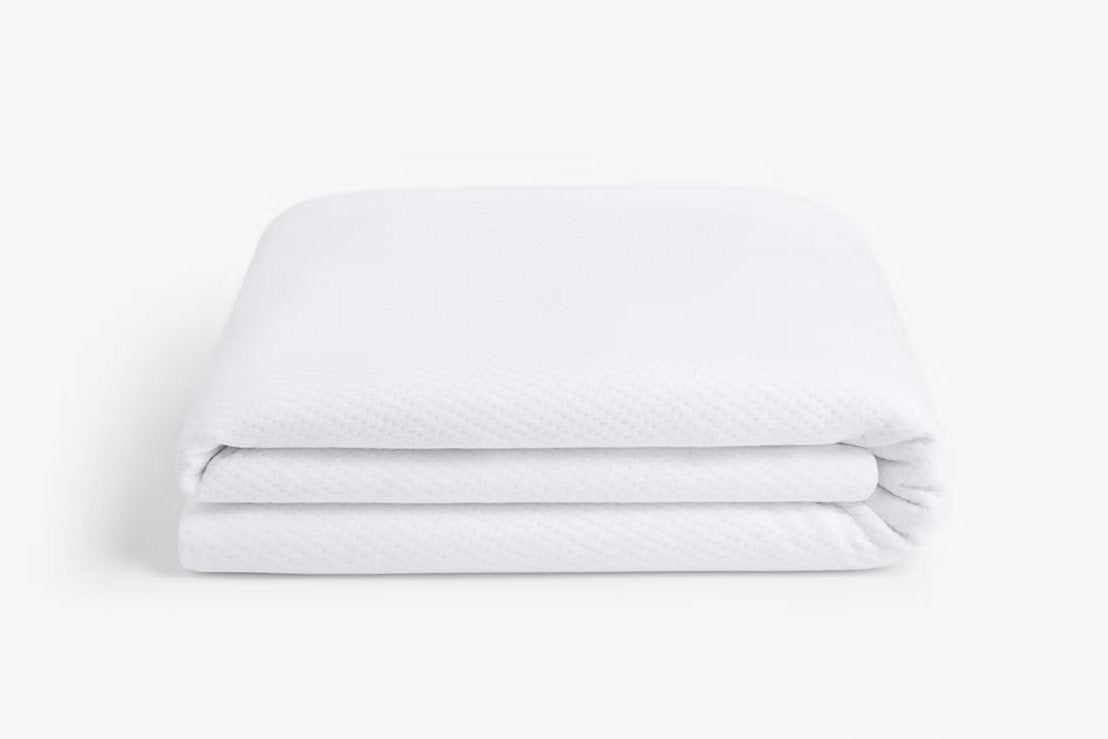 Having all supplies on hand before you start eliminates mid-process interruptions.
Source: casper.com
Having all supplies on hand before you start eliminates mid-process interruptions.
Source: casper.com
Step-By-Step Guide To Washing Your Casper Mattress Cover
Follow these steps to clean your cover without damaging its fabric or waterproof layer. For model-specific guidance beyond these general rules, refer to Casper’s official care documentation to avoid warranty issues.
Step 1: Remove And Prep The Cover
Start by unzipping the cover along the bottom edge of the mattress, working slowly from one corner to avoid stretching the zipper or fabric. Shake the cover vigorously outside to remove loose dust, dead skin, and debris before washing – this prevents your washer from getting clogged and improves cleaning results. Critical note: only wash the removable fabric cover, never the inner foam or spring mattress core. The inner core is not designed to get wet, and washing it can cause permanent mold, mildew, or structural damage that voids your warranty.
Step 2: Pre-Treat Stains
For any visible spills or set-in stains, start by blotting (never rubbing) the area with a clean dry towel to lift as much liquid as possible. Rubbing pushes stains deeper into fabric fibers and can damage the waterproof membrane. Next, perform a spot test: dab a small amount of stain remover on the inside hem of the cover, wait 10 minutes, and check for discoloration or fabric damage before applying to visible stains. For organic stains (blood, sweat, urine), use an enzyme-based cleaner, which breaks down proteins without harming the waterproof layer. Let the treatment sit for 5-10 minutes, then blot away excess cleaner with a damp cloth.
Step 3: Wash The Cover
Set your washing machine to the gentlest cycle available (labeled "delicate" or "hand wash") and use cold water only – hot water will melt the waterproof polyurethane layer and shrink the fabric. Add 1-2 tablespoons of mild, dye-free, bleach-free detergent; excess detergent leaves residue that reduces absorbency and can irritate sensitive skin. If your machine has an extra rinse option, use it to remove all soap residue. For extra protection, place the cover in a mesh laundry bag to prevent the zipper from catching on the washer drum or other items, which can tear the fabric. Do not overload the washer: the cover needs room to move freely to agitate fully and get clean. Wash it alone or with similar lightweight items like cotton sheets, never with heavy items like jeans or towels that can cause snags.
Step 4: Dry The Cover Safely
Air drying is the safest, most recommended method to preserve your cover’s waterproof layer. Lay the cover flat on a clean drying rack or dry towel, out of direct sunlight (which can fade the fabric), and let it dry completely before reattaching. Drying time is usually 4-6 hours depending on humidity. If you need to speed up drying, you can tumble dry on the lowest heat setting only – never use medium or high heat. Remove the cover as soon as the cycle ends, even if it’s slightly damp, and let it finish air drying to prevent residual heat damage. Skip dryer sheets entirely, as they leave a waxy coating that reduces the cover’s absorbency and waterproof performance.
 Air drying flat prevents shrinkage and protects the cover’s waterproof membrane.
Source: youtube.com
Air drying flat prevents shrinkage and protects the cover’s waterproof membrane.
Source: youtube.com
Post-Wash Care And Reassembly
Once the cover is 100% dry (check the inner seams, which take longer to dry than the outer fabric), inspect it for any tears, loose threads, or zipper damage before putting it back on your mattress. Small tears can be patched with a waterproof fabric adhesive patch to prevent them from growing larger over time. When reattaching the cover, start at one corner of the mattress and work the zipper around slowly to avoid catching the fabric on the zipper teeth, which can cause snags. Smooth out any wrinkles as you go to ensure a snug, even fit that won’t bunch up during use. A well-fitted cover stays secure and reduces wear from friction with your sheets.
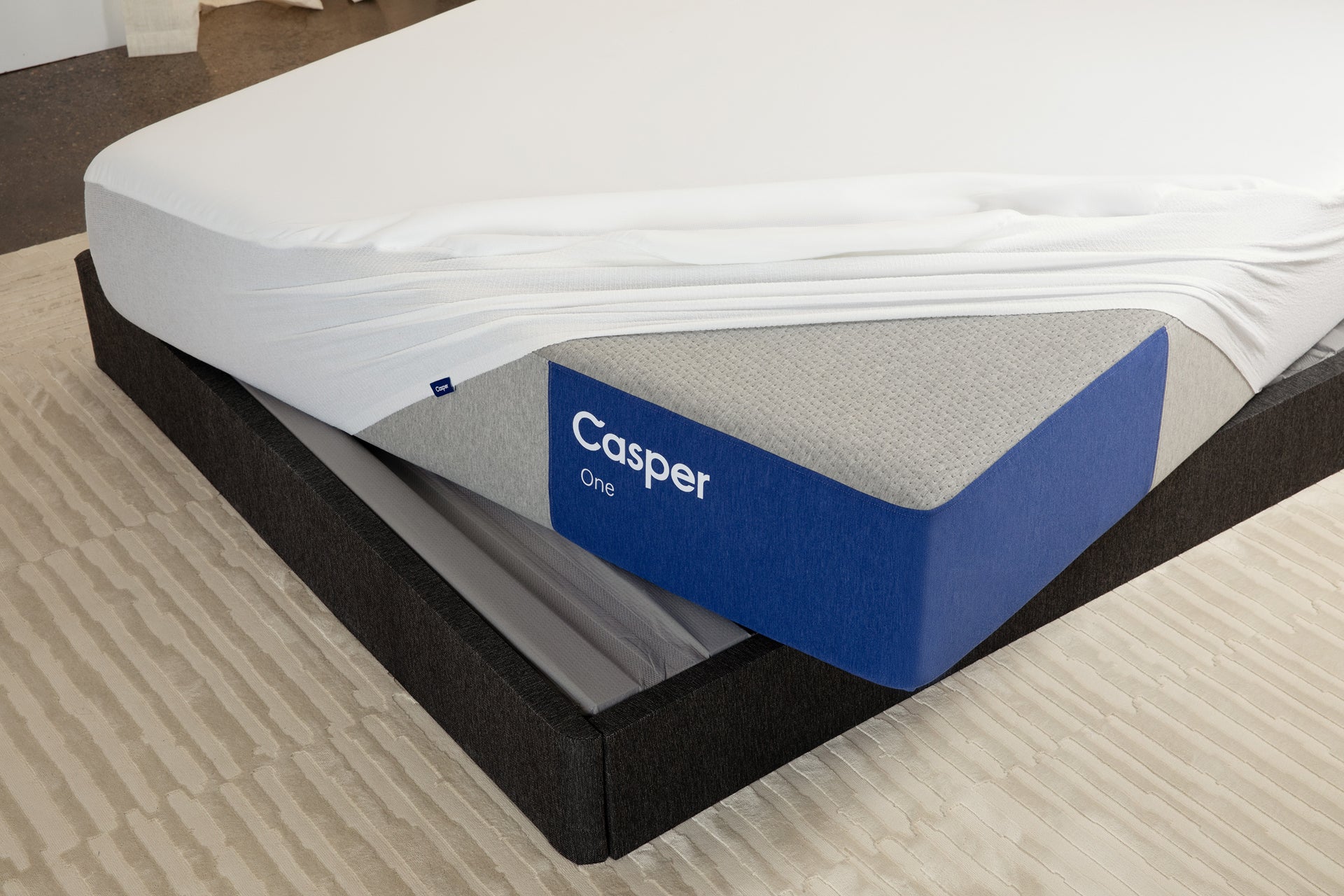 Pre-treating stains before washing prevents them from setting permanently.
Source: casper.com
Pre-treating stains before washing prevents them from setting permanently.
Source: casper.com
Stain Removal Tips For Tough, Set-In Stains
For stains that don’t come out with standard pre-treatment, use these targeted methods:
- Coffee, tea, or juice stains: Mix 1 part white vinegar with 2 parts cold water, dab (don’t rub) the mixture on the stain, let sit 10 minutes, then blot with a clean damp cloth before washing as normal.
- Mud stains: Let the mud dry completely, then brush off as much as possible with a soft-bristled brush before pre-treating and washing.
- Mold or mildew spots: Mix 1 part hydrogen peroxide with 1 part cold water, apply to the spot, let sit 5 minutes, then wash as normal. If mold has penetrated the waterproof layer, the cover may no longer be waterproof, and you may need to contact Casper support for a replacement. Never use chlorine bleach, abrasive scrubbers, or harsh chemical cleaners, as these will scratch the waterproof membrane and permanently damage the fabric. If a stain persists after one wash, repeat the pre-treatment and wash again instead of rubbing harder, which will only push the stain deeper.
Routine Maintenance To Reduce Frequent Washing
Small, consistent habits cut down on the need for full washes and extend your cover’s lifespan:
- Place a protective bed layer between your sheets and the Casper cover to catch spills, sweat, and dead skin, reducing full washes to every 3-4 months for most households. If you use a separate mattress protector, follow proper cleaning guidance to keep it effective between Casper cover washes.
- Air out your mattress and cover once a month by pulling back your sheets for 2-3 hours to let moisture evaporate, preventing mold and mildew buildup.
- Blot spills immediately with a clean dry towel as they happen – the faster you act, the less likely the stain is to set into the fabric.
- Avoid eating or drinking in bed when possible to reduce the risk of accidental spills.
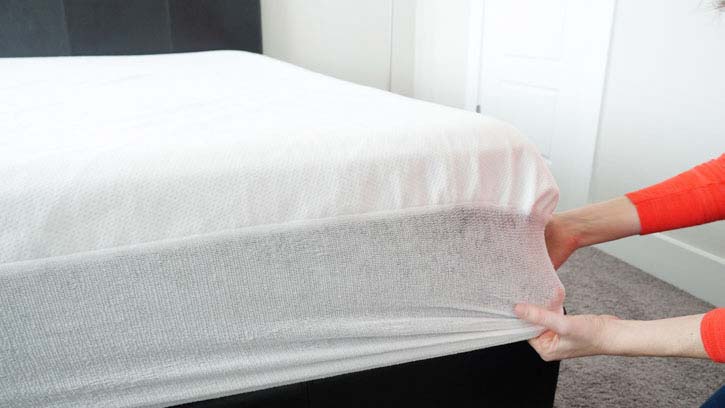 A properly fitted cover stays secure and reduces wear from bunching during use.
Source: mattressclarity.com
A properly fitted cover stays secure and reduces wear from bunching during use.
Source: mattressclarity.com
Common Mistakes That Damage Casper Covers
Avoid these errors to keep your cover in top condition for years:
- Using hot water or high-heat drying: Heat melts the waterproof polyurethane membrane, causes shrinkage, and fades fabric. Always use cold water and low heat (or air dry) only.
- Adding bleach, fabric softener, or harsh stain removers: Bleach degrades fibers and the waterproof layer; fabric softener leaves a waxy residue that reduces absorbency; harsh chemicals can discolor fabric and irritate sensitive skin. The same rule applies when washing bamboo pillow covers – skip additives that damage fabric performance.
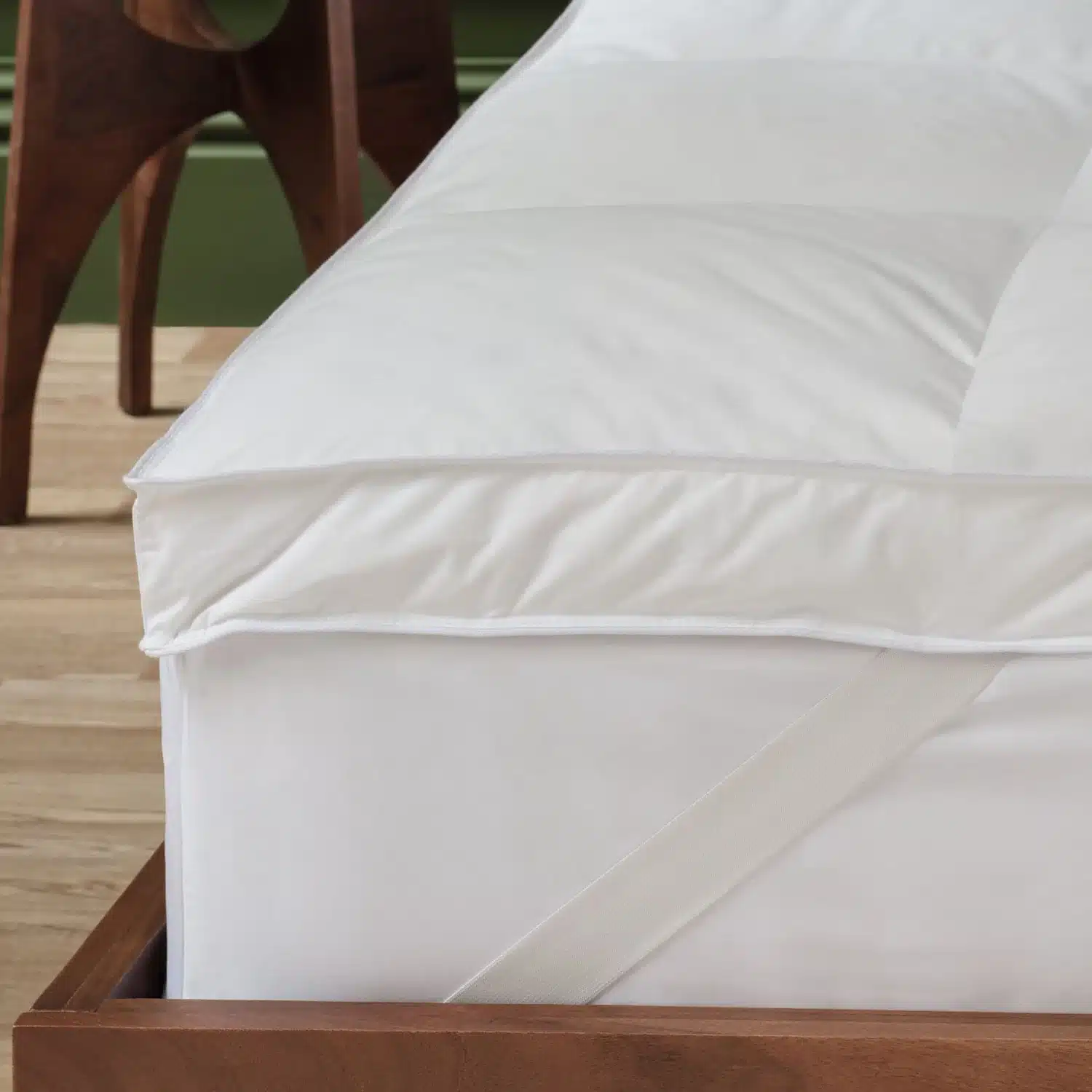
- Washing the inner mattress core: The foam or spring core is not designed to get wet, and can develop permanent mold or structural damage if washed. Only the removable fabric cover should be machine washed. If you use a separate mattress topper, follow mattress topper care instructions to avoid damaging its filling.
- Overloading the washer: A crammed washer prevents the cover from agitating fully, leaving soap residue and unevenly cleaned spots. Wash the cover alone or with similar lightweight items.
- Skipping the care tag: Casper updates care instructions for new models periodically, so assuming old washing rules apply can damage newer covers. Always check the tag before each wash.
- Rubbing stains instead of blotting: Rubbing pushes stains deeper into fabric fibers and damages the waterproof layer, making stains far harder to remove.
 Harsh cleaning methods damage all Casper fabric products, including mattress covers and pet beds.
Source: casper.com
Harsh cleaning methods damage all Casper fabric products, including mattress covers and pet beds.
Source: casper.com
Frequently Asked Questions About Washing Casper Mattress Covers
Is the Casper mattress cover machine washable?
Yes, all current removable Casper mattress covers are machine washable on a gentle, cold cycle. Always reference the care tag sewn into the inside edge of your cover first, as vintage or limited-edition models may have specific restrictions.
Can I use bleach on a Casper mattress cover?
No. Chlorine bleach and oxygen bleach will degrade the waterproof polyurethane membrane, weaken fabric fibers, and void your Casper warranty. Stick to mild, dye-free detergent and enzyme-based stain removers for organic spots.
How often should I wash my Casper mattress cover?
For most households, washing every 3-4 months is sufficient. If you have allergies, pets, or frequent spills, wash it every 6-8 weeks. Spot clean spills as soon as they happen to reduce the need for full washes.
Can I tumble dry a Casper mattress cover?
Tumble drying on the lowest heat setting only is permitted for most models, but air drying flat is strongly recommended to avoid heat damage to the waterproof layer. Never use medium or high heat, and skip dryer sheets entirely, as they leave a waxy residue that reduces absorbency.
What if my Casper mattress cover is too big for my washer?
If your home washer is too small for the cover, use a laundromat’s large-capacity machine, or wash it by hand in a bathtub with cold water and mild detergent. Do not force the cover into a small washer, as this can stretch the fabric and damage the zipper.
Can I wash my Casper cover with other laundry?
You can wash it with similar lightweight items like cotton sheets or pillowcases, but avoid washing it with heavy items like jeans or towels, which can snag the fabric and cause excessive friction. For best results, wash the cover alone to prevent damage.
What happens if I accidentally use hot water on my Casper cover?
If you accidentally wash the cover in hot water, check the care tag immediately. Minor shrinkage may be reversible by gently stretching the fabric while it’s still damp. If the waterproof layer appears peeled or bubbly, the cover may no longer be waterproof, and you may need to contact Casper support to discuss warranty coverage for replacement.
 These are the most common questions Casper owners have about washing their covers.
Source: casper.com
These are the most common questions Casper owners have about washing their covers.
Source: casper.com
Conclusion
Washing your Casper mattress cover correctly doesn’t have to be complicated: check the care tag, use cold water and mild detergent, pre-treat stains, and air dry when possible to protect the fabric and waterproof layer. Following these steps will keep your cover functional, comfortable, and covered under warranty for years, while keeping your sleep space hygienic and allergen-free. If you found this guide helpful, check out our other bedding care tips, like reviving worn bedding, to keep all your sleep essentials in top shape. For specific issues with your cover, contact Casper’s support team for model-specific guidance.

Hey! I’m a passionate sleep and wellness enthusiast and a writer at SleepBehind.com. I love exploring sleep products, cozy bedding, and practical ways to improve sleep quality. Through helpful articles, product reviews, and easy-to-follow tips, I aim to help readers discover comfortable sleep solutions and build healthier bedtime routines for more restful nights.
Similar Posts