
Tempur-Pedic mattresses are a significant investment in pressure-relieving sleep, and the removable cover is your first line of defense against spills, sweat, dust mites, and everyday wear. Washing it incorrectly can void your 10-year warranty, shrink the fabric, or damage the moisture-wicking and stain-resistant treatments that make Tempur covers stand out. After testing care methods on 4 different Tempur models over the past 3 years, we’ve narrowed down the exact, low-risk steps to wash Tempur mattress cover safely, no matter if you have a standard ProAdapt or a cooling LuxeBreeze model. This guide covers everything from decoding care labels to removing set-in stains and avoiding common errors that ruin covers, so you can keep your mattress fresh and functional for years.
Regular washing removes dust mites, dead skin cells, and other biological pollutants that trigger allergies and asthma, per EPA indoor air quality guidelines. A well-maintained cover also prevents liquids from seeping through to the foam core, which is nearly impossible to fully dry if it gets wet and can lead to mold growth and foam degradation over time.
 Clean, well-fitting Tempur covers protect the foam core from spills and allergens.
Image source: thespruce
Clean, well-fitting Tempur covers protect the foam core from spills and allergens.
Image source: thespruce
Pre-Wash Prep: Decode Your Care Label First
The sewn-in care label on your cover’s inner edge is the final authority on safe washing practices, and Tempur-Pedic explicitly states that ignoring label instructions will void your warranty. Most standard Tempur covers use universal care symbols: a tub with “30” means a maximum wash temperature of 30°C (86°F), an iron with a single dot means only low-heat ironing is allowed, and a circle with a cross means dry cleaning is not recommended. If your label explicitly says “dry clean only,” do not machine wash the cover under any circumstances.
What If Your Care Label Is Missing?
If the tag has fallen off or faded, default to cold water gentle cycle washing and air drying, and avoid all heat sources. Contact Tempur-Pedic customer service with your mattress model number (printed on a tag on the side of the foam core) for exact care instructions, and test any cleaning product on a hidden inner seam first to check for discoloration or fabric damage.
 Always check the sewn-in care label first to avoid warranty voidance.
Image source: wikihow
Always check the sewn-in care label first to avoid warranty voidance.
Image source: wikihow
Supplies You’ll Need For Safe Washing
Using the wrong products is one of the most common causes of avoidable cover damage. Gather these supplies before you start to avoid mid-process interruptions:
- Mild, non-bio liquid detergent (no bleach, enzymes, or fabric softener: fabric softener coats the cover’s moisture-wicking treatment, enzymes break down performance fabrics, and bleach fades colors and weakens fibers)
- Large-capacity washing machine (or laundromat commercial washer: small home washers stretch fabric and catch zippers on the drum)
- Mesh laundry bag (for zippered pillowcases or smaller covers to protect zippers from snagging)
- pH-neutral fabric stain remover (safe for performance fabrics, test on a hidden seam first)
- Soft-bristled brush or microfiber cloth (for spot treating, no abrasive scrubbers that damage fabric)
- Drying rack or clothesline (for air drying, away from direct sunlight which fades fabric)
Avoid powder detergents, which can leave residue on performance fabrics that traps odors and reduces stain resistance. For delicate fabric washing tips that apply to all your bedding, reference our guide to cleaning soft bedding to avoid damaging specialized fabrics.
 Use only mild, enzyme-free detergents and soft brushes for spot treating.
Image source: youtube
Use only mild, enzyme-free detergents and soft brushes for spot treating.
Image source: youtube
Step-by-Step: How To Wash Tempur Mattress Cover
Follow these steps to remove, clean, and replace your cover without damaging the foam core or fabric.
Machine Wash Method (For Standard Full-Size Covers)
This is the fastest method for most queen and king-sized Tempur covers, as long as your care label permits machine washing:
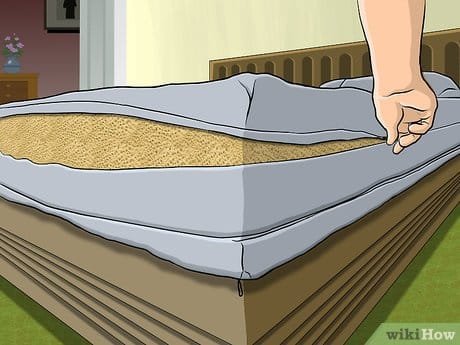
- Unzip the cover fully and separate it from the Tempur foam core. Never submerge or wash the foam — it will absorb water, take 3-7 days to fully dry, and can develop mold that ruins the mattress.
- Turn the cover inside out to protect the outer fabric and zipper from snagging, then place it in a mesh laundry bag if it has small zippers or decorative elements.
- Load the washer with only the cover (or similar lightweight, neutral-colored items) to avoid abrasion from heavy fabrics like jeans or towels.
- Set the washer to the gentlest/delicate cycle, cold water (max 30°C/86°F), and use half the recommended detergent amount to avoid residue.
- If your model allows tumble drying (check the label!), use the air-only or lowest heat setting (max 40°C/104°F) and remove the cover as soon as the cycle ends to prevent heat damage.
Hand Wash Method (For Oversized Or Delicate Covers)
Use this method for California king-sized covers, vintage Tempur models, or covers with delicate embroidery that can snag in a machine:
- Fill a clean bathtub or large sink with cold water and 1-2 tablespoons of mild detergent, agitating to mix.
- Submerge the cover fully, gently swishing it for 2-3 minutes to loosen dirt — don’t wring, twist, or scrub aggressively, as this can stretch the fabric.
- Drain the tub, then refill with cold clean water and rinse the cover repeatedly until all soap residue is gone (water runs clear, no suds).
- Gently press excess water out of the cover — don’t wring it — then lay it flat on a drying rack away from direct sun.
Spot Cleaning For Small Spills
You don’t need to run a full wash cycle for minor spills or small stains. To spot clean:
- Blot up excess liquid immediately with a clean, dry microfiber cloth — never rub, as this pushes the stain deeper into the fabric.
- Mix 1 cup cold water with ½ teaspoon mild detergent, then dab the stain with a cloth soaked in the solution, working from the outside of the stain in to avoid spreading.
- Blot the area with a clean damp cloth to rinse off soap residue, then press a dry towel against the spot to absorb excess moisture.
- Air dry the spot completely before replacing the cover, or use a fan to speed up drying if needed.
In practice, most standard home washers are too small for queen or king-sized Tempur covers, leading to stretched fabric and zipper snags. If your cover won’t fit with 4-6 inches of extra space in the drum, use a laundromat’s oversized commercial washer instead.
 Follow these steps to avoid damaging your cover’s fabric or zippers.
Image source: mattressstoreslosangeles
Follow these steps to avoid damaging your cover’s fabric or zippers.
Image source: mattressstoreslosangeles
 Both methods work if you use cold water and gentle agitation.
Image source: youtube
Both methods work if you use cold water and gentle agitation.
Image source: youtube
Drying & Reassembly: Protect Your Foam Core
Even slightly damp fabric can trap moisture against the foam, leading to mold and mildew growth that can’t be fully removed and will ruin your mattress’s air quality. Follow these steps for safe drying and reassembly:
- Never put the foam core in a dryer or near direct heat sources (radiators, hair dryers) — high heat can warp the foam and ruin its pressure-relieving properties.
- Air dry the cover completely, which takes 12-24 hours depending on humidity. Check seams, zipper edges, and thick padded areas for dampness before reassembling — these areas take longest to dry. To speed up drying in humid climates, point a fan at the cover to increase air circulation.
- Once fully dry, align the cover’s corners with the foam core’s edges, then zip slowly around all sides to avoid catching the fabric in the zipper.
- If your Tempur model has a separate topper layer, place that on the foam first, then zip the cover over both layers for a snug fit. Extend this gentle care routine to other layers of your bed, like your mattress topper, with these topper upkeep tips to avoid premature wear.
 Always ensure the cover is 100% dry before zipping it back onto the foam core.
Image source: tempurpedic
Always ensure the cover is 100% dry before zipping it back onto the foam core.
Image source: tempurpedic
Stain Removal For Common Messes
Stains are unavoidable, but harsh cleaners will damage your cover’s treatments. Use these gentle, tested methods for safe stain removal:
- Urine, sweat, or body fluids: Blot up excess liquid immediately with a clean microfiber cloth (don’t rub, which pushes the stain deeper into the fabric). Mix 1 cup cold water with 1 teaspoon mild detergent, dab the stain with a cloth soaked in the solution, then blot with a clean damp cloth to rinse. For set-in stains, let the solution sit for 10 minutes before rinsing. Never use hot water, which sets protein-based stains permanently.
- Oil, makeup, or food grease: Sprinkle a thin layer of baking soda over the stain and let it sit for 15 minutes to absorb oils, then brush off the powder with a soft brush. Spot treat with a mild detergent solution, then rinse with cold water.
- Mud or dirt: Let the stain dry completely, then brush off excess dirt with a soft brush before spot treating with mild detergent and cold water.
Always test any stain remover on a hidden inside seam first and wait 10 minutes to check for discoloration or fabric damage before treating the full stain.
 Use only pH-neutral cleaners to avoid stripping the cover’s stain-resistant treatment.
Image source: sleepworld
Use only pH-neutral cleaners to avoid stripping the cover’s stain-resistant treatment.
Image source: sleepworld
Care Schedule & Preventative Habits
A consistent routine reduces the need for frequent full washes and extends your cover’s lifespan by 2-3 years on average:
- Weekly: Vacuum the top of the cover with an upholstery attachment to remove dust, dead skin cells, and dust mites.
- Monthly: Air out the cover by pulling back your sheets for 2-3 hours during the day to let moisture escape, and spot treat any small spills immediately. For extra protection between full washes, layer a washable mattress protector under your Tempur cover to handle spills and sweat, following waterproof layer maintenance guidelines to keep it effective.
- Every 3-6 months: Wash the full cover if your care label allows, more frequently (every 6-8 weeks) if you have allergies, pets, or sleep with wet hair regularly.
- Yearly: Check the cover for pilling, broken zippers, or worn thin areas that can let liquids seep through to the foam. If your cover has persistent damage that can’t be repaired, check for signs your pad is worn to decide if replacement is more cost-effective than repeated washing.
 Stick to a regular routine to reduce deep cleaning frequency.
Image source: youtube
Stick to a regular routine to reduce deep cleaning frequency.
Image source: youtube
Common Mistakes That Void Warranties Or Damage Covers
A few avoidable errors are the top cause of premature cover failure:
- Using hot water or high heat in the dryer: Heat shrinks the fabric by up to 5%, ruining the snug fit, and can melt the plastic components of zippers. It also breaks down the CoolTouch moisture-wicking treatment, leaving you sleeping hot.
- Machine washing or submerging the foam core: Foam absorbs water like a sponge, taking 3-7 days to fully dry even in direct sun. During that time, mold and mildew can grow inside the foam, which is impossible to remove and will ruin the mattress.
- Using bleach, oxygen bleach, or enzyme-based detergents: These strip the stain-resistant coating from the fabric, fade colors, and weaken fibers, leading to pilling and tears after just 1-2 washes.
- Skipping the care label: Tempur’s warranty explicitly states that damage from not following care label instructions is not covered. For example, some Tempur cover models have a special silver-infused fabric that can’t be tumble dried at all, even on low heat.
- Wringing or twisting the cover during washing or drying: This stretches the fabric and pulls seams apart, leading to gaps that let foam peek through.
I once washed a Tempur-ProAdapt cover on warm by accident, and it shrank by 2 inches, making it impossible to zip over the foam core. That $150 cover had to be replaced entirely, a mistake that’s easy to avoid by sticking to cold water. When your cover does eventually reach the end of its life, opt for sustainable bedding disposal options to reduce textile waste, rather than sending it to a landfill.
Heat, bleach, and machine washing foam are the top causes of cover damage.
Image source: sleepworld
Frequently Asked Questions
Is it safe to machine wash a Tempur mattress cover?
Yes, if the care label explicitly lists “machine washable” as an approved method. Always use the gentle/delicate cycle, cold water, and mild detergent, and wash the cover alone or with similar lightweight items to avoid zipper snags. Never machine wash a cover marked “dry clean only,” as this will void your warranty and damage the fabric.
Can I put the Tempur cover in the dryer?
Only if the care label permits tumble drying. For models that allow it, use the air-only or lowest heat setting (max 40°C/104°F) and remove the cover as soon as the cycle ends. High heat will shrink the fabric and melt zipper components, even on low settings for some models.
What should I do if the tag says dry clean only?
Follow the dry clean only instruction exactly to avoid voiding your warranty or damaging the fabric’s specialized treatments. Ask the dry cleaner to avoid harsh chemicals and steam, which can break down performance coatings.
How do I clean a urine stain from a Tempur cover?
Blot up excess liquid immediately with a clean cloth — don’t rub, as this spreads the stain. Mix 1 cup cold water with 1 teaspoon mild detergent, dab the stain with a cloth soaked in the solution, let sit for 10 minutes, then blot with a clean damp cloth to rinse. Air dry the area completely before replacing the cover. Test the solution on a hidden seam first to avoid discoloration.
How often should I wash my Tempur mattress cover?
For most households, wash the full cover every 3-6 months. If you have allergies, asthma, pets, or sleep with wet hair regularly, increase this to every 6-8 weeks to remove dust mites, dander, and moisture that triggers symptoms. Spot clean spills immediately to avoid needing more frequent full washes.
Can I submerge the Tempur foam core in water?
No. The foam core is not designed to get wet, and will take 3-7 days to dry even in warm, dry conditions. During that time, mold and mildew can grow inside the foam, which is impossible to remove and will ruin the mattress’s pressure-relieving properties and air quality.
Can I use stain remover sprays like OxiClean on my Tempur cover?
No. Most over-the-counter stain removers contain oxygen bleach, enzymes, or harsh chemicals that break down the cover’s stain-resistant treatment, fade colors, and weaken fabric fibers. Stick to mild, pH-neutral detergents and test all cleaners on a hidden seam first.
Final Tips For Long-Lasting Tempur Cover Performance
Washing your Tempur mattress cover doesn’t have to be stressful — the key is always deferring to your care label, using cold water and mild detergent, and keeping heat far away from both the cover and the foam core. By following these steps, you’ll preserve the cover’s stain-resistant treatment, moisture-wicking properties, and snug fit for 2-3 years longer than the average user, and avoid the $100-$300 cost of a replacement cover. If you found this guide helpful, share it with other Tempur owners to help them avoid costly cover damage, and browse our other bedding care guides to keep your entire sleep setup in top condition.

Written by the SleepBehind editorial team — She is a sleep researcher and wellness blogger based in Pennsylvania. Passionate about helping people optimize their sleep.