
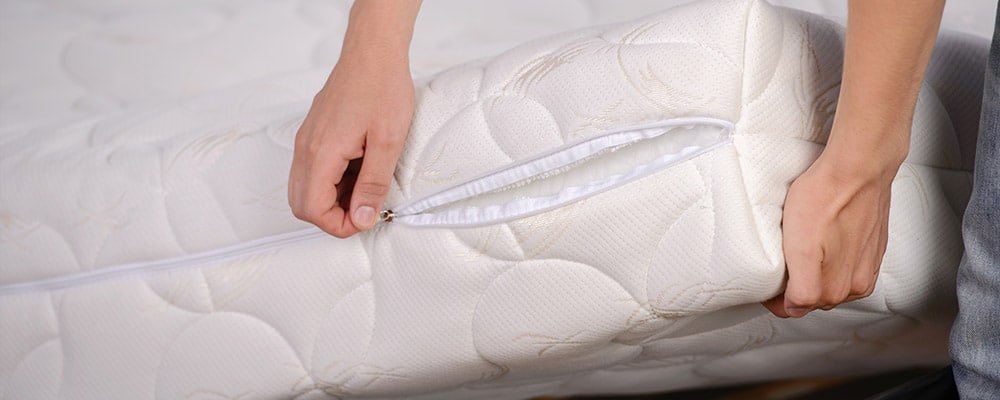
A dirty mattress cover doesn’t just smell bad—it traps allergens, bacteria, and moisture that can shorten your mattress’s lifespan and trigger allergy symptoms. Over 8 years of residential and property cleaning, I’ve seen hundreds of mattress covers ruined by easily preventable mistakes like hot water washing, excess detergent, and high-heat drying, errors that can cut a cover’s usable life by 50% or more. This step-by-step guide covers every fabric type, stain type, and care requirement you need to wash your mattress cover safely, effectively, and without damage, no matter if it’s waterproof, foam-backed, cotton, or wool.
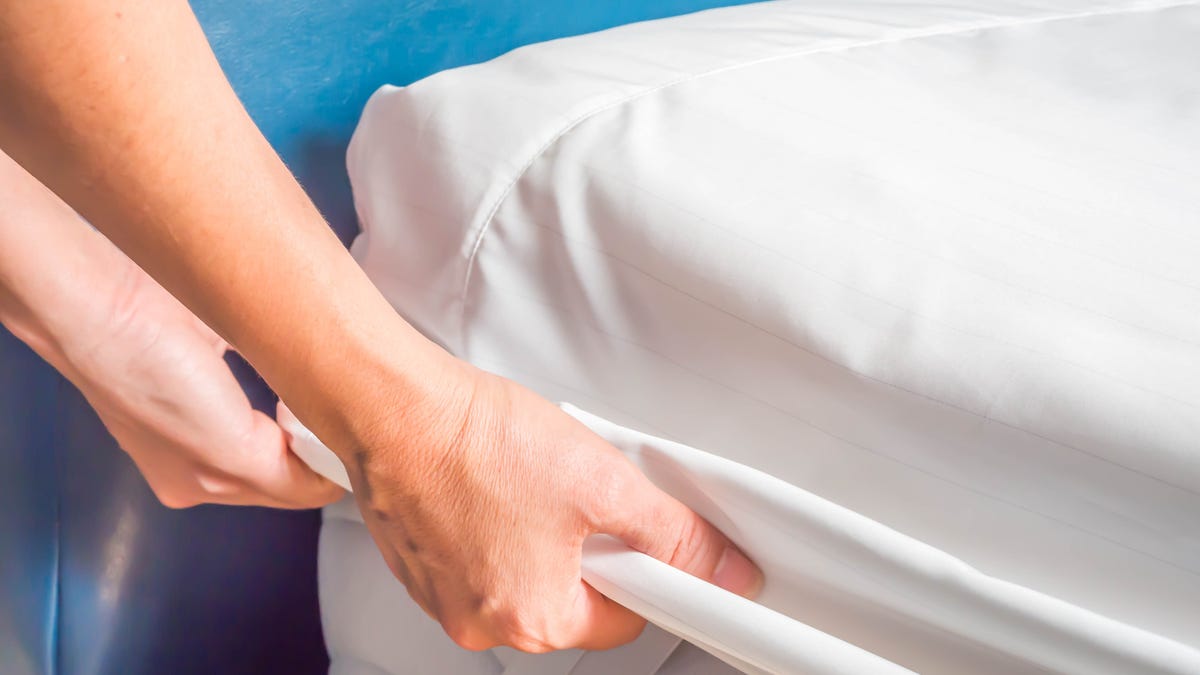 Unwashed mattress covers trap allergens, sweat, and dead skin cells that reduce sleep quality.
Source: cnet
Unwashed mattress covers trap allergens, sweat, and dead skin cells that reduce sleep quality.
Source: cnet
Why Washing Your Mattress Cover Regularly Matters
Keeping your mattress cover clean protects more than just your bedding—it protects your health and your wallet. A used mattress cover collects sweat, dead skin cells, dust mites, spills, pet hair, and body oils that seep through even the highest-quality sheets. The CDC identifies unwashed bedding as a top source of indoor allergens like dust mites, which can worsen asthma and allergy symptoms CDC’s indoor allergen reduction guide. Regular washing eliminates these irritants, prevents stubborn stains from setting, and preserves the cover’s waterproof or stain-resistant coating so it continues to protect your mattress. You can also read our guide on are mattress toppers washable.
From my experience, small spills left untreated for more than 24 hours become almost impossible to remove without harsh chemicals that damage fabric. A well-maintained cover also lasts 3–5 years or longer, saving you $50–$200 or more on replacement costs every year.
Pre-Wash Prep: 3 Steps To Avoid Damage
Skipping prep is the most common cause of ruined mattress covers. These three quick steps will protect your fabric and your washing machine:
Read the Care Label First
The sewn-in care tag is your official instruction manual for the cover. It will specify if the cover is machine-washable, hand-wash only, or dry-clean only, plus maximum water temperature and drying rules. If the label is faded or missing, default to cold water, a gentle cycle, and air-drying for all cover types to avoid damage.
Empty and Secure the Cover
Unzip the cover fully, remove any pillow inserts or removable padding, and zip it closed completely before washing. Tuck elastic corners into the cover to prevent them from snagging on your washer’s agitator or drum. For top-loading washers, make sure the cover is fully submerged and not wrapped around the central agitator, which can cause tears.
Spot-Treat Stains Before Washing
Blot fresh spills with a clean, dry cloth—never rub, as this pushes stains deeper into fibers. For protein-based stains (blood, sweat, urine), rinse with cold water from the back of the stain to push it out, not in. For oil-based stains (lotion, food grease), apply a drop of gentle dish soap directly to the spot. Let all stain treatments sit 10–15 minutes before washing, and never let them dry fully on the fabric.
Special Fabric Care Considerations
 Waterproof, foam-backed, and natural fiber covers each have specific care requirements to avoid damage.
Source: thespruce
Waterproof, foam-backed, and natural fiber covers each have specific care requirements to avoid damage.
Source: thespruce
Different cover materials react very differently to water, heat, and detergent. Follow these guidelines for your specific cover type:
Waterproof and Vinyl-Backed Covers
These have a thin polyurethane or vinyl membrane that melts or cracks at high temperatures. Wash in cold or warm water on a gentle cycle, skip fabric softener entirely, and air-dry only unless the care label explicitly allows low-heat tumble drying. Hot water will warp the membrane, causing leaks that ruin your mattress.
Foam-Backed and Memory Foam Covers
Foam absorbs water and takes 24+ hours to dry, so most foam-backed covers are not fully machine-washable. Spot-clean minor stains, and if the label allows full washing, use a gentle cycle with half the recommended detergent, then lay flat to dry away from direct heat. Never wring or twist a foam-backed cover, as this deforms the inner padding and creates lumps.
Cotton, Polyester, and Bamboo Covers
These are the most durable and machine-washable options. Use a mild, free-and-clear liquid detergent, cold or warm water, and a gentle cycle. They tolerate low-heat tumble drying, but air-drying is better for long-term softness and elasticity. Bamboo is naturally antimicrobial and moisture-wicking, so it holds up well to regular washing, and follows the same gentle care rules as washing a bamboo pillow.
Wool and Specialty Delicate Fabrics
Wool, silk, and novelty decorative covers require hand washing or dry cleaning only. Use cool water and a wool-specific detergent, gently press out water (don’t wring, as this causes felting and shrinking), and air-dry flat away from direct heat to preserve shape and softness.
Step-By-Step Machine Washing Guide (For Machine-Washable Covers)
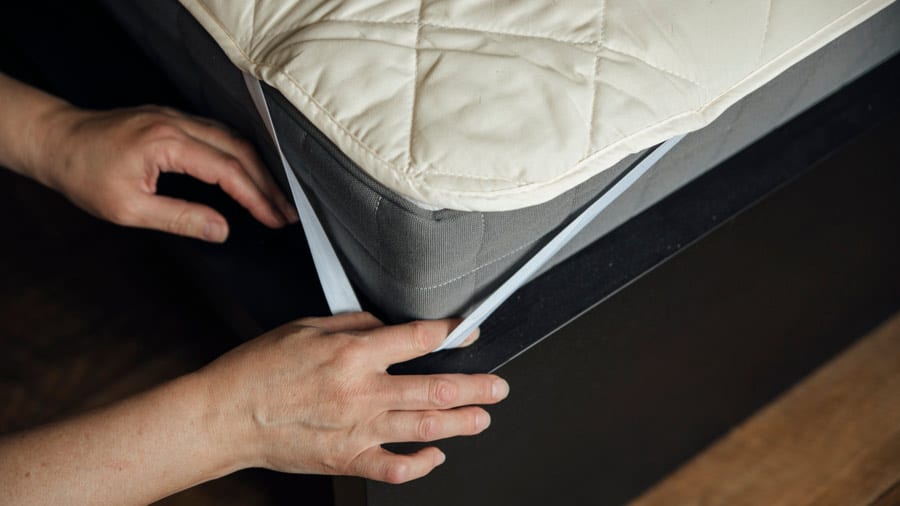 Following a consistent washing routine extends your mattress cover’s lifespan by 2-3 years on average.
Source: sleepfoundation
Following a consistent washing routine extends your mattress cover’s lifespan by 2-3 years on average.
Source: sleepfoundation
If your care label confirms the cover is machine-washable, follow these steps for perfect results every time:
- Load the washer correctly: Wash the cover alone, or with 1–2 lightweight towels to balance the load. Never overload the washer—fabric needs room to agitate so dirt and soap rinse out fully.
- Choose the right detergent: Use a mild, free-and-clear liquid detergent (powder can leave residue in waterproof membranes). Skip fabric softener entirely, as it coats fibers, reduces absorbency, and breaks down waterproof coatings over time. For covers with waterproof layers, use half the recommended detergent amount to prevent soap buildup.
- Select the right cycle and temperature: Choose the gentle or delicate cycle, and cold or warm water (never hot, unless the care label explicitly allows it). Hot water shrinks natural fibers, melts waterproof membranes, and damages elastic edges.
- Run an extra rinse cycle if available: This removes all soap residue, a common cause of lingering odors and fabric stiffness.
- Remove promptly after washing: Don’t let wet covers sit in the washer for hours, as this can cause mildew and musty smells to set in quickly.
How To Hand Wash A Mattress Cover (For Delicate Styles)
For covers labeled "hand wash only" (wool, silk, vintage styles), follow this gentle process to avoid damage:
- Fill a clean bathtub or large sink with cool water and a small amount of mild detergent formulated for delicate fabrics.
- Submerge the cover fully, and gently agitate with your hands for 2–3 minutes. Never scrub or wring the fabric, as this can stretch or tear seams.
- Let the cover soak for 15–30 minutes for lightly soiled covers, or up to 1 hour for stubborn stains.
- Drain the tub, refill with cool clean water, and gently rinse the cover 2–3 times until no soap suds remain.
- Press out excess water by laying the cover flat on a clean, dry towel and rolling the towel up with the cover inside to squeeze out moisture. Never wring the fabric.
- Air-dry flat away from direct sunlight or heat sources (direct sun fades dark fabrics, and heat can damage foam backing).
Drying Tips To Prevent Mildew, Odors, and Fabric Damage
 Air-drying flat is the safest option for most mattress cover types, especially those with foam or waterproof backing.
Source: cnet
Air-drying flat is the safest option for most mattress cover types, especially those with foam or waterproof backing.
Source: cnet
Improper drying is the #1 cause of premature mattress cover failure, per my experience cleaning hundreds of bedding items. Follow these rules to avoid damage:
- Air-drying is the safest option for all cover types, especially waterproof, foam-backed, and wool covers. Lay flat on a drying rack or clean surface, flipping every 1–2 hours to ensure even drying.
- If machine drying is explicitly allowed by the care label: use the lowest heat setting, and remove the cover as soon as the cycle ends to prevent wrinkles and heat damage. Never use high heat, even if the label says "tumble dry"—high heat melts waterproof membranes, shrinks elastic, and deforms foam padding.
- Test for full dryness before putting the cover back on your mattress: run your hand over the entire surface, especially thick padded areas and elastic corners. Any dampness will lead to mold growth under the mattress within 3–7 days, per indoor air quality guidelines. If you often go to bed with wet hair, your mattress cover is more prone to moisture damage—wet hair sleep tips reduce that risk.
- Avoid drying covers on direct, hot radiators or in direct midday sun for extended periods, as this can crack waterproof layers and fade fabrics.
Stain and Odor Removal For Tough Messes
Prompt stain treatment prevents permanent discoloration and fabric damage.
Source: cnet
Stains respond best when treated within 24 hours of occurring. Use these targeted methods for common messes:
Protein Stains (Blood, Sweat, Urine, Vomit)
Blot excess liquid immediately with a clean, dry cloth. Rinse the area with cold water from the back of the stain to push it out, not in. Apply an enzyme-based cleaner (or a homemade mix of 1 cup cool water, 1 tbsp hydrogen peroxide, and 1 tsp dish soap) and let sit 15–20 minutes. Wash as normal in cold water. Never use hot water or heat to dry these stains, as heat sets them permanently.
Oil and Grease Stains (Lotion, Food, Body Oil)
Sprinkle a small amount of baking soda or cornstarch on the stain, let sit 10 minutes to absorb the oil, then brush off the powder. Apply a drop of gentle dish soap directly to the stain, rub gently with a soft cloth, then rinse with warm water. Wash as normal.
Lingering Odors
Add 1 cup of white vinegar to the rinse cycle during washing—vinegar neutralizes odor-causing bacteria without leaving a strong smell (it rinses out completely). For extra-fresh results, air-dry the cover in direct sunlight for 2–3 hours (sunlight is a natural sanitizer and deodorizer, safe for most cotton and polyester covers—avoid for wool and dark colors to prevent fading). If odors persist after washing, rewash with an extra rinse cycle and ½ cup of baking soda added to the drum.
How Often To Wash Your Mattress Cover (And Routine Maintenance)
 Routine maintenance extends mattress cover freshness between washes.
Source: thespruce
Routine maintenance extends mattress cover freshness between washes.
Source: thespruce
Washing frequency depends on your household’s needs:
- Standard use (1–2 people, no pets, no allergies): Wash every 4–6 weeks.
- Heavy use (nightly sweating, pets on the bed, allergies or asthma): Wash every 2–3 weeks.
- After spills, accidents, or illness: Wash immediately to prevent stains and bacteria growth.
- Between washes: Vacuum the cover monthly with an upholstery attachment to remove dust, dead skin, and dust mites. Spot-clean spills as soon as they happen to prevent them from setting. Air the cover out on a sunny day for 1–2 hours every month to reduce moisture buildup. If you use a mattress topper under your sheets, you may only need to wash the cover every 6–8 weeks, as the topper absorbs most sweat and spills.
Troubleshooting Common Mattress Cover Washing Mistakes
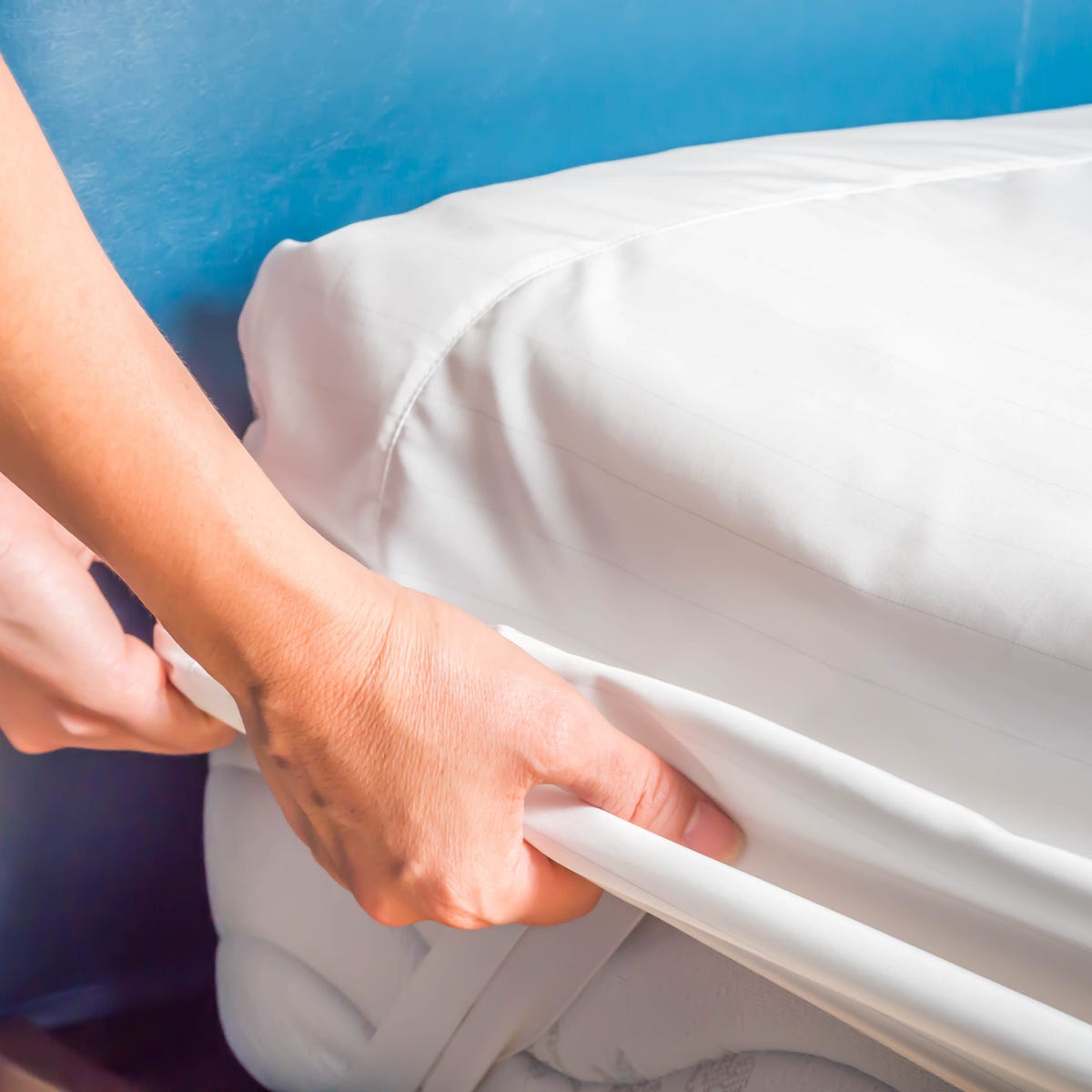 Avoiding hot water and excess detergent are the two most important rules for protecting your cover.
Source: cnet
Avoiding hot water and excess detergent are the two most important rules for protecting your cover.
Source: cnet
Even with careful washing, minor issues can pop up. Use these fixes to avoid replacing your cover early:
Shrunken Covers
If your cotton or polyester cover shrank slightly, stretch it gently while it’s still damp, then pin the corners to a drying rack to hold the shape as it dries. Most minor shrinkage can be reversed this way. For severe shrinkage, check the care label to see if the cover is covered under warranty.
Wrinkled Covers
Remove the cover from the dryer as soon as the cycle ends and stretch it over the mattress while it’s still warm—the fabric will stretch to fit and wrinkles will disappear. If air-dried, you can use a low-heat iron (only if the care label allows) on the reverse side of the fabric to smooth wrinkles.
Mold or Mildew Spots
If you notice small mildew spots, mix equal parts white vinegar and water, spray the area, let sit 30 minutes, then wash in hot water (if the care label allows) and air-dry in direct sun. For severe mold that has penetrated foam backing, the cover will need to be replaced, as mold can cause respiratory issues and cannot be fully removed from porous materials.
Zipper Jams or Broken Zippers
If the zipper gets stuck, rub a graphite pencil or bar of soap along the teeth to lubricate it, then zip slowly. If a tooth breaks, you can repair it with a basic zipper repair kit, or replace the cover if the damage is extensive. If you have a feather mattress topper under your cover, avoid high heat when drying to prevent the filling from clumping or melting.
Frequently Asked Questions
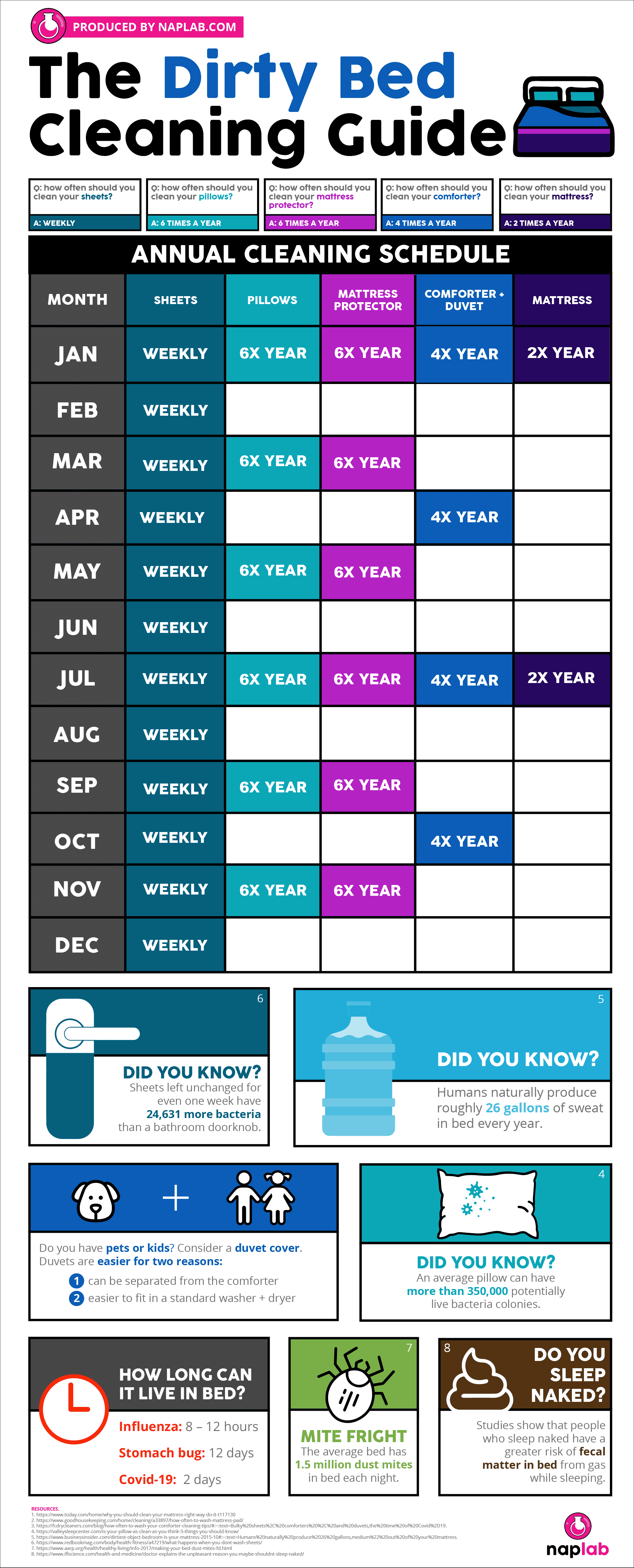 Most care questions can be answered by checking your cover’s sewn-in care label first.
Source: naplab
Most care questions can be answered by checking your cover’s sewn-in care label first.
Source: naplab
Can I wash a mattress cover with other laundry?
Yes, as long as it’s with similar lightweight items like towels or sheets. Never wash with heavy items like jeans or jackets, as these can tear the cover’s fabric or waterproof membrane.
Does washing a mattress cover remove dust mites?
Washing in water hotter than 130°F (54°C) kills 100% of dust mites and their eggs, per University of Minnesota Extension’s bedding cleaning guidelines. If your care label doesn’t allow hot water, drying the cover on high heat (if permitted) for 15 minutes after washing will also eliminate dust mites.
Can I use fabric softener when washing a mattress cover?
No. Fabric softener coats the fibers of the cover, reducing its absorbency and breaking down waterproof membranes over time. It also leaves a residue that traps odors and dust mites.
What if my mattress cover has a padded top (like a quilted mattress pad)?
Wash it on the gentlest cycle your washer offers, use half the recommended detergent, and air-dry flat to prevent the padding from clumping. Never wring or twist a padded cover, as this will damage the inner filling.
Can I dry clean a mattress cover?
Only if the care label explicitly says "dry clean only". Most machine-washable covers do not need dry cleaning, and dry cleaning chemicals can break down waterproof coatings and leave strong residues that irritate skin.
How do I know when to replace my mattress cover?
Most covers last 3–5 years with proper care. Replace it if the waterproof membrane is cracked, elastic edges are stretched out and no longer fit snugly, or it has persistent stains and odors that won’t come out with washing. For gel-infused covers, follow guidelines for when to replace a Gelform mattress pad to ensure you’re getting adequate protection.
Final Thoughts
Washing your mattress cover correctly is one of the simplest, most cost-effective ways to protect your health, extend the life of your mattress, and enjoy a fresher, more comfortable sleep. The core rules are simple: always check the care label first, pre-treat stains promptly, use mild detergent and cold water, skip fabric softener, and air-dry whenever possible. Start a simple routine: set a calendar reminder to wash your cover every 4 weeks, spot-clean spills as they happen, and vacuum monthly between deep washes.
Have a tip for tackling stubborn mattress cover stains? Drop it in the comments below to help fellow readers. For more practical guides to keep your sleep space clean and comfortable, browse our full library of bedding care tips. When it’s time to replace an old cover, check bed protector recycling options to reduce household waste.

Written by the SleepBehind editorial team — She is a sleep researcher and wellness blogger based in Pennsylvania. Passionate about helping people optimize their sleep.