
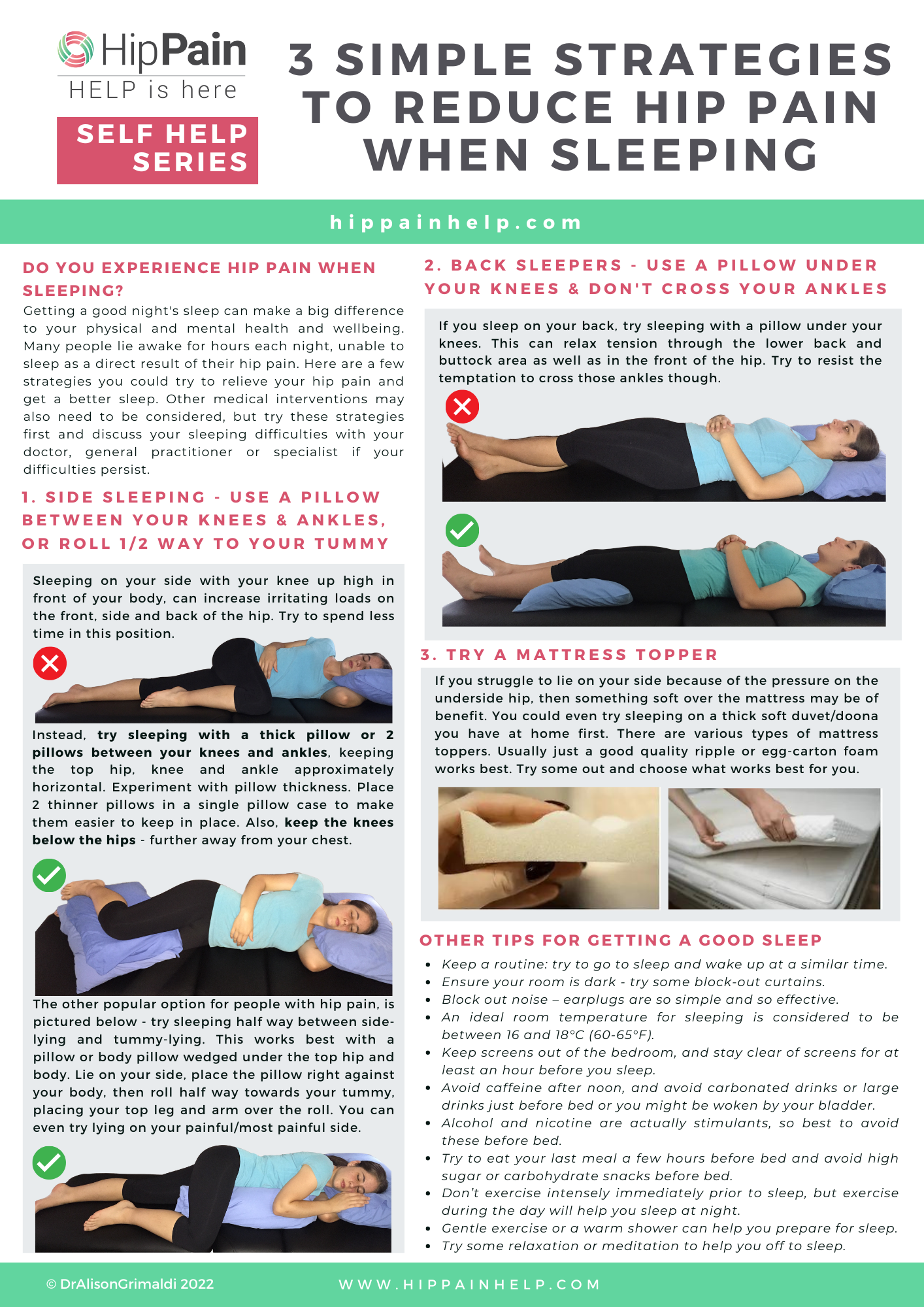
Waking up with a stiff neck, aching lower back, or sore hips is a common complaint, even after a full 8 hours of sleep. For many people, back sleeping is the ideal position to reduce musculoskeletal pain: it keeps the spine in neutral alignment, distributes weight evenly across pressure points, and minimizes strain on the shoulders and hips. But small, unadjusted details—like the wrong pillow height or unsupported lumbar curve—can turn a pain-relieving position into a source of discomfort.
This guide shares evidence-based, practical steps to help you sleep on your back without pain, covering mattress and pillow selection, alignment tweaks, gradual habit training, and simple daily exercises. We also outline red flags that mean you should consult a healthcare provider for personalized support. Most adjustments cost under $50 and can deliver measurable pain reduction in as little as 2 weeks. You can also read our guide on how to sew a mattress cover.
Why Back Sleeping Is A Top Choice For Pain Relief
When done correctly, back sleeping (also called supine sleeping) keeps the ear, shoulder, hip, and ankle in a straight, neutral line. This alignment eliminates excess pressure on the intervertebral discs, which is a leading cause of nighttime and morning back and neck pain. Research from the National Institute of Neurological Disorders and Stroke confirms that neutral spinal alignment during sleep reduces strain on spinal joints and muscles, lowering your risk of chronic pain over time.
Back sleeping also offers secondary benefits: it reduces acid reflux symptoms for many people, minimizes facial wrinkle formation from pillow pressure, and reduces friction on hair to help prevent breakage and keep preserving straight hair styles intact longer. You can also read our guide on cervical pillows for neck pain.
That said, back sleeping is not suitable for everyone. People with moderate to severe obstructive sleep apnea (OSA) may find that back sleeping worsens breathing, as the tongue and soft tissues collapse backward and block the airway. If you have a diagnosed sleep breathing disorder or severe spinal condition, check with a clinician before making position changes.
Choose The Right Mattress And Support Layer For Your Body
Your mattress is the foundation of pain-free back sleeping, but you don’t need to overspend to get the right support. For most back sleepers, a medium-firm mattress (rated 6-7 out of 10 on the firmness scale) hits the sweet spot: it’s firm enough to prevent hip sinking, which twists the lower spine, but soft enough to avoid pressure points on the shoulders and tailbone. People over 200 lbs or with chronic lower back pain may benefit from a firmer 7-8/10 mattress to prevent sagging over time. You can also read our guide on how to wash foam mattress topper.
If your current mattress is too firm, add a 2-3 inch memory foam topper for extra cushioning without sacrificing support. If it’s too soft, a firm latex topper adds structure to keep your hips aligned. For a low-cost refresh, you can even try refreshing a worn topper before replacing your entire mattress. A high-quality waterproof keeping your mattress protector clean will also extend your mattress’s lifespan and keep it free of allergens and spills.
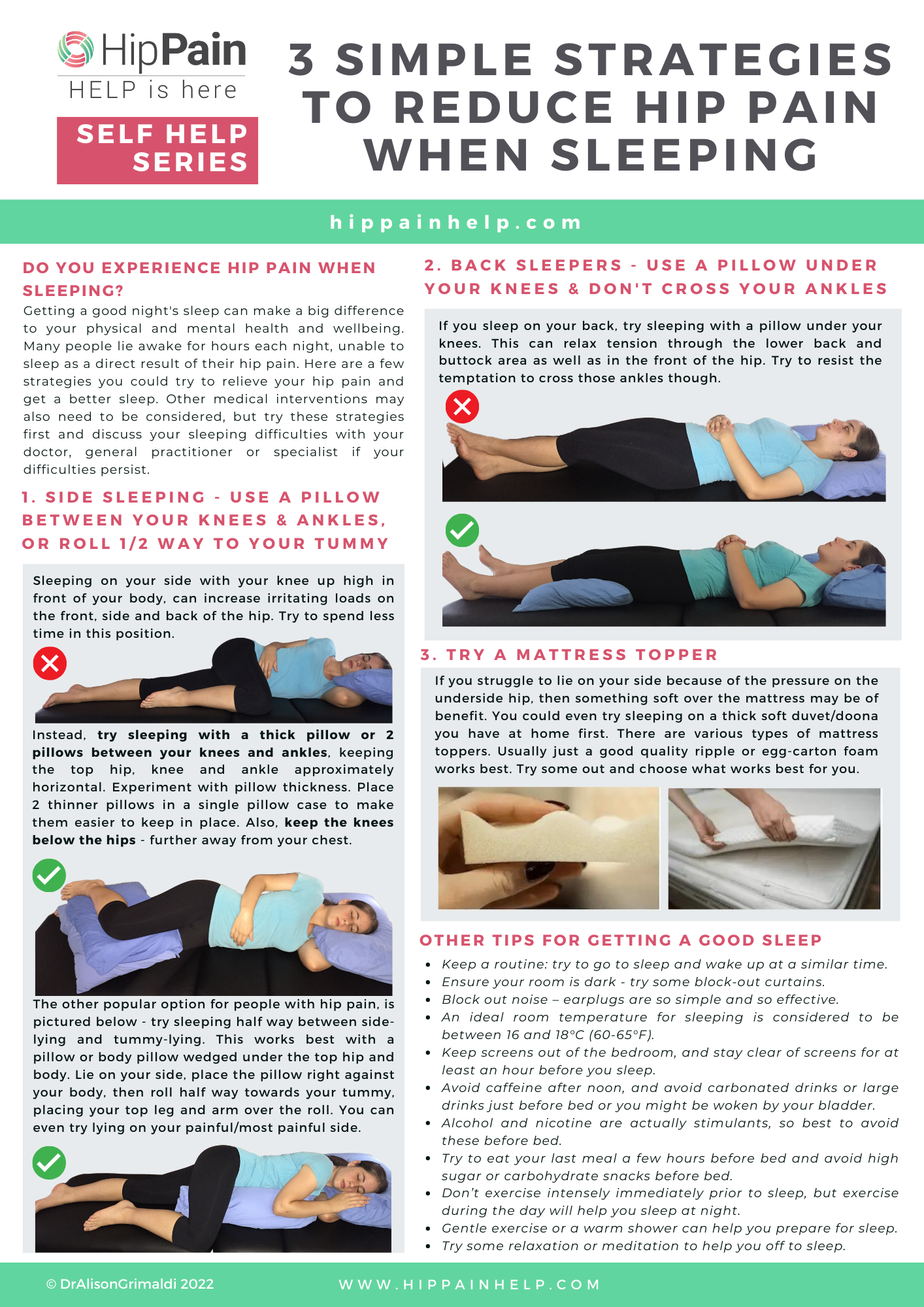 A medium-firm mattress with a thin foam topper provides optimal support for back sleepers
Source: hippainhelp.com
A medium-firm mattress with a thin foam topper provides optimal support for back sleepers
Source: hippainhelp.com
Pick The Perfect Pillow To Support Your Neck And Head
The wrong pillow is one of the most common causes of back-sleeping neck pain. For back sleepers, a medium-loft pillow (4-6 inches when compressed) is ideal: it supports the natural cervical curve of your neck without tilting your head forward (which strains the cervical spine) or leaving your neck unsupported (which causes your head to drop back and compress neck joints). You can also read our guide on donama memory foam cervical pillow.
Contoured cervical pillows are a great option for people with chronic neck pain, as they have a dip for the head and raised sides that cradle the neck and keep it aligned with the spine. If you have mild acid reflux or sleep apnea, a wedge pillow that elevates your head 6-12 degrees can reduce symptoms—just avoid wedges higher than 12 inches, as they can strain your neck and compress your airway.
Pillows lose their support over time, so replace them every 1-2 years, or when they no longer rebound after being pressed flat. Wash your pillow cover monthly, and deep clean the pillow itself per the manufacturer’s instructions—our guide to cleaning your supportive pillow walks through safe steps for all pillow types, including bamboo and memory foam.
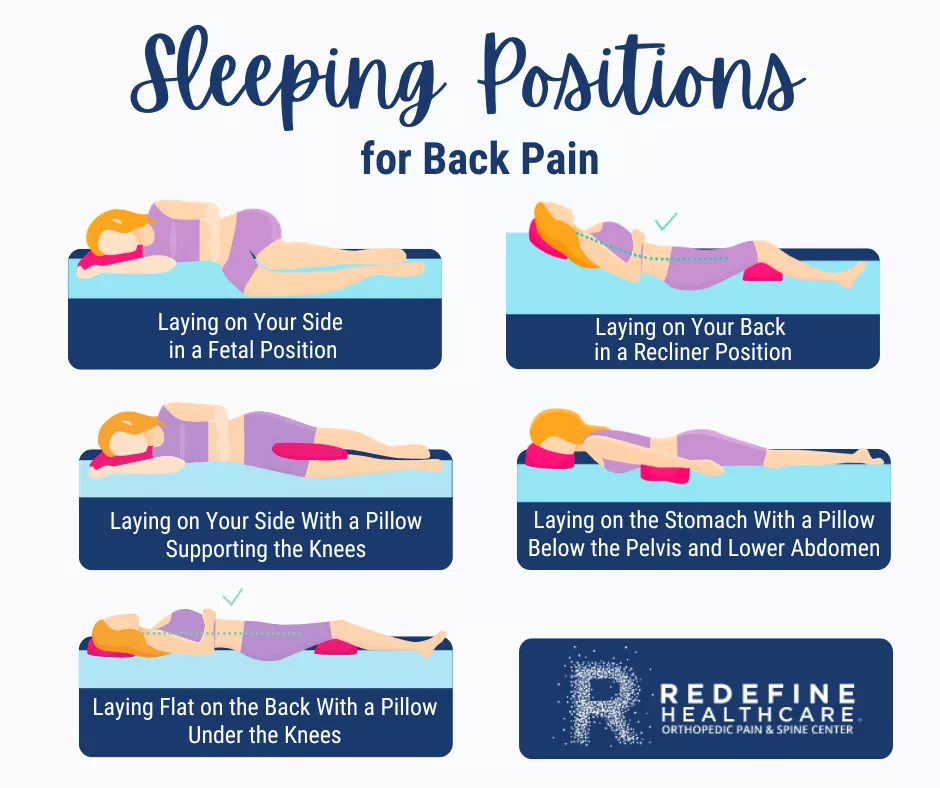 Medium-loft contoured pillows maintain the natural cervical curve during back sleep
Source: redefinehealthcare.com
Medium-loft contoured pillows maintain the natural cervical curve during back sleep
Source: redefinehealthcare.com
Master Body Alignment With Simple, Low-Cost Props
Even with the perfect mattress and pillow, small alignment tweaks make a big difference in pain reduction. First, check your alignment when lying flat: your ear, shoulder, hip, and ankle should form a straight line. If you have a noticeable gap between your lower back and the mattress, place a small cylindrical lumbar roll (or a rolled-up hand towel) under the small of your back to fill the gap and maintain your spine’s natural lumbar curve.
For lower back and hip pain, place a firm pillow under your knees. This flattens the lower back slightly, reduces strain on the hip flexors, and is especially helpful for people with degenerative disc disease or tight hip muscles. If you have wider hips, a small pillow between your knees prevents your upper leg from rotating inward and twisting your pelvis. Keep your arms relaxed at your sides or resting gently on your stomach—avoid placing them overhead for long periods, as this can compress the shoulder joint and cause impingement.
Test any support props for at least 7-10 nights before making adjustments. It takes time for your body to adapt to new alignment, so don’t write off a prop after one uncomfortable night.
 Knee and lumbar support props maintain neutral spinal alignment to prevent lower back pain
Source: painfreenyc.com
Knee and lumbar support props maintain neutral spinal alignment to prevent lower back pain
Source: painfreenyc.com
Train Yourself To Stay On Your Back Overnight
If you’re a lifelong side or stomach sleeper, don’t expect to switch positions cold turkey. Start small: spend 10-15 minutes lying on your back before bed while reading, meditating, or listening to a podcast to get your body used to the position. Gradually increase your back sleep time by 5 minutes each night until you can stay on your back for the full night.
To prevent unconscious rolling, use physical barriers: a body pillow on each side of you acts as a gentle block, or you can use a specialized back sleeper pillow with raised sides that cradle you in place. Low-tech options like a piece of string tied from your waist to the bed frame can also alert you if you start to roll. Wearable sleep trackers can send a gentle vibration if you shift to your side, but they’re not necessary for most people.
It’s normal to roll a few times a night in the first 1-2 weeks of training—don’t get discouraged. Sticking to consistent sleep timing regulates your body’s circadian rhythm, making it easier to settle into a stable position overnight.
 Using side pillows as physical barriers helps prevent rolling during sleep
Source: ucdavis.edu
Using side pillows as physical barriers helps prevent rolling during sleep
Source: ucdavis.edu
Optimize Your Bedtime Routine To Reduce Toss-And-Turn
Even with perfect supports, a restless bedtime routine can make it hard to stay in a comfortable back sleeping position. Aim to go to bed and wake up at the same time every day, even on weekends, to regulate your body’s natural sleep-wake cycle. Avoid screens (phones, TVs, laptops) for at least 1 hour before bed, as blue light suppresses melatonin production and increases restlessness.
Gentle stretching or 5 minutes of deep breathing before bed eases muscle tension that can cause tossing and turning. Try child’s pose, cat-cow stretches, or seated forward folds to release tightness in the back, hips, and shoulders. Avoid heavy meals, alcohol, and caffeine 3 hours before bed, as they can disrupt sleep quality and increase nighttime movement. Keep your bedroom cool (60-67°F) and dark for optimal sleep comfort.
 Gentle stretching before bed eases muscle tightness that contributes to nighttime pain
Source: sleepfoundation.org
Gentle stretching before bed eases muscle tightness that contributes to nighttime pain
Source: sleepfoundation.org
Simple Daily Exercises To Support Back Sleeping
Weak core and glute muscles are a hidden cause of back sleeping pain: if these muscles can’t support your spine’s neutral position all night, you’ll wake up with strain even with perfect supports. Adding 10 minutes of targeted exercises to your daily routine can build the strength you need to stay comfortable.
- Pelvic tilts: 3 sets of 15 reps daily. Lie on your back with knees bent, feet flat on the floor. Gently flatten your lower back to the floor, hold for 2 seconds, then release. This builds lower back control to maintain neutral alignment.
- Glute bridges: 3 sets of 12 reps, holding for 3 seconds at the top. Lie on your back, knees bent, feet flat. Lift your hips toward the ceiling, squeezing your glutes at the top, then lower slowly. This improves hip stability to prevent pelvic twisting.
- Bird dogs: 3 sets of 10 reps per side. Start on your hands and knees, extend one arm forward and the opposite leg back, keeping your core tight. Hold for 2 seconds, then switch sides. This builds core and hip stability to support your spine overnight.
- Chin tucks: 3 sets of 10 reps. Sit or stand with your shoulders relaxed, draw your chin back toward your neck (like you’re making a double chin), hold for 5 seconds, then release. This strengthens cervical muscles to improve neck alignment during sleep.
Do these exercises 30 minutes before bed for best results, or as part of your morning routine to reduce daytime muscle tension that carries over to nighttime.
 Core and glute strengthening exercises improve spinal support for back sleepers
Source: southfloridabackspineandscoliosis.com
Core and glute strengthening exercises improve spinal support for back sleepers
Source: southfloridabackspineandscoliosis.com
Avoid These Common Back Sleeping Mistakes
Small, avoidable mistakes are the reason most people give up on back sleeping before seeing results. Here’s what to watch for:
- Using a pillow that’s too high or too low: A high-loft pillow pushes your head forward, creating a “text neck” position that strains the cervical spine. A too-flat pillow leaves your neck unsupported, causing your head to drop back and compress neck joints. Stick to a 4-6 inch medium-loft pillow for most people.
- Skipping support props entirely: Even the highest-quality mattress can’t maintain lumbar alignment for people with wider hips or extra weight. A $20 knee pillow or lumbar roll is often more effective than an expensive mattress upgrade.
- Forcing back sleeping if you have severe OSA: Back sleeping can worsen breathing for people with moderate to severe sleep apnea, as the tongue and soft tissues collapse backward. If you have diagnosed OSA, consult a sleep specialist before switching positions.
- Ignoring daytime posture: Hunching over a desk all day tightens chest muscles and weakens the upper back, making it impossible to maintain proper alignment at night, even with the right supports. Take 1-minute stretch breaks every hour to counteract the effects of prolonged sitting.
 Avoiding overly firm mattresses and high-loft pillows prevents common back sleeping discomfort
Source: capitalpaincenter.com
Avoiding overly firm mattresses and high-loft pillows prevents common back sleeping discomfort
Source: capitalpaincenter.com
When To See A Healthcare Provider
Most back sleeping pain can be resolved with the adjustments above, but some symptoms require professional evaluation. If you’ve made consistent changes to your mattress, pillow, and alignment for 4-6 weeks and still wake up with pain, schedule an appointment with a physical therapist or primary care provider.
Seek immediate care if you experience persistent numbness, tingling, or weakness in your arms or legs, or if pain worsens during the day. These can be signs of underlying conditions like herniated discs, spinal stenosis, or nerve compression that need targeted treatment. A physical therapist can also assess muscle imbalances and sleep breathing disorders that may be contributing to your pain, and provide personalized exercises and support recommendations.
If you are pregnant, avoid flat back sleeping after the first trimester, as it can compress the inferior vena cava and reduce blood flow to the fetus. Use a wedge pillow to tilt your body slightly to the side while still keeping your back supported, and consult your prenatal care provider for personalized guidance.
 Correct spinal alignment from ear to ankle eliminates pressure points during back sleep
Source: bambooisbetter.com
Correct spinal alignment from ear to ankle eliminates pressure points during back sleep
Source: bambooisbetter.com
Frequently Asked Questions
How do I stop my hips from hurting when I sleep on my back?
Place a supportive pillow under your knees to reduce the arch in your lower back and release tension in the hip flexors. A thin foam wedge under your pelvis can also distribute pressure more evenly across the hips, especially if you have wider hips or bursitis.
Will changing my mattress fix my back pain instantly?
A supportive mattress is a critical factor, but most people need 2-4 weeks to adjust to a new sleep surface. Combine mattress adjustments with proper pillow support, alignment props, and daily strengthening exercises for lasting pain relief.
Can back sleeping make shoulder pain worse?
Rarely, if you hold your arms overhead for long periods during sleep, which can compress the shoulder joint and rotator cuff. Keep your arms relaxed at your sides or resting on your stomach to avoid strain.
I’m a lifelong side sleeper—how do I transition comfortably?
Start with short 10-minute back sleeping sessions before bed while reading or meditating to get used to the position. Use side pillows as physical barriers to rolling, and gradually increase back sleep time by 5 minutes each night. Most people adjust fully within 3-4 weeks.
Is a wedge pillow necessary for back sleeping?
Only if you have mild acid reflux or sleep apnea. A 6-12 degree elevation can reduce reflux symptoms and keep the airway open, but avoid wedges higher than 12 inches, as they can strain your neck and compress your airway.
How long does it take to see pain reduction from back sleeping?
Most people notice reduced morning pain within 1-2 weeks of consistent adjustments, with full results in 4-6 weeks. Track your pain levels in a simple journal to measure progress and adjust your setup as needed.
Can I sleep on my back if I have sleep apnea?
It depends on the severity of your condition. Mild cases may benefit from slight head elevation, but moderate to severe OSA often worsens with back sleeping. Consult a sleep specialist to determine the safest position for your needs.
Conclusion
Switching to pain-free back sleeping doesn’t require expensive new gear or overnight changes. Start with one small adjustment this week: whether that’s swapping your current pillow for a medium-loft contoured option, adding a knee pillow to reduce lower back strain, or setting a consistent 10-minute back sleep session before bed. Track your pain levels in a simple journal for 2 weeks to measure progress, and adjust your setup as needed.
If pain persists after 4-6 weeks of consistent changes, reach out to a physical therapist or sleep specialist for personalized guidance. For more tips to improve your sleep comfort, check out our guide to refreshing a worn topper to get the most out of your current mattress setup.

Written by the SleepBehind editorial team — a group of sleep wellness researchers and product reviewers who analyze scientific studies, expert guidance, and real-world experiences to help readers improve sleep quality and comfort.