Sleep position is one of the most overlooked modifiable factors impacting sleep quality, chronic pain, breathing, and long-term health. While many people assume there is a single "best" position for everyone, evidence shows the healthiest option depends on your unique body, existing health conditions, and even age. In this expert guide, we break down the pros, cons, and evidence-based use cases for every common sleep position, plus practical tips to adjust your setup for better rest, reduced pain, and improved overall wellness. According to CDC sleep health guidance, small posture adjustments can reduce nighttime discomfort and lower your risk of chronic health issues over time.
Why Sleep Position Impacts Your Overall Health
Your sleep posture directly affects spinal alignment, respiratory function, circulatory health, and even organ function. Poor sleep posture creates pressure points that disrupt deep sleep, exacerbate chronic pain, and reduce oxygen intake overnight. Over time, consistent poor posture can contribute to long-term issues like degenerative disc disease, chronic snoring, and even skin creasing or hair friction damage. Side and stomach sleeping can cause repeated friction that leads to unwanted hair creasing and skin indentations overnight, while unsupported back sleeping can flatten the natural lumbar curve and cause morning back stiffness. Understanding these impacts is the first step to choosing a position that works with your body, not against it. You can also read our guide on tempur travel neck pillow.
 This graphic breaks down the key health impacts of different sleep postures.
Source: wp.com
This graphic breaks down the key health impacts of different sleep postures.
Source: wp.com
The Evidence-Based Ranking of Common Sleep Positions
Research and clinical guidance rank sleep positions based on their impact on spinal alignment, breathing, and pressure point reduction. Below is a full breakdown of each common position, including benefits, downsides, and practical tips to optimize it for your body.
Back (Supine)
Widely considered the healthiest position for most healthy adults, back sleeping keeps the head, neck, and spine in a neutral, straight line when properly supported. You can also read our guide on cervical pillows for neck pain.
- Benefits: Maintains neutral spinal alignment, reduces pressure on internal organs, minimizes acid reflux symptoms, and lowers the risk of facial wrinkles from consistent pillow pressure.
- Downsides: Can worsen snoring and mild to moderate obstructive sleep apnea (OSA) by allowing the tongue and soft palate to collapse backward and obstruct the airway. May be uncomfortable for people with chronic lower back pain if lumbar support is insufficient.
- Tips: Use a medium-loft cervical pillow that keeps your neck aligned with your spine (no more than 4 inches thick), place a small cylindrical lumbar roll or folded towel under the small of your back to maintain your natural lumbar curve, and add a thin pillow under your knees to reduce lower back strain. Pair this with proper pillow maintenance to ensure your pillow retains its supportive loft over time.
Left Side
Left side sleeping is the second most recommended position, with specific benefits for people with certain health conditions.
- Benefits: Recommended by the American College of Obstetricians and Gynecologists (ACOG) for pregnant people after 20 weeks, as it improves uteroplacental blood flow and reduces leg swelling. It also reduces GERD symptoms by keeping the stomach below the esophagus, and may improve lymphatic drainage on the left side of the body.
- Downsides: Can cause shoulder impingement if the top shoulder collapses forward, and may contribute to facial puffiness and eye wrinkles from consistent pressure on one side of the face.
- Tips: Use a high-loft side sleeping pillow (4-6 inches thick) that keeps your ear aligned with your shoulder, place a firm contoured knee pillow between your knees to keep your hips and pelvis aligned, and avoid tucking your top arm under your head to prevent shoulder strain.
Right Side
Right side sleeping offers similar spinal alignment benefits to left side, with a few key differences.
- Benefits: Provides the same neutral spinal alignment as left side sleeping, and may be more comfortable for people with left shoulder pain or injuries. It can also reduce snoring for some people with mild OSA.
- Downsides: May worsen GERD symptoms compared to left side sleeping, as the stomach sits slightly above the esophagus when lying on the right. Prolonged right side only sleeping can lead to uneven shoulder and hip strain.
- Tips: Use the same knee and pillow supports as left side sleeping, and alternate sides every 2-3 nights to avoid repetitive strain on one shoulder.
Fetal Position
The fetal position (curled on your side with knees drawn toward the chest) is one of the most common sleep positions, especially among side sleepers.
- Benefits: Comfortable for most people, and is a safe, recommended position for pregnant people in the second and third trimester with slight modifications. It can also reduce snoring by keeping the airway open.
- Downsides: If curled too tightly, it can restrict diaphragm movement, reduce lung capacity, and cause morning stiffness in the back and hips.
- Tips: Keep your knees slightly bent (not pulled all the way to your chest), use a body pillow or knee pillow to keep your hips aligned, and avoid tucking your chin to your chest to prevent neck strain.
Stomach (Prone)
Stomach sleeping is the least recommended position for most people, with limited benefits and significant potential downsides.
- Benefits: May reduce snoring for a small number of people with mild OSA by keeping the airway open.
- Downsides: Forces the neck to turn 90+ degrees to one side for breathing, which strains cervical vertebrae and can cause chronic neck pain. It also flattens the natural lumbar curve, leading to lower back pain, and puts pressure on internal organs. Stomach sleeping also increases friction against pillowcases, which can lead to excessive hair breakage if you regularly go to bed with damp hair.
- Tips: If you must sleep on your stomach, use a very thin pillow (or no pillow) under your head, place a thin pillow under your hips to reduce lumbar strain, and work to gradually transition to side or back sleeping over time.
 Research shows back sleeping is optimal for most healthy adults, with exceptions for specific health conditions.
Source: cloudfront.net
Research shows back sleeping is optimal for most healthy adults, with exceptions for specific health conditions.
Source: cloudfront.net
Special Health Considerations: Matching Position to Your Needs
For people with chronic health conditions, the "healthiest" sleep position may differ from general guidance. Below are evidence-based recommendations for common medical needs.
Pregnancy
ACOG recommends left side sleeping after 20 weeks of pregnancy to improve blood flow to the fetus and reduce swelling in the legs and feet. Short periods of right side or back sleeping are safe for most low-risk pregnancies, especially if you use a wedge pillow under your belly for support. Avoid sleeping flat on your back in the third trimester, as this can compress the vena cava and reduce blood flow to the fetus.
Obstructive Sleep Apnea (OSA) and Chronic Snoring
For people with mild to moderate positional OSA, side sleeping is the healthiest option, as it reduces airway collapse during sleep. The American Academy of Sleep Medicine recommends positional therapy, such as wearable vibration devices that nudge you off your back when you roll over, as a first-line intervention before trying CPAP. Avoid back sleeping if you have severe OSA, as it can significantly worsen breathing pauses.
Gastroesophageal Reflux Disease (GERD)
Left side sleeping is the most effective position for reducing nighttime GERD symptoms, as it keeps the stomach below the esophagus and minimizes acid backflow. Elevating the head of the bed 6-8 inches with a firm bed wedge (not just stacked pillows, which can bend the neck and worsen symptoms) can further reduce reflux episodes for most people with mild to moderate GERD.
Chronic Back and Joint Pain
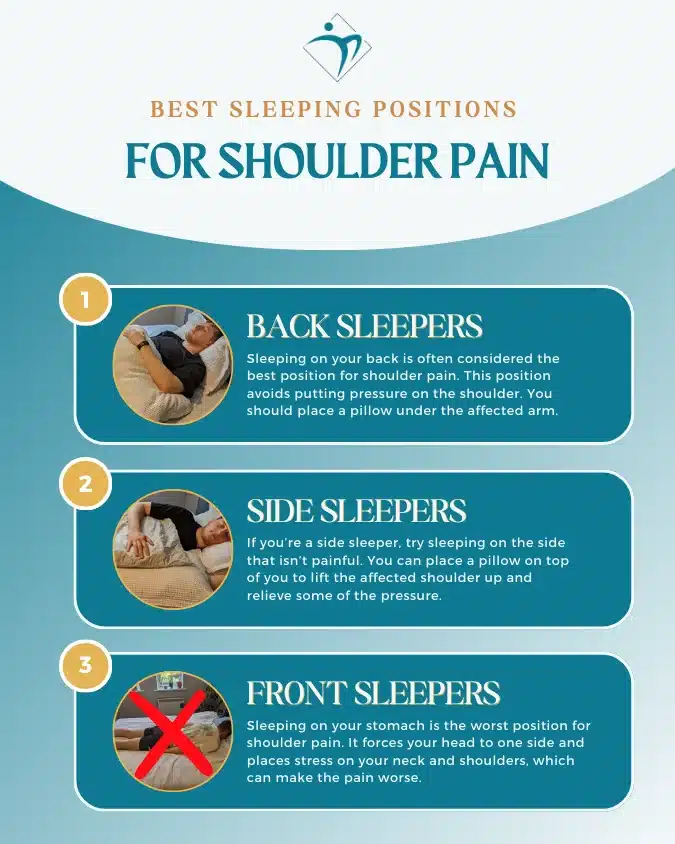
For people with lower back pain, back sleeping with a small lumbar roll and knee pillow is usually the most comfortable option, as it maintains the natural spinal curve. For people with shoulder or hip pain, side sleeping with a contoured knee pillow reduces pressure on joints. A worn or sagging mattress topper can create pressure points that worsen pain, so address mattress topper wear as soon as you notice lumps or sagging.
 Side sleeping with proper support reduces shoulder and hip pressure for most people.
Source: hopkinsmedicine.org
Side sleeping with proper support reduces shoulder and hip pressure for most people.
Source: hopkinsmedicine.org
How to Transition to a Healthier Sleep Position (Without Disrupting Your Rest)
Changing a lifelong sleep habit takes time and patience, but these evidence-based steps make the process easier:
- Start small: Don’t try to switch cold turkey. Spend 1-2 nights a week focusing on your target position, gradually increasing the frequency as your body adjusts.
- Use support tools strategically: For back sleeping, place a long body pillow behind your back to prevent rolling. For side sleeping, use a contoured knee pillow to keep your hips aligned. If your mattress pad or topper is lumpy or worn, it can create pressure points that make position changes uncomfortable; learn when to replace your sleep surface for optimal support.
- Use gentle cues, not alarms: Wearable positional therapy devices that vibrate softly when you roll onto your back are more effective than loud alarms, which disrupt deep sleep and make adjustment harder.
- Optimize your sleep environment first: A medium-firm mattress that supports your spine without sagging is non-negotiable for position comfort. If your mattress is over 8 years old, it may be time for a replacement.
- Be patient: It takes 21 to 66 days to form a new habit, and sleep position is no exception. Track your progress with a simple sleep diary to note pain, snoring, and energy levels over time. If you wake up in your old position, don’t get frustrated — just adjust and try again the next night. In practice, most people see reduced pain and improved sleep quality within 2-3 weeks of consistent adjustments.
 This guide matches the healthiest sleep positions to common medical needs.
Source: sleepfoundation.org
This guide matches the healthiest sleep positions to common medical needs.
Source: sleepfoundation.org
Essential Sleep Accessories to Support Your Ideal Position
Even the healthiest sleep position can cause pain and discomfort without the right supports. Below is a breakdown of the most effective accessories for each position:
Pillows
- Back sleepers: Choose a medium-loft pillow (3-4 inches thick) that keeps your neck aligned with your spine. Avoid high-loft pillows, which can bend your neck forward and strain muscles.
- Side sleepers: Choose a high-loft pillow (4-6 inches thick) that fills the gap between your ear and shoulder when lying on your side. Contoured memory foam pillows work well for side sleepers with shoulder pain.
- Stomach sleepers: Use an extra-low loft pillow (less than 2 inches thick) or no pillow at all to avoid straining your neck.
Mattress and Toppers
- Back and stomach sleepers: Medium-firm mattresses provide the best support for maintaining neutral spinal alignment.
- Side sleepers: Medium-soft mattresses with a comfort layer that relieves pressure on the shoulders and hips work best.
- Mattress toppers: If you use a topper for extra cushioning, make sure it is evenly distributed and not sagging. Following mattress topper care guidelines keeps your sleep surface even and supportive.
Positional Aids
- Knee pillows reduce lower back strain for back and side sleepers by keeping the hips aligned.
- Body pillows provide full-body support for side and fetal position sleepers, reducing the need to curl tightly.
- Bed wedges elevate the head of the bed 6-8 inches for people with GERD, reducing nighttime reflux.
- Positional therapy devices (wearable vibration bands or special pillows) help people with OSA avoid back sleeping unintentionally.
 Gradual adjustments with support tools make position changes easier to maintain.
Source: verywellhealth.com
Gradual adjustments with support tools make position changes easier to maintain.
Source: verywellhealth.com
Common Myths About Sleep Positions Debunked
Misinformation about sleep positions is widespread, leading many people to adopt habits that worsen their sleep quality. Below are the most common myths, debunked with evidence:
- Myth: There is one universal "healthiest" sleep position for everyone. Reality: The best position depends on your health profile, body type, and existing conditions. For example, back sleeping is ideal for most healthy adults, but left side sleeping is better for pregnant people and those with GERD.
- Myth: Stomach sleeping is always harmful. Reality: Occasional stomach sleeping is not harmful for people without existing neck or back pain. The risks only arise when stomach sleeping is your primary, nightly position.
- Myth: You must force yourself to never move during the night. Reality: Natural movement during sleep is normal and healthy. The goal is to spend the majority of the night in a supportive position, not to stay completely still, which can cause joint stiffness.
- Myth: Expensive pillows are always better for sleep posture. Reality: The right pillow depends on your sleep position and body size, not price. A $20 pillow with the correct loft for your position will provide better support than a $200 pillow that is too thick or too thin for your needs.
- Myth: You can change your sleep position in one night. Reality: It takes 3 to 8 weeks to retrain your sleep position, as your body has built muscle memory for your preferred posture over years. Consistency and small, incremental changes are key to success.
 Proper ergonomic support keeps the spine neutral regardless of sleep position.
Source: nih.gov
Proper ergonomic support keeps the spine neutral regardless of sleep position.
Source: nih.gov
Frequently Asked Questions
What is the healthiest sleeping position for most people?
For the majority of healthy adults without chronic conditions, back sleeping (supine) is the healthiest option, as it maintains neutral spinal alignment, reduces pressure on internal organs, minimizes acid reflux symptoms, and lowers the risk of facial wrinkles from pillow pressure. To make back sleeping comfortable, pair a medium-loft cervical pillow with a small lumbar roll and a thin pillow under your knees to support your lower back curve.
Is side sleeping healthy?
Yes, side sleeping is a healthy option for most people, especially those with pregnancy, GERD, or mild snoring. To avoid shoulder strain, use a high-loft pillow that keeps your neck aligned, and place a firm knee pillow between your knees to keep your hips aligned.
Is sleeping on your stomach bad?
Stomach sleeping is the least recommended position for most people, as it strains the cervical and lumbar spine and can cause chronic neck and back pain over time. However, occasional stomach sleeping is not harmful for people without existing pain. If you sleep on your stomach, use a very thin pillow or no pillow under your head, and place a thin pillow under your hips to reduce lumbar strain.
Which sleeping position helps with acid reflux?
Left side sleeping is the most effective position for reducing acid reflux, as it keeps the stomach below the esophagus and minimizes acid backflow. Elevating the head of the bed 6-8 inches with a firm bed wedge can further reduce nighttime reflux episodes for people with GERD.
How long does it take to change your sleep position?
Most people take 3 to 8 weeks to adjust to a new sleep position, though it can take longer for people who have slept in the same position for decades. Using support pillows and gentle positional cues can speed up the adjustment process. Be patient with your progress, and focus on consistency rather than perfection.
Can changing my sleeping position reduce snoring?
Yes, for people with positional obstructive sleep apnea, switching from back to side sleeping can reduce snoring and breathing pauses by a significant margin, often eliminating the need for a CPAP machine for mild cases. For people with severe OSA, positional therapy may still help reduce symptoms, but consult a sleep specialist for personalized guidance.
Conclusion
There is no one-size-fits-all "healthiest" sleep position — the best option for you depends on your age, health conditions, and personal comfort. For most healthy adults, back sleeping with proper lumbar and neck support offers the most benefits for spinal alignment and long-term health. For pregnant people, those with GERD, or people with mild snoring, side sleeping (especially left side) is a healthier alternative. Stomach sleeping may be acceptable occasionally for people without pain, but should be avoided as a primary position for most.
If you’re struggling to find a comfortable position, start with one small change tonight: add a knee pillow if you sleep on your back or side, or try a thin pillow under your hips if you sleep on your stomach. Track your symptoms over two weeks, and adjust your setup as needed. For persistent pain, loud snoring, or breathing pauses during sleep, consult a healthcare provider or sleep specialist to build a personalized plan for better rest.
Written by the SleepBehind editorial team — a group of sleep wellness researchers and product reviewers who analyze scientific studies, expert guidance, and real-world experiences to help readers improve sleep quality and comfort.