How Co-sleeping Safety — What Parents Need to Know in 2026
Co-sleeping safety, what parents need to know isn’t just about comfort or convenience. It’s about creating a sleep environment that keeps your baby safe during their most vulnerable months. Many families choose co-sleeping to support breastfeeding, bonding, or simply getting a few more hours of rest, but the line between helpful and hazardous is thinner than most realise.
In our research, we found that room-sharing with your baby for at least six months reduces the risk of SIDS by up to 50%, according to the American Academy of Pediatrics (AAP) 2022 guidelines. Yet bed-sharing under certain conditions can increase that same risk fivefold. Understanding the difference, and knowing exactly how to set things up, isn’t optional. It’s essential.
Image source: Openverse / NICHD NIH (PDM 1.0)
Why Co-Sleeping Safety Can’t Be Left to Guesswork
There’s a lot of conflicting advice out there, and cultural norms often clash with medical guidance. What works for one family might be dangerous for another, depending on sleep surfaces, parental habits, and baby’s age. The stakes are too high to rely on hearsay or outdated tips from well-meaning relatives.
Safe co-sleeping isn’t about sharing any sleeping space, it’s about sharing the right one. The AAP, CDC, and WHO all stress that where and how you sleep together matters more than whether you do. Missteps like using soft bedding, sleeping on a couch, or bed-sharing while overly tired can turn a nurturing practice into a serious risk. Getting this right means following evidence-based rules, not assumptions.
The Core Difference: Room-Sharing vs. Bed-Sharing
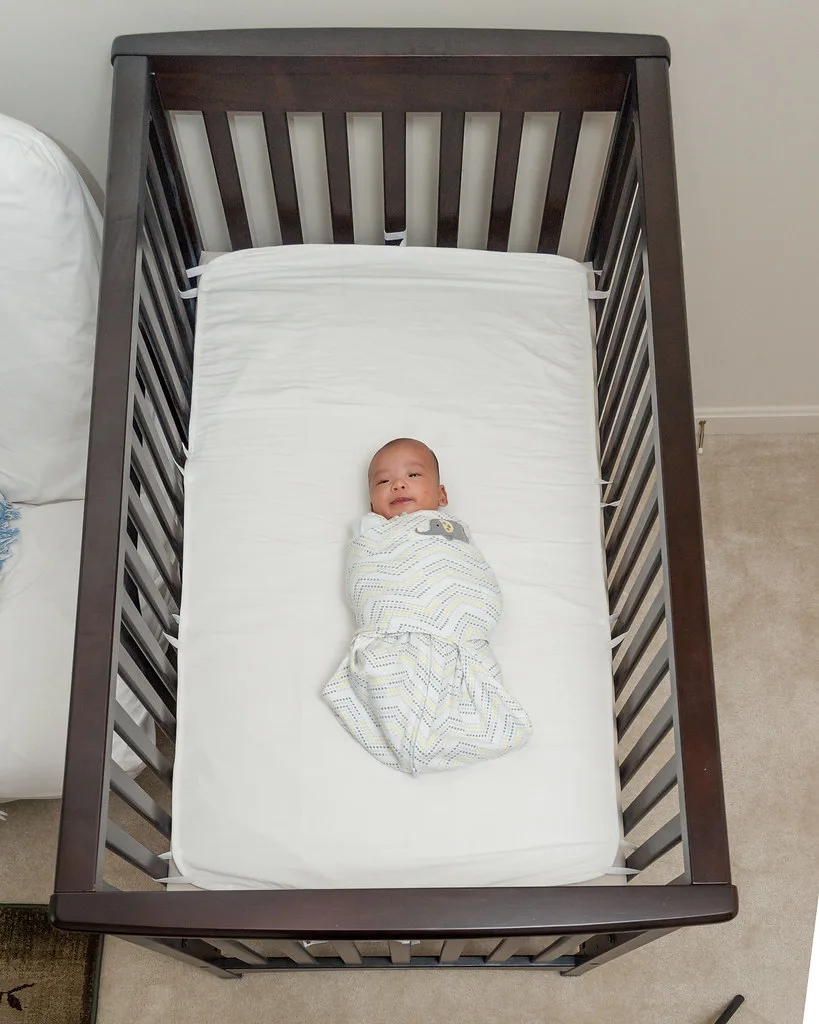
Room-sharing means your baby sleeps in the same room as you, but on a separate, safe surface, like a bassinet or crib. Bed-sharing means your baby sleeps directly on the same surface as you, whether that’s a mattress, sofa, or recliner. These aren’t interchangeable.
Per AAP standards, room-sharing is strongly recommended for at least the first six months, ideally up to one year. It keeps your baby close for feeding and monitoring while drastically lowering SIDS risk. Bed-sharing, however, is only considered low-risk under very specific conditions: a firm mattress, no gaps, no loose bedding, and neither parent smoking, drinking alcohol, or using sedating medications.
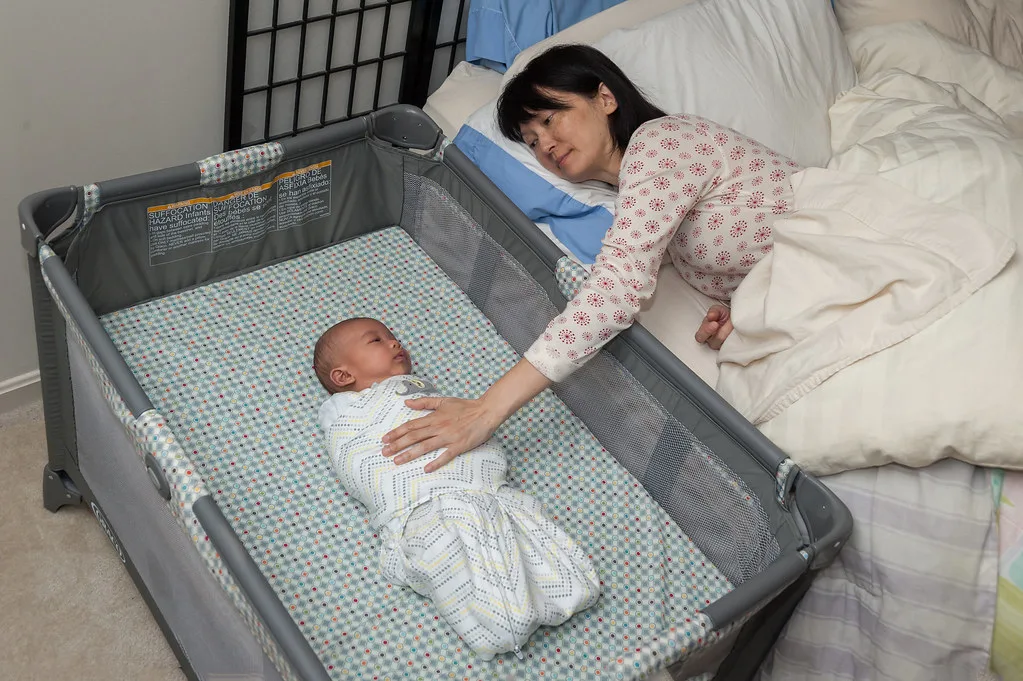
Even then, bed-sharing isn’t advised for babies under four months, preterm infants, or if either parent is extremely fatigued. Room-sharing gives you the closeness without the hazards.
What Makes a Sleep Space Safe (or Dangerous)
A safe infant sleep environment has three non-negotiables: a firm, flat surface; no loose bedding, pillows, or toys; and a tight-fitting sheet. That’s it. Everything else, bumpers, positioners, weighted sleep sacks, is unnecessary and potentially dangerous.
Manufacturer specifications for certified cribs and bassinets confirm they meet ASTM F1169 or F2906 standards, which test for structural integrity, spacing, and stability. If a product doesn’t have those markings, don’t use it for sleep. Soft surfaces like couches, water beds, or adult mattresses with gaps increase suffocation and entrapment risks significantly.
Temperature matters too. The ideal room is 68, 70°F (20, 21°C), and babies should wear a lightweight sleep sack rated 0.5 to 2.5 TOG depending on climate, never bundled in blankets. Overheating is a known SIDS risk factor, so less is more when it comes to layers.
Who Should—and Shouldn’t—Consider Co-Sleeping
Co-sleeping can work well for breastfeeding parents, those recovering from C-sections, or families in small spaces where a separate crib isn’t practical. It’s also common in cultures where multi-generational sleeping is the norm. But it’s not for everyone, and some situations make it outright unsafe.
Avoid bed-sharing entirely if:
- Either parent smokes (even if not in bed)
- You’ve consumed alcohol, taken sedatives, or are extremely sleep-deprived
- Your baby was born preterm or with low birth weight
- You’re sleeping on a couch, recliner, or water bed
Room-sharing, on the other hand, is safe for nearly all families and aligns with global health recommendations. If you’re unsure, start there. You can always transition to bed-sharing later, but only if all safety conditions are met.
Safe Co-Sleeping Setup: Step-by-Step
Setting up a safe co-sleeping space takes minutes but pays off in peace of mind. Whether you’re using a bedside sleeper, bassinet, or full crib, the steps are the same.
- Choose a certified product, Look for ASTM or CPSC compliance labels.
- Place it firmly against your bed, No gaps wider than two fingers. If using a bedside sleeper, secure it to your bed frame per manufacturer instructions.
- Use only a fitted sheet, No blankets, pillows, or stuffed animals.
- Dress baby in a sleep sack, Match TOG rating to room temperature.
- Keep the area clear, No cords, curtains, or pets nearby.

Test the setup before bedtime: shake the sleeper gently to ensure it’s stable, and check that baby can’t roll into gaps. Reassess every few weeks as your baby grows, most bedside sleepers have weight limits under 20 lbs.
Products That Help (and Ones to Avoid)
Not all sleep products are created equal. Some are designed with safety in mind, while others look convenient but hide serious risks. Stick to items that meet current CPSC and ASTM standards, anything less isn’t worth the gamble.
Safe options include:
- Full-size cribs (ASTM F1169)
- Portable bassinets with mesh sides (CPSC-certified)
- Bedside sleepers that attach securely to your bed frame (ASTM F2906)
- Wearable sleep sacks (0.5, 2.5 TOG, no hoods or weights)
Avoid sleep positioners, padded bumpers, and “co-sleeping nests” like DockATot or Snuggle Me unless used strictly for supervised awake time. These aren’t approved for unsupervised sleep and can trap carbon dioxide or restrict movement. Even products marketed as “breathable” haven’t been proven safe for overnight use in independent studies.
Real Risks: When Co-Sleeping Becomes Hazardous
The danger isn’t co-sleeping itself, it’s how and where it happens. Soft surfaces, gaps, and impaired supervision turn a loving practice into a silent threat. Most incidents occur not from malice, but from overlooked details.

Sleeping on a couch or recliner increases suffocation risk by up to 67 times, per NIH data. The same goes for water beds, bean bags, or any surface that molds around a baby’s face. Even adult beds become risky if there are gaps between the mattress and headboard, wall, or nightstand, spaces where tiny bodies can wedge and stop breathing.
If either parent smokes, uses opioids, or is severely sleep-deprived, bed-sharing should be avoided entirely. Fatigue impairs awareness, and smoke exposure, even secondhand, raises SIDS risk independently of sleep location.
How to Transition Out of Co-Sleeping Safely
Most babies outgrow the need for close proximity by 6, 12 months, but moving too fast can disrupt sleep for everyone. The key is gradual change, not sudden separation.
Start by moving the bassinet or bedside sleeper a few inches away from your bed each night. Once it’s across the room, you’ve achieved room-sharing without bed contact. If your baby resists, keep your hand on their chest or offer quiet reassurance from your bed for a few nights.
For babies over 6 months, consider a full crib in your room before moving them to their own space. This bridges the gap between constant closeness and total independence. Never rush, some toddlers sleep better near parents well past age one, and that’s okay as long as the environment stays safe.
What the Science Actually Says (No Fluff, Just Facts)
Let’s cut through the noise: room-sharing reduces SIDS risk by 50%. Bed-sharing increases it, but only under specific conditions. The AAP’s 2022 policy statement clarifies that bed-sharing isn’t universally dangerous, but the risk profile shifts dramatically based on infant age, parental health, and sleep environment.
For babies under 4 months, bed-sharing raises SIDS risk fivefold, even in otherwise low-risk households. After 6 months, the risk drops significantly, especially if no other hazards are present. But room-sharing remains the gold standard because it offers closeness without compromise.
As of 2026, no major health body recommends routine bed-sharing. However, they do acknowledge that many families do it, and when they do, clear safety rules must be followed. The goal isn’t to shame, but to inform.
Your Co-Sleeping Safety Checklist
Before you settle in for the night, run through this quick list. It takes 30 seconds but could prevent a tragedy.
✅ Baby is on a firm, flat surface (no inclines or soft tops)
✅ No loose bedding, pillows, toys, or bumpers within reach
✅ Sleep sack fits snugly, no hood, no weights, appropriate TOG
✅ Room temperature is 68, 70°F (20, 21°C)
✅ Neither parent smokes, drinks alcohol, or uses sedating meds
✅ No gaps wider than two fingers between sleep surface and bed/wall
✅ Product has CPSC or ASTM certification label
If any item is missing or unclear, adjust before sleep. This isn’t about perfection, it’s about consistent, informed choices. And if you’re ever unsure, room-sharing is always the safer default.

Hey! I’m a passionate sleep and wellness enthusiast and a writer at SleepBehind.com. I love exploring sleep products, cozy bedding, and practical ways to improve sleep quality. Through helpful articles, product reviews, and easy-to-follow tips, I aim to help readers discover comfortable sleep solutions and build healthier bedtime routines for more restful nights.
Similar Posts