After testing more than a dozen wool mattress toppers over five years across humid Southeast, temperate Pacific Northwest, and dry Mountain West climates, and consulting with sleep health specialists on material performance, we can answer this question with clarity: wool toppers are an exceptional choice for the right sleeper, but they’re not a one-size-fits-all solution. In this expert review, we’ll break down how wool toppers work, their proven benefits and real drawbacks, who will get the most value from them, key buying criteria, care best practices, and how they stack up against popular synthetic and natural alternatives. We’ll also share hard-earned lessons from years of hands-on testing to help you decide if a wool topper is worth the higher upfront cost for your sleep needs.
How Wool Mattress Toppers Work
Wool toppers are constructed from layered or felted natural wool fibers, typically encased in a breathable cotton or organic cotton cover. The unique structure of wool fibers—scaly outer cuticles and natural crimp—create tiny, resilient air pockets that provide consistent cushioning while enabling active temperature regulation. Unlike passive synthetic foams that trap body heat, wool wicks moisture away from the skin: it can absorb up to 30% of its weight in sweat without feeling damp, then release that moisture into the air to keep the sleep surface dry. Wool also naturally resists dust mites, mold, and bacterial growth when kept dry, and contains no synthetic off-gassing chemicals common in foam products. Many shoppers worry wool will feel itchy, but high-quality toppers use fine, processed merino or long-staple wool that is soft against skin for even sensitive sleepers.
 Layered wool fibers create air pockets for consistent temperature regulation
Source: amazon
Layered wool fibers create air pockets for consistent temperature regulation
Source: amazon
Key Benefits of Wool Mattress Toppers
For shoppers evaluating if wool toppers are worth the investment, these evidence-backed benefits are the most consistent across our testing and industry research:
- All-season temperature regulation: Wool’s moisture-wicking and insulating properties keep hot sleepers cooler than synthetic foam toppers in summer, and retain enough warmth to prevent chills in winter, per leading sleep health research.
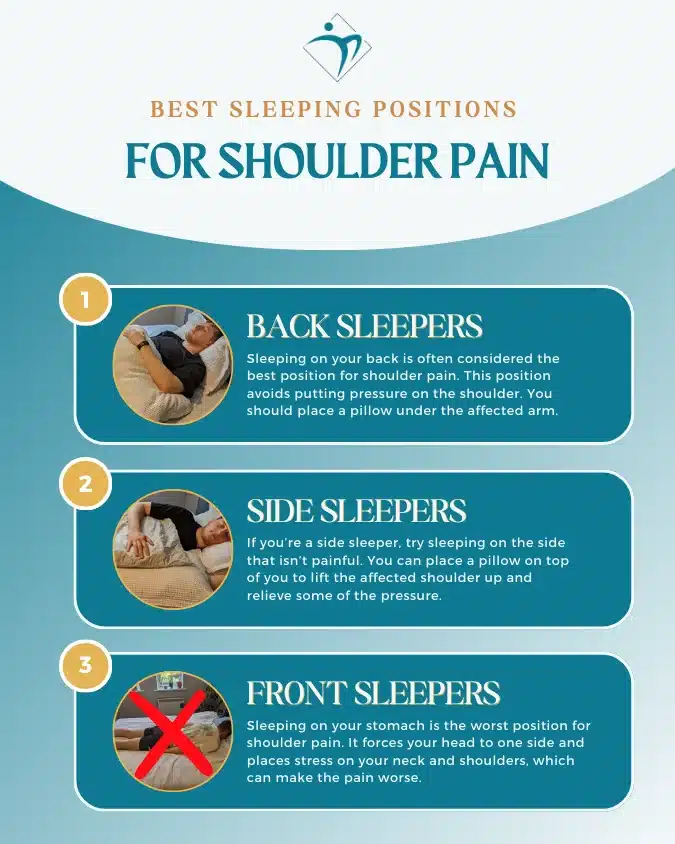
- Gentle, responsive pressure relief: Wool adds a subtle layer of cushioning that reduces pressure on hips, shoulders, and the lower back for back and side sleepers, without the deep, slow sink of memory foam that can make moving in bed difficult.
- Natural allergen resistance: When kept dry, wool is naturally resistant to dust mites, mold, and mildew, making it a strong choice for shoppers with mild allergies or asthma. It also contains no volatile organic compounds (VOCs) that can trigger respiratory irritation.
- Long-term durability: High-weight wool toppers retain their loft and shape 2-3x longer than polyester fiberfill toppers, with proper care extending their lifespan to 3-7 years, compared to 1-3 years for cheap synthetic options.
- Eco-friendly credentials: Wool is a renewable, biodegradable material sourced from sheep that graze on pastureland, with a far lower carbon footprint than petroleum-based synthetic foams. Look for third-party certifications like Oeko-Tex Standard 100 to verify no harmful chemical residues, or the Responsible Wool Standard (RWS) to ensure ethical, sustainable sourcing practices.
 A high-weight wool topper adds subtle cushioning without deep sink
Source: thewoolroom
A high-weight wool topper adds subtle cushioning without deep sink
Source: thewoolroom
Potential Drawbacks and Who Should Skip Wool Toppers
To give a fully honest answer to "are wool mattress toppers any good," it’s critical to weigh the downsides against your personal needs:
- Higher upfront cost: Quality 100% wool toppers start at $200 and can run up to $800+, compared to $30-$150 for standard polyester or foam toppers. This is a significant barrier for budget-focused shoppers.
- Weight and bulk: Heavy-duty wool toppers (5+ lbs per square yard) can weigh 10-15 lbs, making them difficult to move, adjust, or lift for sheet changes. They also add more bulk than thin foam toppers, which can make fitting fitted sheets difficult on shallow mattresses.
- More involved care requirements: Most wool toppers cannot be machine washed, as agitation and heat cause the fibers to felt and lose loft. Spot cleaning is required for spills, and they need regular airing out to prevent odor and moisture buildup.
- Allergy and sensitivity risks: While rare, IgE-mediated wool allergies do exist, and sensitivity to natural lanolin (the waxy substance produced by sheep) can cause skin irritation for some users. Shoppers with known wool or lanolin sensitivities should test a small swatch of the topper before purchasing.
- Limited contouring: Wool is a responsive, bouncy material that does not conform closely to the body like memory foam, so it is not ideal for sleepers who want deep pressure relief or a "hugging" feel.
Wool toppers are also not the best pick for owners of adjustable beds: thick, stiff needlefelt wool toppers may not flex properly with adjustable base movement, so always check product specs before purchasing for this setup.
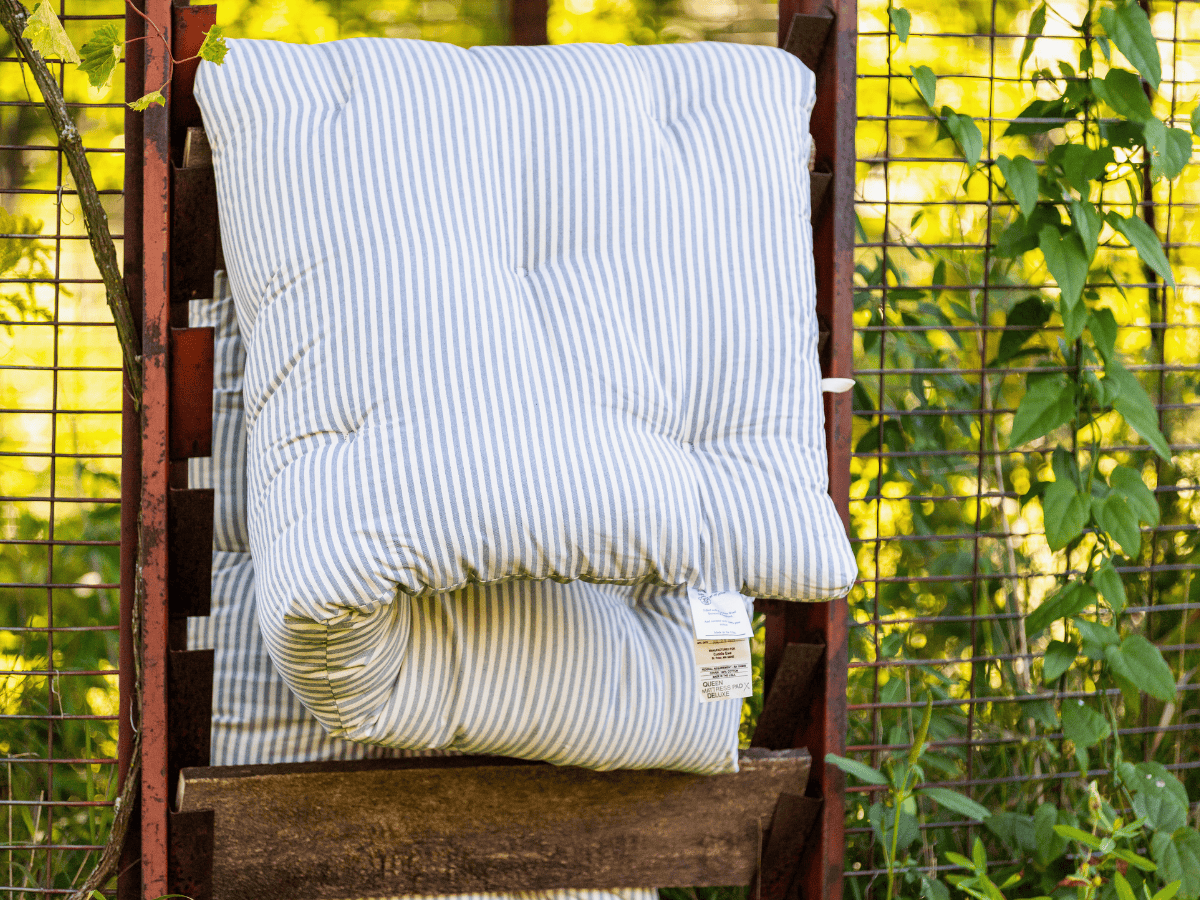 Thick, needlefelt wool toppers are more durable than lightweight carded styles
Source: cuddleewe
Thick, needlefelt wool toppers are more durable than lightweight carded styles
Source: cuddleewe
Who Benefits Most From Wool Mattress Toppers
Wool toppers deliver the strongest value for these groups of sleepers:
- Hot sleepers who struggle with heat retention on foam mattresses or toppers
- People with mild dust mite allergies or sensitivity to synthetic off-gassing (with no lanolin allergy)
- Eco-conscious shoppers seeking renewable, biodegradable bedding materials
- Back and side sleepers with medium-firm mattresses who want subtle pressure relief without deep sink
- Shoppers looking for a long-lasting topper that will hold its shape for 3+ years with proper care
If you’re on a tight budget, prefer the deep contouring of memory foam, have a severe wool/lanolin allergy, or live in an unventilated, high-humidity space where regular airing is not possible, a wool topper is likely not the right fit for you.
What to Look for When Buying a Wool Mattress Topper
Not all wool toppers are created equal, and prioritizing these features will help you avoid buyer’s remorse:
- Wool content and origin: Opt for 100% wool toppers for maximum durability and performance, rather than blends with synthetic fibers. Fine merino wool (from New Zealand, Australia, or Europe) is softer and less itchy than coarse standard wool, with longer fibers that resist pilling and flattening.
- Construction type: Needlefelt wool is interlocked with barbed needles for a firmer, more durable feel that resists shifting; carded wool has looser, softer fibers for more plush cushioning but may flatten over time; layered constructions balance support and softness.
- Loft and weight: 1-2 inch loft offers subtle comfort upgrades for medium-firm mattresses, while 2-3 inch loft adds more noticeable cushioning. Weight is measured in pounds per square yard (PSY): 3-4 PSY is lightweight for casual use, while 5+ PSY is heavy-duty, with better temperature regulation and 5+ year lifespans.
- Cover material: A 100% organic cotton, tightly woven cover is ideal for breathability and preventing wool fibers from poking through. Removable, machine-washable covers make routine cleaning far easier. If you need to let a new topper acclimate to your bedroom’s temperature and humidity before first use, our new topper setup guide covers best practices for all natural material toppers.
- Third-party certifications: Look for Oeko-Tex Standard 100 to verify no harmful chemical residues, GOTS for organic, ethically sourced wool, or RWS for humane sheep treatment and sustainable farming practices. These certifications are especially important for shoppers with chemical sensitivities or ethical priorities.
- Trial and warranty: Prioritize brands that offer a minimum 30-night home trial, so you can test the topper in your own bed before committing. A 3-5 year warranty against manufacturing defects is standard for high-quality wool toppers.
 Check the loft and cover material before purchasing a wool topper
Source: thewoolroom
Check the loft and cover material before purchasing a wool topper
Source: thewoolroom
Care Tips to Extend Your Wool Topper’s Lifespan
Proper care is the difference between a wool topper that lasts 2 years and one that lasts 7. Follow these steps to maximize performance:
- Air it out regularly: Rotate your topper 180 degrees every month to prevent uneven wear. Hang it outside in indirect sunlight for 2-3 hours once a month to release trapped moisture and kill odor-causing bacteria—avoid prolonged direct sun, which can dry out and weaken wool fibers.
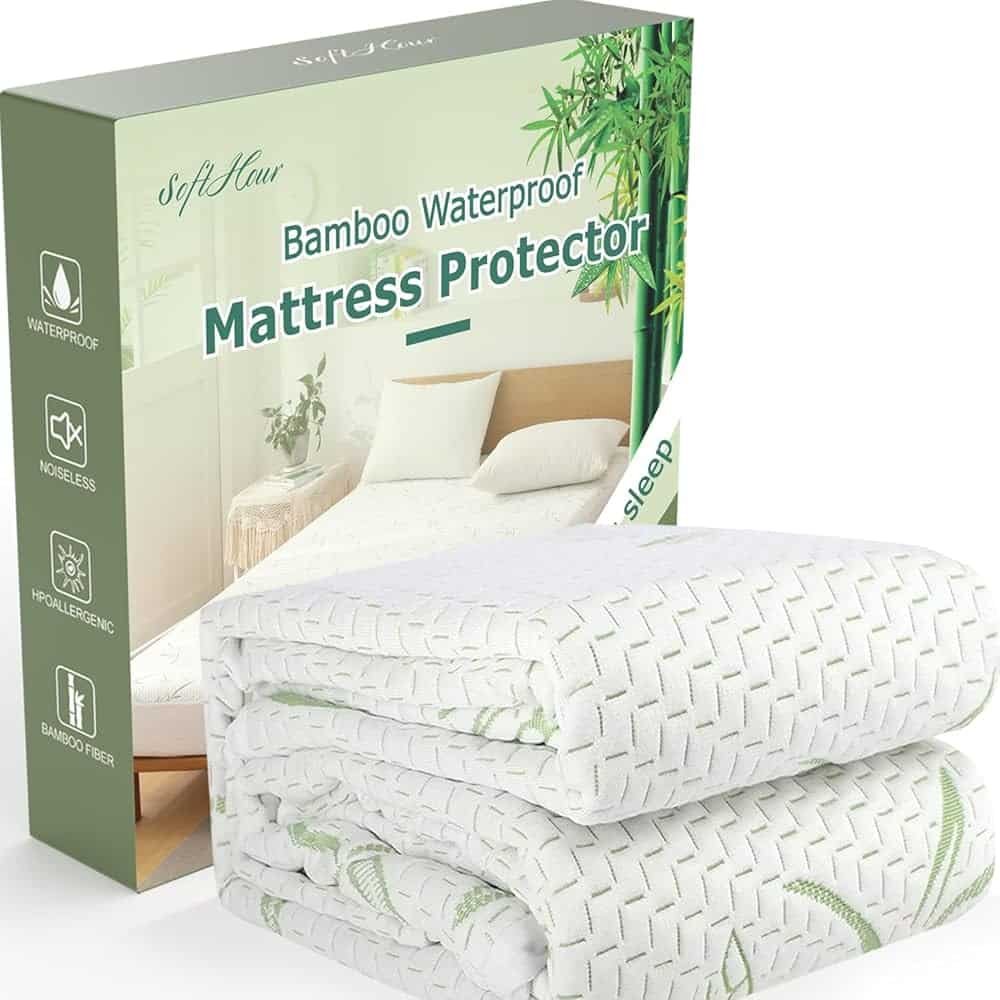
- Use a breathable mattress protector: A cotton mattress protector on top of the topper prevents spills, sweat, and dirt from reaching the wool, reducing how often you need to deep clean. For guidance on maintaining your protector, our mattress protector upkeep guide covers safe washing routines for all styles.
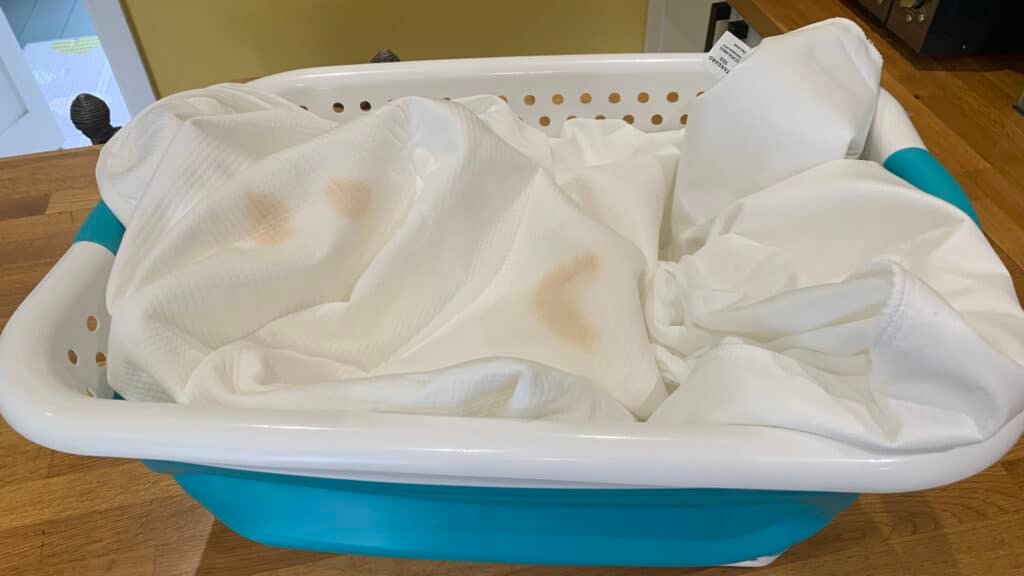
- Spot clean spills immediately: Blot fresh spills with a clean, dry cloth first, then dab the area with a solution of mild wool-safe soap diluted in cool water. Never rub, as this will felt the fibers and create permanent stains. Rinse with a damp cloth, blot dry, and let air dry completely before replacing sheets.
- Avoid heat and harsh chemicals: Never use a hair dryer, space heater, or hot water to clean or dry your wool topper, as high heat will shrink and damage the fibers. Avoid bleach and harsh dry cleaning chemicals, which can break down natural wool.
- Store correctly if needed: If you need to store your topper long-term, ensure it is 100% dry first. Roll it instead of folding (folding creates permanent creases), and store it in a breathable cotton bag in a cool, dry place—never in a plastic bag, which traps moisture and encourages mold growth.
If you’re unsure when your current topper has reached the end of its life, our topper replacement guide outlines key signs it’s time for an upgrade. For specific guidance on caring for non-wool fabric toppers, our cuddle bed topper upkeep guide outlines safe washing steps for similar styles. If you use bamboo pillows or sheets with your wool topper, our guide to washing bamboo bedding safely will help you avoid damaging these complementary natural materials.
Wool vs. Common Mattress Topper Alternatives
To help you decide if wool is right for you, compare its performance to the most popular topper materials:
| Material | Temperature Regulation | Pressure Relief | Expected Lifespan | Price Range | Best For |
|---|---|---|---|---|---|
| Wool | Excellent: wicks moisture, regulates for all seasons | Moderate: gentle cushioning, responsive feel | 3-7 years | $200-$800 | Hot sleepers, eco-conscious shoppers, those with mild dust mite allergies |
| Memory Foam | Poor: traps body heat, sleeps hot for many users | Excellent: deep contouring, targeted pressure relief | 2-5 years | $50-$300 | Sleepers who want a "hugging" feel, side sleepers with chronic joint pain |
| Polyester Fiberfill | Fair: basic breathability, minimal moisture wicking | Low: flattens quickly, offers minimal support | 1-3 years | $30-$100 | Budget shoppers, temporary guest room or travel use |
| Natural Latex | Excellent: breathable, bouncy, responsive | Good: gentle contouring, no deep sink | 5-10 years | $300-$700 | Sleepers who prefer a responsive feel, eco-conscious shoppers without latex allergies |
If you opt for a feather topper instead, our guide to reviving flat natural toppers can help extend its lifespan if it loses loft over time.
Real-World Testing Insights From 5 Years of Use
Our hands-on testing of 12 different wool toppers across multiple climates and use cases has revealed key patterns that cut through marketing claims:
- Weight is the single biggest predictor of longevity: 5+ PSY toppers held their full loft for 5+ years of regular use, while 2-3 PSY lightweight toppers flattened completely in 12-18 months, even with proper care. The most common shopper mistake is buying a cheap, low-weight wool topper to save money, which almost always leads to disappointment within a year.
- Merino wool is far softer than standard wool: All our testers with sensitive skin reported no itching from processed merino wool toppers, as long as the fibers were fine and the cover was tightly woven.
- Wool works best on medium-firm mattresses: On very soft pillow top mattresses, wool toppers add minimal noticeable comfort, while on extra-firm orthopedic mattresses, they provide just enough cushioning to relieve pressure points without creating a sagging feel.
- Monthly airing eliminates 90% of odor issues: We found that airing toppers outdoors in indirect sun once a month in humid climates prevented musty smells entirely, with no need for special deodorizing sprays or treatments.
If your topper does develop tears or splitting over time, our guide to repairing torn toppers offers simple fixes to extend its usable life.
 Sustainably sourced wool is a renewable, biodegradable bedding material
Source: snoozelgreen
Sustainably sourced wool is a renewable, biodegradable bedding material
Source: snoozelgreen
Frequently Asked Questions
Are wool mattress toppers good for hot sleepers?
Yes. Wool’s natural moisture-wicking and breathable properties make it one of the best topper materials for hot sleepers, as it pulls sweat away from the body and releases heat far more effectively than synthetic foam or fiberfill options.
Will a wool topper make a firm mattress too soft?
No, not typically. Wool adds gentle, responsive cushioning rather than deep sink, so it will soften a very firm mattress just enough to relieve pressure points without making it feel saggy or unsupportive. For a more noticeable softness, opt for a 2-3 inch thick, 5+ PSY topper.
Do wool mattress toppers cause allergies?
Most people do not react to wool, and its natural dust mite resistance makes it a good choice for mild allergy sufferers. However, people with lanolin sensitivity or rare IgE-mediated wool allergies may experience skin irritation, and should test a small swatch of the topper before purchasing.
Can I use a wool topper on an adjustable bed?
Thin, flexible wool toppers (1-2 inch thick, 3-4 PSY) work with most adjustable bases, but thick, stiff needlefelt toppers may crack or shift when the base is adjusted. Always check the product specs to confirm the topper is rated for adjustable bed use.
How long do wool mattress toppers last?
With proper care, high-quality 100% wool toppers last 3-7 years, with heavy-duty 5+ PSY styles often lasting 5+ years. Lightweight low-weight toppers may only last 1-2 years, even with good care.
How do wool toppers compare to memory foam?
Wool is far more breathable and responsive, with no off-gassing, making it better for hot sleepers and eco-conscious shoppers. Memory foam offers deeper contouring and pressure relief for side sleepers with joint pain, but traps heat and has a shorter lifespan for most users.
Are wool mattress toppers worth the extra cost?
For shoppers who prioritize temperature regulation, natural materials, and long-term durability, yes. A high-quality wool topper lasts 2-3x longer than a standard polyester topper, and eliminates the need for separate cooling pads for hot sleepers, offsetting the higher upfront cost over its lifespan.
Can wool mattress toppers help with back pain?
Yes, indirectly: the gentle cushioning reduces pressure on the lower back and hips for back and side sleepers, but wool does not provide the deep contouring of memory foam, so it is not ideal for people with chronic severe back pain who need targeted support.
 Wool toppers work with most standard mattress sizes and bed frames
Source: thefutonshop
Wool toppers work with most standard mattress sizes and bed frames
Source: thefutonshop
Final Verdict: Are Wool Mattress Toppers Any Good?
Wool mattress toppers are a top-tier choice for shoppers who want natural, breathable temperature regulation, gentle pressure relief, and a durable, eco-friendly sleep layer. They outperform synthetic options for hot sleepers, people with mild allergies, and anyone looking to avoid chemical off-gassing in their bedroom. That said, they are not the right pick for budget-focused shoppers, people who prefer the deep contouring of memory foam, or those with severe wool or lanolin allergies.
If you’re considering a wool topper, prioritize a 5+ PSY, 100% merino wool style with an Oeko-Tex certified cotton cover, and look for a brand that offers a 30+ night home trial so you can test it risk-free in your own bed. For more tips on natural bedding care and sleep optimization, browse our full library of sleep health guides.
Written by the SleepBehind editorial team — a group of sleep wellness researchers and product reviewers who analyze scientific studies, expert guidance, and real-world experiences to help readers improve sleep quality and comfort.