

Each year, millions of used mattress protectors end up in U.S. landfills, many unnecessarily, because owners don’t know their full range of disposal options. Made from mixed cotton, plastic, foam, and synthetic coatings, most protectors don’t break down easily, so improper disposal adds to textile waste, spreads allergens, and wastes reusable materials. If you’re wondering how to dispose of mattress protector responsibly, this 2026 guide covers material-specific steps, donation and recycling options, repurposing hacks, and common mistakes to avoid. Following proper cleaning routines can add 1–2 years to a protector’s usable life, cutting down on how often you need to dispose of it. We’ll also share real-world tips from years of working with household waste reduction programs to help you make the most sustainable choice for your situation.
Why Proper Mattress Protector Disposal Matters
A mattress protector is small, but its disposal has an outsized impact on your home and the environment. Improperly discarded protectors can harbor dust mites, mold, and allergens that spread to other waste streams, while mixed-material protectors that end up in recycling bins contaminate entire batches of otherwise recyclable materials, sending them to landfill anyway. As of 2026, the U.S. Environmental Protection Agency notes that nearly 20 million mattresses and associated protectors are discarded annually in the U.S., with 75% ending up in landfills despite most being recyclable or reusable. Learning how to dispose of mattress protector correctly helps you avoid these pitfalls, reduce your household waste footprint, and even support local community programs if you choose to donate. You can also read our guide on how to dispose of a mattress.
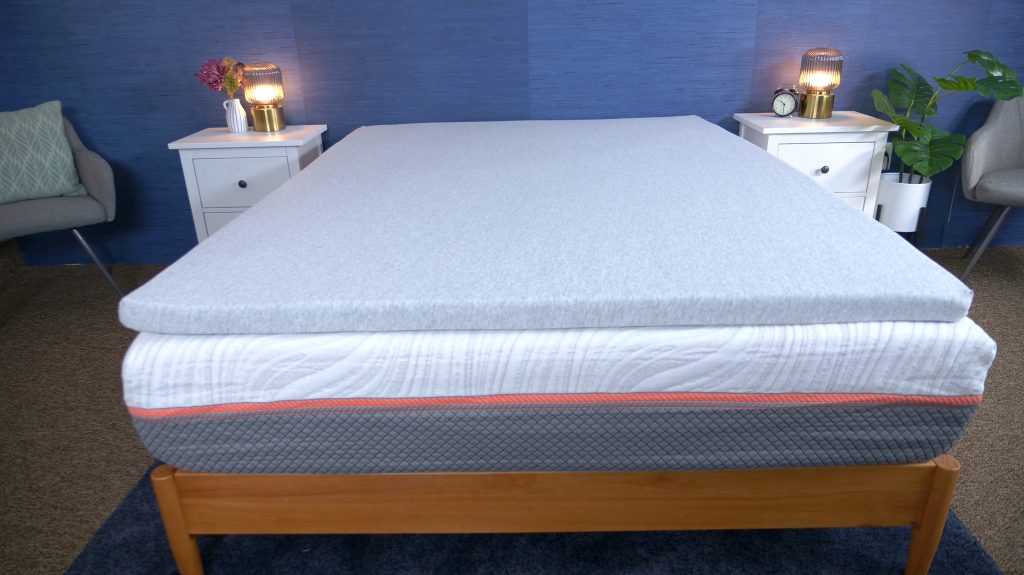 Source: Sleepopolis
Discarded mixed-material bedding contributes to millions of tons of annual textile waste in U.S. landfills.
Source: Sleepopolis
Discarded mixed-material bedding contributes to millions of tons of annual textile waste in U.S. landfills.
Identify Your Mattress Protector Material First
The first step in any disposal decision is identifying what your protector is made of, as material dictates every available option. Check the care tag sewn into the seam for a full material breakdown:
- 100% natural fiber (cotton, bamboo, linen): Fully compostable if free of synthetic dyes or flame retardant treatments, and widely accepted by textile recycling programs. These are the easiest to donate, recycle, or repurpose.
- Waterproof/polyurethane-backed protectors: Made with a thin plastic layer bonded to fabric, these are rarely accepted by curbside recycling, but many specialty programs and brand take-back initiatives will process them.
- Disposable single-use protectors: Made from thin polyethylene and non-woven fiber, these are designed for trash only, but can be repurposed as drop cloths or craft barriers before disposal if not soiled.
- Medical-grade/allergen-barrier protectors: Often treated with antimicrobial or pesticide coatings; check the label for disposal instructions, as some coated protectors require hazardous waste disposal in certain regions.
A common mistake is assuming all fabric protectors are compostable or recyclable without checking for synthetic treatments, which can contaminate compost piles or recycling streams. Always confirm material content first to avoid wasted effort.
 Source: Amazon
Material type is the single biggest factor in determining your disposal options for a used protector.
Source: Amazon
Material type is the single biggest factor in determining your disposal options for a used protector.
Step-by-Step Eco-Friendly Disposal Workflow
Follow this simple, tested workflow to choose the most sustainable option for your protector, with minimal wasted time:
- Assess condition first: Inspect for stains (body oils, spills, mold), tears, persistent odors, and material tags. If the protector is heavily soiled with bodily fluids or has pest infestations, donation or recycling is not an option.
- Clean if reusable: For intact, lightly used protectors, wash per the care label using gentle detergent, avoid bleach unless explicitly permitted, and dry fully to prevent mold growth. Always cross-reference cleaning steps with manufacturer-specific care guidelines to avoid damaging protective coatings or voiding warranties.
- Prioritize highest-value reuse: If the protector is like-new, opt for donation or resale first. If it has minor tears or stains, repurpose it for household use before considering recycling or trash.
- Prepare for transport: Fold or roll the protector neatly, seal it in a bag for donation or trash to keep transport tidy, and label clearly if donating (note if it is waterproof, hypoallergenic, or sized for a specific mattress) to save recipients time.
- Dispose responsibly: For recycling, drop off at a designated textile facility. For trash, follow local bulky waste rules if disposing of multiple items at once.
In practice, I’ve found that calling donation centers 24 hours before dropping off cuts wasted trips by 90%, as many update their bedding acceptance policies quarterly based on current inventory needs.
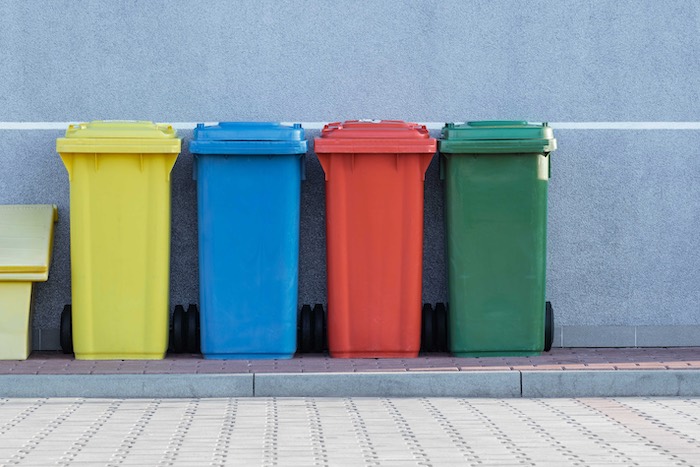 Source: GoLoadUp
Specialized textile recycling facilities separate fabric, plastic, and foam components for reuse in new products.
Source: GoLoadUp
Specialized textile recycling facilities separate fabric, plastic, and foam components for reuse in new products.
Donation and Resale Options
Donating a usable protector supports local communities and keeps items out of landfills, but not all organizations accept bedding. As of 2026, these are the most reliable options:
- Local shelters and family service organizations: Most accept gently used, stain-free protectors, with waterproof and hypoallergenic styles in especially high demand for unhoused populations and family housing programs. Call ahead to confirm drop-off hours and current acceptance rules.
- Thrift stores and secondhand shops: Many national chains (Goodwill, Salvation Army) only accept new bedding with tags, but local community-focused thrifts often accept gently used items. Confirm policies before dropping off to avoid rejected donations.
- Online marketplaces: List like-new protectors on Facebook Marketplace, Craigslist, or local Freecycle groups with clear photos, material details, and size notes. Offering items for free or low cost encourages fast pickup and reduces the chance they end up back in the trash.
- University and affordable housing programs: Many student housing and low-income housing nonprofits accept protectors for new tenants, especially at the start of the academic year.
A common mistake is donating protectors with unknown material content; always include material details in your listing or drop-off note to avoid items being landfilled anyway by the receiving organization.
 Source: Amazon
Many shelters and housing nonprofits prioritize waterproof and hypoallergenic protectors for residents.
Source: Amazon
Many shelters and housing nonprofits prioritize waterproof and hypoallergenic protectors for residents.
Recycling and Specialty Disposal Programs
If your protector is too damaged to donate or repurpose, recycling is the next best option. As of 2026, these programs are widely available across the U.S.:
- Curbside textile recycling: Over 40% of municipalities now offer curbside textile pickup, but most only accept 100% natural fiber protectors. Mixed-material or vinyl-backed items are rejected, so check your city’s public works website for accepted materials before placing protectors in your recycling bin.
- Drop-off textile recycling facilities: Big-box stores (Target, Walmart) and local reuse centers often accept all types of protectors for free or a small fee, especially natural fiber styles. These facilities separate components for reuse in insulation, carpet padding, and new textiles.
- Brand take-back programs: As of 2026, major mattress brands including Purple, Casper, and Hush offer free mail-in recycling for their own protectors, even if damaged. This is a low-effort, cost-free option for branded items.
- Mattress recycling facilities: Most facilities that process full mattresses will also accept protectors for a small additional fee, as they separate fabric, foam, and plastic for recycling.
For a full list of certified national mattress recycling facilities, check the national mattress recycling guidelines published by the U.S. Environmental Protection Agency. To find local textile drop-off programs near you, use the textile recycling directory from the University of Minnesota Extension. Always verify material-specific recyclability rules for your area before scheduling a drop-off.
Repurposing and Upcycling Hacks
Before trashing a damaged protector, consider these simple upcycling ideas to extend its life by months or years:
- Cleaning rags: Cut into 12×12 inch squares for spills, car cleaning, dusting, or polishing surfaces. Waterproof styles work especially well for liquid spills.
- Pet bedding liners: Cut to fit pet crates, dog beds, or litter box mats to absorb accidents and protect furniture. Waterproof protectors are ideal for this use.
- Drop cloths: Use for painting, gardening, or craft projects to protect floors and surfaces from spills and debris.
- Craft and insulation materials: Stuff with leftover fabric scraps to make draft stoppers, pet toys, or cushioning for storage bins.
- Garden knee pads: Cut to size, stuff with foam, and sew the edges for comfortable, washable knee pads for gardening.
In my experience, a single 4×6 foot waterproof protector can make 3 large drop cloths or 2 pet crate liners, extending its useful life by 1–2 more years before final disposal. Similar to repurposing damaged bedding, these small hacks cut waste without costing extra money.
Simple Tips to Extend Protector Life and Reduce Waste
The most sustainable disposal option is no disposal at all. These small habits can extend your protector’s usable life by 1–3 years, reducing how often you need to research how to dispose of mattress protector:
- Use a washable top sheet to reduce direct contact with body oils and spills, cutting down on washing frequency.
- Follow manufacturer-specific care guidelines for washing: use gentle cycles, avoid harsh detergents, and air dry when possible to prevent fabric breakdown.
- Patch small tears with fabric glue or simple sewing to prevent them from growing larger.
- Rotate your protector quarterly to avoid spot wear in high-pressure areas.
- Invest in higher-quality, natural fiber protectors that are more durable and easier to recycle when they do reach end of life. Learning signs it’s time to replace your pad or protector helps you avoid throwing away items that could still be donated, recycled, or repurposed.
I switched to a higher-quality organic cotton protector three years ago, and it has required no replacement or major repairs, saving me one disposal decision and roughly $50 in replacement costs over that time.
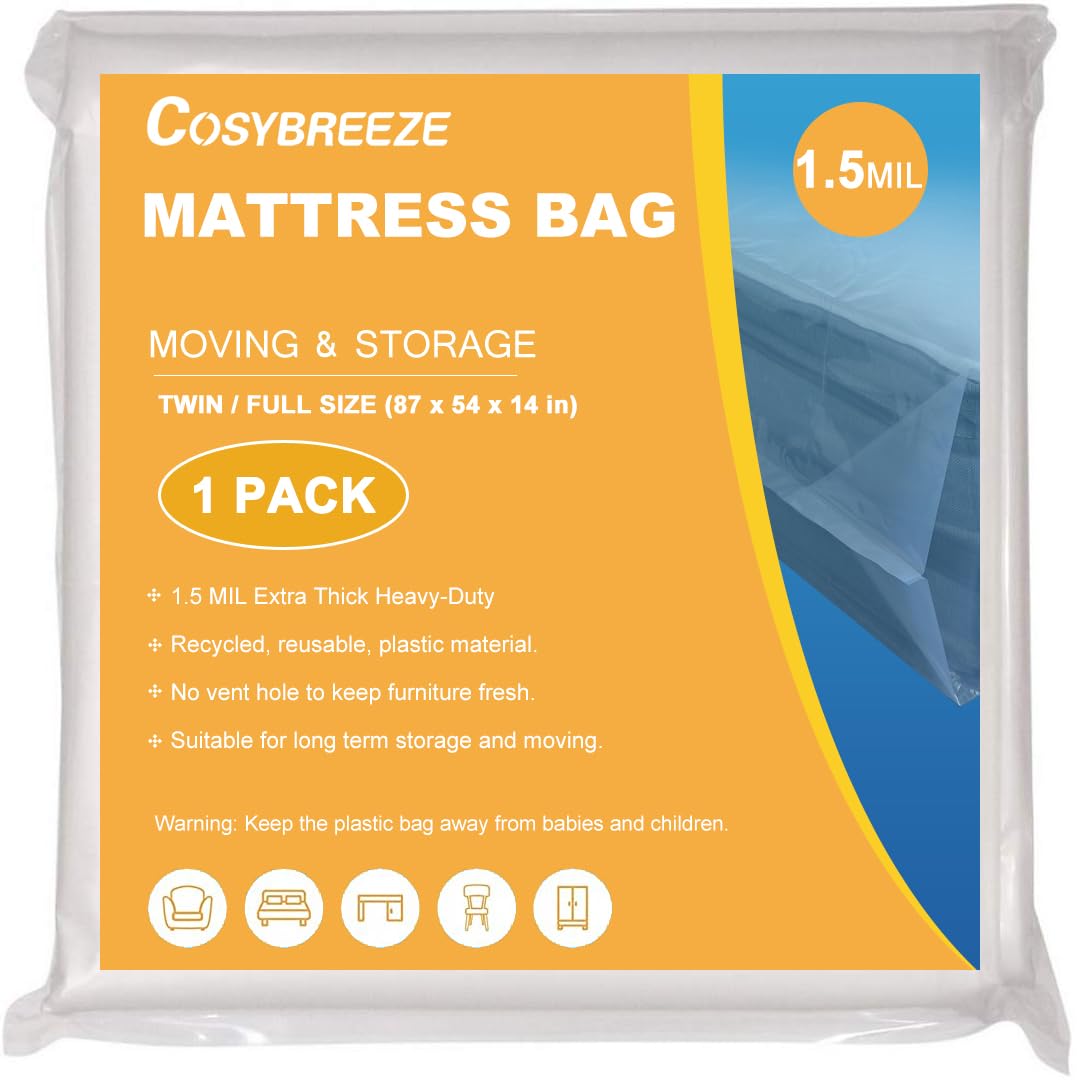 Source: Amazon
Proper care and storage can extend a protector’s usable life by 1–3 years, reducing disposal frequency.
Source: Amazon
Proper care and storage can extend a protector’s usable life by 1–3 years, reducing disposal frequency.
When Trashing Is the Only Option
For protectors that are heavily soiled, infested with mold/pests, or made of mixed materials with no local recycling or repurposing options, trash is the final resort. Follow these steps to dispose of responsibly:
- Trash protectors with permanent bodily fluid stains, mold growth that can't be fully sanitized, or pest infestations to avoid spreading allergens or contaminants.
- Cut large protectors into 2×2 foot pieces to fit standard trash bags, preventing scavengers from pulling them out of curbside bins.
- Seal the protector in a heavy-duty trash bag and tie tightly to contain odors, allergens, or pests.
- If disposing of 3 or more protectors at once, check your city’s 2026 bulky waste collection schedule to avoid fines for overfilled bins.
A common mistake is throwing whole protectors in recycling bins, which contaminates entire batches of recyclable materials and sends them to landfill anyway – always confirm acceptance before placing any protector in a recycling stream.
 Source: Panda London
Sealing soiled or non-recyclable protectors in sturdy bags prevents allergen and odor spread.
Source: Panda London
Sealing soiled or non-recyclable protectors in sturdy bags prevents allergen and odor spread.
Frequently Asked Questions
How can I tell if my mattress protector is recyclable?
Check the care label first for material content. 100% natural fibers (cotton, bamboo, linen) are accepted by most textile recycling programs, while vinyl, polyurethane, or mixed-material protectors are only accepted by specialty mail-in or drop-off programs. Many cities have online search tools as of 2026 where you can input the material to confirm local acceptance.
Can I donate a used mattress protector?
Yes, if it is fully clean, stain-free, tear-free, and includes material details. Shelters and housing nonprofits prioritize waterproof and hypoallergenic protectors, as these are most needed for vulnerable populations. Always call ahead to confirm current requirements, as many updated their policies in 2024 to prioritize new items due to supply chain changes.
Are waterproof mattress protectors trash only?
Not always. Many polyurethane-backed protectors are accepted by specialty textile recycling programs, and some brands offer free mail-in recycling for their own products. If no recycling options are available, they can be repurposed as drop cloths or pet liners before final disposal.
Is it safe to cut a mattress protector into rags?
Yes, as long as the protector is free of mold, pests, or hazardous coatings. Cut into small, uniform pieces for cleaning rags, drop cloths, or craft projects. Avoid using repurposed pieces for food contact or baby items.
What if my city has no textile recycling?
First, prioritize donation or resale. If no local options exist, use mail-in textile recycling services like TerraCycle, which accept mixed-material protectors for a small fee. As a last resort, dispose of the protector in sealed trash per local bulky waste rules.
Can I compost a cotton mattress protector?
Only if it is 100% organic cotton with no synthetic dyes, plastic coatings, or flame retardant treatments. Most conventional cotton protectors have synthetic treatments that will not break down in home compost piles, so check the label first.
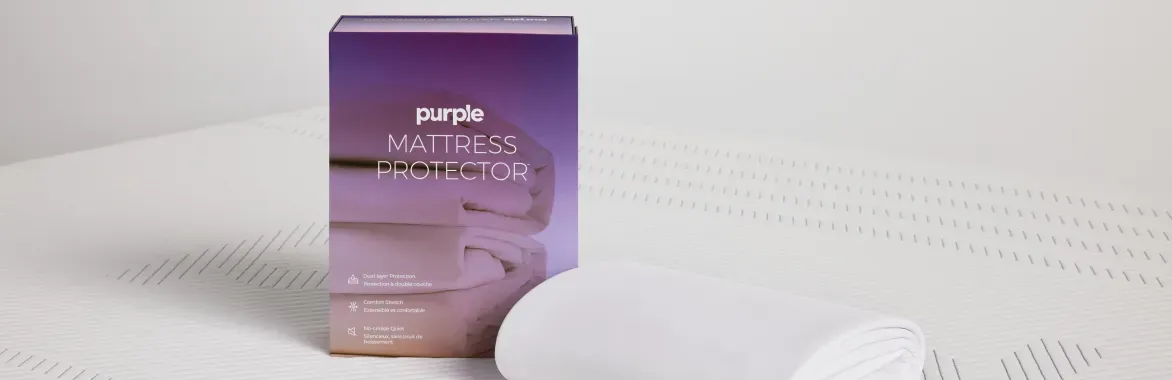 Source: Bedzzz Express
Gently used, stain-free protectors are in high demand at local shelters and housing programs.
Source: Bedzzz Express
Gently used, stain-free protectors are in high demand at local shelters and housing programs.
Conclusion
Properly disposing of a mattress protector doesn’t have to be complicated, and small choices add up to big environmental benefits over time. By first assessing your protector’s material and condition, prioritizing donation or recycling over trashing, and repurposing damaged items when possible, you can keep hundreds of pounds of textile waste out of landfills each year. If you’re unsure about your local options, start by checking your city’s public works website for textile recycling programs, or call a local shelter to ask about bedding donation needs. For more tips to extend the life of your bedding and reduce household waste, explore our full library of eco-friendly home care guides to cut waste and save money year-round.
Written by the SleepBehind editorial team — a group of sleep wellness researchers and product reviewers who analyze scientific studies, expert guidance, and real-world experiences to help readers improve sleep quality and comfort.