
In my years testing sleep gear and advising shoppers, I’ve seen how the right mattress protector can save you hundreds of dollars in premature mattress replacement costs, while also improving sleep hygiene for allergy sufferers and hot sleepers alike. A good protector is a tiny investment that shields your mattress from spills, sweat, dust mites, bed bugs, and everyday wear and tear, and most mattress warranties even require a protector to keep stain coverage valid. This guide walks you through every factor to consider, from material and fit to special needs and budget, so you can pick a protector that works for your sleep style and lasts for years.
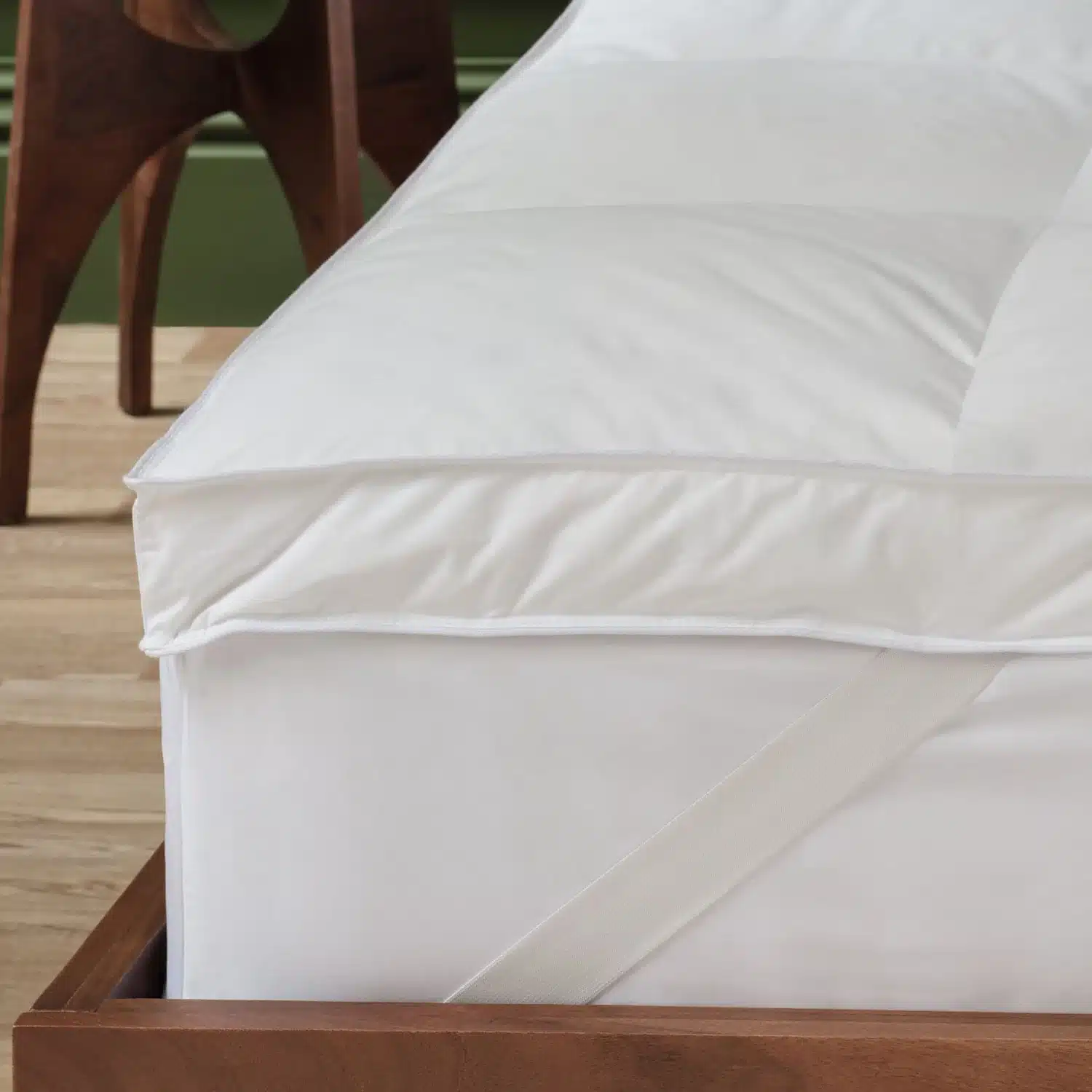
 This cross-section shows how a protector sits between you and your mattress to block liquids, sweat, and allergens.
What a Mattress Protector Does (And Why It’s Non-Negotiable)
Most people only think of mattress protectors as spill guards for kids or pets, but they serve far more critical functions. The average person sweats a small amount nightly, which seeps into mattress fibers over time, breaking down foam and spring supports and harboring odor-causing bacteria. For allergy sufferers, unprotected mattresses are a breeding ground for dust mites, a top trigger for asthma and eczema flare-ups. Protectors also block bed bugs, which can infest mattresses and survive months without feeding, making them a critical line of defense for renters or anyone who travels frequently. Most mattress manufacturers also void stain warranties if a protector was not used at the time of the incident, so a $30 to $100 protector can save you from paying full replacement cost for a $500 to $3,000 mattress years before its expected lifespan. You can also read our guide on are mattress vacuums worth it.
Key Features to Prioritize When Shopping
When comparing options, rank these features by your specific needs to narrow down choices quickly:
- Waterproofing level: Fully waterproof protectors use a TPU or polyurethane laminated backing to block 100% of liquid penetration, making them ideal for young children, pets, incontinence, or bed bug treatment. Water-resistant options only repel light spills and sweat, and are better for light sleepers who want maximum breathability.
- Breathability: Non-breathable materials like standard vinyl trap body heat, leading to stuffy, sweaty sleep, especially for hot sleepers. Look for protectors labeled "breathable waterproof" with thin, micro-laminated membranes, or natural fiber tops that allow air to flow through.
- Noise: Stiff vinyl or thick, rigid backing can create a crinkly sound that disrupts light sleepers. Soft fabric tops with thin TPU membranes are nearly silent, making them the best choice for anyone sensitive to sound while sleeping.
- Fit and depth: A protector that doesn’t fit will bunch, slip, or leave gaps that expose your mattress to damage. Always measure your mattress depth including any topper you use, as this is the most common cause of poor fit. Deep pockets (15 inches or larger) are designed for pillow-top or extra-plush mattresses, while wide elastic bands stay secure longer than thin straps.
- Allergy and bed bug protection: Tightly woven fabrics with a thread count of 200 or higher block dust mites, while full zippered encasements seal the entire mattress (including the bottom) to prevent bed bugs from entering or escaping. Look for products labeled "allergy-rated" or "bed bug-proof" for verified performance.
- Certifications: Third-party certifications confirm that product claims are independently verified. Look for OEKO-TEX Standard 100 (tests for 300+ harmful chemicals), GREENGUARD Gold (low VOC emissions for better indoor air quality), or USDA Organic (for organic cotton options) to ensure safer materials.
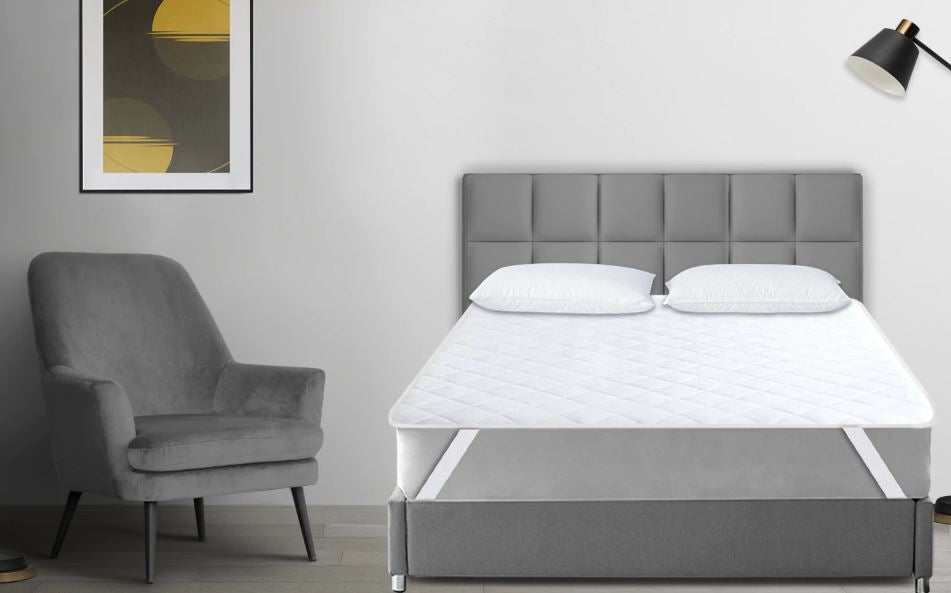
 Fitted sheet-style protectors are the most common, easy-to-use option for everyday sleep.
Types of Mattress Protectors: Which Style Fits Your Needs?
Protector styles vary based on coverage and added features, so pick the style that matches your top priority first:
- Fitted sheet-style protectors: The most common, affordable option, these slip over the mattress like a fitted sheet and cover the top and sides. They’re easy to remove and wash, making them ideal for everyday use and quick cleanup of small spills. They do not cover the bottom of the mattress, so they’re not sufficient for full bed bug or dust mite protection.
- Zippered encasements: These fully seal the entire mattress, including the bottom, to block 100% of dust mites, bed bugs, and liquids. They’re the best choice for allergy sufferers, people with active bed bug infestations, or anyone who wants maximum protection. Look for encasements with a locking zipper to prevent bed bugs from crawling through the zipper teeth.
- Mattress pad/protector hybrids: These add a thin layer of cushioning alongside waterproofing, making them a good pick for people with older, lumpy mattresses who want extra comfort without the cost of a full topper. They’re usually fitted-style and easy to wash.
- Cooling hybrid protectors: These feature phase-change material or gel-infused top layers that pull heat away from the body, making them ideal for hot sleepers who don’t want to add a separate cooling topper to their bed.
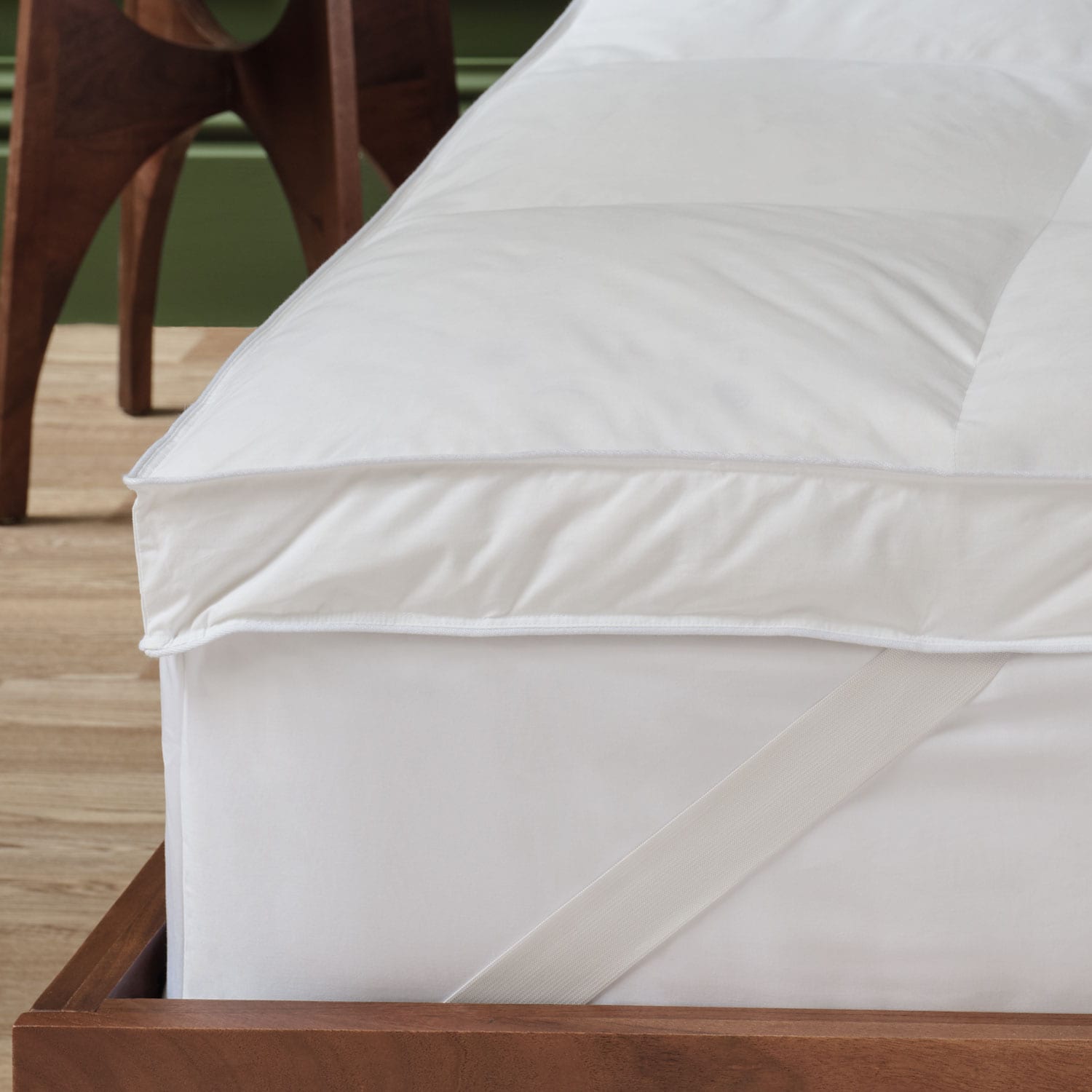 Topper-style protectors add a thin layer of comfort alongside spill and stain protection.
Material Breakdown: How Fabric Impacts Comfort and Performance
The fabric of your protector will determine how it feels against your skin, how well it breathes, and how long it lasts:
- Cotton top + TPU/PU membrane: The most versatile, all-around option. Cotton is soft, breathable, and quiet, while the thin TPU membrane provides full waterproofing without trapping heat. Good for all sleepers, especially those who run warm.
- Bamboo/Tencel top + TPU membrane: Naturally moisture-wicking and cooler to the touch than cotton, these are ideal for hot sleepers and people with sensitive skin. Bamboo is also naturally hypoallergenic and resistant to odor-causing bacteria.
- Polyester/microfiber top + TPU: Durable, stain-resistant, and affordable, these are a good pick for kids’ rooms, guest rooms, or rental properties. They’re less breathable than natural fibers, so they may feel slightly warm for people who sleep hot.
- Vinyl/PVC: Fully waterproof and very low-cost, these are only recommended for temporary use (e.g., potty training, post-bed bug treatment, or short-term guest stays). They’re noisy, trap heat, and many contain phthalates, so avoid them for everyday long-term use.
- Organic cotton + organic TPU: Certified free of harmful pesticides and chemicals, these are the best choice for people with severe allergies, chemical sensitivities, or who prioritize sustainable products. They come at a premium price point but offer the same performance as conventional cotton/TPU options.
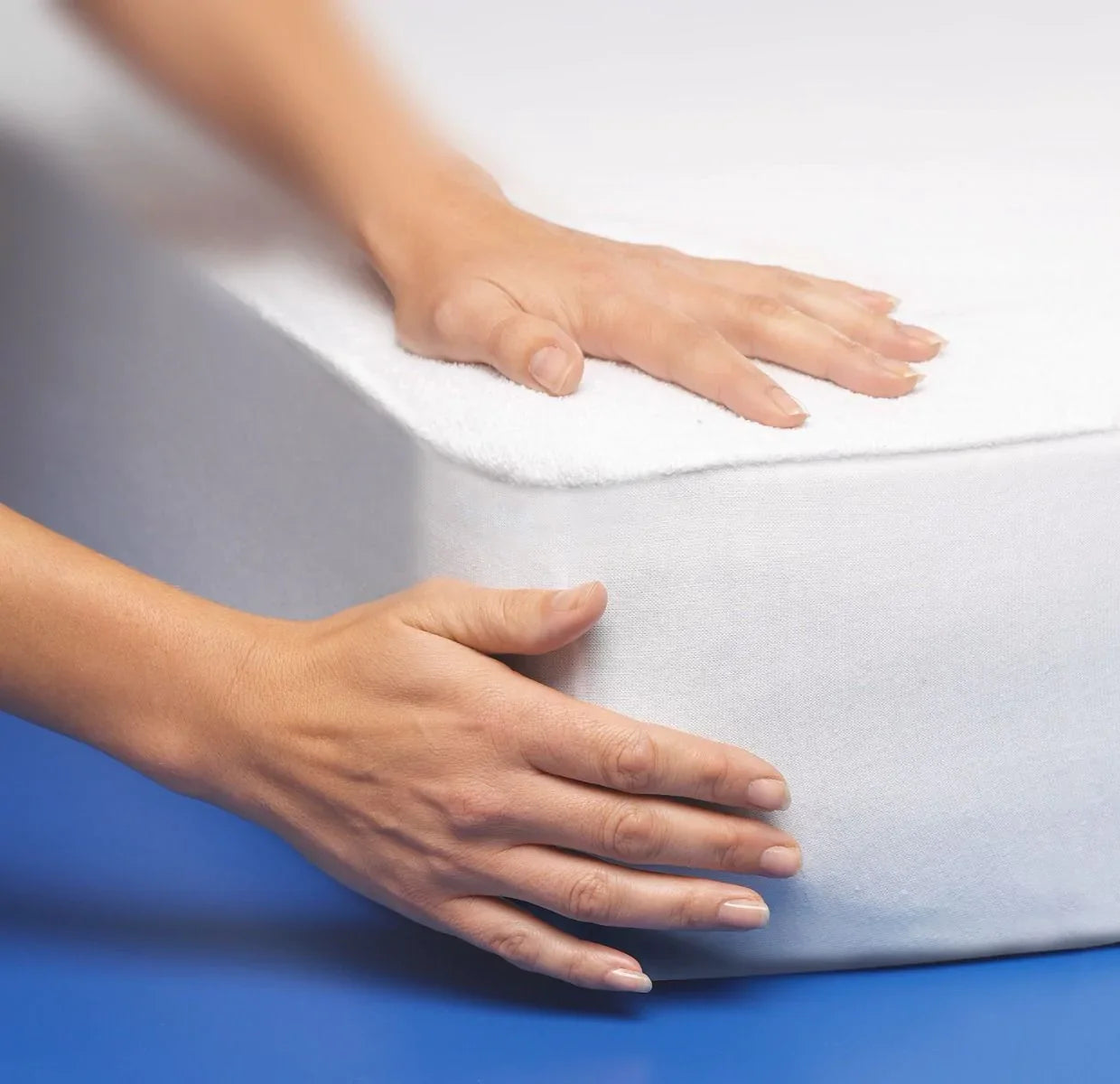 Natural fiber tops like cotton or bamboo feel soft against skin while allowing air to flow through.
Fit and Size: How to Get a Snug, Slip-Free Fit
A poorly fitting protector will bunch up, slide around, or leave parts of your mattress exposed, defeating its purpose entirely:
- Measure your total mattress height: Include the height of any topper you use on top of your mattress. For example, a 10-inch mattress with a 3-inch memory foam topper requires a protector with at least 13-inch deep pockets, preferably 14 inches to allow for shifting during the night.
- Match the size to your mattress: Standard sizes include Twin (39×75 inches), Full (54×75 inches), Queen (60×80 inches), King (76×80 inches), and California King (72×84 inches). If you have a split king adjustable bed, look for split-size protectors to fit each half individually.
- Prioritize elasticized corners over straps: Wide, elasticized corners grip the mattress securely and won’t pop off during the night, while thin straps often slip out of place.
- Test the fit before washing: If possible, try the protector on your mattress before washing it to confirm it fits correctly, as some shrinkage can occur during the first wash.
 Measuring your mattress depth including any topper is the first step to a slip-free fit.
Special Considerations for Specific Sleep Needs
Certain sleep styles and health needs require extra features to get the most out of your protector:
- Hot sleepers: Prioritize natural fiber tops (cotton, bamboo) with thin, breathable TPU membranes, and avoid thick padding or vinyl backing. Look for GREENGUARD Gold certification to ensure no heat-trapping VOCs are present.
- Allergy and asthma sufferers: Choose a zippered encasement with a thread count of 200 or higher to block dust mites, and look for asthma & allergy friendly certification. Wash the protector monthly in hot water (130°F or higher) to kill dust mites and remove allergens. For people with asthma or eczema, the Centers for Disease Control and Prevention recommends allergen-proof mattress covers to reduce exposure to dust mites, a common indoor respiratory trigger.
- Kids and pet owners: Opt for fully waterproof, stain-resistant fabric in a fitted style that’s easy to remove and wash quickly after accidents. Look for kid-safe, OEKO-TEX certified materials to avoid harmful chemical exposure.
- Memory foam or hybrid mattress owners: Avoid thick, rigid protectors that can alter the contouring feel of your foam. Choose a thin, flexible TPU-laminated protector that won’t interfere with the mattress’s support and pressure relief.
- Warranty protection: Check your mattress manufacturer’s warranty requirements before buying a protector. Some brands require a specific type of protector to keep stain coverage valid, and may require you to keep receipts for both the mattress and protector to file a claim. Full zippered encasements are the only proven method to block bed bugs, which can survive up to a year without feeding, according to the U.S. Environmental Protection Agency.
- Wet hair sleepers: If you often go to bed with wet hair, a fully waterproof protector is a must to avoid moisture seeping into your mattress, and you can learn safer wet hair sleep habits to reduce scalp irritation and hair damage. Pair it with a waterproof pillow cover to stop moisture from reaching pillow filling and causing mold or odor buildup.
 Zippered encasements are the only reliable way to fully block bed bugs and dust mites.
Care, Maintenance, and Expected Lifespan
A protector only works if you care for it properly, and most will need to be replaced after a few years of regular use:
- Washing instructions: Most protectors are machine washable, but always check the care label first. Wash on a gentle cycle with mild, fragrance-free detergent, and avoid bleach, fabric softener, or harsh stain removers, which can degrade the waterproof membrane over time. If you use a plush mattress topper alongside your protector, follow the proper care steps for your specific model to avoid damaging the filling.
- Drying guidelines: Tumble dry on low heat, or air dry if the label specifies. High heat can melt TPU membranes and ruin waterproofing permanently. Never iron a mattress protector, as high heat can also damage the backing.
- Replacement timeline: With proper care, most protectors last 2 to 5 years. Replace it sooner if you notice tears, pilling, persistent odors that don’t wash out, or loss of waterproofing (test by sprinkling a few drops of water on the surface — if it soaks through, it’s time for a new one). If you’re unsure when to swap out your layered sleep gear, check our guide on when to replace sleep layers to avoid sleeping on damaged, unhygienic materials. If you have a down or feather topper, you’ll need to follow specific revival steps if liquid seeps through the protector, as down clumps when wet and loses its loft.
- Pro tip: Keep a spare fitted protector on hand for quick swaps after accidents, so you can wash the dirty one without going without protection for your mattress. When your protector eventually needs replacing, check if it’s accepted in local recycling programs to reduce unnecessary landfill waste.
 Most protectors are machine washable, making regular care simple.
Budget Breakdown: What To Expect At Every Price Point
Mattress protectors range from under $20 to over $100, and price usually correlates with material quality, breathability, and durability:
| Price Range | What You Get | Best For |
|---|---|---|
| Under $20 | Basic vinyl or polyester protectors, fully waterproof but noisy and heat-trapping | Temporary use, dorms, guest rooms, short-term needs |
| $20–$50 | Cotton or polyester tops with TPU membranes, fitted or encasement styles, often OEKO-TEX certified | Everyday use for most households, kids’ rooms |
| $50–$100 | Organic cotton, bamboo, or cooling hybrid protectors, with allergy certifications, better breathability and durability | Hot sleepers, allergy sufferers, premium mattresses |
| $100+ | Luxury organic encasements, extra-thick cooling layers, extended warranties, sustainable materials | High-end mattresses, severe chemical sensitivities, long-term durability |
 Different household members have different needs, from waterproofing for kids to cooling for hot sleepers.
Common Shopping Mistakes To Avoid
Even experienced shoppers make these errors, leading to wasted money and a protector that doesn’t meet their needs:
- Forgetting to include your topper height when measuring: This is the #1 cause of poor fit. Always measure from the bottom of your mattress to the top of any topper you use regularly.
- Choosing vinyl for everyday use: While cheap and fully waterproof, vinyl’s noise and heat retention make it a poor long-term choice for your primary bed.
- Ignoring care requirements: If you dislike doing laundry, avoid protectors that require line drying only or special detergent, as you’ll be less likely to care for it properly.
- Skipping the return policy: Always buy from a retailer that offers at least a 30-day in-home trial, so you can test the protector for noise, breathability, and fit in your own bed.
- Assuming all "waterproof" labels are equal: Some protectors only repel light spills, while others block full liquid penetration. Check product descriptions and reviews to confirm the level of waterproofing matches your needs.
Testing a protector at home lets you confirm it’s quiet, breathable, and fits your mattress correctly.
Frequently Asked Questions
What is the best material for a mattress protector?
The best all-around material is a cotton or bamboo top with a thin TPU membrane, which balances softness, breathability, and full waterproofing. For hot sleepers, bamboo or Tencel tops wick moisture away from the body more effectively than cotton. Avoid standard vinyl for everyday use due to its noise and heat retention.
Do mattress protectors stop dust mites?
Yes, tightly woven protectors with a thread count of 200 or higher block dust mites from entering the mattress, and zippered encasements seal the entire mattress to prevent infestations. Look for products labeled "allergy-rated" or with asthma & allergy friendly certification for verified performance.
Will a mattress protector make my bed hotter?
It can if you choose a non-breathable backing like standard vinyl or thick, rigid PU. Opt for protectors with thin TPU membranes and natural fiber tops to minimize heat retention, especially if you already run hot at night.
How often should I replace a mattress protector?
Most protectors last 2 to 5 years with proper care. Replace it sooner if you notice tears, pilling, loss of waterproofing, or persistent odors that don’t wash out. For allergy sufferers, replace encasements every 2 years to ensure they remain effective at blocking dust mites.
Can a mattress protector void my mattress warranty?
No, a protector will not void your warranty as long as you follow the care instructions for both the protector and mattress. In fact, most warranties require a protector to keep stain coverage valid, so using one can help you avoid costly out-of-pocket replacements.
Are waterproof mattress protectors noisy?
Most modern waterproof protectors with soft fabric tops and thin TPU membranes are nearly silent. Older vinyl protectors or those with thick, stiff backing are the main culprits for crinkly noise. If you’re a light sleeper, look for products labeled "quiet" or "noiseless" and read recent customer reviews that mention noise levels.
Do I need a mattress protector if my mattress has a stain-resistant cover?
Yes, even stain-resistant mattress covers only repel light spills and do not block dust mites, bed bugs, or deep sweat penetration. A separate protector provides full waterproofing and allergy protection that built-in covers cannot match.
Final Verdict: Pick the Right Protector For Your Bed
Choosing the right mattress protector comes down to three simple steps: measure your mattress (including any topper) to get the fit right, prioritize your top 2-3 needs (waterproofing, cooling, allergy protection, etc.), and choose breathable, certified materials over cheap vinyl for long-term use. A good protector will pay for itself many times over by extending your mattress’s lifespan and improving your sleep hygiene.
Take action today: grab a tape measure, note your mattress depth and top priorities, and use that list to filter options when shopping. If you’re building out your full sleep setup, check out our guides on proper care steps for your specific model, specific revival steps, and when to replace sleep layers to keep every layer of your bed in top condition. If you have questions about fit or care, leave a comment below and we’ll help you find the right option.
Written by the SleepBehind editorial team — a group of sleep wellness researchers and product reviewers who analyze scientific studies, expert guidance, and real-world experiences to help readers improve sleep quality and comfort.