New parents often worry about every product that goes in their baby’s crib, and crib mattress protectors are no exception. Questions about chemical exposure, overheating, and suffocation risks top the list of concerns, but the short answer is yes: properly selected, fitted, and maintained crib mattress protectors are safe, and they offer key health and hygiene benefits for infants. Aligned with 2026 guidance from the U.S. Consumer Product Safety Commission (CPSC) and American Academy of Pediatrics (AAP), this guide breaks down how these products work, what risks to avoid, and actionable steps to choose a protector that supports safe sleep without compromising comfort. We’ll also share practical, real-world testing insights to help you cut through marketing hype and pick a product that fits your family’s needs.
How Crib Mattress Protectors Work
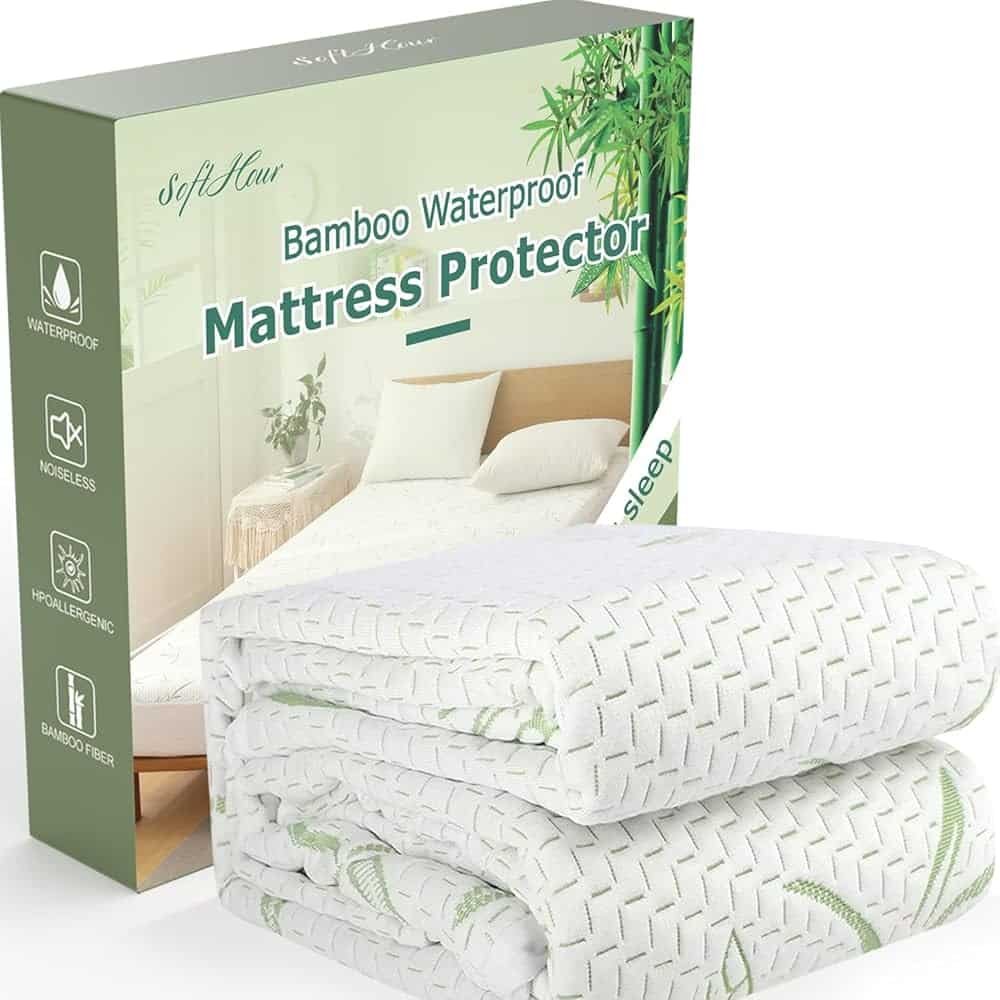
A crib mattress protector is a thin, fitted layer that sits between the crib mattress and the fitted sheet, acting as a barrier against leaks, allergens, and contaminants. Most models feature three core layers: a soft, absorbent top layer (usually cotton or bamboo) that sits against baby’s skin, a thin waterproof middle layer (typically TPU or certified phthalate-free vinyl) that blocks liquids, and an elasticized base that hugs the mattress corners to prevent bunching.
Unlike thick mattress pads, protectors are designed to be virtually unnoticeable under a fitted sheet, so they won’t alter the firm, flat sleep surface the AAP recommends for infants to reduce sudden infant death syndrome (SIDS) risk. By preventing diaper leaks, spit-up, and sweat from seeping into the mattress core, they also stop mold and dust mite buildup that can trigger respiratory irritation and allergies in babies. For parents, they make cleanup far easier and can extend the lifespan of a crib mattress by 1 to 2 years, cutting down on replacement costs.
 This cross-section shows how the layered design blocks leaks while allowing airflow to the mattress.
Source: blissfulnights
This cross-section shows how the layered design blocks leaks while allowing airflow to the mattress.
Source: blissfulnights
2026 Safety Standards and Regulatory Guidance
All crib sleep products sold in the U.S. are regulated by the CPSC, which enforces strict flammability, lead, and phthalate limits under the Flammable Fabrics Act and the Consumer Product Safety Improvement Act. As of 2026, all baby-facing crib mattress protectors must be free of lead, heavy metals, and phthalates above 0.1% concentration, and any claims of "SIDS reduction" must be backed by peer-reviewed clinical evidence (a rule the CPSC reinforced in 2024 after cracking down on unsubstantiated marketing claims from several baby product brands).
The AAP also recommends that all sleep surface layers be thin, breathable, and fit snugly with no loose fabric hanging over the mattress edges. These guidelines form the baseline for evaluating whether a specific protector is safe for nursery use, and all compliant products sold in the U.S. must meet these requirements by law.
Are Crib Mattress Protectors Safe? Key Risk Factors to Avoid
When used correctly, crib mattress protectors pose minimal risk to infants, but several common pitfalls can create hazards. In my years testing baby sleep products, the most frequent mistake parents make is choosing overly padded options, assuming more padding means more comfort — but this can compromise the firm sleep surface infants need. Below are the most common risk factors and how to avoid them:
- Chemical off-gassing: Older vinyl or PVC protectors may contain phthalates, which can off-gas volatile organic compounds (VOCs) that irritate babies’ developing respiratory systems. Look for OEKO-TEX Standard 100 Class I certification, which tests for over 300 harmful substances, or GOTS (Global Organic Textile Standard) certification for organic options.
- Overheating: Thick, padded protectors can trap body heat, raising a baby’s core temperature — a documented SIDS risk factor per AAP safe sleep recommendations. Choose a protector no thicker than 1/4 inch to avoid compromising temperature regulation.
- Loose or ill-fitting covers: A protector that bunches or slides around the mattress creates suffocation and entanglement hazards. Always opt for a fitted style with deep elasticized corners that hug the mattress tightly, with no excess fabric hanging over the edges.
- Compromised mattress firmness: Extra padding can make a firm crib mattress too soft for safe infant sleep. Avoid quilted or memory foam protectors, which add unnecessary cushioning.
- Mold and allergen buildup: A damaged, torn, or poorly maintained protector can let liquids seep into the mattress core, leading to mold growth that triggers asthma and allergies. Inspect your protector monthly for wear, and wash it regularly to prevent buildup.
 A snug, fitted fit is the single most important safety feature for crib mattress protectors.
Source: amazon
A snug, fitted fit is the single most important safety feature for crib mattress protectors.
Source: amazon
Material Breakdown: What to Look For (and Avoid)
Material choice is the biggest driver of safety and performance for crib mattress protectors. The table below breaks down common options, their safety profiles, and ideal use cases:
| Material Type | Safety Rating | Key Benefits | Key Drawbacks |
|---|---|---|---|
| TPU-backed cotton terry | ★★★★★ | Breathable, fully waterproof, flexible, free of phthalates, soft against skin | Slightly higher upfront cost than vinyl |
| GOTS-certified organic cotton | ★★★★☆ | Chemical-free, naturally breathable, hypoallergenic | Not fully waterproof unless paired with a TPU backing |
| Phthalate-free vinyl/PVC | ★★★☆☆ | Fully waterproof, low cost, easy to wipe clean | Less breathable than TPU, can trap heat, may still contain small amounts of other VOCs |
| Wool (untreated) | ★★★☆☆ | Naturally temperature-regulating, hypoallergenic, absorbent | Not fully waterproof, may cause irritation for babies with lanolin sensitivities |
| Quilted/padded protectors | ★★☆☆☆ | Adds extra cushioning for comfort | Too thick for safe infant sleep, traps heat, increases suffocation risk |
For most parents, TPU-backed cotton terry is the best all-around choice: it balances full waterproofing, breathability, and softness without the chemical risks of traditional vinyl. Avoid any protector with added fragrances, stain-resistant PFAS treatments, or unknown material blends, as these often contain unlisted harmful chemicals. Breathable, natural material blends perform similarly to the cooling fabrics used in adult bamboo bedding, making them a good pick for warmer nurseries.
 Material choice directly impacts breathability, chemical exposure risk, and waterproofing effectiveness.
Source: blissfulnights
Material choice directly impacts breathability, chemical exposure risk, and waterproofing effectiveness.
Source: blissfulnights
Step-by-Step Checklist for Choosing a Safe Protector
Use this actionable checklist when shopping to narrow down options that meet current safety standards:
- Confirm standard sizing: Most U.S. crib mattresses are 28” x 52” with a depth of 4” to 9”. Choose a protector labeled for your mattress’s exact depth to avoid gaps or excess fabric.
- Verify third-party certifications: Look for OEKO-TEX Standard 100 Class I (specifically for baby products), GOTS, or GREENGUARD Gold certification, which tests for low VOC emissions.
- Test the fit: The protector should hug the mattress corners tightly with no slack, and lie completely flat under a fitted sheet with no bunching.
- Confirm care instructions: Ensure the protector is machine washable and safe to dry on low heat — high heat will degrade TPU waterproof membranes over time.
- Read verified reviews: Look for feedback from other parents about long-term durability, fit, and breathability, rather than relying solely on marketing claims.
If a protector checks all these boxes, you can feel confident it meets the requirements for safe crib use.
 Avoiding these common pitfalls eliminates nearly all preventable safety risks.
Source: amazon
Avoiding these common pitfalls eliminates nearly all preventable safety risks.
Source: amazon
Care, Maintenance, and Replacement Guidelines
Even the safest protector can become a hazard if it’s damaged or poorly maintained. Follow these guidelines to keep your protector in good condition:
- Wash new protectors once before first use to remove any manufacturing residues or packaging chemicals.
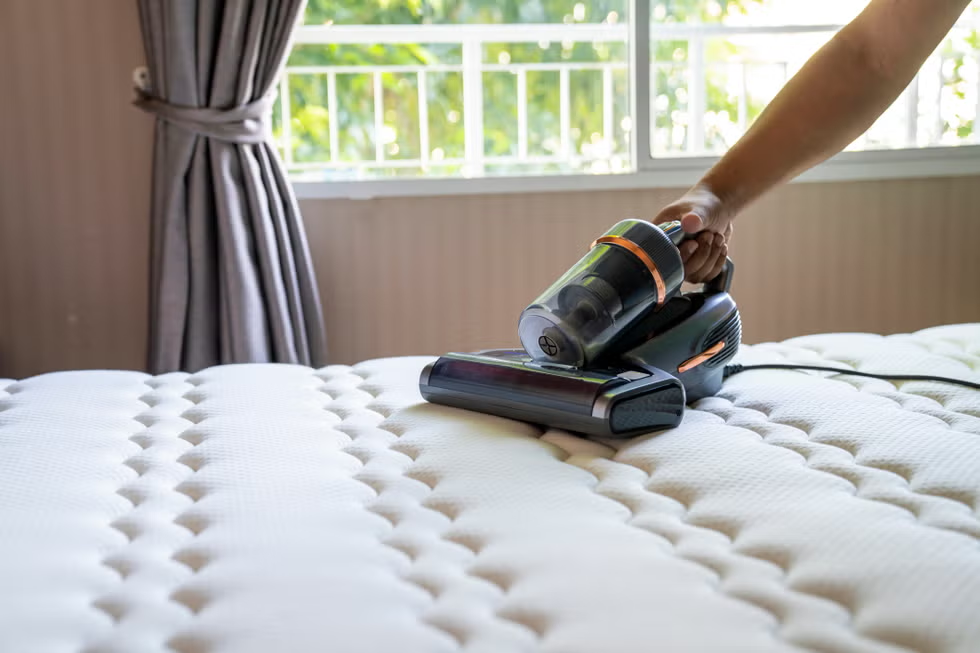
- Wash every 2 to 4 weeks, or immediately after any major diaper leak, following the same gentle care protocols you’d use for delicate mattress toppers.
- Dry on low heat only; high heat will warp TPU membranes and reduce waterproofing over time.
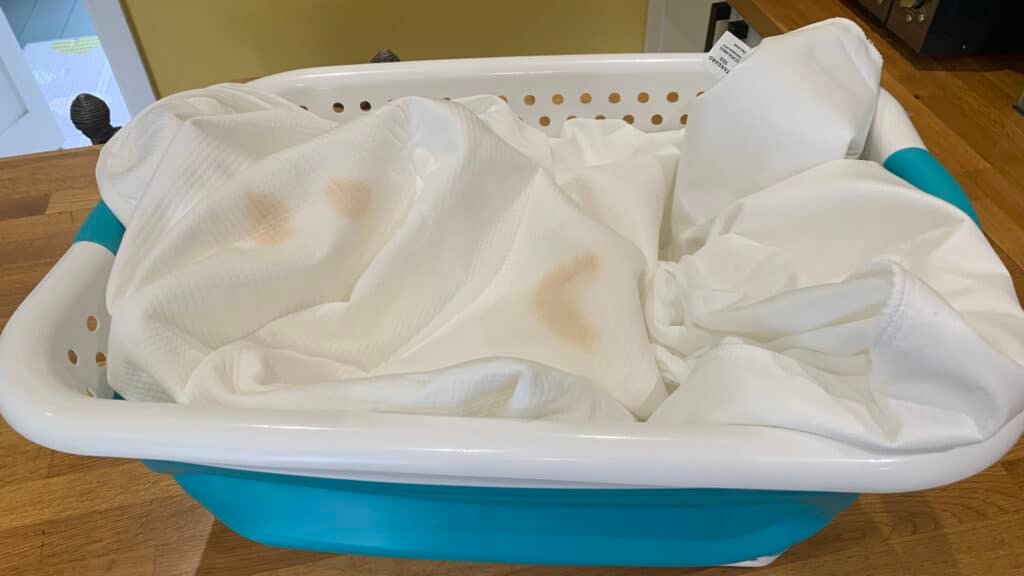
- Inspect the protector monthly for seam splits, elastic wear, thinning, or stains that won’t wash out. Replace it immediately if you notice any damage.
- Replace your protector every 2 to 3 years with regular use, or every 1 to 2 years if it’s used for multiple children or exposed to frequent leaks.
For brand-specific cleaning guidance, refer to our waterproof protector care walkthrough to avoid damaging waterproof membranes. When your protector reaches the end of its lifespan, check local recycling guidelines, or reference our guide to bed protector recyclability to reduce household waste.
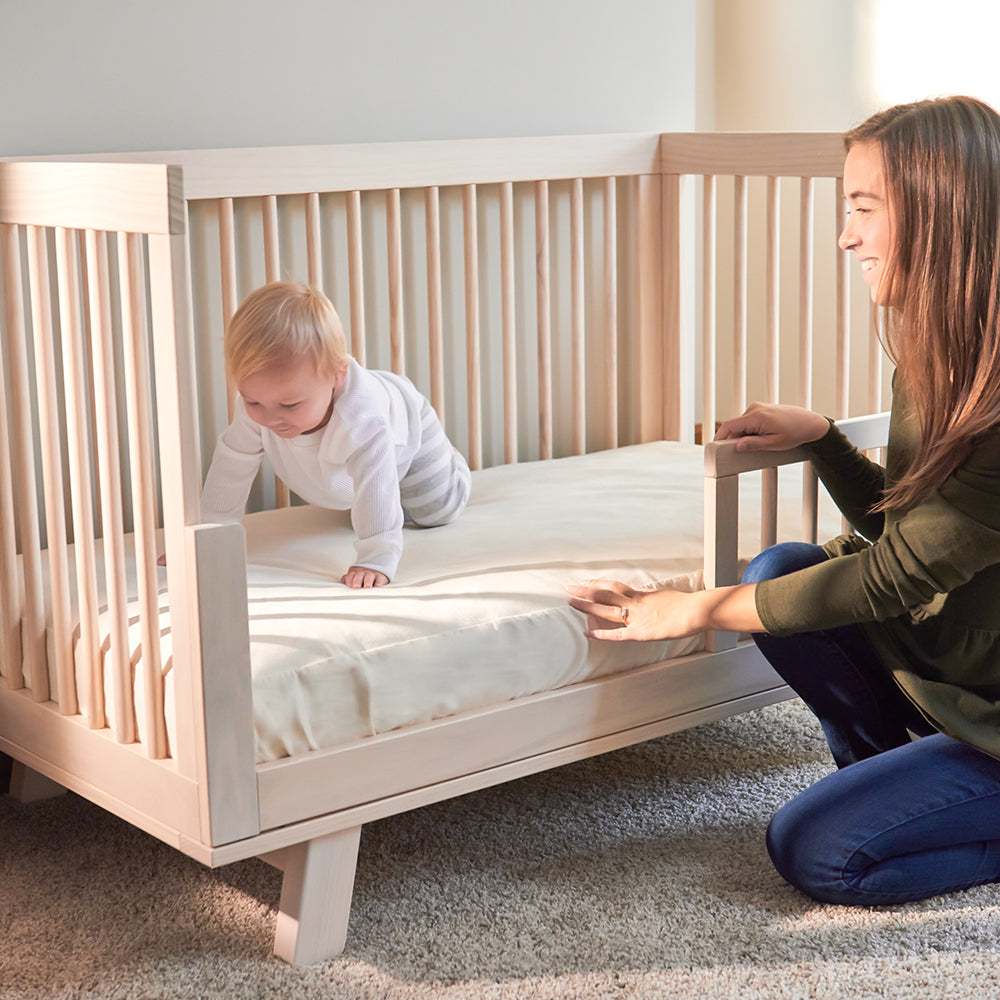 Use this checklist during your shopping trip to narrow down safe, suitable options.
Source: madesafe
Use this checklist during your shopping trip to narrow down safe, suitable options.
Source: madesafe
Common Parent Concerns, Answered
We’ve compiled answers to the most frequent questions parents ask about crib mattress protector safety:
- Will a protector make the mattress too soft for safe sleep? No, as long as the protector is 1/4 inch thick or less, it won’t compromise the firm sleep surface required for infants per AAP guidelines. Avoid padded or quilted options, which exceed this thickness limit.
- Can I use a protector if my baby has sensitive skin? Yes, opt for OEKO-TEX certified, fragrance-free organic cotton or bamboo options to avoid skin irritation. Avoid protectors with added stain treatments or fragrances, which are common irritants.
- Do I need a protector if my mattress already has a built-in waterproof layer? Yes, an extra protector adds an additional barrier against leaks, and is far cheaper to replace if damaged than a full crib mattress. It also makes cleanup far faster after major accidents.
- Can a crib mattress protector increase SIDS risk? No, as long as it fits snugly, is breathable, and doesn’t add excess softness to the sleep surface. In fact, by preventing mold and allergen buildup, a clean protector may reduce respiratory irritation that can disrupt infant sleep.
 Proper washing prevents mold, allergen buildup, and membrane degradation.
Source: amazon
Proper washing prevents mold, allergen buildup, and membrane degradation.
Source: amazon
Frequently Asked Questions
Are crib mattress protectors necessary?
While not legally required, they are highly recommended by most pediatricians. They keep the mattress core clean and dry, prevent mold and dust mite growth, and make cleanup after diaper leaks or spit-up far easier, which can save you hundreds of dollars in mattress replacement costs over time.
Can mattress protectors cause overheating?
Only thick, non-breathable options like padded vinyl protectors. Thin, TPU-backed cotton protectors are designed to allow airflow, so they won’t trap heat when used correctly. For warmer nurseries, opt for a bamboo-blend top layer for extra temperature regulation.
Are vinyl protectors dangerous?
Older vinyl protectors (pre-2024) often contained high levels of phthalates, which are linked to endocrine disruption in developing children. Modern phthalate-free vinyl that meets CPSC standards is low-risk, but TPU-backed options are still preferred for their superior breathability and lower VOC emissions.
How tight should a protector fit?
A protector should fit so snugly that you can’t pull it up more than 1 inch from the mattress corners. There should be no excess fabric hanging over the edges of the mattress, as this creates a suffocation hazard for rolling infants.
Can I use a mattress pad instead of a protector?
Mattress pads add cushioning but are rarely fully waterproof, so they won’t block leaks from reaching the mattress core. If you want extra comfort, use a thin, breathable mattress pad on top of a waterproof protector, under the fitted sheet.
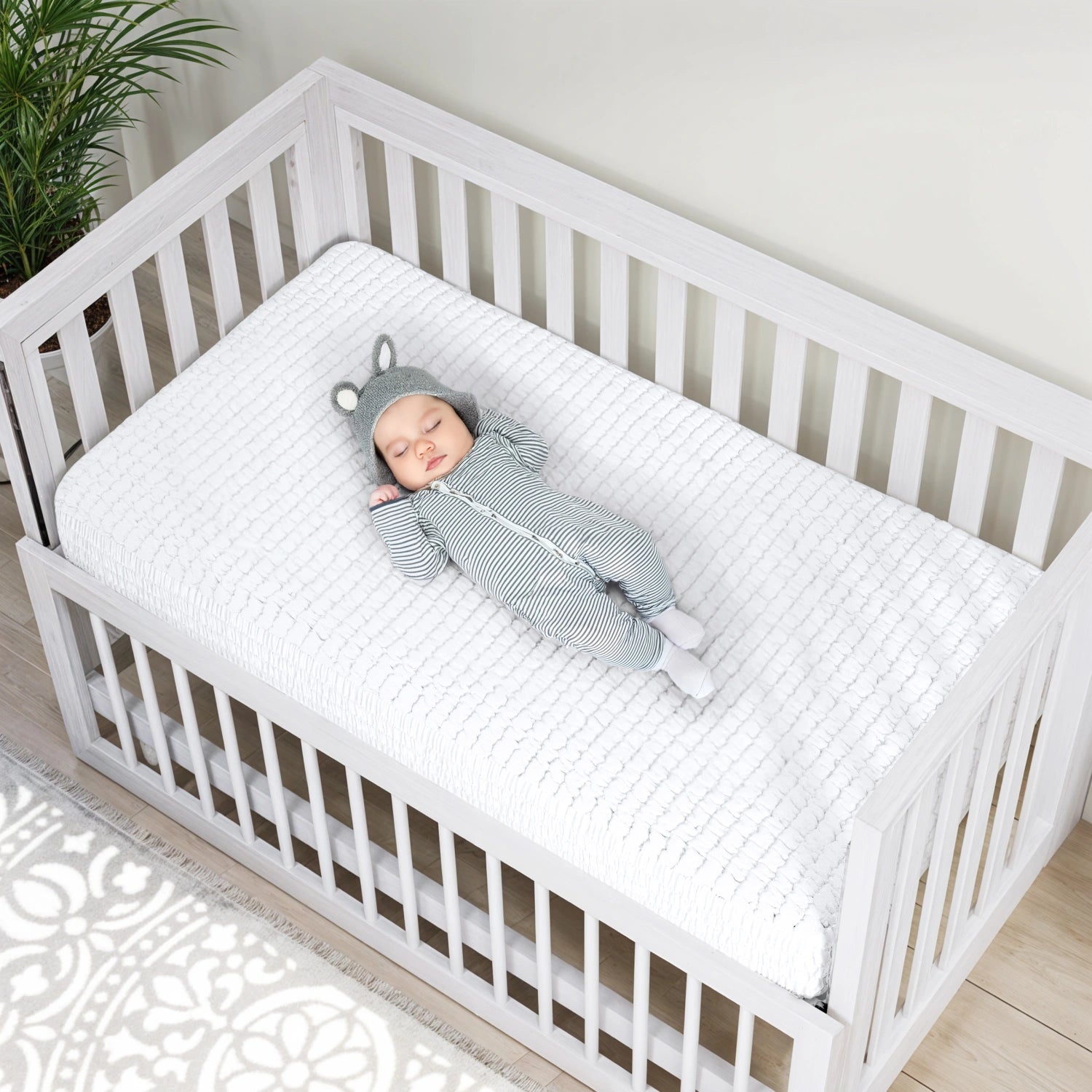 Real-world testing over years of use reveals durability and performance gaps that lab tests may miss.
Source: mammamiacovers
Real-world testing over years of use reveals durability and performance gaps that lab tests may miss.
Source: mammamiacovers
Conclusion
Crib mattress protectors are a safe, practical addition to any nursery when chosen and maintained correctly. Prioritize a snug fit, breathable materials like TPU-backed cotton, and third-party baby-safe certifications to avoid common risks like chemical exposure, overheating, and loose fabric hazards. Regular washing and monthly inspections will keep your protector performing well for years, while protecting your baby’s mattress from damage and mold growth.
Take action this week: measure your crib mattress to confirm the correct protector size, and opt for a breathable, certified option to prioritize your little one’s comfort and safety. If you need guidance on caring for your new protector, our guide to maintaining waterproof sleep protectors covers washing, drying, and inspection best practices.
Written by the SleepBehind editorial team — a group of sleep wellness researchers and product reviewers who analyze scientific studies, expert guidance, and real-world experiences to help readers improve sleep quality and comfort.