
“How to Clean Period Blood From a Mattress” starts with three checks: freshness, cover type, and the care label. That order keeps you from spreading blood or soaking foam that can’t handle water. Most small stains respond well to prompt blotting and a cleaner approved for the material.
Cold water matters because heat can set blood into fabric. Check the exact model manual before using peroxide, oxygen bleach, or chlorine bleach. A soaked foam core can take 48 hours or longer to dry, and CDC guidance emphasizes moisture control around mold.
Start by deciding whether you have fresh blood, a dried stain, or a soaked core.
How to Clean Period Blood From a Mattress: Fast & Easy
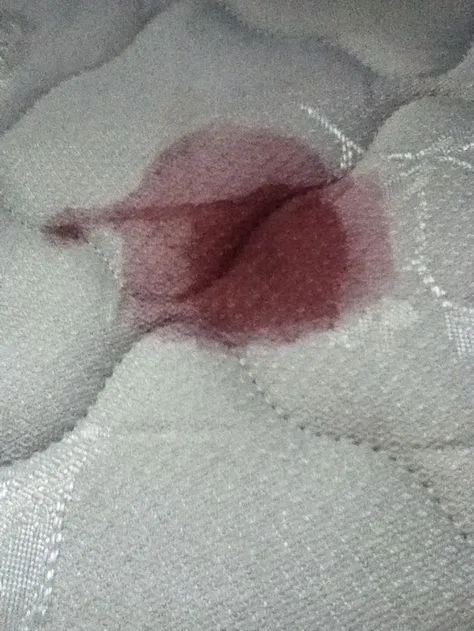
Image source: Web (Bing) / pinterest.com (Web image (fair-use with source credit))
Quick Answer
To clean period blood from a mattress, blot fresh blood with cold water. Remove the cover if its care label allows washing. Then use cool water and a cleaner approved for the material.
Avoid hot water, unapproved bleach, and excess moisture. Dry the core fully before using the bed.
Are You Dealing With Fresh Blood, a Dried Stain, or a Soaked Mattress?
The timing and saturation level determine your approach. Fresh blood usually lifts easily, while dried blood needs controlled moisture and more contact time.
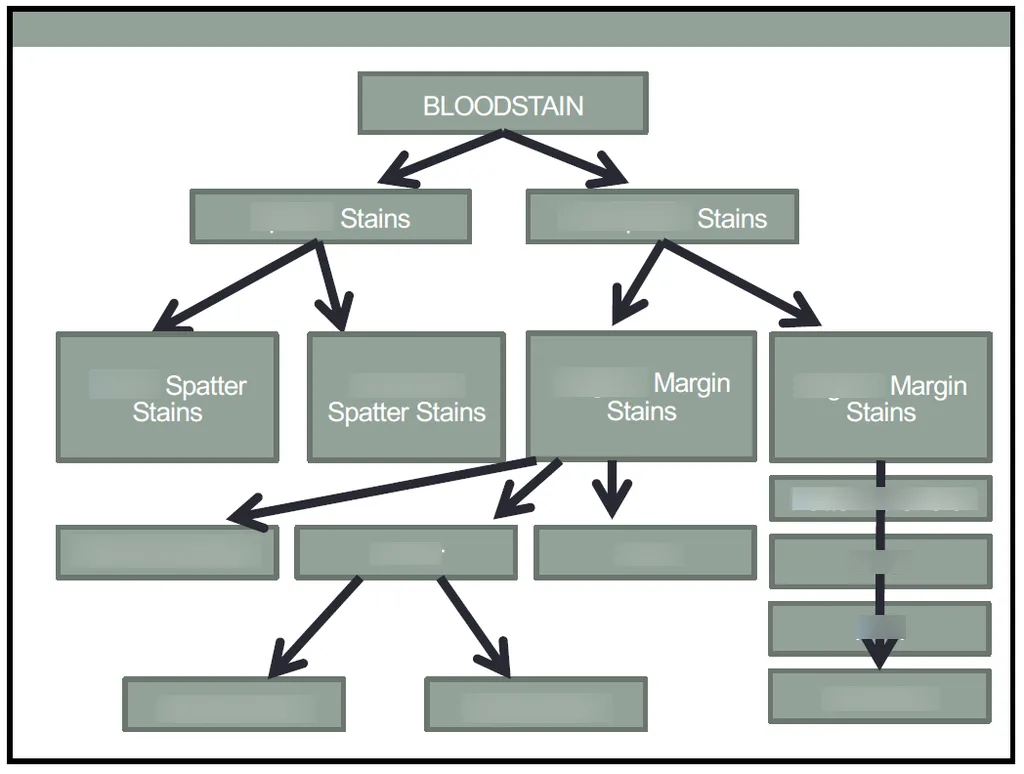
Image source: Web (Bing) / quizlet.com (Web image (fair-use with source credit))
Can you blot the blood before it dries?
Yes, if the blood still looks wet or transfers to a clean cloth. Press a white cloth firmly over the stain without rubbing. Lift it slowly, replace it when blood transfers, and work toward the center.
| Condition | What you’ll notice | Best first move |
|---|---|---|
| Fresh blood | A wet mark that transfers or spreads | Blot with cool or cold water |
| Dried blood | A darker mark that no longer wipes away | Patch-test and use a controlled cleaner |
| Soaked mattress | Cool dampness, bleed-through, or odor | Remove layers and extract moisture |
Rubbing can spread fresh blood across the surface. Pressure moves blood upward and onto the cloth, where you can contain it.
Has the blood reached the mattress core?
It may have if the mark spreads under pressure or the mattress feels cool and heavy. Check the fitted mattress cover, mattress pad, waterproof protector, and topper. Blood can travel through one layer and reappear after the bed is remade.
A fixed bloodstain no longer wipes away and often darkens as it dries. Dried blood still responds to treatment, but it needs more time to loosen than fresh blood. If liquid has reached the foam or latex core, repeated soaking won’t fix it.
As of 2026, check the current care manual for your exact mattress model. Similar foam types may have different cleaning and warranty restrictions.
Cold Water, Detergent, Enzyme Cleaner, Oxygen Cleaner, or Peroxide: Which Treatment Fits?
Choose mild detergent for fresh stains and an enzyme or protease cleaner for dried blood. Use oxygen-based cleaner or hydrogen peroxide only when the mattress label permits it.
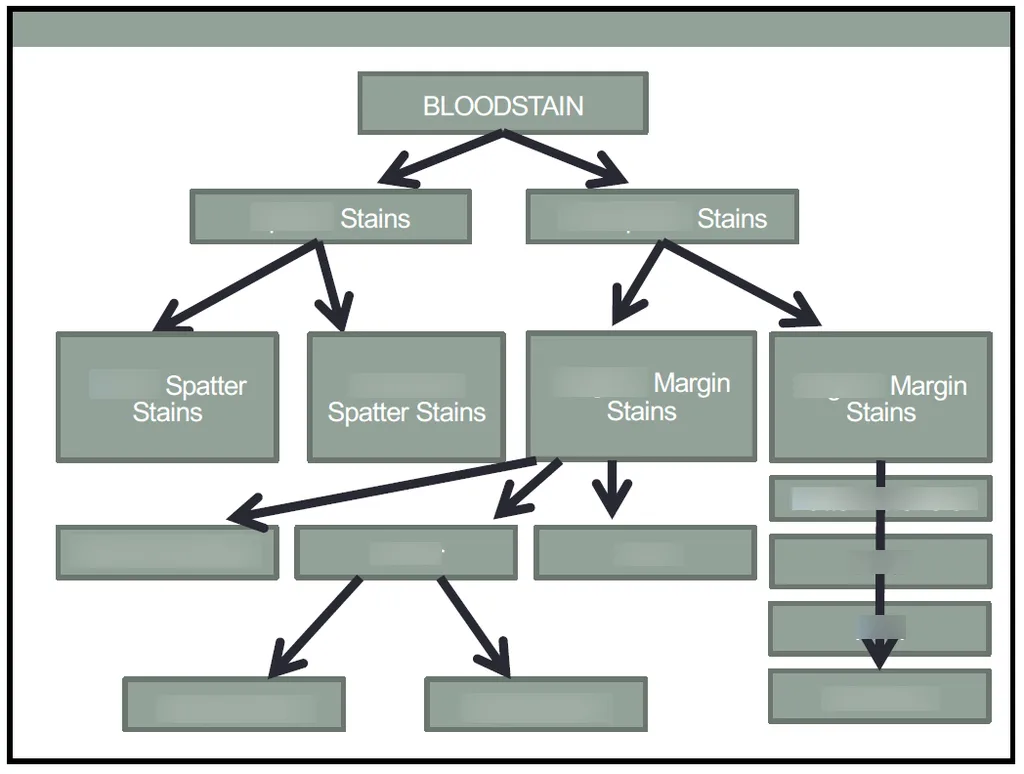
Image source: Web (Bing) / quizlet.com (Web image (fair-use with source credit))
Blood contains proteins, so a detergent can loosen fresh material while an enzyme cleaner breaks down dried organic matter. Stronger products aren’t automatically better on a mattress.
| Treatment | Best for | Main limitation |
|---|---|---|
| Cool water and mild detergent | Fresh or light surface stains | May not remove deeply dried blood |
| Enzyme or protease cleaner | Dried protein-based stains | Requires approved materials and label-directed contact time |
| Oxygen-based cleaner | Stubborn stains on approved fabrics | Can fade fabric or over-wet foam |
| Hydrogen peroxide | Small persistent stains when specifically approved | Can bleach fabric or damage some foam |
| White vinegar | Limited odor treatment on an approved surface | Unreliable as a stand-alone blood remover |
Use the exact dilution and contact time printed on the cleaner. Apply it with a damp cloth or sponge rather than pouring it onto the mattress. Excess cleaner can leave sticky residue inside foam.
Vinegar alone doesn’t reliably dissolve embedded blood. Baking soda can absorb moisture, but powder can leave residue in quilting and seams. Salt, abrasive powders, and stiff brushes can grind blood deeper into the surface.
Never mix chlorine bleach with vinegar, ammonia, hydrogen peroxide, or another cleaner. The EPA’s bleach safety guidance warns that some mixtures release harmful gases. Don’t use chlorine bleach unless the exact mattress manufacturer specifically allows it.
Step-by-Step Period Blood Stain Removal for Different Mattress Types
Use the same basic workflow for foam, latex, innerspring, or hybrid mattresses. The main difference is how much moisture the material can tolerate.
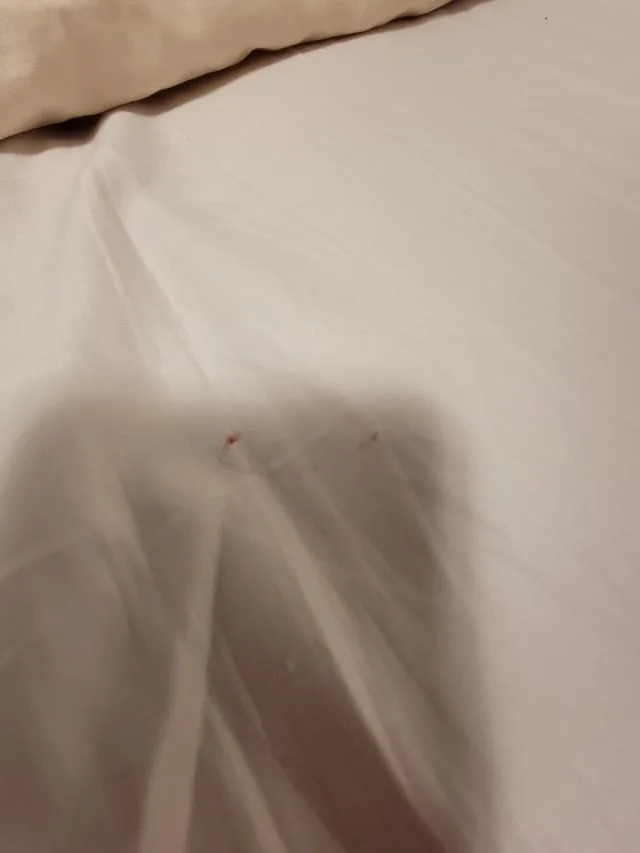
Image source: Web (Bing) / reddit.com (Web image (fair-use with source credit))
Put on disposable gloves and remove the sheets, mattress pad, protector, and topper above the stain. Keep them separate until you know which layers need washing. Wash your hands with soap and water after handling them.
How do you treat fresh blood on the surface?
Blot it first, before applying detergent. Press a clean white cloth firmly over the stain. Don’t scrub or swirl the cloth.
Replace the cloth whenever blood transfers. Once transfer stops, lightly dampen a clean cloth with cool water and blot again. Finish with a dry towel to remove loose moisture.
What should you do about dried blood on a non-removable mattress?
Patch-test an approved cleaner on a hidden area first. Check for fading, discoloration, stiffness, or damage after the product dries.
Apply the cleaner at its labeled dilution with a slightly damp sponge. Work in light passes without crushing the quilting or pushing blood deeper. Leave it wet for the label-directed contact time, then extract it with a clean damp cloth.
For memory foam and latex foam, keep the surface damp but not dripping. Stop if liquid pools, the mattress becomes noticeably heavier, or the fabric changes color. Don’t assume an innerspring or hybrid core is washable just because its outer fabric looks durable.
| Mattress type | Moisture approach |
|---|---|
| Memory foam | Patch-test, use minimal moisture, and avoid soaking |
| Latex foam | Apply to a cloth and extract carefully |
| Innerspring | Clean the surface, seams, and ticking without flooding the core |
| Hybrid | Treat like foam if comfort layers contain substantial foam |
| Removable cover | Wash only according to the cover’s separate care label |
Can you remove and wash the mattress cover?
Remove it only if the care label allows laundering. Blood may sit on both sides and collect in seams, corners, or a waterproof backing.
Treat the mattress core separately before replacing the cover. Don’t machine-wash an entire mattress unless both the mattress and cover labels clearly permit it. Air-dry the cover according to its label, then confirm that the mattress is dry before reassembly.
Washing the Mattress Cover, Topper, Bed Pad, and Sheets
Period blood often travels through several bedding layers. Cleaning only the top sheet can leave residue in a pad or protector that smells or bleeds through later.
Which contaminated layers need cleaning?
Every layer that held blood or smelled of it needs separate attention. Start with the sheet directly above the mattress and work downward.
- Sheets and pillowcases
- Absorbent mattress pads
- Waterproof mattress protectors
- Removable mattress covers
- Foam or latex toppers
- Mattress cores with surface contamination
Place wet items in a closed laundry bag or washable container. Don’t let them touch clean bedding while you carry them through the home.
How should you wash bloodstained bedding?
Wash each item according to its own care label. Use cool or cold water and mild laundry detergent when the fabric permits.
Pretreat remaining marks with a laundry product labeled for blood or protein stains. Machine-wash compatible items using the approved cycle, then inspect them before drying. If visible blood remains, air-dry first because heat can set it.
A waterproof mattress pad may have a coated surface that needs gentle wiping. A memory foam topper usually needs spot cleaning, even when its cover is removable and washable.
Does a mattress encasement help prevent future stains?
Yes, a washable mattress encasement creates a removable barrier around the mattress core. An absorbent bed pad adds another layer during heavier bleeding.
Keep at least two pads or liners available for overnight use. Replace a pad before it becomes saturated, and launder stained pads according to their labels. If bleeding regularly soaks through protection or causes symptoms such as dizziness, contact a healthcare professional.
Mistakes That Set Blood, Damage Foam or Latex, or Spread the Stain
Most failed treatments come from using too much water, cleaner, or friction. Work slowly and change the method when the stain stops responding.
| Mistake | What can happen | Better approach |
|---|---|---|
| Using hot water | Blood can set into the fabric | Use cool or cold water |
| Scrubbing hard | Blood spreads across the surface | Blot and press gently |
| Soaking the mattress | Moisture reaches the foam or latex core | Dampen a cloth instead |
| Adding extra cleaner | Residue remains inside the material | Follow the exact dilution |
| Using unapproved bleach | Fabric fades, yellows, or weakens | Check the care label first |
| Using high heat | Remaining blood or residue can set | Dry with airflow |
| Ignoring the care label | Damage may void warranty coverage | Follow model-specific directions |
Does more cleaner give better results?
No. More cleaner can leave residue, cause discoloration, or force moisture deeper into the mattress. Use the smallest effective amount and keep the surface only damp.
Apply the product to a cloth rather than the mattress whenever possible. Extract it afterward, then blot with a clean dry towel. Stop if the surface becomes stiff, sticky, faded, or strongly scented.
Can you scrub a stubborn bloodstain?
No. Scrubbing can spread the stain and push it through the cover. Use gentle pressure and a soft sponge instead.
Don’t use a steam cleaner, heated dryer, or boiling water unless the manufacturer explicitly approves it. Treat blood from another person with appropriate precautions, and follow workplace exposure rules if applicable.
Dry the Mattress Completely, Then Decide Whether to Escalate
Complete drying is the test that shows whether cleaning worked. The surface can feel dry while liquid remains inside the foam.
How can you check for hidden moisture?
Check the center, edges, seams, and underside. Press a clean white towel firmly over each area and look for dampness, odor, or pink or brown transfer.
- Press out water with dry towels.
- Replace damp towels as needed.
- Aim air across the mattress with a fan.
- Use a dehumidifier in a humid room.
- Keep bedding off the mattress until drying finishes.
The finished mattress should feel room-temperature throughout. It shouldn’t transfer blood to a dry white cloth or release a musty smell.
How long does a blood-stained mattress take to dry?
A small, surface-only wet area may dry in several hours. A soaked foam or latex core can take 48 hours or longer, especially in humid conditions.
Continue airflow until the center no longer feels cool. Don’t use artificial heat unless the manufacturer approves it. Higher temperature can set remaining blood while the mattress is still damp.
| Result after treatment | Next step |
|---|---|
| Dry, odor-free, and no transfer | Put the bedding back on |
| Dampness remains | Continue airflow and moisture extraction |
| Musty odor returns | Seek low-moisture professional cleaning |
| Blood remains inside the core | Review warranty options or replace the mattress |
When should you call a cleaner or replace the mattress?
Escalate when blood has penetrated deeply or the core stays damp, musty, or stained after approved treatment. Contact the manufacturer before paying for a replacement, since some defects or cleaning failures may be covered.
Low-moisture professional extraction may help with moderate surface contamination. It can’t always reach blood trapped deep inside foam. If repeated approved treatments leave odor or residue, replacement is usually more practical than continuing to wet the mattress.
Frequently Asked Questions
Can you use hot water to remove period blood from a mattress?
No. Heat can set or fix period blood into fibers, especially after the stain dries. Use cool or cold water for blotting and rinsing, then apply only a cleaner approved for the mattress.
Let the treated area air-dry with good airflow. Don’t heat-dry bedding that still contains a visible stain.
Will vinegar remove period blood from a mattress?
Vinegar alone usually won’t remove embedded period blood. It may help with odor, but it isn’t a dependable protein-stain treatment. Patch-test any approved diluted use on a hidden area, and extract it fully.
For dried blood, choose a compatible enzyme or oxygen-based cleaner allowed by the mattress label.
Can you use hydrogen peroxide on a memory foam mattress?
Only use hydrogen peroxide if the exact mattress manufacturer permits it. Peroxide can bleach fabric and may damage some foam or latex. Test a hidden area first, use only the labeled dilution, and apply it with a damp cloth.
Stop if the surface fades, stiffens, or smells strongly of chemicals.
How long does a blood-stained mattress take to dry?
A small, surface-only wet area may dry in several hours. A soaked foam or latex core can take 48 hours or longer. Speed drying with a fan, airflow, and a dehumidifier, then press clean towels over the center, edges, and underside.
The mattress should feel room-temperature with no odor or dampness.
When should you replace a mattress after period blood?
Replace a mattress when blood has penetrated deep into the core and approved low-moisture cleaning cannot remove the odor or residue. Persistent dampness, visible mold, or repeated failed surface treatments also call for replacement. Contact the manufacturer first because an approved cleaning issue may fall within a warranty.
Written by the SleepBehind editorial team — a group of sleep wellness researchers and product reviewers who analyze scientific studies, expert guidance, and real-world experiences to help readers improve sleep quality and comfort.