
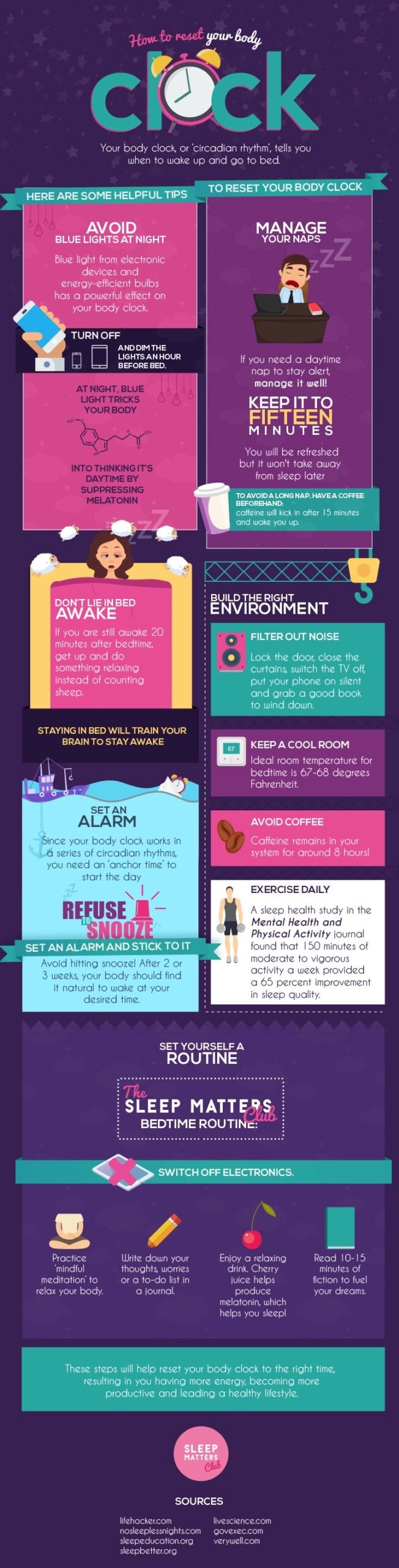
If you’re dragging through afternoons after a weekend of late nights, struggling to wake up for an early shift, or still fighting jet lag a week after a cross-country flight, you don’t have to wait weeks for your sleep schedule to align. Updated for 2026 with the latest clinical guidance from sleep medicine experts, this guide eliminates guesswork and gives you actionable steps to reset your body clock fast—often in as little as 2–3 days for small shifts, or 7–10 days for larger time zone changes or shift work adjustments. We’ll break down the science of circadian rhythms, the fastest working strategies backed by research, and a customizable 7-day reset plan you can start today, no special equipment required.
How The Body Clock Works (And Why You Can Reset It Fast)
Your body’s internal timekeeper, the suprachiasmatic nucleus (SCN) located in the hypothalamus, acts as the master circadian clock, synchronizing rhythms across every organ in your body per the CDC. This system runs on a roughly 24-hour cycle, slightly longer than the Earth’s rotation (an average of 24 hours and 15 minutes for most adults), which is why we naturally drift toward later bedtimes and wake times if left without consistent external cues. You can also read our guide on why do i wake up tired.
These external cues, called zeitgebers, are what allow you to shift your clock quickly. Light is the strongest zeitgeber: morning light signals your SCN to suppress melatonin (the sleep hormone) and boost cortisol to promote wakefulness, while evening darkness triggers melatonin production to prepare you for sleep. Secondary zeitgebers include meal timing, exercise, core body temperature, and even social interaction, all of which help synchronize peripheral clocks in your liver, gut, and muscles to your master schedule. Small, consistent adjustments to these cues can shift your entire circadian system in days, rather than the weeks it takes for your body to adjust on its own.
 The suprachiasmatic nucleus (SCN) in the hypothalamus acts as the body's master timekeeper, regulating circadian rhythms across all organs.
Image source: NIH
The suprachiasmatic nucleus (SCN) in the hypothalamus acts as the body's master timekeeper, regulating circadian rhythms across all organs.
Image source: NIH
Fastest Evidence-Based Reset Strategies
These strategies are prioritized by impact, so you can focus on the highest-leverage changes first for the fastest results. Use them in combination for optimal speed. You can also read our guide on circadian rhythm explained.
1. Optimize Light Exposure (Your Most Powerful Tool)
Light is 10x more impactful than any other cue for shifting your circadian rhythm. For advancing your schedule (going to bed earlier, recovering from eastward jet lag):
- Get 20–30 minutes of bright outdoor light (10,000+ lux) within 30 minutes of your target wake time. Even overcast days provide 1,000–5,000 lux of outdoor light, 10x brighter than typical indoor office lighting.
- If you can’t go outside, use a 10,000 lux light therapy box placed 16–24 inches from your face, with your eyes open but not staring directly at the light, for 20–30 minutes each morning.
- Avoid all bright light (including overhead LEDs, phone screens, and TV) 1–2 hours before bed. Use dim, warm (under 3000K) lighting after sunset, and enable night shift mode on all devices to reduce blue light exposure.
For delaying your schedule (going to bed later, adjusting to westward jet lag or night shift work):
- Avoid bright light in the morning by wearing blue-light blocking glasses for the first 1–2 hours after waking.
- Get 20–30 minutes of bright light during the first half of your wake period to delay melatonin production.
- Use blackout curtains to block morning sunlight if you sleep during the day.
For people with light-sensitive eye conditions, epilepsy, or bipolar disorder, the National Institute of Neurological Disorders and Stroke recommends consulting a healthcare provider before starting regular bright light therapy.
2. Use Melatonin Strategically (Not As A General Sleep Aid)
Melatonin is a chronobiotic, meaning it shifts your circadian rhythm rather than just making you drowsy like over-the-counter sleep aids. When used correctly, it can cut reset time by 1–2 days for small shifts:
- For advancing your schedule (going to bed earlier), take 0.3–1mg of low-dose melatonin 1 hour before your target bedtime. Lower doses mimic your body’s natural melatonin peak far better than the 3–10mg doses common in most supplements, which cause next-day grogginess without added benefit.
- Melatonin is not effective for delaying your schedule, and can even advance your clock if taken at the wrong time. Avoid it if you’re trying to shift later unless directed by a sleep specialist.
- Note that over-the-counter melatonin is not FDA-regulated, and third-party testing has found many supplements contain 2–10x the labeled dose, or are contaminated with other substances. Look for products verified by USP or NSF if you choose to use it.
3. Anchor Your Schedule With Wake Time & Smart Napping
Your wake time is the single strongest anchor for your circadian rhythm, even more impactful than bedtime. Even if you only slept 2 hours the night before, wake at your target time, expose yourself to bright light immediately, and avoid snoozing—snoozing fragments sleep and throws your SCN off by hours, undoing progress. You can also read our guide on fix sleep schedule.
- If you need to nap, keep it to 20 minutes max, and only before 2pm. Naps longer than 20 minutes push you into deep sleep, causing sleep inertia (grogginess) and reducing your nighttime sleep pressure, making it harder to fall asleep at your target bedtime. Big jumps of 2+ hours often lead to persistent daytime fatigue that lasts for days, undoing your progress.
4. Time Meals & Exercise To Match Your Target Schedule
Peripheral clocks in your liver, gut, and muscles are regulated by meal timing, so aligning your eating schedule with your target wake time helps synchronize your entire circadian system:
- Eat your first meal within 1 hour of your target wake time to signal to your body that the day has started.
- Eat your last meal 2–3 hours before bed to avoid indigestion and allow your core body temperature to drop, a necessary step for sleep onset.
- Do 30 minutes of moderate exercise (walking, cycling, yoga) in the morning or early afternoon to boost alertness and anchor your clock. Avoid vigorous exercise 2–3 hours before bed, as it raises cortisol and core temperature, delaying sleep onset.
5. Cut Caffeine & Optimize Your Sleep Environment
Caffeine has a half-life of 5–6 hours, meaning 100mg of coffee consumed at 4pm will still have 50mg in your system at 10pm, blocking adenosine (the sleep-promoting chemical) and delaying melatonin production. Cut all caffeine (coffee, tea, soda, energy drinks, pre-workout) 8–10 hours before your target bedtime for sensitive people, or 6 hours minimum for most adults.
- Keep your bedroom cool (60–67°F / 15–19°C), dark, and quiet. Following simple protector cleaning tips can reduce allergens that disrupt deep sleep and slow your reset.
 Light, meal timing, exercise, and temperature are the most powerful zeitgebers, or time cues, that regulate your body clock.
Image source: Sleepyard
Light, meal timing, exercise, and temperature are the most powerful zeitgebers, or time cues, that regulate your body clock.
Image source: Sleepyard
7-Day Quick Reset Plan (Customizable For Any Schedule)
This plan uses gradual 15–30 minute daily shifts to minimize sleep deprivation and make the reset sustainable long-term. Adjust timings to match your target sleep window.
For Shifting Earlier (Advancing Your Sleep Schedule)
Ideal for eastward jet lag, early work shifts, or breaking a cycle of late nights.
| Day | Morning Routine | Midday Routine | Evening Routine | Notes |
|---|---|---|---|---|
| 1 | Wake at your target time (e.g., 6am) no matter how you slept. Get 20–30 mins of bright outdoor light by 6:30am. Eat breakfast within 1 hour of waking. | Eat lunch at the same time each day. Avoid caffeine after 2pm. 20-min max nap before 2pm if needed. | No screens 90 mins before target bedtime (e.g., 10pm). Use dim, warm lighting. Take 0.3–1mg melatonin 1 hour before bed if you can’t fall asleep within 20 mins. | Don’t stress if you don’t fall asleep right away—resting in bed is still beneficial. |
| 2–3 | Same as Day 1. Shift bedtime 15–30 mins earlier each night if you’re still struggling to fall asleep. | Add 20–30 mins of moderate exercise (walking, cycling) to anchor your clock. | Avoid alcohol, which disrupts deep sleep and circadian rhythm. Small, consistent pre-sleep habits, like choosing healthy wet hair routines that don’t leave you uncomfortable, help signal to your body it’s time to wind down. | Stick to your wake time even if you slept poorly the night before. |
| 4–7 | Same as Day 1. By Day 4, you should be falling asleep within 15–20 mins of getting into bed. | Keep meals and exercise on a consistent schedule. | Continue melatonin only if needed, wean off by Day 7. | If you’re still struggling, add 10 more minutes of morning light. Avoid activities that raise your heart rate or cause stress before bed, including rigorous evening hair styling routines—learning evening hair styling hacks can help you wind down without delaying your sleep onset. |
For Shifting Later (Delaying Your Sleep Schedule)
Ideal for westward jet lag, night shift work, or adjusting to a new late-night schedule.
| Day | Morning Routine | Midday Routine | Evening Routine | Notes |
|---|---|---|---|---|
| 1 | Wake at your target time (e.g., 10am) no matter how you slept. Wear blue-light blocking glasses if you go outside before 10am to avoid advancing your clock. | Eat lunch at the same time each day. Avoid caffeine after 4pm. | Get 20–30 mins of bright light 1–2 hours before your target bedtime (e.g., 9pm) to delay melatonin production. | Melatonin is not recommended for delaying your clock, as it can advance it instead. |
| 2–3 | Same as Day 1. Shift bedtime 15–30 mins later each night. | Add 20–30 mins of moderate exercise in the late afternoon to boost alertness. | Avoid screens 90 mins before bed, use blue light filters if you must use devices. | Avoid napping after 3pm, as it will make it harder to stay awake until your target bedtime. Even if you stay up later on weekends, keep your wake time fixed to avoid undoing your progress—small tweaks like adjusting your pre-bed hair routine to avoid discomfort can help you stick to your target bedtime even when you’re relaxing. |
| 4–7 | Same as Day 1. By Day 4, you should be able to stay awake until your target bedtime without excessive drowsiness. | Keep meals and exercise consistent. | Use bright light in the evening if you feel drowsy before your target bedtime. | This plan works for westward jet lag and night shift workers adjusting to a new schedule. |
 A gradual 15–30 minute daily shift minimizes sleep deprivation and makes the reset sustainable long-term.
Image source: Amerisleep
A gradual 15–30 minute daily shift minimizes sleep deprivation and makes the reset sustainable long-term.
Image source: Amerisleep
Common Mistakes That Slow Or Undo Your Progress
Avoid these common traps that can add days or even weeks to your reset timeline:
- Relying on snoozing or irregular wake times: The SCN synchronizes to your first light exposure of the day, so waking up at 6am one day and 9am the next throws your clock off by 3 hours, undoing days of progress. Even on weekends, keep your wake time within 30 minutes of your weekday target.
- Overusing bright light at night: It’s not just phone screens—bright overhead LED lights, TV screens, and even light from outside your window can suppress melatonin production. Use blackout curtains, dim your indoor lights to below 50 lux after sunset, and avoid scrolling in bed.
- Taking melatonin at the wrong time or dose: Melatonin taken in the morning will advance your clock (make you sleepy earlier), which is counterproductive if you’re trying to delay your schedule for night shift or westward travel. Doses above 3mg don’t work better and cause next-day grogginess, as they mimic a much higher natural melatonin peak than your body produces.
- Napping too late or too long: Naps longer than 20 minutes push you into deep sleep, causing sleep inertia (grogginess) and reducing your sleep pressure for the night, making it harder to fall asleep at your target time. Naps after 3pm are especially disruptive.
- Drinking alcohol to "help you sleep": Alcohol makes you drowsy, but it disrupts deep sleep and REM sleep, and interferes with your SCN’s ability to regulate your circadian rhythm, leading to more fragmented sleep and a slower reset.
- Giving up after 1–2 bad nights: It’s normal to have trouble falling asleep for the first 2–3 days of a reset, as your body adjusts. Stick to your wake time and light exposure routine, and your sleep onset will improve within a few days.
 Avoiding blue light from screens 1–2 hours before bed is one of the highest-impact changes for a fast circadian reset.
Image source: Mattress Next Day
Avoiding blue light from screens 1–2 hours before bed is one of the highest-impact changes for a fast circadian reset.
Image source: Mattress Next Day
When To Seek Professional Help
Most circadian rhythm shifts respond to behavioral changes within 2–4 weeks, but you should consult a sleep specialist or healthcare provider if:
- You can’t shift your sleep schedule after 4 weeks of consistent cue adjustments
- You experience excessive daytime sleepiness that causes you to fall asleep unexpectedly during the day (this could be a sign of a circadian sleep disorder like non-24-hour sleep-wake disorder, common in people with total blindness)
- You have symptoms of insomnia (trouble falling or staying asleep 3+ nights a week for 3+ months) that don’t improve with behavioral changes
- You have an underlying medical condition (depression, anxiety, epilepsy, autoimmune disorders) or take medications (steroids, antidepressants, blood pressure medications) that affect your circadian rhythm
- You’re a night shift worker who can’t stay awake during your shift or can’t sleep during the day despite following reset strategies
A sleep specialist may recommend timed bright light therapy, prescription chronobiotics, or cognitive behavioral therapy for insomnia (CBT-I), which is the first-line treatment for most circadian rhythm disorders and has no side effects.
 Persistent sleep issues that don't improve after 4 weeks of consistent cue adjustments may require professional evaluation.
Image source: Rise Science
Persistent sleep issues that don't improve after 4 weeks of consistent cue adjustments may require professional evaluation.
Image source: Rise Science
Frequently Asked Questions
What is the quickest way to reset my body clock fast?
The fastest way to reset your body clock is to combine three high-impact cues first: 20–30 minutes of bright outdoor light within 30 minutes of your target wake time, a consistent wake time (even on weekends), and avoiding all bright light 1–2 hours before bed. Adding a low dose of melatonin (0.3–1mg) 1 hour before your target bedtime can speed up shifts of 1–2 hours, like jet lag from 1–2 time zones.
How long does it take to reset a body clock fast?
Small shifts of 1–2 hours (like adjusting for a 1–2 time zone difference or a slight work schedule change) can take 2–3 days. Larger shifts of 3+ hours (like cross-country travel or switching to a night shift) typically take 7–10 days of consistent cue use. The key is to shift gradually (15–30 minutes per day) to avoid sleep deprivation, which will slow your progress.
Can melatonin reset the body clock fast for everyone?
Melatonin is most effective for advancing your sleep schedule (going to bed earlier), which is helpful for eastward jet lag and people who struggle with late-night scrolling. It is less effective for delaying your sleep schedule (going to bed later), and can even be counterproductive if taken at the wrong time. It’s also not recommended for people with epilepsy, bipolar disorder, or who are taking blood thinners without consulting a doctor first.
Is light therapy safe to reset the body clock fast?
Bright light therapy is safe for most healthy adults when used correctly. Use a 10,000 lux light box placed 16–24 inches from your face, with your eyes open but not staring directly at the light, for 20–30 minutes each morning. People with retinal conditions, bipolar disorder, or migraines should consult a doctor before starting light therapy, as it can trigger symptoms in some cases.
Will caffeine ruin my plan to reset body clock fast?
Caffeine won’t ruin your reset if you time it correctly. Caffeine has a half-life of 5–6 hours, so 100mg of coffee consumed at 4pm will still have 50mg in your system at 10pm, blocking adenosine (the sleep-promoting chemical) and delaying melatonin production. Cut caffeine 8–10 hours before your target bedtime to avoid disrupting your sleep onset.
Can travel jet lag be fixed quickly using these tips?
Yes, eastward jet lag (traveling to an earlier time zone) can be reduced to 1–2 days by getting bright morning light at your destination and taking low-dose melatonin 1 hour before your target bedtime for the first 2–3 days. Westward jet lag (traveling to a later time zone) can be reduced by getting bright evening light at your destination and avoiding morning light for the first few days.
Can teens use this reset plan to fix delayed sleep phase?
Yes, the same principles apply to teens, who often experience a natural delay in their circadian rhythm during adolescence (the "night owl" phase). Teens may need 30–45 minutes of morning light and should avoid caffeine entirely, as it can further delay their clock. Gradually shifting their bedtime by 15 minutes per day is more sustainable than drastic changes.
Do I need to take melatonin forever to maintain my new schedule?
No, melatonin is only recommended for short-term use during the reset period (1–2 weeks max) to help shift your clock faster. Once your schedule is aligned, consistent light exposure, wake time, and meal timing will maintain your circadian rhythm without the need for ongoing melatonin use.
 Consistent adherence to light, schedule, and meal cues is the key to long-term circadian rhythm alignment.
Image source: Men's Journal
Consistent adherence to light, schedule, and meal cues is the key to long-term circadian rhythm alignment.
Image source: Men's Journal
Conclusion
Resetting your body clock fast is entirely possible with consistent, evidence-based cues that align with how your SCN naturally regulates sleep and wakefulness. The core pillars of a successful reset are simple: fix your wake time and stick to it even on weekends, get 20–30 minutes of bright morning light within 30 minutes of waking, avoid bright light 1–2 hours before bed, time meals and exercise to match your target schedule, and use low-dose melatonin only as a short-term aid for advancing your sleep.
Start small: if you need to shift your schedule by 2 hours, adjust your bedtime by 15–30 minutes per day over 4–8 days, rather than forcing a 2-hour jump that will leave you exhausted and derail your progress. The 7-day plan outlined above works for most people, whether you’re adjusting for jet lag, a new work schedule, or breaking a cycle of late nights and groggy mornings.
To build a customized reset schedule tailored to your specific time shift and current sleep habits, use our free Sleep Calculator to map out your exact cue timings. If you have persistent sleep issues that don’t improve after 4 weeks of consistent effort, reach out to a sleep specialist to rule out underlying circadian sleep disorders.

Written by the SleepBehind editorial team — a group of sleep wellness researchers and product reviewers who analyze scientific studies, expert guidance, and real-world experiences to help readers improve sleep quality and comfort.