Sleep deprivation is far more than just occasional tiredness after a late night. For millions of people, consistent short sleep—whether from busy schedules, poor sleep habits, or undiagnosed sleep disorders—leads to a range of subtle and severe symptoms that impact every part of daily life. Many people write off early warning signs as stress or a busy schedule, but ignoring them can lead to long-term health complications, reduced productivity, and safety risks. According to clinical sleep guidelines from the National Institute of Neurological Disorders and Stroke, even mild sleep loss can impair cognitive function, mood, and physical health within days. This guide breaks down the 12 most common red-flag sleep deprivation symptoms, their underlying causes, and actionable steps to restore restful sleep.
Understanding Sleep Deprivation
What Qualifies as Sleep Deprivation?
Sleep deprivation occurs when you get less sleep than your body needs to function optimally, and it falls into two main categories. Acute sleep deprivation is short-term, caused by one or two nights of poor sleep, and leads to temporary fatigue and impaired focus. Chronic sleep deprivation is ongoing, defined as getting less than 7 hours of sleep per night for 3 or more months, and is linked to serious long-term health risks. The amount of sleep an individual needs varies slightly by age and genetics, but most healthy adults require 7–9 hours of uninterrupted sleep per night to avoid symptoms, per the American Academy of Sleep Medicine. You can also read our guide on how to sleep after a breakup.
The 12 Red-Flag Sleep Deprivation Symptoms You Shouldn't Ignore
Sleep deprivation symptoms fall into three broad categories: cognitive, emotional, and physical. They often start subtly and worsen over time as sleep debt accumulates. If you notice 2 or more of these signs persisting for more than a week, it’s a strong indicator you’re not getting enough quality rest.
- Persistent daytime fatigue — This is the most common early sign, but it’s more than just occasional grogginess after a late night. If you feel drained and low-energy even after 7+ hours in bed, or need multiple cups of coffee just to get through the morning, it’s a sign your sleep is not restorative.
- Brain fog and difficulty concentrating — Sleep loss impairs the prefrontal cortex, the part of the brain responsible for focus and decision-making. You might find yourself re-reading the same email three times, forgetting why you walked into a room, or making silly, uncharacteristic mistakes at work.
- Slowed reaction times and poor coordination — Severe sleep loss impairs motor function to a degree comparable to legal intoxication, increasing your risk of car accidents, workplace injuries, and falls. If you notice yourself dropping items, tripping more often, or struggling to react quickly to unexpected situations while driving, it’s a major red flag.
- Frequent mood swings and irritability — Sleep regulates the amygdala, the part of the brain that controls emotional responses. When you’re sleep-deprived, small annoyances—like a slow cashier or a spilled coffee—can feel overwhelming, leading to outbursts, withdrawal, or unnecessary conflict with loved ones and coworkers.
- Increased appetite and cravings for sugary, high-fat foods — Sleep deprivation disrupts the balance of ghrelin (the hunger hormone) and leptin (the fullness hormone), tricking your body into thinking it’s hungry even when you’ve eaten enough. You’ll likely crave quick-energy, high-calorie foods as your body tries to compensate for low energy.
- Weakened immune function and frequent illness — During deep sleep, your body produces cytokines that fight off infection and inflammation. Chronic sleep deprivation reduces cytokine production, making you more likely to catch colds, flu, and other common illnesses, and extending recovery time when you do get sick.
- Persistent headaches or migraines — Sleep loss disrupts pain perception and neurotransmitter balance, triggering tension headaches and increasing the frequency and severity of migraines for people who already experience them.
- Dark circles, puffy eyes, and dull skin — Sleep deprivation reduces collagen production and impairs fluid drainage around the eyes, leading to persistent under-eye discoloration, puffiness, and a dull, aged complexion over time. Many people mistake these signs for stress or allergies, but they are often a direct result of poor sleep.
- Memory lapses and difficulty forming new memories — Sleep is critical for memory consolidation, the process that moves short-term memories to long-term storage. If you’re regularly forgetting appointments, misplacing items, or struggling to learn new skills at work or school, sleep loss may be the culprit.
- Microsleeps (brief, uncontrollable episodes of sleep) — These are 1–30 second bursts of sleep that occur without you noticing, often when you’re doing a monotonous task like driving or sitting through a meeting. You might stare blankly for a few seconds, miss parts of a conversation, or have no memory of the last few minutes of driving. Microsleeps are a sign of severe, dangerous sleep deprivation and require immediate action.
- Decreased sex drive and hormonal fluctuations — Sleep loss disrupts production of sex hormones like testosterone and estrogen, as well as cortisol (the stress hormone). This can lead to lowered libido, irregular menstrual cycles for people assigned female at birth, and increased overall stress levels.
- Impaired judgment and risky decision-making — The prefrontal cortex, responsible for rational thought and impulse control, is severely impaired by sleep loss. You might make impulsive purchases, take unnecessary risks at work, or ignore red flags in personal relationships that you would normally catch if you were well-rested.
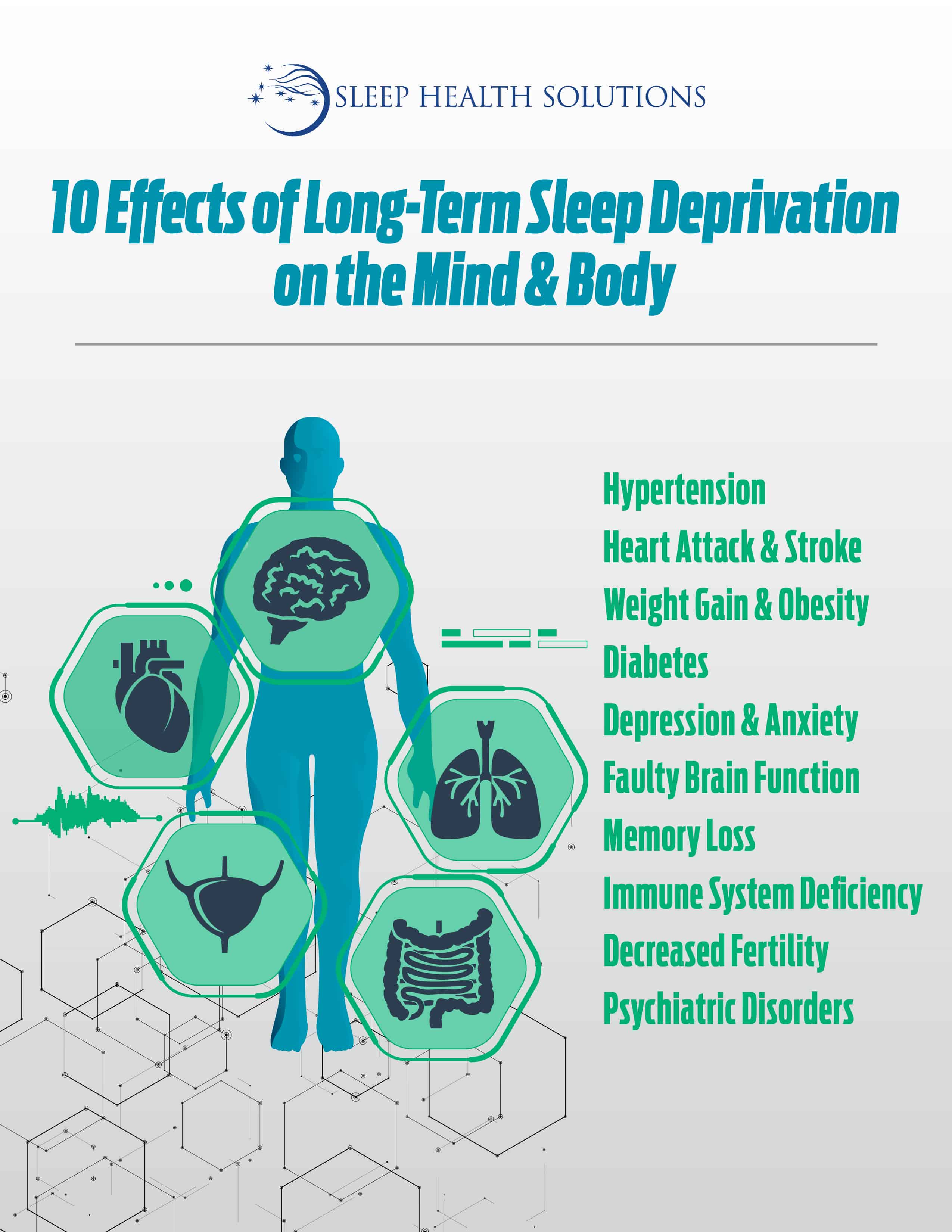 Daytime fatigue and brain fog are two of the most common early signs of sleep deprivation
Source: sleephealthsolutionsohio
Daytime fatigue and brain fog are two of the most common early signs of sleep deprivation
Source: sleephealthsolutionsohio
Common Causes of Sleep Deprivation
Sleep deprivation is rarely caused by a single factor. Most people experience a mix of lifestyle, environmental, and medical triggers that add up to ongoing sleep loss. Common causes include:
- Lifestyle and behavioral habits: Shift work, inconsistent sleep schedules, late-night screen use, and consumption of caffeine or alcohol close to bedtime are among the most common preventable causes. Blue light from phones, laptops, and TVs suppresses melatonin production, the hormone that signals your body it’s time to sleep, while alcohol may help you fall asleep but fragments deep sleep later in the night, leaving you unrested.
- Environmental disruptors: Noisy neighborhoods, overheated bedrooms, bright street lights, and uncomfortable bedding can all cause frequent, unnoticed awakenings that cut into total sleep time. Uncomfortable bedding—from a split feather mattress topper to a pillow that traps heat—can cause frequent night awakenings that cut into total sleep time, even if you’re in bed for 8 hours. If your pillow is holding onto odors or lost its loft, proper cleaning for your bamboo pillow can often restore its support without needing a full replacement. For people who sleep hot, a breathable mattress protector can reduce night sweats that interrupt deep sleep. For people who sleep with straightened hair, friction from cotton pillowcases can cause frizz and disrupt sleep if you’re adjusting your hair constantly during the night. Our tips for protecting straightened hair overnight can help you reduce nighttime disruptions.
- Mental health and stress: Anxiety, depression, chronic work stress, grief, and relationship issues can all make it hard to fall or stay asleep, as racing thoughts keep your body in a state of alertness even when you’re in bed.
- Underlying sleep disorders: Many people don’t realize they have a sleep disorder, as they often don’t remember waking up during the night. Insomnia, sleep apnea (a condition where breathing stops briefly during sleep, causing frequent awakenings), restless legs syndrome, and circadian rhythm disorders are all common causes of chronic sleep deprivation.
- Caregiving and time obligations: New parents, caregivers for elderly or sick family members, and people working multiple jobs often have fragmented, inconsistent sleep that adds up to a significant sleep debt over time.
 Infographic outlining lifestyle, environmental, and medical triggers for sleep loss
Source: aurorahealthcare
Infographic outlining lifestyle, environmental, and medical triggers for sleep loss
Source: aurorahealthcare
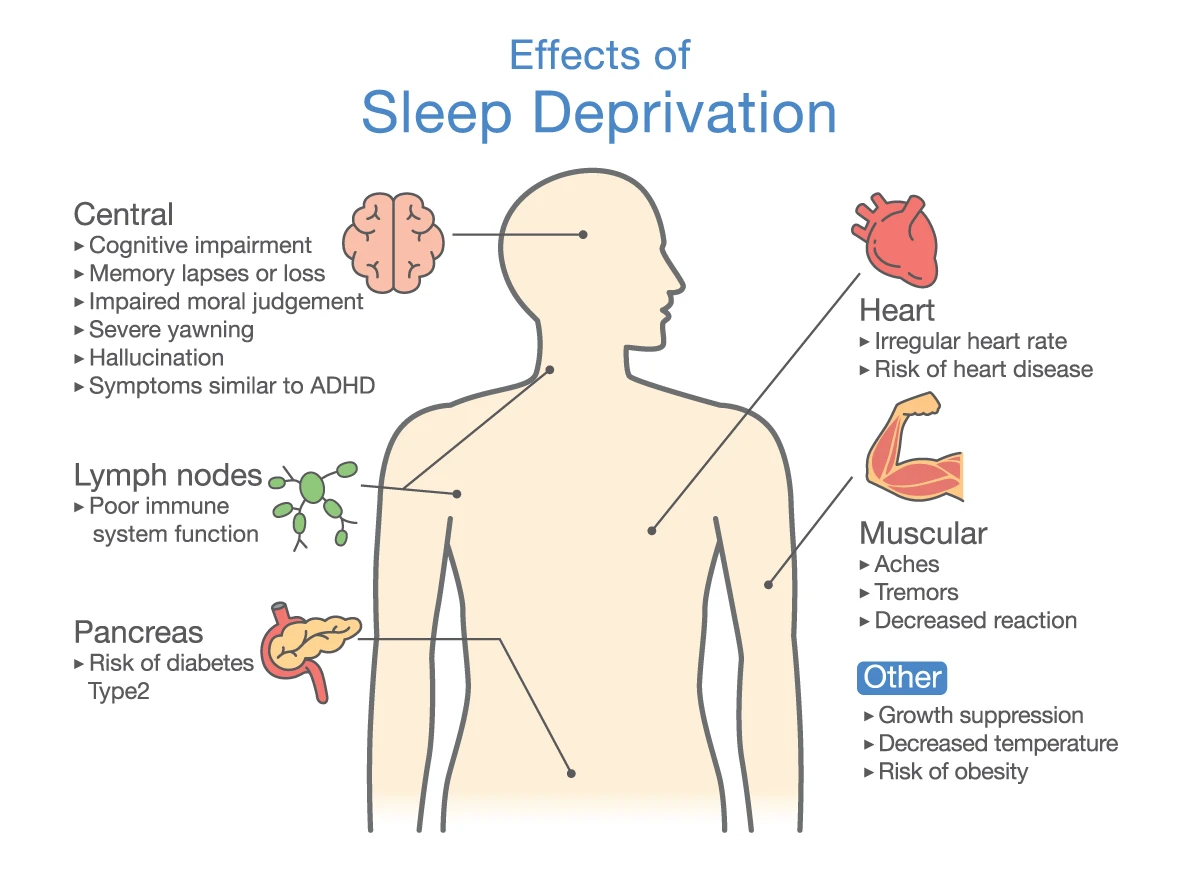
 Visual guide to the most frequent signs of sleep loss across physical, cognitive, and emotional domains
Source: verywellhealth
Visual guide to the most frequent signs of sleep loss across physical, cognitive, and emotional domains
Source: verywellhealth
Short-Term vs. Long-Term Effects of Sleep Deprivation
The impact of sleep deprivation depends on how long it lasts. Acute sleep loss (1–2 nights of poor sleep) causes temporary, reversible symptoms, while chronic sleep deprivation (3+ months of short sleep) leads to serious, long-term health risks. You can also read our guide on how to fall asleep again after waking up.
Short-Term Impacts on Daily Life
Even one night of poor sleep can have immediate effects on your daily function and safety:
- Reduced alertness and slower reaction times, increasing risk of car accidents, workplace injuries, and mistakes with high-stakes tasks
- Impaired judgment and decision-making, leading to poor choices at work or in personal life
- Increased irritability, anxiety, and emotional reactivity, which can strain relationships with family, friends, and coworkers
- Reduced productivity and focus, leading to missed deadlines, forgotten appointments, and lower work or school performance
- Increased cravings for unhealthy foods, leading to overeating and energy crashes later in the day
Most people recover from acute sleep loss within 1–2 nights of adequate rest, but repeated short-term sleep loss quickly turns into chronic deprivation.
Chronic Health Risks
Ongoing sleep deprivation does more than just make you tired—it significantly increases your risk of serious, long-term health conditions:
- Elevated risk of cardiovascular disease, including high blood pressure, heart attack, and stroke, as sleep deprivation disrupts the body’s ability to regulate blood pressure and inflammation
- Higher risk of type 2 diabetes and weight gain, due to disrupted hormone regulation that impairs glucose metabolism and increases fat storage
- Increased risk of mood disorders, including clinical depression and anxiety, as chronic sleep loss disrupts neurotransmitter balance
- Cognitive decline and higher risk of neurodegenerative conditions like Alzheimer’s later in life, because sleep is critical for clearing beta-amyloid (a protein linked to Alzheimer’s) from the brain
- Hormonal imbalances that affect fertility, libido, immune function, and the body’s ability to heal from injury or illness
Chronic sleep loss also amplifies pain perception, making existing conditions like arthritis or back pain feel more severe—if you’re struggling to sleep while managing pain, our guide to sleeping with discomfort offers targeted tips to improve rest. You can also read our guide on smart alarm clock review.
 Overview of how one or two nights of poor sleep impairs work, safety, and mood
Source: healthline
Overview of how one or two nights of poor sleep impairs work, safety, and mood
Source: healthline
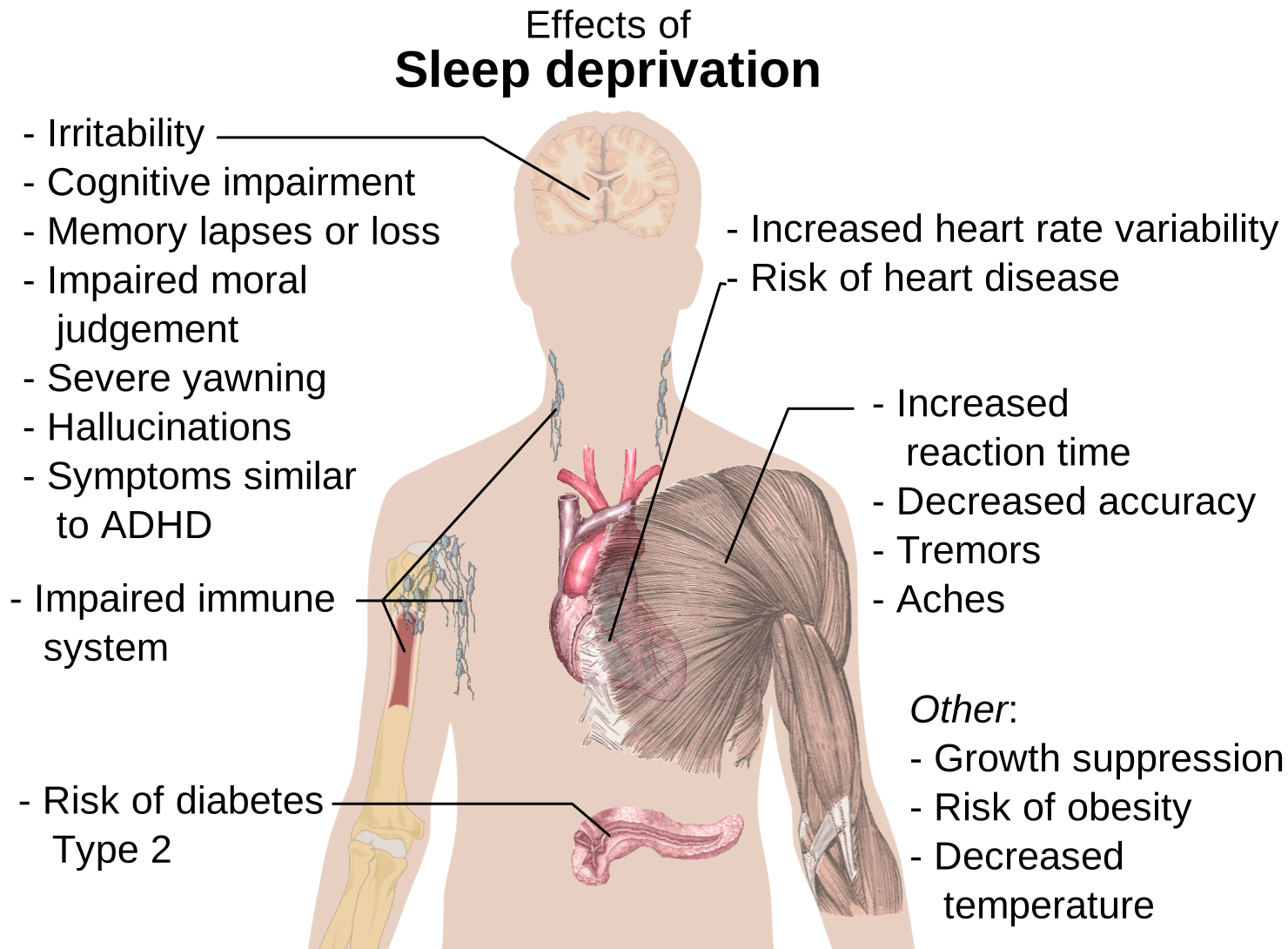 Visual summary of chronic health conditions tied to ongoing sleep loss
Source: wikimedia
Visual summary of chronic health conditions tied to ongoing sleep loss
Source: wikimedia
How to Diagnose and Address Sleep Deprivation
If you’re experiencing persistent sleep deprivation symptoms, the first step is identifying the root cause. Many cases can be resolved with at-home habit changes, while others require medical support.
At-Home Screening Steps
Before seeing a provider, track your sleep for 7–10 days using a sleep diary or a wearable tracker. Note your bedtime, wake time, number of nighttime awakenings, caffeine and alcohol intake, stress levels, and symptoms you experience during the day. A common mistake is underestimating how much light sleep or wakefulness you have during the night—trackers can reveal that you’re only getting 5 hours of actual sleep even if you’re in bed for 8 hours. This data will help you and a provider identify patterns that are disrupting your rest. You can also read our guide on how to sleep after drinking caffeine.
When to See a Healthcare Provider
See a doctor if your symptoms last more than 2 weeks despite improving your sleep habits, if you snore loudly or gasp for air at night (a common sign of sleep apnea), if you experience frequent microsleeps during the day, or if sleep issues are interfering with your work, relationships, or safety. A provider may order a sleep study (polysomnography) to monitor your brain waves, breathing, and movement during sleep, or recommend cognitive behavioral therapy for insomnia (CBT-I), the gold standard treatment for chronic insomnia that does not require medication.
Evidence-Based Treatment Strategies
Most cases of acute sleep deprivation can be resolved with simple habit changes, while chronic cases may require a combination of at-home strategies and medical support:
- Prioritize a consistent sleep schedule: Go to bed and wake up at the same time every day, even on weekends, to regulate your circadian rhythm. Even 30–60 minutes of variation can disrupt sleep quality over time.
- Optimize your sleep environment: Keep the bedroom cool (60–67°F / 15–19°C is the recommended temperature for sleep), pitch black, and quiet. If your feather topper has lost its loft, steps to restore your topper's loft can extend its lifespan and improve comfort without a costly replacement.
- Limit caffeine and alcohol: Avoid caffeine after 2pm, as it has a 6-hour half-life and can stay in your system until bedtime. Limit alcohol to 1–2 drinks max, and avoid drinking within 3 hours of bed, as alcohol fragments deep sleep even if it makes you drowsy.
- Reduce screen time 1 hour before bed: Blue light from phones, laptops, and TVs suppresses melatonin production. If you need to use devices before bed, use a blue light filter and keep brightness low.
- Use naps strategically: If you need a nap, limit it to 20–30 minutes before 3pm to avoid entering deep sleep that will make you groggy and disrupt nighttime sleep.
- Practice relaxation techniques: 10 minutes of deep breathing, progressive muscle relaxation, or gentle stretching before bed can reduce stress and make it easier to fall asleep. If racing thoughts are keeping you up, try a “brain dump” where you write down all your to-dos or worries on paper before bed to get them out of your head.
- A common but often overlooked sleep disruptor is going to bed with soaking wet hair, which can leave your pillow damp, cause neck discomfort, and even lead to hair damage that adds to daily stress. If you wash your hair at night, following safe practices for wet hair involves gently blotting excess moisture and using a loose, breathable hair wrap to keep hair off your face and pillow while you sleep.
- For persistent insomnia, seek CBT-I: This 6–8 week structured program helps you identify and change thoughts and behaviors that are disrupting your sleep, and is more effective long-term than sleep medication for most people.
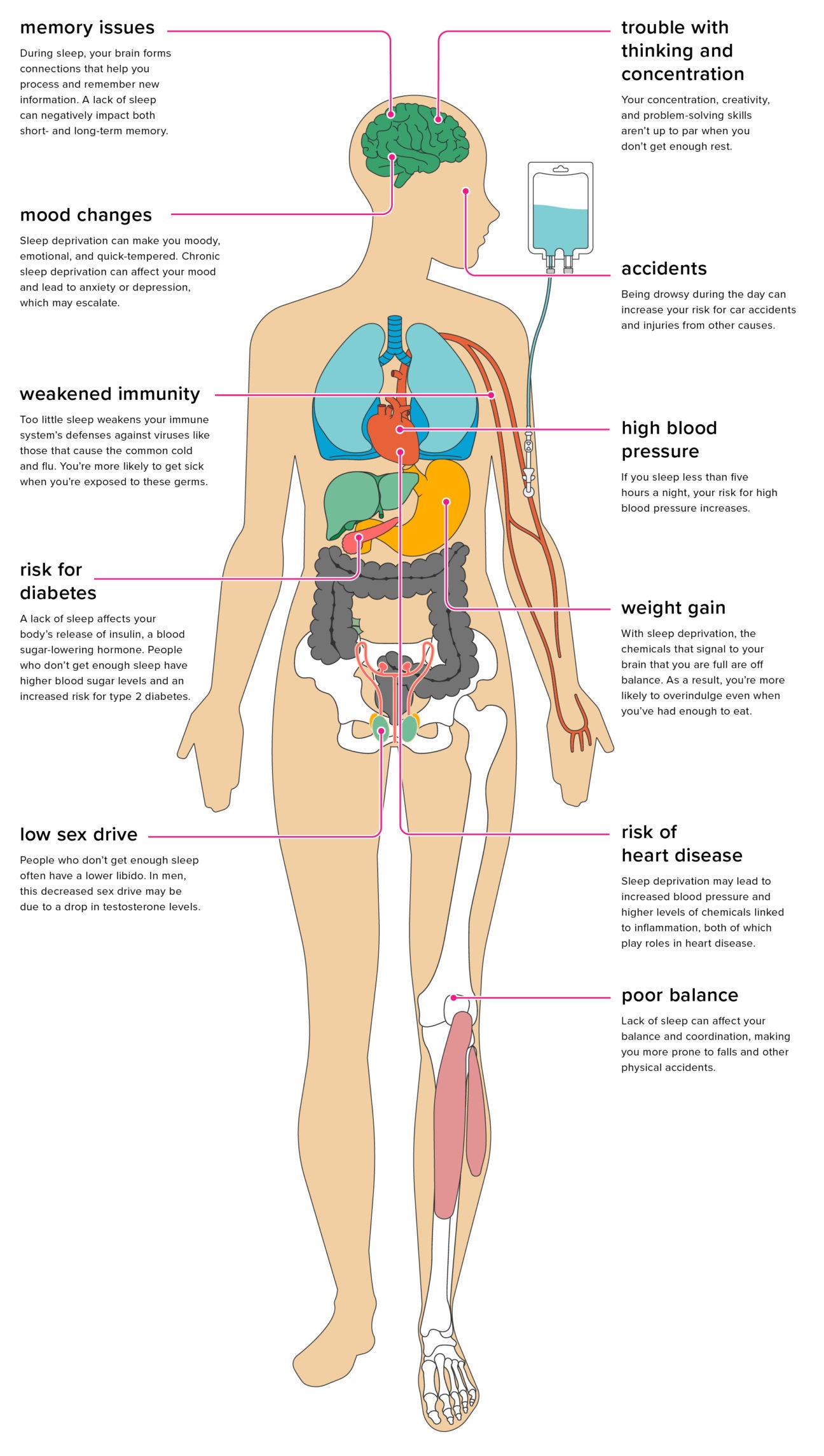 Source: healthline
Practical Sleep Hygiene Habits to Prevent Sleep Deprivation
Good sleep habits are the first line of defense against sleep deprivation, and small, consistent changes can make a big difference over time. Core sleep hygiene practices include:
- Keep a consistent sleep-wake schedule, even on weekends: Even 1 hour of variation can disrupt your circadian rhythm and make it harder to fall asleep at night.
- Make your bedroom a sleep-only space: Avoid working, scrolling, or watching TV in bed, so your brain associates the bed only with sleep and intimacy.
- Avoid heavy meals, caffeine, and alcohol 2–3 hours before bed: Caffeine and alcohol disrupt sleep architecture, and heavy meals can cause indigestion that wakes you up during the night.
- Get 10–30 minutes of natural light within an hour of waking: This helps regulate your circadian rhythm and makes it easier to fall asleep at night.
- Exercise regularly, but finish moderate to vigorous workouts at least 3 hours before bed: Exercise improves sleep quality, but raising your core temperature too close to bed can make it hard to fall asleep.
- Create a consistent wind-down routine: 30–60 minutes of low-stimulation activities like reading, gentle stretching, or taking a warm shower signals to your body that it’s time to sleep.
- Address nighttime disruptions proactively: If noise is an issue, use earplugs or a white noise machine; if light is a problem, use blackout curtains or a sleep mask; if your bedding is uncomfortable, address it with proper care or replacement.
 Simple, daily habits that support consistent, high-quality sleep
Source: liquidhealth
Simple, daily habits that support consistent, high-quality sleep
Source: liquidhealth
Frequently Asked Questions
What are the earliest signs of sleep deprivation?
The first signs are usually subtle: persistent daytime tiredness that doesn’t go away after a cup of coffee, mild difficulty concentrating, increased irritability over small annoyances, and stronger-than-usual cravings for sugary or caffeinated foods. Many people write these off as "just being busy" or stress, but they are often the first indicators that you’re not getting enough quality sleep.
Can sleep deprivation cause permanent damage?
Severe, prolonged sleep deprivation (such as going multiple days without sleep) can cause temporary psychosis, hallucinations, and impaired cognitive function, but these effects are reversible with adequate rest. Chronic long-term sleep loss is linked to higher risk of neurodegenerative conditions like Alzheimer's later in life, but consistent sleep improvements can reduce this risk over time.
How long does it take to recover from sleep deprivation?
For acute sleep loss (1–2 nights of poor sleep), most people feel back to normal after 1–2 nights of adequate rest (7–9 hours). For chronic sleep deprivation (months of short sleep), recovery can take several weeks of consistent, high-quality sleep to pay back "sleep debt" and restore normal hormone and cognitive function.
Can sleep deprivation cause weight gain?
Yes. Sleep loss disrupts the balance of ghrelin (the hunger hormone) and leptin (the fullness hormone), leading to increased appetite and cravings for high-calorie, sugary foods. Over time, this can lead to weight gain and higher risk of type 2 diabetes, especially if paired with a sedentary lifestyle.
Are naps a good way to make up for lost sleep?
Short 20–30 minute naps taken before 3pm can help reduce daytime fatigue and improve focus, but they do not replace consistent nighttime sleep. Long naps or naps taken late in the day can disrupt your circadian rhythm and make it harder to fall asleep at night, worsening sleep deprivation over time.
How many hours of sleep do adults actually need?
The American Academy of Sleep Medicine and the Sleep Research Society recommend 7–9 hours of sleep per night for most healthy adults. Some people may function well on 6 hours, but regular sleep of less than 7 hours is linked to increased risk of sleep deprivation symptoms and long-term health issues. Teenagers need 8–10 hours, and children need 9–12 hours depending on age.
Will caffeine fix sleep deprivation symptoms?
Caffeine blocks adenosine, the chemical in your brain that builds up to make you feel tired, so it can temporarily mask fatigue. However, it does not address the underlying sleep debt, and consuming caffeine after 2pm can disrupt nighttime sleep, creating a cycle of worsening deprivation. Caffeine also has a half-life of 6 hours, so a 3pm coffee will still be 50% in your system at 9pm, making it harder to fall asleep.
When should I see a doctor for sleep problems?
See a healthcare provider if your symptoms last more than 2 weeks despite improving your sleep habits, if you snore loudly or gasp for air at night (a common sign of sleep apnea), if you experience frequent microsleeps during the day, or if sleep issues are interfering with your work, relationships, or safety.
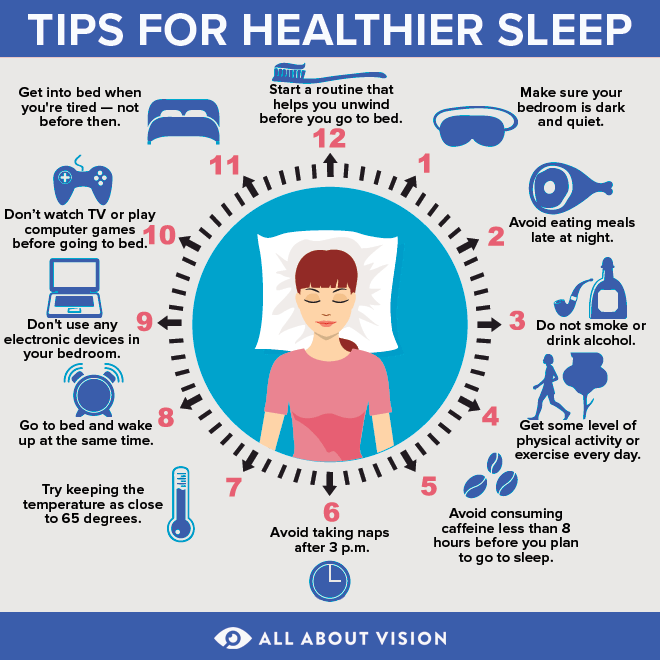 Common questions about recognizing and addressing sleep deprivation symptoms
Source: allaboutvision
Common questions about recognizing and addressing sleep deprivation symptoms
Source: allaboutvision
Conclusion
Sleep deprivation symptoms are rarely just a sign that you’re "busy"—they are your body’s warning signal that you’re not getting the rest you need to function, stay healthy, and feel your best. The 12 signs covered in this guide range from subtle (brain fog, mood swings) to severe (microsleeps, impaired judgment) and should never be ignored long-term.
Most cases of sleep deprivation are fixable with small, consistent changes to your sleep habits, environment, and routine. If those changes don’t lead to improvement after 2–4 weeks, don’t hesitate to reach out to a healthcare provider—sleep disorders are highly treatable, and addressing them early can prevent long-term health complications.
If you’re struggling to get consistent, restful sleep, start by tracking your sleep patterns for one week to identify small changes you can make today. For more evidence-based sleep tips and guides to optimize your rest, browse our full library of sleep health resources.

Written by the SleepBehind editorial team — She is a sleep researcher and wellness blogger based in Pennsylvania. Passionate about helping people optimize their sleep.