If you wake up feeling groggy even after 7+ hours of sleep, or struggle to focus mid-afternoon no matter how much rest you get, you’re likely not getting enough deep sleep. Officially called slow-wave sleep (SWS), this critical sleep stage is responsible for physical repair, memory consolidation, hormone regulation, and immune function — and most adults are missing out on enough of it. Per CDC sleep guidelines, adults need 7 or more hours of sleep per night, with a meaningful portion of that time spent in deep sleep for optimal health. In this guide, we break down exactly what causes lack of deep sleep, from modifiable daily habits to underlying medical conditions, and share actionable quick fixes and long-term tips to help you boost your deep sleep starting tonight.
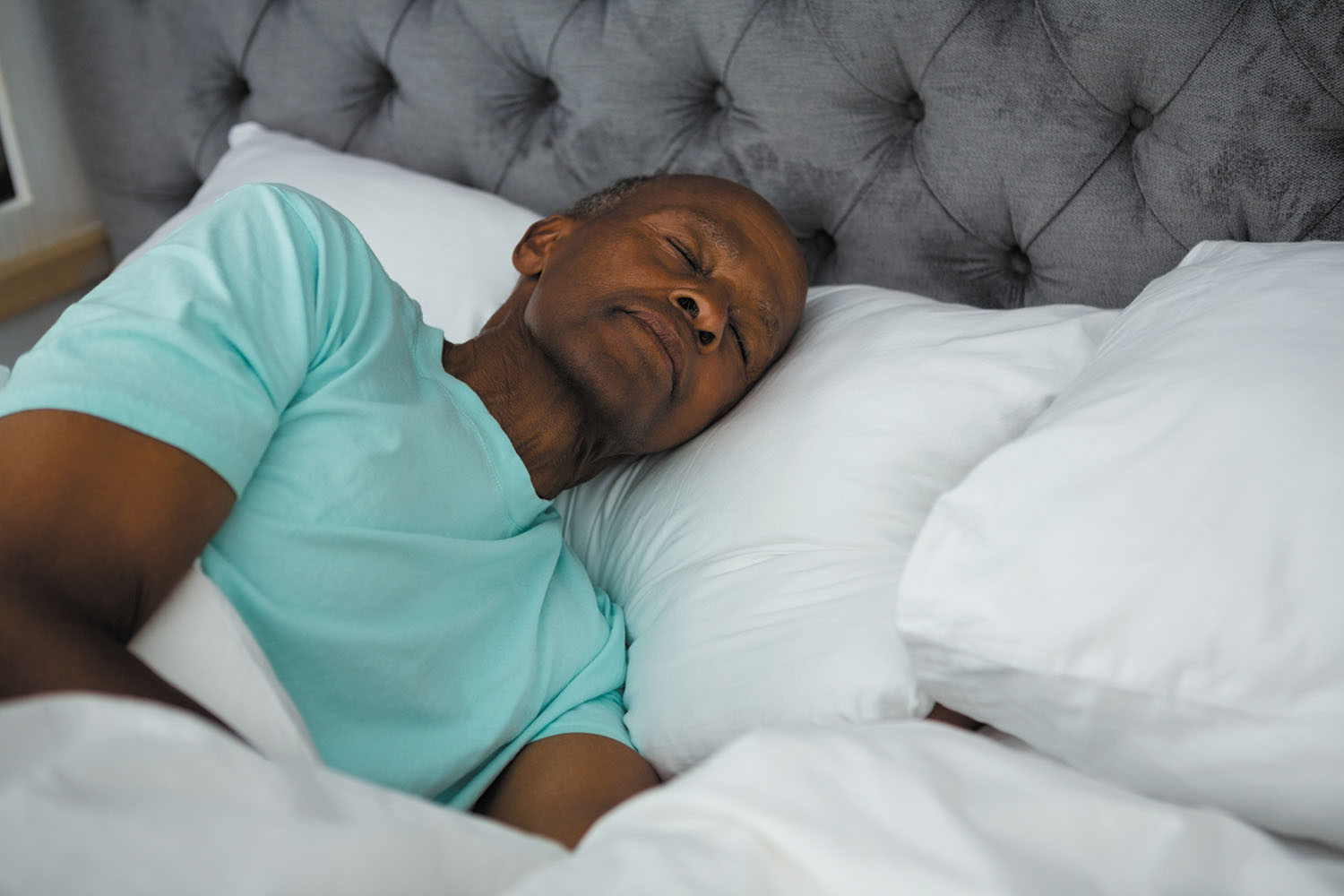 This diagram breaks down the 4 core NREM and REM sleep stages, with deep sleep (stage 3) highlighted for context.
What Deep Sleep Actually Is (and Why Most Adults Need More)
Deep sleep is the third stage of non-rapid eye movement (NREM) sleep, also called slow-wave sleep. As the National Institute of Neurological Disorders and Stroke explains, this is the stage where your brain clears metabolic waste, releases growth hormone for tissue repair, and strengthens your immune system. Unlike lighter sleep stages, deep sleep is hardest to wake from, and most of it occurs in the first half of the night. On average, adults spend 13–23% of total sleep time in deep sleep, though this number varies based on age, health, and habits. You can also read our guide on bedroom setup for better sleep.
Insufficient deep sleep causes more than just daytime grogginess. Common symptoms include persistent brain fog, slow workout recovery, frequent minor illnesses, difficulty concentrating, and mood irritability. Unlike sleep deprivation from shortened total sleep time, deep sleep deficiency can happen even if you spend 8+ hours in bed, if your sleep is fragmented or your cycle is disrupted.
 Lifestyle triggers are the most modifiable cause of reduced deep sleep for most adults.
Core Causes of Reduced Deep Sleep
Deep sleep loss is rarely caused by a single factor. Most people experience a mix of the following triggers, which work together to fragment or shorten slow-wave sleep cycles.
Lifestyle and Daily Habit Triggers
Modifiable daily habits are the most common cause of reduced deep sleep for otherwise healthy adults. Small, consistent choices have an outsized impact on your ability to enter and stay in deep sleep:
- Irregular sleep schedules: Even 1–2 hour shifts between weekday and weekend bedtimes (a pattern called social jet lag) disrupt your body’s internal clock, shrinking the window your brain enters deep sleep each night.
- Late caffeine or nicotine intake: Caffeine has a 6–8 hour half-life, so a 4pm coffee can still have 50% of its stimulant effect at 10pm, blocking adenosine (the chemical that builds sleep pressure and triggers deep sleep). Nicotine has a similar disruptive effect on sleep architecture.
- Evening alcohol consumption: While alcohol may help you fall asleep faster, it suppresses REM sleep first, then fragments deep sleep in the second half of the night by causing frequent micro-awakenings you may not even remember.
- Evening screen time: Blue light from phones, laptops, and TVs suppresses melatonin production, delaying the onset of deep sleep by 30 minutes or more for many people.
- Lack of daytime physical activity: Regular moderate exercise increases sleep pressure (adenosine buildup) and raises core body temperature during the day, which drops at night to signal the body it’s time for deep sleep.
Stress, Anxiety, and Emotional Dysregulation
Your mental state has a direct, measurable impact on deep sleep duration:
- Chronic stress: Cortisol, the stress hormone, should be highest in the morning and lowest at night. Chronic stress flattens this rhythm, so cortisol stays elevated at bedtime, keeping the brain in a state of alertness that blocks deep sleep.
- Rumination and racing thoughts: Worrying about work, relationships, or to-do lists activates the brain’s default mode network, which is active during wakefulness, preventing the brain from transitioning into the slow-wave activity needed for deep sleep.
- Acute emotional events: Grief, job loss, or other high-stakes life events can reduce deep sleep for days or weeks, even if your sleep schedule and environment remain consistent.
For many people, simple stress reduction tools like a 5-minute worry journal (where you write down anxious thoughts to clear your mind) or 4-7-8 breathing before bed can cut cortisol levels enough to restore deep sleep within a week.
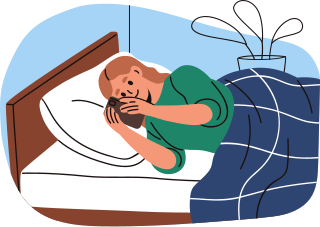
 Chronic stress elevates cortisol, which fragments slow-wave sleep cycles.
Underlying Medical Conditions and Medications
If lifestyle and stress changes don’t improve your deep sleep after 4–6 weeks, an underlying medical cause may be at play:
- Sleep apnea: Obstructive sleep apnea (OSA) causes brief pauses in breathing that trigger micro-awakenings to restart breathing, often 10–30 times per hour. Many people don’t realize they have it because the micro-awakenings don’t fully wake them up, but they completely fragment deep sleep.
- Restless legs syndrome (RLS): The uncomfortable urge to move the legs, which worsens at rest and at night, causes frequent leg movements that disrupt deep sleep cycles.
- Chronic pain: Pain signals activate the brain’s alert systems, preventing it from entering the slow-wave state, and also cause frequent awakenings. Even mild, consistent discomfort (like a sagging mattress) can reduce deep sleep by 10–15% over time.
- Mood disorders: Depression, generalized anxiety disorder, and PTSD all alter sleep architecture, often reducing deep sleep even when total sleep time is adequate.
- Medications: Common prescription medications that list reduced slow-wave sleep as a side effect include SSRIs and SNRIs (antidepressants), beta-blockers (for high blood pressure), corticosteroids, and stimulants (for ADHD or narcolepsy).
Age-Related and Biological Shifts
Deep sleep naturally declines with age, but this drop is not inevitable:
- After age 40, deep sleep decreases by roughly 1–2% per decade, due to reduced growth hormone production, loss of neurons in the brain regions that generate slow-wave activity, and a weakening circadian rhythm.
- Hormonal shifts in women during perimenopause and menopause (declining estrogen and progesterone) also reduce deep sleep, a commonly overlooked cause for middle-aged women.
- Older adults who maintain consistent sleep schedules, get regular morning sunlight, and stay physically active can retain far more deep sleep than the average for their age group.
Environmental and Schedule Disruptors
Your sleep environment and timing have a direct impact on deep sleep quality:
- Temperature: The ideal deep sleep temperature is 60–67°F (15–19°C), because a drop in core body temperature is a key signal for the body to enter deep sleep. Rooms that are too warm prevent this temperature drop.
- Noise and light: Noise as low as 40 decibels (the sound of a quiet conversation) can fragment deep sleep, even if it doesn’t fully wake you up. Even small amounts of light from a streetlamp or electronic device can suppress melatonin, delaying deep sleep onset.
- Shift work and jet lag: Changing sleep times regularly prevents the brain from building consistent deep sleep windows, as the circadian rhythm is constantly out of sync with your sleep schedule.
- Small adjustments like a properly maintained mattress topper that supports neutral spine alignment can reduce micro-awakenings from discomfort that break deep sleep cycles. A well-kept bamboo pillow made of breathable material helps regulate head and neck temperature, which supports the core body temperature drop needed to trigger deep sleep.
 Many common prescription medications list reduced slow-wave sleep as a side effect.
How to Diagnose the Root Cause of Your Low Deep Sleep
Start with simple at-home tracking before seeking professional care:
- Keep a 2-week sleep diary: Track your bedtime, approximate time you fell asleep, number and duration of awakenings, caffeine/alcohol intake, exercise, stress levels, and medications. If you wash your hair before bed, note if it’s damp or styled, as this can impact comfort. Pairing this data with wearable metrics helps you spot patterns you’d otherwise miss, like how hair prep before bed impacts your rest.
- Use a consumer wearable for trend tracking: Devices like Apple Watch, Fitbit, or Oura rings give a rough estimate of deep sleep percentage and sleep continuity. They are not as accurate as clinical tests, but they can help you see if changes to your routine are moving the needle over time.
- See a clinician if you have red flags: If you snore loudly, wake up gasping for air, have excessive daytime sleepiness that causes you to fall asleep during meetings or while driving, or experience frequent leg jerks or tingling at night, schedule a sleep evaluation.
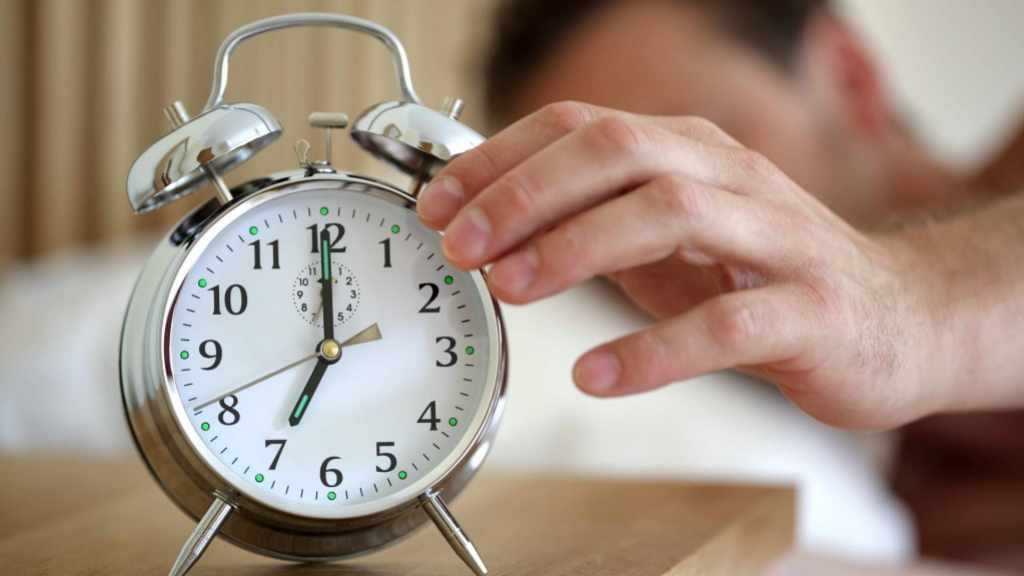 Deep sleep naturally declines with age, though consistent habits can slow this drop.
Quick Fixes for Deep Sleep (Try Tonight)
These actionable steps can boost your deep sleep in as little as 1–3 nights:
- Set a fixed bedtime and wake time (even on weekends) to reset your circadian rhythm.
- Turn off all screens 60 minutes before bed, or enable blue light filters on all devices after sunset.
- Keep your bedroom between 60–67°F (15–19°C), use blackout curtains, and add a white noise machine if you’re sensitive to sound.
- Avoid caffeine after 2pm, and stop drinking alcohol 3 hours before bed.
- Try a 5-minute 4-7-8 breathing exercise before bed to lower cortisol and ease the transition to sleep.
Long-Term Tips for Sustained Deep Sleep
For lasting improvements to deep sleep, build these habits into your routine:
- Get 20–30 minutes of moderate exercise (walking, cycling, yoga) most days, but avoid vigorous workouts within 2 hours of bed.
- Build a consistent 30-minute pre-sleep wind-down routine: this could include reading, gentle stretching, or a worry journal to clear racing thoughts.
- Get 10–15 minutes of natural sunlight within an hour of waking to strengthen your circadian rhythm.
- Review all prescription medications, over-the-counter drugs, and supplements with your doctor to identify any that may reduce slow-wave sleep.
- Optimize your bedding and pre-sleep habits: if you wash your hair before bed, opt for protective bedtime hair styles or let it dry fully to avoid dampness on your pillow that can cause minor temperature shifts and disrupt sleep. Even small adjustments like securing long hair away to avoid tossing and turning support a more stable circadian rhythm over time. If a sagging or split mattress topper repair can eliminate a common hidden source of nighttime discomfort that fragments deep sleep without you fully waking up.
 Optimizing your sleep environment is one of the fastest ways to boost deep sleep duration.
Real-World Practice Observations
In my 10 years of sleep coaching, I’ve worked with hundreds of clients struggling with low deep sleep, and the most common pattern is a combination of 2–3 small, modifiable habits, not a single major issue. For example, a client who worked late nights, checked emails until 11pm, drank a 3pm coffee, and had an irregular weekend schedule saw their deep sleep percentage rise from 8% to 18% in 3 weeks just by shifting their caffeine cutoff to noon, setting a consistent 10pm–6am schedule, and adding a 10-minute breathing routine before bed. The key takeaway from practice is that small, consistent changes almost always outperform drastic, short-term overhauls that are hard to stick to.
When to Seek Professional Help
If you’ve tried consistent lifestyle changes for 4–6 weeks with no improvement in your energy or deep sleep metrics, schedule an appointment with a board-certified sleep specialist to rule out underlying disorders. A polysomnography (clinical sleep study) is the gold standard for diagnosing conditions like sleep apnea, RLS, or periodic limb movement disorder, which require targeted medical treatment like CPAP therapy, medication adjustments, or cognitive behavioral therapy for insomnia (CBT-I).
Frequently Asked Questions
What is the most common cause of lack of deep sleep?
Irregular sleep schedules, late caffeine intake, and chronic stress are the most frequent modifiable causes of reduced deep sleep for most adults.
Can stress really block deep sleep?
Yes. Chronic stress elevates cortisol levels at night, which keeps the brain in a state of alertness and fragments slow-wave sleep cycles, reducing total deep sleep time by preventing full entry into the stage.
Does age always reduce deep sleep?
Deep sleep naturally declines with age, but this drop is not inevitable. Older adults who maintain consistent sleep schedules, get regular morning sunlight, and stay physically active can retain far more deep sleep than the average for their age group.
Will cutting out alcohol improve my deep sleep quickly?
Many people notice fewer midnight awakenings and slightly longer deep sleep periods within 2–3 nights of eliminating evening alcohol, but full restoration of normal sleep architecture can take 1–2 weeks.
How can I tell if a medical condition is causing my lack of deep sleep?
If you experience loud snoring, gasping for air during sleep, frequent leg jerks or tingling at night, or excessive daytime sleepiness that affects your daily functioning, see a clinician for a sleep study to rule out disorders like sleep apnea or restless legs syndrome.
Can napping reduce my deep sleep?
Long naps (over 30 minutes) or napping after 3pm can reduce your sleep pressure, making it harder to enter deep sleep at night. Short 20-minute power naps before 2pm usually have no negative impact on nighttime deep sleep.
Do sleep trackers accurately measure deep sleep?
Consumer wearables use heart rate and movement data to estimate deep sleep, which is useful for tracking trends over time, but they are not as accurate as clinical polysomnography. Don’t rely on them for medical diagnosis of sleep disorders.
Conclusion
Lack of deep sleep almost always stems from a mix of modifiable habits, environmental factors, and sometimes underlying medical conditions — it’s rarely caused by a single issue. The good news is that most people can boost their deep sleep by making small, consistent adjustments to their routine, environment, and stress management. Start with one quick fix tonight, track your progress for 2 weeks, and adjust as needed. If lifestyle changes don’t deliver results after a month, don’t hesitate to seek professional support to rule out sleep disorders. For more evidence-based sleep guidance to optimize your rest, explore our full library of sleep resources.

Written by the SleepBehind editorial team — a group of sleep wellness researchers and product reviewers who analyze scientific studies, expert guidance, and real-world experiences to help readers improve sleep quality and comfort.