Chronic pain impacts 1 in 5 U.S. adults, per CDC chronic pain data, and for many people, nighttime is the hardest part of the day. Pain makes it harder to fall asleep, triggers frequent micro-arousals that pull you out of deep rest, and even one night of poor sleep can make pain feel more intense the next day, creating a frustrating, self-reinforcing cycle. This Sleeping With Pain Guide: Position Tips For Better Sleep is built for people living with acute pain (sprains, post-surgery discomfort) and chronic pain (arthritis, fibromyalgia, back pain, sciatica) who want actionable, low-risk strategies to reduce nighttime discomfort and wake up feeling more rested. You’ll find position adjustments tailored to specific pain types, evidence-based bedding tweaks, simple evening routines, and a 7-day trial to test what works for your body — no expensive products or complicated steps required.
The Pain-Sleep Cycle: Why Discomfort and Poor Sleep Feed Off Each Other
Pain and sleep have a bidirectional relationship: not only does pain disrupt sleep, but poor sleep lowers your pain threshold, making discomfort feel more intense over time. There are three core pathways that drive this cycle:
- Sensory disruption: Pain signals from injured or inflamed tissue activate nociceptors (pain receptors) even at rest, triggering small, often unremembered awakenings that prevent you from reaching or staying in deep, restorative sleep.
- Emotional load: Pain-related anxiety and worry raise cortisol levels, which suppress melatonin production (the hormone that regulates sleep) and amplify your perception of pain.
- Physiological inflammation: Poor sleep reduces the body’s ability to regulate inflammation, leading to higher levels of inflammatory markers that worsen joint, muscle, and nerve pain the next day. Breaking this cycle doesn’t require extreme measures — small, consistent adjustments to your position, routine, and sleep environment can deliver meaningful relief in as little as a few nights. You can also read our guide on sleeping positions for upper back pain.
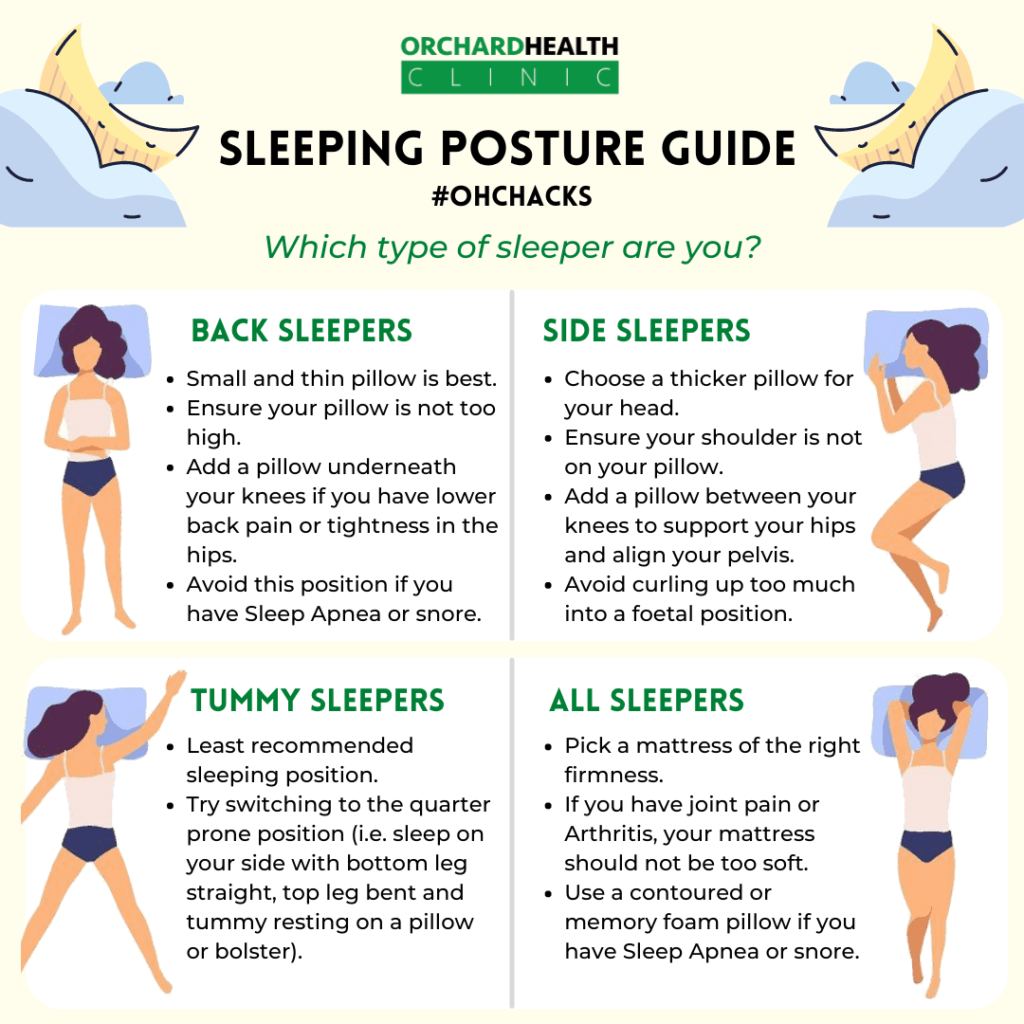 This diagram outlines the three key pathways through which pain disrupts sleep, forming the core of the pain-sleep cycle we address in this guide.
Source: orchardhealthclinic.com
This diagram outlines the three key pathways through which pain disrupts sleep, forming the core of the pain-sleep cycle we address in this guide.
Source: orchardhealthclinic.com
Common Causes of Nighttime Pain (And How to Spot Your Triggers)
Not all nighttime pain is the same, and identifying the root cause of your discomfort is the first step to finding the right fix. The most common causes include:
- Arthritis: Stiffness and aching often worsen 1–3 hours after lying down, as reduced movement allows joint fluid to thicken, increasing friction in affected joints.
- Back pain: Pressure on spinal discs, nerve compression, or weak core muscles can cause pain that worsens when the spine is unsupported.
- Fibromyalgia: A central nervous system condition that causes widespread pain and heightened sensitivity to pressure, even from a standard mattress.
- Acute injuries: Sprains, strains, or post-surgical pain in a specific area that is aggravated by pressure or awkward positioning.
- Nerve pain (e.g., sciatica): Burning, tingling, or shooting pain caused by compressed nerves, often triggered by misaligned hips or pelvis.
- Acid reflux: Burning chest or upper back pain that worsens when lying flat, caused by stomach acid flowing into the esophagus.
- Tension headaches: Scalp and neck tightness from stress, poor posture, or tight hairstyles that worsen overnight.
How to Track Your Pain Triggers
Keeping a simple pain-sleep diary for 7–10 days is the fastest way to identify patterns. Log the following details each night:
- Pain level (1–10 scale) at bedtime and if you wake up during the night
- Your sleep position when pain starts or worsens
- Pre-bed activities, meals, or drinks consumed
- Medication or pain relief used that day
- Total sleep hours and how rested you feel in the morning Look for consistent triggers: for example, pain that spikes 2 hours after bed if you ate spicy food late, or worsening hip pain when you sleep on your left side. If your pain is new, worsening, or accompanied by numbness, weakness, fever, or unintentional weight loss, consult a healthcare provider first to rule out serious underlying conditions.
 Proper spinal alignment in your chosen sleep position reduces pressure on joints and nerves, minimizing nighttime pain.
Source: avala.com
Proper spinal alignment in your chosen sleep position reduces pressure on joints and nerves, minimizing nighttime pain.
Source: avala.com
Position-Specific Tips For Every Type of Pain
The right sleep position reduces pressure on painful areas and supports natural spinal alignment. Test one change at a time to isolate what works for your body, and give each adjustment 2–3 nights to take effect before deciding if it helps. You can also read our guide on sleep basics guide.
Lower Back Pain
- Back sleepers: Place a medium-loft pillow (3–5 inches thick) under your knees to reduce the inward curve of your lower spine (lumbar lordosis) by 10–15 degrees, taking pressure off compressed discs.
- Side sleepers: Pull your knees slightly toward your chest and place a firm, full-body pillow between your knees to keep your hips stacked and prevent the top hip from rotating forward, which strains the lower back.
- Stomach sleepers: Place a thin, flat pillow (1–2 inches thick) under your pelvis to reduce the excessive arch in your lower back caused by lying flat on your stomach. If possible, transition to side or back sleeping over 2–3 weeks to reduce long-term spinal strain. Common mistake: Using a pillow that’s too thick under your knees, which can over-arch your spine and make lower back pain worse.
Neck Pain
- Back sleepers: Use a medium-loft pillow that cradles the natural curve of your neck without lifting your head too high, so your neck stays aligned with your spine.
- Side sleepers: Use a higher-loft pillow (5–7 inches thick) to fill the gap between your shoulder and the side of your neck, preventing your head from tilting up or down and straining neck muscles.
- A rolled towel placed inside your pillowcase along the neck curve can add extra support for mild neck pain. Avoid stacking multiple regular pillows, as they shift during the night and leave your neck unsupported. Common mistake: Sleeping with your arm tucked under your pillow or head, which strains the neck and shoulder muscles overnight. You can also read our guide on best sleep earbuds for side sleepers.
Hip and Sciatica Pain
- Side sleepers: Place a firm, cylindrical pillow between your knees, and ensure your knees are stacked directly on top of each other. If your top knee falls forward, it twists the hip and pelvis, increasing pressure on the sciatic nerve.
- Back sleepers: Place a pillow under your knees to reduce pressure on the hips. For severe hip pain, you can also place a small, firm pillow under each hip to lift weight off the joints.
- If you have sciatica, avoid crossing your legs even slightly while sleeping, as this can pinch the sciatic nerve and intensify shooting pain. Common mistake: Sleeping on the painful side, which increases pressure on inflamed joints or compressed nerves.
Shoulder and Rotator Cuff Pain
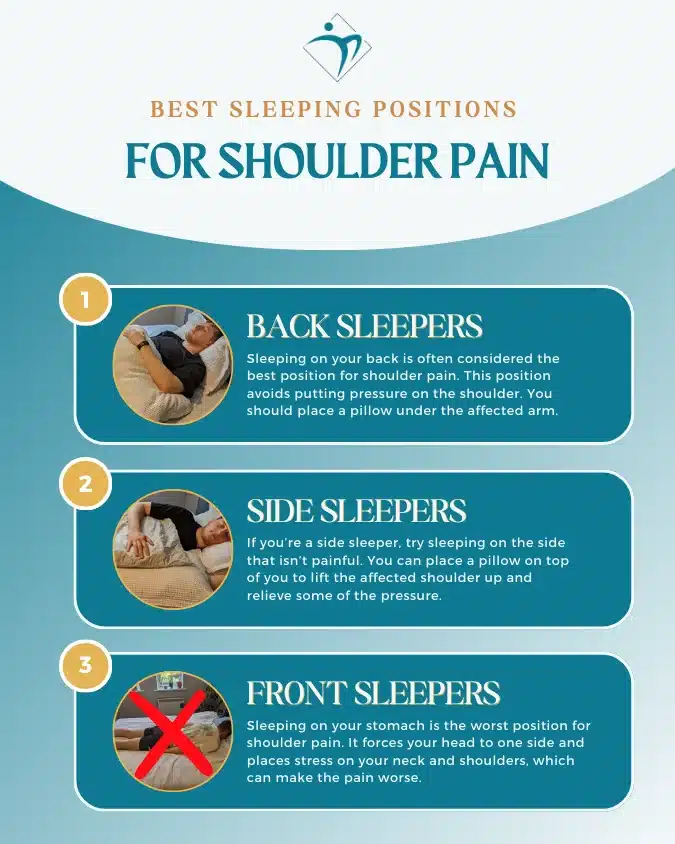
- Back sleepers: Place a small, firm pillow under the affected shoulder to lift it slightly off the mattress, reducing pressure on the rotator cuff. You can also rest your affected arm on a folded pillow across your chest to keep it from falling forward and straining the shoulder.
- Side sleepers: Sleep on the non-painful side, and hug a body pillow to keep your upper body aligned so your top shoulder doesn’t roll forward and compress the joint.
- If you have a recent rotator cuff injury, a soft sleep brace recommended by your physical therapist can keep your shoulder in a neutral, low-pressure position overnight. Common mistake: Sleeping with your head propped up on a stack of pillows, which twists the neck and strains the shoulder.
Upper Body Pain From Acid Reflux
If your nighttime pain is concentrated in your chest or upper back and accompanied by heartburn, a sour taste in your mouth, or a burning sensation when lying flat, acid reflux may be the cause. To reduce symptoms:
- Elevate the head of your bed 6–8 inches using bed risers or a sturdy wedge pillow (avoid stacking regular pillows, as they can slip during the night and fail to keep your esophagus above your stomach).
- Sleep on your left side, which positions the stomach below the esophagus and reduces acid flow upward.
- Avoid sleeping on your right side, as this positions the stomach above the esophagus and worsens reflux.
Stomach Sleeping Adjustments
Stomach sleeping is not recommended for most pain types, as it flattens the natural curve of the spine and increases pressure on the neck, back, and hips. If you cannot transition to side or back sleeping:
- Use a very thin pillow (or no pillow) under your head to keep your neck aligned with your spine.
- Place a thin pillow (1–2 inches) under your pelvis to reduce the excessive arch in your lower back.
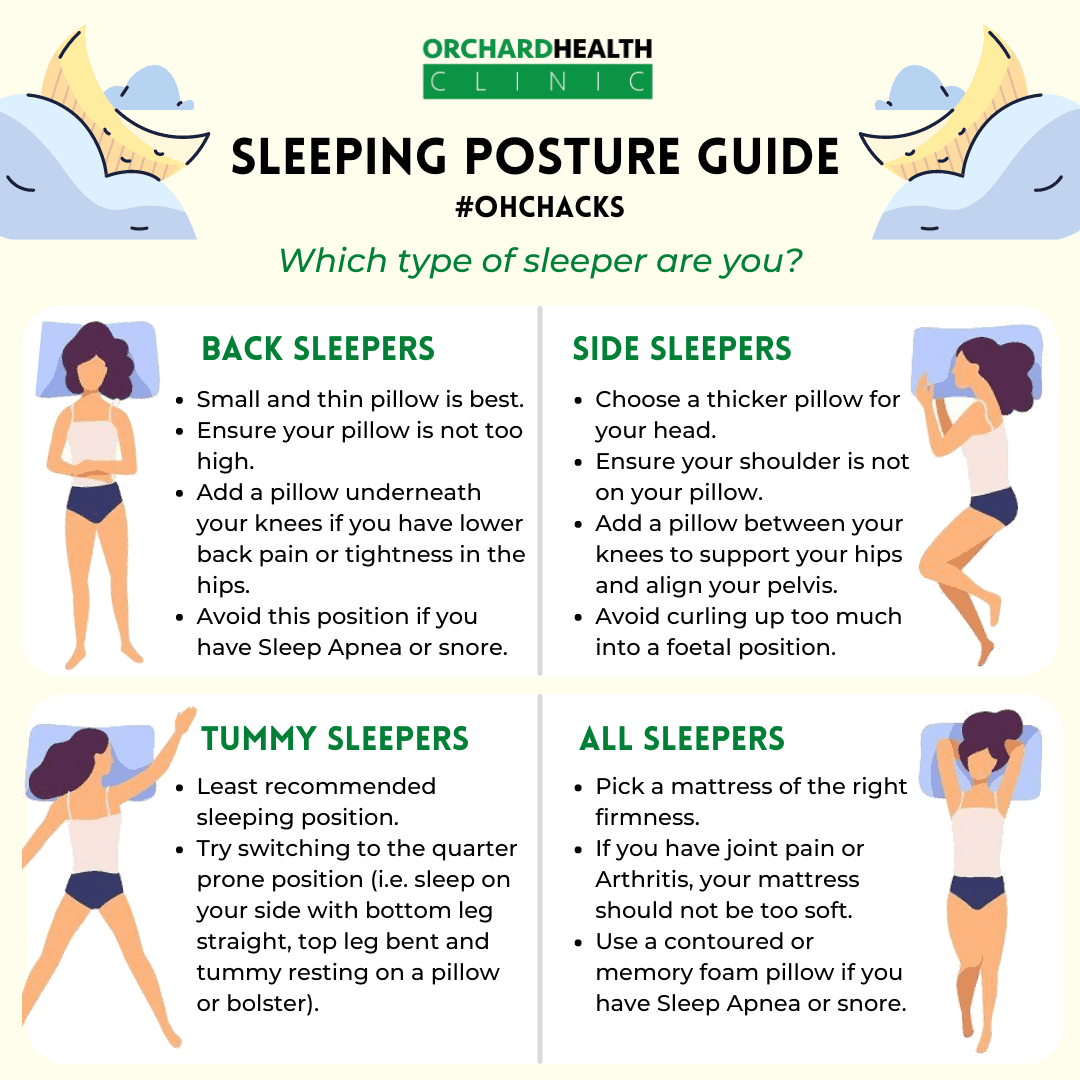 Each position is tailored to reduce pressure on specific painful areas, from the neck to the lower back and hips.
Source: orchardhealthclinic.com
Each position is tailored to reduce pressure on specific painful areas, from the neck to the lower back and hips.
Source: orchardhealthclinic.com
Mattress, Pillow, and Bedding Adjustments For Lasting Relief
Even with the right position, an unsupportive bed can undermine your pain relief efforts. These low-cost adjustments can make a big difference:
Mattress Selection
For most people with back or joint pain, a medium-firm mattress (rated 6–7 out of 10 on the firmness scale) provides the best balance of support and pressure relief, keeping the spine aligned without putting excess pressure on the shoulders and hips. Side sleepers with shoulder or hip pain may prefer a slightly softer surface (rated 5–6 out of 10) with a 2–3 inch comfort layer of pressure-relieving foam (memory foam, latex, or gel foam) to cushion joints. If you sleep hot, look for cooling technologies like gel infusions or open-cell foam, as overheating can increase pain sensitivity. If your mattress is over 7 years old or sagging, a 2–3 inch latex or memory foam topper can add support for under $100. For tips on extending the life of an existing feather topper, see our guide to reviving a worn feather topper. If your gel mattress pad has lost its support, our guide to replacing an old gel pad can help you decide if it’s time for an upgrade. If you have a split or damaged feather topper, check out our tips for fixing a split feather topper to avoid a full replacement. You can also read our guide on c cushion lab deep sleep pillow.
Pillow Selection
Pillows should be replaced every 12–18 months, as even high-quality options lose 30–50% of their support after 18 months of use. Choose pillow loft based on your sleep position:
- Side sleepers: 5–7 inch loft to fill the gap between your shoulder and neck
- Back sleepers: 3–5 inch loft to support the neck’s natural curve
- Stomach sleepers: 1–2 inch loft (or no pillow) to avoid tilting the neck upward For chronic neck pain, a contoured cervical pillow with a cutout for the head can maintain neutral spine alignment better than a standard pillow. To keep your pillow clean and supportive, follow our guide to cleaning a supportive bamboo pillow for easy maintenance steps.
Bedding and Temperature Control
Keep your bedroom between 60–67°F (15–19°C) for optimal sleep and pain relief, as this temperature range reduces inflammation and supports deep, restorative sleep. Use breathable, moisture-wicking sheets made of bamboo, linen, or cotton to avoid overheating. To keep your bedding free of allergens that can worsen pain and disrupt sleep, follow our guide to keeping your mattress protector fresh for simple cleaning steps. If you need to customize a foam topper to fit an adjustable bed or relieve pressure on a specific area, our guide to cutting a foam topper to size will walk you through the process safely. Note: Weighted blankets may reduce pain-related anxiety for some people, but they add extra pressure to sore joints and are not recommended for people with arthritis, fibromyalgia, or joint pain. If you want to try one, start with a 5–10 lb blanket and avoid options over 15 lb unless directed by a doctor.
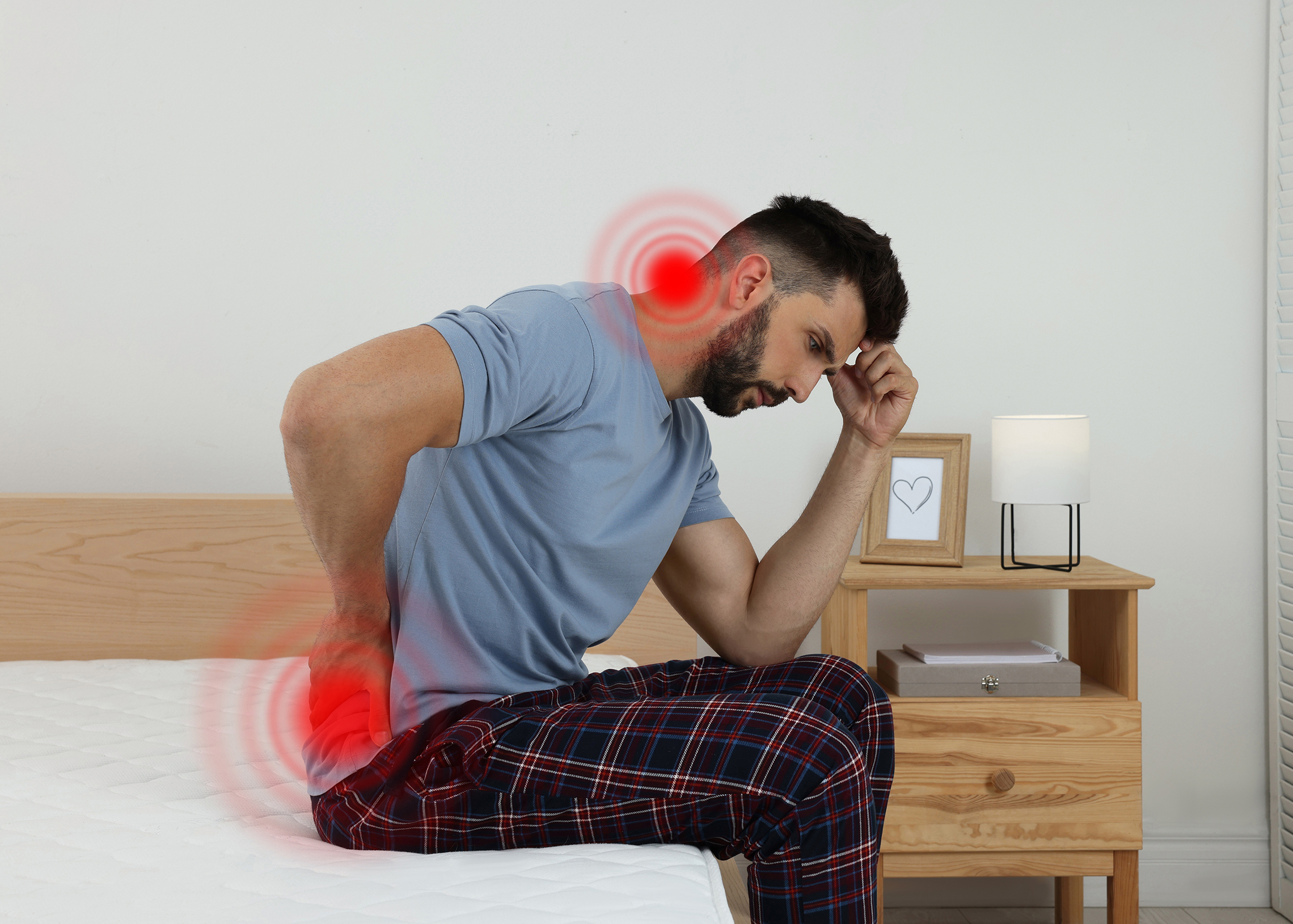 Working with a healthcare provider ensures you get safe, personalized treatment for chronic pain that interferes with sleep.
Source: neurologyoffice.com
Working with a healthcare provider ensures you get safe, personalized treatment for chronic pain that interferes with sleep.
Source: neurologyoffice.com
Evening Routines And Quick Pain Relief Strategies To Try Tonight
A consistent pre-sleep routine reduces pain sensitivity and signals to your body that it’s time to wind down. These strategies take 10–20 minutes total and can significantly reduce nighttime pain flare-ups with consistent use:
Pre-Sleep Wind-Down
- Stop using phones, laptops, and TVs 60–90 minutes before bed: blue light from screens suppresses melatonin production for up to 90 minutes, disrupting sleep and increasing pain sensitivity.
- Do 5–10 minutes of gentle, targeted stretching: try knee-to-chest stretches for back pain, figure-4 stretches for hip pain, and gentle neck tilts and shoulder rolls for neck and shoulder pain. Avoid stretching to the point of pain, as this can increase inflammation.
- Practice 4–7–8 breathing for 5 minutes: inhale for 4 seconds, hold for 7, exhale for 8. This lowers cortisol levels and reduces your perception of pain. If you wash your hair at night, avoid sleeping with soaking wet hair, as excess moisture on your scalp can cause discomfort and worsen tension headaches or neck pain overnight. For safe, comfortable practices, check out our guide to tension-free bedtime hairstyles that keep hair out of your face without causing scalp pressure.
Heat and Cold Therapy
- Heat (for chronic pain, stiffness, arthritis): Use a heating pad, warm bath, or heat wrap on painful muscles or joints for 15–20 minutes before bed. Wrap the heating pad in a thin towel to avoid burns, and set it to medium temperature — a common mistake is using heat that’s too hot, which can cause skin damage and increase inflammation instead of reducing it. Never fall asleep with a heating pad on.
- Cold (for acute injuries, swelling, inflammation): Apply an ice pack or cold gel wrap wrapped in a thin towel to the affected area for 10–15 minutes before bed. This reduces blood flow to the area, numbing pain and reducing swelling.
Topical and OTC Pain Relief
- Over-the-counter topical analgesics with menthol, capsaicin, or diclofenac provide localized pain relief without the side effects of oral medications. Apply 30 minutes before bed to allow active ingredients to take effect.
- Oral OTC pain relievers like acetaminophen or ibuprofen can be used short-term for pain, but follow dosing instructions carefully and consult a doctor if you need to use them for more than 7–10 days, as long-term use can cause liver or stomach damage.
- If you have prescribed pain medication, keep it on your nightstand so you don’t have to get up and move around if pain wakes you during the night, which can worsen discomfort.
 These low-effort evening routines take 10–20 minutes total and can significantly reduce nighttime pain flare-ups with consistent use.
Source: novilla.net
These low-effort evening routines take 10–20 minutes total and can significantly reduce nighttime pain flare-ups with consistent use.
Source: novilla.net
Lifestyle Habits That Reduce Long-Term Pain And Improve Sleep Quality
Long-term pain relief and better sleep come from small, consistent daily habits, not just nighttime fixes. These evidence-based adjustments build up over weeks to reduce overall pain levels:
Daily Movement
Low-impact exercise (walking, swimming, yoga, tai chi) for 30 minutes most days of the week reduces chronic pain by 25–30% and improves deep sleep by 20%, per NIAMS guidance on physical activity for chronic pain. Avoid long periods of sitting: set a timer to stand up and stretch for 2 minutes every 30 minutes to reduce stiffness and pressure on the spine and joints. Gentle strength training to build muscle around painful joints (e.g., core exercises for back pain, quad exercises for knee pain) reduces joint pressure and pain over time. Avoid intense exercise within 3 hours of bed, as this can disrupt sleep.
Nutrition and Hydration
Eat an anti-inflammatory diet rich in fruits, vegetables, whole grains, fatty fish, and nuts to reduce systemic inflammation that worsens pain. Avoid processed foods, sugary drinks, and excessive saturated fats, which increase inflammation. Stay hydrated: even mild dehydration can increase pain sensitivity, so aim for 8–10 cups of water a day. Avoid caffeine and alcohol 4–6 hours before bed: caffeine disrupts deep sleep, and alcohol fragments sleep and increases inflammation.
Stress and Mood Management
Chronic stress raises cortisol levels, which increase inflammation and pain sensitivity. Practice 5–10 minutes of daily mindfulness, meditation, or breathwork to lower cortisol. Chronic pain is linked to higher rates of anxiety and depression, which in turn worsen pain and sleep, so don’t hesitate to reach out to a mental health professional if pain is affecting your mood. A consistent sleep-wake schedule (even on weekends) regulates your circadian rhythm, improving both sleep quality and pain management over time.
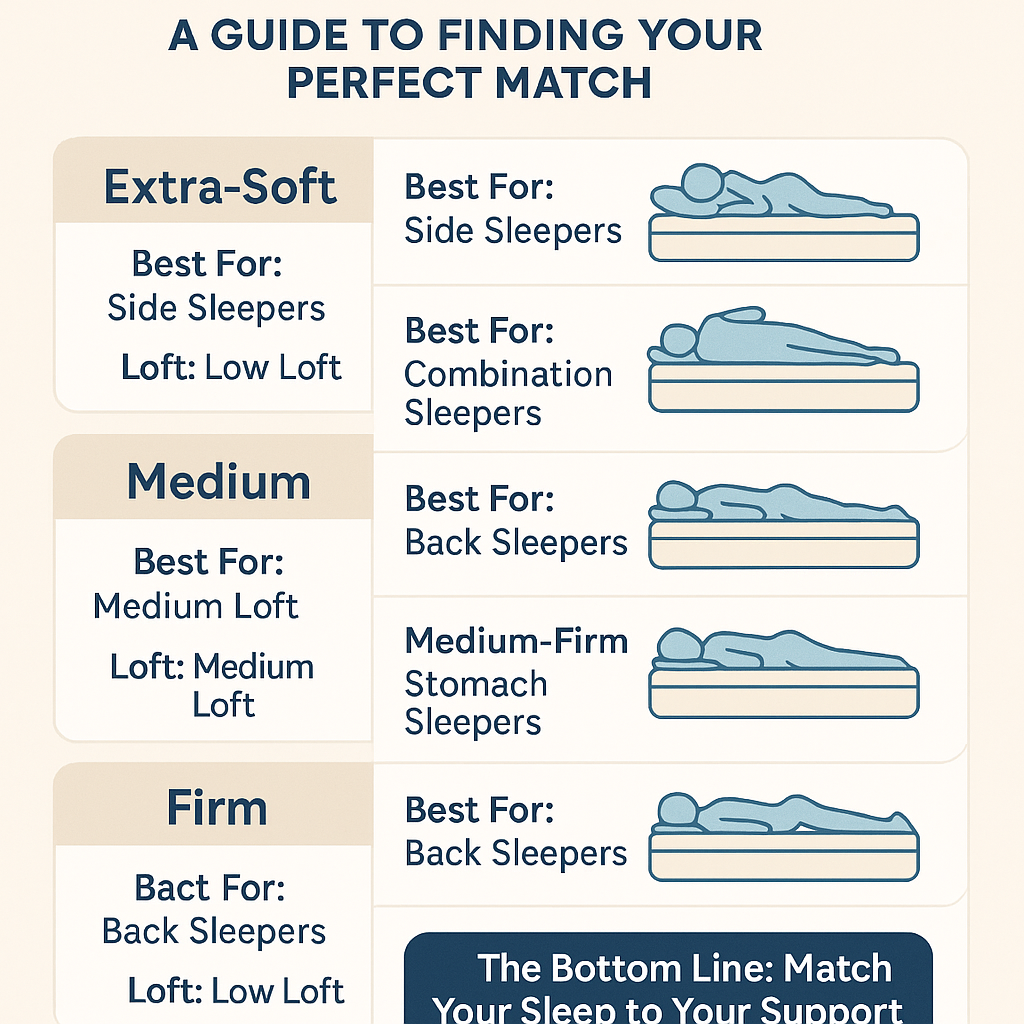 Small, consistent daily habits build up over time to reduce overall pain levels and improve sleep quality long-term.
Source: organictextiles.com
Small, consistent daily habits build up over time to reduce overall pain levels and improve sleep quality long-term.
Source: organictextiles.com
When To Seek Professional Help For Nighttime Pain
Home strategies work for many people, but there are times when professional care is necessary for safe, effective relief.
Red Flags That Require Immediate Attention
Seek urgent medical care if your pain is severe, sudden, or accompanied by chest tightness, shortness of breath, numbness, weakness, loss of bladder or bowel control, or fever — these can be signs of a serious condition like a heart attack, stroke, or infection.
When to Schedule a Doctor’s Appointment
See a healthcare provider if:
- Your pain lasts more than 2 weeks without improvement from home strategies
- Pain is worsening over time or interfering with your ability to perform daily activities
- You experience new numbness, tingling, or weakness
- You have unintentional weight loss or night sweats
- You need to take OTC pain relievers for more than 7–10 days in a row
Effective Medical Treatments For Pain-Related Insomnia
- Physical therapy: A physical therapist can assess your posture, movement patterns, and sleep position to create a personalized plan of exercises, manual therapy, or assistive devices (like braces or orthotics) to reduce pain.
- Cognitive Behavioral Therapy for Insomnia (CBT-I): This first-line treatment for insomnia is more effective long-term than sleep medications for people with pain-related sleep disruption. It helps you change negative thought patterns and behaviors that keep you awake.
- Interventional procedures: For severe chronic pain that doesn’t respond to conservative care, options like nerve blocks, steroid injections, or spinal cord stimulation may be recommended by a pain specialist.
- Prescription medications: Opioid pain medications are not recommended for long-term use for non-cancer chronic pain due to the risk of addiction and side effects. If prescribed, use them only as directed and under close supervision from your doctor.
 A healthcare provider can help you rule out underlying conditions and create a safe, effective pain management plan.
Source: wegetyouhealthy.com
A healthcare provider can help you rule out underlying conditions and create a safe, effective pain management plan.
Source: wegetyouhealthy.com
7-Day Pain-Sleep Improvement Trial
Test small, incremental changes over one week to identify what works best for your body. Track your pain level (1–10) and sleep hours each night to measure progress.
- Day 1: Baseline Assessment And One Position Change: Log your baseline pain and sleep data for the past 3 nights. Pick one position adjustment to try (e.g., pillow under knees for back pain, pillow between knees for hip pain) and note any difference that night.
- Day 2: Add A Pre-Sleep Stretch And Heat Routine: 30 minutes before bed, do 5 minutes of gentle stretching targeted to your pain area, then apply a medium-temperature heating pad (wrapped in a towel) to the painful area for 15 minutes before getting into bed.
- Day 3: Test A Bedding Adjustment: If your pillow is over 18 months old or your mattress is sagging, try a new pillow matched to your sleep position or add a 2–3 inch foam topper. Test the adjustment for 2 nights and note changes.
- Day 4: Reduce Screen Time And Add Calming Breathwork: Stop using screens 60 minutes before bed, and practice 5 minutes of 4–7–8 breathing before sleep to lower stress and pain perception.
- Day 5: Add Low-Impact Morning Movement: Do 20 minutes of low-impact exercise (walking, swimming, gentle yoga) in the morning. Morning exercise has been shown to improve deep sleep that night and reduce next-day pain sensitivity.
- Day 6: Test A Topical Pain Relief Option: Try an OTC topical analgesic applied to the painful area 30 minutes before bed, or an ice pack wrapped in a towel for 15 minutes if you have swelling or acute inflammation.
- Day 7: Review Results And Build Lasting Habits: Review your diary for the week. Keep the 1–2 changes that delivered the biggest improvement in pain and sleep, and drop any that didn’t help. If you saw no improvement after 7 days, try adjusting one more variable or consult a healthcare provider.
 Gentle, targeted stretching before bed relaxes tight muscles and reduces the risk of nighttime pain spasms.
Source: reddit.com
Gentle, targeted stretching before bed relaxes tight muscles and reduces the risk of nighttime pain spasms.
Source: reddit.com
Frequently Asked Questions
What immediate steps can I take tonight to reduce pain and sleep better?
Start with one position adjustment matched to your pain type, 10 minutes of gentle stretching, and medium-temperature heat for tight muscles. Lower your bedroom temperature to 60–67°F and avoid screens for 60 minutes before bed.
Can changing my sleep position really reduce chronic pain?
Yes, proper alignment reduces pressure on joints, nerves, and inflamed tissue. Many people see a reduction in nighttime pain within 2–3 nights of adjusting their position, especially when paired with supportive bedding.
Are sleeping pills a good long-term solution for pain-related insomnia?
Sleeping pills may help short-term for acute pain or flare-ups, but they do not address the underlying pain-sleep cycle and can lead to dependence over time. CBT-I and lifestyle adjustments are more effective long-term solutions.
Can a weighted blanket help with pain-related sleep issues?
Weighted blankets may reduce anxiety and improve sleep for some people, but they add extra pressure to sore joints and are not recommended for people with arthritis, fibromyalgia, or joint pain. If you want to try one, start with a light 5–10 lb blanket.
When should I consult a specialist about nighttime pain?
See a doctor if your pain lasts more than 2 weeks without improvement, worsens over time, or is accompanied by numbness, weakness, fever, or unintentional weight loss. Early intervention can prevent long-term complications and improve treatment outcomes.
 Follow this daily checklist to test small changes and identify what works best for your unique pain and sleep needs.
Source: guidelinecentral.com
Follow this daily checklist to test small changes and identify what works best for your unique pain and sleep needs.
Source: guidelinecentral.com
Conclusion
Breaking the pain-sleep cycle doesn’t require expensive products or extreme lifestyle changes — small, consistent adjustments to your position, routine, and sleep environment can deliver meaningful relief in a matter of days. Start with one change from the 7-day trial, track your results, and build on what works for your body. If your pain persists or worsens, don’t hesitate to reach out to a healthcare provider for personalized care. For more tips to support restful, pain-free sleep, explore our guides to managing wet hair before bed and keeping your bedding in top shape year-round.

Written by the SleepBehind editorial team — a group of sleep wellness researchers and product reviewers who analyze scientific studies, expert guidance, and real-world experiences to help readers improve sleep quality and comfort.