

Over 1 in 3 U.S. adults regularly get less than the 7 hours of sleep per night recommended by the Centers for Disease Control and Prevention (CDC), and environmental factors in your bedroom are one of the most common, easiest-to-fix causes of fragmented rest. An intentional bedroom setup for better sleep doesn’t require expensive renovations or full room overhauls—small, targeted changes to light, temperature, layout, and habits can cut sleep latency, reduce overnight wake-ups, and help you reach deeper, more restorative sleep stages. Drawing on guidance from sleep medicine experts and real-world observations from sleep coaching, this guide breaks down simple, actionable tips you can implement tonight to turn your bedroom into a rest-optimized space.
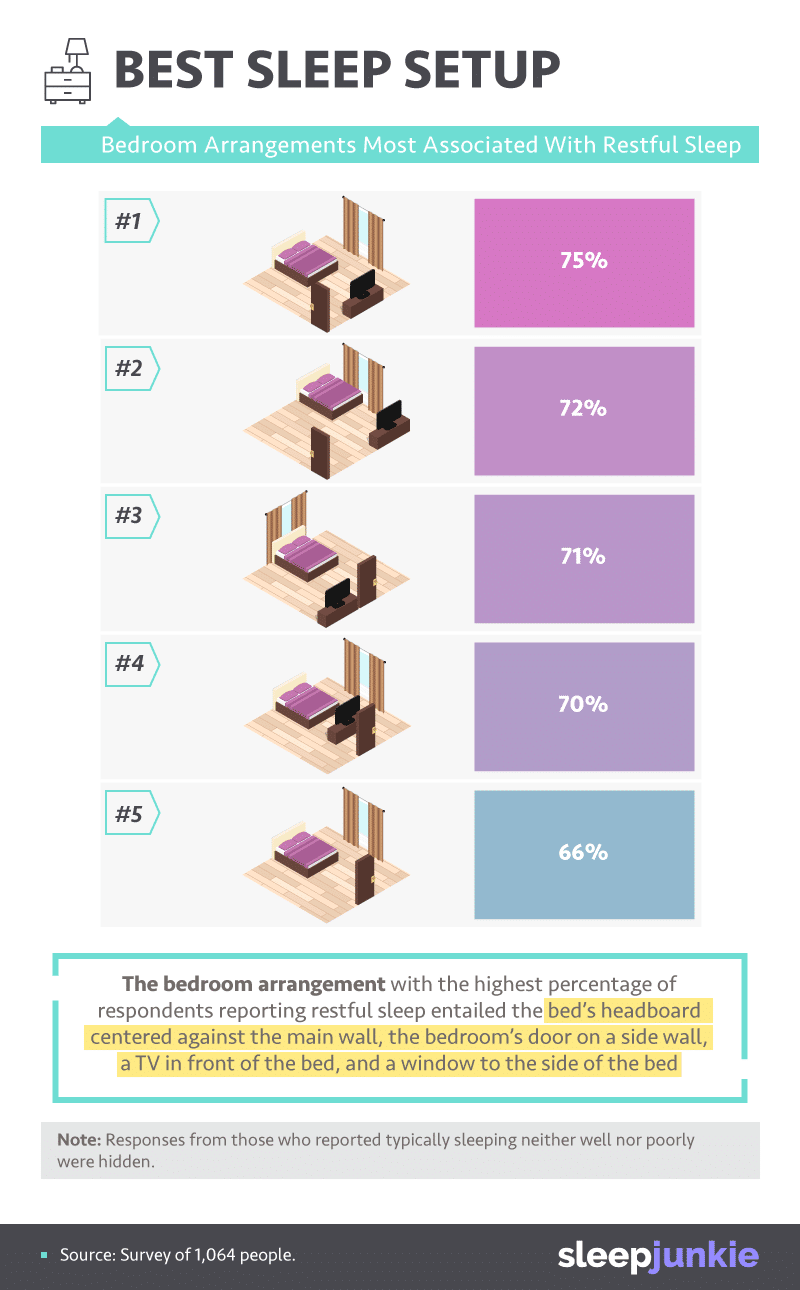 A minimalist, dark bedroom setup eliminates distractions and signals to your brain that it’s time for sleep.
Source: sleepjunkie
A minimalist, dark bedroom setup eliminates distractions and signals to your brain that it’s time for sleep.
Source: sleepjunkie
Why Your Bedroom Setup Directly Impacts Deep Sleep
Your bedroom acts as a sensory cue for your circadian rhythm, the internal clock that regulates when you feel alert and when you feel sleepy. Light, temperature, noise, and clutter all send signals to your brain about whether it’s time to produce sleep-promoting melatonin or stay alert with cortisol. Even small environmental mismatches can fragment sleep, pulling you out of deep restorative stages without you fully waking, leading to next-day grogginess and reduced cognitive function. In practice, I’ve seen clients cut sleep onset time by 10-15 minutes and reduce overnight wake-ups by 20% just by adjusting three key elements of their bedroom setup, no sleep aids required. Treating your room as a dedicated sleep tool, rather than a multi-purpose storage or work space, is the first step to better rest. You can also read our guide on sleep friendly bedroom setup.
Optimize Lighting And Color To Cue Rest
Light is the strongest regulator of your circadian rhythm, and improper bedroom lighting is one of the most common causes of delayed sleep onset. Bright overhead lights and screens emit 400-480nm blue light wavelengths, which suppress melatonin production by up to 50%, per Harvard Health Publishing. Warm, low-light environments in the 1 hour before bed signal to your brain that it’s time to wind down.
Blackout Solutions
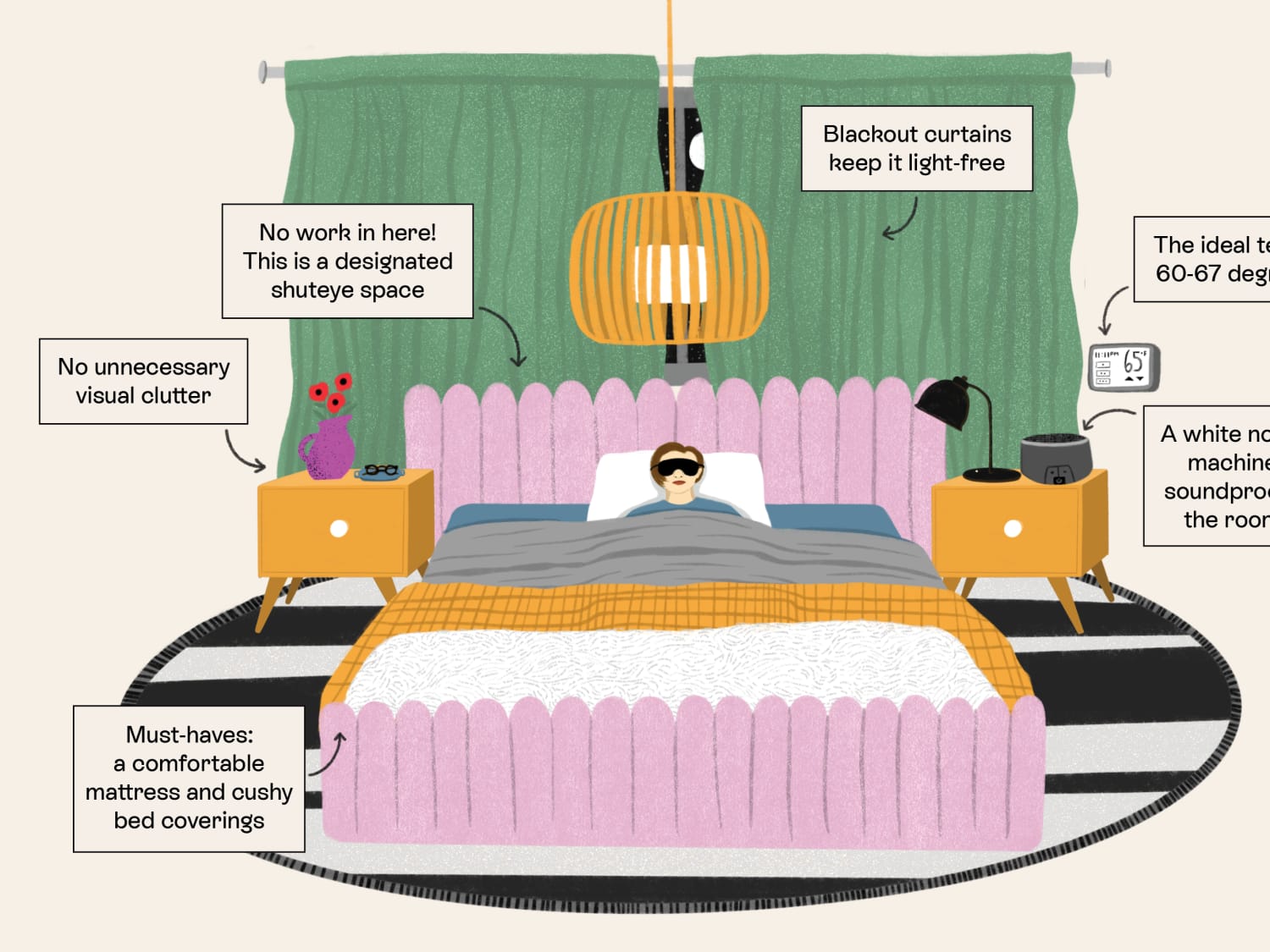
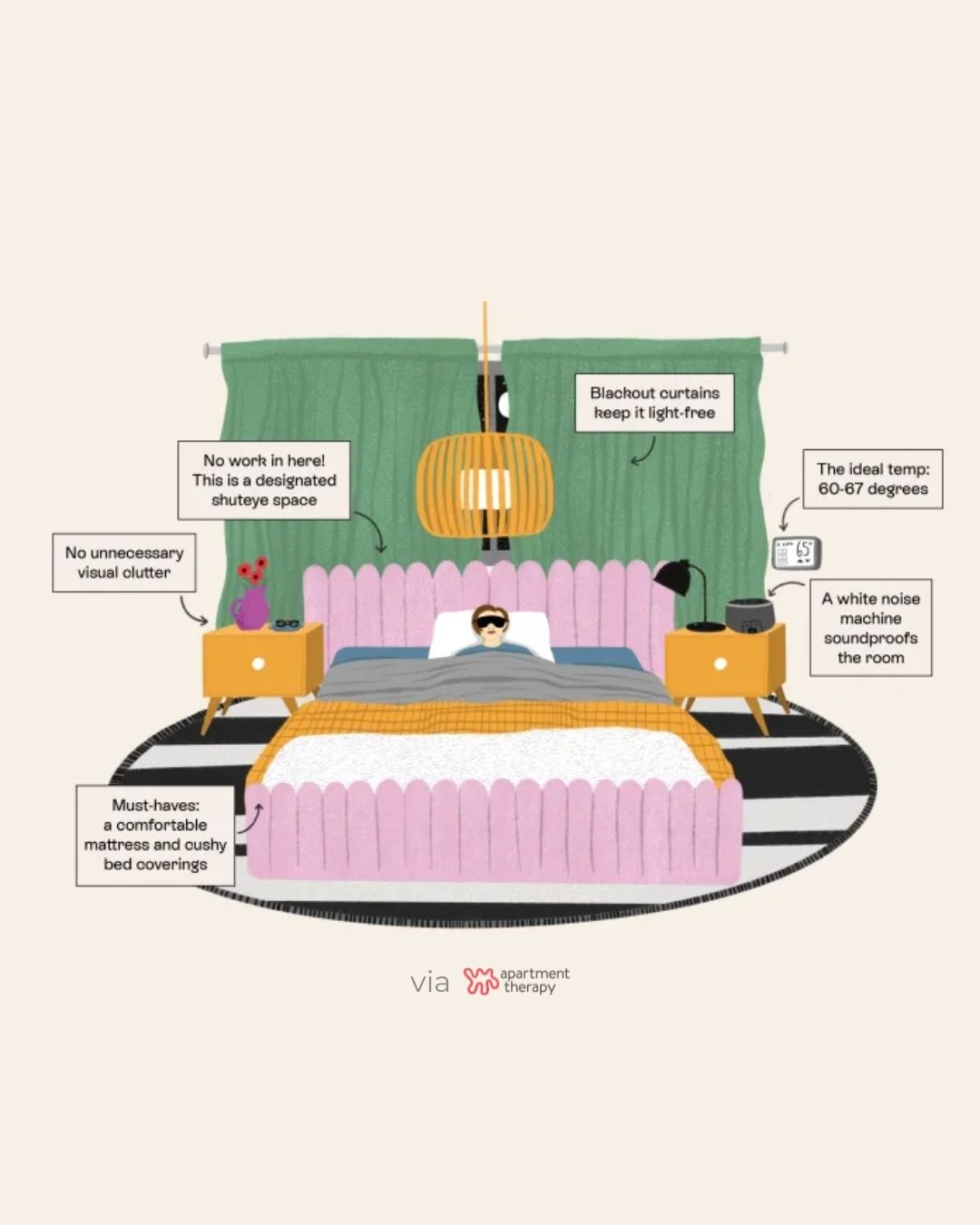
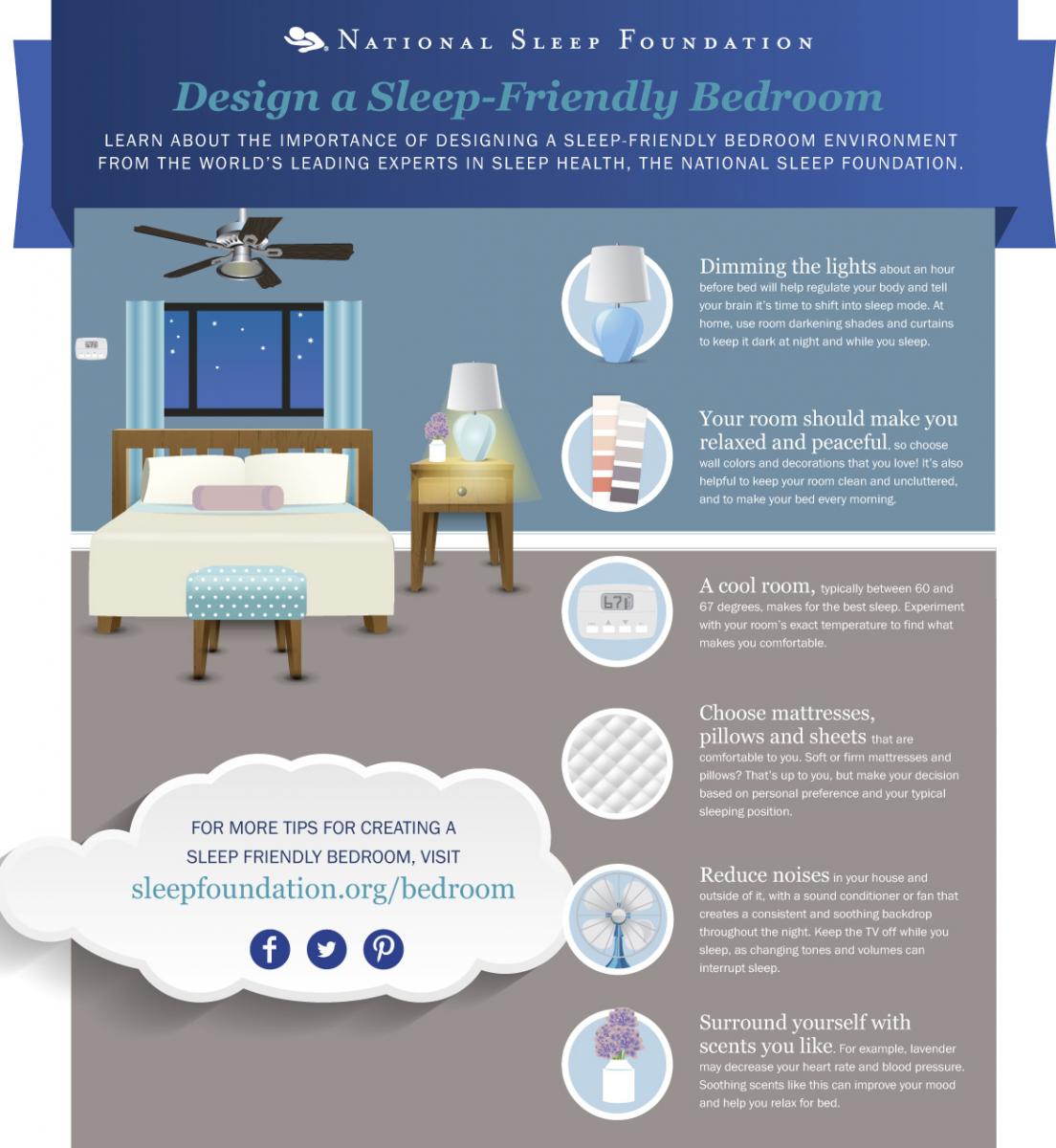
The gold standard for sleep-friendly lighting is near-total darkness, as even small light sources from street lamps, electronics, or alarm clocks can disrupt melatonin production. For permanent installations, blackout curtains block 99% of external light and also help insulate your room to maintain a consistent temperature. Renters or people who can’t install permanent window coverings can use removable blackout window film, which adheres to glass without damage and delivers similar light-blocking performance. Cover small LED lights from phone chargers, electronics, or smart home devices with blackout stickers to eliminate tiny, often overlooked light sources.
Color And Bulb Choice
All bedroom lighting should use 2700K or lower color temperature bulbs, which mimic the warm glow of sunset and don’t suppress melatonin. Avoid cool white (5000K+) bulbs, which mimic midday daylight and increase alertness. For wall color, muted cool tones like soft blue, sage green, and warm gray are consistently associated with lower physiological arousal in sleep research, while bright reds, oranges, or neons can increase restlessness and make it harder to relax. A common mistake I see in sleep coaching is using bright overhead lights for bedtime reading, which can undo 30 minutes of wind-down time. Swapping to a warm dim lamp and a small reading light cuts that disruption almost entirely, and most people notice easier sleep onset within a week.
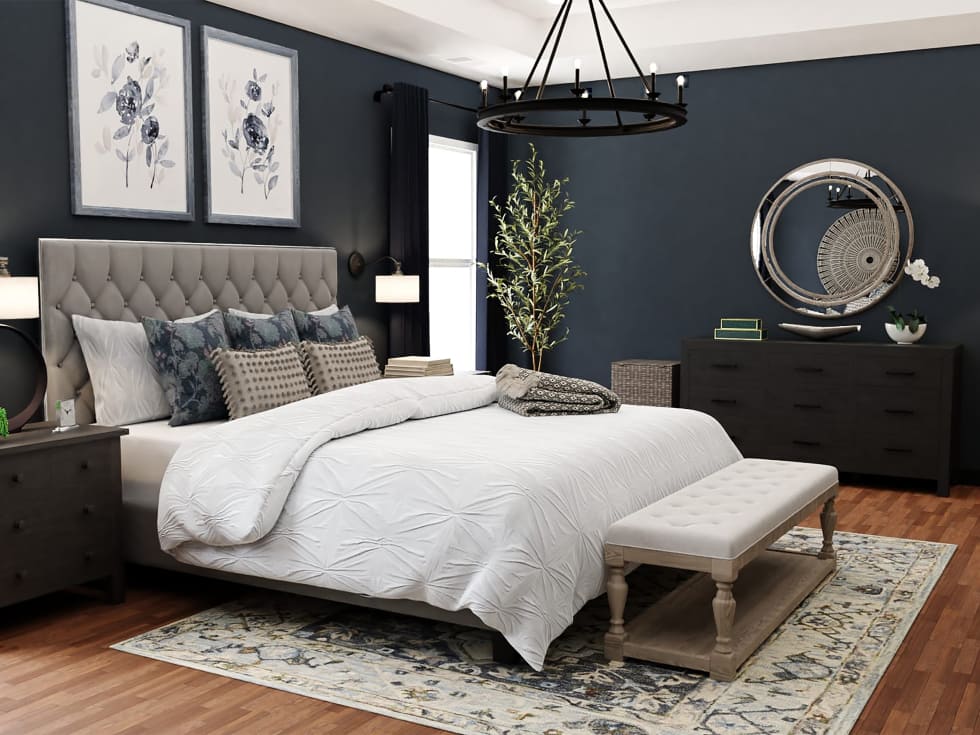 Warm, low-color-temperature lighting and soft neutral wall tones reduce visual stimulation before bed.
Source: asianpaints
Warm, low-color-temperature lighting and soft neutral wall tones reduce visual stimulation before bed.
Source: asianpaints
Control Temperature And Air Quality For Consistent Deep Sleep
Temperature is a core factor in sleep quality. To initiate sleep, your core body temperature needs to drop by 1-2°F, and a cool room facilitates that drop. Per the National Sleep Foundation’s bedroom temperature guidelines, most adults sleep best between 60°F and 67°F (15-19°C). Temperatures above 75°F (24°C) cause restlessness and night sweats, while temperatures below 60°F (15°C) can cause discomfort and frequent waking for people who get cold easily.
To maintain a consistent temperature, use a programmable thermostat to lower the room 30 minutes before bed, and opt for layered bedding (a light sheet, a medium duvet, and a warm throw) so you can adjust easily if you get cold without overheating. In humid climates, use a dehumidifier alongside air conditioning to prevent clamminess, which is a common cause of night sweats and disrupted sleep.
Air quality is equally important: per the U.S. Environmental Protection Agency (EPA), indoor air can be 2-5 times more polluted than outdoor air, and allergens like dust mites, pet dander, and mold can cause nighttime waking and congestion. Use a HEPA air purifier in your bedroom if you have allergies or asthma, and wash bedding weekly in hot water (130°F/54°C) to kill dust mites. A common mistake is cranking the heat too high before bed because you feel cold, which leads to overheating and fragmented sleep an hour or two later; instead, add an extra blanket you can kick off once you fall asleep.
Choose The Right Bed And Bedding For Your Sleep Style
Your bed is the centerpiece of your bedroom setup for better sleep, and the right combination of mattress, pillows, and bedding can eliminate morning aches and improve sleep depth. The best choices depend on your sleep position, body type, and climate preferences.
Mattress Support
Medium-firm mattresses are ideal for most back and side sleepers, as they support the spine’s natural curve without putting pressure on joints. Stomach sleepers need a slightly softer surface to avoid neck strain from tilting their head up to breathe. Replace your mattress every 7-10 years, or sooner if it sags, has lumps, or causes consistent morning pain. If your mattress is still structurally supportive but feels too firm or soft, a high-quality topper can add cushioning and extend its lifespan by 1-2 years—learn how to extend your mattress’s lifespan with proper topper care.
Pillow Alignment
Pillow loft (thickness) should match your sleep position to keep your neck aligned with your spine: low loft (2-3 inches) for stomach sleepers, medium loft (3-5 inches) for back sleepers, and high loft (5+ inches) for side sleepers. A misaligned pillow causes neck pain and disrupts sleep, so replace your pillow every 1-2 years as it loses support and shape.
Breathable And Clean Bedding
Opt for moisture-wicking fabrics like bamboo, linen, or Tencel, which regulate temperature and wick away sweat to prevent night sweats. Avoid heavy synthetic fabrics like polyester, which trap heat and cause discomfort. Wash sheets and pillowcases weekly in hot water to remove allergens and bacteria, and if you regularly sleep with wet hair, choose moisture-wicking pillowcases and wash pillows more frequently to avoid damp pillow mold and allergen buildup. To keep specialty fabrics like bamboo in good condition, follow proper care instructions for moisture-wicking bedding to avoid shrinking or damage. Use a mattress protector to keep your mattress free of spills, allergens, and dust mites, and know when to upgrade your padding if your topper starts to sag or lose support. If you have a feather topper that’s starting to split, repair minor topper damage to extend its use instead of replacing it right away.
 A supportive mattress and position-appropriate pillows prevent morning aches and improve sleep depth.
Source: avaandava
A supportive mattress and position-appropriate pillows prevent morning aches and improve sleep depth.
Source: avaandava
Reduce Noise Disruption Without Soundproofing Your Whole Home
Even low-level noise (30-40 decibels, like a passing car or quiet conversation) can pull you out of deep sleep without you fully waking, leading to next-day grogginess and reduced cognitive function. You don’t need to soundproof your entire home to reduce noise disruption: simple, low-cost solutions can cut incoming noise by 30-40%.
Add thick rugs, heavy curtains, and upholstered headboards to absorb sound, which reduces echo and blocks external noise from entering the room. A white noise machine or app is more effective than a fan for masking irregular, unpredictable noises like traffic or neighbors, as it produces a consistent sound that covers sudden disruptions. For renters who can’t install permanent soundproofing, use heavy draft stoppers under doors to block hallway noise, and place bookshelves or upholstered furniture against shared walls to absorb sound from adjacent rooms. A common mistake is using earbuds to block noise, which can cause ear pain and disrupt sleep; instead, use over-ear sleep headphones designed for side sleepers if you need personal sound masking.
 Soft furnishings and blackout curtains absorb external noise to prevent sleep fragmentation.
Source: marthastewart
Soft furnishings and blackout curtains absorb external noise to prevent sleep fragmentation.
Source: marthastewart
Declutter And Optimize Layout For A Calm Mental Cue
Visible clutter in the bedroom is linked to higher cortisol levels and longer sleep onset latency, as your brain processes clutter as unfinished tasks that require attention and raise stress levels. An intentional, tidy layout signals to your brain that the room is for rest, not work or chores.
Keep all surfaces (nightstands, dressers, chairs) clear of clothes, work materials, and random items. Store seasonal clothing and out-of-season items in under-bed storage boxes or a closed closet to reduce visible clutter. Position your bed so you have a clear view of the door, but not directly in line with it, to feel secure and reduce subconscious anxiety (a principle supported by sleep psychology research). Avoid using your bedroom as a home office, gym, or entertainment space, as this breaks the mental association between the room and rest. A 10-minute nightly reset—folding laundry, putting away clothes, clearing surfaces, and putting work devices away—is a low-effort ritual that helps your mind settle faster before bed.
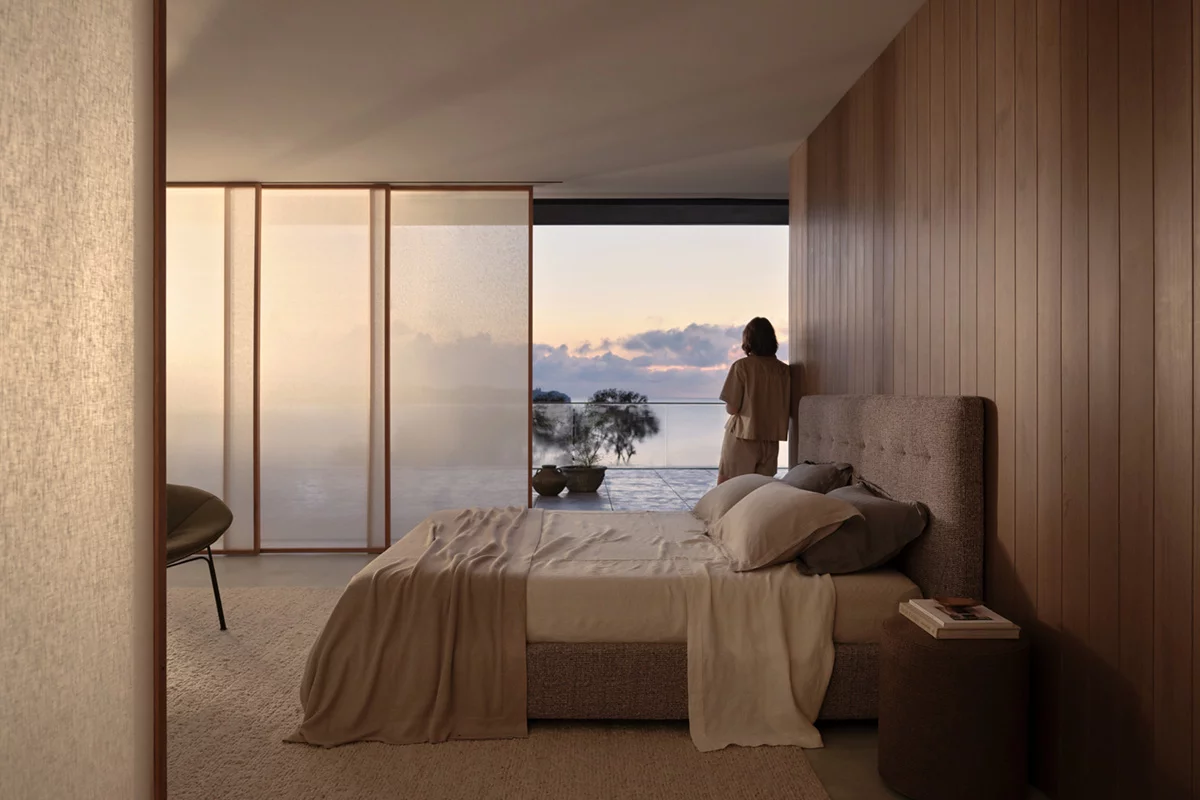 Clear surfaces and intentional layout reduce stress and strengthen the mental cue for sleep.
Source: kingliving
Clear surfaces and intentional layout reduce stress and strengthen the mental cue for sleep.
Source: kingliving
Limit Tech And Electronics To Protect Your Circadian Rhythm
Beyond blue light, the mental stimulation from scrolling social media, answering work emails, or watching exciting shows increases cortisol and makes it harder to transition to sleep. For a bedroom setup for better sleep, limit device use in the bedroom and create tech-free rituals before bed.
Remove TVs, computers, and work devices from the bedroom entirely if possible. If you need to use your phone as an alarm, charge it across the room and enable Do Not Disturb to avoid late-night notifications. If you must use devices in the bedroom, enable night mode 1 hour before bed, set strict screen time limits, and avoid stimulating content like work emails or action shows. A common mistake is scrolling in bed right before trying to sleep, which can increase sleep onset time by 20 minutes or more. Instead, use the hour before bed for low-stimulation activities like reading a physical book, stretching, or meditating.
 Removing screens from the bedroom eliminates blue light exposure and mental stimulation before bed.
Source: youtube
Removing screens from the bedroom eliminates blue light exposure and mental stimulation before bed.
Source: youtube
Simple High-Impact Tweaks To Try Tonight
You don’t have to overhaul your whole room to see results from your bedroom setup for better sleep. These low-cost, low-effort changes deliver immediate improvements:
- Use a sleep mask if blackout curtains aren’t an option; even 10 minutes of extra darkness can boost melatonin production.
- Add a weighted blanket (10-15% of your body weight) if you struggle with restlessness or anxiety, as the gentle pressure promotes relaxation.
- Place a small basket on your nightstand to hold glasses, books, and other nightly items to avoid cluttering your bed.
- Open windows for 5 minutes before bed to let in cool, fresh air and lower the room temperature naturally.
- Use a lavender essential oil diffuser if you enjoy scent; small studies show lavender can reduce sleep latency for people with mild sleep difficulties, but avoid strong scents if you have sensitivities.
- Add a low-maintenance oxygen-releasing plant like a snake plant or aloe vera to improve air quality, just avoid overwatering to prevent mold growth.
 Low-cost small changes like a sleep mask and moisture-wicking sheets can deliver immediate sleep improvements.
Source: amazon
Low-cost small changes like a sleep mask and moisture-wicking sheets can deliver immediate sleep improvements.
Source: amazon
Frequently Asked Questions
How dark does my bedroom need to be for optimal sleep?
Aim for near-total darkness, around 0.1 lux (the brightness of a full moon) or darker. Even small amounts of light from street lamps, electronics, or alarm clocks can suppress melatonin and fragment sleep. Blackout curtains are the most effective solution, followed by a comfortable sleep mask for people who can’t install permanent window coverings.
What’s the ideal bedroom temperature for deep sleep?
Per the National Sleep Foundation, 60-67°F (15-19°C) is ideal for most adults, though older adults and young children may prefer slightly warmer temperatures. Adjust based on personal comfort, but avoid temperatures above 75°F (24°C) which cause restlessness and night sweats.
Can wall color really affect my sleep quality?
Yes. Muted cool tones like soft blue, sage green, and warm gray have been shown to lower heart rate and reduce physiological arousal, making it easier to wind down. Avoid bright, saturated colors like red, orange, or neon in the bedroom, as they can increase alertness and make it harder to relax.
Should I remove all electronics from my bedroom?
Removing all electronics is ideal, but not always practical. If you keep devices in the room, charge them across the room, enable night mode, and set strict usage limits 1 hour before bed. Avoid using devices for work or stimulating content in bed, as this breaks the mental association between the bed and rest.
How often should I replace my mattress and bedding?
Replace your mattress every 7-10 years, or sooner if it sags, has lumps, or causes morning pain. Wash sheets and pillowcases weekly in hot water to remove allergens, and replace pillows every 1-2 years to maintain proper support and avoid allergen buildup.
Will white noise actually help me sleep deeper?
Yes. White noise masks sudden, intermittent noises like traffic, neighbors, or pets that can pull you out of deep sleep without waking you fully. It’s especially helpful for light sleepers and people who live in noisy areas, and is a useful tool for optimizing your sleep environment.
Does decluttering really improve sleep quality?
Yes. Visible clutter in the bedroom is linked to higher cortisol levels and longer sleep onset latency, as your brain processes clutter as unfinished tasks that require attention. A tidy, intentional space signals to your brain that it’s time to rest, reducing mental stress before bed.
 A consistent 30-60 minute wind-down routine trains your brain to expect sleep at the same time each night.
Source: americansleepmedicine
A consistent 30-60 minute wind-down routine trains your brain to expect sleep at the same time each night.
Source: americansleepmedicine
Conclusion
A deliberate bedroom setup for better sleep blends environment, routine, evidence-based sleep habits. Focus on lighting, temperature, mattress comfort, noise control, and removing tech to create a calm, sleep-ready space. The most impactful changes to prioritize first are optimizing light and temperature, as these two factors have the strongest evidence for improving deep sleep. Start with one small change this week—swap your overhead bulb for a warm dim lamp, lower your thermostat 2 degrees, or clear your nightstand of clutter—and track how your sleep shifts over 2-3 weeks. For more evidence-based tips to build a rest-optimized routine, browse our full library of sleep guides to create a sleep setup that works for your unique needs and preferences.
Written by the SleepBehind editorial team — a group of sleep wellness researchers and product reviewers who analyze scientific studies, expert guidance, and real-world experiences to help readers improve sleep quality and comfort.