Nighttime itching and burning from a yeast infection are one of the most common disruptors to rest for people with vulvas, with many reporting symptoms feel far more intense after laying down for the night. If you’ve ever laid awake scratching, shifting positions to avoid friction, or waking up to damp, irritated skin, you know how much a yeast infection can derail your sleep schedule. This guide outlines clinician-backed, actionable steps you can use tonight to reduce discomfort, support healing, and get the rest you need while treating your infection. We cover immediate relief strategies, safe treatment options, mistakes to avoid, and when to seek professional care, all tailored to help you sleep more comfortably through a flare-up.
What Is a Yeast Infection and Why Nighttime Symptoms Are Worse
A yeast infection is an overgrowth of Candida fungi, most often Candida albicans, on the skin or mucous membranes of the vulva and vagina. Overgrowth happens when the natural vaginal pH balance is disrupted, which can be triggered by antibiotics, high estrogen levels, prolonged dampness, tight synthetic clothing, or high added sugar intake. You can also read our guide on lc dolida sleep mask with bluetooth headphones review.
Symptoms often feel far worse at night for three key reasons: first, lying down increases pelvic blood flow, which amplifies inflammatory signals and makes itching and burning more noticeable. Second, there are no daytime distractions to pull your focus away from discomfort, so small irritations feel overwhelming. Third, warm bedding and pajamas trap heat and moisture, creating the ideal environment for yeast to thrive and worsening symptoms over the course of the night. Disrupted sleep from these symptoms can lead to next-day fatigue, irritability, and delayed healing, so addressing both the infection and immediate discomfort is critical.
 This graphic breaks down common yeast infection symptoms and why they worsen at night
Source: femiclear
This graphic breaks down common yeast infection symptoms and why they worsen at night
Source: femiclear
Immediate Pre-Bed Steps to Reduce Discomfort Tonight
Small adjustments to your pre-sleep routine can drastically reduce itching and irritation within a single night. Follow these steps in order right before getting into bed for the best results:
- Gently cleanse the affected area with warm, plain water only—avoid scented soaps, body washes, or exfoliants that can irritate inflamed skin.
- Pat the area dry with a clean, soft towel (do not rub, as friction can cause micro-tears and increase irritation) and let it air dry for 5 to 10 minutes to eliminate excess moisture.
- Apply any prescribed or OTC antifungal treatment immediately after drying, so it has time to absorb slightly before you lay down.
- Change into loose, 100% cotton or moisture-wicking sleepwear, or sleep commando if that feels more comfortable.
A common mistake people make is rushing through these steps and putting on tight, damp sleepwear right after a shower, which traps moisture against the skin and worsens symptoms within hours. You can also read our guide on how blue light affects kids sleep.
Bedtime Hygiene and Clothing Choices to Reduce Irritation
Wearing the right sleepwear and maintaining clean bedding are two of the easiest ways to reduce overnight irritation and moisture buildup. Stick to these guidelines for the best results:
- Choose loose, breathable sleepwear made of 100% cotton or bamboo. Avoid tight underwear, leggings, or synthetic fabrics (nylon, polyester) that trap heat and sweat against the skin. Sleeping commando is also a safe, comfortable option for many people, as long as your sheets are clean.
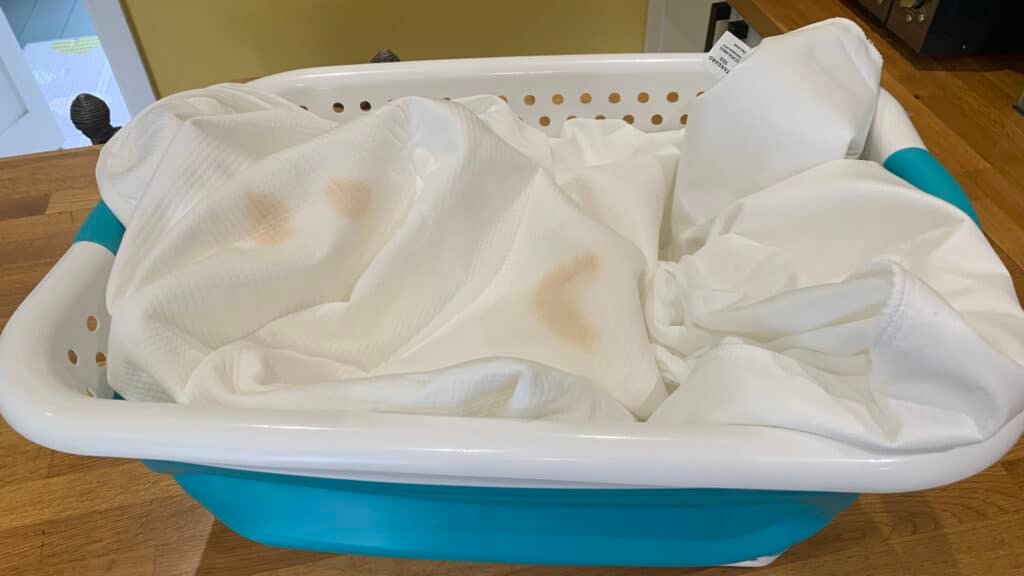
- Change your sheets and sleepwear at least every 2 to 3 days during a flare-up, or more often if you sweat heavily at night. Use a gentle, fragrance-free laundry detergent to avoid exposing sensitive skin to harsh chemicals or perfumes that can worsen inflammation.
- Skip scented powders, lotions, or feminine hygiene products at bedtime. Fragrances are a common irritant for sensitive genital tissue, and can prolong healing and increase itch.
- If you use a mattress protector, opt for a breathable, fabric-backed option instead of a plastic-backed one, which traps heat and moisture against your skin.

Sleep Positions and Environmental Adjustments for Less Irritation
How you sleep and the state of your bedroom environment have a huge impact on how irritated you feel overnight. Small changes here can reduce friction and moisture buildup to help you stay asleep longer.
Optimal Sleep Positions to Minimize Friction
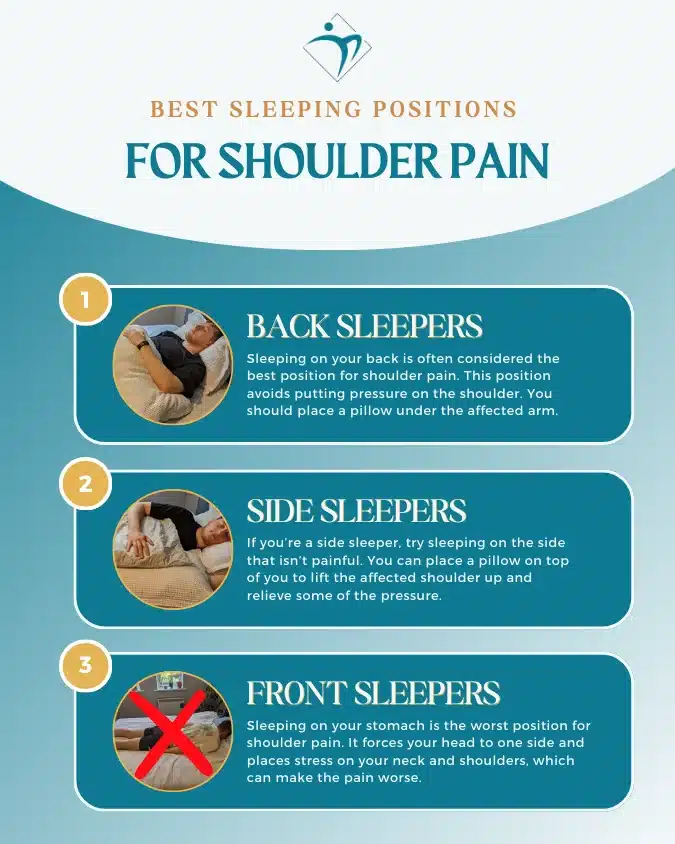
Sleeping on your back with your legs slightly splayed is the best position for reducing friction between your inner thighs and genital area, which minimizes rubbing that can worsen burning and itching. Side sleeping with a small pillow between your knees also works well to keep your legs apart and reduce pressure on the vulva. Avoid stomach sleeping entirely, as it puts direct pressure on the affected area and can amplify discomfort. If you prefer to wear pajama bottoms, opt for loose cotton shorts over fitted leggings or underwear to reduce rubbing. For additional guidance on comfortable sleep postures, check out these sleep position tips for comfort tailored to different needs.
Cooling Your Space to Reduce Moisture Buildup
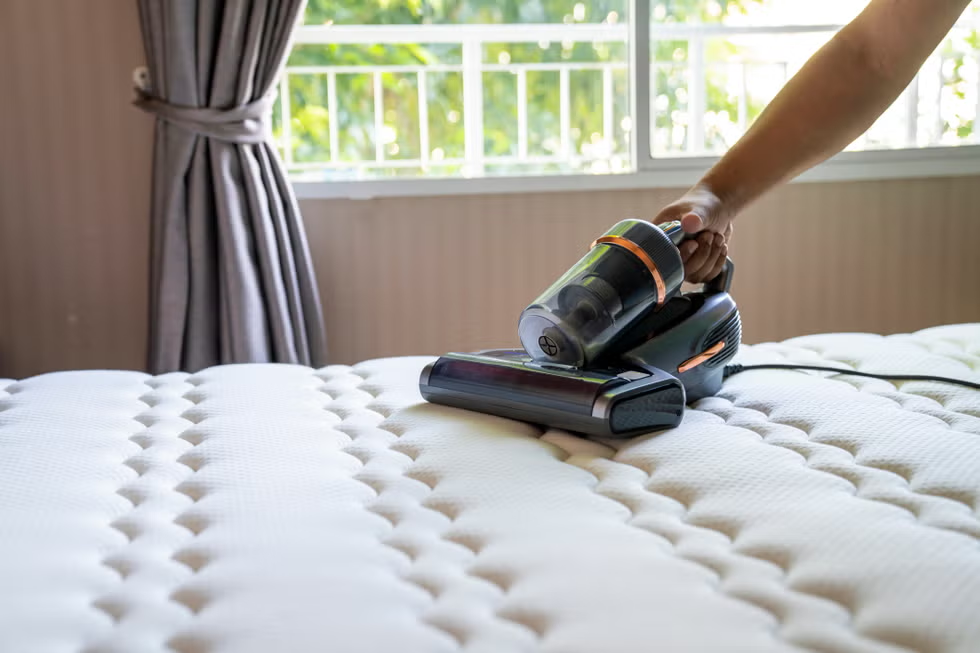
Yeast thrives in warm, damp environments, so keeping your bedroom cool is one of the easiest ways to reduce overnight symptoms. The National Sleep Foundation recommends a bedroom temperature of 60–67°F (15–19°C) for optimal sleep, and this range also reduces sweating and moisture buildup in the genital area. Use a fan to increase air circulation, and avoid electric blankets or heating pads applied directly to your lower body. If you use a feather or down mattress topper, regular proper care keeps it from trapping excess moisture against your skin.
 Adjusting sleep posture and room temperature reduces friction and moisture buildup
Source: verywellhealth
Adjusting sleep posture and room temperature reduces friction and moisture buildup
Source: verywellhealth
Safe Relief Options for Nighttime Itch and Burning
While antifungal treatment addresses the root cause of the infection, these safe, short-term relief options can reduce itching and burning enough to help you fall asleep faster:
- Cool compress: Wrap a clean, cool (not ice-cold) cloth around an ice pack or cold water bottle and apply it to the affected area for 10 to 15 minutes before bed. This temporarily dulls itch signals and reduces inflammation without irritating skin. Never apply ice directly to the vulva, as this can cause frostbite or further damage sensitive tissue.
- OTC antihistamines: A low dose of diphenhydramine (Benadryl) or a similar non-drowsy antihistamine can reduce itching and, in the case of first-generation antihistamines, promote drowsiness. Always check with your healthcare provider before taking new medications, especially if you are on other treatments, and avoid driving or operating heavy machinery the next day if you feel groggy.
- Avoid unproven home remedies: The CDC explicitly advises against using undiluted vinegar, tea tree oil, douching, or baking soda pastes to treat yeast infections, as these products disrupt the vaginal pH balance and can cause severe irritation to already inflamed tissue CDC vaginal health guidelines.
What to Avoid to Prevent Worsening Symptoms
Certain products and habits can prolong healing, increase irritation, and make nighttime symptoms far worse. Avoid the following during a flare-up:
Irritating Products to Skip
- Scented soaps, bubble baths, douches, and feminine hygiene sprays
- Synthetic, tight-fitting underwear or sleepwear (nylon, polyester, spandex blends)
- Home remedies like undiluted apple cider vinegar, tea tree oil, or baking soda pastes, which can disrupt vaginal pH and cause burning
- Heating pads or electric blankets applied directly to the genital area, which trap heat and moisture to feed yeast growth
Habits That Prolong Healing
- Scratching the affected area, even if the itch is intense: scratching breaks the skin, increasing the risk of secondary bacterial infections and extending healing time. Use a cool compress instead if the itch becomes unbearable.
- Stopping antifungal treatment early: even if symptoms disappear after 1 to 2 days, finish the full course of medication to eliminate all yeast and prevent recurrence.
- Wearing damp clothing to bed: if you exercise or shower before bed, make sure your skin and hair are completely dry before getting into bed, just as you would avoid sleeping with wet hair which can trap moisture and cause irritation.
Over-the-Counter and Prescription Treatment Options
OTC antifungal creams, ointments, and suppositories are effective for most uncomplicated yeast infections, and are formulated for nighttime use to deliver continuous treatment while you sleep. Suppositories are often preferred for overnight use, as they are less likely to leak and stain sheets compared to creams. Always follow the product’s instructions for duration—most 1-day or 3-day treatments require consistent application for the full course, even if symptoms improve after the first dose.
For recurrent yeast infections (defined as 4 or more episodes per year), or infections that do not respond to OTC treatment, a healthcare provider may prescribe oral fluconazole (Diflucan) or a longer course of topical antifungals. Per the American College of Obstetricians and Gynecologists, most uncomplicated yeast infections resolve within 3 to 7 days of starting consistent antifungal treatment, with itching and burning improving within 24 to 48 hours for most people ACOG vaginal yeast infection guidance.
If you are pregnant, avoid oral antifungal medications unless explicitly prescribed by your OB-GYN, as some can pose risks to the fetus. Never combine multiple topical antifungal treatments at once, as this can irritate skin and delay healing. If you experience frequent nighttime discomfort from recurring infections, these strategies for managing illness-related sleep loss can help you rest while addressing the root cause with your provider.

When to See a Healthcare Provider
Most yeast infections resolve with OTC treatment, but you should seek professional care in the following scenarios:
- Symptoms do not improve after 3 full days of consistent OTC antifungal use
- You experience severe pain, fever, chills, or unusual discharge (which may signal a more serious infection or misdiagnosis)
- This is your first yeast infection, as symptoms can mimic bacterial vaginosis, STIs, or contact dermatitis, which require different treatments
- You have 4 or more yeast infections in a year (recurrent vulvovaginal candidiasis)
- You have diabetes or a compromised immune system, as yeast infections can be a sign of uncontrolled underlying conditions
- You are pregnant and need guidance on safe treatment options
If you are struggling with sleep anxiety linked to chronic discomfort from persistent symptoms, a provider can also offer guidance on managing stress and improving sleep quality during treatment.
 Infographic outlining when to seek professional care for persistent or severe symptoms
Source: uhhospitals
Infographic outlining when to seek professional care for persistent or severe symptoms
Source: uhhospitals
Preventing Future Nighttime Flare-Ups
Once your current infection clears, small long-term adjustments can reduce your risk of future flare-ups and protect your sleep quality long-term.
Daily Habits to Reduce Yeast Overgrowth
- Change out of wet clothes (swimsuits, workout gear) within 30 minutes of getting sweaty or wet
- Wear 100% cotton underwear during the day and avoid tight synthetic clothing like leggings or pantyhose that trap moisture
- Limit added sugars and refined carbohydrates, which can feed yeast growth in the body
- If you take antibiotics, take a probiotic supplement to support healthy vaginal microbiome balance
- Avoid prolonged use of pads or tampons, which create a damp, warm environment for yeast to grow
Long-Term Bedtime Adjustments
- Shower before bed if you exercised or sweated heavily during the day, and make sure to pat the genital area completely dry
- Wash sheets, pillowcases, and sleepwear weekly in hot water to eliminate yeast spores and other irritants that can trigger flare-ups
- Use fragrance-free laundry detergent for all bedding and sleepwear to avoid exposing sensitive skin to irritants
- Keep a supply of OTC antifungal suppositories on hand to start treatment at the first sign of itch, which can stop an infection before it becomes severe enough to disrupt sleep
 Daily and bedtime habits to reduce future flare-ups and protect sleep quality
Source: getlabtest
Daily and bedtime habits to reduce future flare-ups and protect sleep quality
Source: getlabtest
Frequently Asked Questions
How long will a yeast infection disrupt my sleep?
Most people see a reduction in itching and burning within 24 to 48 hours of starting consistent antifungal treatment, with sleep returning to normal within 3 to 7 days as the infection clears. Severe or recurrent infections may take longer, and persistent sleep disruption after 3 days of treatment is a sign to see a healthcare provider.
Is it safe to sleep without underwear if I have a yeast infection?
Yes, sleeping without underwear improves airflow to the genital area and reduces moisture buildup, which can speed healing and reduce itch. Just make sure your sheets and blankets are freshly laundered with fragrance-free detergent to avoid irritation.
Will a cool compress help with nighttime yeast infection itching?
Yes, a cool compress wrapped in a clean cloth can temporarily dull itch and burning for 10 to 15 minutes. Apply it right before bed to help you fall asleep faster, but do not use it as a replacement for antifungal treatment. Never apply ice directly to the skin, as this can cause frostbite or further inflame sensitive tissue.
Can I use over-the-counter antifungal creams every night for prevention?
OTC antifungal creams are formulated for short-term treatment of active infections, not long-term daily use. Overuse can irritate sensitive skin and disrupt the vaginal microbiome. If you get frequent yeast infections, talk to a provider about a safe long-term prevention plan.
When should I see a doctor for yeast infection symptoms that keep me awake?
See a healthcare provider if symptoms do not improve after 3 full days of OTC treatment, if you have a fever, severe pain, or unusual discharge, if this is your first yeast infection, or if you have 4 or more infections in a year. People with diabetes or compromised immune systems should seek care promptly, as yeast infections can be a sign of uncontrolled underlying conditions.
Can I take sleep aids to help me sleep through yeast infection symptoms?
Sleep aids may help you fall asleep, but they will not treat the underlying infection or relieve itching. Some OTC sleep aids can also cause next-day grogginess, and you should always consult a provider before taking new medications if you are already on antifungal treatment.
 Answers to frequently asked questions about managing yeast infection symptoms at night
Source: amazon
Answers to frequently asked questions about managing yeast infection symptoms at night
Source: amazon
Conclusion
Sleeping through a yeast infection is entirely possible with small, consistent adjustments to your bedtime routine and treatment plan. The most impactful steps are applying antifungal treatment as directed, keeping the affected area cool and dry, wearing breathable sleepwear, and avoiding irritants that worsen symptoms.
Start tonight by implementing one new change: apply your treatment before bed, swap to loose cotton sleepwear, and set your bedroom temperature to 65°F (18°C) to reduce moisture buildup. If symptoms persist after 3 days of consistent care, or if you experience severe pain, fever, or unusual discharge, schedule an appointment with a healthcare provider for personalized diagnosis and treatment to get back to restful sleep faster.

Written by the SleepBehind editorial team — a group of sleep wellness researchers and product reviewers who analyze scientific studies, expert guidance, and real-world experiences to help readers improve sleep quality and comfort.