If you’re reading this while buried under a blanket, half-asleep, and staring at a bowl of cold soup you can’t stomach, you’re not alone. The combination of overwhelming fatigue and total appetite loss is one of the most universal flu symptoms, and it’s normal to worry it’s a sign your body is failing to fight the virus. The truth? This response is not a glitch in your immune system. It’s a deliberate, evolutionarily conserved survival strategy designed to redirect every bit of your body’s energy toward fighting off the influenza virus. Below, we’ll break down exactly why this happens, when it’s safe, and the only red flags that mean you need medical care. You can also read our guide on how stress destroys sleep.
Quick Answer: This Is a Normal Immune Response
Sleeping 12+ hours a day and having no interest in food for 2–3 days is completely expected during uncomplicated flu, even for people who usually eat three full meals a day and stick to a strict sleep schedule. Your body suppresses hunger on purpose to free up energy for immune function, and it forces rest to maximize immune cell activity. The only priority you need to prioritize during this time is hydration—skipping meals for a few days is rarely dangerous for otherwise healthy people, but dehydration can lead to serious complications fast. You can also read our guide on why sleep problems are not random. If you’re caring for a child, older adult, or someone with a chronic condition like diabetes, pay extra attention to fluid intake, as these groups are at higher risk for dehydration.
Why You Panic When You Can’t Eat (And Why That Guilt Is Misplaced)
It’s no wonder you feel anxious when you can’t force down a single bite. From childhood, we’re taught that eating equals strength: “keep your strength up” is the universal well-meaning advice given to sick people, and refusing food feels like you’re failing at recovery. You can also read our guide on night routine for a calm brain simple steps for deep relaxation. This guilt is completely misplaced. The same chemical messengers (called cytokines) that cause your fatigue, body aches, and fever are the exact same signals that shut down your hunger cues. Your body hasn’t forgotten how to heal itself—it’s executing a highly coordinated defense plan. Cultural pressure makes this worse. Well-meaning family members may push soup or toast toward you, or insist you “just take a few bites.” While their intention is love, forcing food on a sluggish, feverish stomach often triggers nausea or vomiting, which speeds up fluid loss and increases dehydration risk. The real question to ask when someone with flu won’t eat isn’t “why aren’t they eating?”—it’s “are they drinking enough fluids?” That’s where the actual risk lies. You can also read our guide on natural rem to sleep.
The Biology Behind Flu-Induced Sleepiness and Appetite Loss
When the influenza virus invades your body, your immune cells release signaling proteins called cytokines to coordinate the immune response. This set of symptoms—lethargy, loss of appetite, social withdrawal, and increased sleep—is known in medical literature as sickness behavior, an evolutionary response observed across species from mice to humans.
Cytokines and Sickness Behavior
Two key cytokines, interleukin-1 (IL-1) and tumor necrosis factor-alpha (TNF-α), travel to your hypothalamus, the brain’s master control center for temperature, hunger, and sleep regulation. Once there, they rewire your body’s priorities entirely: instead of directing energy to digestion, movement, or daily tasks, all resources are redirected to fighting the virus.
How Flu Suppresses Hunger Signals
The hypothalamus does two critical things during flu: first, it raises your body’s temperature set point to create a fever, which inhibits viral replication. Second, it suppresses the activity of hunger-signaling neurons that normally prompt you to eat. At the same time, your digestive system slows dramatically. Gastric emptying—the process of moving food from your stomach to your small intestine—is delayed by 30–50% during febrile illness, per clinical observations. Your body is essentially saying, “I’m busy fighting a war, I don’t have time to process a meal right now.” If you force food into a sluggish stomach, it sits undigested for hours, which is a common cause of flu-related nausea and vomiting. This intentional appetite loss is called infection-induced anorexia, and it’s not a weakness—it’s a feature. Research suggests short-term fasting during acute infection may even improve the efficiency of certain immune cell functions, as your body doesn’t waste energy on digestion.
Why Excessive Sleep Is Non-Negotiable for Immune Recovery
Your fatigue isn’t just “being tired.” It’s a chemically enforced command to rest, and ignoring it will slow your recovery. During deep non-REM sleep, your body releases surges of growth hormone and prolactin, both of which drive immune cell proliferation and T-cell activity—the “soldiers” of your adaptive immune system that target infected cells. Research published in the Journal of Experimental Medicine found that adequate sleep improved T-cell targeting efficiency by up to 30% during infection, meaning your immune system can locate and eliminate virus-infected cells faster when you’re well-rested. Every hour you spend sleeping during flu is an hour your body isn’t wasting energy on movement, digestion, or unnecessary cognitive tasks, and instead is focusing entirely on mounting an immune response. In practice, most people with flu sleep 12–18 hours a day during the peak 2–3 days of illness. This is not oversleeping—it’s your body’s default treatment plan.
Busting the “Starve a Fever, Feed a Cold” Myth (and Other Bad Flu Advice)
This centuries-old saying has no basis in modern science, and following it can actually harm your recovery. The phrase first appeared in a 1574 dictionary by John Withals, which claimed fasting cooled the body while eating warmed it—a neat bit of medieval logic that doesn’t account for how viral infections actually work. The biggest danger of this myth is the misinterpretation of “starve a fever” as withholding fluids. Dehydration is the leading preventable cause of flu-related hospitalization, and you should never restrict fluids during any febrile illness, full stop. The opposite misinterpretation—force-feeding heavy meals during any respiratory illness—is also harmful. Your digestive system slows down regardless of whether you have a cold or flu, and forcing down greasy, heavy foods will almost always trigger nausea or vomiting. The updated, evidence-based version of this saying is simple: hydrate everything, eat what you can when you feel like it, and rest as much as your body asks for. No forcing required.
The Only Real Danger: Dehydration (Not Skipping Meals)
The line between normal flu recovery and a trip to the emergency department comes down to one thing: fluid intake. Not eating for a few days is uncomfortable but rarely dangerous for otherwise healthy adults. Not drinking enough is a completely different story. Fever burns through your body’s water reserves fast: you lose fluid through sweat, rapid breathing, and the increased metabolic demands of running a high temperature. If you’re sleeping 16+ hours a day, you’re also missing opportunities to drink, and those hours add up quickly. The CDC’s official flu home care guidance lists oral hydration as a non-negotiable cornerstone of recovery, as even mild dehydration thickens your blood, makes your heart work harder, and dries out the mucus membranes in your lungs, making it harder to cough up viral debris. To help you track hydration easily, here are common dehydration signs by age group:
| Group | Mild Dehydration Signs | Moderate/Severe Dehydration Signs (Seek Medical Care) |
|---|---|---|
| Healthy Adults | Dark amber urine, urinating less than every 8 hours, dry mouth, mild headache | No urination for 8+ hours, confusion, dizziness, rapid heartbeat, extreme thirst |
| Children (under 5) | Dry lips, no tears when crying, fewer than 3 wet diapers in 24 hours, unusually quiet or irritable | No wet diapers for 6+ hours, sunken eyes, bluish lips, unable to drink even small sips |
| Older Adults (65+) | Dry skin, reduced urination, mild confusion, no thirst even with fluid loss | Inability to stay awake, very dark urine, rapid breathing, low blood pressure |
| To stay hydrated, aim for small, frequent sips of fluid every 15–20 minutes while you’re awake, rather than chugging large amounts at once, which can trigger nausea on an empty stomach. The best options include plain water, oral rehydration solutions (formulated to replace lost electrolytes), broths, diluted juice, and caffeine-free herbal tea. Avoid excessive caffeine, sugary sodas, and alcohol, as these can worsen dehydration or disrupt sleep. | ||
| If you’re sweating heavily from fever, oral rehydration solutions are more effective than plain water, as they replace the sodium and potassium lost in sweat. You don’t need to track exact fluid intake—just monitor your urine color (light straw is ideal) and output frequency, which is a far more reliable metric than forcing a set number of ounces per day. | ||
| For caregivers of older adults, note that aging blunts the thirst response, so you may need to offer fluids proactively every hour during waking periods, rather than waiting for the person to say they’re thirsty. If you notice their skin stays tented when you pinch the back of their hand, that’s a sign of significant dehydration that requires medical attention. |
Why Excessive Sleep Is Your Body’s Best Flu Treatment
Your body’s drive to sleep during flu is not laziness—it’s a targeted immune intervention. As noted in WHO’s seasonal flu guidance, rest is one of the most effective supportive care measures for uncomplicated influenza, as it gives your immune system the resources it needs to clear the virus faster. The only common mistake people make here is forcing themselves to stay awake to stick to a strict drinking schedule. This backfires: uninterrupted deep sleep is far more valuable for recovery than perfectly timed fluid intake. Your thirst mechanism remains fully functional during flu, even when your appetite does not—you will wake up if you need to drink.
Practical Tips to Protect Sleep During Flu Recovery
To make the most of your body’s natural rest drive:
- Keep a water bottle on your nightstand so you can sip easily when you stir naturally
- Keep your room between 65–68°F (18–20°C) to support deep sleep, even if you feel chilled (use light layers you can kick off, as heavy blankets can trap heat and raise your fever)
- Block out light and noise as much as possible to reduce sleep fragmentation
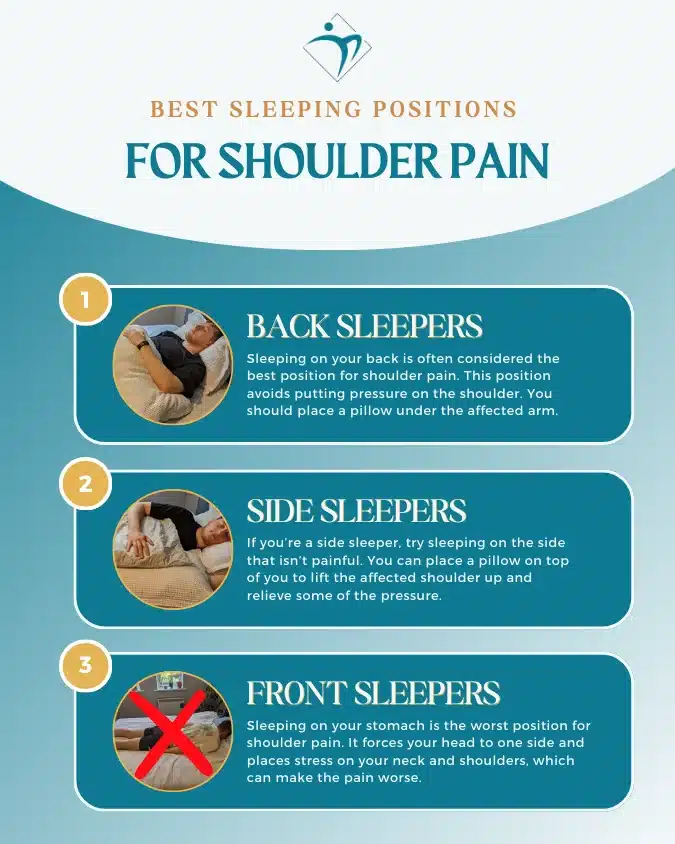
- If body aches make it hard to get comfortable, try adjusting your rest position to reduce pressure on sore muscles
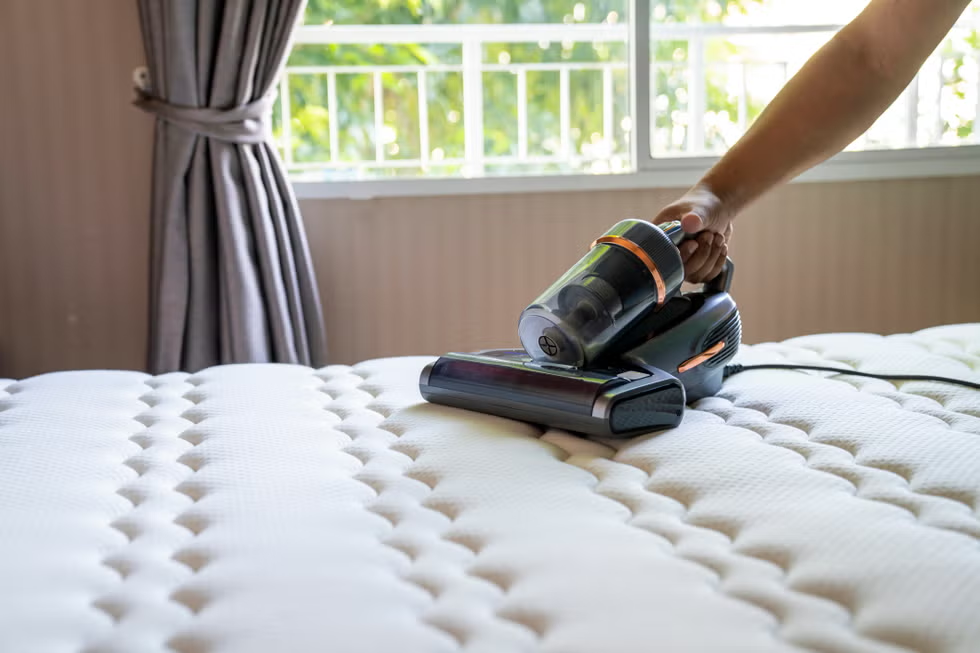
- Keep your pillow fresh and your sleeping area clean to avoid introducing new irritants while you’re sick. Keeping your pillow clean and guarding your mattress from fever sweat are small steps that make a big difference in comfort.
- If you don’t have AC to keep your room cool, staying cool without AC has practical tips for avoiding overheating without raising your fever.
- If you want to cool down before bed to ease fever discomfort, use gentle cooling methods before bed that won’t leave you chilled overnight.
- If you’re using a gentle sleep aid to help rest, a warm caffeine-free drink before bed can reinforce your body’s sleep cues.
Special Considerations for High-Risk Groups
Most healthy adults recover from flu with minimal complications when following the guidance above, but three groups need extra caution:
Children (under 5)
Young children have smaller fluid reserves and can dehydrate shockingly fast. Don’t rely on them to tell you they’re thirsty—they may not be able to articulate their needs. Watch for dry lips, no tears when crying, fewer than 3 wet diapers in 24 hours, or unusual irritability or lethargy. If your child resists drinking, use a syringe or spoon to give small amounts of oral rehydration solution every few minutes.
Older Adults (65+)
Aging blunts the thirst response, so older adults may not feel thirsty even when they’re significantly dehydrated. Proactively offer fluids every hour during waking periods, and watch for signs of confusion, dry skin, or reduced urination. If you notice their skin stays tented when you pinch the back of their hand, they may be dehydrated and need medical care.
People with Chronic Conditions (e.g., diabetes)
If you have diabetes, skipping meals while taking insulin or sulfonylureas can trigger dangerous hypoglycemia. Check your blood sugar every 4–6 hours during illness, and have fast-acting glucose on hand if levels drop below 70 mg/dL. Contact your doctor to ask about adjusting your medication doses during the acute phase of the illness.
Common Caregiver Mistakes That Slow Recovery
Even the most devoted caregiver can make errors that delay healing, usually out of love or anxiety. Avoid these common pitfalls:
Forcing food or fluids
Pushing a spoonful of soup or a glass of water on a lethargic, nauseous person can trigger vomiting or aspiration, especially if they’re too tired to swallow properly. Let them eat and drink on their own schedule, as long as they’re producing urine and staying alert.
Waking someone from deep sleep for non-urgent care
Unless a medication dose is time-critical, let the sick person sleep. Uninterrupted deep sleep is when your immune system is most active, and waking them up will disrupt that process. Keep a water bottle by their bed so they can sip when they stir naturally.
Withholding fever-reducing medication out of fear it will “prolong the illness”
Mild fever (below 103°F/39.4°C) is beneficial for fighting the virus, but high fever increases metabolic water loss, makes rest harder, and causes unnecessary discomfort. Treating a high fever with acetaminophen or ibuprofen will not make your illness last longer—it will make it easier to drink fluids and sleep, which speeds up recovery.
Ignoring your own health as a caregiver
It’s easy to neglect your own needs when caring for a sick loved one, but you can’t pour from an empty cup. Wash your hands frequently, avoid sharing cups or towels, and rest as much as you can to avoid catching the flu yourself. If you do get sick, follow the same guidance you’re using for the person you’re caring for.
Step-by-Step Flu Recovery Plan for When You Can't Eat or Sleep Normally
You don’t need a complex protocol to support flu recovery—just prioritize these three steps in order:
1. Lock In Hydration First
Forget food for the first 24–48 hours of illness. Your only priority is sipping small amounts of fluid every 15–20 minutes while you’re awake. Aim for 2–2.5 liters of fluid per day for adults, but don’t stress about hitting an exact number—use urine color (light straw is ideal) and output frequency (urinating every 6–8 hours) as your guide instead. If plain water feels harsh on your empty stomach, opt for room-temperature broth, oral rehydration solution, diluted juice, or caffeine-free herbal tea. Avoid chugging large amounts at once, as this can trigger nausea on a sluggish stomach.
2. Prioritize Uninterrupted Sleep
Resist the urge to stick to your normal sleep schedule or wake up to drink on a timer. Your body’s need for immune-supportive deep sleep far outweighs the need for perfectly timed fluid intake. Keep a water bottle by your bed so you can sip when you stir naturally, then fall back asleep. Optimize your sleep environment by keeping the room cool (65–68°F/18–20°C), dark, and quiet. Use light layers you can kick off if you get too warm, as heavy blankets can trap heat and raise your fever. If body aches make it hard to get comfortable, try adjusting your rest position to reduce pressure on sore muscles.
3. Reintroduce Food On Your Body’s Timeline
Don’t force yourself to eat before you’re ready. The first sign of returning appetite is usually a vague interest in bland, easy-to-digest foods. Start with a few bites of BRAT foods (bananas, rice, applesauce, toast) or clear broth, and stop immediately if you feel nauseous. Over the next 24–48 hours, gradually move from clear liquids to soft foods to small portions of your normal meals. Avoid fatty, spicy, or fried foods for at least a week after your fever breaks, as your digestive system will still be recovering even after your appetite returns. There’s no prize for cleaning your plate—eat as much or as little as your body asks for.
Red Flags That Mean You Need Medical Care Immediately
Most flu cases can be managed at home, but these symptoms are signs of serious complications like pneumonia, sepsis, or dehydration that require urgent medical attention:
- Difficulty breathing or shortness of breath
- Chest pain or pressure
- Confusion, sudden dizziness, or inability to stay awake
- Bluish lips or face
- Fever that resolves then returns worse than before
- Inability to keep any fluids down for 8+ hours
- In children: rapid breathing, ribs pulling in with each breath, no wet diapers for 6+ hours
- In older adults: severe confusion, inability to stay awake, no urination for 8+ hours Trust your instincts: if something feels deeply wrong, it probably is. Emergency departments expect flu patients during peak season, and you won’t be overreacting by seeking care.
Frequently Asked Questions
How many days without food is safe during the flu?
For a healthy adult, 3–5 days without solid food during acute flu is generally safe, as long as fluid intake remains adequate. Your body’s glycogen (stored glucose) reserves last 24–48 hours, after which it shifts to burning fat for energy without negative effects for short periods. Appetite almost always returns within 48 hours of your fever breaking. If you have no interest in food after 5 days, or are losing weight rapidly, contact your doctor.
Should I take fever medicine or let the fever run its course?
Treat a fever above 103°F (39.4°C) for comfort, as high fever increases metabolic water loss and makes rest harder. Acetaminophen or ibuprofen are safe, effective options for most people; follow dosing instructions on the label exactly. Mild fever (below 103°F) is beneficial for fighting the virus, so you only need to medicate if you’re uncomfortable.
Is it normal to sleep 20 hours a day with the flu?
Yes, during the peak 2–3 days of illness, sleeping 16–20 hours a day is completely normal. This is your body’s sickness behavior in action, redirecting all energy to immune function. The only time this is a concern is if you cannot be roused at all to drink fluids—if you wake briefly to sip water and fall back asleep, this is expected.
Can I drink coffee or tea while I have the flu?
Moderate amounts of caffeine are safe, but caffeine is a mild diuretic and can interfere with the deep sleep you need most to recover. Caffeine-free herbal teas are a better choice, as they provide fluid and can soothe a sore throat. If you’re using a gentle sleep aid to help rest, a warm caffeine-free drink before bed can reinforce your body’s sleep cues.
When should I worry about weight loss during flu?
Acute weight loss under 5% of your body weight is almost always water weight from fever and will rebound quickly once you resume eating and drinking normally. For a 150-pound adult, that’s ~7.5 pounds. Weight loss above 5%, or weight that continues dropping after your fever breaks, warrants a medical evaluation to rule out underlying issues.
Why can’t I sleep even though I’m exhausted with the flu?
Fever, body aches, and congestion can fragment sleep even when you’re extremely tired. Keep your room cool, use light layers, and prop your head up slightly with an extra pillow if congestion makes it hard to breathe. Sleep quality usually improves dramatically once your fever breaks.
How long will the excessive sleep and appetite loss last?
For most people, excessive sleep and appetite loss peak 2–3 days after symptom onset, and resolve within 48 hours of your fever breaking. If you continue to sleep 18+ hours a day or have no appetite 5 days after your fever resolves, contact your doctor to rule out secondary infections like pneumonia.
Conclusion
The excessive sleep and total loss of appetite you experience with the flu are not signs that your body is failing—they’re evidence that your immune system is working overtime to fight off the virus. Forcing food or pushing through fatigue will only slow your recovery, while prioritizing hydration and rest will help you feel better faster. The only real risks during flu are dehydration and complications like pneumonia, both of which have clear early warning signs. Monitor your urine output, watch for red flags like confusion or difficulty breathing, and don’t hesitate to contact a healthcare provider if something feels off.
Your Next Step
If you’re recovering from flu at home right now, place a water bottle within arm’s reach of your bed, set a timer to remind you to take small sips every 20 minutes while you’re awake, and let yourself sleep as much as your body asks for—no guilt required.

Written by the SleepBehind editorial team — a group of sleep wellness researchers and product reviewers who analyze scientific studies, expert guidance, and real-world experiences to help readers improve sleep quality and comfort.