

A consistent sleep routine for adults is one of the most impactful, low-effort changes you can make to improve daily energy, long-term health, and overall quality of life. Rather than relying on quick fixes like sleep aids or weekend catch-up sleep, a sustainable routine works with your body’s natural rhythms to help you fall asleep faster, stay asleep longer, and wake up feeling refreshed. This guide breaks down actionable, evidence-based steps to build a routine that fits your schedule, plus troubleshooting tips for common setbacks.
Why a Consistent Sleep Routine For Adults Matters
Your body’s internal clock, or circadian rhythm, relies on consistent cues to regulate sleep-wake cycles, hormone production, and metabolism. When you go to bed and wake up at roughly the same time every day, your body learns to anticipate rest, making it easier to fall asleep and stay asleep through the night. Current guidance from the CDC-backed sleep hygiene guidelines links consistent sleep schedules to reduced risk of chronic conditions including heart disease, type 2 diabetes, and depression, alongside immediate benefits like improved focus, better mood regulation, and a stronger immune system. Even small, consistent adjustments to your pre-sleep habits can deliver noticeable results in as little as two weeks. Common mistakes people make when starting out include trying to shift their bedtime by more than 30 minutes at once, or relying on weekend sleep-ins to make up for poor weekday rest—both of which can disrupt your circadian rhythm long-term. You can also read our guide on circadian rhythm explained.
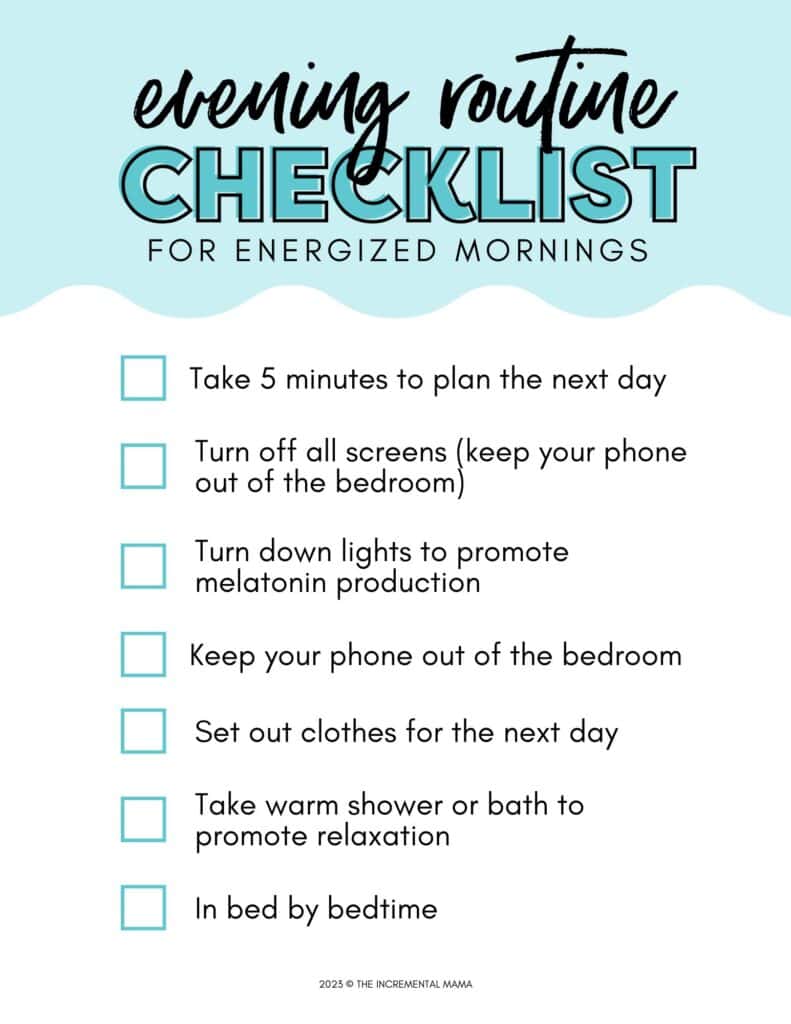 Source: theincrementalmama
A printable checklist can help you stick to consistent pre-sleep steps.
Source: theincrementalmama
A printable checklist can help you stick to consistent pre-sleep steps.
How Much Sleep Do Adults Actually Need?
The AASM official sleep duration guidance recommends 7 to 9 hours of sleep per night for most healthy adults, though individual needs vary based on age, activity level, genetics, and underlying health conditions. Some people function optimally on 6.5 hours, while others require a full 9 hours to feel rested. The best way to find your personal sweet spot is to track how you feel over a 2-week period: if you wake up without an alarm, have no significant afternoon slump, and don’t rely on caffeine to get through the day, you’re likely hitting your target. A common mistake is overshooting sleep duration: regularly sleeping more than 9 hours can be a sign of underlying health issues, or can leave you feeling groggy due to disrupted sleep cycles. If you struggle to fit 7+ hours into your schedule, prioritize consistency first—even 6.5 hours of high-quality, consistent sleep is better than 9 hours of fragmented, irregular rest.
 Source: verywellmind
Core sleep hygiene practices align with CDC and AASM guidance for better rest.
Source: verywellmind
Core sleep hygiene practices align with CDC and AASM guidance for better rest.
Core Components of an Effective Adult Sleep Routine
Building a routine that sticks doesn’t require drastic changes: focus on three core areas that work with your body’s natural rhythms, rather than against them.
Evening Wind-Down Routine
The 60–90 minutes before bed are critical for signaling to your brain that it’s time to wind down. Aim for a consistent routine that avoids stimulating activities, bright lights, and blue light from screens (even "night mode" settings suppress melatonin production, and the mental stimulation from social media or work emails can keep your mind racing). A practical, low-effort wind-down might look like this:
- 90–60 minutes before bed: Dim overhead lights, turn off non-essential screens, and avoid intense workouts, heavy meals, or stressful conversations. If you need to use screens, enable blue light filters and keep brightness as low as possible.
- 60–30 minutes before bed: Engage in low-energy, calming activities: read a physical book, do gentle stretching, listen to soft music or a sleep-focused podcast, or practice a short mindfulness exercise.
- 30–15 minutes before bed: Complete your nightly hygiene routine: wash your face, brush your teeth, change into comfortable sleepwear, and prepare your bedroom for rest (close curtains, adjust the thermostat, turn on white noise if needed). If you wash your hair at night, opt for protecting hair health overnight to avoid damage and frizz, and use keeping hair out of your face while you sleep accessories if needed to avoid tossing and turning from hair in your face.
- 15–0 minutes before bed: Try a relaxation technique like 4-7-8 breathing, a 5-minute guided meditation, or progressive muscle relaxation to quiet racing thoughts.
A common mistake is treating the wind-down as optional when you’re busy: even 15 minutes of consistent pre-sleep calm can make a noticeable difference in sleep onset time. For people who struggle with racing thoughts at bedtime, calm racing thoughts quickly with simple, evidence-based exercises that don’t require extra tools or time.
 Source: puffy
Breaking your wind-down into timed blocks reduces decision fatigue before bed.
Source: puffy
Breaking your wind-down into timed blocks reduces decision fatigue before bed.
Morning Routine to Anchor Your Schedule
Your morning habits are just as important as your evening routine for regulating your circadian rhythm. The first 30 minutes after waking set the timer for your body’s sleep-wake cycle for the entire day. Key steps to include:
- Immediately after waking: Open curtains or step outside for 10–20 minutes of natural light. Even overcast daylight is enough to suppress melatonin production and signal to your body that it’s time to be awake. If you can’t go outside, sit near a sunlit window.
- Within 30–60 minutes of waking: Eat a balanced breakfast with protein and complex carbs to stabilize blood sugar, and drink a full glass of water to rehydrate after sleep.
- Avoid hitting snooze: Snoozing fragments your sleep and leaves you feeling groggier, a state called sleep inertia. If you struggle to wake up, place your alarm across the room so you have to get out of bed to turn it off.
Consistency in your wake time is far more important than a fixed bedtime: if you wake up at the same time every day (even on weekends), your body will naturally start to feel sleepy at the appropriate time in the evening. Avoid long morning naps (over 30 minutes) as they can interfere with nighttime sleep drive, and prioritize morning habits that reduce reducing morning grogginess so you start your day energized.
 Source: venngage
Small adjustments to your wake time on weekends can prevent social jetlag.
Source: venngage
Small adjustments to your wake time on weekends can prevent social jetlag.
Sleep Sanctuary Setup
Your bedroom environment has a huge impact on sleep quality, even if you follow a perfect pre-sleep routine. Aim to make your space dedicated only to sleep and rest, so your brain associates the room with relaxation, not work or stress. Key adjustments:
- Temperature: Keep the room between 60–68°F (15–20°C). A cool room helps your body lower its core temperature, a key step in falling asleep. Use a fan or adjust the thermostat as needed.
- Light: Block all external light with blackout curtains or a comfortable sleep mask. Even small amounts of light from streetlights or electronics can disrupt melatonin production.
- Noise: Use a white noise machine, fan, or earplugs to block disruptive sounds like traffic or noisy roommates.
- Bedding: Choose a mattress and pillow that support your preferred sleep position. For those who experience hair damage from friction while sleeping, opt for hair-friendly sleep positions to reduce breakage and frizz. Regularly maintain your bedding: wash pillowcases weekly, and follow keeping sleep surfaces hygienic for your mattress topper to avoid dust mites and bacteria buildup. If you have a plush feather topper, follow maintaining plush bedding comfort to keep it fluffy and supportive over time. When choosing a pillow, consider avoiding discomfort from poor alignment to reduce morning pain and stiffness.
- Remove work and screens from the bed: Avoid working, scrolling, or watching TV in bed, as this breaks the mental association between your bed and rest.
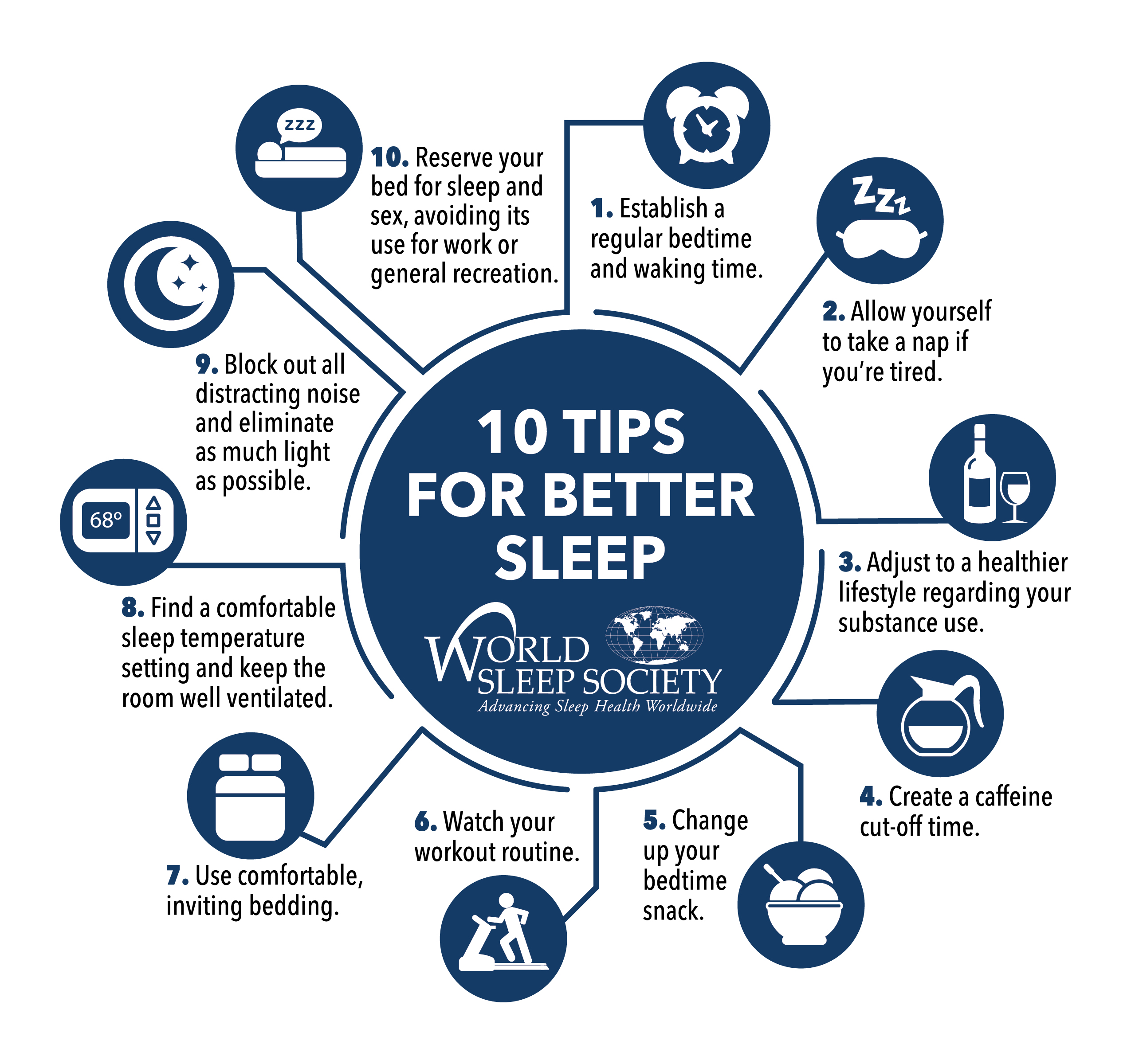 Source: worldsleepday
World Sleep Day resources highlight simple, low-cost changes to improve rest.
Source: worldsleepday
World Sleep Day resources highlight simple, low-cost changes to improve rest.
Troubleshooting Common Sleep Routine Setbacks
Even with a consistent routine, life disruptions can throw off your sleep. Here are fixes for the most common issues:
- Trouble falling asleep: If you can’t fall asleep after 20 minutes, get out of bed and do a quiet, low-light activity (like reading a physical book) until you feel sleepy. Avoid checking the clock, as this can increase anxiety. Cut off caffeine at least 6 hours before bed, as caffeine has a half-life of 5–6 hours and can stay in your system long after you drink it. If racing thoughts are the issue, try calm racing thoughts quickly like box breathing or a short body scan meditation.
- Waking up in the middle of the night: Avoid heavy meals, alcohol, and excessive fluids 2–3 hours before bed, as these can cause discomfort or nighttime bathroom trips. If you wake up and can’t fall back asleep after 20 minutes, follow the same rule as above: get out of bed and do a quiet activity until you feel sleepy.
- Weekend social jetlag: Shifting your sleep schedule by more than 1 hour on weekends can disrupt your circadian rhythm and make it harder to wake up on Monday. If you want to stay up later on Friday or Saturday, wake up no more than 1 hour later than your usual time, and get sunlight as soon as you wake up to anchor your schedule. For persistent schedule disruptions, use tips for resetting a disrupted sleep timeline to get back on track quickly.
- Shift work adjustments: If you work overnight shifts, prioritize blackout curtains for daytime sleep, and expose yourself to bright light during your shift to stay alert. Stick to a consistent sleep schedule even on your days off to avoid disrupting your rhythm.
If insomnia or consistent sleep disruptions last more than 4 weeks, consult a sleep specialist to rule out underlying conditions like sleep apnea or chronic insomnia disorder.
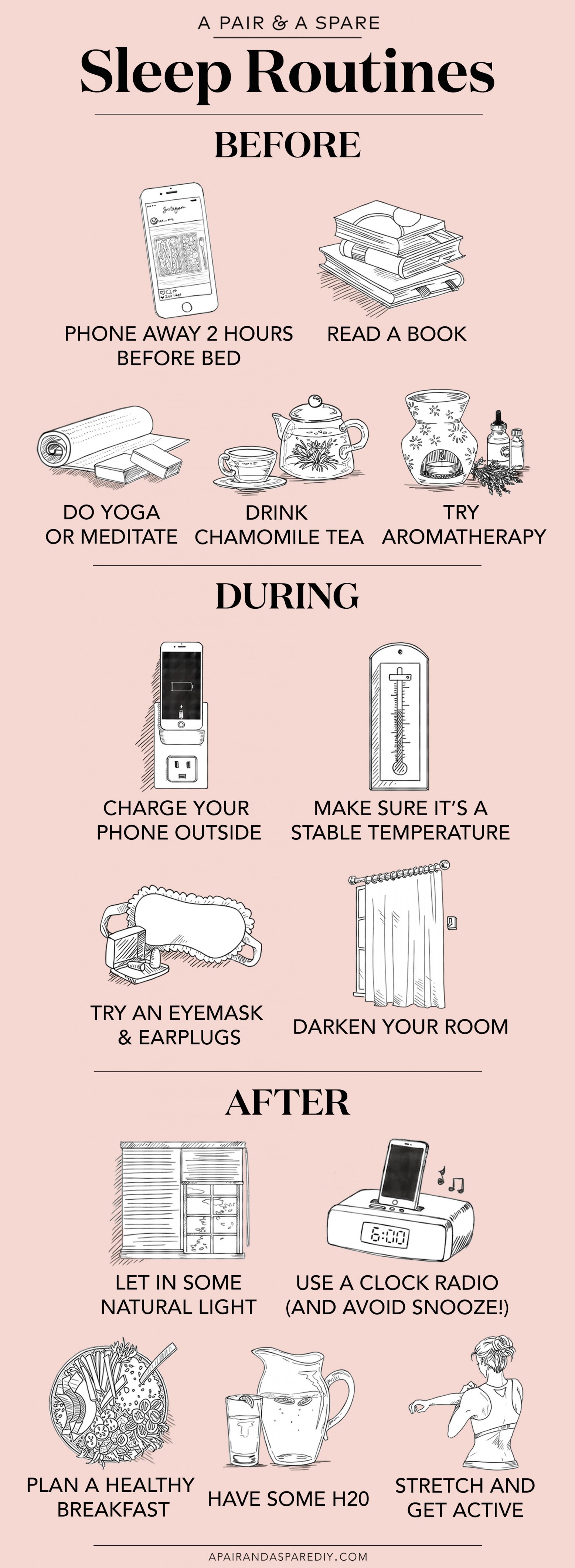 Source: collectivegen
Troubleshooting common sleep disruptions helps you adapt your routine to real-life stressors.
Source: collectivegen
Troubleshooting common sleep disruptions helps you adapt your routine to real-life stressors.
Sample Adjustable Sleep Routines for Busy Adults
These templates are designed to be flexible—adjust the timing to fit your work schedule, family commitments, and personal preferences. For shift workers, simply shift all times to align with your sleep window.
Weekday Routine (Early Riser, 6:30 AM Wake Time)
- 9:00 PM: Dim lights, turn off non-essential screens, and start your wind-down routine.
- 9:30 PM: Do 10 minutes of gentle stretching or read a physical book.
- 10:00 PM: Complete nightly hygiene, prepare your bedroom for sleep, and practice 5 minutes of deep breathing.
- 10:15 PM: Lights out.
Weekday Routine (Night Owl, 8:00 AM Wake Time)
- 10:30 PM: Start wind-down, dim lights, and avoid screens.
- 11:00 PM: Light stretching or reading.
- 11:30 PM: Lights out.
Weekend Routine (Minimal Disruption)
- 10:30 PM: Dim lights and relax (you can stay up 1 hour later than your weekday bedtime if desired).
- 11:00 PM: Lights out.
- 7:30 AM: Wake up (no more than 1 hour later than your weekday wake time), get 10 minutes of sunlight, and eat a balanced breakfast.
The key is to keep your wake time within 1 hour of your weekday schedule, even on weekends, to avoid social jetlag that can ruin your sleep for the rest of the week.
 Source: org
Adjust these templates to fit your work schedule and personal preferences.
Source: org
Adjust these templates to fit your work schedule and personal preferences.
Tracking and Adjusting Your Routine for Long-Term Success
To make sure your routine is working for you, track your sleep patterns for 2 weeks using a simple journal or a reputable sleep tracking app. Note the following details each day:
- Bedtime and approximate time you fell asleep
- Wake time and how refreshed you felt when you woke up
- Caffeine intake (type, amount, time of day)
- Evening activities (exercise, screen use, meals)
- Any nighttime waking or disruptions
- Daytime energy levels and mood
Review your log weekly to spot patterns: for example, if you notice you always have trouble falling asleep after drinking coffee after 2 PM, adjust your caffeine cutoff time. Make small adjustments to your routine (like shifting your bedtime by 15 minutes) every few days if needed, rather than making big changes all at once. Remember that consistency is more important than perfection: a single late night won’t ruin your routine, as long as you stick to your regular wake time the next morning.
 Source: stanford
Tracking your sleep patterns over 2 weeks reveals hidden disruptors to your routine.
Source: stanford
Tracking your sleep patterns over 2 weeks reveals hidden disruptors to your routine.
Practical Lessons From Building Sustainable Sleep Routines
From years of working with adults to build sustainable, low-fuss sleep habits, the most common misstep is trying to overhaul your entire routine in one week. Small, consistent changes stick far better than rigid, all-or-nothing plans. For example, a client struggling with chronic insomnia who fixed their wake time first (even on weekends) and added a 10-minute morning walk saw their sleep onset time drop from 45 minutes to 15 minutes in 10 days—no sleep aids required. Key lessons that apply to almost everyone:
- Start with your wake time before adjusting your bedtime: it’s far easier to shift your bedtime earlier once your body is used to waking up at a consistent time.
- Make one small habit change at a time: don’t try to fix your wind-down, morning routine, and bedroom setup all in the same week. Pick one change, master it, then add the next.
- Be kind to yourself when life interferes: a late night out, a stressful work week, or a sick kid will disrupt your routine sometimes. The goal is progress, not perfection—just get back to your regular wake time as soon as possible to avoid derailing your schedule.
If you have a habit of sleeping with wet hair often, you may notice preventing overnight hair damage like dryness and breakage over time, so adjusting your pre-sleep hair care routine can support both your rest and your hair health. For more guidance on reducing risks of overnight hair damage, review our full guide to safe overnight hair practices.
 Source: thedeepsleepco
Low-intensity stretching or yoga 30 minutes before bed can reduce muscle tension and quiet the mind.
Source: thedeepsleepco
Low-intensity stretching or yoga 30 minutes before bed can reduce muscle tension and quiet the mind.
Frequently Asked Questions
What is the best bedtime for adults?
The best bedtime is the one that allows you to get 7–9 hours of sleep before your fixed wake time. For example, if you need to wake up at 6:30 AM, your ideal bedtime is between 9:30 PM and 11:30 PM. Pick a time that fits your schedule and stick to it as consistently as possible, even on weekends.
How long does it take to form a sleep routine for adults?
Most people see noticeable improvements in sleep quality within 2 to 3 weeks of consistent habit-building. Small, incremental changes (like shifting your wake time by 15 minutes every 2 days) stick far better than trying to overhaul your entire routine in one week. Be patient with yourself: it’s normal to have off days, and consistency over time is what delivers long-term results.
Can naps help or hurt my sleep routine for adults?
Short naps of 20–30 minutes can boost alertness and productivity without disrupting nighttime sleep, as long as you take them before 3 PM. These short, refreshing breaks can help you power through afternoon slumps without interfering with your nighttime sleep drive. Longer naps, or naps taken after 3 PM, can reduce your sleep drive at night and make it harder to fall asleep. If you need to nap, set an alarm to avoid sleeping longer than 30 minutes, and nap in a dark, quiet space to avoid entering deep sleep.
Is it okay to use sleep aids sometimes?
Occasional, short-term use of over-the-counter sleep aids (like melatonin or diphenhydramine) can help with temporary disruptions like jet lag or a stressful work week, but they should never replace healthy sleep habits. Long-term use of sleep aids can lead to dependency and mask underlying sleep issues. If you need regular support for sleep, consult a clinician to rule out underlying conditions and discuss safe, long-term solutions.
How does caffeine affect a sleep routine for adults?
Caffeine has a half-life of 5–6 hours, meaning half of the caffeine you consume at 4 PM is still in your system at 10 PM. This can delay sleep onset, reduce deep sleep, and cause nighttime waking. To minimize disruption, cut off caffeine at least 6 hours before your bedtime, and limit intake to 400 mg (about 4 cups of coffee) per day, as recommended by the FDA.
Conclusion
A consistent sleep routine for adults doesn’t require expensive products or drastic lifestyle changes—just small, intentional habits that work with your body’s natural rhythms. Start with a fixed wake time, build a calming wind-down routine, optimize your bedroom for rest, and adjust your habits based on what works for your body. If you’re dealing with specific sleep disruptors like hair damage from wet hair or uncomfortable bedding, small tweaks to your pre-sleep routine and sleep surface can make a big difference. Pick one small change to test this week, track how you feel after 7 days, and adjust as needed. For more practical tips to optimizing deep, restorative rest and solve common sleep-related annoyances, browse our full library of sleep guides.

Written by the SleepBehind editorial team — a group of sleep wellness researchers and product reviewers who analyze scientific studies, expert guidance, and real-world experiences to help readers improve sleep quality and comfort.