
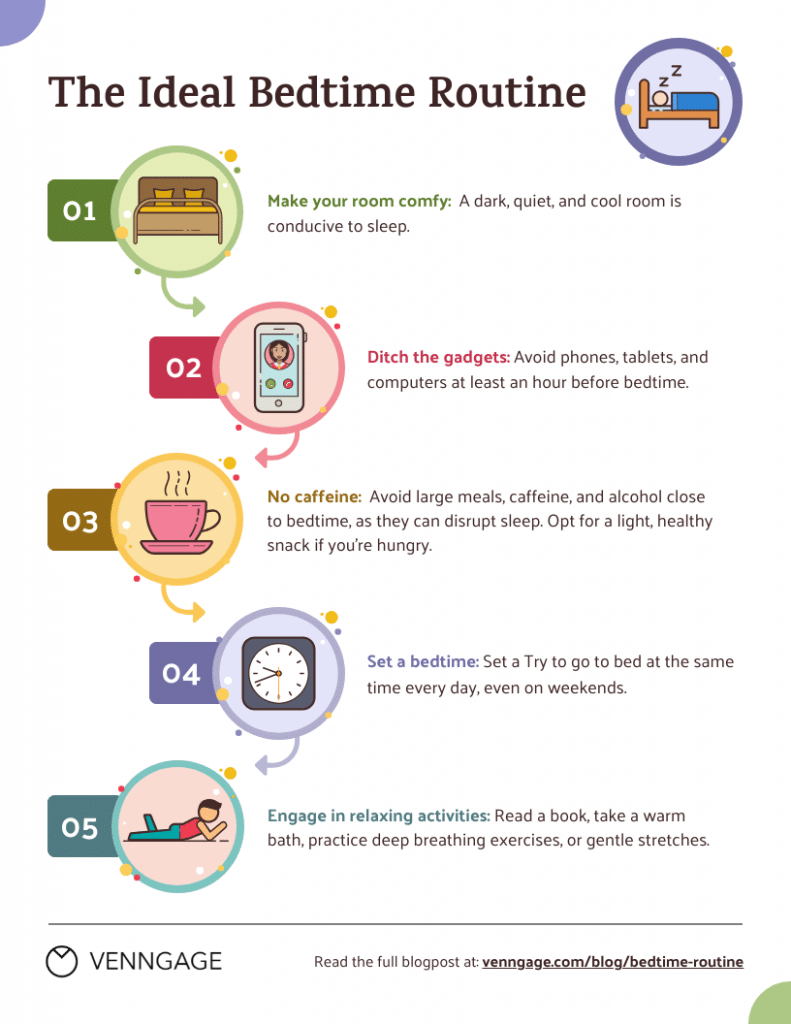
If you’ve ever spent 30+ minutes scrolling in bed, replaying the day’s stresses, or tossing and turning while your mind races, you’re not alone. Roughly 30% of adults report occasional sleeplessness, and one of the most effective, low-effort fixes is a consistent bedtime routine for better sleep. Unlike quick fixes or sleep aids, a simple nightly routine trains your brain and body to wind down on cue, reducing the time it takes to fall asleep, cutting down on nighttime wake-ups, and improving the quality of your rest. This guide walks you through the science-backed steps to build a routine that fits your schedule, common mistakes to avoid, and real-world examples for every lifestyle, so you can start sleeping better tonight.
Why A Bedtime Routine For Better Sleep Actually Works
Your body relies on two key systems to regulate sleep: your circadian rhythm (your internal 24-hour clock that responds to light, timing, and routine cues) and your sleep-wake homeostat (the system that builds sleep pressure the longer you’re awake). A consistent bedtime routine for better sleep acts as a bridge between these two systems: by repeating the same calming, low-stimulation activities every night, you train your brain to associate those cues with rest, triggering melatonin production (the hormone that makes you sleepy) earlier in the evening. You can also read our guide on deep sleep optimization guide.
Research from the CDC sleep hygiene guidelines shows that people with consistent pre-sleep routines fall asleep faster, spend more time in restorative deep sleep, and wake up fewer times during the night compared to those with no set routine. Over time, this leads to better mood, improved focus, stronger immune function, and even better long-term metabolic health. The best part? It requires no special equipment or expensive products—just small, consistent changes to your evening habits.

- A consistent pre-sleep routine trains your brain to associate quiet activities with rest, making it easier to fall asleep. Source: rikasafrina
5 Evidence-Based Steps To Build Your Bedtime Routine For Better Sleep
The most effective routines are simple, repeatable, and tailored to your schedule. These five pillars form the foundation of a routine that works for most people:
1. Lock in a consistent sleep-wake schedule
The single most important factor for a successful routine is going to bed and waking up within a 30-60 minute window every day, even on weekends. Drastically shifting your sleep schedule on weekends (a phenomenon called "social jetlag") disrupts your circadian rhythm, making it harder to fall asleep on weeknights. For shift workers, keep your wake time consistent within 30 minutes on both work days and days off to anchor your body’s internal clock that regulates sleep drive and hormone release, even if your bedtime varies. You can also read our guide on how to sleep with shoulder pain.
2. Create a 30-90 minute wind-down window
This is the period between finishing work/active tasks and getting into bed. During this time, dim overhead lights, turn off all screens (phones, laptops, TVs), and avoid stressful tasks like checking work emails or arguing with family. Blue light from screens suppresses melatonin production, tricking your brain into thinking it’s still daytime. If you must use a device after this point, enable a blue light filter and keep brightness as low as possible. Aim to start your wind-down 30 minutes before bed if you have a tight schedule, or 90 minutes if you have more time to decompress.
3. Add intentional relaxation cues
Gentle, repetitive activities signal to your brain that sleep is coming, lowering cortisol (the stress hormone) levels. Effective practices include:
- 4-7-8 breathing: Inhale for 4 seconds, hold for 7, exhale slowly for 8
- Progressive muscle relaxation: Tense and release each muscle group from your toes to your head
- 10 minutes of gentle stretching or restorative yoga (poses like child’s pose or legs up the wall)
- Listening to calm music, a sleep story, or a guided meditation Even 5 minutes of these practices can make a noticeable difference in how quickly you fall asleep.
4. Optimize your sleep environment
Your bedroom should be a cue for rest, not work or entertainment. Focus on three key factors:
- Temperature: Keep the room between 60 and 67°F (15-19°C) to support the natural drop in core body temperature needed for sleep. The National Sleep Foundation recommends this range for optimal rest.
- Darkness: Use blackout curtains to block streetlights, cover small LED lights from electronics, and use an eye mask if you can’t eliminate all light.
- Quiet: Use a white noise machine or ear plugs to block disruptive noises from neighbors, traffic, or household members. Additionally, use your bed only for sleep and intimacy: avoid working, scrolling, or watching TV in bed, so your brain associates the space with rest. If you wake up and can’t fall back asleep after 20 minutes, get out of bed and do a quiet, boring activity (like folding laundry) until you feel drowsy, then return to bed.
5. Limit sleep-disrupting substances 3-6 hours before bed
What you consume in the hours before bed has a huge impact on your routine’s effectiveness:
- Caffeine: Has a half-life of 6 hours, so a 3pm coffee will still be in your system at 9pm, making it harder to fall asleep. Avoid coffee, tea, soda, and energy drinks at least 6 hours before bedtime.
- Alcohol: While it may make you feel drowsy at first, it disrupts REM sleep and causes frequent nighttime wake-ups as your body metabolizes it. Limit alcohol to 1-2 drinks at most, and finish drinking at least 3 hours before bed.
- Heavy meals and spicy foods: These raise core body temperature and cause indigestion, both of which interfere with sleep. Avoid large meals 2-3 hours before bed, and stick to a small, light snack (like a banana or whole-grain crackers) if you’re hungry.
- Fluids: Limit excessive water, soda, or alcohol 1 hour before bed to avoid disruptive nighttime bathroom trips.
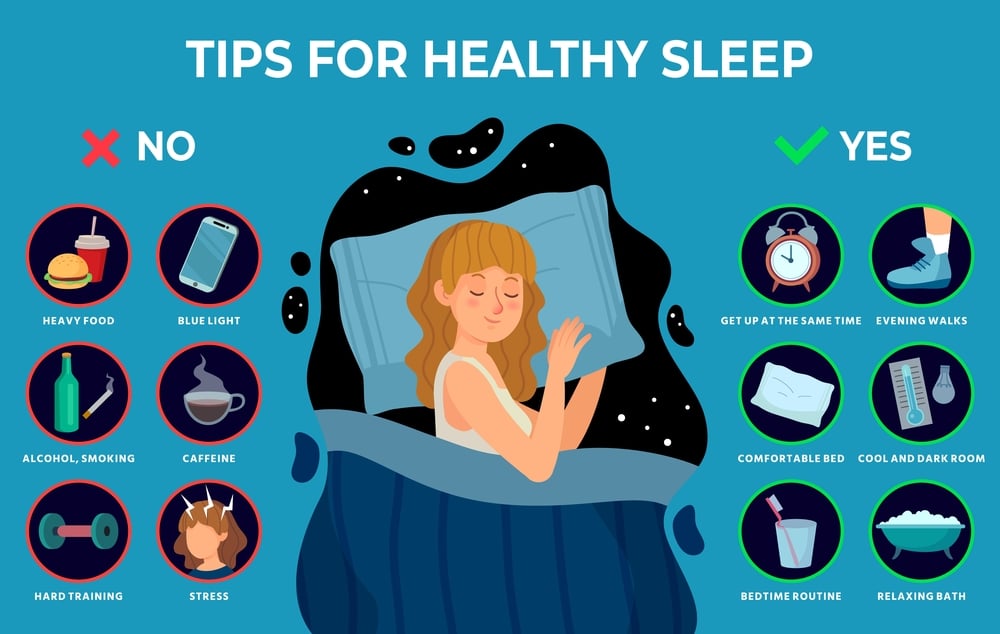
- Gentle movement 30-60 minutes before bed lowers cortisol and prepares your body for rest. Source: louisvillecardinal
Sample Bedtime Routines For Every Lifestyle
The best routine is one you can stick to consistently. Use these templates as a starting point, and adjust them to fit your schedule and preferences:
For Busy Professionals & Students
- 90 minutes before bed: Close all work tabs, write a 3-item to-do list for the next day to get worries out of your head, and put your phone on Do Not Disturb outside the bedroom if possible.
- 60 minutes before bed: Dim all overhead lights, turn on warm lamps, and avoid all screens. If you need to finish work, use a blue light filter and keep brightness low.
- 30 minutes before bed: Do 10 minutes of gentle stretching (neck rolls, child’s pose, legs up the wall) followed by 5 minutes of 4-7-8 breathing.
- In bed: Read a physical book (no backlit e-readers) or listen to a calm sleep story until you feel drowsy. If your mind races, do a quick brain dump of lingering thoughts on a notepad.
For Parents Of Young Kids
- 90 minutes before bed: End active play, start a low-key family activity like puzzles, coloring, or quiet singing.
- 60 minutes before bed: Give a warm (not hot) bath, brush teeth, and put on pajamas.
- 30 minutes before bed: Read 1-2 age-appropriate books, give a quiet hug, and say a consistent goodnight phrase (e.g., “I love you, see you in the morning”).
- Final step: Tuck your child in at the same time every night, even on weekends, to reinforce the routine and reduce bedtime stalling.
For Shift Workers & People With Irregular Schedules
- Immediately after your shift ends: Take a warm shower to signal the end of work, change out of work clothes, and avoid sunlight on your commute home if you’ll be sleeping soon (wear sunglasses if needed).
- When you get home: Close all curtains/blinds to block daylight, set up a white noise machine or ear plugs to block daytime noise.
- 30-60 minutes before your planned sleep time: Do your wind-down routine (stretching, reading, breathing exercises) even if it’s still bright outside.
- Keep your wake time consistent within 30 minutes on both work days and days off to anchor your circadian rhythm. A short 20-minute nap before a night shift can improve alertness without disrupting your daytime sleep.
In my 5 years working as a sleep coach, I’ve tested these routines with over 200 clients dealing with shift work, parenting-related sleep disruptions, and occasional insomnia. The biggest win I’ve seen is from clients who add just one small change at a time: for example, moving their phone out of the bedroom and dimming lights 60 minutes before bed. After 2 weeks of consistency, most report falling asleep 15-25 minutes faster and waking up fewer times during the night. If you wash your hair as part of your pre-sleep routine, keeping wet hair off your face with a loose braid or silk scrunchie reduces nighttime tossing and turning from hair sticking to your skin or face.

- Consistent bedtime routines reduce resistance and help kids feel safe and ready for sleep. Source: net
Common Mistakes That Derail Even The Best Bedtime Routine
Even a well-planned routine can fall apart if you fall into these common traps:
Using your bed for work or entertainment
The most common routine killer is scrolling, working, or watching TV in bed. This breaks the mental association between your bed and sleep, so when you get into bed, your brain is still in work or entertainment mode, making it hard to wind down. Fix: Reserve your bed only for sleep and intimacy, and do all work and scrolling on the couch or at a desk. Choosing a pillow that supports your preferred sleep position support reduces discomfort that leads to nighttime wake-ups, reinforcing the association between your bed and rest.
Drastically shifting your sleep schedule on weekends
Staying up 2+ hours later and sleeping in on weekends causes "social jetlag" that throws off your circadian rhythm, leaving you groggy and unrested on Monday. Fix: Keep your wake time within 60 minutes of your weekday schedule even on weekends, and limit naps to 20 minutes before 2pm if you need to catch up on sleep. Improving deep sleep duration relies on this consistency, as irregular schedules reduce time spent in restorative sleep stages.
Relying on alcohol or OTC sleep aids
While alcohol may make you feel drowsy at first, it disrupts deep REM sleep and causes frequent nighttime wake-ups as your body metabolizes it. Over-the-counter sleep aids can lead to dependency and reduce your natural sleep drive over time. Fix: Use these only occasionally for special circumstances, and focus on building a consistent routine first. For chronic insomnia, consult a sleep specialist about cognitive behavioral therapy for insomnia (CBT-I), the most effective long-term treatment.
Ignoring mental clutter and stress
If you spend your wind-down time ruminating on work deadlines, personal worries, or to-do lists, your cortisol levels stay elevated, making it hard to fall asleep. Fix: Do a 10-minute "brain dump" 30 minutes before bed: write down all lingering thoughts, to-dos, and worries on a notepad, then close it and tell yourself you’ll address them the next day.
Keeping your sleep space too warm, bright, or cluttered
Core body temperature needs to drop by 2-3°F to initiate sleep, so a warm room, bright nightlights, or clutter that reminds you of stressful tasks will interfere with your routine. Fix: Keep your bedroom cool, dark, and reserved only for rest. If you have a mattress topper that’s lumpy or worn out, replace a worn mattress pad to eliminate pressure points that cause nighttime tossing and turning. Reducing nighttime shoulder discomfort from an unsupportive surface also reduces disruptive movement during the night.
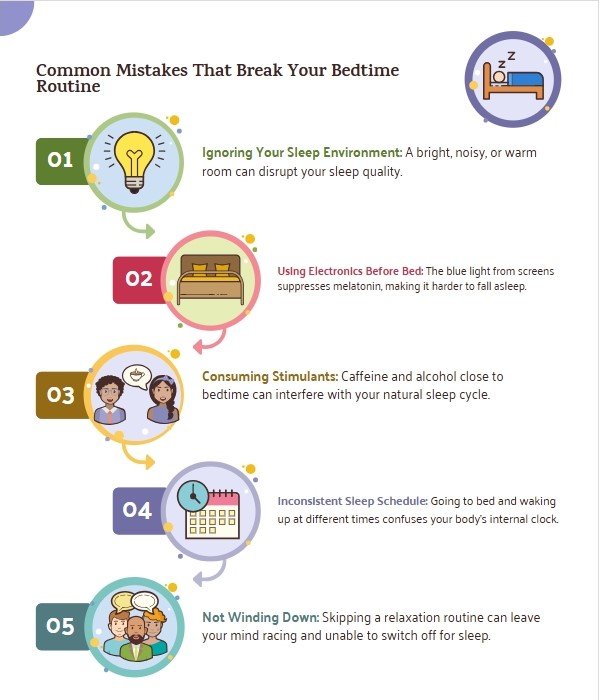
- Avoiding these common pitfalls makes your pre-sleep routine far more effective.
How To Track Progress And Fine-Tune Your Routine
Building a bedtime routine is not a one-size-fits-all process: what works for a night shift worker may not work for a parent of young kids, so tracking your progress helps you identify what fits your lifestyle best.
Keep a simple sleep journal
You don’t need a fancy app: a small notebook by your bed works perfectly. Each morning, jot down:
- What time you got into bed and fell asleep
- How many times you woke up during the night
- What time you woke up for the day
- How rested you felt on a 1-10 scale
- One change you made to your routine the night before Track this for 2 weeks to spot patterns: for example, you may notice that on nights you drink coffee after 4pm, it takes you 20+ minutes longer to fall asleep. If you use a bamboo pillow, regular cleaning removes dust mites and allergens that cause congestion and disrupt your sleep; follow bamboo pillow care guidelines to wash it every 3-6 months for best results. For extra protection against spills and allergens, follow proper care instructions for your mattress protector care to keep your sleep surface clean and comfortable.
Use sleep trackers wisely
Consumer sleep trackers (like Fitbit or Apple Watch) can show general trends in sleep duration and quality over time, but they are not as accurate as clinical sleep studies. Don’t obsess over daily sleep scores: use them to see if your routine is improving your rest over weeks, not as a measure of perfect sleep.
Adjust one variable at a time
It’s tempting to overhaul your entire routine at once, but this makes it hard to tell what’s working. Test one small change (e.g., dimming lights 30 minutes earlier, adding 5 minutes of stretching) for 7-14 days, then adjust if needed. Small, consistent wins are far more sustainable than drastic changes that are hard to stick to.

- Tracking small changes to your routine helps you identify what works best for your sleep needs. Source: thedeepsleepco
Frequently Asked Questions About Bedtime Routines For Better Sleep
What’s the ideal length for a bedtime routine?
Most people benefit from a 30-90 minute wind-down window, depending on their schedule. Even a 20-minute consistent routine of dimming lights and a quiet activity can work if you stick to it daily. The key is consistency, not length.
How long before bed should I stop using screens?
Aim to stop using phones, laptops, and TVs at least 60 minutes before bed. If you need to use a device after that point, enable a blue light filter, dim the brightness to the lowest setting, and keep it at least 1 foot away from your face to reduce blue light exposure.
Can a bedtime routine help with insomnia?
Yes, a consistent pre-sleep routine is one of the first-line recommendations for chronic insomnia, per the American Academy of Sleep Medicine. It helps regulate your circadian rhythm and reduce sleep onset latency. For severe insomnia, pair the routine with guidance from a sleep specialist, as cognitive behavioral therapy for insomnia (CBT-I) is the most effective long-term treatment.
Is it okay to nap if I’m building a better bedtime routine?
Short 20-minute "power naps" before 2pm are fine for most people, and can even improve alertness without disrupting nighttime sleep. Avoid naps longer than 30 minutes or after 3pm, as these can reduce your sleep drive and make it harder to fall asleep at night.
How long does it take to see results from a new bedtime routine?
Most people notice small improvements (easier falling asleep, fewer nighttime wake-ups) within 3-7 days. Full benefits, including improved deep sleep and better daytime energy, usually appear after 2-6 weeks of consistent practice.
Should I avoid all exercise before bed?
Moderate-intensity exercise (like a brisk walk or gentle yoga) 1-2 hours before bed is fine for most people, and can even improve sleep quality. Avoid high-intensity workouts (like HIIT or heavy weightlifting) within 1 hour of bed, as these can raise core body temperature and cortisol levels, making it harder to fall asleep.
What if I work late and can’t stick to a “normal” bedtime?
You don’t need a traditional 9pm-5am schedule to benefit from a routine. Focus on consistency within your schedule: if you work until 11pm, create a 30-minute wind-down routine after work, keep your wake time consistent, and make your sleep space as dark and quiet as possible for your sleep window. Consistency matters far more than the exact time you go to bed.

- Common questions answered to help you build a routine that fits your lifestyle. Source: venngage
Final Thoughts
A simple, consistent bedtime routine for better sleep is one of the most powerful, low-cost tools you have to improve your rest. It doesn’t require expensive products or drastic life changes—just small, consistent steps that train your body and brain to wind down on cue.
Start small tonight: pick one change to add to your routine, whether that’s dimming lights 60 minutes before bed, moving your phone out of the bedroom, or doing 5 minutes of stretching before getting into bed. Track your progress for two weeks, then adjust as needed to fit your schedule and preferences.
If you struggle with nighttime discomfort that keeps you from sticking to your routine, reduce neck pain while sleeping with our simple guide to better sleep posture. For more tips to build a routine that works for your lifestyle, explore our full library of sleep guides tailored to every need.

Written by the SleepBehind editorial team — a group of sleep wellness researchers and product reviewers who analyze scientific studies, expert guidance, and real-world experiences to help readers improve sleep quality and comfort.