If you’re searching for how to sleep after a breakup, you’re not alone: sleep disruption is one of the most common, persistent side effects of romantic loss, often lingering for weeks or even months after the split ends. You might be lying awake replaying fights, wondering "what if," or feeling too heavy with sadness to close your eyes. It’s not just “being sad”—your brain’s stress response goes into overdrive after heartbreak, pumping cortisol and adrenaline that block the melatonin and GABA you need to drift off, while rumination about the relationship hijacks your thoughts the second your head hits the pillow. This guide combines sleep science, clinical mental health guidance, and practical, actionable steps you can implement starting tonight, no fancy products or long-term commitments required. We’ll cover immediate fixes for your first few sleepless nights, long-term routine changes, mental tools to quiet racing thoughts, and signs it’s time to seek professional support. You can also read our guide on why cant i fall asleep fast.
Why Breakups Disrupt Sleep (The Science Behind the Sleeplessness)
First, a quick note: this sleep disruption is not a personal failing. Your body is reacting to emotional pain the same way it would to a physical threat: your amygdala (the brain’s fear and emotion center) activates your fight-or-flight response, releasing stress hormones that keep you in a state of high alert even when you’re safe in bed. At the same time, your brain’s default mode network—the part responsible for self-reflection and memory—gets stuck looping on past fights, "what if" scenarios, and feelings of loss, making it impossible to power down. Research from the American Psychological Association confirms that chronic stress from loss directly disrupts the body’s natural sleep-wake cycle, leading to difficulty falling asleep, frequent nighttime awakenings, and less restorative deep sleep. Understanding this biology is the first step to fixing it: you’re not “bad at sleeping,” your body is just responding to a difficult experience.
Image credit: Business Insider
Immediate, Low-Effort Steps to Try Tonight
The first 1-3 nights after a breakup are often the hardest, when emotions are raw and your routine is completely thrown off. You don’t need to overhaul your entire life to get rest—start with these small, low-effort steps to reduce panic and create a sense of safety:
- Create a simple 30-60 minute wind-down routine you can repeat every night, and avoid any breakup-related content (no scrolling your ex’s social media, no re-reading old texts, no venting to friends right before bed) during this time.
- Avoid screens for 60 minutes before bed to lower alertness; if you must use a device, turn on blue light filters and keep it on the lowest brightness.
- Use a short breathing exercise to activate your parasympathetic nervous system: inhale for 4 seconds, hold for 4 seconds, exhale for 6 seconds, repeat 6 times.
- Keep your bed for sleep only: avoid working, scrolling, or even crying in bed if you can, to train your brain to associate your bed with rest, not distress.
- Set a consistent bedtime and wake time, even on weekends, even if you only managed 4 hours of sleep the night before. No sleeping in to “catch up,” as this will throw off your circadian rhythm even more. These small actions are the first building blocks for how to sleep after a breakup, calming your nervous system and rebuilding the sleep cues your brain relies on. If pre-sleep anxiety is your biggest barrier, these reduce pre-sleep anxiety tips can help calm your mind faster.
 Image credit: Byrdie
Build a Post-Breakup Bedtime Routine That Sticks
Routines are powerful because they send clear signals to your brain that it’s time to shift from high alert to rest mode. The best post-breakup routines are simple, repeatable, and free of triggers that might spike stress. Aim for 30-60 minutes of consistent activity each night:
- Start with a sensory shift: take a warm shower or bath, or do 5 minutes of gentle stretching. The drop in your core temperature after a warm shower mimics the body’s natural sleep signal, making it easier to drift off.
- Dim all overhead lights and use warm-toned lamps only; low light stimulates melatonin production, the hormone that regulates sleep.
- Do a 5-10 minute "brain dump" journal: write down any ruminating thoughts about the breakup, then close the journal and tell yourself you can revisit these thoughts tomorrow, not tonight. You can also write one small win from the day and one thing you’re letting go of to end on a positive note.
- Add calming sensory input: soft instrumental music, white noise, or a guided sleep meditation focused on self-compassion (avoid meditation that asks you to process emotions right before bed, save that for earlier in the day).
- If thoughts are racing, use a grounding exercise like the 5-4-3-2-1 method: name 5 things you can see, 4 you can touch, 3 you can hear, 2 you can smell, and 1 you can taste to pull yourself out of rumination and into the present. Consistency matters more than perfection: if you miss a night, just pick back up the next day. Over time, this routine will become second nature, making it easier to fall asleep faster without frustration even on hard days.
 Image credit: So You've Been Dumped
Optimize Your Sleep Environment for Emotional Safety
Your bedroom should be a neutral, safe space that feels like yours, not a reminder of your past relationship. Small, intentional changes can make a big difference in how restful your sleep is:
- Keep the room cool, between 60–67°F (15–19°C), which is the ideal temperature for deep sleep. If you’re used to sleeping warmer because you shared a bed with a partner, adjust the temperature gradually over a few days to avoid discomfort.
- Block all light with blackout curtains or a comfortable comfortable light-blocking options; even small LED lights from electronics can disrupt melatonin production.
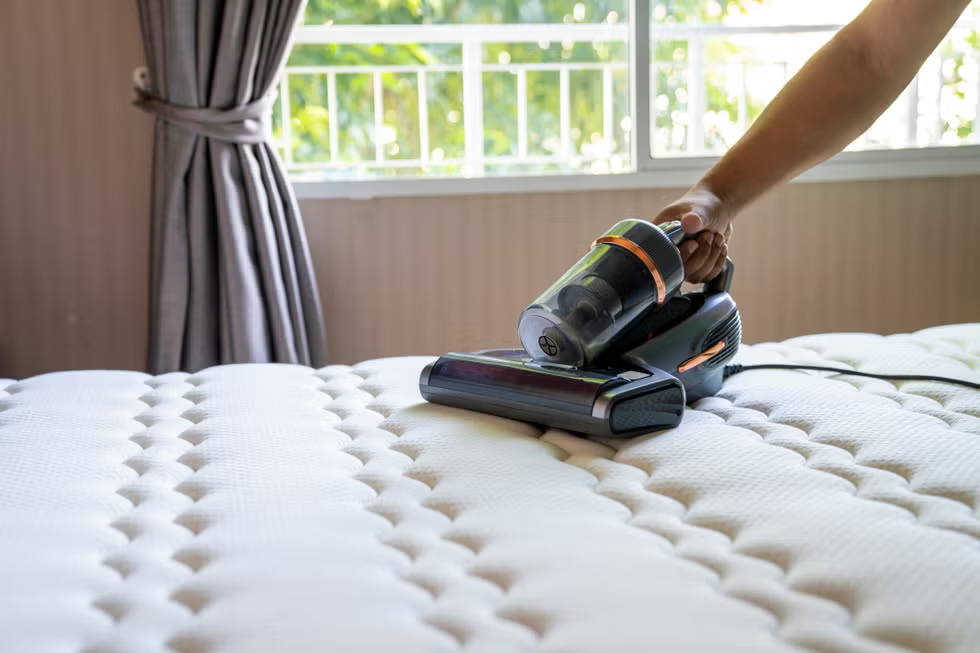
- Upgrade your bedding if it reminds you of your ex: new sheets, a fresh pillow, or even rearranging your furniture can signal to your brain that this is your personal space now. Opt for supportive, easy-to-clean bedding that feels comfortable and familiar, no negative associations attached.
- Remove phones from the bedroom entirely, or place them face down on a dresser across the room to avoid the temptation to scroll late at night.
- Reduce noise with earplugs, a white noise machine, or a fan to block out sudden sounds that might startle you awake. A safe, neutral environment reduces external triggers that might spark rumination, making it easier to relax enough to sleep.
 Image credit: Refinery29
Mental Tools to Quiet Racing Thoughts at Bedtime
Even with a perfect routine and environment, breakup-related rumination can still keep you awake at night. These evidence-based mental tools help you quiet your mind without fighting your feelings:
- Label emotions briefly: when a thought about your ex pops up, say to yourself "I’m having a thought about our last fight" or "I’m feeling sad right now," then gently redirect your attention to your breath. Don’t judge the thought, just acknowledge it and let it pass.
- Use guided imagery: imagine a calm, familiar place that has no association with your ex—like a childhood vacation spot, a local park you visit alone, or a cozy reading nook. List as many sensory details as you can (the smell of the grass, the sound of birds, the feel of the chair) to ground yourself in the image.
- Schedule dedicated "worry time" 2-3 hours before bed: set a timer for 15-30 minutes and write down all your feelings, worries, and thoughts about the breakup. When the timer goes off, close the notebook and tell yourself you’ve processed these feelings for the day, and can revisit them tomorrow if needed.
- Practice progressive muscle relaxation: starting at your toes, tense each muscle group for 5 seconds, then release for 10 seconds, working your way up to your head. This releases physical tension you might not even notice you’re holding from stress. A common mistake people make is trying to push unwanted thoughts away, which only makes them more persistent. These tools don’t erase your feelings—they help you change your relationship to them, so they don’t keep you awake all night. If you find yourself waking up in the middle of the night ruminating, these minimize middle-of-the-night rumination tips can help you get back to sleep faster.
 Image credit: Max Jancar
Habits to Ditch That Are Making Sleep Worse
Many people develop unhelpful coping habits after a breakup that make insomnia worse, even if they feel like they’re helping in the moment. Adjust these one at a time to avoid feeling overwhelmed:
- Limit caffeine after 2pm: caffeine has a 6-8 hour half-life, so even an afternoon coffee can keep you alert and increase anxiety at bedtime.
- Avoid alcohol as a sleep aid: while it might help you pass out quickly, it disrupts deep sleep and REM sleep, leading to lighter, less restful sleep and increased anxiety the next day.
- Avoid late-night vigorous exercise: activity within 3 hours of bed spikes your heart rate and core temperature, making it harder to wind down. Stick to gentle movement like stretching or walking earlier in the day.
- Skip long or late naps: naps over 30 minutes or after 3pm disrupt your circadian rhythm, making it harder to fall asleep at night. If you need a nap, set an alarm for 20 minutes and take it before 2pm.
- Stop scrolling breakup-related content before bed: checking your ex’s social media, reading old texts, or watching movies about breakups spikes cortisol and triggers rumination right when you should be winding down. These changes align with evidence-based sleep hygiene principles from the National Sleep Foundation, which confirm that consistent routines and limited stimulant intake are the most effective non-medical fixes for insomnia. Pairing these habit changes with morning habits that set up better nighttime sleep like morning sunlight exposure and avoiding the snooze button will make your routine even more effective.
 Image credit: Ahead App
Longer-Term Healing: Pairing Sleep Strategies with Emotional Care
Sleep recovery after a breakup isn’t just about fixing your nighttime routine—it’s tied to your overall emotional healing. The two work hand in hand: as you process your grief and build a new routine independent of your ex, your sleep will improve naturally. Try these strategies to support both:
- Stay connected, even when you want to isolate: call a friend, join a local hobby group, or even an online support group for people going through breakups. Social connection reduces stress and keeps rumination in check.
- Practice self-compassion: talk to yourself like you would talk to a friend going through the same thing. You wouldn’t tell them they’re weak for being sad or struggling to sleep, so don’t say that to yourself.
- Build new, small daily rituals that are just for you: a morning coffee walk, a weekly solo movie night, a new plant for your bedroom. These small acts build a sense of normalcy that doesn’t revolve around your past relationship.
- Allow grief to run its course: progress is rarely linear. Some nights you’ll sleep great, some nights you’ll be up all night crying, and that’s okay. The goal isn’t perfect sleep, it’s consistent, restful sleep most nights. Your circadian rhythm plays a huge role in both mood and sleep quality, so prioritizing how your circadian rhythm impacts mood and rest will help you feel more balanced during the day and more rested at night.
 Image credit: Unsplash via Just Therapy LBC
Common Mistakes to Avoid When Trying to Sleep Post-Breakup
Even with the best intentions, it’s easy to fall into habits that make insomnia worse. Avoid these common pitfalls:
- Using alcohol or unregulated substances to fall asleep: while it may help you pass out initially, it disrupts your sleep cycle, leaves you more tired and emotional the next day, and can lead to dependence.
- Obsessively checking your ex’s social media before bed: this spikes cortisol, triggers jealousy or sadness, and keeps your brain activated right when it should be winding down. Use a website blocker during your wind-down routine if you can’t resist the urge.
- Isolating yourself: while it’s tempting to pull away from people, loneliness amplifies stress and makes rumination worse. Even a 10-minute call with a trusted friend can reduce feelings of distress.
- Expecting instant fixes: grief takes time, and sleep recovery is gradual. Don’t punish yourself for bad nights—just go back to your routine the next day.
- Sleeping in for hours to avoid the day: while it’s tempting to stay in bed until noon, this throws off your circadian rhythm, making it harder to sleep the next night and prolonging feelings of lethargy.
When to Seek Professional Support
Self-help strategies work for most people, but sometimes breakup-related insomnia requires extra support. Consider reaching out to a healthcare provider or mental health professional if:
- Your insomnia lasts longer than 4 weeks despite consistent routine and habit changes.
- You experience severe anxiety, frequent panic attacks, or suicidal thoughts.
- Sleep loss is affecting your ability to function at work, school, or in daily life.
- You find yourself relying on alcohol, unregulated supplements, or prescription sleep aids to fall asleep every night. The most effective treatment for chronic insomnia is cognitive behavioral therapy for insomnia (CBT-I), an evidence-based therapy that addresses the thoughts and behaviors keeping you awake. For grief-related rumination, complicated grief therapy or talk therapy can help you process your loss so it no longer takes over your thoughts at bedtime. Seeking help is a sign of strength, not weakness—you don’t have to go through this alone.
 Image credit: Ahead App
 Image credit: Thought Catalog
Frequently Asked Questions
How long will I have trouble sleeping after a breakup?
For most people, sleep improves within 2-4 weeks of implementing consistent sleep hygiene and emotional care strategies. If you have a pre-existing history of anxiety or depression, or if the breakup was particularly traumatic (such as infidelity or the end of a long-term relationship), it may take 1-3 months to see consistent improvement. If sleep issues persist beyond 3 months, schedule an appointment with a healthcare provider to rule out underlying conditions.
Is it okay to use sleep aids after a breakup?
Short-term use of over-the-counter sleep aids (like low-dose melatonin or diphenhydramine) under the guidance of a healthcare provider can help you get rest in the first few weeks after a split, but they are not a long-term solution. Prescription sleep aids carry a risk of dependence and should only be used as directed by a doctor. The most effective long-term fix is combining behavioral changes (like the routine and environment tips above) with therapy to address the root emotional cause of the insomnia.
Can exercise help me sleep after a breakup?
Yes, moderate aerobic exercise (like walking, jogging, cycling, or dancing) for 30 minutes most days of the week has been shown to reduce cortisol, improve mood, and deepen restorative deep sleep. The key is to finish vigorous exercise at least 3 hours before bed, so your body has time to cool down. Even a 10-minute walk after dinner can help reduce rumination and prepare your body for rest. For more tips, check out our guide to boost deep and REM sleep quality with small lifestyle changes.
What if I can’t stop thinking about my ex at night?
This is extremely common, and fighting the thoughts usually makes them more persistent. Try these two steps: first, schedule 15-30 minutes of dedicated "worry time" earlier in the day (not before bed) to write down all your thoughts and feelings about the breakup, so you don’t feel like you have to process them at night. Second, when thoughts pop up in bed, label them ("I’m having a thought about our last fight") and gently redirect your attention to your breath or a grounding exercise. Over time, this trains your brain to stop ruminating at bedtime. If you wake up in the middle of the night with racing thoughts, these minimize middle-of-the-night rumination tips can help you get back to sleep quickly.
Should I change my sleeping environment after a breakup?
Yes, if your current bedroom setup is tied to memories of your ex (like the bed you shared, the nightstand they gave you, or photos on the wall). You don’t have to do a full renovation—small changes like rearranging the furniture, buying new sheets, putting away shared items in a closet, or adding a small plant or piece of art that’s just for you can create a calmer, more neutral space. This signals to your brain that this is your personal space, not a shared one, which can reduce triggering thoughts at bedtime.
Are naps harmful when I’m recovering from a breakup?
Short, 20-30 minute naps before 2pm can be restorative, especially if you’re not sleeping well at night. However, long naps (over 30 minutes) or naps after 3pm can disrupt your circadian rhythm, making it harder to fall asleep at night and leaving you more groggy the next day. If you need to nap, set an alarm so you don’t oversleep, and try to take it in a different room than your bed to avoid weakening the sleep-bed association.
Conclusion
Rebuilding sleep after a breakup is a process of small, consistent steps, not a quick fix. It’s not about “getting over” your loss fast—it’s about giving your body and mind the space they need to process grief while still getting the rest you need to heal and move forward. Focus on the core pillars we covered: a consistent, trigger-free wind-down routine, a sleep environment that feels safe and neutral, mental tools to manage racing thoughts, and intentional emotional care to support your healing. Start small tonight: pick one tip to try, whether it’s a 5-minute brain dump, a 4-7-8 breathing exercise, or putting your phone in another room. You don’t have to implement every strategy at once—small, consistent actions will add up to better sleep and faster healing over time. For more tips on building healthy, restful sleep habits that last long after you’ve healed from your breakup, explore our full library of sleep guides.

Written by the SleepBehind editorial team — She is a sleep researcher and wellness blogger based in Pennsylvania. Passionate about helping people optimize their sleep.