
In 2026, consumers and business buyers are inundated with flash sales, viral hype, and products that promise the world but fail after a single use. Lasting worth is the antidote to this disposable culture: the consistent, reliable benefit that builds trust, loyalty, and long-term satisfaction, whether you’re a small business selling physical goods, a freelancer selling services, or an individual building your personal brand. Unlike short-term, transaction-focused value that fades as soon as a cheaper option appears, lasting worth reduces decision fatigue for customers and drives repeat business for creators. This guide breaks down the proven, actionable framework to build and communicate that worth, using real-world product and strategy examples to illustrate each step.
What Separates Lasting Worth From Short-Term Value?
Short-term value is transactional: it’s the $10 discount that drives a one-time sale, the viral gadget that’s trendy for 3 months, or the generic service that delivers a quick win but no follow-up. It relies on constant new customer acquisition to sustain growth, because it fails to build loyalty. Lasting worth, by contrast, is relational: it’s the $40 shirt that lasts 5 years with proper care, the meal kit service that delivers fresh, consistent ingredients every week, or the finance book that becomes a go-to reference for a decade. It prioritizes consistent, reliable benefit over immediate profit, leading to higher customer lifetime value and lower acquisition costs over time.
The Value: Four Cornerstones framework, a staple for corporate finance teams, formalizes this difference: it teaches leaders to prioritize long-term operational and financial worth over short-term quarterly gains, a practice that applies to businesses of all sizes. Value: Four Cornerstones breaks down how to measure and build that sustainable, long-term value for any organization.
The 4 Core Pillars Of Building Lasting Worth
Lasting worth doesn’t happen by accident. It’s built on four consistent, repeatable pillars that apply to products, services, and personal brands alike.
1. Uncompromising Consistent Quality
The foundation of lasting worth is delivering the same high standard every single time, no exceptions. For physical products, this means durable materials, consistent sizing, and reliable performance. For services, it means meeting deadlines, delivering on promises, and avoiding mistakes.
A common mistake I see small businesses make is cutting corners on quality when demand suddenly spikes – for example, a meal prep service that switches to cheaper chicken cuts when they get a rush of orders, leading to inconsistent meals for customers. That small change erodes trust in weeks, and it’s far harder to rebuild worth than to maintain it from the start. The trade-off of prioritizing consistent quality is higher upfront costs: you may pay more for premium ingredients, stricter quality control, or slower production timelines. But that investment pays off in repeat customers and lower return rates, which increases your long-term profitability far more than cutting corners to save a few dollars per unit.
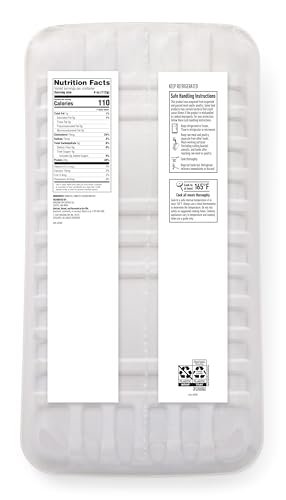
A real-world example of consistent quality is this value-pack chicken breast, which maintains uniform thickness and moisture across packs for reliable meal prep:
 A consistent, lean protein option for meal prep and weeknight dinners
Check the price on Amazon
A consistent, lean protein option for meal prep and weeknight dinners
Check the price on Amazon
The Value Proposition Design book emphasizes that consistent quality is non-negotiable for any lasting value proposition, as it eliminates customer uncertainty and builds predictable trust. Value Proposition Design provides step-by-step tools to test that your product delivers consistent benefit to your target audience before you scale production.
2. Radical Transparency
Hidden fees, vague marketing claims, and buried fine print erode trust faster than any bad product. Lasting worth comes from being upfront about what your product can and can't do, pricing, and limitations.
For example, this 12oz pack of trimmed green beans clearly lists its bag size and notes its short fridge life once opened – no fine print hiding that fact. That lets customers plan their meals accordingly, and trust that the brand isn't overselling the product's shelf life:
 Prepped produce that saves time while delivering consistent quality
Check the price on Amazon
Prepped produce that saves time while delivering consistent quality
Check the price on Amazon
For businesses, this means listing exact ingredients, material sources, warranty terms, and even known flaws upfront. For example, a bamboo pillow brand that clearly states clear care guidance builds more trust than one that hides cleaning requirements, leading customers to feel confident in their purchase for years. As the U.S. Federal Trade Commission outlines in its official marketing guidance, transparency isn't just ethical – it's a core driver of long-term customer loyalty. Customers who feel informed are far more likely to become repeat buyers, even if a cheaper option exists.
3. Alignment With Actual Customer Needs
Too many creators build products based on what's trendy, not what their audience actually struggles with. Lasting worth comes from solving a real, persistent pain point, not a temporary want.
A great example is the Live Your Values decision deck, which solves a common, ongoing pain point: people struggling to align daily choices with long-term goals, instead of chasing short-term rewards. It's not a flashy, trendy self-help product – it's a simple, tactile tool that works for both teams and individual users, which is why it has lasting worth:
 A tactile tool for aligning daily choices with long-term priorities
Check the price on Amazon
A tactile tool for aligning daily choices with long-term priorities
Check the price on Amazon
For businesses, this means doing regular customer research to understand what your audience actually needs, not what you think they want. For example, a sleep brand that creates common sleep hair fixes is addressing a real, common pain point, instead of just selling generic silk pillowcases that don't solve the core issue. Frameworks like the one outlined in HBR's value proposition guide help teams move beyond generic feature lists to articulate concrete customer benefits, rather than guessing what their audience wants.
Another example is this value-pack of pork loin chops, which solves the pain point of needing a quick, versatile weeknight dinner without complicated prep:
 Mild, quick-cooking cuts ideal for weeknight dinners and meal prep
Check the price on Amazon
Mild, quick-cooking cuts ideal for weeknight dinners and meal prep
Check the price on Amazon
4. Long-Term Support And Stewardship
Lasting worth doesn't end at the point of sale. The best brands and creators invest in supporting their customers long after they've paid, to extend the life of their product and build loyalty.
A key example is this guide to reviving Northern Nights feather toppers, which shows how a brand that offers support to extend the life of their product creates massive lasting worth – customers don't have to replace a $200 topper after 2 years, they can refresh it for a fraction of the cost, building loyalty that lasts for years:
 Simple steps to extend the lifespan of a high-value bedding investment
For product brands, this means clear care instructions, warranties, and repair guidance. For example, a mattress protector brand that shares keep protectors effective helps customers get 5+ years of use out of a $50 product, which is far more valuable than a $20 protector that needs to be replaced every year. For service providers, this means checking in with clients after a project is done, offering free advice, or being available for questions. This stewardship turns one-time buyers into lifelong advocates.
How To Communicate Your Lasting Worth To Your Audience
Building lasting worth is only half the battle – you also need to communicate it clearly to your audience, so they understand the long-term benefit of choosing you over cheaper, disposable options.
Lead With Outcomes, Not Features
Customers don't care about your product's features – they care about how it makes their life better. Instead of saying "our chicken drumsticks are bone-in for extra flavor", say "our value-pack drumsticks let you feed a family of 4 for $8, with no extra seasoning needed, saving you 30 minutes of prep time on weeknights". Connect the benefit directly to their daily life.
Another example: this 12oz pack of smokehouse bacon isn't just a high-fat meat product – it's a small-format, high-flavor option that adds smoky depth to dishes with just 1 slice, reducing food waste and boosting meal quality for small households:
 A small-format, high-flavor option for adding smoky depth to meals
Check the price on Amazon
A small-format, high-flavor option for adding smoky depth to meals
Check the price on Amazon
Use Honest, Verifiable Social Proof
Don't just post generic 5-star reviews – highlight proof of longevity. For products, share specific examples like "85% of our chicken value pack customers reorder within 3 months" or "our finance book has been used in 12 university business courses as a core text". For services, share client testimonials that talk about long-term results, not just one-time wins.
Avoid fake or exaggerated testimonials – honest, specific proof is far more convincing. For example, a hair care brand that shares real customer stories about how their silk pillowcase reduced frizz after 6 months of use is more trustworthy than a generic "best ever" claim. For individuals building personal worth, sharing straight hair overnight tips that have been tested and approved by your audience builds trust far more than vague self-help advice.
Be Upfront About Trade-Offs
No product is perfect, and hiding flaws erodes trust. If your product has a limitation, say so, and give a tip to work around it. For example, the chicken breast fillets note that thin cuts can dry out if overcooked, and suggest marinating or cooking at a lower temperature to avoid that. That honesty makes customers trust you more, because they know you're not overselling.
A common mistake is only posting positive reviews – sharing how you address customer concerns (like "our shaved Brussels sprouts have a shorter fridge life once opened, so we recommend using them within 3 days for best crispness") actually increases perceived worth, because it shows you care about the customer experience even after the sale:
 Pre-sliced produce that cuts prep time for sides and salads
Check the price on Amazon
Pre-sliced produce that cuts prep time for sides and salads
Check the price on Amazon
Avoid Hype And Superlatives
Words like "game-changer", "revolutionary", "best ever" are meaningless to customers, and often turn them off. Use specific, concrete language instead. Instead of "our bacon is the most flavorful", say "our smokehouse bacon has a 12-hour hickory smoke infusion that adds bold flavor to dishes with just 1 slice". Specific claims are easier to verify, and feel far more trustworthy. As the FTC's marketing guidelines emphasize, unsubstantiated superlatives can lead to regulatory penalties and lost customer trust, so stick to verifiable, specific benefits.
Common Mistakes That Destroy Lasting Worth (And How To Avoid Them)
Even well-intentioned creators can accidentally erode their worth with small, avoidable mistakes. Avoid these pitfalls to build long-term trust:
- Cutting corners on quality to lower prices: If you reduce portion sizes or use cheaper ingredients to save money, customers will notice quickly, and your worth will drop. Instead, be transparent about price increases if your costs go up – most customers will understand if you explain why.
- Overpromising and underdelivering: It's better to underpromise and overdeliver than the reverse. If you say your product will arrive in 3 days, and it arrives in 2, that's a win. If you say 3 days and it takes 5, that's a loss of trust.
- Ignoring customer feedback: Lasting worth requires adapting to customer needs over time. If 30% of your customers say your chicken thighs are too fatty, consider offering a leaner option, or adjusting the packaging to note the fat content for diet-focused customers.
- Focusing only on new customers: Repeat customers are 5x more valuable than new ones, so invest in retaining them with loyalty programs, care guidance, and excellent support, instead of spending all your budget on acquiring new buyers.
How To Measure If Your Worth Is Lasting
How do you know if you're building lasting worth, not just short-term hype? Track these key metrics to gauge your progress:
- Repeat customer/purchase rate: If 40%+ of your customers buy again, that's a strong sign of lasting worth.
- Customer lifetime value (CLV): If your CLV is 3x your customer acquisition cost, that means customers see enough worth to keep coming back.
- Net Promoter Score (NPS): If customers are willing to recommend you to others, that's a sign of lasting trust.
- Review sentiment: If reviews consistently mention reliability, consistency, and long-term satisfaction, that's a sign of lasting worth, not just short-term excitement.
Frequently Asked Questions
What is the difference between value and worth?
Value is often transactional, focused on price or immediate benefit, while worth is the long-term, consistent benefit that builds trust and loyalty. Lasting worth is the combination of reliable quality, transparency, and alignment with customer needs that keeps people coming back.
How do I build lasting worth for my small business?
Start by auditing your current product or service against the 4 core pillars: consistent quality, transparency, alignment with needs, and long-term support. Fix any gaps, then communicate your benefits clearly using social proof and honest claims, rather than hype.
Can lasting worth apply to personal career value?
Absolutely. Lasting career worth comes from consistently delivering high-quality work, being transparent with colleagues and clients, aligning your work with your team's goals, and supporting others long after a project ends. This builds a reputation as a reliable, high-worth professional.
How long does it take to build lasting worth?
It varies, but most businesses and individuals see measurable gains in trust and loyalty within 6–12 months of consistently delivering on promises. Lasting worth compounds over time, so the longer you stick to the core pillars, the more valuable you become to your audience.
Is lasting worth the same as brand loyalty?
Lasting worth is the foundation of brand loyalty. Loyalty is the result of consistently delivering lasting worth over time. You can't have loyalty without first building worth.
Final Takeaway
Lasting worth isn't a marketing trick or a short-term hack – it's a commitment to delivering consistent, reliable benefit to your audience, and being transparent about what you offer. In 2026, as customers are more savvy and overwhelmed than ever, the brands and individuals who prioritize lasting worth over short-term hype will win long-term loyalty and growth. Whether you're selling value-pack grocery staples, finance education, or decision-making tools, the same pillars apply: consistent quality, radical transparency, alignment with real needs, and long-term support. Start small this week: audit one part of your offering, add clearer care instructions to your product listings, or follow up with a past customer to see how your work helped them long-term. Small, consistent actions build lasting worth over time.
For more actionable guides to building trust and value for your audience, explore our full library of resources on product stewardship, customer alignment, and long-term brand growth.
Related Resources
If you're looking to build lasting worth for your sleep and bedding products, these guides offer actionable steps to extend product lifespan and communicate value to customers:
Compare two popular mattress options to find lasting sleep comfort
Sweetnight CoolNest Vs Sweetnight Queen Mattress: Verdict
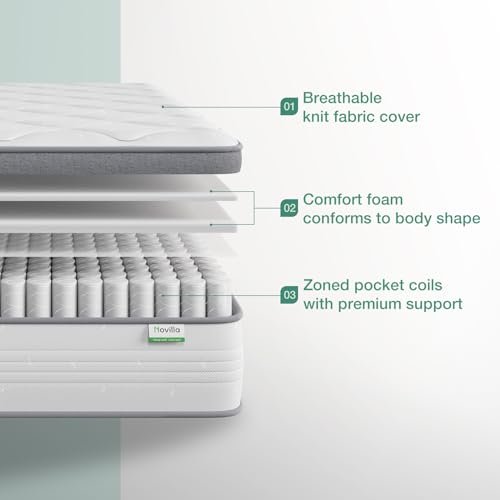 A detailed guide to choosing a durable, long-lasting mattress
Novilla King Mattress 14 Inch Vs King Size 14 Inch: Guide
A detailed guide to choosing a durable, long-lasting mattress
Novilla King Mattress 14 Inch Vs King Size 14 Inch: Guide
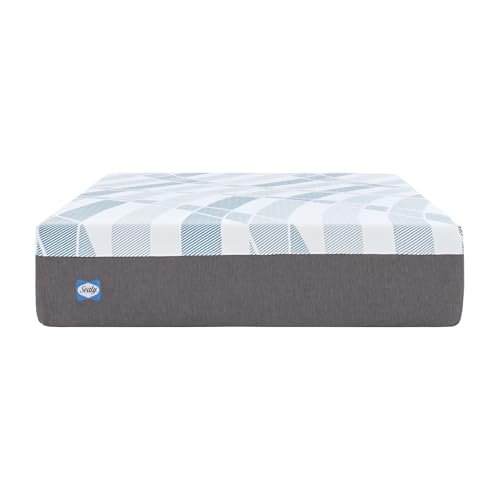 Evaluate foam and hybrid options for long-term sleep support
Sealy Dreamlife 14 Foam Mattress-In-A-Box Vs Hybrid: Review
Evaluate foam and hybrid options for long-term sleep support
Sealy Dreamlife 14 Foam Mattress-In-A-Box Vs Hybrid: Review

Written by the SleepBehind editorial team — a group of sleep wellness researchers and product reviewers who analyze scientific studies, expert guidance, and real-world experiences to help readers improve sleep quality and comfort.