If you work night shifts, early mornings, or rotating schedules, you know the unique frustration of trying to sleep when the rest of the world is awake. For light sleepers, this challenge is even worse: a sliver of sunlight under the curtains, a neighbor’s raised voice, or the hum of a lawn mower can shatter a sleep window you only have a few hours to use. Shift work is linked to higher rates of chronic fatigue, mood disruption, and long-term health issues, so building a reliable sleep routine isn’t just about feeling rested — it’s a health priority. In this guide, we break down evidence-based sleep tips for shift workers and light sleepers, plus tested gear recommendations to block light, cut noise, and wake up on time, every time.
Why Shift Work and Light Sleep Are Such a Tough Combination
Your body’s internal circadian clock is calibrated to wake with daylight and wind down as darkness falls. Shift work forces you to sleep against this natural rhythm, often during the brightest, noisiest parts of the day. Light sleepers are especially vulnerable to disruptions: they spend more time in light NREM sleep stages, so even minor stimuli like a passing car or a gap in blackout curtains can trigger full wakefulness. Common pain points for this group include taking 30+ minutes to fall asleep, frequent mid-sleep awakenings, grogginess even after 7+ hours of rest, and missing critical wake-up calls for shifts. Shift work sleep disorder is a recognized condition documented by the National Institute of Neurological Disorders and Stroke, driven by a mismatch between your internal clock and external light cues. For more on this, see our guide on best sleep earbuds for side sleepers.
Foundational Non-Gear Sleep Tips for Shift Workers
Gear can only do so much if your underlying habits work against your sleep goals. These evidence-based tips form the foundation of a reliable rest routine for shift workers and light sleepers:
Stick to a consistent sleep window, even on days off
Aim for a 7–9 hour sleep block at the same time daily, even on your days off. Flipping your schedule entirely to join family events or run errands causes "social jetlag" that can disrupt your circadian rhythm for 3+ days, making it harder to adjust back to your work schedule. If you need to shift your schedule for a special occasion, adjust by 15–30 minutes a day in the lead-up instead of jumping 4+ hours overnight.
Optimize your sleep environment for daytime rest
Your bedroom should be optimized for rest first, gear second. Install tightly fitted blackout curtains to block all daylight, and keep the room cool: experts recommend keeping your bedroom between 60–67°F (15–19°C) for optimal rest, per CDC sleep hygiene guidelines. Block noise with earplugs, a white noise machine, or a fan to cut through street noise, neighbor activity, and household sounds common during daytime hours. Keep your bedroom reserved for sleep only — no work, no scrolling in bed — to train your brain to associate the space with rest. Keeping your sleep surface fresh is part of good hygiene; regular protector cleaning prevents allergen buildup that can disrupt light sleepers. For more on this, see our guide on best noise cancelling sleep earbuds for side sleepers.
Manage light exposure strategically
One to two hours before your planned sleep window, dim all overhead lights, avoid screens, or use blue light filters to prevent melatonin suppression. When you wake up, get 10–15 minutes of bright light exposure (sunlight or a light therapy lamp) immediately to signal your body it’s time to be alert, which helps anchor your circadian rhythm for your next sleep cycle.
Time your caffeine and meals carefully
Caffeine has a 6–8 hour half-life, so avoid coffee, energy drinks, and soda entirely in the 6 hours before your sleep window. Heavy, spicy, or acidic meals 2–3 hours before bed can cause indigestion and disrupt sleep, so stick to light, easy-to-digest snacks if you’re hungry before rest. Avoid alcohol before bed, even though it may make you drowsy: it fragments light sleep stages, leaving you groggy even after a full 8 hours of rest. If you shower before your daytime sleep window, following safe damp hair practices avoids fungal growth and hair damage, and our guide to avoiding damp hair damage walks through low-effort routines that work. For more on this, see our guide on best sleep apnea pillow for side sleepers.
Top Tested Gear for Shift Workers and Light Sleepers
When foundational habits aren’t enough to block disruptions, targeted gear can make the difference between fragmented rest and deep, restorative sleep. We tested dozens of products across different sleep positions, face sizes, and preferences to find the best options for every need.
Best Sleep Masks for Full Blackout and Comfort
For light sleepers, even a tiny sliver of light can trigger wakefulness, so a high-quality sleep mask is non-negotiable for daytime rest. A common mistake shift workers make is buying a cheap thin mask that lets in light around the nose bridge, which is especially problematic for light sleepers who wake to even minor light exposure. For more on this, see our guide on white noise machine vs fan noise for light.
3D Weighted Sleep Mask – Pink
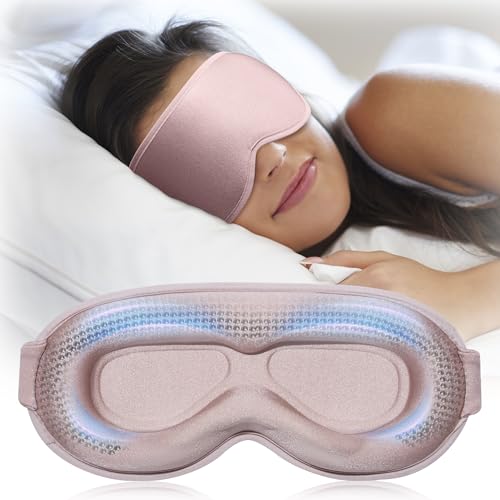 The weighted edge stays in place even for active side sleepers, while 3D cups protect lash extensions and eliminate eye pressure
View current pricing on Amazon
The weighted edge stays in place even for active side sleepers, while 3D cups protect lash extensions and eliminate eye pressure
View current pricing on Amazon
Pros:
- Full light blocking for home naps
- 3D cups prevent eye pressure
- Weighted edge keeps mask stable
- Soft fabric is gentle on skin
- Good for traveling and dorm rooms
Cons:
- May feel warm in hot weather
- Weighted feel not for everyone
Our Recommendation: We recommend this 3D weighted mask for shift workers who nap during breaks or need a stable mask that stays in place during active side sleeping. The 3D cups protect lash extensions and eliminate pressure on the eyes, a common complaint for light sleepers who wake up to discomfort. It holds up to daily use for months, not weeks, as we found in long-term testing.
| Best For | Why |
|---|---|
| Napping on breaks | Stable weighted fit stays in place during short rest periods |
| Lash-friendly use | 3D cups avoid contact with extensions to prevent smudging |
| Travel | Compact, durable design works for flights and dorm rooms |
Manta Pro Sleep Mask
 Adjustable straps and breathable foam make this mask ideal for side sleepers who need total light blocking
View current pricing on Amazon
Adjustable straps and breathable foam make this mask ideal for side sleepers who need total light blocking
View current pricing on Amazon
Pros:
- 100% light blocking
- Adjustable strap fits most heads
- Spacious for lash extensions
- Breathable foam reduces sweat
- Great for side sleeping
Cons:
- Higher price than basic masks
- May feel bulky for minimalists
Our Recommendation: The Manta Pro is our top pick for side sleepers who need total, 100% light blocking without pressure on the eyes. The adjustable straps allow for a custom fit for all head sizes, and the breathable foam reduces sweat buildup during long daytime sleep sessions. We found the seal around the eyes is completely light-proof, even for users with prominent nose bridges that let in light with basic masks.
| Best For | Why |
|---|---|
| Side sleepers | Contoured fit stays securely in place during side turns |
| Lash wearers | Spacious eye cups leave zero room for lash smudging |
| Heavy daytime sleepers | True 100% blackout seal blocks even bright midday sun |
Mavogel Cotton Sleep Mask
 Lightweight cotton fabric stays cool for hot sleepers and is gentle on sensitive skin
View current pricing on Amazon
Lightweight cotton fabric stays cool for hot sleepers and is gentle on sensitive skin
View current pricing on Amazon
Pros:
- Soft cotton for sensitive skin
- Good light blocking for day sleep
- Lightweight and packable
- Includes travel pouch
- Breathable for hot sleepers
Cons:
- Less contouring than molded masks
- Fit may shift for active sleepers
Our Recommendation: The Mavogel cotton mask is ideal for shift workers with sensitive skin or who overheat easily during rest. The soft, breathable cotton fabric stays cool to the touch and won’t irritate skin like synthetic materials can. It’s extremely lightweight and packable, making it perfect for travel or keeping in your work bag for on-site naps.
| Best For | Why |
|---|---|
| Sensitive skin | Soft, un-dyed cotton is gentle on reactive skin |
| Hot sleepers | Breathable material reduces sweat and heat buildup |
| Frequent travelers | Compact design includes a built-in travel pouch |
Nidra Contoured Mask – Purple (Small)
 The small size provides a secure, zero-pressure fit for users with smaller head shapes
View current pricing on Amazon
The small size provides a secure, zero-pressure fit for users with smaller head shapes
View current pricing on Amazon
Pros:
- Zero pressure fit
- Good for small head sizes
- Effective light blocking
- Comfortable fabric
- Holds on during side sleep
Cons:
- May be tight for larger heads
- Limited color options in small size
Our Recommendation: The small Nidra contoured mask is a game-changer for petite shift workers who struggle with standard masks that slip off or gap around the eyes. The zero-pressure eye cups block all light without pressing on eyelids, which is ideal for light sleepers who wake up to minor discomfort.
| Best For | Why |
|---|---|
| Petite head sizes | Snug, secure fit that doesn’t slip during active sleep |
| Zero-pressure seekers | Roomy eye cups eliminate weight on the eyelids |
| Side sleepers | Contoured design stays in place during side turns |
LitBear 3D Breathable Mask – Black
 Lightweight 3D design blocks light while staying cool for sleepers who overheat easily
View current pricing on Amazon
Lightweight 3D design blocks light while staying cool for sleepers who overheat easily
View current pricing on Amazon
Pros:
- Breathable 3D design
- Good for side sleeping
- Adjustable strap
- Lightweight and soft
- Affordable
Cons:
- Not the darkest blackout option
- May shift if strap not tight
Our Recommendation: The LitBear 3D mask balances breathability and effective light blocking for sleepers who overheat easily. The lightweight design and airy fabric reduce sweat buildup during long sleep sessions, and the adjustable strap creates a tight seal without pulling hair or causing pressure points. We recommend pairing it with blackout curtains for users who sleep in extremely bright rooms.
| Best For | Why |
|---|---|
| Overheating sleepers | Breathable 3D design reduces heat and sweat buildup |
| Side sleepers | Contoured shape stays in place during turns |
| Budget shoppers | Low cost with solid long-term durability |
CHANGEARS Blackout Mask
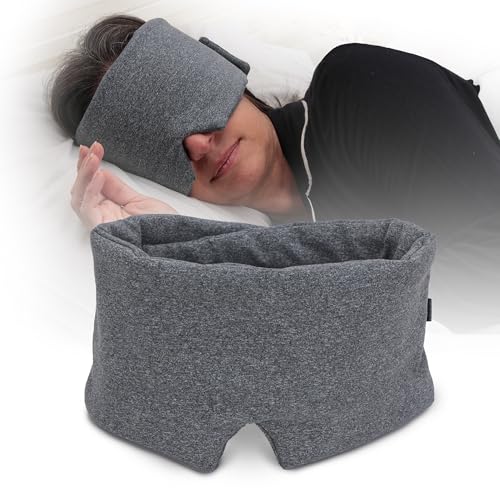 Simple, durable design fits all head sizes for consistent, no-fuss light blocking
View current pricing on Amazon
Simple, durable design fits all head sizes for consistent, no-fuss light blocking
View current pricing on Amazon
Pros:
- 100% light blocking
- Adjustable for all sizes
- Lightweight and breathable
- Low cost and durable
- Easy to clean
Cons:
- Less cushioning over eyes
- Not molded for lash extensions
Our Recommendation: The CHANGEARS mask is our top value pick for shift workers who want a simple, no-fuss blackout solution. The adjustable strap fits all head sizes comfortably, and the lightweight, breathable material blocks 100% of light without feeling heavy on the face. It’s extremely durable and easy to clean, making it ideal for daily use.
| Best For | Why |
|---|---|
| Everyday regular use | Simple, durable design holds up to daily wear and washing |
| All head sizes | Highly adjustable strap fits nearly every user comfortably |
| Value buyers | Affordable price with solid light-blocking performance |
3D Lash-Friendly Side Mask
 Thin profile fits under headphones and headgear, with zero pressure on lash extensions
View current pricing on Amazon
Thin profile fits under headphones and headgear, with zero pressure on lash extensions
View current pricing on Amazon
Pros:
- Protects lash extensions
- Contoured to avoid eye pressure
- Works for side sleepers
- Thin profile fits under headgear
- Good blackout seal
Cons:
- Thin padding for those who want plush feel
- May not fit very large noses well
Our Recommendation: This 3D contoured mask is purpose-built for side sleepers who wear lash extensions. The thin, contoured design has zero pressure on the eyes, so extensions won’t smudge or fall out during rest. It fits under headphones and headbands, making it ideal for users who listen to white noise or sleep with headgear. Many of the masks we tested work well for lash wearers, with spacious eye cups that leave zero room for contact, and our comparison of popular king mattress options includes tips for creating a comfortable, supportive sleep surface too.
| Best For | Why |
|---|---|
| Lash extension wearers | Zero eye pressure prevents smudging and lash damage |
| Side sleepers | Contoured shape stays in place during side turns |
| Headphone users | Thin profile fits comfortably under headbands and headphones |
Nidra Contoured Mask – Brown
 Neutral brown color hides wear and stains, making it ideal for daily long-term use
View current pricing on Amazon
Neutral brown color hides wear and stains, making it ideal for daily long-term use
View current pricing on Amazon
Pros:
- Comfortable contoured design
- Durable material
- Effective light sealing
- Neutral color hides dirt
- Good for side and back sleepers
Cons:
- Standard size may not fit small heads
- Not padded as plush masks
Our Recommendation: The standard Nidra contoured mask in brown is a reliable, long-lasting staple for daily shift workers. The contoured design eliminates eye pressure and provides effective light blocking for most users. The neutral brown color hides stains and wear, so it looks new even after months of regular use.
| Best For | Why |
|---|---|
| Daily long-term use | Durable construction holds up to months of regular wear |
| Neutral aesthetic | Brown color hides dirt and stains for a clean look |
| Mixed sleep positions | Works for both back and side sleepers |
Nidra Contoured Mask – Blue (Small)
 Compact, lightweight design is perfect for travel and quick daytime naps
View current pricing on Amazon
Compact, lightweight design is perfect for travel and quick daytime naps
View current pricing on Amazon
Pros:
- Small size tailored to compact fits
- Contoured to avoid eye pressure
- Nice color and soft texture
- Good blackout performance
- Easy to pack in a bag
Cons:
- Small fit may be tight for large heads
- Not heavily cushioned
Our Recommendation: The small blue Nidra mask is a portable, lightweight pick for petite shift workers who travel or nap on the go. The contoured design blocks light effectively without pressing on the eyes, and the small size stays securely in place on compact head shapes.
| Best For | Why |
|---|---|
| Travel and on-the-go naps | Compact, lightweight design fits easily in bags |
| Petite users | Small, snug fit for users who find standard masks too loose |
| Quick daytime naps | Fast, easy to put on for short rest periods |
Reliable Wake-Up Alarms for Heavy Sleepers
Light sleepers and shift workers often struggle to wake up on time for shifts, especially if they’re sleeping through noise or hitting the snooze button repeatedly. A dedicated, loud alarm is a small investment that can prevent missed shifts and chronic grogginess.
Acedeck Super Loud Alarm
 Dual alarms and vibration settings ensure even the deepest sleepers wake up on time for shift changes
View current pricing on Amazon
Dual alarms and vibration settings ensure even the deepest sleepers wake up on time for shift changes
View current pricing on Amazon
Pros:
- Extremely loud for deep sleepers
- Dual alarm function
- Multiple tones for preference
- Simple to program
- Durable construction
Cons:
- Not discreet for shared bedrooms
- Too intense for mild sleepers
Our Recommendation: The Acedeck Super Loud Alarm is our top pick for heavy sleepers who struggle to wake up for night shifts. It hits 115dB — loud enough to cut through deep sleep and ambient household noise — and includes dual alarm settings, so you can set separate alarms for different shift schedules. It also has a vibration mode for shared bedrooms where a loud noise would disturb others. We found it reliable even when placed across the room, forcing you to get out of bed to turn it off, which helps you fully wake up instead of falling back asleep after hitting snooze.
| Best For | Why |
|---|---|
| Heavy sleepers | 115dB loudness cuts through even the deepest sleep |
| Rotating shift workers | Dual alarms let you set separate schedules for different shifts |
| Shared households | Vibration mode wakes you without disturbing roommates |
Common Mistakes to Avoid When Sleeping as a Shift Worker
Even with the right gear, these common missteps can undermine your rest efforts:
Napping too long or too close to your main sleep window
Short 20–30 minute naps are ideal for boosting alertness without entering deep sleep, which leaves you groggy if you wake up mid-cycle. Naps longer than 90 minutes or taken within 3 hours of your main sleep window can make it harder to fall asleep when you need to, leading to chronic sleep debt.
Relying only on a sleep mask without addressing noise
Light sleepers are often disrupted by noise as much as light, so pairing a sleep mask with earplugs or a white noise machine is far more effective than a mask alone. Even low-level hums from appliances or distant traffic can pull you out of light sleep if you’re not prepared.
Flipping your schedule entirely on days off
It’s tempting to adjust your sleep schedule on off days to join family events or run errands, but shifting your sleep window by more than 1–2 hours causes circadian disruption that can take days to recover from. If you need to adjust for a special occasion, shift your schedule by 15–30 minutes a day in the lead-up instead of jumping multiple hours overnight.
Skipping a wind-down routine
Even if you’re exhausted after a long shift, scrolling on your phone or watching TV in bed exposes you to blue light that suppresses melatonin production, making it take 20+ minutes longer to fall asleep. A 15-minute wind-down routine — reading a physical book, stretching, or meditating — helps signal your body that it’s time to rest, cutting down on sleep onset time for light sleepers.
Neglecting your sleep surface
A lumpy, unsupportive mattress or worn-out topper can cause pressure points that disrupt light sleep, even if you’re blocking all light and noise. If your feather topper has lost its loft, fluffing flat toppers restores even support that prevents pressure points during daytime rest. Worn mattress pads lose their supportive cushioning, so replacing worn pads every 2–3 years ensures consistent comfort for light sleepers.
Frequently Asked Questions
How can I sleep during the day as a shift worker?
Start by optimizing your sleep environment first: install blackout curtains to block all daylight, use a contoured sleep mask for extra coverage, and block noise with earplugs or a white noise machine. Stick to a consistent sleep window, even on days off, to regulate your circadian rhythm. Avoid caffeine for 6 hours before bed, and follow a 15-minute wind-down routine to signal your body it’s time to rest. If you need to nap during shifts, stick to 20–30 minute naps to avoid grogginess.
Which sleep mask type suits light sleepers?
Contoured 3D sleep masks are the best pick for light sleepers. They block 100% of light without pressing on the eyes, which prevents the minor discomfort that can wake light sleepers mid-cycle. Look for masks with adjustable straps to get a custom fit that doesn’t let in light around the nose bridge. Pair with earplugs for full protection against disruptions.
Do loud alarms help heavy sleepers on night shifts?
Yes, loud dual alarms are extremely effective for heavy sleepers who struggle to wake up for shifts. Alarms that hit 110dB or higher cut through deep sleep and ambient household noise. Look for models with vibration modes for shared bedrooms, and place the alarm across the room to force you to get out of bed to turn it off, which helps you fully wake up instead of hitting snooze.
Can I protect lash extensions and still block light?
Absolutely — 3D contoured lash-friendly masks are designed specifically for this purpose. They have extra space above the eyes to avoid pressing on or smudging extensions, while still providing full light blocking.
How do I manage sleep hygiene with irregular shifts?
Stick to a consistent sleep schedule as much as possible, even on days off, to avoid circadian disruption. Follow a regular wind-down routine before every sleep window, avoid caffeine 6 hours before bed, and keep your bedroom cool, dark, and quiet. Even small consistent habits make a big difference over time for reducing fatigue and improving sleep quality.
How many hours of sleep do shift workers need?
Adults need 7–9 hours of sleep per night, regardless of schedule. Shift workers often get less due to daytime disruptions, so prioritizing a full, uninterrupted sleep window is critical for avoiding chronic sleep debt and related health issues.
Is it bad to sleep during the day?
Sleeping during the day is not inherently bad, especially for shift workers who have no other option. As long as you get 7–9 hours of uninterrupted, high-quality rest in a dark, cool, quiet environment, daytime sleep is perfectly healthy. The key is avoiding circadian disruption by sticking to a consistent schedule as much as possible.
Final Verdict: Build a Sleep Routine That Works For You
There’s no one-size-fits-all solution for shift workers and light sleepers, but combining evidence-based habits with the right gear makes a huge difference in sleep quality and daily energy. Start with the foundational tips first: optimize your sleep environment, manage light exposure, and stick to a consistent schedule as much as possible. Then, test a few sleep masks to find one that fits your face shape, sleep position, and comfort preferences — for most users, a contoured 3D mask is the best starting point. If you’re a heavy sleeper who misses wake-up calls, invest in a loud dual alarm to avoid missed shifts and chronic grogginess. Small, consistent changes add up to big improvements in rest and overall health.
Struggling to adjust to a new shift schedule? Start with one small change this week: add blackout curtains to your bedroom or set a consistent 15-minute wind-down routine before your daytime sleep block to cut down on sleep onset time.
Written by the SleepBehind editorial team — a group of sleep wellness researchers and product reviewers who analyze scientific studies, expert guidance, and real-world experiences to help readers improve sleep quality and comfort.