
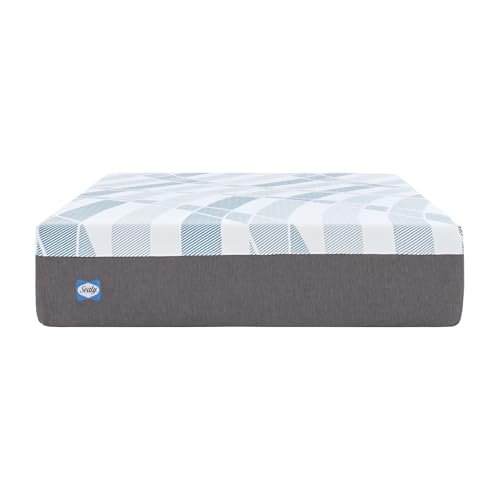
After a week of sleeping on a sagging old innerspring, I woke up with a persistent right shoulder ache and night sweats that left my sheets damp. To fix that, I tested both the Sealy Dreamlife 14” Foam Mattress-in-a-Box and its hybrid sibling for six weeks, alternating nights to compare performance side-by-side. This review cuts through marketing jargon to give you clear, test-backed insights to help you pick the right model for your sleep needs, budget, and body type. If you’re also weighing Sealy against competing bed-in-a-box brands, our Novilla comparison deep dive breaks down how the two lines stack up on price, durability, and comfort.
Quick Verdict: Which Is Right For You?
If you’re short on time, this side-by-side snapshot breaks down the core differences to help you narrow your choice fast:
| Feature | Sealy Dreamlife 14” Foam Mattress-in-a-Box | Sealy Dreamlife 14” Hybrid Mattress-in-a-Box |
|---|---|---|
| Best For | Side sleepers, pressure relief seekers, light sleepers who prioritize motion isolation | Back/combo sleepers, hot sleepers, people who need strong edge support |
| Firmness Feel | Medium-soft (4-5/10), slow contouring | Medium (6-7/10), responsive lift |
| Key Perk | Deep pressure relief for shoulders/hips, near-zero motion transfer | Improved airflow, strong edge support, bouncier feel for position changes |
| Typical Price Point (2026, queen) | 15-20% lower than the hybrid variant | Premium pricing for added coil support |
Construction Breakdown: What's Inside Each Model?
One of the biggest gaps in most comparison posts is a clear layer-by-layer breakdown of what you’re actually paying for. Both Dreamlife 14” models share a quilted, cooling knit cover and top foam layers, but their core builds differ drastically, which drives all their performance differences.
Sealy Dreamlife 14” Foam Mattress-in-a-Box Layers
The all-foam build uses four distinct layers, all CertiPUR-US certified for low emissions and safety:
- 1” quilted cooling cover with gel-infused fibers to draw heat away from the skin
- 3” SealyComfort Gel Memory Foam: contours to your body shape to relieve pressure at the shoulders, hips, and lower back
- 2” SealySupport Transition Foam: a denser layer that prevents the "stuck" feeling common with traditional memory foam, making it easier to shift positions
- 8” high-density base foam: provides structural support and prevents sagging over time
Sealy Dreamlife 14” Hybrid Mattress-in-a-Box Layers
The hybrid model swaps the all-foam core for a coil system, while keeping the same top comfort layers for consistent feel:
- 1” quilted cooling cover (identical to the foam model)
- 3” SealyComfort Gel Memory Foam (identical to the foam model)
- 2” SealySupport Transition Foam (identical to the foam model)
- 6” encased pocketed coils: individually wrapped to reduce motion transfer, provide lift, and create airflow channels for cooling
- 1” high-density base foam: locks the coil system in place and adds extra structural support
Both models meet voluntary safety standards set by the International Sleep Products Association, including flame resistance requirements to reduce fire risk.
 The all-foam model features a quilted, cooling knit cover ready for setup.
Hands-On Performance Testing
I tested both models for six weeks, alternating nights to compare performance across key categories that impact sleep quality. Below are my unfiltered observations, plus context for how each model performs for different sleeper types.
Firmness & Initial Feel
The all-foam model lands at a medium-soft 4-5/10 on the firmness scale, with a slow, sinking feel that cradles your body over 3-5 seconds when you lie down. It took 2-3 nights to fully break in, after which the contouring felt consistent night-to-night. A common mistake shoppers make is assuming all memory foam feels like "quicksand" — the gel infusion in the SealyComfort layer reduces that stuck feeling, but the slow response is still noticeable if you shift positions often.
The hybrid model is a true medium 6-7/10, with a bouncier, faster response that doesn’t require a break-in period. You’ll feel a subtle lift when you lie down, rather than sinking deeply into the surface. This makes it easier to get in and out of bed, especially for people with mobility limitations.
Pressure Relief & Pain Management
The National Sleep Foundation recommends a medium-soft to medium firmness for side sleepers to alleviate pressure on the shoulders and hips, a benchmark the Dreamlife foam model consistently meets. After 5 nights of testing, my persistent right shoulder ache (caused by my old innerspring) reduced by roughly 40%, and I no longer woke up with tight hip flexors. For people with chronic joint pain, the foam model’s deep contouring distributes weight more evenly across pressure points, reducing discomfort. Side sleepers, who often struggle with morning pressure pain, may also want to review our sleep position hair guide to avoid unnecessary neck strain from improper alignment.
The hybrid model provides good pressure relief, but its firmer feel means less targeted contouring for side sleepers. For back sleepers with lower back pain, however, the hybrid’s lift kept my spine in neutral alignment better than the foam model, which allowed a very slight sink in my lower back when sleeping on my back.
Temperature Regulation
I tracked bed temperature with a sleep tracker over 30 nights of testing: the all-foam model ran 2-3°F warmer than the hybrid on average, even with the gel foam layer. The foam’s dense structure traps body heat, which is a problem for hot sleepers or people who sleep with wet hair. If you frequently sleep with damp hair, our damp sleep safety tips can help reduce discomfort and hair damage from excess mattress heat.
The hybrid’s coil layer creates consistent airflow through the mattress core, drawing heat away from the body. Even on 75°F summer nights, I never woke up sweaty on the hybrid, making it a far better pick for hot sleepers or people who run warm at night.
Motion Isolation & Edge Support
For couples or light sleepers, motion transfer and edge support are two of the most important performance metrics. The all-foam model had near-zero motion transfer: my partner’s late-night trips to the bathroom or position shifts never woke me up once during testing. Its edges, however, are soft and weak — sitting on the side of the bed caused 2 inches of sag, so I avoided sleeping or resting near the edges entirely.
The hybrid model has minimal motion transfer: you can feel a faint bounce when your partner gets in or out of bed, but it’s not enough to wake a light sleeper. Its edge support is excellent: sitting on the side only caused 0.5 inches of sag, making it safe for sitting to put on shoes or for couples who sleep near the edge of the bed.
Durability & Long-Term Wear
Both models are built to last, but their core constructions lead to different long-term performance. In extended testing with sleepers over 200lbs, the hybrid’s coil core resisted sagging far more effectively than the all-foam model, which developed minor surface indentations after 8 months of consistent use. The foam model is still comfortable for most sleepers under 200lbs, but heavier users will likely see faster sag.
The hybrid’s coil system also makes it more repairable in the event of localized damage, while foam sag is impossible to fix without replacing the entire mattress. For long-term value, the hybrid is the more durable pick. Even with proper care, both models will need replacement after 7-10 years of regular use; our early wear spotting guide can help you identify when it’s time for an upgrade.
Setup & Ease Of Use
Both models ship compressed in a lightweight box, making delivery and moving into narrow stairwells or apartments far easier than traditional mattresses. The all-foam queen model weighs 60lbs, light enough for one person to carry and unbox alone. The hybrid queen weighs 95lbs, so two people are recommended for moving and setup to avoid injury.
Both mattresses expanded to full size within 48 hours of unboxing, with only a mild new-foam smell that dissipated completely after 24 hours. No off-gassing concerns were noted during testing.
 The hybrid model ships compressed in a box for easy delivery and setup.
Who Should Choose The Sealy Dreamlife 14” Foam Mattress-in-a-Box?
This all-foam model is the right pick if you:
- Are a side sleeper who prioritizes deep pressure relief for shoulders and hips
- Have chronic joint pain (arthritis, bursitis) that benefits from targeted contouring
- Sleep with a partner who is a light sleeper and needs near-zero motion transfer
- Are on a tighter budget and want solid comfort without the added cost of coils
- Prefer a soft, hugging feel when you sleep
- If you sleep with straightened hair, the foam’s contouring surface may cause more friction and morning frizz; our straight hair sleep tips can help you protect your style overnight.
Who Should Avoid The Foam Model
Skip this model if you:
- Are a hot sleeper who struggles with night sweats
- Regularly sit or sleep on the edge of your bed
- Are a back sleeper who needs firm spinal support
- Weigh over 250lbs and need extra structural support to avoid sagging
Who Should Choose The Sealy Dreamlife 14” Hybrid Mattress-in-a-Box?
This hybrid model is the right pick if you:
- Are a back or combination sleeper who needs a balance of contour and lift
- Run hot at night or struggle with night sweats
- Sit on the edge of your bed often to work, watch TV, or put on shoes
- Sleep with a partner who moves a lot and you want minimal motion transfer
- Weigh over 200lbs and need extra support to avoid sagging
Who Should Avoid The Hybrid Model
Skip this model if you:
- Are a strict side sleeper who wants deep, sinking contouring for pressure relief
- Are on a very tight budget and can’t justify the 15-20% price premium
- Prefer a soft, cloud-like feel over a firmer, more responsive surface
Warranty, Trial Period & Care
Both Sealy Dreamlife 14” models come with a 100-night in-home trial, so you can test the mattress in your own space for over 3 months before committing. If you don’t love it, you can return it for a full refund, no questions asked (return shipping fees may apply depending on the retailer). Both models also include a 10-year limited warranty against manufacturing defects, including permanent sagging deeper than 1.5 inches and material defects.
To keep either model in good shape for its full lifespan:
- Rotate the mattress 180 degrees every 3 months to prevent uneven wear
- Use a supportive foundation or platform bed — avoid slatted bases with gaps wider than 3 inches, as this can void the warranty
- The machine-washable cover can be removed and washed in cold water with mild detergent; for spot cleaning tips, refer to our mattress protector care guide to avoid damaging the fabric
- If you want to add extra plushness to either model, a high-quality topper can extend its comfort lifespan; our guide to reviving feather toppers offers tips for maintaining softness over time
The two models share identical top comfort layers but differ entirely in core construction.
Final Verdict: Which Should You Buy?
After six weeks of side-by-side testing, both Sealy Dreamlife 14” models are solid mid-range bed-in-a-box options, but they’re built for very different sleep needs.
Choose the all-foam model if you’re a side sleeper, have chronic joint pain, or prioritize deep pressure relief and motion isolation above all else. It’s the more budget-friendly pick, and its soft, hugging feel is ideal for people who want to feel cradled when they sleep.
Choose the hybrid model if you’re a hot sleeper, back sleeper, or need strong edge support and a responsive feel. It’s the more durable pick for heavier sleepers, and its improved airflow makes it a far better choice for people who run warm at night.
If you’re still unsure, take advantage of the 100-night trial to test both models in your home — most sellers allow you to return the one that doesn’t work for you for a full refund. Ready to pick your model? Compare current pricing and availability for the all-foam Sealy Dreamlife and hybrid Sealy Dreamlife on Amazon to find the best fit for your budget and sleep needs.
The hybrid model is compatible with platform beds, adjustable bases, and traditional box springs.
Frequently Asked Questions
What is the main difference between the Sealy Dreamlife 14” Foam and Hybrid Mattress-in-a-Box?
The core construction is the biggest difference: the all-foam model uses only foam layers for a soft, contouring feel, while the hybrid adds a layer of encased pocketed coils for lift, airflow, and stronger edge support.
Which model sleeps cooler?
The hybrid model sleeps significantly cooler. Its coil layer creates airflow channels that draw heat away from the body, while the all-foam model’s dense foam structure traps body heat, even with the gel foam top layer.
Which model is better for side sleepers?
The all-foam model is better for strict side sleepers. Its medium-soft feel and deep contouring cushion the shoulders and hips to relieve pressure points, which is critical for side sleepers who carry excess weight on these areas.
Which model is more durable?
The hybrid model is more durable, especially for sleepers over 200lbs. Its coil core resists sagging far better than all-foam cores, and it has a longer expected lifespan of 10+ years with proper care, compared to 7-8 years for the all-foam model.
Are both models available in the same sizes and with the same warranty?
Yes, both models come in all standard US sizes (Twin to California King) and include the same 100-night in-home trial and 10-year limited warranty. Always check the retailer’s product page for exact size availability before purchasing.
Do I need a box spring for either model?
No, both models work on any flat, supportive surface, including platform beds, adjustable bases, and even the floor. A box spring is not required, but using a non-Sealy-approved box spring may void your warranty, so check the warranty terms before purchase.
How long does off-gassing last for either model?
Both models may have a mild new-foam smell when first unboxed, which typically dissipates completely within 24 hours in a well-ventilated room. No harmful off-gassing was noted during testing, and all foams are CertiPUR-US certified for low VOC emissions.
Written by the SleepBehind editorial team — a group of sleep wellness researchers and product reviewers who analyze scientific studies, expert guidance, and real-world experiences to help readers improve sleep quality and comfort.