Are Mattress Protectors Washable: Care Tips & Wash Guide
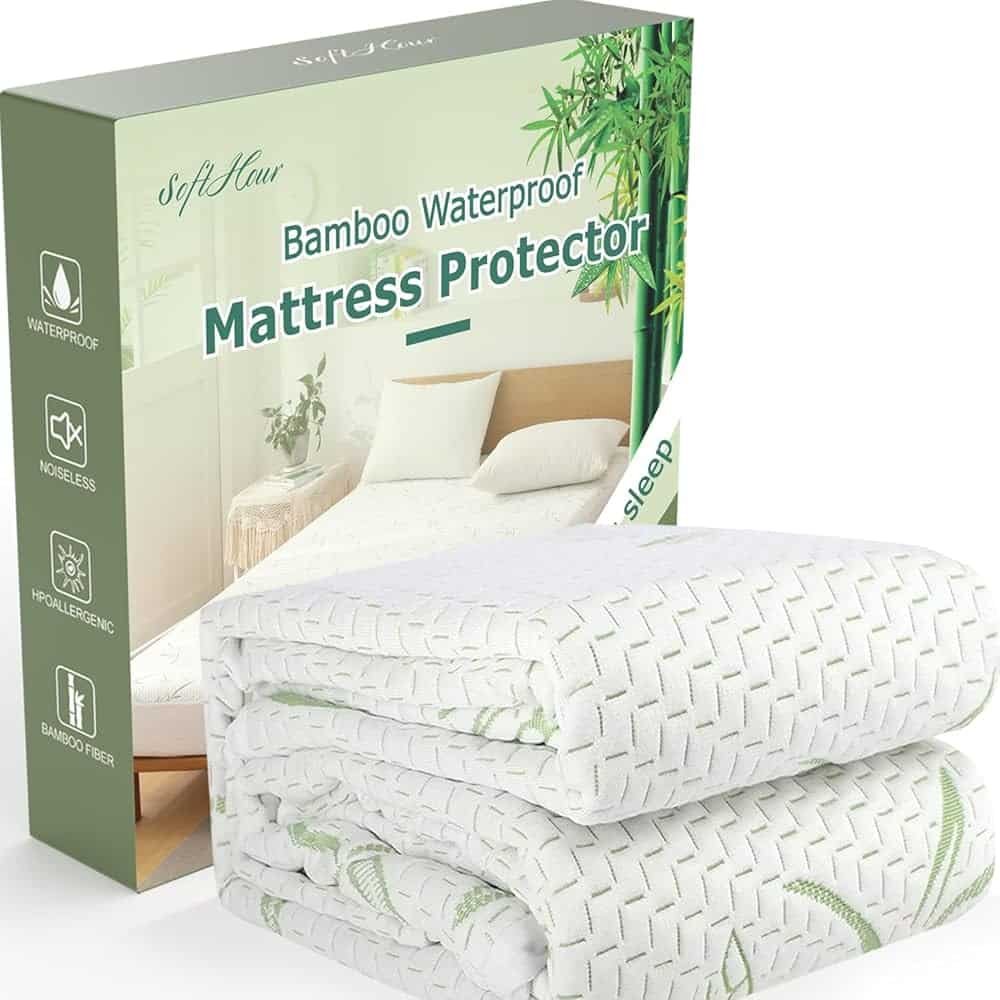
You invested in a mattress protector to guard against spills, allergens, bed bugs, and night sweats—but the first time you go to clean it, you’re hit with a critical question: are mattress protectors washable, or will washing ruin their protective function? The answer isn’t one-size-fits-all: washability depends entirely on the protector’s material, construction, and care label. With over a decade of testing and reviewing bedding products for sleep wellness platforms, I’ve seen countless protectors ruined by well-intentioned but incorrect washing, and just as many last 5+ years with simple, consistent care. This guide covers everything you need to know: which protector types can be machine washed, a step-by-step safe washing guide, common mistakes to avoid, how often to launder for different households, and how to pick a protector that fits your cleaning routine.
How Mattress Protector Construction Impacts Washability
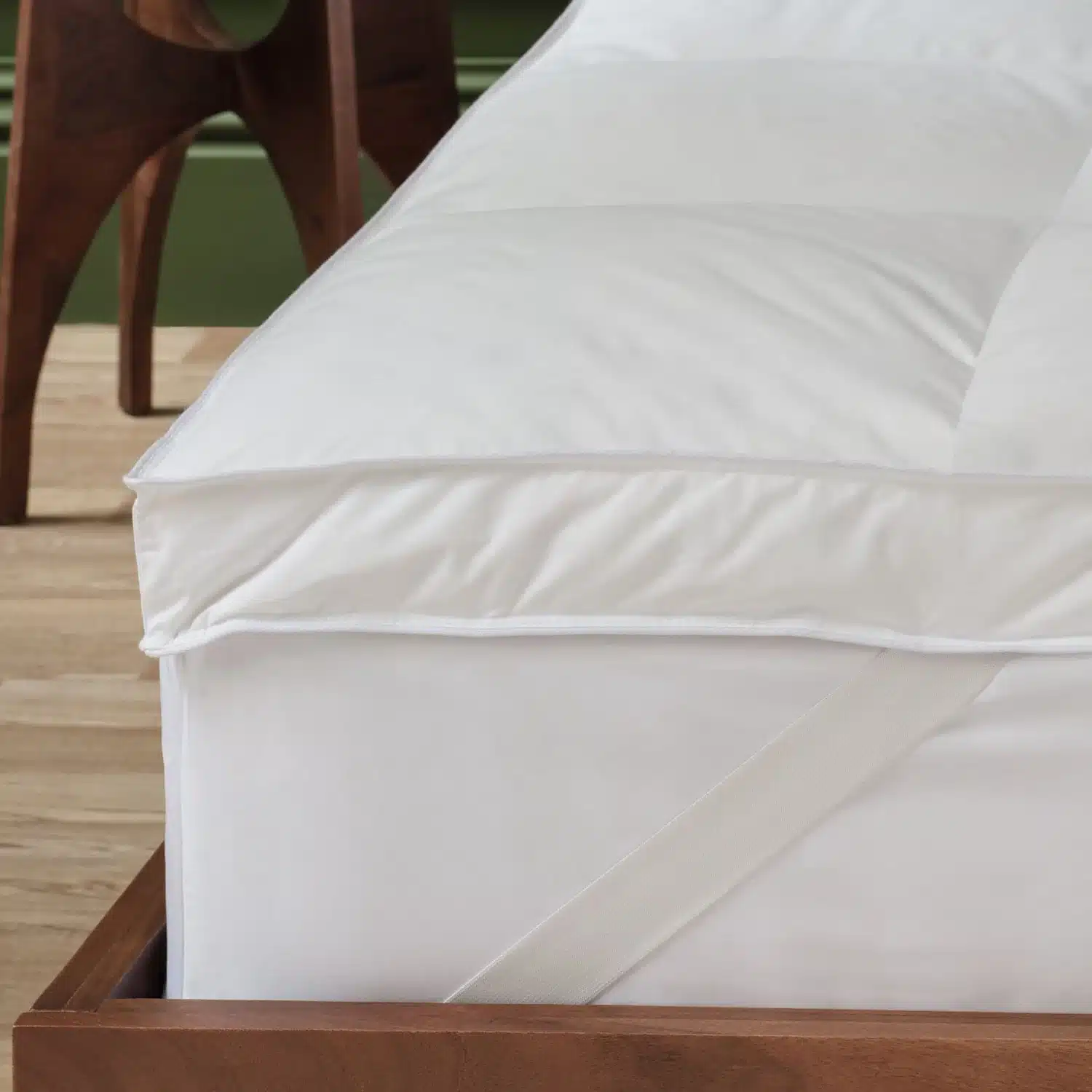
To understand if a mattress protector is washable, you first need to know how it’s built. Most standard protectors have three core layers: a top fabric layer (usually cotton, polyester, or bamboo) that sits against your skin, a middle waterproof barrier layer (polyurethane/PU, thermoplastic polyurethane/TPU, vinyl, or wool) that blocks liquids and allergens, and a non-slip backing or elastic edge that holds it in place on the mattress. Each of these layers reacts differently to water, heat, and agitation: PU and TPU membranes can break down when exposed to high heat or harsh chemicals, wool layers can felt and shrink if washed in hot water, and vinyl becomes brittle and cracked when exposed to high temperatures. Even small construction details, like glued seams vs. stitched seams, impact how well a protector holds up to repeated laundry cycles. You can also read our guide on hello world.
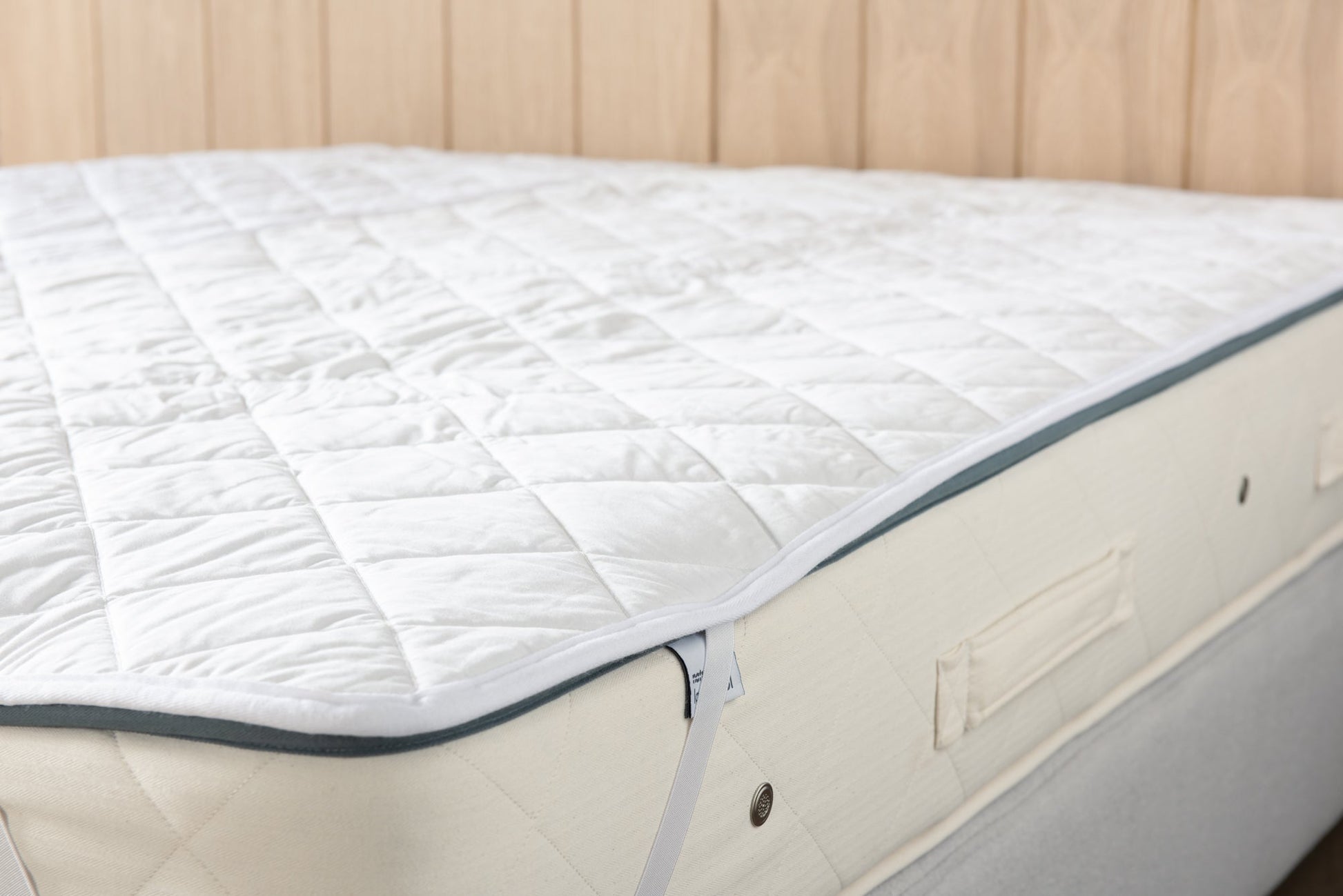 Cross-section view of a standard multi-layer mattress protector, highlighting the fabric, barrier, and grip layers that dictate care needs.
Common Mattress Protector Types & Their Washability
There are four primary mattress protector styles on the market, each with distinct care requirements based on their material and intended use:
| Protector Type | Typical Materials | Washability | Key Care Notes |
|---|---|---|---|
| Fitted fabric protector | Cotton, polyester, bamboo blends | Fully machine washable | Tumble dry low; avoid fabric softener to maintain absorbency |
| Waterproof encasement (bed bug/spill protection) | Polyester with PU/TPU membrane | Machine washable (most) | Zip closed before washing; air dry if label specifies to preserve zipper function |
| Quilted/padded protector | Cotton, wool, polyester fill | Machine washable (check label) | Use gentle cycle to prevent fill clumping; avoid high heat to stop shrinkage |
| Vinyl/TPU wipe-clean topper | Solid vinyl, thick TPU | Spot-clean or hand wash only | High heat and harsh chemicals will crack the barrier; never machine wash unless label explicitly allows |
Fitted fabric protectors are the most low-maintenance option for everyday use, as they tolerate regular machine washing with minimal wear. Encasements that guard against bed bugs or heavy spills are also usually machine washable, but require extra care to protect zippers and sealed seams. If you’re unsure whether your bedding layer is a thin protector or a padded topper, our guide to topper care instructions can help you avoid damaging thicker, padded layers.
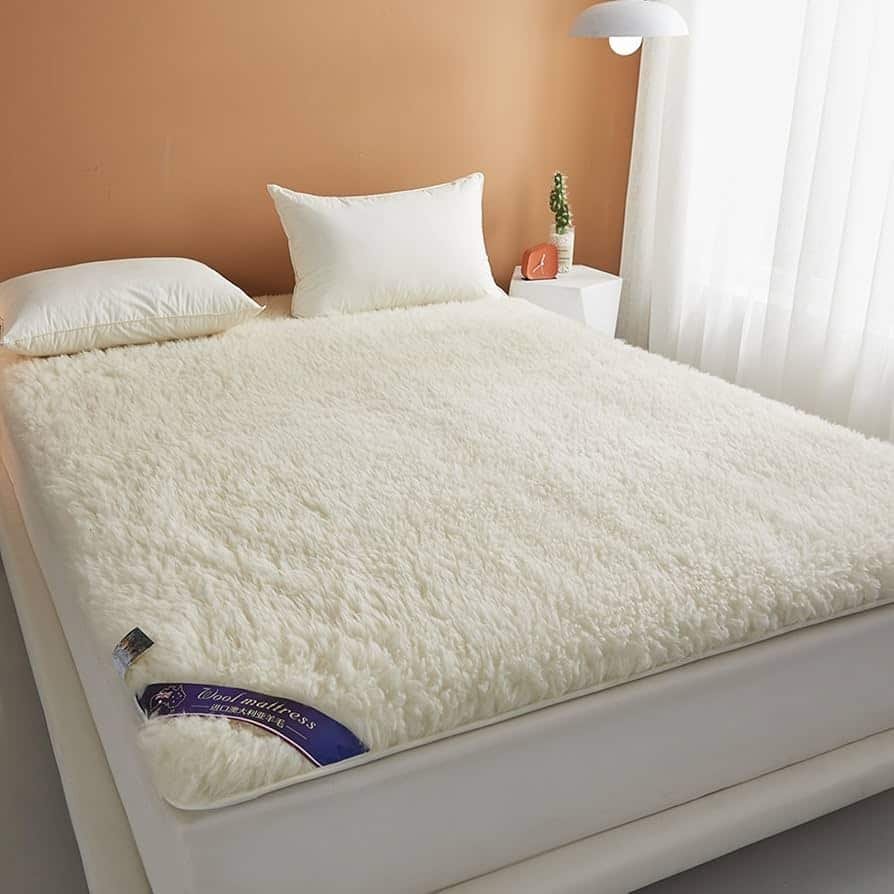
 Side-by-side of the four most common mattress protector styles, each with distinct care requirements based on material and construction.
Step-by-Step Guide to Washing a Mattress Protector Safely
Washing a mattress protector correctly only takes a few extra minutes, but it will extend its lifespan by years. Follow these steps for safe, effective cleaning:
- Check the care label first: In my experience testing protectors for sleep wellness content, ignoring care labels is the single most common cause of premature protector failure, including melted membranes and shrunken fabric. The label will specify the maximum water temperature, cycle type, and drying instructions for your specific model.
- Pre-treat stains before washing: For fresh spills (coffee, urine, sweat, food), apply a small amount of mild, enzyme-free detergent directly to the stain and let it sit for 10–15 minutes. Avoid bleach, even color-safe variants, as it breaks down waterproof barrier layers over time.
- Wash alone or with similar lightweight items: Never overload the washer, as excess weight prevents the protector from agitating fully, leaving detergent residue trapped in the membrane. Use cool (60°F/15°C) or warm (100°F/38°C) water, never hot (above 120°F/49°C) unless the label explicitly allows it, and select the gentle cycle. Use a mild liquid detergent, as powder formulas can leave gritty residue on waterproof surfaces.
- Dry carefully: If the label allows tumble drying, use low heat only. High heat will melt PU and TPU membranes and warp vinyl to the point of cracking. For encasements, zip them fully closed before drying to protect zippers from damage. If the label recommends air drying, lay the protector flat to avoid stretching elastic, or hang it over a drying rack away from direct sunlight, which degrades waterproof coatings over time.
 Loading protectors alone or with similar lightweight items ensures even cleaning without stressing seams.
Machine-Washable vs. Spot-Clean-Only: Which Is Right For Your Household?
Knowing whether a mattress protector is washable helps you pick the right option for your lifestyle. Machine-washable protectors are ideal for households with kids, pets, allergy sufferers, or people who experience night sweats, as they can be tossed in the washer every 1–3 months without damage. They are slightly more expensive upfront, but save time and effort for regular cleaning. Spot-clean-only options (usually solid vinyl or thick TPU) are better for guest rooms or occasional use, as they are cheaper and require no laundry effort. The tradeoff is that they need frequent small spot clean-ups to prevent odor and mold growth, and they will need to be replaced more often if exposed to frequent spills. You can also read our guide on hello world.
 Machine-washable fabric protectors are ideal for regular use, while vinyl options are better for occasional spill protection.
Common Washing Mistakes That Damage Protectors Long-Term
Even washable protectors can be ruined by incorrect care. Avoid these frequent errors to keep your protector effective for years:
- Using bleach, harsh stain removers, or fabric softener: Bleach breaks down PU and TPU membranes, causing leaks after just a few washes. Fabric softener coats the waterproof layer, reducing its liquid-repelling ability, and breaks down elastic over time, causing the protector to slip off the mattress.
- Tumble drying on high heat: I’ve tested dozens of protectors over the years, and a single high-heat dry cycle is the most common cause of sudden leaks that aren’t covered by warranties. Even one cycle can melt thin membranes and warp vinyl permanently.
- Overloading the washer: A full washer prevents the protector from agitating fully, leaving soap residue trapped in the membrane. This residue reduces breathability and can irritate sensitive skin.
- Washing with heavy items like jeans or towels: The rough texture and weight of heavy fabrics can tear seams and stretch elastic, especially on encasements with zippers.
- Skipping the pre-wash shake: Failing to shake out loose crumbs, dead skin, and dust before washing can clog your washer filter and leave residue on the protector’s surface.
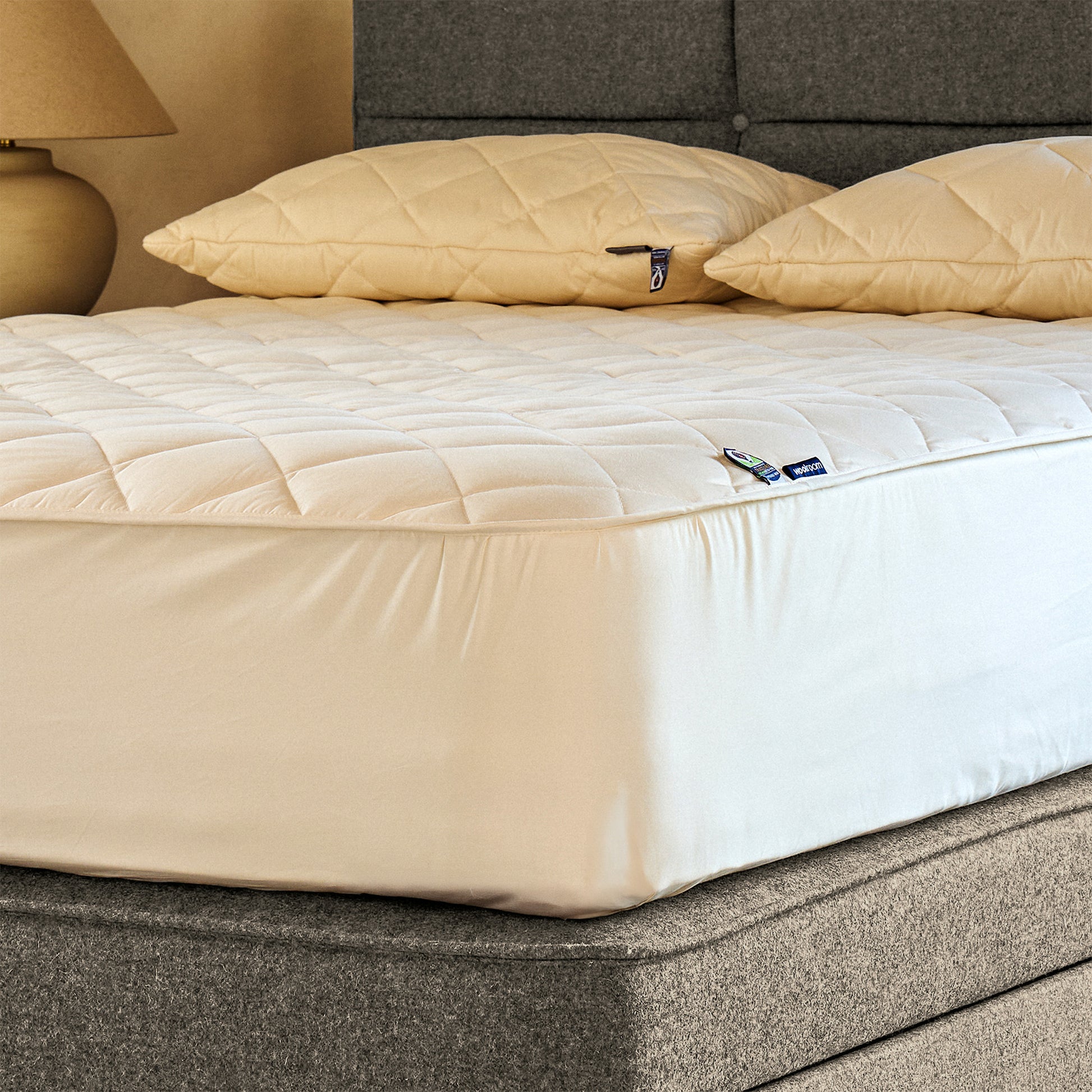 Avoiding these common errors prevents damage to membranes, seams, and waterproofing performance.
Benefits of Washing Your Mattress Protector Regularly
A washable mattress protector is one of the most cost-effective ways to extend your mattress’s lifespan and keep your sleep space healthy. First, it acts as a barrier against sweat, dead skin cells, dust mites, pet dander, and spilled food or drinks that would otherwise seep into the mattress. Mattresses are nearly impossible to clean thoroughly, so a protector prevents mold and mildew growth inside the mattress core, which can trigger allergies, asthma, and respiratory irritation. For households with allergy sufferers, the CDC recommends washing bedding regularly to reduce exposure to dust mite allergens, and a washable mattress protector is a low-effort way to cut down on these irritants in your sleep space. Regular washing also preserves the protector’s breathability, so it doesn’t trap heat against your body while you sleep, and maintains its waterproofing performance to guard against spills for years.
 Regular washing removes allergens, spills, and sweat buildup to keep your sleep space hygienic.
When You Should NOT Machine Wash Your Mattress Protector
Even if a protector is labeled as washable, there are specific cases where machine washing will do more harm than good:
- The care label explicitly says "spot clean only" or "hand wash only": This is common for thick vinyl, TPU, and protectors with glued seams. Machine agitation will tear seams, warp the material, or void any manufacturer warranty.
- The protector has existing visible damage: If there are already tears in the membrane, loose seams, or cracked vinyl, machine washing will worsen the damage. For minor tears, you can patch them with a waterproof fabric patch before washing, but extensive damage means it’s time for a replacement.
- The protector has deep mold or mildew growth: If you’ve left a damp protector on the mattress for weeks, mold can grow deep into the fabric or membrane, and washing will not remove it. Sleeping on a moldy protector exposes you to mold spores that can cause respiratory issues, so replacement is the safest option.
- The protector has memory foam or gel layers: These padded toppers are not designed for machine washing, as water will damage the foam core. If your bedding layer has thick padding, it is likely a topper, not a thin protector, and requires special care. If your protector is damaged beyond repair, our guide to knowing when to replace your mattress pad can help you avoid sleeping on a damaged barrier that no longer protects your mattress.
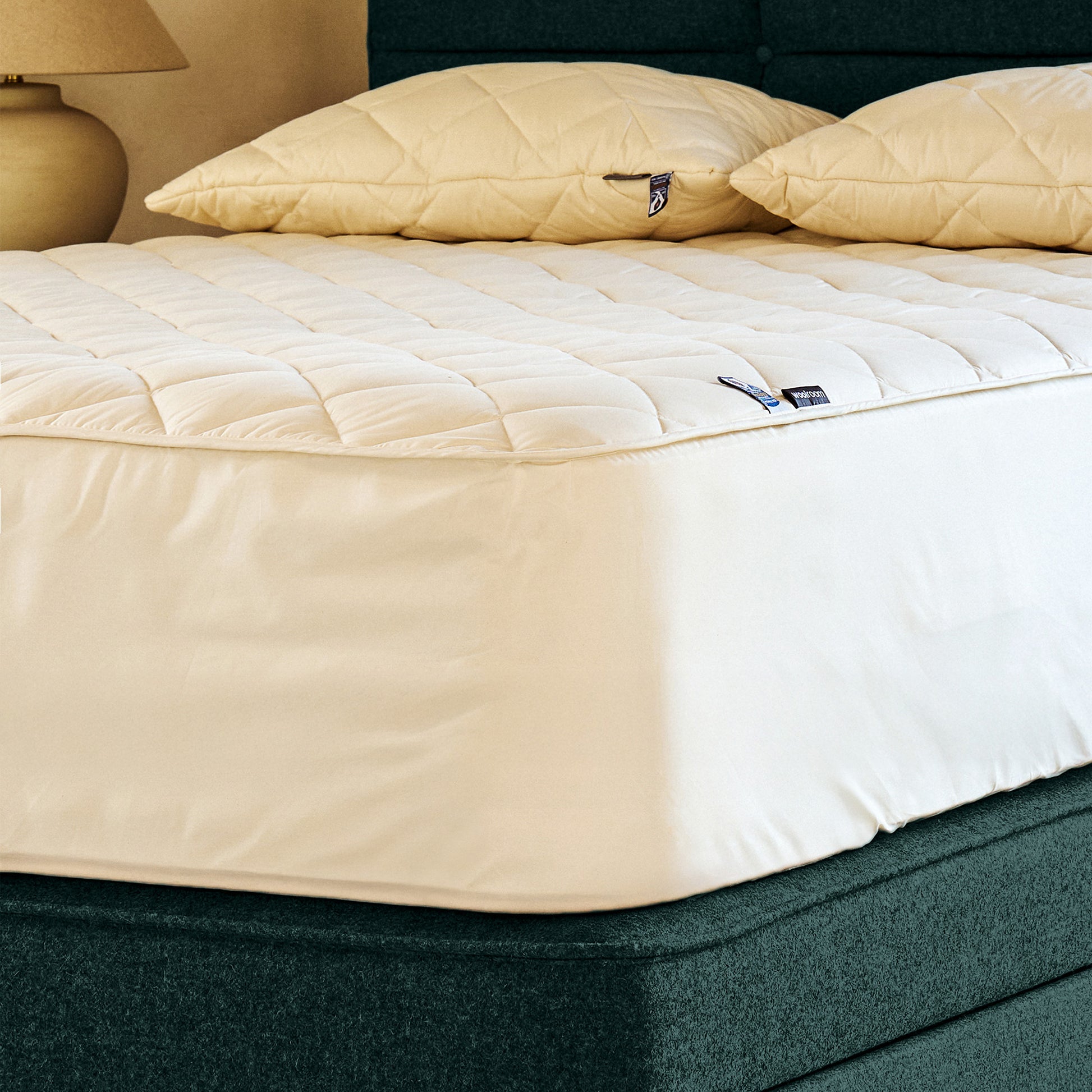 Vinyl and TPU protectors are prone to cracking if exposed to high heat or harsh chemicals during washing.
How Often Should You Wash Your Mattress Protector?
Washing frequency depends on your household’s specific needs:
- General use (1–2 people, no pets, no allergies, no night sweats): Wash every 3 months. This is enough to remove accumulated dead skin and dust without wearing out the protector unnecessarily.
- Households with kids, pets, or heavy night sweaters: Wash every 2–4 weeks. Spills, pet dander, and sweat build up much faster in these cases, and more frequent washing prevents permanent stains and odor.
- Allergy or asthma sufferers: Wash every 2 weeks to remove dust mites, pet dander, and other allergens. Combine this with monthly mattress vacuuming and an allergen-barrier encasement for maximum relief.
There is no need to wash a brand new protector before first use unless the care label explicitly instructs you to—most are pre-treated to be ready for immediate use out of the package. You can also read our guide on what is lorem ipsum.
 Washing frequency depends on your household’s specific needs, from every 2 weeks for allergy sufferers to every 3 months for general use.
How to Choose a Mattress Protector Built for Frequent Washing
If you plan to wash your protector regularly, prioritize these features when shopping to avoid premature damage:
- Material: Look for tightly woven cotton, polyester blends, or bamboo fabric with a bonded PU or TPU membrane. These materials hold up to repeated washing without shrinking, pilling, or losing waterproofing. Avoid thin vinyl or protectors with glued seams, as these degrade quickly in the washer.
- Construction: Encasements with reinforced seams and rust-proof zippers hold up better to frequent washing than cheap protectors with plastic zippers that break after a few cycles. Fitted protectors with deep pockets (14 inches or more) are less likely to slip off during washing and drying.
- Clear care label: Always prioritize protectors with explicit "machine washable" labeling. Avoid products that only list "spot clean" if you plan to wash regularly. If you prefer natural fabrics, check our guide to caring for bamboo bedding layers to learn how to wash bamboo protectors without damaging their natural moisture-wicking properties.
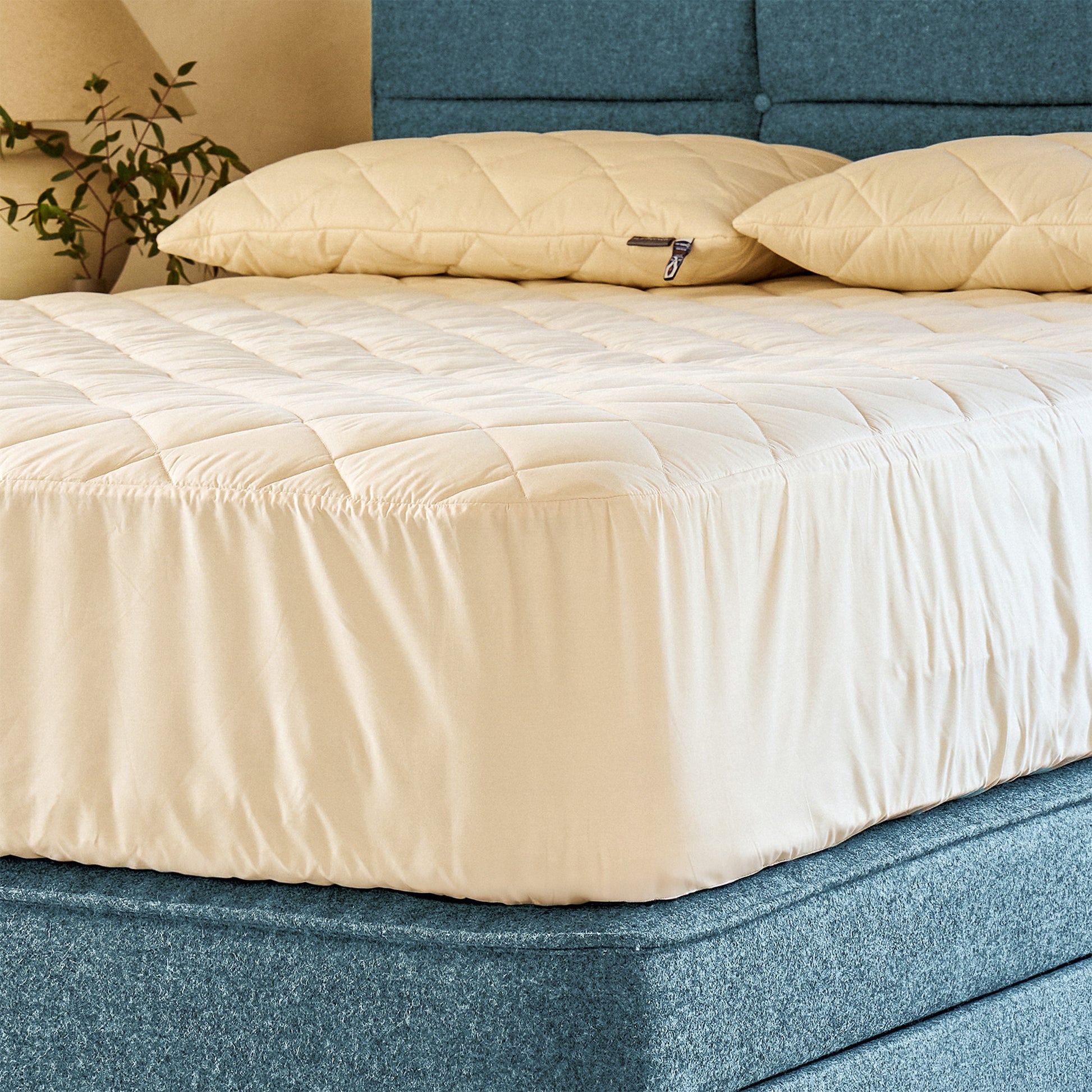 Always review the care label before buying a protector to ensure it matches your cleaning routine.
Practical Care Tips to Extend Your Protector’s Lifespan
Small, consistent habits will keep your protector effective for far longer than the average 2–3 year lifespan:
- Zip encasements fully before washing and drying to protect zippers from catching and prevent the cover from turning inside out, which stresses seams.
- Skip fabric softener and dryer sheets entirely: these coat the waterproof membrane, reducing liquid repellency, and break down elastic over time.
- Wash with similar lightweight items only (t-shirts, pillowcases) to avoid tearing seams from heavy fabrics like jeans or towels.
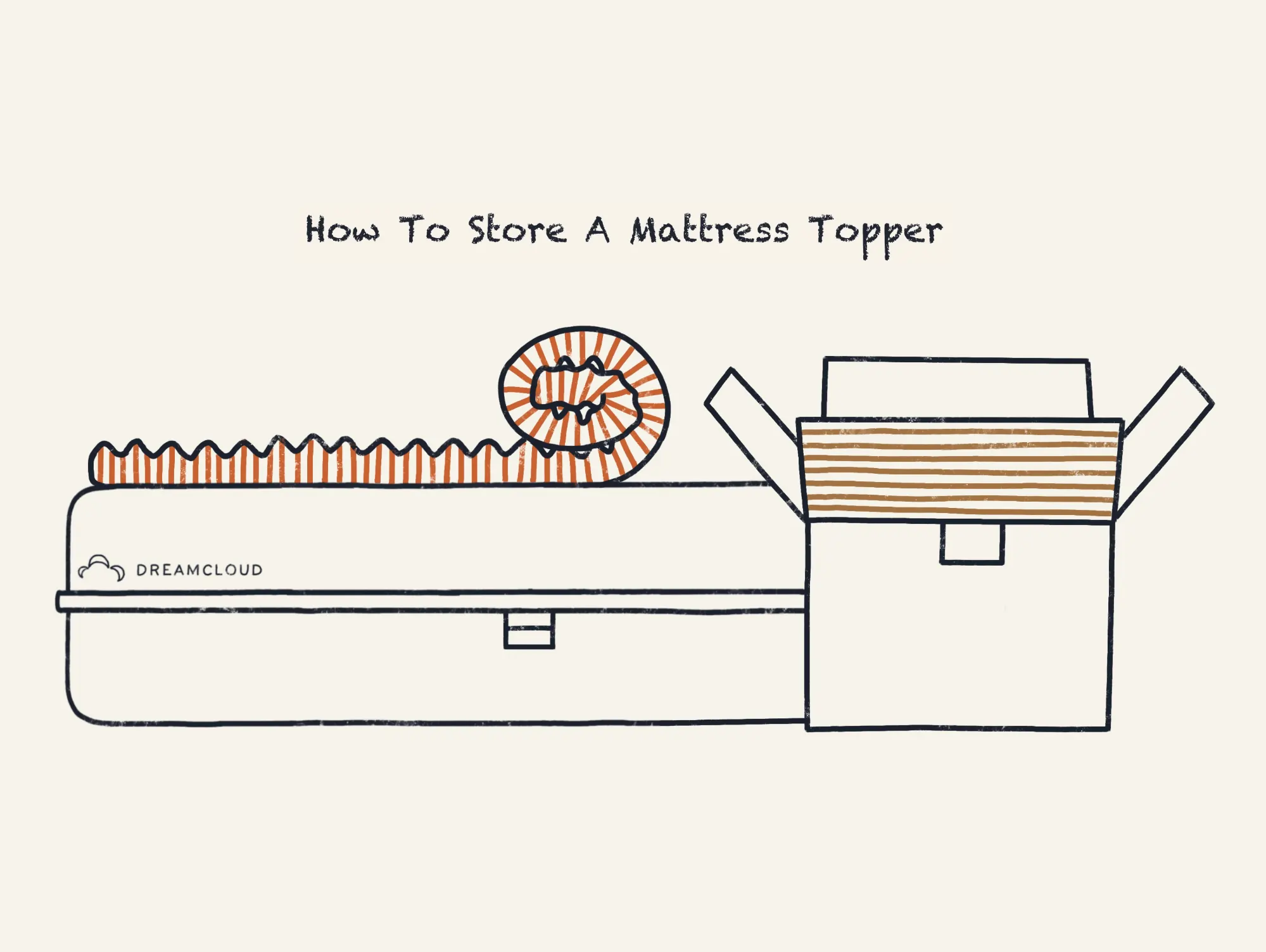
- Store protectors flat or rolled, never folded: Folding creates creases that can crack waterproof membranes over time, especially in hot, humid storage spaces.
- Spot treat stains immediately: Letting spills sit breaks down fabric and membrane fibers, making stains harder to remove and reducing the protector’s effectiveness over time. If you own a Hush brand protector, our brand-specific care guide walks through step-by-step instructions tailored to their unique membrane construction.
Troubleshooting Common Post-Washing Issues
Even with correct care, you may run into minor issues with your protector after washing:
- Lingering odor: Add 1 cup of white vinegar to the rinse cycle (do not mix with bleach, as it creates toxic fumes) to neutralize odor-causing bacteria. For tough smells, soak the protector in a mix of cool water and ½ cup baking soda for 30 minutes before washing.
- Reduced waterproofing: This is almost always caused by fabric softener, high heat, or harsh detergent. Switch to a mild liquid detergent, skip softener entirely, and dry on low heat. If the protector still leaks after 2–3 washes, the membrane is permanently damaged and needs replacement.
- Pilling or thinning fabric: This is normal after repeated washing for low-quality polyester protectors, but if it occurs after 1–2 washes, the protector is made from low-grade material. Use a fabric shaver to remove pills, but if the fabric becomes thin enough to see light through, replace it.
- Elastic no longer fits the mattress: This is usually caused by high-heat drying (which shrinks elastic) or overloading the washer (which stretches it). You can purchase replacement elastic online to reattach, but if the protector is more than 2 years old, replacement is often more cost-effective. If your protector’s fill is clumped or thin after washing, our guide to reviving worn bedding layers offers tips to restore fluffiness for padded protectors, though thin or damaged membranes will need replacement.
Frequently Asked Questions
Are all mattress protectors machine washable?
No. While most fitted fabric, quilted, and encasement protectors are machine washable, solid vinyl, thick TPU, and protectors with glued seams are almost always spot-clean or hand wash only. Always check the care label before washing, as machine washing these types will warp the material, tear seams, or void the warranty.
Can I use hot water to kill dust mites on my mattress protector?
Hot water above 130°F (54°C) will kill dust mites and their eggs, but most mattress protectors with waterproof membranes cannot withstand that temperature, as it will melt or warp the barrier layer. If your protector is rated for hot water washing, you can use it occasionally for deep cleaning, but for regular washing, stick to cool or warm water, and vacuum your mattress monthly to remove dust mite allergens.
Will washing ruin the waterproof layer of my protector?
Not if you follow the care label. Using mild detergent, cool or warm water, and low-heat drying will preserve the waterproof membrane for years. Damage only occurs when you use harsh chemicals, high heat, or rough agitation that breaks down the barrier material.
How often should I wash my mattress protector if I have allergies?
For allergy or asthma sufferers, wash your protector every 2 weeks to remove dust mites, pet dander, and other allergens. Combine this with monthly mattress vacuuming and an allergen-barrier encasement for the best results, per CDC guidelines for reducing bedroom allergens.
Can I dry clean my mattress protector?
Almost never. Dry cleaning solvents can break down waterproof membranes and leave toxic residue that irritates skin. Most manufacturers recommend machine or hand washing instead; check the care label for official guidance.
Can I wash a mattress protector with my regular laundry?
It’s not recommended. Washing protectors with heavy items like jeans, towels, or bedding with metal hardware can tear seams, stretch elastic, and leave detergent residue on the waterproof membrane. Always wash protectors alone or with other lightweight, soft items like t-shirts or pillowcases.
What detergent should I use to wash my mattress protector?
Use a mild, liquid, enzyme-free detergent. Powder detergents can leave residue on waterproof layers, and enzyme-based detergents can break down natural fibers like cotton or wool over time. Avoid bleach, even color-safe, as it degrades waterproof membranes.
Conclusion
Most mattress protectors are washable, but the right care depends entirely on their material, construction, and care label. Fitted fabric, quilted, and encasement protectors are almost always machine washable with gentle cycles and low heat, while vinyl and TPU spot-clean-only options require more delicate handling. Follow the care label, avoid high heat and harsh chemicals, wash on a schedule that matches your household’s needs, and pick a protector built for frequent cleaning to keep your mattress protected for years. If you found this guide helpful, share it with a friend who’s wondering how to clean their mattress protector, or browse our full library of bedding care guides to keep every layer of your sleep space fresh and long-lasting.

Hey! I’m a passionate sleep and wellness enthusiast and a writer at SleepBehind.com. I love exploring sleep products, cozy bedding, and practical ways to improve sleep quality. Through helpful articles, product reviews, and easy-to-follow tips, I aim to help readers discover comfortable sleep solutions and build healthier bedtime routines for more restful nights.
Similar Posts