
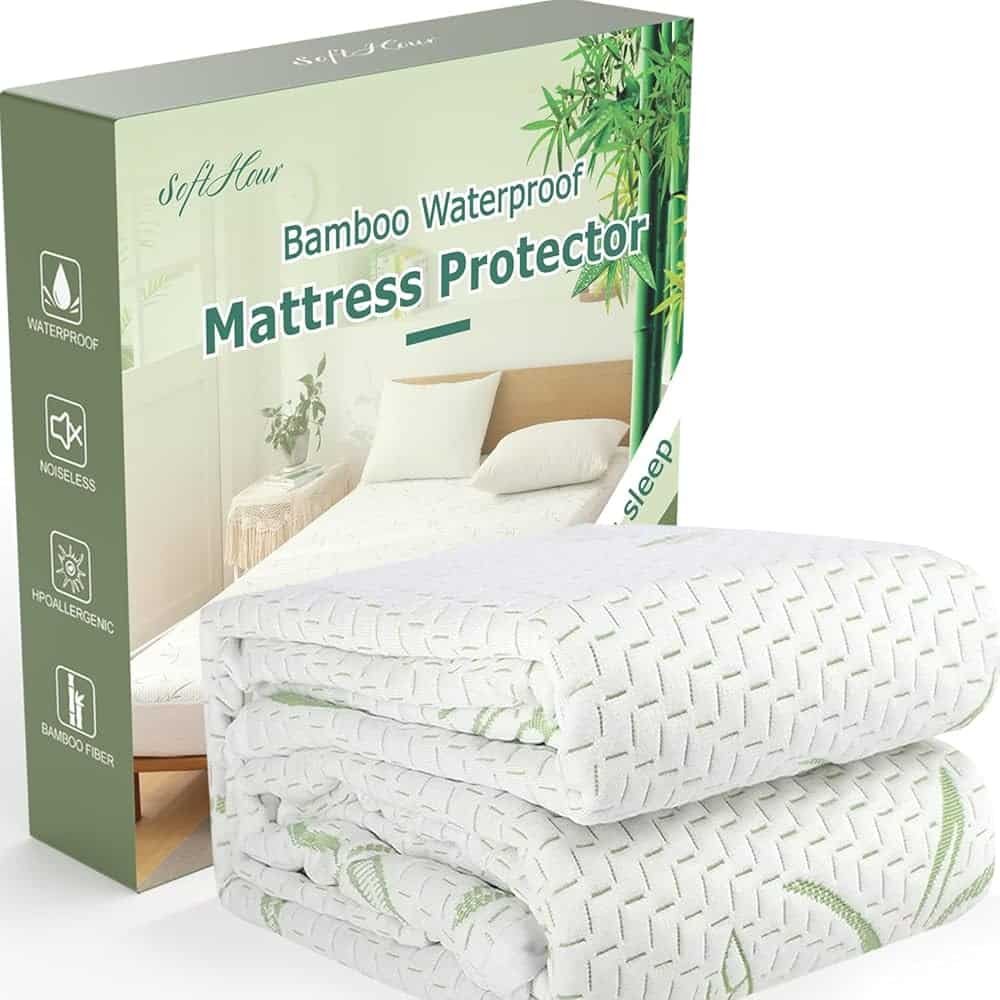
Bamboo mattress protectors are a smart investment for keeping your mattress free of spills, allergens, and wear, but they require specific care to stay soft, breathable, and fully waterproof. Aggressive washing, high heat, or harsh chemicals can shrink the fabric, damage the waterproof backing, and shorten the protector’s lifespan by years. Whether you’re tackling a fresh spill, routine cleaning, or long-term storage, this guide walks you through every safe step, common mistakes to avoid, and pro tips to keep your protector working like new for 3–5 years or longer. We’ll cover exact washing temperatures, stain removal methods, drying rules, and signs it’s time for a replacement, all based on standard care guidelines for rayon-from-bamboo and bamboo lyocell protectors with TPU or PU waterproof backing. Proper care also ensures the waterproof layer stays effective for its full lifespan, as outlined in our universal waterproof protector guide.
 Bamboo protectors feature a soft, breathable top layer and a waterproof backing that requires gentle care to stay functional.
Why Bamboo Mattress Protectors Need Special Care
Unlike standard cotton sheets, bamboo mattress protectors have a two-layer construction that makes them more vulnerable to damage from improper care. The top layer is typically made of rayon from bamboo (sometimes labeled bamboo viscose) or bamboo lyocell, a soft, moisture-wicking fabric that’s naturally breathable and hypoallergenic. The underside is laminated with a thin layer of thermoplastic polyurethane (TPU) or polyurethane (PU) that creates a waterproof barrier to block spills, sweat, and allergens from reaching your mattress. Hot water, harsh chemicals, and high heat can damage both layers: hot water shrinks bamboo fibers, causing the protector to fit poorly and feel stiff; bleach and strong detergents break down the bamboo’s natural fibers, leading to pilling and reduced softness; and high heat melts or warps the TPU/PU backing, causing it to crack, peel, or leak. Even fabric softener, which is safe for most cotton bedding, coats the bamboo and waterproof layers, reducing absorbency and breathability over time. In practice, most damage to bamboo protectors comes from small, avoidable care mistakes: using the wrong detergent, drying on high heat, or overloading the washer. Following gentle care guidelines will keep your protector soft, quiet, and fully protective for its full expected lifespan, saving you the cost of frequent replacements. If you also care for bamboo pillows, our bamboo pillow care tips cover safe washing methods for those items too.
Pre-Wash Checklist: 5 Steps to Avoid Damage
Before you start washing, run through these 5 quick checks to prevent mistakes and protect your protector:
- Read the care label first: Every manufacturer’s care instructions vary slightly — some prohibit machine washing entirely, some limit water temperature to 30°C (86°F), and some forbid tumble drying even on low heat. Following the label will also protect your warranty if the protector is under one.
- Fasten all closures and remove extra bedding: Zip or snap any envelope closures fully to prevent the cover from flipping inside out during washing. Remove any mattress toppers, pillow protectors, or sheets on top of the protector to avoid snagging. Always cross-reference your brand’s care label, as some models (like Hush protectors) have specific Hush protector cleaning rules to avoid voiding warranties.
- Inspect for stains and pre-treat promptly: Blot any fresh spills immediately with a clean, dry cloth — rubbing will push stains deeper into the fabric and damage the waterproof backing. For set-in stains, pre-treat with a mild detergent solution (1 tsp detergent + 1 cup cool water) before washing.
- Choose the right detergent: Use a mild, enzyme-free liquid detergent without optical brighteners, bleach, or fabric softener. High-efficiency (HE) detergents work best, and you only need half the recommended dose for concentrated formulas to avoid soap residue that clogs bamboo fibers. For a list of vetted, non-toxic laundry detergents that won’t damage sensitive fabrics, the EPA’s Safer Choice program certifies safe cleaning products for household use.
- Plan your drying method in advance: Air drying flat is always the safest option. If you need to use a dryer, confirm your model has a no-heat/air fluff setting before starting, so you’re not stuck with a wet protector and no safe way to dry it.
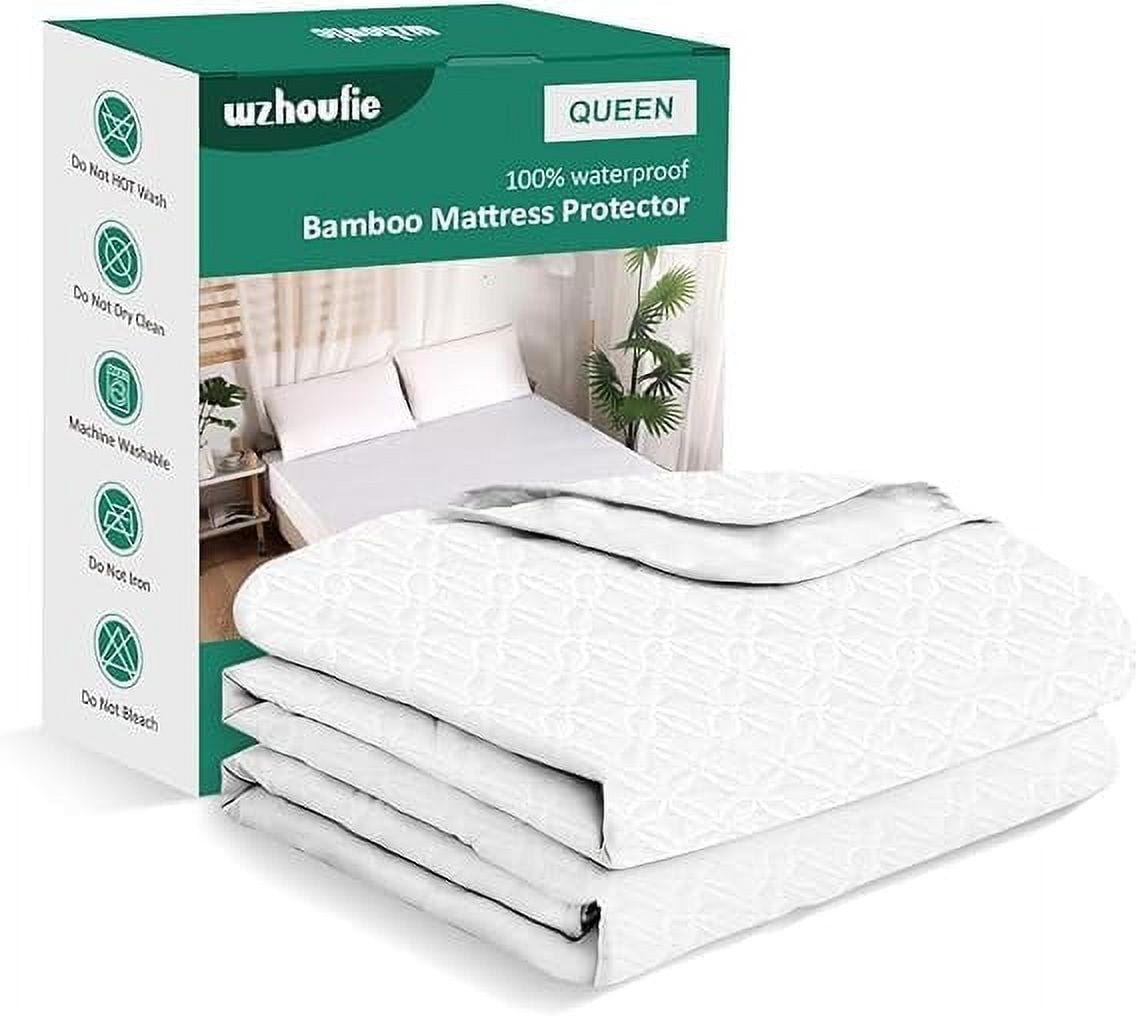 Deep-pocket designs fit mattress depths from 8 to 18 inches, making them compatible with most mattress types.
Machine Washing Bamboo Mattress Protectors: Step-by-Step
Most bamboo mattress protectors are safe to machine wash when you follow these steps to avoid damage:
- Prep the protector: Shake it out outdoors first to remove loose dust, hair, and lint that can stick to the fabric during washing.
- Load the washer correctly: Place the protector loosely in the drum, leaving enough room for it to move freely during agitation. Only wash 1–2 protectors at a time to avoid overloading. If you have a top-loading washer with a center agitator, place the protector in a mesh laundry bag to prevent snagging and stretching.
- Select the right cycle and water temperature: Choose the gentle or delicate cycle (avoid permanent press, which has a longer, harsher spin cycle). Set the water temperature to cold (below 30°C / 86°F) — never use warm or hot water, even if the label allows it, as heat is the leading cause of shrinkage and waterproof backing damage.
- Add detergent only: Pour in the mild, enzyme-free liquid detergent you selected earlier. Skip bleach, fabric softener, and stain remover additives entirely, as these will damage the fabric and backing.
- Adjust spin speed: Set the spin speed to 400 RPM or lower if your washer allows custom settings. High spin speeds put excess stress on seams and can separate the waterproof layer from the bamboo top.
- Run an extra rinse cycle if available: This ensures all soap residue is removed, which can irritate skin and reduce the protector’s breathability over time. If your protector has a thick cooling layer or extra padding, use a large-capacity front-loading washer to avoid excessive twisting that can damage the internal layers.
 Loading the protector loosely ensures even cleaning and prevents stress on seams and the waterproof backing.
Hand Washing for Extra Delicate or Heavily Soiled Protectors
Hand washing is the safest option for protectors with delicate embroidery, beading, or care labels that explicitly prohibit machine washing. It’s also ideal for spot-treating large stains or freshening a protector between full washes. For tough stains on other bedding, our feather topper maintenance guide covers safe stain removal for down items. Follow these steps for safe hand washing:
- Fill a clean bathtub or large utility sink with cool water (no warmer than 30°C / 86°F). Avoid hot water, which can shrink the fabric and damage the waterproof backing.
- Add 1–2 tablespoons of mild, enzyme-free liquid detergent and swirl the water to dissolve it completely.
- Submerge the protector fully, then gently press the fabric to work the soap into the material. Never wring, twist, or rub the fabric aggressively, as this can stretch it and separate the waterproof layer.
- Let it soak for 15–20 minutes maximum — prolonged soaking can weaken the TPU/PU backing over time.
- Drain the sink, then rinse the protector under cool running water until all soap suds are gone. Squeeze the fabric gently to remove excess water, but do not wring it.
- To remove excess water, lay the protector flat on a clean, dry bath towel, then roll the towel and protector together tightly to press out moisture. Do not hang the protector to dry, as the weight of the water can stretch the fabric and warp the waterproof backing.
 Hand washing is ideal for protectors with delicate embellishments or care labels that prohibit machine washing.
Drying: The Most Critical Step for Longevity
Many protectors are ruined during the drying process, not the washing step. Follow these rules to avoid damage:
- Air drying is always the best option: Lay the protector flat on a drying rack or clean, dry surface in a well-ventilated, shaded area. Avoid direct sunlight, as UV rays fade the bamboo fabric and degrade the waterproof backing over time. Flip the protector halfway through the drying process (every 2–3 hours) to ensure both sides dry evenly. Drying time is typically 12–24 hours depending on humidity and airflow.
- Tumble drying only if the label allows: If your care label explicitly permits tumble drying, use the no-heat/air fluff setting or the lowest possible heat setting (delicate). Add 2–3 clean, dry towels to the dryer to speed up drying and prevent the protector from tumbling around excessively, which can damage the backing. Remove the protector as soon as the cycle ends — leaving it in the warm dryer after the cycle finishes can warp the waterproof layer.
- Ensure it is 100% dry before use: Even slightly damp protectors can grow mold and mildew underneath, leading to permanent odors and fabric damage. Run your hand over the entire surface, including the seams and edges, to confirm there are no cool, damp spots before putting it back on your mattress. A common mistake many people make is assuming a quick low-heat tumble is fine even if the label says air dry only. Even one high-heat cycle can melt the TPU backing permanently, leading to leaks that can’t be repaired. When in doubt, air dry.
 Air drying in shade prevents UV damage to the bamboo fibers and warping of the waterproof layer.
Stain & Odor Removal: Safe Methods That Won’t Damage Fabric
Fresh stains are far easier to treat than set-in ones, so address spills as soon as they happen. Use these safe, fabric-friendly methods for common stains and odors:
Fresh Liquid Stains (coffee, juice, urine, sweat)
- Blot the stain immediately with a clean, dry microfiber cloth — never rub, as this pushes the stain deeper into the fabric and damages the waterproof backing.
- Mix 1 cup cool water with 1 teaspoon mild liquid detergent. Dampen a clean cloth with the solution, then dab the stain from the outside in to avoid spreading.
- Rinse the area with a cloth dipped in cool water, then blot dry with a clean towel.
Set-In Stains (food, makeup, old spills)
- Make a thick paste of baking soda and cool water.
- Apply the paste to the stain, then let it sit for 30 minutes to lift the stain from the fabric.
- Gently scrub the area with a soft-bristled toothbrush in circular motions, then rinse with cool water.
- If the stain persists, repeat the process before washing the protector as normal.
Protein-Based Stains (blood, vomit, sweat)
- Mix 1 part white vinegar with 3 parts cool water.
- Dampen a cloth with the solution, then dab the stain and let it sit for 10 minutes to break down the proteins.
- Rinse with cool water, then treat with the baking soda paste or mild detergent solution as above.
Odor Removal
If your protector smells musty or has trapped odors:
- Sprinkle a generous layer of baking soda over the entire surface of the protector, then let it sit for 1 hour to absorb odors.
- Vacuum the baking soda off with an upholstery attachment before washing.
- Add 1 cup white vinegar to the rinse cycle of your wash to remove lingering smells.
Critical Warnings
- Never use chlorine bleach, as it degrades bamboo fibers and dissolves the waterproof backing, leading to permanent leaks and yellowing.
- If you need a stronger bleaching agent, use oxygen bleach (like OxiClean) only after spot-testing it on an inconspicuous corner (such as the top edge of the protector) to ensure it doesn’t discolor the fabric.
- Avoid harsh chemical stain removers like acetone, Goo Gone, or nail polish remover, as these will melt the TPU/PU waterproof layer instantly.
 Blotting fresh spills immediately prevents stains from setting into the fabric and waterproof backing.
How Often Should You Wash Your Bamboo Mattress Protector?
Over-washing wears out the waterproof backing faster, while under-washing leads to allergen buildup and stains. Follow these guidelines for the right washing frequency:
- Normal use (1–2 people, no pets, no allergies): Wash every 3 months. This is enough to remove accumulated dust, dead skin, sweat, and lint without unnecessary wear on the fabric.
- High-use scenarios: If you have young children who spill food and drinks often, pets that sleep on the bed, or have allergies, asthma, or eczema, wash the protector every 4–6 weeks to remove allergens, pet dander, and irritants. If you’re building a full bedding care routine, our cuddle bed topper washing steps cover safe cleaning for popular mattress toppers.
- Spot cleaning: Address fresh spills immediately with the stain removal methods above, and wash the entire protector within a week if the spill is large or has soaked through to the underside.
- Routine upkeep: Vacuum the protector with an upholstery attachment once a month between washes to remove loose dust and lint, reducing the need for frequent full washes.
 Regular washing every 1–3 months keeps the protector free of dust, dead skin, and allergens.
7 Common Mistakes That Ruin Bamboo Mattress Protectors
Even small care errors can drastically shorten your protector’s lifespan. Avoid these common pitfalls:
- Using hot water: Hot water shrinks bamboo fibers by up to 5%, degrades the waterproof backing, and causes the fabric to feel stiff and rough.
- Adding fabric softener: Fabric softener coats the bamboo and waterproof layers, reducing absorbency and breathability, and can cause the waterproof membrane to peel away from the fabric over time.
- Using chlorine bleach: Bleach breaks down bamboo fibers, causes yellowing, and dissolves the TPU/PU backing, leading to permanent leaks.
- Overloading the washer: An overloaded washer prevents proper agitation, leaving stains and dirt behind, stretches the protector out of shape, and puts excess stress on seams, leading to tearing.
- High-heat drying: Even one cycle on medium or high heat can melt the waterproof backing, causing rippling, warping, and leaks that can’t be repaired.
- Washing with rough items: Jeans, towels with zippers, or items with rough edges can snag the soft bamboo fabric and damage the waterproof backing. Wash the protector separately from heavy, rough items, or use a mesh laundry bag.
- Storing it damp: Damp protectors stored in enclosed spaces grow mold and mildew, leading to permanent stains, odors, and fabric degradation. Always confirm the protector is 100% dry before storing.
 Pilling and fuzz are common signs of harsh washing or worn-out fabric, indicating it may be time for a replacement.
Storage & Long-Term Care
If you’re storing a spare protector, putting one away for a season, or moving, follow these steps to keep it in good condition:
- Clean and dry it fully first: Wash the protector according to the steps above, then confirm it is 100% dry with no cool, damp spots on the surface or seams.
- Fold loosely: Sharp creases can weaken the waterproof layer over time, so fold the protector gently without pressing down hard.
- Use a breathable storage bag: Store it in a cotton storage bag or pillowcase, never in a plastic airtight container or bag, as trapped moisture leads to mildew growth.
- Store in a cool, dry space: Keep it away from direct sunlight, heat sources (radiators, attics), and damp areas (basements, bathrooms) that can degrade the fabric and backing.
- Air it out periodically: If storing for more than 6 months, take the protector out every 3 months, air it out in a shaded, well-ventilated area for a few hours, and refold it to prevent permanent creases. When your protector does reach the end of its life, check our guide to eco-friendly protector disposal to see if it can be recycled instead of sent to landfill.
 Breathable storage prevents mildew growth and protects the waterproof layer during long-term storage.
When to Replace Your Bamboo Mattress Protector
Even with perfect care, bamboo mattress protectors don’t last forever. Replace yours if you notice any of these signs:
- The waterproof backing is cracked, stiff, or has permanent ripples and waves that don’t smooth out when laid flat. To test if it’s still waterproof, pour ¼ cup of water on the surface — if it beads up and doesn’t soak through to the underside, the backing is still functional; if it soaks through, it’s time to replace. If you’re unsure if your pad is still functional, our mattress pad replacement signs guide walks you through key warning signs for all types of mattress pads.
- There are large tears, holes, or separated seams that can’t be repaired with fabric-safe adhesive, as these will let spills through to your mattress.
- It has persistent musty or mildewy odors that don’t wash out even after a full cleaning with vinegar and baking soda, as this indicates mold growth inside the fabric that can’t be removed and may trigger allergies.
- The fabric feels stiff, rough, or no longer breathable, even after washing, which means the bamboo fibers have broken down from age or harsh care. Most bamboo mattress protectors last 3–5 years with proper care. Higher-quality models with thick, durable TPU backing and tightly woven bamboo lyocell fabric can last up to 7 years with consistent gentle care.
Frequently Asked Questions
Is it safe to machine wash all bamboo mattress protectors?
Most bamboo mattress protectors are machine washable, but you should always check the manufacturer’s care label first. Some protectors with delicate embroidery, extra cooling layers, or specialized waterproof backing may require hand washing only to avoid damage. When machine washing is allowed, use a cold, gentle cycle with a mild, enzyme-free detergent.
Can I use fabric softener on a bamboo mattress protector?
No. Fabric softener coats the bamboo fibers and the waterproof TPU/PU backing, reducing the protector’s absorbency and breathability. Over time, it can also cause the waterproof membrane to peel away from the fabric, leading to leaks. Stick to mild, enzyme-free liquid detergent only for all washes.
Will a bamboo mattress protector shrink in the wash?
Yes, if washed in warm or hot water, or dried on high heat. To prevent shrinkage, always use cold water for washing, and air dry flat or use the no-heat/lowest heat setting on your dryer. If it does shrink slightly, you can gently stretch it back to its original size while it’s still damp, then lay it flat to dry fully.
How do I remove set-in stains from a bamboo mattress protector?
For tough, set-in stains, make a paste of baking soda and cool water, apply it to the stain, and let it sit for 30 minutes to lift the stain from the fabric. Gently scrub with a soft-bristled toothbrush, then rinse with cool water and wash the protector as normal. For protein-based stains like blood or sweat, dab the area with a 1:3 mixture of white vinegar and cool water first to break down the proteins, then treat with the baking soda paste. Always avoid chlorine bleach, as it will damage the fabric and waterproof backing.
Can I tumble dry my bamboo mattress protector?
Only if the care label explicitly allows it. If it does, use the no-heat/air fluff setting or the lowest possible heat setting (delicate), and remove the protector as soon as the cycle ends to avoid residual heat warping the backing. Never use medium or high heat, as this will melt the waterproof layer and shrink the bamboo fabric. Air drying flat is always the safest option.
How long do bamboo mattress protectors last?
With proper care, most bamboo mattress protectors last 3–5 years. Higher-quality models with thick, durable TPU waterproof backing and tightly woven bamboo lyocell fabric can last up to 7 years. You’ll know it’s time to replace yours when the backing is cracked, stiff, or no longer repels spills, or if it has persistent odors that won’t wash out.
Conclusion
Caring for your bamboo mattress protector doesn’t have to be complicated — following a few simple rules (cold water, mild detergent, low-heat or air drying) will keep it soft, breathable, and fully protective for years. By avoiding common mistakes like using fabric softener or high heat, and addressing stains promptly, you can extend its lifespan well beyond the average 3–5 years, protecting your mattress from spills, allergens, and wear. If you found this guide helpful, browse our full library of bedding care resources for step-by-step guidance on cleaning every part of your sleep space, or drop a comment below with your specific protector care questions and our team will help you troubleshoot.

Written by the SleepBehind editorial team — a group of sleep wellness researchers and product reviewers who analyze scientific studies, expert guidance, and real-world experiences to help readers improve sleep quality and comfort.