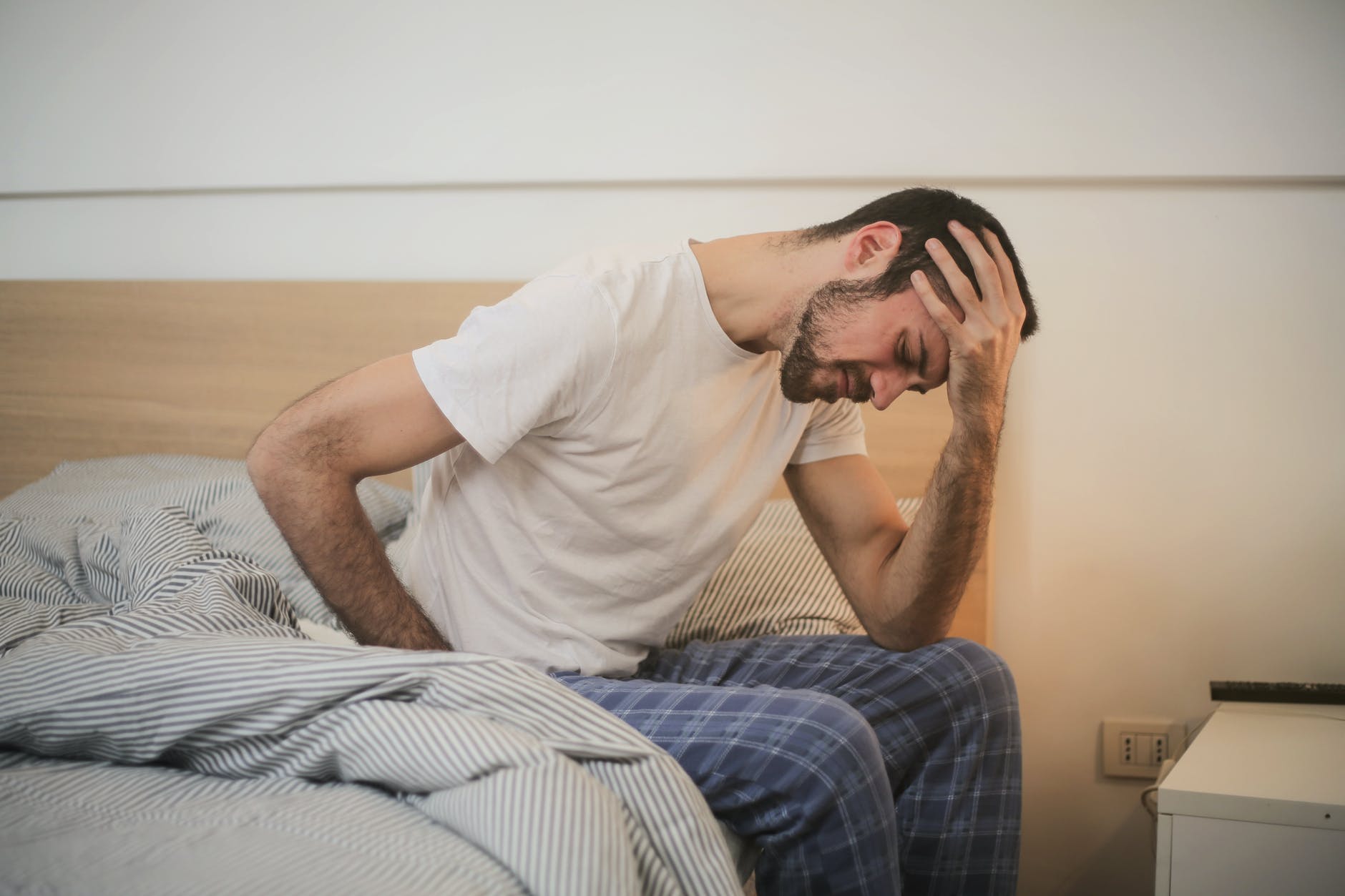
Waking up tired after what seems like a full night of sleep is frustrating—and very common. Many people assume tiredness means they didn’t sleep long enough. In reality, morning fatigue usually points to poor sleep quality, not lack of sleep hours. How your sleep is structured, timed, and supported by daily habits matters more than the number on the clock. This guide explains what “waking up tired” really means, the most common causes, and what actually helps you wake up feeling refreshed—using clear, evidence-based explanations and safe medical framing.

What Does “Waking Up Tired” Actually Mean?
Waking up tired refers to low energy or lack of restoration after sleep, not simply feeling sleepy. According to the American Academy of Sleep Medicine, restorative sleep depends on the quality and balance of sleep stages across the night, not just total duration.
Physical tiredness vs. mental fatigue
-
Physical tiredness feels like heaviness in the body, muscle soreness, or low stamina.
-
Mental fatigue shows up as brain fog, poor focus, low motivation, or irritability.
Why “hours slept” ≠ “rested”
You can spend eight hours in bed but still miss enough deep sleep or REM sleep—the stages that restore the body and brain. Frequent awakenings, stress, or mistimed sleep can fragment these stages without you noticing.
Tired vs. sleepy
-
Sleepy means you want to fall asleep.
-
Tired means you lack energy even after sleeping.
Morning tiredness usually reflects sleep quality problems, not simple sleep deprivation.
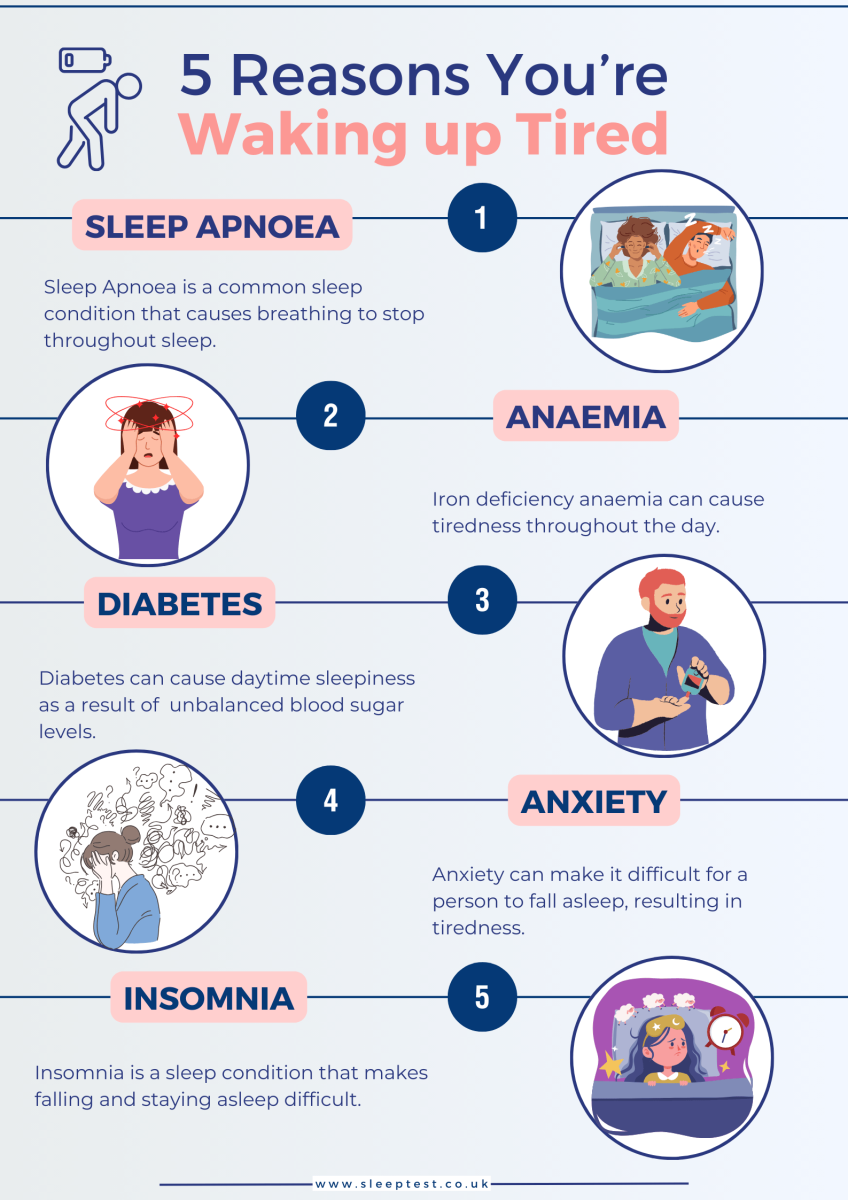
The Most Common Reasons You Wake Up Tired
Poor Sleep Quality (Not Enough Deep or REM Sleep)
Poor sleep quality is the leading cause of waking up tired. Sleep works in stages, and each stage serves a purpose.
-
When deep sleep is low: Physical recovery suffers. You may wake with a heavy body, muscle soreness, or low physical energy.
-
When REM sleep is low: Mental recovery suffers. You may feel foggy, emotionally flat, or unfocused.
Sleep stages matter more than duration. A shorter night with solid deep and REM sleep can feel better than a longer night with fragmented stages.
Irregular Sleep Schedule and Circadian Rhythm Issues
Your body follows a circadian rhythm—an internal clock that coordinates sleep and wake timing. An inconsistent schedule confuses this clock.
Common patterns that cause morning fatigue
-
Different bedtimes each night
-
Sleeping late on weekends and early on weekdays (often called “social jet lag”)
-
Frequent travel or rotating shifts
When timing shifts, deep sleep and REM sleep become less efficient—even if total sleep time stays the same.
Stress, Anxiety, and High Cortisol at Night
Stress keeps the brain alert at night. It raises cortisol, a hormone linked to wakefulness.
How stress affects sleep
-
Makes it harder to fall asleep
-
Lightens deep sleep
-
Increases brief awakenings
Racing thoughts don’t always prevent sleep, but they often prevent restorative sleep. This section is informational, not diagnostic.
Sleep Apnea or Nighttime Breathing Problems
Sleep apnea and related breathing issues can fragment sleep repeatedly through the night. The Centers for Disease Control and Prevention recognizes disrupted sleep architecture as a concern when symptoms persist.
Common signs
-
Loud snoring
-
Gasping or choking sounds during sleep
-
Waking unrefreshed despite long sleep
-
Daytime fatigue
These repeated micro-awakenings reduce deep and REM sleep—even if you don’t remember waking up. This information is educational, not diagnostic.
Poor Sleep Environment
Your bedroom strongly influences sleep quality.
Environmental factors that disrupt sleep
-
Light exposure (streetlights, screens, LEDs)
-
Noise (traffic, household sounds)
-
Temperature that’s too warm or too cold
-
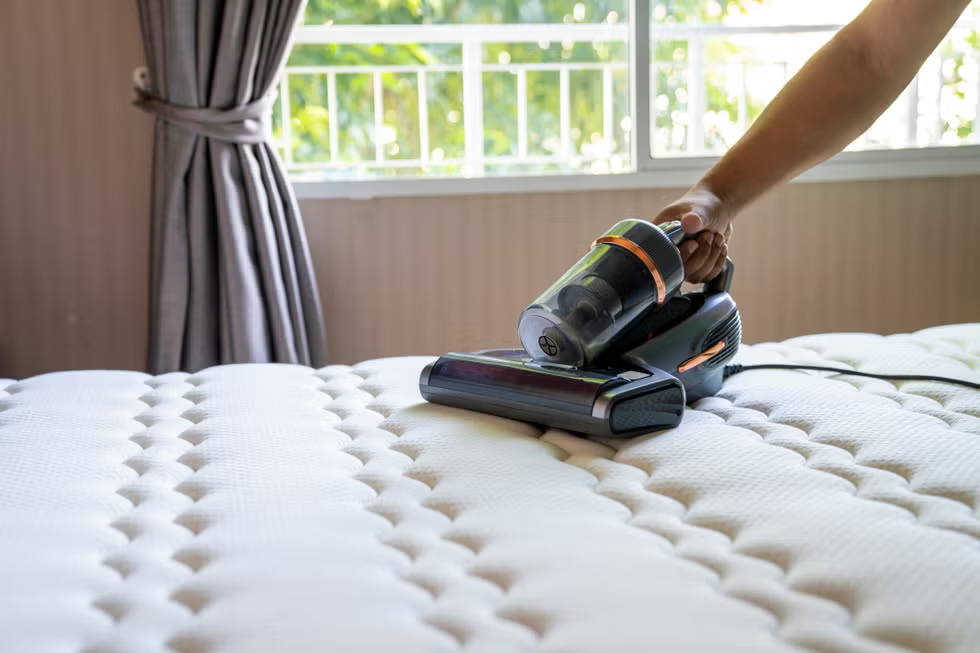
Uncomfortable mattress or bedding
Even small disturbances can break deep sleep without fully waking you.
Lifestyle Habits That Secretly Make You Wake Up Tired
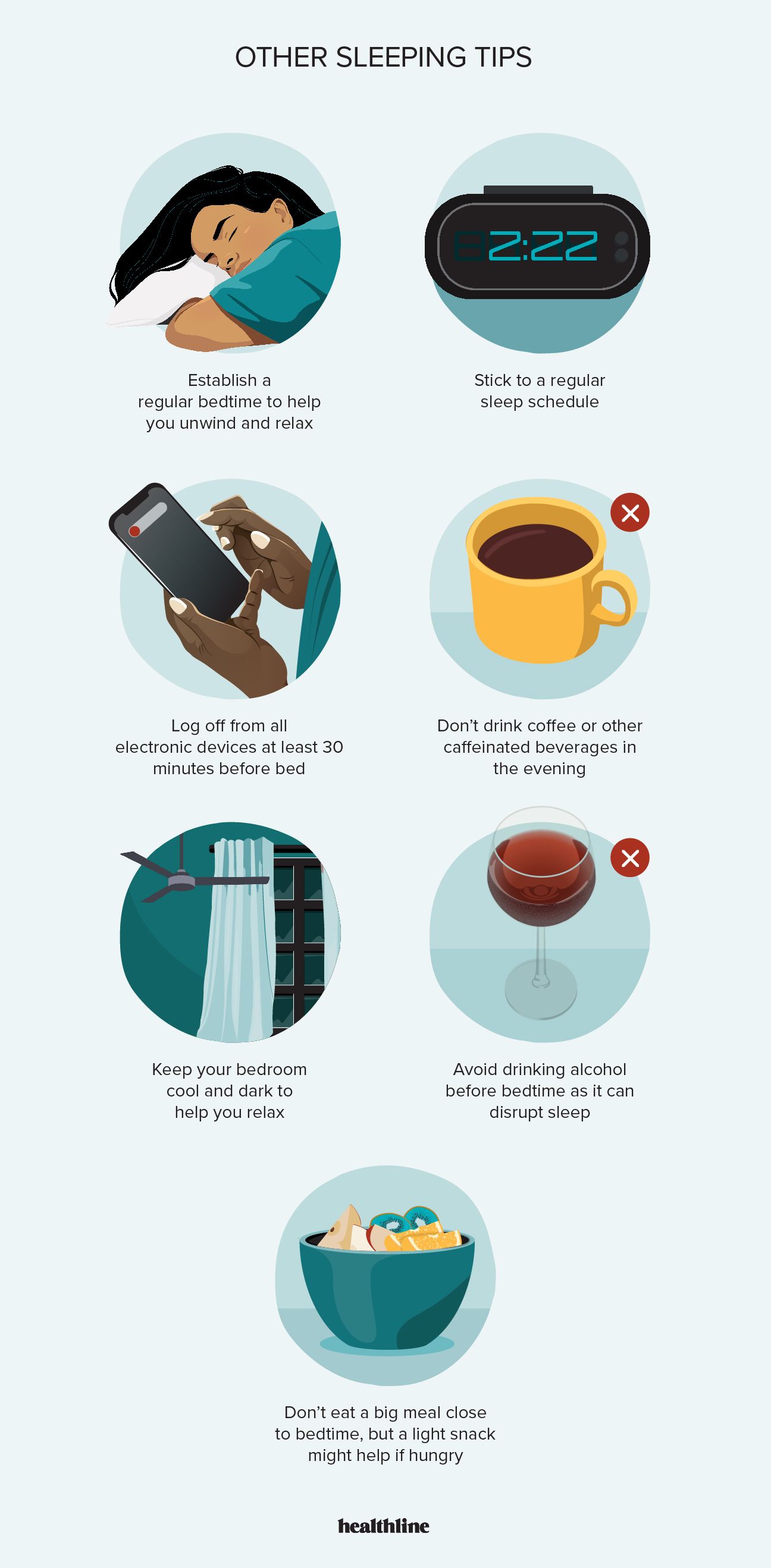
Late-Night Screen Exposure
Screens emit light that delays melatonin release. When melatonin timing shifts, sleep stages start later and become shorter—especially deep sleep early in the night.
Caffeine Timing Mistakes
Caffeine has a long half-life. Afternoon or evening caffeine can reduce deep sleep later, even if you fall asleep easily.
Alcohol Before Bed
Alcohol may help you fall asleep faster, but it fragments sleep in the second half of the night. As it wears off, sleep becomes lighter and more interrupted, reducing recovery.
Eating Heavy Meals Too Late
Late, heavy meals keep digestion active when the body should be resting. This delays deep sleep onset and increases nighttime discomfort.
Source: hamptonroadsent
How to Tell If Your Sleep Quality Is Poor
Use this checklist to spot low sleep quality, even if you sleep “enough” hours:
-
Wake up unrefreshed most days
-
Need multiple alarms to get up
-
Brain fog in the morning
-
Energy crash in the afternoon
-
Sleep long but still feel tired
These patterns suggest sleep fragmentation or missing stages, not simple sleep deprivation.
Tired vs. Sleepy — Why the Difference Matters
Understanding this difference helps you choose the right fix.
-
Sleepy: You need more sleep time.
-
Tired: You need better sleep quality.
If you’re sleepy, extend sleep duration. If you’re tired, focus on sleep timing, environment, and stress reduction.
How to Wake Up Feeling Refreshed (What Actually Helps)
Improve Deep Sleep Naturally
Deep sleep responds best to consistent timing, a cool and dark room, and calm evenings. Focus on protecting the first half of the night, when deep sleep is most abundant.

Improve REM Sleep Quality
REM sleep benefits from full nights of sleep, reduced alcohol, and lower stress. It occurs more in the second half of the night, so cutting sleep short often reduces REM.
Fix Sleep Timing and Consistency
Go to bed and wake up at the same times daily—within a 30–60 minute window. Consistency trains your circadian rhythm to deliver deeper, more efficient sleep.
Optimize Your Bedroom Environment
Aim for a bedroom that signals safety and rest:
-
Dark
-
Quiet
-
Cool
Small environmental changes often deliver larger gains than supplements or gadgets.
:max_bytes(150000):strip_icc()/sneaky-reasons-why-you-wake-up-tired-according-to-new-study-39c02e5fe2184a3a851fc869926e5768.jpg)
When Waking Up Tired Is a Medical Red Flag
Seek professional advice if morning tiredness is persistent and comes with:
-
Ongoing exhaustion
-
Loud snoring or gasping
-
Morning headaches
-
Sudden mood or memory changes
-
Daytime sleep attacks
This guide provides education, not diagnosis.
Frequently Asked Questions of why do I wake up tired
What if I sleep 8 hours but still feel tired?
You can still wake tired if sleep is fragmented or shallow. Check for sleep apnea, frequent awakenings, or poor sleep timing.
Can poor diet make me wake up tired?
Yes. Heavy late meals, low iron, and low B12 can lower energy. Balanced meals and basic blood tests can help.
Is screen time the main reason people wake tired?
Screens contribute by delaying sleep and adding light at night. They are a common factor but often work with others like stress.
How soon can I expect to feel better after changing habits?
Some people see improvement in days. For lasting change, give new habits two to four weeks to show results.
When should I see a sleep doctor?
See a doctor if you snore loudly, stop breathing at night, fall asleep during the day, or if lifestyle fixes fail after several weeks.
Can naps help if I wake up tired?
Short naps (20–30 minutes) can help mid-day without hurting nighttime sleep. Long naps may make night sleep worse.
Conclusion
Waking tired has many causes, from simple habits to medical issues. Start with sleep timing, light control, and a calm bedtime routine. Track your sleep and test when things don’t improve. Small, steady changes often lead to big energy gains. Try one change this week and note how your mornings feel. If you found this helpful, share your experience or subscribe for more sleep tips.

Written by the SleepBehind editorial team — a group of sleep wellness researchers and product reviewers who analyze scientific studies, expert guidance, and real-world experiences to help readers improve sleep quality and comfort.