
Waking up feeling groggy, achy, or unrefreshed even after logging 7–9 hours of total sleep is a common sign you’re not getting enough deep sleep. Deep sleep (clinically classified as N3 slow-wave sleep) is the most physically restorative stage of rest, responsible for muscle repair, immune function, and metabolic regulation. Unlike lighter sleep stages or REM sleep, which focus on cognitive processing, deep sleep is the foundation of physical recovery and daily energy. This guide covers evidence-based, natural strategies to increase deep sleep without unproven supplements, gimmicky gadgets, or drastic lifestyle overhauls.
What Is Deep Sleep (N3 Slow-Wave Sleep)?
Deep sleep is the third and deepest stage of non-REM sleep, defined by slow delta brain waves, a 1–2°F drop in core body temperature, lowered blood pressure, and near-complete muscle relaxation. During this stage, your brain also clears metabolic waste products via the glymphatic system, a process critical for long-term brain health. As noted by the American Academy of Sleep Medicine, deep sleep is the period when the body prioritizes physical repair: tissue regeneration, muscle growth, and immune system strengthening all peak during this stage. You can also read our guide on how to reduce nighttime awakenings.
Unlike REM sleep, which dominates the second half of the night and supports memory consolidation and emotional regulation, deep sleep dominates the first half of the night and focuses entirely on physical restoration. Both stages are equally essential for overall sleep quality: cutting deep sleep short leaves you physically exhausted, while cutting REM sleep short leads to mental fog and mood instability.
 Visual breakdown of how deep sleep supports tissue repair, immunity, and cognitive function
Source: youtube
Visual breakdown of how deep sleep supports tissue repair, immunity, and cognitive function
Source: youtube
Why Deep Sleep Is Non-Negotiable for Full-Body Recovery
Deep sleep supports recovery in ways no other sleep stage can match, with impacts that extend far beyond how you feel in the morning:
- It triggers the majority of daily growth hormone secretion, critical for muscle repair and tissue regeneration after exercise or injury.
- It boosts production of cytokines, proteins that fight infection and inflammation, reducing your susceptibility to colds and speeding recovery from illness.
- It stabilizes neural connections and clears brain fog, improving focus, decision-making, and emotional resilience the next day.
- It stabilizes the overall sleep cycle, ensuring you get enough restorative REM sleep later in the night.
When deep sleep is reduced, the body may still log full 7–9 hours of total sleep, but fails to complete these critical restoration processes. This is a common symptom of ongoing sleep disruption that leads to persistent fatigue, even after a full night in bed. Chronic low deep sleep is also linked to long-term health risks including weakened immunity, weight gain, and increased risk of chronic conditions like diabetes and heart disease. You can also read our guide on sleep basics guide.
 Key pillars of natural deep sleep improvement, from timing to environment
Source: xendurance
Key pillars of natural deep sleep improvement, from timing to environment
Source: xendurance
How Much Deep Sleep Do You Actually Need?
For healthy adults aged 18–65, 13–23% of total sleep time (roughly 60–110 minutes per night) is the average recommended range for deep sleep, per American Academy of Sleep Medicine guidelines. This range shifts with age and individual biology:
- Children and teenagers need 20–25% of total sleep in deep sleep to support growth and development, which is why they require longer sleep windows.
- Adults over 65 naturally experience a drop to 10–15% of total sleep in deep sleep as part of normal aging, not automatically a sign of a problem.
Occasional drops in deep sleep are completely normal after stressful days, cross-time-zone travel, mild illness, or schedule shifts. Long-term patterns over 2–4 weeks are far more meaningful than single-night fluctuations. Trying to “force” more deep sleep is also counterproductive: the body only enters this stage when it feels safe and rested, so stressing about hitting a specific deep sleep number often makes it harder to fall into restorative rest.
 Simple, consistent pre-sleep habits signal to your body it's time to wind down
Source: unbounce
Simple, consistent pre-sleep habits signal to your body it's time to wind down
Source: unbounce
Telltale Signs You’re Not Getting Enough Deep Sleep
Deep sleep deficiency almost always manifests as physical tiredness, not the urge to fall asleep (sleepiness). Sleepiness is driven by sleep pressure building up during the day, while tiredness is a lack of energy that persists even after a full night of rest. Common signs of low deep sleep include:
- Waking up with heavy, achy muscles or joint pain, even after no strenuous activity the day before.
- Taking 30+ minutes to feel alert after waking, even with caffeine.
- Lingering soreness after workouts that lasts 2–3 days longer than usual, or an inability to hit previous performance benchmarks.
- Frequent afternoon crashes 2–3 hours after lunch.
- Increased irritability or low stress tolerance for small, routine stressors.
Frequent unplanned awakenings during the night (with no obvious cause like noise or a bathroom need) are also a common sign of fragmented deep sleep, as deep sleep is the hardest stage to rouse from: if you’re waking up multiple times a night, you’re likely not staying in deep sleep long enough to get its full benefits. You can also read our guide on bedroom setup for better sleep.
Common Causes of Reduced Deep Sleep (And How to Spot Them)
Inconsistent Sleep and Wake Times
Your circadian rhythm (your body’s internal clock) relies on consistent cues to know when to release sleep-promoting melatonin and wake-promoting cortisol. Even a 1-hour shift in bedtime 2–3 nights a week can delay deep sleep onset by 20–30 minutes and reduce total deep sleep time by 15–20% per night. Consistency matters far more than perfection: sticking to a fixed schedule, paired with small, consistent pre-sleep habits, trains your body to enter deep sleep more efficiently each night. Avoid sleeping in more than 30 minutes past your weekday wake time on weekends, as this pushes back your circadian clock for the entire week.
Late-Night Blue Light Exposure
Blue light (400–490nm wavelength) from phones, laptops, TVs, and bright overhead lights suppresses melatonin production significantly, delaying deep sleep onset by 30–60 minutes for many people. Even “night mode” filters on devices don’t fully eliminate blue light, and the mental stimulation of scrolling, working, or watching intense content also raises cortisol, making it almost impossible to enter deep sleep. Stop using screens 60–90 minutes before bed, and use dim, warm-toned lighting in the evening to avoid this disruption. You can also read our guide on smart sleep lamp vs bedside lamp.
Alcohol and Sedative Use
Alcohol may help you fall asleep faster as a depressant, but it severely fragments deep sleep in the second half of the night. As your body metabolizes alcohol, it transitions from sedative to stimulant, causing frequent micro-awakenings that pull you out of deep sleep before you’ve gotten enough. Even 1–2 drinks within 3 hours of bed can reduce total deep sleep by 10–20% for most people. Over-the-counter sedatives and some prescription sleep aids have a similar effect: they reduce time to fall asleep, but often suppress deep sleep and REM sleep long-term. For more details on alcohol's impact on sleep quality, refer to the National Institute on Alcohol Abuse and Alcoholism.
Chronic Stress and Elevated Nighttime Cortisol
Cortisol is your body’s stress hormone, designed to keep you alert during the day. When stress from work, relationships, or daily life keeps cortisol elevated past bedtime, it blocks melatonin release and keeps your brain in a light, alert state, making deep sleep almost impossible. Racing thoughts, worry, and to-do list looping are common signs of high nighttime cortisol. Gentle wind-down practices like light stretching, journaling, or breathwork can activate your parasympathetic (rest-and-digest) nervous system to lower cortisol. Many people also find that weighted sleep aids like weighted blankets help quiet racing thoughts and ease the transition to rest. You can also read our guide on weighted eye mask for sleeping review.
Undiagnosed Sleep Disorders
Conditions like obstructive sleep apnea (where breathing stops briefly during sleep, causing micro-awakenings), chronic insomnia, and restless legs syndrome frequently fragment deep sleep, even if you don’t remember waking up. Common warning signs include loud, chronic snoring, gasping for air at night, morning headaches, or an irresistible urge to move your legs when lying down. This section is educational, not diagnostic: if you experience these symptoms, consult a sleep specialist for evaluation. For people with mild sleep apnea, specialized pillows may help reduce breathing disruptions overnight.
 Key environmental adjustments to signal to your body it's time for restorative rest
Source: mattressmiracle
Key environmental adjustments to signal to your body it's time for restorative rest
Source: mattressmiracle
How Deep Sleep Works Across the Night (Sleep Cycle Basics)
Sleep occurs in repeating 90–110 minute cycles, each with four stages: light N1, light N2, deep N3, and REM sleep. Deep sleep dominates the first 2–3 cycles of the night, which is why going to bed late (even if you sleep in late the next day) cuts into deep sleep time: your circadian rhythm is programmed to release the most deep sleep-promoting hormones in the early part of the night, so those early hours are far more valuable for deep sleep than late-night hours. You can also read our guide on sleep tracker watch vs ring.
As the night progresses, deep sleep cycles get shorter, and REM sleep cycles get longer. This is why consistently cutting sleep short by 1–2 hours per night disproportionately reduces deep sleep, even if you think you’re “catching up” on weekends. Prioritizing a full 7–9 hour sleep window, with a consistent bedtime, is the most reliable way to get enough deep sleep.
Evidence-Based Natural Ways to Increase Deep Sleep
Prioritize Consistent Sleep Timing (The #1 Deep Sleep Driver)
Consistent sleep and wake times are the single most impactful habit for increasing deep sleep, per clinical sleep research. Your circadian rhythm relies on regular cues to know when to release sleep hormones, so going to bed and waking up at the same time every day (within a 30-minute window) trains your body to enter deep sleep faster and stay there longer. Even 1–2 nights of inconsistent timing can reset your circadian clock, delaying deep sleep for several days. You can also read our guide on sleeping with pain guide.
Start by setting a fixed wake time (even on weekends, don’t sleep in more than 30 minutes past your weekday wake time), then work backwards to set a bedtime that gives you 7–9 hours of total sleep. If you need to adjust your schedule, shift it by 15–30 minutes per night, not all at once, to avoid disrupting your rhythm.
Optimize Your Sleep Environment for Uninterrupted Rest
Your bedroom environment sends powerful cues to your body about whether it’s safe to rest. Focus on these four key adjustments:
- Temperature: Keep your bedroom between 60–67°F (15–19°C), the optimal range for deep sleep. Your core body temperature needs to drop 2–3°F to enter deep sleep, so a cool room is non-negotiable. Hot sleepers may benefit from cooling sleep products like moisture-wicking pillowcases or cooling mattress toppers to maintain the right temperature.
- Light: Make your room as dark as possible: use blackout curtains, cover LED lights from electronics, and consider a comfortable sleep mask. Even small amounts of light (like from a phone charger) can suppress melatonin production. For light-sensitive sleepers, light-blocking sleep tools like blackout curtains or contoured sleep masks can eliminate disruptive light without sacrificing comfort.
- Noise: Keep your room quiet, or use a white noise machine to mask sudden noises (traffic, neighbors, pets) that can pull you out of deep sleep. If you live in a noisy area, consistent background noise from a white noise machine can mask sudden sounds that trigger micro-awakenings.
- Disruptions: Remove pets from the bedroom if they move around at night, and keep your phone on do not disturb to avoid alerts that fragment sleep.
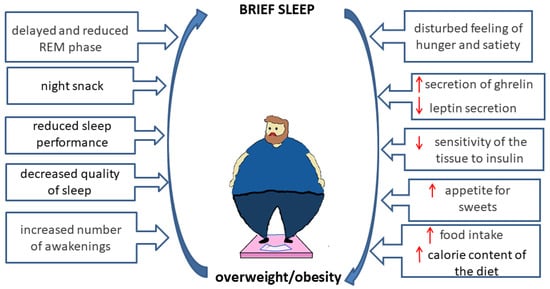 Overview of lifestyle factors that support or hinder slow-wave sleep production
Source: mdpi
Overview of lifestyle factors that support or hinder slow-wave sleep production
Source: mdpi
Build a Calming Pre-Sleep Wind-Down Routine
The goal of your 60–90 minute pre-sleep routine is to activate your parasympathetic (rest-and-digest) nervous system and lower cortisol. Avoid intense exercise, work, stressful conversations, or screen use during this window. Helpful low-effort activities include:
- Light stretching, especially hip openers and neck releases that hold tension from the day.
- Reading a physical book under dim, warm-toned light.
- Journaling to write down to-do lists or worries so you don’t ruminate in bed.
- Taking a warm bath 1–2 hours before bed: the drop in core temperature after you get out signals your body it’s time to sleep.
Many people also find that pressure therapy bedding like weighted blankets helps quiet racing thoughts and ease the transition to deep sleep, thanks to the gentle pressure that boosts serotonin and melatonin production. You can also read our guide on deep sleep tips.
Adjust Your Evening Nutrition and Hydration
What you eat and drink in the 3 hours before bed has a major impact on deep sleep:
- Heavy, spicy, or high-fat meals delay deep sleep onset, as your body prioritizes digestion over rest. Keep evening meals light and finish eating 2–3 hours before bed.
- Caffeine has a 6–8 hour half-life, so even a coffee at 4pm can still be in your system at 10pm, blocking adenosine (the sleep pressure chemical) and reducing deep sleep. Avoid caffeine after 2–3pm, depending on your sensitivity.
- Alcohol, as noted earlier, fragments deep sleep in the second half of the night. Limit alcohol to 1–2 drinks per day, and avoid it entirely within 3 hours of bed if you struggle with low deep sleep.
- Limit fluids 1–2 hours before bed to avoid waking up to use the bathroom, which fragments deep sleep. If you need a pre-bed snack, opt for a small portion of tryptophan- or magnesium-rich foods like a banana, a handful of almonds, or warm chamomile tea.
While magnesium and glycine supplements are popular for sleep, evidence for their effectiveness is mixed: they may help some people, but they are not a reliable fix for most. Test one supplement at a time, start with the lowest possible dose, and consult a healthcare provider before starting any new supplement, especially if you take other medications.
Time Your Exercise Correctly
Regular physical activity is one of the most proven long-term ways to increase deep sleep: it boosts sleep pressure, lowers cortisol, and regulates your circadian rhythm. However, timing and intensity matter:
- Morning or early afternoon exercise is most effective for deep sleep, as it helps anchor your circadian clock and boosts sleep pressure for the night ahead.
- If you can only exercise in the evening, stick to low-intensity activities like yoga, walking, or stretching, and finish at least 2 hours before bed to avoid raising your core temperature and cortisol too close to bedtime.
- Overtraining (excessive high-intensity exercise without enough rest) can increase cortisol and reduce deep sleep, so balance activity with adequate recovery days.
 Consistent daily movement, timed correctly, is one of the strongest natural deep sleep boosters
Source: deezer
Consistent daily movement, timed correctly, is one of the strongest natural deep sleep boosters
Source: deezer
What Wearables Can (and Can’t) Tell You About Deep Sleep
Most consumer wearables (smartwatches, fitness trackers, sleep rings) estimate deep sleep using movement data (actigraphy) and heart rate variability (HRV), not EEG brain wave monitoring, which is the gold standard used only in clinical sleep studies. This means their deep sleep readings are estimates, not exact measurements.
That said, wearables are extremely useful for tracking long-term trends: if your deep sleep estimate drops consistently after making a habit change (like drinking coffee after 3pm or staying up late on weekends), that’s a useful signal to adjust your routine. Avoid obsessing over single-night scores: one night of low deep sleep is almost always due to temporary factors (stress, late meal, travel) and doesn’t reflect your overall sleep health. If you notice consistent low deep sleep scores alongside symptoms like fatigue or snoring, consult a sleep specialist for a clinical sleep study for an accurate measurement.
Ring-style sleep monitors often claim higher accuracy for sleep staging, though they still use estimates rather than clinical EEG data.
 How different wearable devices estimate deep sleep using movement and heart rate data
Source: adobe
How different wearable devices estimate deep sleep using movement and heart rate data
Source: adobe
Deep Sleep vs. REM Sleep: Key Differences
Sleep has two main types: non-REM (which includes light N1/N2 and deep N3) and REM (rapid eye movement) sleep. The two stages serve equally important but distinct roles:
- Deep sleep (N3): Dominates the first half of the night, focused on physical restoration: muscle repair, tissue growth, immune system strengthening, and metabolic regulation. Low deep sleep causes physical exhaustion, aches, and poor recovery.
- REM sleep: Dominates the second half of the night, focused on cognitive and emotional processing: memory consolidation, emotional regulation, creativity, and problem-solving. Low REM sleep causes mental fog, irritability, and difficulty with memory and focus.
Most adults need 1–2 hours of deep sleep and 1.5–2 hours of REM sleep per night to feel fully restored. If you regularly struggle with mental fog or mood swings after sleep, you may not be getting enough REM sleep—learn ways to improve REM quality alongside deep sleep optimization.
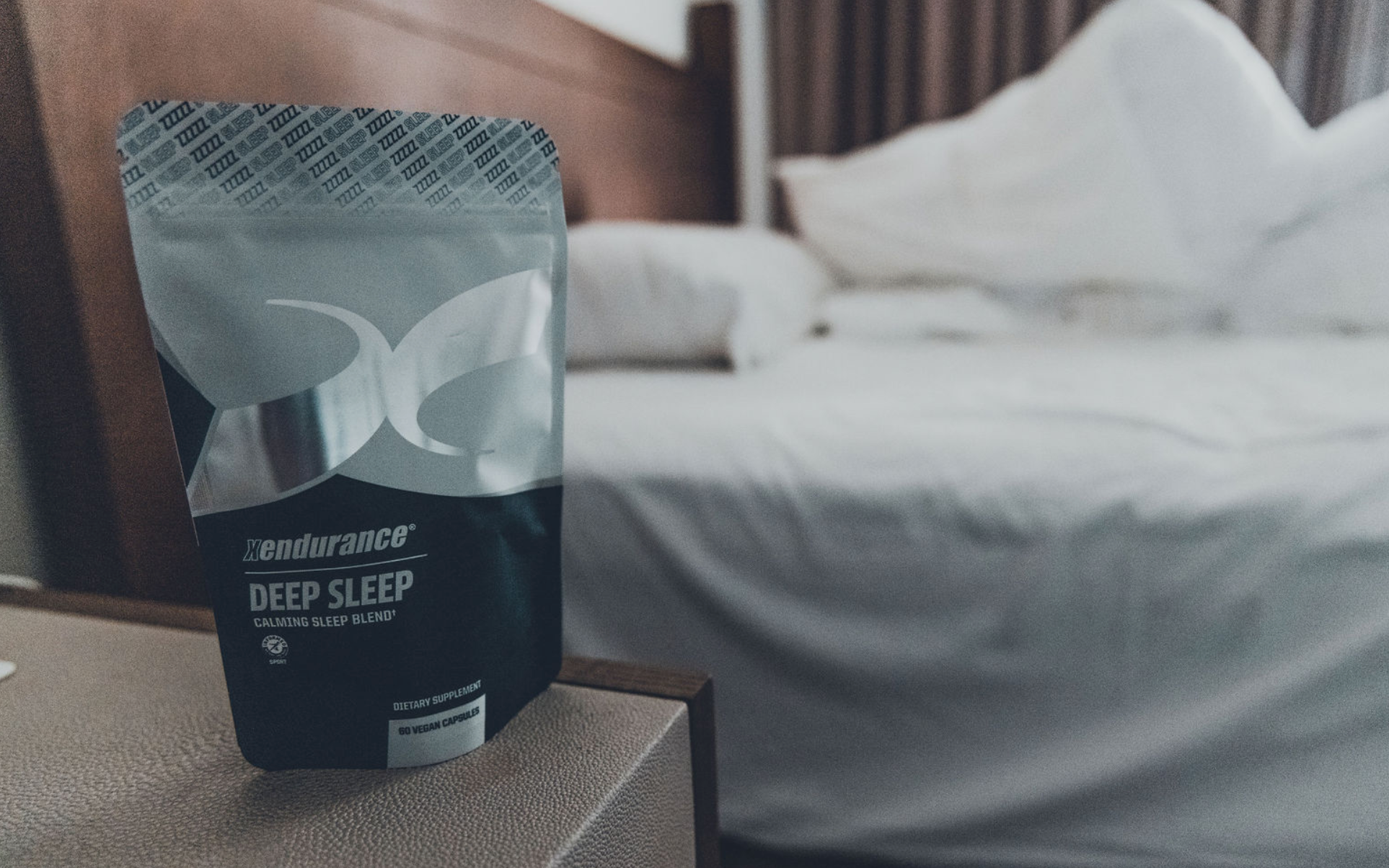 Common deep sleep disruptions and quick fixes for each
When Low Deep Sleep Becomes a Health Concern
Occasional low deep sleep is normal, but persistent low deep sleep (lasting 2+ weeks) along with other symptoms may indicate an underlying sleep disorder. Seek professional help from a sleep specialist if you experience any of the following:
- Persistent exhaustion that doesn’t improve after 7–9 hours of sleep, even after making lifestyle changes.
- Loud, chronic snoring, or gasping for air at night (common signs of sleep apnea).
- Morning headaches that last 1+ hours after waking.
- Uncontrollable daytime sleepiness, even during quiet activities like watching TV or working.
- Noticeable changes in mood, memory, or focus that last for weeks.
A clinical sleep study (polysomnography) is the only way to accurately measure deep sleep and diagnose sleep disorders, and most sleep disorders are highly treatable with lifestyle changes, CPAP, or other interventions. Worn-out mattress toppers that sag or have lumps can also cause discomfort that fragments deep sleep, even if you don’t wake up fully, so replace old bedding as needed.
 Sustainable, small changes to your daily routine deliver the biggest long-term deep sleep gains
Source: wakefit
Sustainable, small changes to your daily routine deliver the biggest long-term deep sleep gains
Source: wakefit
Long-Term Habits for Sustained Deep Sleep Improvement
Deep sleep optimization is not a quick fix: it responds to long-term patterns, not one-off changes like a single melatonin gummy or a weekend of early bedtimes. In practice, small, consistent changes compound far more than drastic overhauls: even a 15-minute earlier bedtime and 30 minutes of screen-free wind-down time can add 10–15 minutes of deep sleep per night within a few weeks.
Build these sustainable habits for long-term results:
- Prioritize sleep as a non-negotiable health habit, just like diet and exercise. Schedule it into your day, and don’t sacrifice it for work or social events.
- Track your progress over 2–4 weeks, not single nights: note your bedtime, wake time, pre-sleep routine, and how you feel in the morning to identify patterns.
- Adjust one habit at a time: if you try to change your schedule, environment, diet, and exercise all at once, you won’t know what’s working, and you’re more likely to give up.
- Be patient: most people see small improvements in 1–3 weeks, and larger, sustained improvements over 1–3 months of consistent changes.
- Don’t stress over occasional off nights: travel, stress, and illness will temporarily disrupt your sleep, and that’s normal. Just return to your routine the next day.
Keeping your bedding clean and supportive, including washing mattress toppers every 3–6 months, also eliminates allergens and discomfort that can disrupt deep sleep long-term.
Frequently Asked Questions
What is deep sleep, and why is it more important than other sleep stages?
Deep sleep (N3 slow-wave sleep) is the deepest stage of non-REM sleep, defined by slow delta brain waves, lowered core body temperature, and minimal responsiveness to external stimuli. It’s critical for physical restoration: it triggers muscle and tissue repair, strengthens the immune system, regulates hormones, and clears metabolic waste from the brain. While REM sleep is important for cognitive and emotional health, deep sleep is the foundation of physical recovery and overall sleep quality—without enough deep sleep, you’ll wake up feeling physically exhausted even after a full night’s rest.
How much deep sleep do I need each night?
For healthy adults aged 18–65, 13–23% of total sleep time (roughly 60–110 minutes per night) is the average recommended range. Children and teens need more (20–25% of total sleep) to support growth and development, while adults over 65 naturally experience a drop to 10–15% of total sleep as part of normal aging. Occasional fluctuations are normal, but consistently getting less than 60 minutes of deep sleep per night for 2+ weeks may warrant adjusting your sleep habits or consulting a specialist.
Can supplements reliably increase deep sleep?
There is limited, mixed evidence that supplements like magnesium, glycine, or low-dose melatonin can increase deep sleep for some people, but they are not a reliable fix for most. Supplements work best as a short-term aid while you build consistent sleep habits, not a long-term solution. Always test one supplement at a time, start with the lowest possible dose, and consult a healthcare provider before starting any new supplement, especially if you take other medications.
Will exercise always improve my deep sleep?
Regular moderate exercise is one of the most proven ways to increase deep sleep long-term, but timing and intensity matter. Vigorous exercise within 2–3 hours of bed can raise core temperature and cortisol, delaying deep sleep onset for some people. Morning or early afternoon exercise is most effective for boosting deep sleep, as it helps regulate your circadian rhythm. Low-intensity evening exercise like yoga or walking is also fine for most people, as long as it’s not too close to bedtime.
How quickly can I expect to see improvements in deep sleep?
Most people see small, noticeable improvements in deep sleep within 1–3 weeks of making consistent changes to their sleep schedule, environment, or routine. Larger, more sustained improvements typically take 1–3 months of consistent habit-building. Avoid expecting overnight results: deep sleep responds to long-term patterns, not one-off changes.
Should I use a sleep tracker to monitor my deep sleep?
Consumer sleep trackers (smartwatches, rings, fitness trackers) can be useful for identifying long-term trends in your sleep patterns, but they are not accurate enough to rely on for nightly deep sleep scores. They estimate deep sleep using movement and heart rate data, not the brain wave monitoring used in clinical sleep studies. Use them to spot patterns (e.g., "my deep sleep is lower on nights I drink coffee after 4pm") rather than obsessing over single-night numbers. If you notice consistent low deep sleep alongside symptoms like fatigue or snoring, consult a sleep specialist for a clinical sleep study for an accurate measurement.
Conclusion
Increasing deep sleep naturally doesn’t require expensive supplements, gadgets, or drastic lifestyle overhauls. The most impactful changes are small, consistent adjustments to your sleep schedule, environment, and pre-sleep routine that work with your body’s natural biology, not against it. Start with one change this week: whether it’s fixing your bedtime to be within 30 minutes of your wake time, adding 30 minutes of screen-free wind-down time before bed, or adjusting your bedroom temperature to 65°F, small steps compound over time to deliver meaningful improvements in deep sleep, physical recovery, and daily energy. Track your progress over 2–4 weeks, adjust as needed, and don’t stress over occasional off nights—consistency over time is what delivers real results. For more actionable, evidence-based tips to build a full sleep routine that supports all sleep stages, explore our complete sleep hygiene guide.

Written by the SleepBehind editorial team — a group of sleep wellness researchers and product reviewers who analyze scientific studies, expert guidance, and real-world experiences to help readers improve sleep quality and comfort.