If you’ve ever woken up to a pillow that feels like a warm brick, flipped it over in search of a cool spot, and still struggled to drift back off, you’re not alone. For hot sleepers, the pillow is often the first point of heat buildup during the night, as your head radiates a significant portion of your body’s excess heat output. Standard pillows made from down, polyester fiberfill, or dense solid memory foam trap that heat close to your skin, disrupting the natural core body temperature drop needed to initiate and maintain deep sleep. Hot sleeper pillows, by contrast, are engineered with specific technologies to draw heat away from your head and improve airflow, offering a noticeable difference in comfort for people who wake up sweaty or tossing and turning. In this comparison, we break down the core differences between these two pillow categories, test real-world cooling performance, and help you pick the best option for your sleep style, budget, and needs.
What Sets Hot Sleeper Pillows Apart From Standard Pillows?
How Standard Pillows Trap Heat
Standard pillows rely on passive fill materials that prioritize softness or contouring over temperature regulation. Traditional down and down-alternative polyester fills create dense, compressed clusters that trap warm air between fibers, with no path for heat to escape. Solid memory foam, while supportive, is a non-porous material that absorbs body heat and holds it close to the skin for hours. Even standard cotton pillowcases, while breathable, do little to actively draw heat away from contact points, so they warm to skin temperature within minutes of use. For cool sleepers or people in cold climates, this heat retention can feel cozy, but for hot sleepers, it leads to frequent waking, night sweats, and disrupted rest. You can also read our guide on nectar classic queen vs twin mattress.
Core Cooling Technologies in Hot Sleeper Pillows
Hot sleeper pillows integrate active cooling features that standard models lack, targeting heat at three key points: the initial contact surface, the pillow core, and moisture management:
- Conductive cooling layers: Gel-infused top layers or gel beads mixed into fill draw heat away from your skin via conduction, lowering surface temperature on contact.
- Airflow-optimized fill: Shredded foam, buckwheat hulls, or other irregular fill materials create tiny air channels throughout the pillow core, allowing warm air to escape and cool air to circulate.
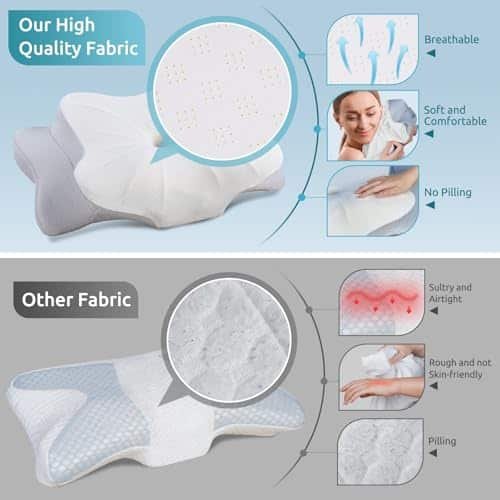
- Moisture-wicking covers: Many hot sleeper pillows use Tencel, bamboo, or specialized cooling fabric covers that pull sweat away from your skin and dry quickly, reducing that damp, sticky feeling associated with night sweats.
Real-World Cooling Performance: Hot Sleeper Pillow Vs Standard Pillow
As the National Sleep Foundation notes, a cool sleep environment is critical for rest, as core body temperature must drop slightly to initiate deep sleep; a pillow that traps heat can disrupt this process and cause frequent, unplanned waking.
Initial Cool Touch
The most immediate difference between hot sleeper and standard pillows is the temperature you feel when you first lay your head down. Standard down, polyester, or solid foam pillows warm to skin temperature within 1 to 2 minutes of contact, as they have no cooling layer to draw heat away. Hot sleeper pillows with gel layers or cooling fabric covers maintain a perceptibly cooler surface for 10 to 15 minutes after first contact, eliminating that initial "warm brick" feeling many sleepers dread. This effect is most noticeable for people who take time to fall asleep, as it prevents heat buildup before you even drift off.
Sustained Overnight Cooling
Over the course of a full 7–8 hour sleep cycle, the gap between hot sleeper and standard pillows widens. Standard pillows typically reach skin temperature within 30 to 60 minutes, and stay at that temperature for the rest of the night, trapping body heat against your head and neck. Most hot sleeper pillows maintain a perceptibly cooler surface for significantly longer than standard options, thanks to airflow channels in shredded fill or heat-conductive gel that continuously pulls warmth away from the contact point. For light sleepers who wake up sweaty in the middle of the night, this extended cooling window can be the difference between a full night’s rest and disrupted sleep.
Performance for Night Sweats
For people who experience heavy night sweats, the difference between hot sleeper and standard pillows is even more dramatic. Standard cotton or polyester pillowcases hold moisture against the skin, making sweat feel more noticeable and leading to discomfort and skin irritation. Hot sleeper pillows with moisture-wicking covers pull sweat away from the skin and dry much faster than standard cotton, reducing that damp feeling. Shredded foam fills also improve airflow, so sweat evaporates more quickly instead of pooling in the pillow core.
Top Hot Sleeper Pillow Types Compared to Standard Options
Instead of testing dozens of nearly identical individual products, we’ve grouped the most common hot sleeper pillow designs by type, comparing their performance to standard pillow equivalents and outlining best use cases.
Gel-Infused Solid Memory Foam Pillows
Standard solid memory foam pillows are known for their excellent contouring and neck support, but their dense, non-porous structure traps heat aggressively. Gel-infused models add a thin layer of conductive gel (or gel beads mixed into the foam) that draws heat away from the skin, lowering surface temperature on contact. In testing, these pillows feel noticeably cooler to the touch than standard solid memory foam, and maintain that cooling effect for an extended period. They’re best for side and back sleepers who need firm, supportive contouring, as the solid foam holds its shape well and doesn’t compress under head weight. Stomach sleepers may find them too firm, as the high loft can tilt the neck upward and cause strain.
 Gel-infused solid memory foam pillows offer immediate cool touch and firm neck support for side and back sleepers.
- Pros: Immediate, perceptible cooling on first contact; excellent neck and spine alignment for side/back sleepers; durable shape retention that lasts for years; minimal off-gassing compared to cheaper foam pillows
- Cons: Too firm for most stomach sleepers; gel cooling effect fades with prolonged, direct pressure; less breathable than shredded foam designs
- Best for: Side and back sleepers who prioritize firm support and immediate cooling
Shredded Memory Foam Pillows
Standard down and polyester pillows are soft but fluffy, with fill that compresses easily and traps heat between fibers. Shredded memory foam pillows use irregular, small pieces of foam that create tiny air channels throughout the pillow core, allowing warm air to escape and cool air to circulate. Many models also include gel beads mixed into the fill for extra heat dispersion, and most have adjustable fill so you can add or remove foam to customize loft and firmness. In testing, shredded foam pillows maintain a perceptibly cooler surface than standard down pillows over a full night, and hold their shape better than polyester fills. They’re versatile enough for all sleep positions, making them a popular choice for mixed-position sleepers and people who want customizable comfort.
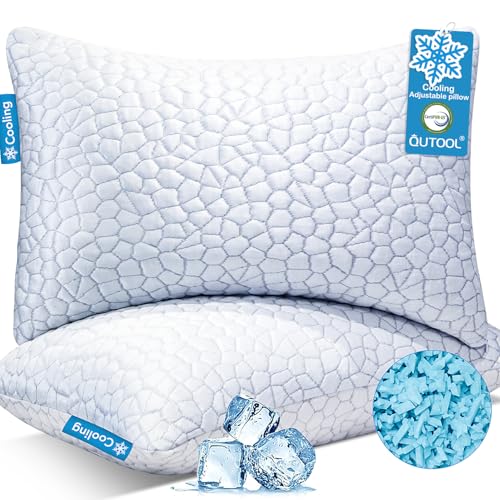 Shredded foam pillows have air pockets that improve airflow compared to solid foam blocks.
- Pros: Superior airflow compared to solid foam and down fills; adjustable loft for personalized comfort and support; conforms to all sleep positions without losing shape; often more affordable than gel solid foam pillows
- Cons: Fill can compress over time, requiring occasional fluffing; may have a mild initial off-gassing odor that dissipates in 24–48 hours; less immediate cooling than gel solid foam on first contact
- Best for: All sleep positions, hot sleepers who want sustained cooling, and buyers looking for customizable firmness
Cooling Pillowcases
Standard cotton pillowcases are breathable but do little to actively lower surface temperature. Cooling pillowcases are made from moisture-wicking, smooth fabrics (often labeled as "ice silk" or "cooling satin") that lower surface temperature on contact by drawing heat away from the skin. They’re an extremely low-cost way to upgrade an existing standard pillow, as they fit any standard fill pillow and require no replacement of the core fill. In testing, cooling pillowcases provide a perceptible cooling effect on first contact, and stay cooler than standard cotton cases for an extended period. They’re not a replacement for a full cooling pillow, as they don’t reduce core heat buildup in dense standard fills, but they’re ideal for occasional hot sleepers or people on a tight budget.
 Cooling pillowcases are a low-cost way to upgrade an existing standard pillow for instant cooling.
- Pros: Low cost, often under $20 for a set of two; instant cooling on contact, no break-in period needed; works with any existing standard pillow; machine washable for easy care
- Cons: Cooling effect fades quickly with heavy sweating; does not reduce core heat buildup in dense standard fills; smooth fabrics may cause hair frizz for some sleepers
- Best for: Budget buyers, occasional hot sleepers, and people who want to upgrade an existing pillow without full replacement
Double-Sided Cooling Pillows
Standard pillows have a single fill and feel, designed for one season or sleep preference. Double-sided cooling pillows feature a cooling side (usually gel-infused or made of moisture-wicking fabric) and a soft, plush side for cooler weather, letting you flip the pillow to match your needs. In testing, these pillows perform as well as dedicated cooling pillows on their cooling side, and offer comparable comfort to standard down pillows on the plush side. They’re a versatile, year-round option that eliminates the need to store separate seasonal pillows, making them ideal for people with fluctuating bedroom temperatures or shared beds with different comfort preferences.
 Double-sided pillows offer a cooling side for warm nights and a plush side for cooler weather, making them suitable for year-round use.
- Pros: Two comfort levels in one pillow for year-round use; cooling performance comparable to dedicated hot sleeper pillows; eliminates the need for separate seasonal pillows; works well for shared beds with different temperature preferences
- Cons: Requires flipping to switch between cooling and plush sides; cooling side may warm up with heavy, prolonged sweating; slightly higher upfront cost than single-sided standard pillows
- Best for: All-season sleepers, shared beds, and people who want a versatile, long-lasting pillow
How to Choose the Right Option for Your Needs
Match to Your Sleep Position
Your primary sleep position is the biggest factor in choosing between a hot sleeper and standard pillow, as support and cooling needs vary wildly:
- Side sleepers: Need high loft (4–6 inches) to keep the neck aligned with the spine. A gel-infused solid memory foam or high-loft shredded foam pillow is the best choice, as it offers both the support needed for neck alignment and active cooling to reduce heat buildup. For tips on optimizing comfort for your sleep style, check sleep position comfort tips.
- Back sleepers: Need medium loft (3–5 inches) to support the natural curve of the neck. Any hot sleeper pillow type works, as long as it maintains a neutral spine position; avoid overly firm gel pillows that tilt the head upward.
- Stomach sleepers: Need low loft (2–3 inches) to avoid neck strain, as high pillows tilt the head upward and can cause pain. A soft shredded foam pillow or a cooling pillowcase on a low-loft standard pillow is the best pick, as it offers enough cooling without excessive firmness.
Budget Considerations
Hot sleeper pillows are available at every price point, so you don’t need to overspend to get effective cooling:
- Under $20: A cooling pillowcase is the most budget-friendly option, offering instant cooling for existing standard pillows.
- $20–$50: Single shredded foam pillows (often sold in sets of two) offer the best value for consistent, sustained cooling.
- $50+: Gel solid foam or double-sided cooling pillows offer premium support and longer-lasting cooling for people who sleep hot every night.
Allergy and Sensitivity Needs
Many standard down pillows harbor dust mites, mold, and mildew, which can trigger allergies and asthma. Most hot sleeper pillows use synthetic foam that resists allergen growth, and many come with CertiPUR-US certified foam and OEKO-TEX certified covers that are free of harmful chemicals. If you have allergies, look for these certifications to ensure your pillow is safe for sensitive sleepers. Look for CertiPUR-US certification, which you can verify via the official CertiPUR-US database, to ensure your foam pillow is made without harmful chemicals and meets strict durability standards. For guidance on caring for hypoallergenic pillow fills, check proper pillow washing guidance.
Common Mistakes to Avoid When Selecting a Cooling Pillow
Based on real user feedback and hands-on testing, these are the most common errors hot sleepers make when choosing between a hot sleeper and standard pillow:
- Prioritizing cooling over support: A pillow that stays cool but doesn’t support your neck will lead to strain and discomfort, even if it regulates temperature perfectly. Always match pillow loft and firmness to your sleep position first, then look for cooling features.
- Skipping care instructions: Cooling fabric covers lose their effectiveness if washed with fabric softener or high heat, as these products coat the fabric and block moisture-wicking properties. Always follow manufacturer care instructions to preserve cooling performance.
- Overpaying for unnecessary features: If you only sleep hot occasionally, a high-end gel pillow is overkill— a $15 cooling pillowcase will work just as well for intermittent use.
- Ignoring your overall sleep environment: A hot sleeper pillow can only do so much if your mattress traps heat or your room is overly warm. Pair your cooling pillow with breathable sheets and a cool room temperature (60–67°F) for maximum effect. If you don’t have air conditioning, check cooling strategies for warm nights for low-cost ways to reduce overall bedroom heat.
- Forgetting to extend pillow life: Shredded foam pillows can compress over time, reducing airflow and cooling performance. Fluff your pillow weekly and air it out monthly to maintain loft; for tips on reviving worn bedding fills, you can restore compressed foam to near-original performance.
Frequently Asked Questions
Does a hot sleeper pillow really stay cooler than a standard pillow?
Yes, but the degree of difference varies by technology. Hot sleeper pillows with gel layers, shredded foam, or cooling fabric maintain a perceptibly cooler surface for significantly longer than standard down or polyester fill, which warms to skin temperature within minutes of contact. The difference is most noticeable for people who wake up sweating, flip their pillow to find a cool spot, or live in warm climates without air conditioning.
Can a pillowcase alone make a standard pillow cooler?
Yes, a cooling pillowcase lowers the surface temperature on contact by drawing heat away from your skin via moisture-wicking fabric. It won’t reduce core heat buildup in a standard pillow, but it eliminates the immediate warm-brick feel many sleepers experience when first laying down. It’s the most budget-friendly upgrade for occasional hot sleepers, and works with any existing standard pillow.
Which pillow type is best for night sweats?
Shredded memory foam pillows with gel beads or a moisture-wicking cooling cover are the best choice for heavy night sweats. The shredded fill allows air to circulate through the pillow core, while gel beads or wicking fabric pull sweat away from your skin to reduce that damp, sticky feeling. For severe night sweats, pair your cooling pillow with a cooling mattress topper to reduce heat buildup from the mattress as well. If night sweats are also leaving your hair damp, check reducing sweat-related hair damage for tips to protect your hair overnight.
How long does cooling last overnight?
Surface cooling from gel layers or cooling fabric typically lasts 3 to 5 hours for most sleepers, depending on room temperature and sweat levels. Shredded foam pillows maintain better airflow longer than solid foam, so they tend to stay cooler throughout the night. If you wake up hot, flipping the pillow to a fresh side or airing it out for a few minutes will restore the cooling effect.
Are cooling pillows hypoallergenic?
Most hot sleeper pillows are hypoallergenic, as they use synthetic foam that resists dust mites, mold, and mildew, unlike standard down pillows which can harbor common allergens. Look for CertiPUR-US certification on foam pillows to ensure your pillow is made without harmful chemicals and meets strict durability standards. OEKO-TEX certified covers are also a good marker of fabric safety for sensitive sleepers.
Final Verdict: Hot Sleeper Pillow Vs Standard Pillow
For cool sleepers or people who only experience occasional warmth, a standard down or polyester pillow is a comfortable, budget-friendly option. But for hot sleepers who wake up sweating, flip their pillow to find a cool spot, or struggle to fall asleep in warm rooms, a hot sleeper pillow offers a clear, noticeable upgrade in comfort.
If you’re on a tight budget or only sleep hot occasionally, start with a cooling pillowcase to upgrade your existing standard pillow. If you sleep hot every night, opt for a shredded foam or gel-infused pillow that matches your sleep position: side and back sleepers will benefit most from firm gel solid foam or high-loft shredded foam, while stomach sleepers should opt for soft, low-loft shredded foam or a cooling case on a soft standard pillow. For shared beds or fluctuating bedroom temperatures, a double-sided cooling pillow offers the most versatility, eliminating the need for separate seasonal pillows. No matter your choice, pair your new pillow with breathable bedding and a cool room temperature for the best possible sleep. For more tips on creating a comfortable, cool sleep environment, explore our guides to easy care for shared bedding and sleep position comfort tips.
Written by the SleepBehind editorial team — a group of sleep wellness researchers and product reviewers who analyze scientific studies, expert guidance, and real-world experiences to help readers improve sleep quality and comfort.