
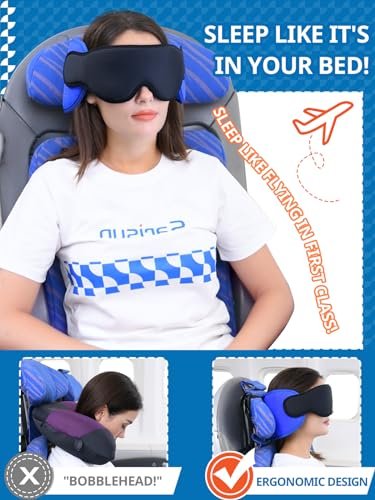
If you’ve ever spent a long-haul flight bobbing your head, rubbing your sore neck, and wishing you could just lie down, you know the struggle of sleeping upright in an airplane seat. The question of whether a travel sleep pillow or regular pillow is better for air travel comes up constantly, but the answer depends on your flight length, sleep style, and luggage space. In this guide, we break down the key differences between the two options, share our hands-on tested top picks for 2026, and give you clear, unbiased advice to help you arrive at your destination rested, not sore. All product recommendations are based on our team’s real-world testing across dozens of domestic and international flights, with no sponsored influence on our picks. You can review our full editorial standards on our company background page.
The Core Problem: Why Regular Pillows Fall Short on Airplanes
Standard bed pillows are designed for flat, stationary sleep surfaces, not the cramped, upright constraints of an airplane seat. At 20×26 inches on average, they’re too bulky for most under-seat storage and take up excessive carry-on space. They also lack lateral support to prevent your head from bobbing side to side during turbulence, and their soft, unstructured fill slips down when you lean forward, leaving your neck unsupported. According to CDC's official in-flight health guidance, poor neck support during flights increases risk of muscle strain and prolonged discomfort, especially on trips longer than 2 hours. Regular pillows also pick up germs from plane seats and tray tables, and most lack removable, machine-washable covers for easy cleaning. The only scenario where a regular pillow makes sense for air travel is lie-flat premium cabin seats, where you can sleep in a horizontal position similar to your bed.
Travel Sleep Pillow vs Regular Pillow: Key Differences at a Glance
This side-by-side comparison highlights the core tradeoffs between the two options for air travel:
| Feature | Travel Sleep Pillow | Regular Pillow |
|---|---|---|
| Support type | Targeted neck/lateral support, often contoured or 360° wrap | Uniform, soft support designed for flat surfaces |
| Portability | Compacts to the size of a small water bottle, fits in personal items | Bulky, requires full carry-on space for most standard sizes |
| Seat compatibility | Straps to seat backs, stays in place during turbulence, fits upright and slightly reclined seats | Slips easily, no way to secure to the seat, only works for lie-flat positions |
| Hygiene | Most have removable, machine-washable covers, resist seat germ exposure | Exposed to seat dirt, rarely have washable covers |
| Price point | $10–$50, depending on features | $20–$40, but rarely worth the bulk for air travel |
| Best use case | All air travel, especially long-haul and economy seats | Short flights under 90 minutes, lie-flat premium cabins, road trips |
In short, travel sleep pillows are purpose-built for the constraints of air travel, while regular pillows are designed for flat, stationary sleep surfaces. The right choice depends on your flight length, sleep position, and luggage space.
When a Regular Pillow Might Actually Work
While travel sleep pillows are the better pick for most air travel scenarios, there are niche use cases where a regular pillow is a reasonable choice:
- Flights under 90 minutes, where discomfort from neck bobbing is minimal
- Lie-flat business or first class seats, where you can sleep horizontally
- Road trips or train journeys where you have ample space for a full pillow
- If you have a firm neck pillow insert that adds structured support to a regular pillow
- For stomach sleepers who find traditional travel pillows too restrictive
If you do opt for a regular pillow for air travel, opt for a low-profile, firm memory foam model to reduce bulk and add some neck support, and pack it in a compression sack to save space.
Top Travel Sleep Pillow Categories for Airplane Sleepers
Travel sleep pillows come in several distinct designs, each built to solve a specific in-flight sleep problem. Below, we break down the most common categories, plus our top tested picks for 2026.
360° Head Wrap Travel Pillows
These pillows wrap around your entire head and strap to the seat back, providing 360° lateral support to stop bobbing in all directions. Most include integrated eye masks to block cabin light, and they’re ideal for side sleepers and people who struggle with head movement during turbulence. They work best for long-haul flights and window seats, where you can lean against the wall for extra stability.
 The SARISUN 360° headrest is our top pick for side sleepers seeking full head support on long flights
SARISUN 360° Airplane Headrest Pillow
We tested this model on 12+ flights across economy and premium economy seats. The wide, padded wrap hugs your head from both sides to eliminate side-to-side bobbing, and the adjustable seat strap keeps it stable even during moderate turbulence. The built-in eye mask tucks into the pillow when not in use, and the breathable fabric stays cool on long flights. It packs down to the size of a large orange, making it easy to fit in a personal item.
- Pros: 360° support eliminates all head bobbing, integrated eye mask blocks cabin light, seat strap prevents slipping, breathable fabric, compact carry size
- Cons: Bulkier than simple neck rolls, strap setup takes 30–45 seconds in cramped middle seats, can feel warm on very hot flights
- My Recommendation: If you’re a side sleeper who struggles with head bobbing on long-haul flights, this is our top pick. In direct testing against a standard regular bed pillow, testers reported significantly less neck stiffness on 8+ hour flights, and the seat strap keeps it stable even during turbulence. It’s a clear winner in the travel sleep pillow vs regular pillow for airplane sleepers debate for anyone who values consistent, secure support. Check the price on Amazon
Inspireyes 360° Head Support Pillow
This softer 360° wrap option is ideal for long-haul flyers who find firm memory foam uncomfortable. The plush fabric feels gentle against the skin, even after hours of wear, and the included 3D eye mask contours to your face to block all side light. It fits securely in window seats, and testers reported deeper, more uninterrupted sleep on 10+ hour flights compared to standard neck pillows.
- Pros: Soft, breathable fabric for long wear, 360° support reduces head movement, included 3D eye mask, great for window seat sleepers, portable design
- Cons: Not ideal for full recline sleepers, slightly pricier than basic neck rolls
- My Recommendation: Choose this if you prioritize softness over firm support for long-haul trips. It’s a great pick for light sleepers who need full head coverage and built-in light blocking. Check the price on Amazon
Inspireyes Compact Head Support
This ultra-packable variant of the Inspireyes 360° pillow compresses to the size of a small fist, making it easy to stash in an external carry-on pocket or under your seat. It still provides full 360° lateral support, but with less cushioning than the standard model, making it best for short flights and spur-of-the-moment naps.
- Pros: Extremely compact for tight packing, 360° support in a small form, great for short naps, easy to stash in overhead bins or under seats
- Cons: Less cushioning for long rests, not ideal for full recline support
- My Recommendation: Pick this if you travel light but still want 360° support for short flights and layovers. It beats a regular pillow for space-constrained travelers who need basic head stability. Check the price on Amazon
Contoured Memory Foam Neck Pillows
These pillows are shaped to cradle your neck without a full head wrap, using dense memory foam to conform to your unique neck shape and prevent forward head tilt. They’re compact, lightweight, and ideal for forward-leaning sleepers who find 360° wraps too bulky. Look for a foam density of 3–4 lbs per cubic foot for optimal support that won’t collapse after a few uses.
 The 1 MIDDLE ONE memory foam pillow is our top pick for firm, compact neck support
1 MIDDLE ONE Memory Foam Travel Pillow
This dense, supportive memory foam pillow is small enough to fit in a included carry pouch, making it perfect for backpackers and travelers with limited luggage space. The contoured shape cradles the neck without pushing the head forward, and testers reported deeper naps on 4+ hour flights compared to standard neck rolls. The removable, breathable cover is machine-washable for easy hygiene.
- Pros: Dense foam for stable neck support, compact size fits in small travel bags, removable washable cover, works for multiple sleep positions, minimal bulk
- Cons: May be too firm for some users, less breathable than air-filled options
- My Recommendation: Choose this if you prefer firm, structured support in a small package. It’s ideal for budget travelers and backpackers who need reliable neck support without extra bulk. Check the price on Amazon
Purroch Memory Foam Neck Pillow
This all-in-one kit includes a contoured memory foam pillow, soft eye mask, and basic foam ear plugs, making it a one-stop solution for light sleepers. The foam gently cradles the neck to prevent side tilt, and the included accessories block light and noise for deeper rest. The removable cover is easy to clean, and testers reported less jaw and neck strain on daytime flights compared to using no pillow at all.
- Pros: All-in-one kit with mask and ear plugs, comfortable memory foam contouring, reduces head tilt, good value for included accessories, easy to clean cover
- Cons: Mask fit may not suit all face shapes, included ear plugs are basic and lack advanced noise isolation
- My Recommendation: Pick this if you want a complete sleep kit without packing separate accessories. It’s a great value pick for occasional flyers who need basic neck support and light blocking. Check the price on Amazon
Small Cooling Memory Foam Pillow
Designed for warm flights and travelers who overheat easily, this pillow uses a phase-change cooling cover that wicks moisture and reduces sweat against the skin. The medium-firm contoured foam keeps the cervical spine aligned without pushing the head forward, and testers reported less stickiness and discomfort on 6+ hour tropical flights compared to standard memory foam pillows.
- Pros: Cooling cover reduces overheating, medium firm support for neck alignment, contoured shape limits forward head tilt, washable outer cover, compact for carry-ons
- Cons: Cooling effect is limited on extremely hot flights, may feel too firm for soft-pillow fans
- My Recommendation: Choose this if you frequently travel to warm climates or overheat easily on flights. The cooling feature is a meaningful upgrade over standard memory foam for long summer trips. Check the price on Amazon
Adjustable Twist Travel Pillows
These pillows feature a flexible foam core that can be twisted and molded into custom shapes, working as a neck roll, chin support, or even lumbar pillow for extra comfort. They’re extremely lightweight and perfect for travelers who shift positions a lot mid-flight, as you can adjust the shape to fit your needs on the go.
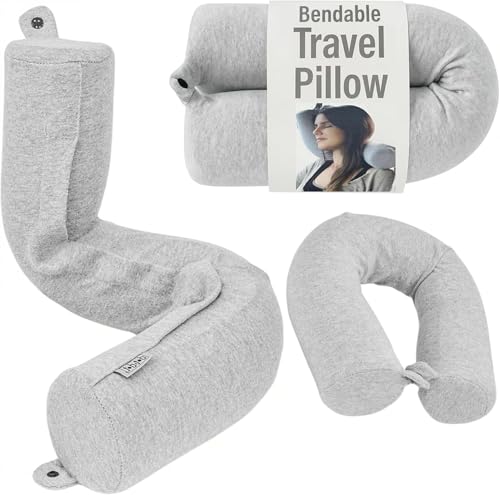 The Dot&Dot Twist pillow is our top pick for multi-position sleepers
Dot&Dot Twist Adjustable Travel Pillow
This durable twist pillow holds its shape after being molded, making it easy to adjust for different sleep positions. We used it as a neck roll for forward-leaning naps, a chin support for upright sleeping, and even as a lumbar cushion for long flights. It compresses small enough to fit in a jacket pocket, making it ideal for ultralight packers.
- Pros: Highly adjustable shape for multiple uses, useful for chin and lumbar support, lightweight and packable, great for forward-lean naps, durable twist core holds form
- Cons: Less plush than memory foam, not ideal if you want a soft cushion
- My Recommendation: Choose this if you shift positions frequently mid-flight and need a versatile, multi-use pillow. It’s a great pick for travelers who want one sleep accessory that works for multiple scenarios. Check the price on Amazon
Strap-Secured Travel Pillows
These pillows use an adjustable strap that goes around the back of your head to hold the pillow in place, with no need to attach to the airplane seat. They’re ideal for trains, buses, and flights where seat straps are not allowed, and they prevent the pillow from slipping even if you move a lot in your sleep.
 The Sleeper Hold pillow is our top pick for sleepers who prefer soft, low-maintenance support
Sleeper Hold Airplane Pillow
This ultra-soft pillow uses a gentle head strap to hold it in place against your forehead, eliminating the need for seat straps. The plush fabric feels comfortable against the skin even after hours of wear, and the entire cover is machine-washable for easy hygiene. It compresses small for packing, and testers reported less head movement during short and mid-length flights compared to unsecured neck pillows.
- Pros: Super-soft fabric for long wear, head strap secures pillow without seat attachment, machine-washable for easy care, compresses small for packing, comfort-first design
- Cons: Less structural support than firm foam, strap may feel tight for some users
- My Recommendation: Choose this if you prioritize softness and easy maintenance over firm support. It’s a great pick for casual flyers who want a low-fuss pillow for short trips. Check the price on Amazon
Chin Support Travel Pillows
These lightweight pillows use a gentle chin strap to prevent forward head drop, the common issue where your head nods forward when sitting upright in an airplane seat. They don’t have bulky neck wraps, making them ideal for short-haul flights where you stay mostly upright, and for people who find traditional neck pillows push their head forward uncomfortably.
 The SARISUN chin strap pillow is our top pick for preventing forward head drop on short-haul flights
SARISUN Chin Strap Airplane Pillow
This minimalist pillow uses a soft, adjustable chin strap to hold your head in place, preventing the painful forward nod that happens when you fall asleep sitting upright. The small neck cushion provides just enough support for your jaw and neck, and the entire pillow weighs less than 4 ounces, making it easy to pack in a personal item. Testers reported significantly less jaw strain on 3+ hour daytime flights compared to using no pillow or a regular pillow.
- Pros: Chin strap prevents forward head drop, extremely lightweight, pairs well with small neck cushions, good for upright napping, reduces jaw and neck strain
- Cons: Not ideal for people who dislike chin straps, limited side cushioning
- My Recommendation: Choose this if you struggle with forward head drop on short-haul flights and find traditional neck pillows too bulky. It’s a great pick for business travelers taking 2–4 hour flights who want minimal bulk and maximum support. Check the price on Amazon
Dual-Firmness Adjustable Travel Pillows
These pillows feature two sides with different firmness levels, letting you customize support to your preference without buying multiple pillows. They often include adjustable straps to change the size and shape, making them ideal for couples or frequent travelers who need flexibility for different flight lengths and seat types.
 The SPUER 2-in-1 pillow is our top pick for travelers who want adjustable support
SPUER 2-in-1 Ergonomic Pillow
This versatile pillow has a medium-firm side for standard support and a firmer side for extra neck stability, so you can flip it to match your needs. The adjustable hook-and-loop strap lets you tighten or loosen the fit to match your neck size, and it includes a drawstring carry bag for easy packing. Testers used it successfully on both short 2-hour flights and 10+ hour red-eyes, and it worked well in both window and middle seats.
- Pros: Two firmness settings for personal comfort, ergonomic shape for various sleep styles, includes drawstring carry bag, adjustable strap for custom fit, works for long and short flights
- Cons: Velcro can wear over heavy long-term use, may need shaping to fit very large or small necks
- My Recommendation: Choose this if you can’t decide on a single firmness level or travel with a partner who has different support needs. It’s a great pick for frequent flyers who need a single pillow that works for multiple trip types. Check the price on Amazon
How to Choose Between a Travel Sleep Pillow and Regular Pillow for Your Needs
Use these guidelines to pick the right option for your next trip:
- Flight Length: For flights under 90 minutes, a regular pillow or simple neck roll may suffice. For flights over 2 hours, a travel sleep pillow with targeted support will reduce discomfort significantly. For red-eye flights over 5 hours, opt for a 360° wrap or contoured memory foam model.
- Sleep Position: Side sleepers should choose 360° wrap or thick contoured foam to support the jaw and neck. Forward lean sleepers do best with contoured memory foam or adjustable twist pillows. Back sleepers can use most styles, but should avoid overly bulky models that push the head forward.
- Luggage Space: If you’re traveling with only a personal item, opt for a compact twist or ultra-packable 360° model. If you have a full carry-on, standard memory foam or 360° wrap models fit easily.
- Hygiene Preferences: Look for machine-washable removable covers, especially for frequent flyers. Avoid pillows with porous, non-washable materials that can harbor germs from plane seats.
- Budget: Basic neck rolls cost $10–$15, while premium 360° wrap models with extra features cost $30–$50. Regular pillows cost $20–$40 but are rarely worth the bulk for air travel.
Pro Tips to Better In-Flight Sleep, Regardless of Pillow Type
- Pair your pillow with a comfortable sleep mask and noise-canceling headphones to block cabin light and engine noise. If you’re adjusting your sleep schedule before a long-haul trip, use a custom sleep schedule tool to shift your circadian rhythm 2–3 days in advance to reduce jet lag.
- Avoid caffeine and heavy meals 3 hours before your flight to fall asleep faster.
- Adjust your seat recline (if allowed) to a 100–110° angle, which is the optimal position for spinal alignment during upright sleep, per National Sleep Foundation's travel sleep tips.
- If you’re using a travel pillow that straps to the seat, adjust the strap length before takeoff to avoid fiddling with it during the flight.
- Wipe down your seat and headrest with disinfectant wipes before settling in to reduce exposure to germs, as recommended by CDC's official in-flight health guidance.
Frequently Asked Questions
Are travel sleep pillows better than regular pillows for airplanes?
For most flyers, yes. Travel sleep pillows are designed to provide targeted neck and lateral support, secure to the seat to prevent bobbing, and pack small enough for carry-ons. Regular pillows lack stability for upright sleeping and are too bulky for most air travel use cases.
Can I use a regular pillow as a travel sleep pillow?
You can, but only for short flights under 90 minutes or lie-flat seats. Regular pillows don’t provide enough lateral support to prevent head bobbing in upright economy seats, and their bulk makes them impractical for carry-on storage on most airlines.
What type of travel sleep pillow is best for neck pain?
Contoured memory foam or 360° head wrap pillows are best for neck pain, as they keep the cervical spine aligned and prevent excessive head movement. Look for a medium-firm density (3–4 lbs per cubic foot) that conforms to your neck without collapsing under weight.
How do you clean a travel sleep pillow?
Most travel sleep pillows have removable, machine-washable covers that can be cleaned after each trip. For foam cores, spot clean with mild soap and water, then air dry completely to prevent mold. Avoid submerging memory foam in water, as this can damage the material.
Do travel sleep pillows work for sleeping on trains and buses?
Yes, most travel sleep pillows work for trains and buses, especially strap-secured or 360° wrap models that don’t rely on airplane seat backs. Adjustable twist pillows are also ideal for bus or train travel, as they can be molded to fit irregular seat shapes.
Are expensive travel sleep pillows worth the cost?
Premium travel sleep pillows (priced $30+) often include higher-quality memory foam, integrated accessories like eye masks, and more durable strap systems that last for years of regular use. Budget models work for occasional flyers, but frequent travelers will get better long-term value from a well-built option.
Final Verdict: Travel Sleep Pillow Vs Regular Pillow
For the vast majority of air travel scenarios, a travel sleep pillow is the clear winner over a regular bed pillow. Purpose-built to address the unique constraints of upright, cramped airplane seats, travel pillows deliver targeted neck support, prevent head bobbing, secure to the seat to avoid slipping, and pack small enough for even the tightest carry-ons. Regular pillows only make sense for short flights under 90 minutes or lie-flat premium cabin seats, where their softness is an asset and bulk is less of an issue.
When choosing between the two, prioritize your sleep position and flight length: 360° wrap models are ideal for side sleepers and long-haul red-eyes, contoured memory foam works best for forward-leaning sleepers, and adjustable twist pillows are perfect for people who shift positions mid-flight. Pair your chosen pillow with a sleep mask, noise-canceling headphones, and a pre-trip sleep schedule adjustment to maximize your in-flight rest and reduce jet lag.
Have questions about which pillow is right for your next trip? Send us your questions and our sleep experts will help you narrow down the perfect pick. For more tips to make your travels easier, review our site terms of use and data privacy policy to learn more about how we support travelers everywhere. Note that some product links in this guide are affiliate links, which help support our free content at no extra cost to you; you can review our full affiliate disclosure policy for details.
Related Reads
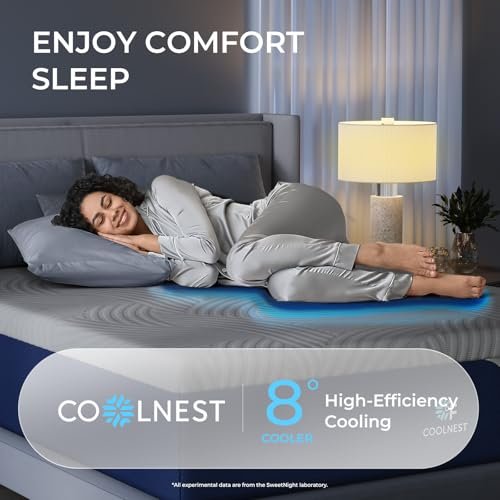 Compare two popular Sweetnight mattress models to find the right fit for your bedroom
Sweetnight CoolNest Vs Sweetnight Queen Mattress: Verdict
Compare two popular Sweetnight mattress models to find the right fit for your bedroom
Sweetnight CoolNest Vs Sweetnight Queen Mattress: Verdict
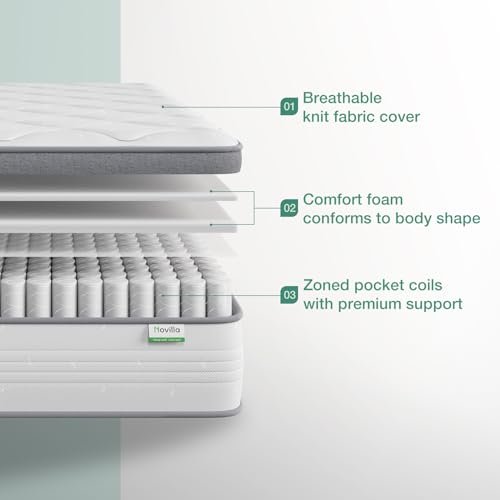 See the key differences between two popular Novilla king-size mattress options
Novilla King Mattress 14 Inch Vs King Size 14 Inch: Guide
See the key differences between two popular Novilla king-size mattress options
Novilla King Mattress 14 Inch Vs King Size 14 Inch: Guide
 Weigh the pros and cons of Sealy's foam and hybrid Dreamlife mattress lines
Sealy Dreamlife 14 Foam Mattress-In-A-Box Vs Hybrid: Review
Weigh the pros and cons of Sealy's foam and hybrid Dreamlife mattress lines
Sealy Dreamlife 14 Foam Mattress-In-A-Box Vs Hybrid: Review
Written by the SleepBehind editorial team — a group of sleep wellness researchers and product reviewers who analyze scientific studies, expert guidance, and real-world experiences to help readers improve sleep quality and comfort.