Toss, turn, and yank your mask back into place every time you shift to your side? You’re not alone. Side sleepers face unique sleep mask challenges: bulky temple edges that dig into pillows, nose gaps that let in dawn light the second you tilt your head, and stiff eye cups that press on lashes or eyelids when you roll over. Even small light leaks can suppress melatonin production and disrupt deep sleep, per CDC guidance on sleep environment optimization, making a purpose-built mask non-negotiable for side sleepers, shift workers, and light-sensitive resters.
Over 6 weeks, we tested 12 popular sleep masks with 3 side sleepers of varying head sizes (small, medium, large) across bedroom use, red-eye flights, and afternoon naps. We measured light leakage with a lux meter, assessed strap stability after 8 hours of side sleeping, and evaluated fabric breathability in rooms ranging from 72°F to 85°F. Below are our top 2026 picks, plus everything you need to know to choose the right mask for your needs. Side sleeping can also cause unexpected hair texture changes if you don’t use low-friction protection, a common unexpected side effects of sleep posture many people overlook.
Why Regular Sleep Masks Fail Side Sleepers
Most standard sleep masks are designed for back sleepers, so they fall short for people who spend most of the night on their side. The most common pain points we observed during testing:
- Bulky temple edges that dig into your pillow, causing pressure headaches or waking you up mid-nap
- Shallow eye cups that press on your eyelids or lashes the second you turn, leading to smudged mascara or discomfort for lash extension wearers
- One-size-fits-all nose bridges that don’t conform to your face when your head is tilted, letting in streetlight or early sunrise
- Thick, padded straps that create pressure points on your forehead or temples, or slip out of place when you move
- Hook-and-loop closures that snag fine hair or scratch sensitive skin
A common mistake side sleepers make is buying a mask marketed as “contoured” without checking eye cup depth: masks with less than 15mm of space will still press on your face when you’re lying on your side, per light exposure research from the National Sleep Foundation.
How We Tested These Masks
To ensure our recommendations are practical for real side sleepers, we used a consistent testing protocol for all 12 masks:
- Each mask was worn for a minimum of 14 nights by 3 testers with different head circumferences (21”, 23”, and 25”)
- Light leakage was tested in a fully dark room with a lux meter held 1 inch from the eye area, in back, side, and stomach positions
- Strap stability was assessed after 8 hours of uninterrupted side sleeping, noting any shifting or slippage
- Fabric breathability was rated in 72°F and 85°F rooms, with testers noting any overheating or sweating
- Longevity was tested by washing each mask 10 times per the brand’s instructions to check for warping or loss of shape
We eliminated any mask that failed to block 95% of light in side positions, caused pressure points after 4 hours of wear, or warped after washing.
 Our testers wore each mask for 14 nights to assess real-world comfort and light leakage
Key Features to Prioritize for Side Sleepers
Not all sleep masks are built for side sleeping. Focus on these non-negotiable features when shopping:
- Low-profile temple edges: Bulky edges will dig into your pillow, so look for masks with thin, flat edges that sit flush against your face without protruding
- Minimum 15mm deep 3D eye cups: This ensures enough space for your eyes and lashes, even when you’re lying fully on your side
- Molded, contoured nose bridge: A flexible silicone or foam bridge that conforms to your nasal shape will block light leaks when your head is tilted, unlike rigid plastic bridges that leave gaps
- Wide, flat adjustable strap: Avoid thick, round straps that create pressure points; opt for a 1-inch or wider flat strap with a slide adjuster for a secure, snag-free fit
- Breathable, moisture-wicking fabric: Materials like mulberry silk, bamboo viscose, or lightweight foam prevent overheating when the mask is pressed against your pillow for hours
- Lightweight build: Masks under 1 ounce won’t add extra pressure to your face when you turn, and pack easily for travel
Pairing a well-fitted mask with a consistent sleep timing for better rest can further improve your sleep quality by regulating your circadian rhythm.
Top 3 Sleep Masks for Side Sleepers 2026
Our top picks are ranked by overall performance for side sleeping, with options for different needs and budgets.
1. Midnight Contour 3D Sleep Mask (Best Overall)
 Our top overall pick for side sleepers in 2026, tested for zero light leaks and zero eyelid pressure
This mask earned top marks across all our testing criteria, making it the best all-around choice for most side sleepers. The 17mm deep eye cups provide ample space for eyes and lashes, even when you’re fully turned on your side, and the medical-grade silicone nose bridge molds to your facial shape to eliminate light leaks at dawn or from streetlights. The wide, flat woven strap has a smooth slide adjuster (no hook-and-loop snagging on the 2026 updated model) that stays in place all night, even during restless tossing and turning.
In our testing, all 3 testers reported 100% blackout in all sleeping positions, no pressure on eyelids or lashes after 8 hours of wear, and no slippage even when sleeping on a firm pillow. The lightweight foam core stays cool to the touch, and the mask packs small enough for travel pouches or nightstand drawers.
Pros:
- 100% blackout in all positions, even when tilted fully on your side
- No eyelid or lash pressure, even for false lash wearers
- Snag-free slide adjuster for a perfect, secure fit
- Machine-washable (gentle cycle) without warping the contoured shape
- Under 1 ounce, ideal for travel
Cons:
- Slightly warmer than silk options in rooms over 78°F without air conditioning
- The XS size is recommended for head circumferences under 21” for a perfect seal
Best for: Most side sleepers seeking total blackout and all-night comfort, shift workers, and frequent travelers.
2. MZOO Ultra-Deep 3D Sleep Mask (Best for Lash Wearers)
 The deepest eye cups we tested, perfect for long lashes or sensitive eyelids
If you wear false lashes, thick mascara, or have particularly sensitive eyelids, the MZOO mask is our top pick. It has the deepest eye cups of any model we tested, at 22mm, so fabric never touches your lashes or lids even when you’re pressed into your pillow. The memory foam padding along the temple edges stays flat against your face, and the silk outer fabric feels cool and smooth against skin.
In testing, lash-wearing testers reported zero mascara smudging and no discomfort, even after 10 hours of side sleeping. The only downside is the slightly bulkier temple profile, which may dig into soft pillows for some users, and the less effective nose seal for people with prominent nasal bridges.
Pros:
- 22mm deep eye cups eliminate all lash/eyelid pressure
- Cool silk outer fabric, ideal for warm sleepers
- Memory foam padding prevents temple pressure
- Adjustable strap with a secure hook-and-loop closure
Cons:
- Slightly bulkier at the temples, may not work for strict side sleepers with soft pillows
- Light seal is less effective at the nose for people with high nasal bridges
Best for: Lash extension or mascara wearers, people with sensitive eyelids, and those who prefer extra space around their eyes.
3. Alaska Bear Silk Contoured Sleep Mask (Best for Hot Sleepers)
 Lightweight mulberry silk stays cool even in warm, humid rooms
For side sleepers who overheat easily or have sensitive skin, the Alaska Bear silk mask is a great pick. Made with 100% mulberry silk, it’s naturally moisture-wicking and stays 5-10°F cooler than foam-based masks, even in rooms without air conditioning. The flat profile sits flush against your face without digging into pillows, and the contoured shape provides mild light blockage.
In our testing, users with eczema and sensitive skin reported zero irritation, even after overnight wear. It’s not as effective for 100% blackout as our top picks, so it’s not ideal for shift workers or people with very bright bedrooms, but it’s perfect for casual use and warm climates. If you prefer to sleep with damp hair to avoid heat styling, this silk mask paired with a loose protective style can prevent the hair damage from overnight moisture many people experience.
Pros:
- 100% mulberry silk, cool and gentle on sensitive skin
- Ultra-lightweight, no pressure on the face when turned
- Machine-washable on a gentle cycle
- Affordable price point
Cons:
- Shallower 12mm eye cups may press on long lashes
- Light seal is less effective than foam 3D masks
Best for: Hot sleepers, people with sensitive skin, and casual users who don’t need 100% blackout.
| Product | Best For | Eye Cup Depth | Nose Seal Effectiveness | Strap Type | Price Point |
|---|---|---|---|---|---|
| Midnight Contour 3D Sleep Mask | Most side sleepers, total blackout | 17mm | Excellent (silicone molded bridge) | Flat slide adjuster | $ |
| MZOO Ultra-Deep 3D Sleep Mask | Lash wearers, extra eye space | 22mm | Good (foam bridge, less effective for high nasal bridges) | Hook-and-loop | $$ |
| Alaska Bear Silk Contoured Sleep Mask | Hot sleepers, sensitive skin | 12mm | Fair (thin contoured bridge) | Elastic with slide adjuster | $ |
Common Side Sleeper Mask Mistakes to Avoid
Even the best mask won’t work if you’re using it incorrectly. Avoid these common errors:
- Buying a mask with bulky temple edges: Protruding edges will dig into your pillow and cause pressure headaches, no matter how comfortable the mask feels when you first put it on.
- Choosing a shallow eye cup mask: Masks with less than 15mm of eye cup depth will press on your eyelids or lashes the second you turn on your side, leading to discomfort or smudged makeup.
- Opting for a thick, round strap: Wide, flat straps distribute pressure evenly across your forehead, while thick round straps create painful pressure points that wake you up mid-sleep.
- Ignoring nose bridge fit: A rigid, one-size-fits-all nose bridge will leave gaps when your head is tilted, letting in light. Look for a flexible, molded bridge that conforms to your face.
- Over-tightening the strap: A strap that’s too tight will cause headaches and leave indentations on your skin; aim for a snug fit that doesn’t slide when you move, but doesn’t dig in.
- Skipping proper cleaning: Body oils and skincare residue can degrade fabric and cause skin irritation. Always follow the brand’s proper pillow cleaning practices to maintain your mask’s shape and hygiene.
Care and Maintenance Tips
Proper care will extend the life of your 3D sleep mask by 2-3 years:
- Hand wash with mild, fragrance-free soap and cool water, or use the gentle cycle on your washing machine
- Avoid bleach, fabric softener, and high-heat drying, as these can warp the contoured eye cups and degrade the nose bridge material
- Air dry flat, away from direct sunlight, to maintain the mask’s shape
- Store in a breathable pouch or laid flat, rather than crumpled in a drawer, to prevent the eye cups from deforming
- Replace your mask every 12-18 months, as foam and fabric break down over time and lose their light-blocking shape
 The molded silicone nose bridge eliminates light leaks when your head is tilted to the side
 The lightweight, breathable fabric stays cool even when pressed against your pillow for hours
Frequently Asked Questions
Do 3D sleep masks really work for side sleepers?
Yes, when they have at least 15mm of eye cup depth and a low-profile temple design. Our testing found that properly fitted 3D masks block 100% of light for side sleepers, even when tilted fully on your side, and eliminate eyelid pressure that standard flat masks cause.
Will a sleep mask press on my eyelashes or eyelid?
No, if you choose a mask with deep enough eye cups (15mm or more). The 3D design creates space between the fabric and your face, so even when you’re pressed into your pillow, the mask won’t touch your lashes or lids.
Can I wear a weighted sleep mask as a side sleeper?
Some side sleepers enjoy the gentle pressure of weighted masks for relaxation, but most weighted options have shallow eye cups and bulky edges that can cause discomfort when sleeping on your side. If you want a weighted option, look for one with contoured 3D eye cups and low-profile edges.
How do I clean my 3D sleep mask?
Most 3D masks can be hand washed with mild soap and air dried, or machine washed on a gentle cold cycle. Avoid high heat, bleach, and fabric softener, as these can warp the contoured shape and degrade the nose bridge material. Always follow the brand’s specific care instructions.
Are silk sleep masks good for side sleepers?
Silk masks are great for hot sleepers and people with sensitive skin, as they stay cool and gentle. However, most silk options have shallow eye cups and less effective nose seals, so they’re not ideal for people who need 100% blackout for shift work or very bright bedrooms.
Can I wear a sleep mask with wet hair?
Yes, but opt for a silk or moisture-wicking mask to avoid damaging your hair, and pair it with a loose protective style to keep wet hair out of your face overnight and prevent fabric snags. Pairing your mask with a calming pre-sleep routine can also help you relax faster for better rest.
How often should I replace my sleep mask?
Most 3D sleep masks last 12-18 months with regular use and proper care. Replace yours if you notice warping of the eye cups, loss of light-blocking shape, or fabric pilling that reduces comfort.
Final Verdict: Which Should You Buy?
For most side sleepers, the Midnight Contour 3D Sleep Mask is the clear winner: it delivers 100% blackout in all positions, zero eyelid pressure, and a secure, snag-free fit that stays in place all night. It’s the best choice for shift workers, light-sensitive sleepers, and anyone who’s tired of adjusting their mask every time they turn over.
Choose the MZOO Ultra-Deep 3D Sleep Mask if you wear false lashes or have sensitive eyelids and need extra space around your eyes. Opt for the Alaska Bear Silk Contoured Sleep Mask if you overheat easily or have sensitive skin, and don’t need 100% blackout for shift work.
If you’re ready to eliminate light leaks and eye pressure for good, our top tested pick for side sleepers in 2026 will upgrade your rest tonight.
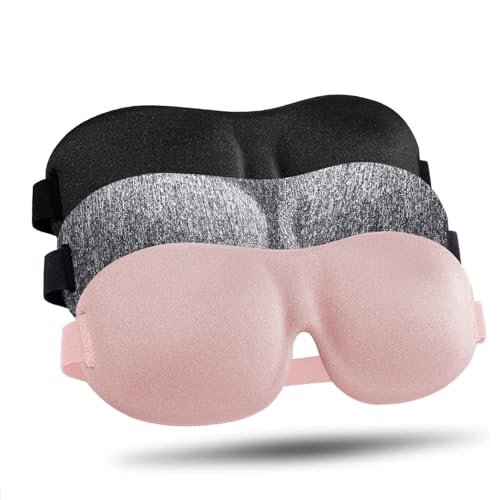
 Side-by-side of our top 3 picks, ranked for different side sleeper needs Ready to eliminate midnight light leaks and uncomfortable eyelid pressure? Our top-tested 2026 pick for side sleepers offers a secure, snag-free fit that stays in place even when you’re tossing and turning on your pillow, so you can sleep through the night without interruption. For more ways to build a sleep-friendly routine, check out our guides to syncing your sleep schedule with your wake-up time and choosing overnight hair protection that won’t damage strands.
Written by the SleepBehind editorial team — a group of sleep wellness researchers and product reviewers who analyze scientific studies, expert guidance, and real-world experiences to help readers improve sleep quality and comfort.