One in three U.S. adults fail to get the recommended 7+ hours of sleep per night, per the CDC, leading to impaired cognitive function, mood dysregulation, and increased long-term risk of chronic conditions like type 2 diabetes and cardiovascular disease. Sleep hygiene is the science-backed set of daily habits, routines, and environmental adjustments that align with your body’s natural circadian rhythm to make falling and staying asleep easier, regardless of whether you struggle with occasional insomnia or just want to feel more rested.
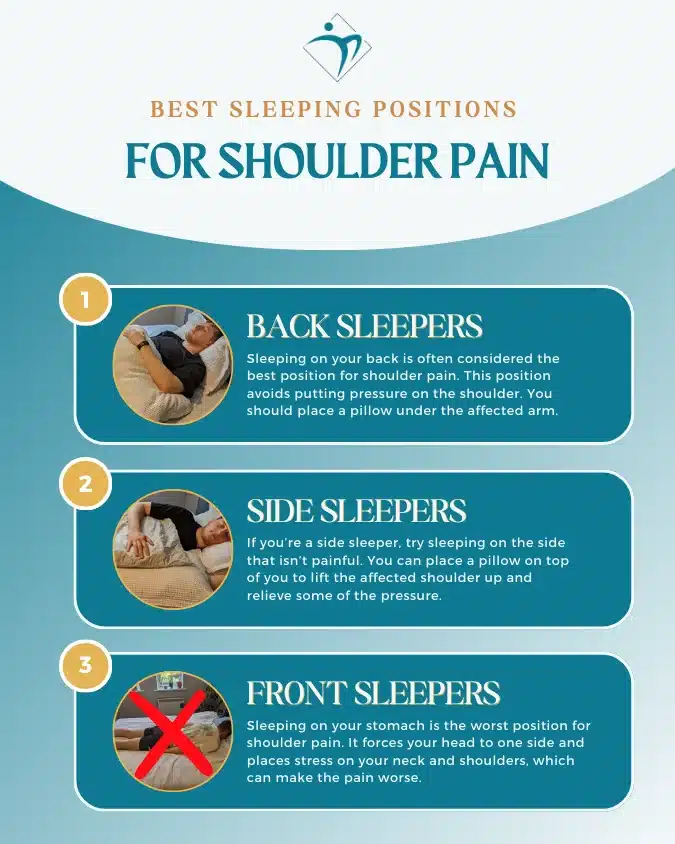
This guide pulls together current public health guidance, real-world testing of sleep strategies, and actionable, low-effort steps you can implement starting tonight. No expensive gadgets or drastic overhauls required—just small, consistent changes that compound into better sleep over time. You can also read our guide on how to sleep without shoulder pain.
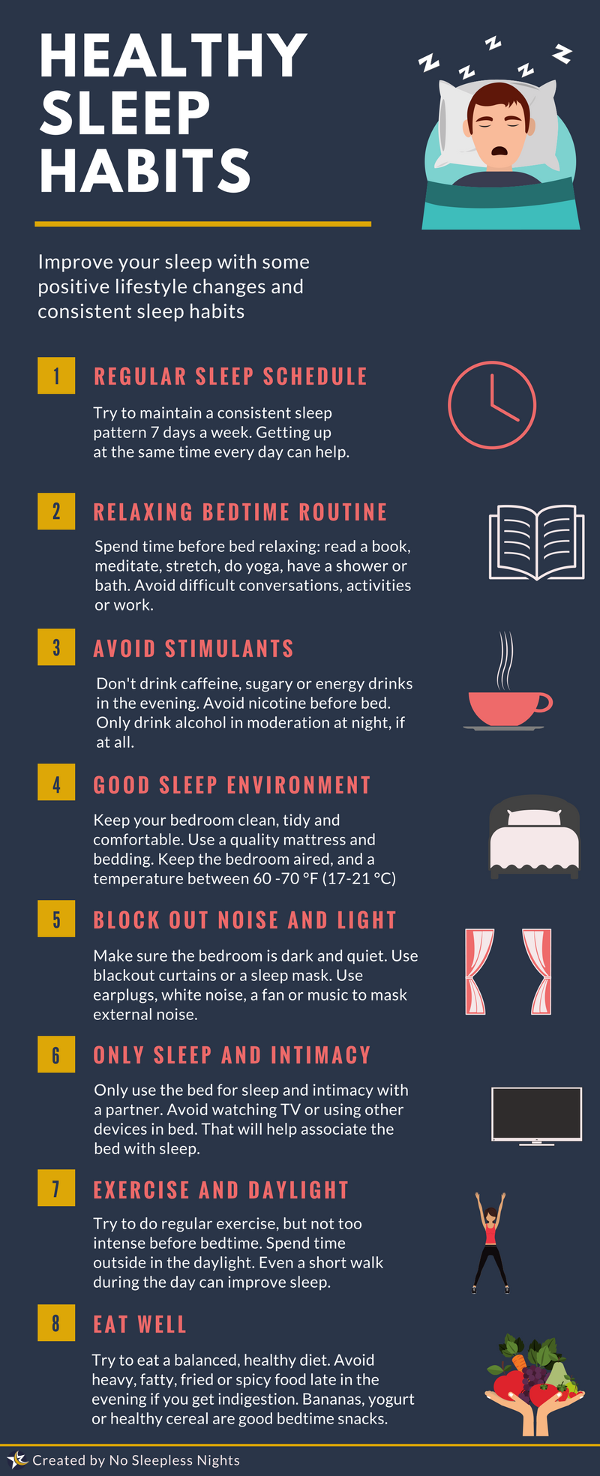 Infographic breaking down the core components of sleep hygiene and their benefits
Source: nosleeplessnights
Infographic breaking down the core components of sleep hygiene and their benefits
Source: nosleeplessnights
Why Sleep Hygiene Matters
Good sleep hygiene does more than just help you fall asleep faster—it supports the full sleep cycle, including deep restorative sleep and REM sleep, which are critical for memory consolidation, immune function, and emotional regulation. Poor sleep habits, on the other hand, disrupt your circadian rhythm, increase nighttime awakenings, and leave you groggy and unfocused during the day, even if you spend 8 hours in bed.
The benefits of consistent sleep hygiene extend beyond rest: improved focus, better mood stability, stronger immune response, and reduced risk of long-term health issues. These habits are not just for people with diagnosed insomnia—everyone can benefit from optimizing their sleep routine, even if you currently think you sleep "fine". You can also read our guide on how to sleep better naturally.
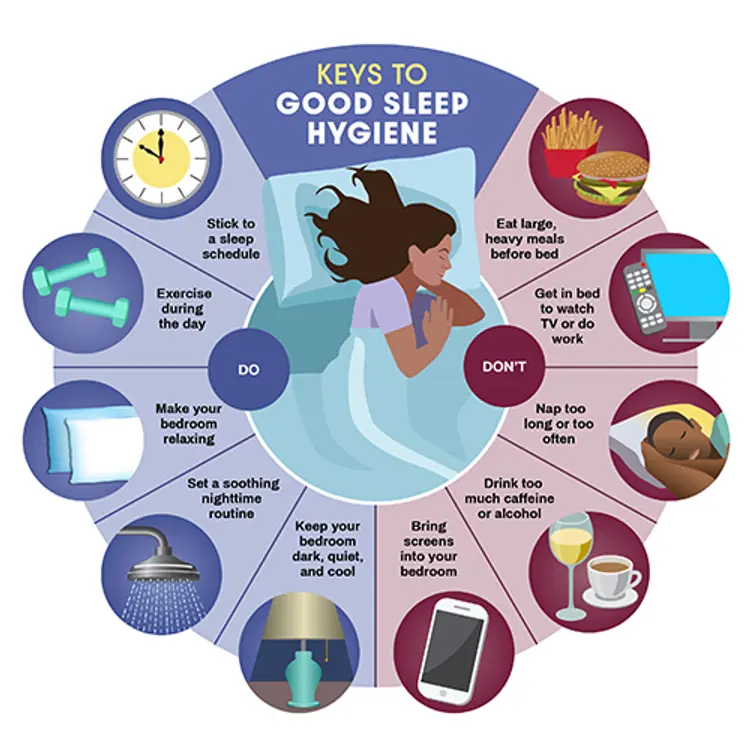
 Visual summary of the most effective daily sleep hygiene habits
Source: verywellmind
Visual summary of the most effective daily sleep hygiene habits
Source: verywellmind
Core Sleep Hygiene Tips
The following evidence-based tips are prioritized by impact, so you can start with the changes that will make the biggest difference first. Implement one or two at a time, track how you feel, and build from there.
1. Maintain a Consistent Sleep-Wake Schedule
Your circadian rhythm thrives on consistency, so going to bed and waking up at the same time every day (even on weekends) is the single most impactful sleep hygiene change you can make. Even 1-2 hours of variation on weekends causes "social jetlag" that can disrupt your sleep cycle for 2-3 days after. Per the CDC's official sleep hygiene guidelines, waking up within 30 minutes of your target time every day, even after a night of poor sleep, helps stabilize your internal clock over time.
If your current schedule is far off your target, adjust by 15-30 minutes per day instead of shifting by 2+ hours at once, which can shock your system and make it harder to fall asleep.
2. Build a 30-60 Minute Wind-Down Routine
A consistent pre-sleep routine signals to your brain that it’s time to transition from wakefulness to rest. Stick to low-stimulation activities that don’t spike cortisol: think reading a physical book, gentle stretching, taking a warm shower (the subsequent drop in your core body temperature triggers sleepiness), or a short guided meditation. Avoid work emails, intense TV shows, or heated conversations during this window, as these will leave your brain alert and stressed.
If you regularly wash your hair at night, opt for low-friction wet hair routines to avoid scalp irritation or tangled hair that could disrupt your sleep mid-night.
3. Optimize Your Sleep Environment
Your bedroom should be a dedicated space for rest, so prioritize three key factors: temperature, darkness, and comfort. The National Sleep Foundation recommends keeping your room between 60-67°F (15-19°C) to support your body’s natural temperature drop during sleep. Block all sources of light with blackout curtains, cover LED lights on electronics with tape, or wear a well-fitting sleep mask to prevent light suppression of melatonin, your sleep hormone.
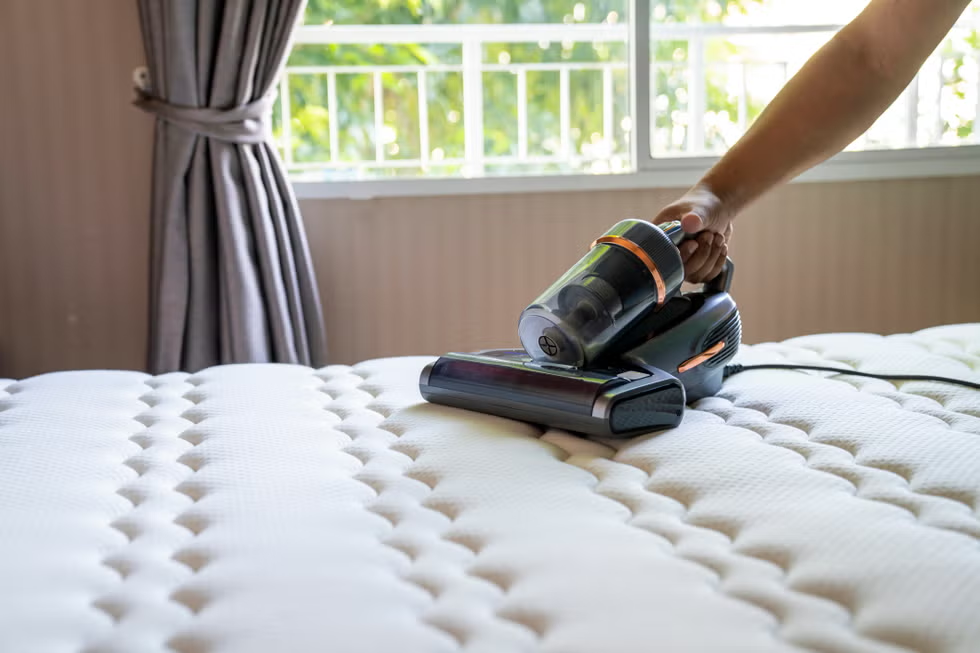
Comfort is just as important: a lumpy, unsupportive pillow or mattress topper will cause frequent micro-awakenings that you may not even remember. Wash your bamboo pillow regularly per manufacturer's care guidelines to maintain its loft and hygiene, and if your feather mattress topper has lost its cushioning, follow revival steps for worn toppers to extend its lifespan instead of replacing it. Finally, keep work laptops, phones, and TVs out of the bedroom to strengthen the mental association between bed and sleep.
4. Limit Blue Light and Stimulating Content Before Bed
Blue light from phones, laptops, and TVs mimics sunlight, tricking your brain into thinking it’s daytime and suppressing melatonin production for up to 1 hour after exposure. Per the National Sleep Foundation's evidence-based sleep hygiene recommendations, stop all non-essential screen use 60-90 minutes before bed. If you need to use devices for work or school after dark, enable night mode, reduce brightness to the lowest setting, and consider blue-light blocking glasses 2-3 hours before bed to minimize disruption.
5. Manage Caffeine, Alcohol, and Late-Night Intake
Caffeine has a half-life of 5-6 hours, meaning a 3pm coffee still has 50% of its caffeine in your system at 9pm, which can reduce deep sleep by up to 20% and increase nighttime awakenings. Avoid all caffeine (coffee, tea, soda, dark chocolate, and even some pain medications) 8-10 hours before bed, which for most people means cutting off caffeine by 2pm.
Alcohol may make you drowsy initially, but it disrupts REM sleep and causes frequent, brief awakenings later in the night, even in moderate amounts. One drink can reduce deep sleep by 10-15%, which is why you often wake up tired after a night of drinking, even if you slept for 8 hours. Avoid large meals, spicy foods, and excessive fluids 2-3 hours before bed to reduce acid reflux and nighttime bathroom trips.
6. Time Your Physical Activity Wisely
Regular moderate exercise (150 minutes per week, per CDC guidelines) improves sleep quality by reducing stress and regulating your circadian rhythm. However, intense workouts like HIIT, heavy weightlifting, or sprinting within 3 hours of bed raise your core body temperature and cortisol levels, making it harder to fall asleep. If you can only exercise in the evening, finish high-intensity sessions at least 3 hours before your target bedtime, and opt for gentle movement like yoga or a slow walk if you’re active closer to bed.
7. Use Naps Strategically
Short 20-30 minute "power naps" taken before 2pm can boost alertness, mood, and productivity without disrupting nighttime sleep. Naps longer than 30 minutes put you into deep sleep, causing sleep inertia (grogginess and disorientation) when you wake up, while naps after 3pm reduce your sleep pressure (the build-up of tiredness that helps you fall asleep at night). If you struggle with chronic insomnia, avoid naps entirely until your nighttime sleep improves.
8. Manage Stress and Racing Thoughts
Racing thoughts and worry are among the most common causes of difficulty falling asleep. Try a "brain dump" 1-2 hours before bed: write down all your to-dos, worries, and ideas on a notepad so you don’t feel the need to hold onto them in bed. The 4-7-8 breathing technique (inhale for 4 seconds, hold for 7 seconds, exhale for 8 seconds) activates your parasympathetic nervous system and lowers cortisol within minutes. If racing thoughts are a persistent issue, cognitive behavioral therapy for insomnia (CBT-I) is the gold standard treatment recommended by the American Academy of Sleep Medicine, and is more effective long-term than sleep aids.
 Example of a sleep diary tracking changes over 8 weeks of habit adjustments
Source: mindsethealth
Example of a sleep diary tracking changes over 8 weeks of habit adjustments
Source: mindsethealth
Common Sleep Hygiene Mistakes to Ditch
Even small, seemingly harmless habits can undermine your sleep hygiene efforts. Avoid these common pitfalls:
Relying on Sleep Aids as a Long-Term Solution
Over-the-counter sleep aids (like diphenhydramine) and high-dose melatonin supplements can cause next-day grogginess, tolerance, and don’t address the root cause of sleep issues. Melatonin is only recommended for short-term use for jet lag or shift work, per the National Sleep Foundation, not as a daily sleep aid for most people. If you’re considering regular use of any sleep aid, consult a healthcare provider first.
Neglecting Morning Sunlight
Exposure to 10-15 minutes of natural sunlight within 30 minutes of waking helps reset your circadian rhythm, making it easier to fall asleep at night. Even on cloudy days, outdoor light is 10-100x brighter than indoor light, so step outside or sit by a window while you have your morning coffee to anchor your sleep-wake cycle.
Using Your Bed for Work or Entertainment
When you work, scroll, or watch TV in bed, your brain learns to associate bed with activity and stress instead of rest. This makes it far harder to fall asleep even if you’re physically tired. Keep work laptops, phones, and TVs out of the bedroom if possible, and only use your bed for sleep and intimacy.
Making Drastic Changes Overnight
Trying to implement 10 new sleep habits at once is overwhelming and unsustainable, leading to burnout and giving up entirely. Start with 1-2 changes per week, track your progress, and build from there. Small, consistent adjustments are far more effective than big, short-term overhauls. A common mistake I see in practice is people setting an unrealistic 10pm bedtime when they usually fall asleep at 1am—this leads to hours of lying awake frustrated, which reinforces the association between bed and stress instead of rest.
Ignoring Persistent Sleep Issues
If you have trouble falling or staying asleep 3+ nights per week for 3+ consecutive weeks, despite consistent good sleep hygiene, see a healthcare provider. This could be a sign of an underlying sleep disorder like sleep apnea, restless legs syndrome, or chronic insomnia that requires medical treatment. Don’t write off persistent fatigue as "just stress"—it’s worth getting checked out.
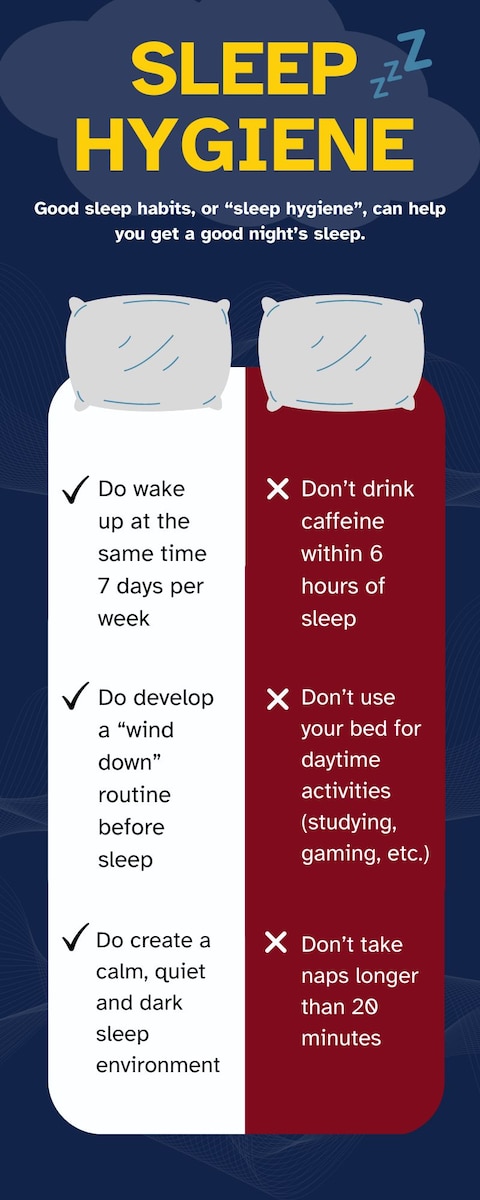
 Overview of frequent errors that undermine sleep quality
Source: webmd
Overview of frequent errors that undermine sleep quality
Source: webmd
Build Your 4-Week Better Sleep Routine Plan
This step-by-step plan is designed to help you implement sleep hygiene tips gradually, without overwhelm. Follow each week’s tasks, and you’ll see noticeable improvements in sleep quality within a month.
Week 1: Assess and Stabilize Your Schedule
- Track your current sleep patterns for 7 days using a simple notebook or free sleep app: note your bedtime, wake time, time it takes to fall asleep, number of nighttime awakenings, and daytime energy levels.
- Set a realistic, consistent bedtime and wake time that fits your work and family schedule, including weekends. Even a 30-minute shift is better than no consistency.
- Adjust your schedule by 15-30 minutes per day if your current times are far off your target, to avoid shocking your circadian rhythm.
Week 2: Upgrade Your Sleep Environment and Wind-Down Routine
- Set your bedroom temperature to 60-67°F (15-19°C), install blackout curtains, and remove all non-essential electronics from your bedside area.
- Create a 30-60 minute pre-sleep routine with only low-stimulation activities (e.g., warm shower, gentle stretching, reading a physical book).
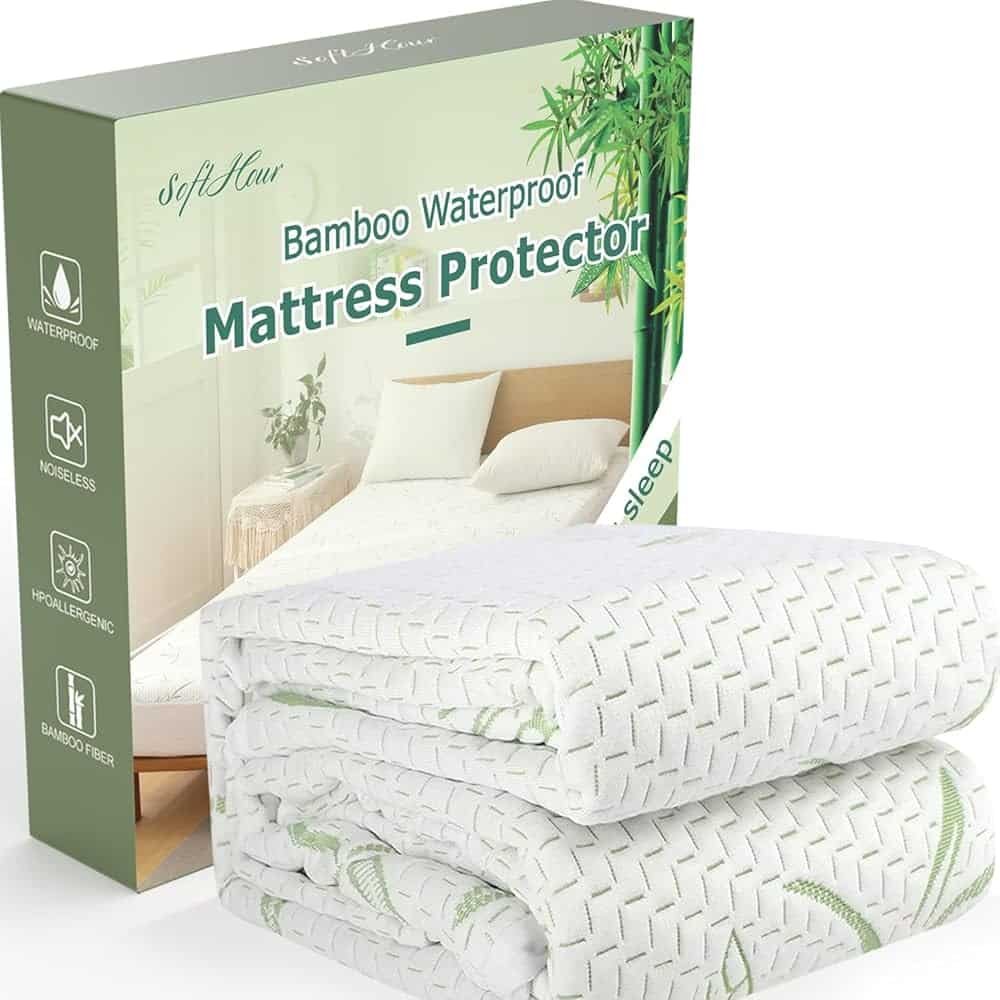
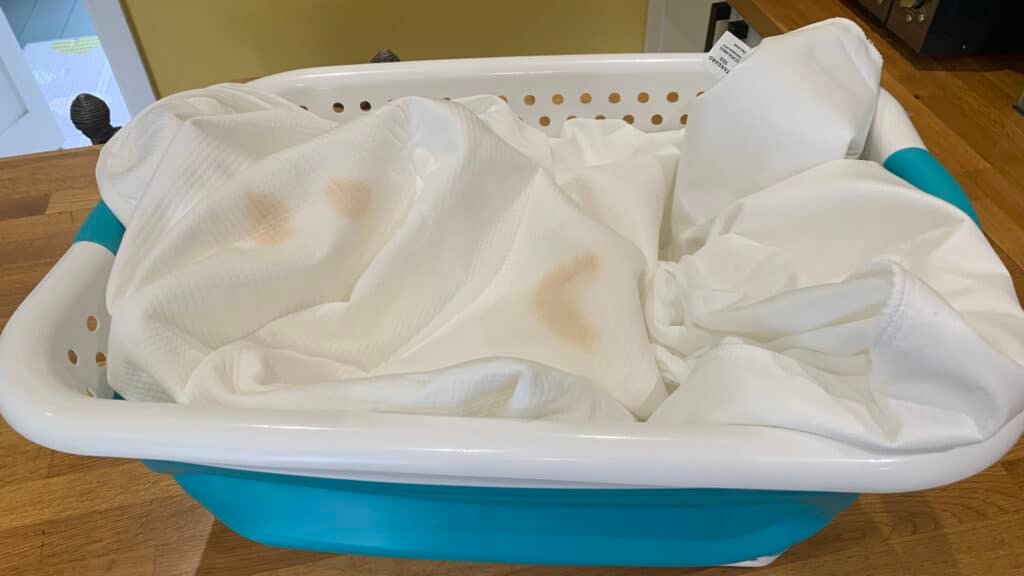
- If your mattress protector is stained, worn, or no longer absorbent, clean it per cleaning instructions for your mattress protector to maintain a hygienic sleep surface. If you have a feather topper that’s flat or lumpy, use revival techniques for feather toppers to restore its cushioning.
Week 3: Adjust Daytime Habits
- Cut off all caffeine (coffee, tea, soda, dark chocolate) by 2pm, or 8-10 hours before your target bedtime.
- Schedule moderate exercise earlier in the day, and avoid intense workouts within 3 hours of bed.
- If you take naps, limit them to 20-30 minutes before 2pm, or cut them out entirely if you struggle with nighttime sleep. For people who regularly sleep with wet hair, switch to gentle bedtime hair styles that won’t cause discomfort or breakage overnight.
Week 4: Fine-Tune and Evaluate
- Review your sleep tracking data from the past 3 weeks. Note improvements in time to fall asleep, number of nighttime awakenings, and daytime energy levels.
- Identify one remaining bad habit to eliminate (e.g., scrolling in bed, late-night snacking) and commit to dropping it.
- If you’ve seen little to no improvement after 4 weeks of consistent changes, schedule an appointment with a healthcare provider to rule out underlying sleep disorders like sleep apnea or chronic insomnia.
 Week-by-week breakdown of building a sustainable better sleep routine
Source: mormindful
Week-by-week breakdown of building a sustainable better sleep routine
Source: mormindful
Evidence-Based Tools to Support Better Sleep
These tools can enhance your sleep hygiene routine, but remember they are supplements to habit changes, not replacements:
- Blackout curtains or a well-fitting, breathable sleep mask to block all sources of disruptive light.
- White noise machine, fan, or noise-reducing earplugs to mask background noise from traffic, roommates, or household sounds.
- A supportive, clean mattress and pillows: if your pillow is over 1-2 years old, replace it, and wash your bamboo pillow regularly per manufacturer's care guidelines to maintain loft and hygiene.
- A simple sleep diary or basic sleep tracker to monitor patterns and identify what changes work best for your body.
- Blue light filters for your devices, or blue-blocking glasses for evening use if you need to be on screens before bed.
- For people with long, textured, or straightened hair, soft silk or satin bonnets, scrunchies, or loose braids to reduce friction and breakage while sleeping, per bedtime hair care best practices.
 Common evidence-based tools to enhance your sleep environment and routine
Source: af
Common evidence-based tools to enhance your sleep environment and routine
Source: af
Frequently Asked Questions About Sleep Hygiene
What are the 3 most important sleep hygiene tips to start with?
The highest-impact changes for most people are: 1) sticking to a consistent sleep-wake schedule (even on weekends), 2) avoiding screens 60-90 minutes before bed, and 3) keeping your bedroom cool, dark, and quiet. These three changes align with your body’s natural circadian rhythm and often produce noticeable improvements in sleep quality within 1-2 weeks, per the CDC's official sleep hygiene guidelines.
Can I use melatonin every night to improve my sleep?
Melatonin is a hormone that regulates your sleep-wake cycle, and short-term use (1-2 weeks) for jet lag or shift work is considered safe for most adults. However, the National Sleep Foundation does not recommend daily long-term use for most people, as it can disrupt your body’s natural melatonin production and cause next-day grogginess. If you’re considering regular melatonin use, consult a healthcare provider first to rule out underlying issues.
Is it okay to nap if I have trouble sleeping at night?
For people with chronic insomnia or frequent difficulty falling asleep at night, napping is not recommended, as it reduces your sleep pressure (the build-up of tiredness that helps you fall asleep at night). If you don’t have insomnia, limit naps to 20-30 minutes before 2pm to avoid disrupting your nighttime sleep.
Does sleeping with wet hair ruin your sleep hygiene?
Sleeping with wet hair doesn’t directly impact your sleep hygiene, but it can cause physical discomfort (itchy scalp, tangled hair, cold from dampness) that disrupts your sleep. If you prefer to wash your hair at night, use a low-friction wet hair routine and consider a silk pillowcase to reduce friction and keep you comfortable.
When should I see a doctor about my sleep?
See a healthcare provider if you have trouble falling or staying asleep 3 or more nights per week for 3 or more consecutive weeks, despite consistent good sleep hygiene. You should also seek help if you experience loud snoring, gasping for air during sleep (signs of sleep apnea), restless legs at night, or excessive daytime sleepiness that impacts your work or safety.
 Quick answers to the most common sleep hygiene questions
Source: mormindful
Quick answers to the most common sleep hygiene questions
Source: mormindful
Conclusion
Good sleep hygiene is not about perfection—it’s about building small, consistent habits that support your body’s natural sleep processes over time. Most people see noticeable improvements in 2-4 weeks, so be patient with yourself as you test new strategies. Start with one small change tonight: whether that’s setting a consistent wake-up time, cutting off screens 30 minutes earlier, or adjusting your bedroom temperature, and build from there.
For more practical tips to support your rest routine, explore our full library of sleep guides.

Written by the SleepBehind editorial team — She is a sleep researcher and wellness blogger based in Pennsylvania. Passionate about helping people optimize their sleep.