Most common sleep myths explained: simple truths beat persistent bedtime myths.
I have studied sleep science, coached people on better rest, and tested habits on myself. This article breaks down sleep myths explained with clear facts, real-life tips, and simple steps you can use tonight. Read on for evidence-based advice, personal stories, and practical fixes so you can stop guessing and sleep better.

Common sleep myths debunked
Myth 1 — You can “catch up” on sleep on weekends.
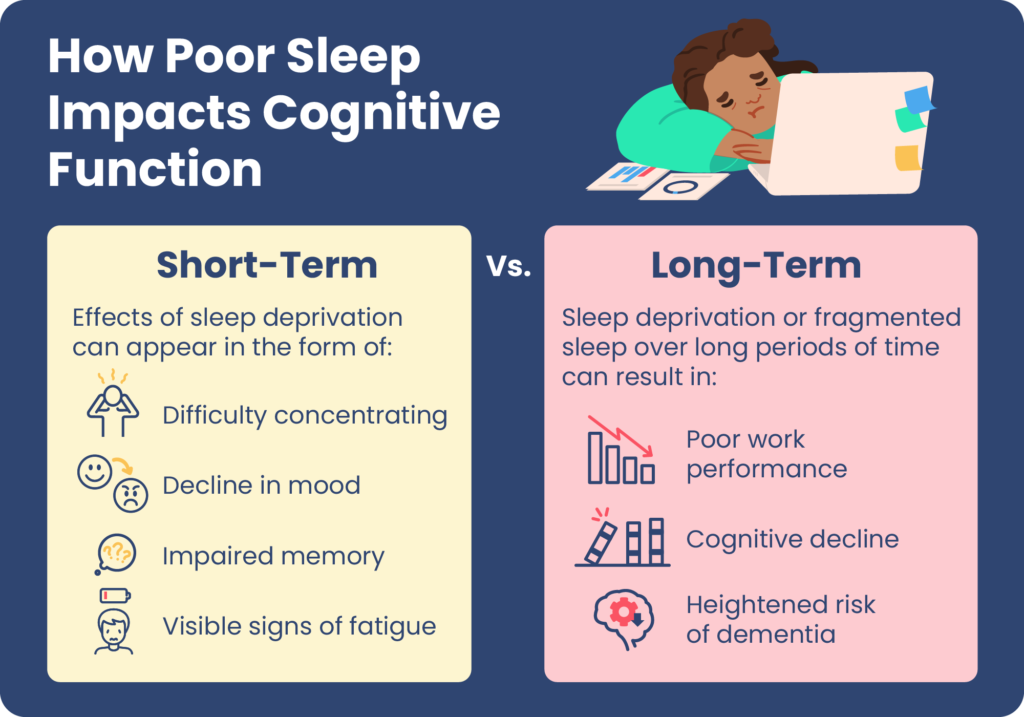
Many people think weekend sleep fixes weekday loss. Short naps help, but long-term sleep debt builds up. Research and real-life coaching show regular sleep timing is best for mood and focus. I learned this after weeks of late nights; my energy only rebounded when I kept a steady bedtime for two weeks.
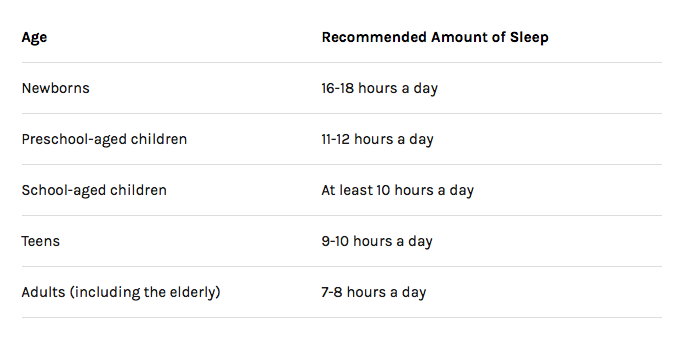
Myth 2 — Everyone needs eight hours exactly.
Eight hours is a guideline, not a rule. Adults usually need 7 to 9 hours, and needs vary by age, genes, and health. Track how you feel during the day to find your number. I aim for 7.5 hours; it keeps my mood steady and my work sharp.
Myth 3 — More sleep is always better.
Too much sleep can signal health issues and leave you groggy. Balance matters. If you sleep over nine hours and still feel tired, check stress, diet, and medical causes.
Myth 4 — If you wake during the night, you have insomnia.
Brief awakenings are normal. Insomnia is chronic difficulty falling or staying asleep that affects daily life. I had nights awake after travel; that did not mean I had insomnia. Patterns over weeks are what count.
Myth 5 — Alcohol helps you sleep.
Alcohol may make you fall asleep faster, but it fragments sleep later. It reduces deep sleep and harms REM cycles. I once used wine to wind down and woke up tired. Switching to herbal tea and a short walk improved my sleep quality.
Myth 6 — You can train yourself to need less sleep.
Chronic sleep restriction lowers performance, mood, and health. Short-term sacrifice may seem to work, but long-term costs build. My clients who cut sleep to work longer saw drops in creativity and health markers.
Myth 7 — Older adults need much less sleep.
Older adults often sleep lighter but still need similar total sleep. Changes in circadian rhythm shift sleep earlier, not necessarily less. Adjusting routines and light exposure helps older sleepers.
Myth 8 — Reading on screens is fine if you dim them.
Blue light and late stimulation both affect sleep. Dim screens help, but reducing screen time before bed is best. I use a one-hour no-screen rule and read on paper or use an e-ink reader.
sleep myths explained appears throughout this guide to keep focus on fact over fiction. Remember, sleep myths explained are common because they sound simple. Learning the real rules helps you sleep smarter.
Why sleep myths persist
People prefer simple answers.
Complex science is hard to remember. Myths offer quick fixes like “drink this” or “sleep less.” That makes them sticky.
Anecdotes beat data in conversation.
We trust stories from friends more than studies. I once believed a tip from a colleague until I tested it myself and found the opposite.
Media and marketing amplify myths.
Quick headlines and products sell. They repeat the same claims until they feel true. A steady diet of caution and checking the facts helps.
Science evolves.
New sleep research changes older advice. That’s normal. Being open to updates keeps you ahead.
sleep myths explained survive because they match hopes and habits. Challenge them gently and test changes in your life.
How to spot reliable sleep advice
Look for consistency and evidence.
Good advice cites patterns, not single anecdotes. It matches what sleep science shows across studies.
Watch for absolute claims.
Phrases like “always” or “never” are red flags. Sleep is personal. What works for one person may not work for another.
Check practical testability.
If you can try a tip for two weeks and track results, it’s likely useful. I test one habit at a time, like moving caffeine earlier, and note changes.
Ask simple questions.
Does the tip improve daytime energy? Is it sustainable? Does it match medical guidance if you have a condition?
sleep myths explained become less harmful when you learn to vet claims. A small experiment in your routine tells you more than a headline.

Practical tips to improve sleep tonight
Start with routine.
Go to bed and wake at roughly the same time, even on weekends. This syncs your internal clock.
Optimize light exposure.
Get bright light in the morning and low light at night. Light shapes sleep timing.
Limit evening stimulants.
Avoid caffeine after early afternoon and heavy meals close to bedtime. These habits helped me fall asleep faster when I traveled.
Create a wind-down ritual.
Do calm activities for 30 to 60 minutes before bed. Try reading, stretching, or deep breathing.
Use naps wisely.
Short naps (10–30 minutes) boost alertness without wrecking nighttime sleep.
If problems persist, consult a professional.
Chronic sleep issues may need medical or sleep specialist help. Be open about patterns and daytime effects.
sleep myths explained should guide your choices, not panic you. Small, steady changes work best.
Special cases: children, shift workers, and medical concerns
Children have different needs.
Kids need more sleep and consistent schedules. Nap transitions are sensitive times. Parents who stick to routines report calmer nights.
Shift workers face clock fights.
Rotating schedules clash with biology. Use planned light exposure, naps, and firm sleep rituals. I advised a night-shift team to set a darkened sleep room and saw better alertness on the job.
Medical issues affect sleep.
Sleep apnea, restless legs, and mood disorders can block quality sleep. Treating the root problem often restores healthy sleep. Don’t ignore loud snoring, gasping, or severe daytime sleepiness.
sleep myths explained must account for special cases. Tailor solutions to age, job, and medical status.

Personal lessons and common mistakes to avoid
Mistake: Changing too many habits at once.
Fix one thing for two weeks, then add another. My early attempts to overhaul everything failed because I changed too fast.
Mistake: Chasing gadgets and pills first.
Start with routines and environment before devices or meds. Technology can help, but it rarely fixes core habits.
Lesson: Track outcomes, not feelings.
Measure energy, mood, and focus across days. Data beats memory. I keep a short log for two weeks after any change.
Lesson: Be patient.
Sleep systems take time. Small wins add up. After steady habits, I sleep deeper and wake less during stress.
sleep myths explained get easier to navigate with practice and slow improvements.
Frequently Asked Questions of sleep myths explained
What is the most common sleep myth?
Many people believe that alcohol helps sleep. It may help you fall asleep but harms sleep quality later in the night.
Can I train myself to need less sleep?
No, not safely. Long-term sleep reduction lowers performance and health. Short-term changes may seem to work but have hidden costs.
Is napping bad for nighttime sleep?
Short naps under 30 minutes usually help without harming night sleep. Long or late naps can make falling asleep harder.
Do screens before bed ruin sleep completely?
Screens can disrupt sleep by delaying melatonin and stimulating the brain. Reducing screen time before bed improves sleep for many people.
Is waking during the night a sign of insomnia?
Not always. Brief awakenings are normal. Insomnia involves chronic problems that affect daytime life and last weeks or months.
How quickly can I fix bad sleep habits?
You may see small changes in days, but meaningful shifts take weeks. Stick to one change at a time and track how you feel.
Conclusion
Sleep myths explained are common but fixable. Focus on steady routines, light, caffeine timing, and small tests to find what works. Start tonight by choosing one habit to change for two weeks and see the difference. If sleep problems persist, seek professional help. Share your experience, subscribe for updates, or leave a comment about which sleep myth surprised you most.
Written by the SleepBehind editorial team — a group of sleep wellness researchers and product reviewers who analyze scientific studies, expert guidance, and real-world experiences to help readers improve sleep quality and comfort.