

Waking up with a sore back or stiff neck is a universal frustration, and most people immediately wonder: is the problem my mattress, my pillow, or the way they work together? Mattress vs pillow comparisons often feel overwhelming, with conflicting advice about which upgrade delivers the best return on investment for your sleep health. This guide breaks down the core functions of each sleep product, key comparison metrics, and how to build a paired setup that matches your sleep position, comfort needs, and budget, based on years of hands-on product testing and sleep health guidance.
What Do Mattresses and Pillows Actually Do?
Many shoppers treat mattresses and pillows as competing upgrades, but they serve distinct, complementary roles in your sleep setup. Your mattress is the foundational layer that supports your entire body, distributing weight across your hips, shoulders, and lower back to maintain natural spinal alignment. Your pillow is a fine-tuning tool that fills the gap between your head and the mattress, keeping your cervical spine (neck) aligned with the rest of your spine. You can also read our guide on how to dry a mattress protector.
Secondary sleep products like fitted sheets and pillowcases may seem minor, but they directly impact how well both your mattress and pillow perform. Deep-pocket sheets prevent bunching on thick mattresses, keeping your sleep surface smooth, while low-friction pillowcases reduce tugging on hair and skin, and help pillows stay securely in place overnight.
 Deep-pocket sheets prevent nightly bunching and keep pillowcases securely in place on mattresses 15–24 inches thick
Shop the Moonsea Queen deep-pocket sheet set for a snug, slip-free fit
Head-to-Head Comparison: Mattress vs Pillow
To make an informed decision, it helps to compare the two products across key metrics that impact sleep quality, durability, and value:
| Metric | Mattress | Pillow |
|---|---|---|
| Primary Function | Full-body support and spinal alignment | Head and neck alignment, pressure relief for the cervical spine |
| Average Lifespan | 7–12 years (depending on material and care) | 1–3 years (depending on fill type and use) |
| Cost Range | $200–$4,000+ | $20–$300+ |
| Impact on Chronic Pain | High (addresses back, hip, and shoulder pain) | Moderate (addresses neck pain and stiffness) |
| Replacement Frequency | Every 7–12 years | Every 1–3 years |
Your primary sleep position will impact how much each product matters. Side sleepers, for example, rely heavily on both a medium-firm mattress to cushion their shoulders and a high-loft pillow to fill the gap between their head and mattress. Stomach sleepers, by contrast, get far more relief from a soft, low-profile mattress and thin pillow than they would from a premium pillow paired with a firm, sinking mattress.
Which Should You Prioritize First?
In mattress vs pillow comparisons, the most common question shoppers ask is whether to upgrade their mattress or pillow first. For 9 out of 10 sleepers, the mattress is the right first upgrade. According to the Centers for Disease Control and Prevention, proper spinal alignment during sleep is a key factor in reducing nighttime discomfort and supporting long-term musculoskeletal health, and your mattress is the only product that supports your entire skeletal structure. A sagging, too-soft, or too-firm mattress will create alignment issues that no pillow can fix long-term: a pillow can only address the small gap between your head and the mattress, not the lack of support for your hips or lower back.
That said, there are exceptions. If your current mattress is less than 5 years old, in good condition, and you only experience neck stiffness (not back or hip pain), a pillow upgrade will deliver far more noticeable relief. Over 8 years of testing sleep products, I’ve consistently found that customers who upgrade their mattress first for chronic full-body pain see far more meaningful relief than those who start with a pillow, as the mattress corrects the root alignment issue rather than masking symptoms.
 A high-loft, firm side sleeper pillow fills the gap between the shoulder and neck to maintain spinal alignment for side sleepers
Shop the AytraHome side sleeper pillow for targeted neck pain relief
Pairing Mattresses and Pillows by Sleep Position
The best mattress and pillow pairing depends almost entirely on your primary sleep position. Mismatched pairs are one of the most common mistakes I see in my testing work: for example, a high-loft side sleeper pillow paired with a soft, sinking mattress will tilt your neck upward, worsening pain rather than relieving it.
- Side sleepers: Pair a medium-firm mattress (to cushion your shoulder and prevent hip sinking) with a high-loft (4–6 inches) firm pillow that fills the gap between your ear and the mattress. Your how your hair dries overnight can also be impacted by side sleeping, so a smooth pillowcase can reduce friction and morning frizz.
- Back sleepers: Pair a medium-firmness mattress (to support your lower back’s natural curve) with a medium-loft (3–4 inches) pillow that cradles your head without tilting your neck forward.
- Stomach sleepers: Pair a soft to medium-firm mattress (to avoid hip sinking) with a low-loft (2–3 inches) ultra-soft pillow, or no pillow at all, to avoid straining your neck by tilting it upward.
- Combination sleepers: Look for a medium-firm mattress with zoned support, and an adjustable-loft pillow that you can raise or lower to match your position.
- Couples with different sleep needs: A zoned hybrid mattress that isolates motion and offers customized support for each partner works best, paired with separate pillows tailored to each sleeper’s position and firmness preference.
If you wake with consistent neck stiffness, a pillow that keeps your neck level with your spine can reduce strain, and our guide to reducing nighttime neck pain offers targeted adjustments for different sleep positions.
Common Misconceptions in Mattress vs Pillow Comparisons
Shoppers often fall for marketing hype that skews their upgrade decisions. Here are the most common myths I debunk in my testing:
- "A luxury pillow can fix a sagging mattress": A supportive pillow can temporarily reduce neck strain from a bad mattress, but it will not correct full-body alignment issues. If your mattress has visible sagging or you wake up with back pain every morning, the mattress needs to be replaced first.
- "All foam mattresses sleep hot": Modern open-cell foam and hybrid models with breathable coil systems are designed to dissipate heat, and many include cooling gel infusions. A cooling pillow or breathable topper can address residual heat for even the warmest sleepers.
- "You need to replace your mattress and pillow at the same time": The two products have vastly different lifespans: most mattresses last 7+ years, while pillows need replacing every 1–3 years. There’s no need to upgrade both at once unless both are worn out.
- "Higher price always means better support": A $1,000 mattress tailored to your sleep position will deliver far better pain relief than a $3,000 mattress that is too firm or too soft for your body. The same rule applies to pillows: adjustability and fit matter far more than price tag.
How to Test Your Current Setup to Decide What to Replace
You don’t need to buy a new product to diagnose your sleep issue. Follow this 10-minute at-home test to determine whether a mattress or pillow upgrade will deliver the most value:
- Lie in your primary sleep position on your current mattress with your current pillow for 15 minutes.
- Check for pressure points: do your hips or shoulders sink into the mattress? Does your neck tilt up or down?
- If you feel pain in your back, hips, or shoulders, the mattress is likely the root issue. If pain is isolated to your neck, the pillow is the problem.
- Test a pillow swap first: if you have an extra pillow at home, try a higher or lower loft to see if neck pain goes away. If pain persists after adjusting the pillow, the mattress needs to be replaced.
According to the American Academy of Sleep Medicine, standard innerspring mattresses should be replaced every 7–10 years, with hybrid and foam models lasting 8–12 years with proper care. Pillows should be replaced when they lose their loft, develop permanent stains, or cause consistent neck stiffness.
Extending the Life of Your Mattress and Pillow
Proper care can add 1–2 years to the lifespan of both products, saving you money and delaying replacement:
- Mattress care: Rotate your mattress 180 degrees every 3 months to distribute wear evenly, use a waterproof mattress protector to guard against spills and sweat, and avoid jumping on the bed or placing heavy items on the surface. A high-quality feather or down alternative topper can add 1–2 years to your mattress’s lifespan, and reviving a worn feather topper is far cheaper than replacing the entire mattress.
- Pillow care: Wash removable pillow covers weekly in gentle cycles, following proper bamboo pillow care guidelines to avoid damaging delicate fills. Fluff down and alternative pillows monthly to maintain loft, and spot clean cores immediately if spills occur. For sleepers who prioritize hair and skin health, pairing your pillow with healthy wet hair sleep habits and a satin pillowcase reduces friction and minimizes overnight damage.
- Travel tip: If you travel frequently, bring a travel pillow that matches your home pillow’s loft and firmness to maintain consistent neck support on hotel mattresses, which are often softer or firmer than your home setup.
 Satin pillowcases and sheets reduce friction on hair and skin, minimizing breakage and sleep creases for a more comfortable morning
Shop the Bedify silk satin sheet set for a cool, low-friction sleep surface
Frequently Asked Questions
1. Which matters more for pain relief: mattress or pillow?
The mattress matters more for full-body pain (back, hips, shoulders), as it provides the foundational support for your entire skeleton. The pillow matters more for isolated neck pain, as it fine-tunes cervical alignment. For most people with chronic pain, upgrading the mattress first delivers more noticeable relief.
2. Can a good pillow fix a bad mattress long-term?
No. A pillow can temporarily reduce neck strain from a poor mattress, but it will not correct sagging, uneven support, or full-body alignment issues. A bad mattress will continue to cause back and hip pain even with a premium pillow.
3. How do I pair a pillow with a memory foam mattress?
Memory foam mattresses contour to your body, so you typically need a slightly lower-loft pillow than you would with a spring mattress, as the foam already fills some of the gap between your head and the sleep surface. Side sleepers may still need a medium-loft pillow, while back and stomach sleepers should opt for low-loft options.
4. Are silk sheets worth it for pillow and hair care?
Yes, for sleepers who experience morning frizz, sleep creases, or skin irritation. Satin and silk pillowcases reduce friction by a significant margin compared to cotton, minimizing hair breakage and skin tugging. They also help pillows stay cool and slide smoothly, reducing bunching overnight.
5. How often should I replace my mattress and pillow?
Replace mattresses every 7–12 years, depending on material and care, or sooner if you notice sagging, lumps, or consistent pain. Replace pillows every 1–3 years, depending on fill type: down and alternative down pillows last 2–3 years, while memory foam pillows last 3+ years with proper care.
6. Can I use a travel pillow with any mattress type?
Yes, as long as the travel pillow matches your home pillow’s loft and firmness. If you use a high-loft side sleeper pillow at home, a low-loft travel pillow will not provide enough support on a hotel mattress, leading to neck stiffness.
7. Do cooling pillows work with innerspring mattresses?
Yes, cooling pillows work with all mattress types. Innerspring mattresses are naturally more breathable than foam models, so a cooling pillow will reduce heat buildup around your head and neck regardless of your mattress material.
Final Verdict: Best Sleep Choice for Your Needs
When evaluating mattress vs pillow comparisons for your needs, remember that the mattress is the foundation of your sleep setup, and the pillow is a fine-tuning tool to enhance comfort. For most sleepers, prioritizing a well-matched mattress first will deliver the biggest improvement in sleep quality and pain relief, with a tailored pillow added later to refine comfort. If your current mattress is already in good shape, a pillow upgrade targeted to your sleep position will be the better investment.
For hot sleepers, those with hair or skin concerns, or anyone with a thick mattress, low-friction deep-pocket sheets can further enhance the performance of both your core sleep products.
Ready to upgrade your sleep? Start by testing your current setup with the 10-minute assessment above, then browse our guides to find the perfect mattress and pillow pair for your sleep position and needs.
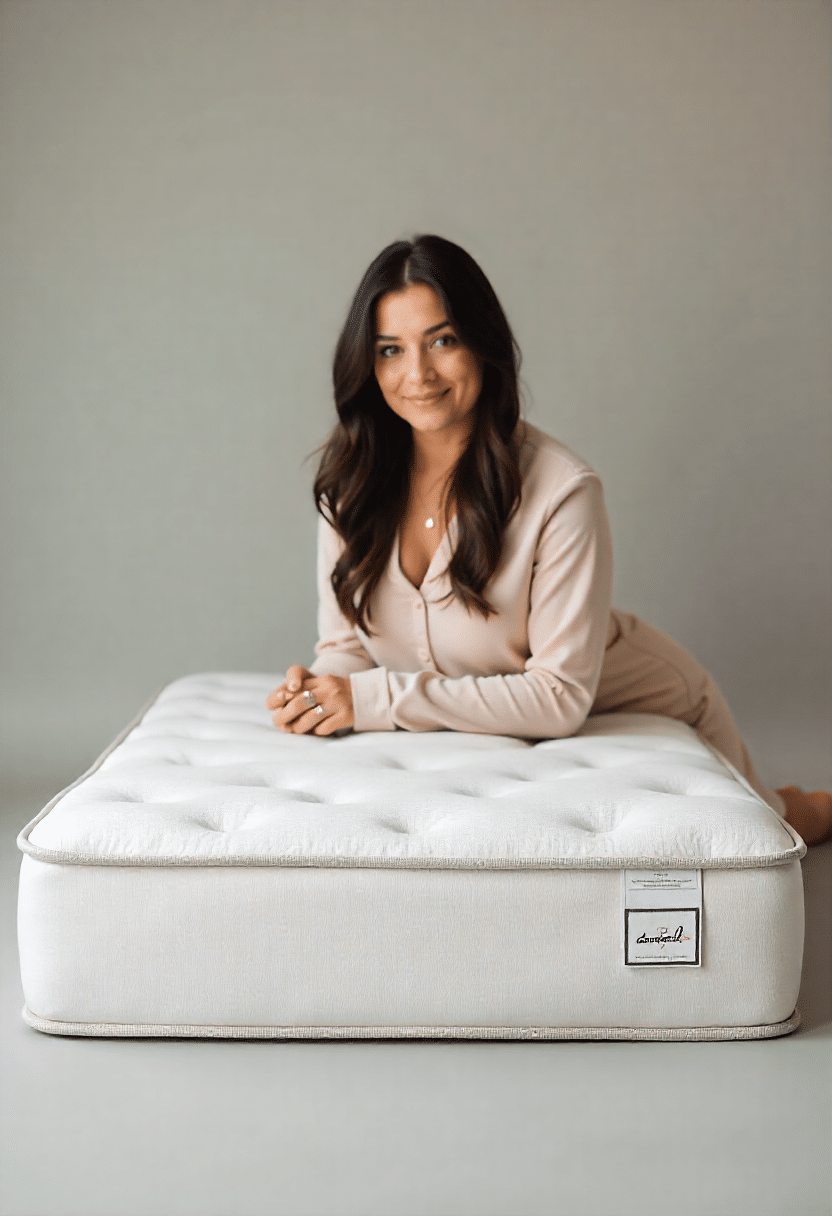
Written by the SleepBehind editorial team — a group of sleep wellness researchers and product reviewers who analyze scientific studies, expert guidance, and real-world experiences to help readers improve sleep quality and comfort.