
Lying awake at 2 a.m., heart racing, as your mind loops over tomorrow’s to-do list or that awkward conversation from earlier that day? You’re not alone: nearly 40% of adults report occasional anxiety that disrupts their sleep, per National Institute of Mental Health data, creating a frustrating cycle where poor sleep worsens anxiety, and anxiety makes sleep even harder to come by.
This guide breaks down actionable, evidence-based calming sleep hacks you can use tonight, plus long-term strategies to break the anxiety-sleep cycle for good. We’ll cover immediate physiological techniques to calm your nervous system in minutes, small habit shifts that rewire your brain for rest, and red flags that indicate it’s time to seek professional support. No generic "just relax" advice — only practical, tested steps that work for even the most persistent anxious thinkers. You can also read our guide on best sleep mask for cpap users.
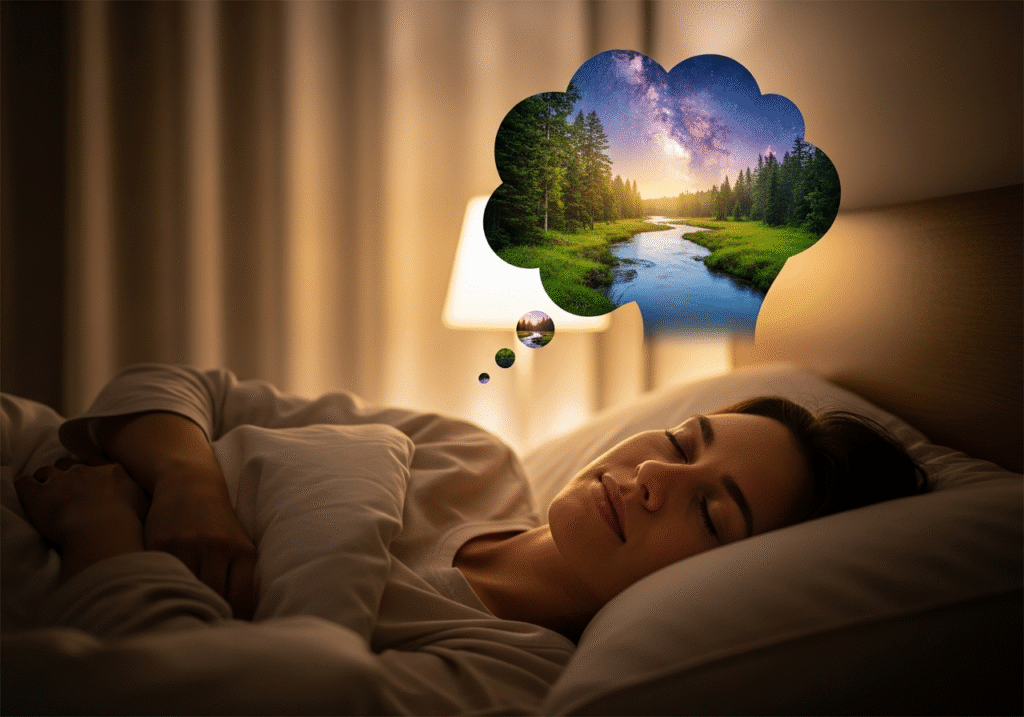 A short pre-sleep meditation can activate your body’s rest-and-digest response within minutes.
Why Anxiety Hijacks Your Sleep
Anxiety doesn’t just feel overwhelming in the moment — it actively disrupts the biological processes that make sleep possible. When you’re worried or stressed, your sympathetic nervous system (the body’s "fight-or-flight" response) stays activated, flooding your system with cortisol and adrenaline. These stress hormones raise your heart rate, increase muscle tension, and keep your brain in a state of high alert, making it impossible to enter the light, drowsy state needed to fall asleep.
Even low-level, chronic worry that you don’t notice during the day can spike cortisol levels in the evening, delaying sleep onset by 20 minutes or more for many people, and causing frequent overnight waking as your brain cycles between light sleep and alertness. The National Institute of Mental Health confirms that anxiety and sleep have a bidirectional relationship: poor sleep increases anxiety symptoms the next day, while anxiety at night reduces total sleep time and deep sleep quality. Breaking this cycle requires both immediate tools to calm your body in the moment, and long-term habits to reduce overall anxiety levels. You can also read our guide on how to wake up refreshed.
Immediate Calming Hacks To Use Tonight
These fast, low-effort techniques work by activating your parasympathetic nervous system (the "rest-and-digest" counterpart to fight-or-flight) to lower your heart rate and quiet racing thoughts in 2–5 minutes. Pick one to try tonight, and repeat as needed if worry returns:
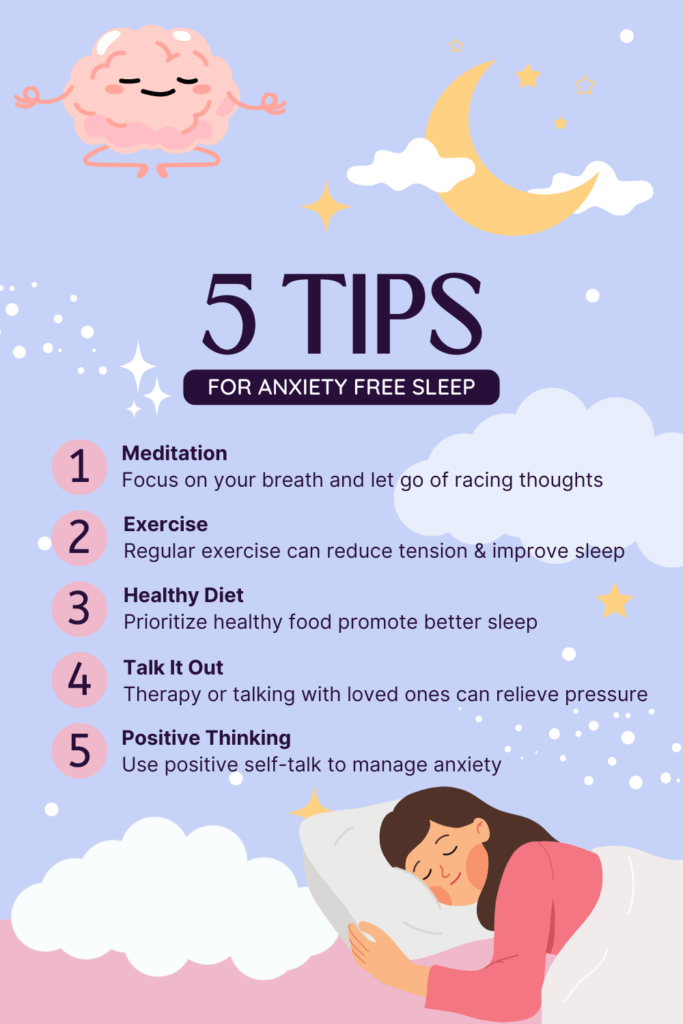
- 4-7-8 breathing: Inhale quietly through your nose for 4 seconds, hold your breath for 7 seconds, then exhale slowly through pursed lips for 8 seconds. The extended exhale stimulates the vagus nerve, which slows your heart rate and reduces cortisol. A common mistake new practitioners make is holding their breath for the full 7 seconds if they have respiratory issues — start with 2-3-4 counts if that feels uncomfortable.
- Progressive muscle relaxation: Starting at your toes, tense each muscle group for 5 seconds, then release slowly for 10 seconds, working your way up to your shoulders and jaw (where most people hold anxiety tension). You don’t need to do your full body — even releasing your jaw and shoulders can ease physical alertness quickly.
- 5-4-3-2-1 grounding: Silently name 5 things you can see, 4 things you can feel, 3 things you can hear, 2 things you can smell, and 1 thing you can taste. This shifts your brain’s focus from abstract worries to immediate sensory input, deactivating the amygdala (the brain’s fear center).
- Box breathing: Inhale for 4 seconds, hold for 4 seconds, exhale for 4 seconds, hold for 4 seconds. This is the same technique used by first responders to stay calm under high stress, and works equally well for pre-sleep anxiety.
- Short guided imagery: Visualize a safe, calm place (like a beach or a cozy cabin) with as much sensory detail as possible: the sound of waves, the smell of salt air, the feel of warm sand under your feet. If you struggle to visualize on your own, use a pre-downloaded 5-minute sleep-focused guided track (keep your screen brightness at its lowest to avoid blue light disruption).
If a technique doesn’t calm you after 5 minutes, get out of bed and do a low-light, low-effort activity (like folding laundry or sorting a junk drawer) until you feel drowsy. Lying in bed ruminating only strengthens the mental association between your bed and anxious thinking.
 Paced breathing techniques work by slowing your heart rate and reducing cortisol spikes.
Source: Verywell Health
Paced breathing techniques work by slowing your heart rate and reducing cortisol spikes.
Source: Verywell Health
Optimize Your Sleep Environment For Anxiety Relief
Your physical sleep space has a huge impact on your anxiety levels at night: small irritants like a lumpy mattress topper, bright streetlights, or sudden outside noises can trigger startle responses that make racing thoughts worse. Prioritize these evidence-based adjustments, per American Academy of Sleep Medicine guidelines:
- Keep your bedroom cool: Aim for a temperature of 65–68°F (18–20°C) for optimal sleep. A cooler room lowers your core body temperature, which is a key signal to your brain that it’s time to sleep.
- Block all light: Use blackout curtains or a comfortable sleep mask to eliminate even small sources of light (like LED indicator lights on electronics) that can disrupt melatonin production. If you need a nightlight, use a dim red light, which has minimal impact on sleep hormones.
- Minimize sudden noise: Use a white noise machine or a fan to mask inconsistent sounds (like traffic or neighbors) that can trigger alertness in anxious sleepers. Earplugs work well for light sleepers, but avoid noise-cancelling headphones that can feel uncomfortable if you move in your sleep.
- Dedicate your bed to rest only: Avoid working, scrolling, or watching TV in bed. This strengthens the mental association between your bed and sleep, so your brain automatically shifts into rest mode when you lay down.
- Eliminate physical discomfort: A lumpy, flattened, or overly firm mattress topper can cause tossing and turning that amplifies restlessness and anxious thoughts. If your current topper is past its prime, restoring support to an old feather topper is a low-cost fix that eliminates a common physical sleep irritant.
Weighted blankets can be a helpful addition for some anxious sleepers, as the gentle pressure activates the same calming response as a hug. Note that they are not right for everyone: some people find them claustrophobic, so test one for 10 minutes during the day before using it overnight.
 Dimming lights 60–90 minutes before bed signals your brain to produce sleep-inducing melatonin.
Source: GoCalmer
Dimming lights 60–90 minutes before bed signals your brain to produce sleep-inducing melatonin.
Source: GoCalmer
Build A Consistent Calming Bedtime Routine
A steady 60–90 minute pre-sleep routine trains your brain to recognize that it’s time to wind down, making it easier to transition from wakefulness to sleep even when you’re feeling anxious. Consistency is key: stick to the same routine every night, even on weekends, to strengthen your body’s circadian rhythm. Follow this general structure:
- 90 minutes before bed: Dim all overhead lights, turn off work devices, and avoid any stressful tasks (like paying bills or having difficult conversations). If you wash your hair at night, avoid styles that cause friction or tension, which can add to pre-sleep stress. Opt for low-friction protective styles for straight hair to avoid morning hair worries that can keep you up at night.
- 60 minutes before bed: Take a warm shower or bath (the drop in your core body temperature after getting out signals sleepiness to your brain), do 5 minutes of gentle stretching, or complete a low-energy skincare routine. Avoid screens entirely during this window — blue light from phones, TVs, and laptops suppresses melatonin production significantly, per sleep research.
- 30 minutes before bed: Do a calming, low-effort activity: read a physical book, listen to soft music or a sleep podcast, or practice 5 minutes of the breathing techniques covered earlier. If you’re hungry, eat a small, protein-rich snack (like a banana or a handful of almonds) to avoid blood sugar spikes that can wake you up overnight.
For a step-by-step breakdown of a routine that works for most people, our guide to bedtime routines for deeper rest has printable checklists and customization tips for different schedules. You can also read our guide on morning habits for good sleep.
 A cool, dark, quiet bedroom eliminates physical distractions that can amplify anxious thoughts.
Cognitive Tools To Quiet Anxious Thoughts At Bedtime
For many people, the biggest barrier to sleep without anxiety isn’t physical discomfort — it’s a mind that won’t stop looping over worries, to-do lists, or past mistakes. These gentle cognitive tools work by changing your relationship to anxious thoughts, so they don’t keep you awake:
- Scheduled worry time: Set aside 10–20 minutes 2–3 hours before bed to write down every worry on your mind in a physical notebook. For each worry, write one small actionable step if possible (e.g., "email boss about project deadline tomorrow"), or write "I will address this tomorrow" if there’s no immediate action you can take. Closing the notebook signals to your brain that worry time is over for the day. In practice, most people see the best results when they avoid using their phone for this task, as screen stimulation can trigger more worry.
- Thought labeling: When an anxious thought pops up, silently label it as "a worry thought" instead of engaging with it or trying to push it away. This small act of detachment reduces the thought’s emotional intensity, and prevents it from spiraling into a full rumination session.
- Cognitive reframing: Challenge extreme anxious thoughts with facts. For example, if you think "I’m going to mess up tomorrow’s presentation and lose my job", ask yourself: "What’s the evidence for this? What’s a more balanced outcome?" Most of the time, you’ll find the worst-case scenario is extremely unlikely, and you’ve handled similar situations successfully in the past.
- Guided imagery rehearsal: Spend 5 minutes visualizing yourself falling asleep easily, sleeping through the night, and waking up feeling rested. This trains your brain to expect positive sleep outcomes, rather than associating bed with frustration and worry.
- Pre-sleep worry journaling: If you find yourself ruminating on specific stressors (like a big event the next day), write a 3-line journal entry before bed: 1) what’s bothering you, 2) one possible solution, 3) one small step you can take tomorrow. This clears the thought from your working memory, so your brain doesn’t feel the need to keep processing it while you sleep.
If pre-sleep worry about your hair or morning routine is a common trigger, our guide to low-friction wet hair routines can eliminate that source of unnecessary stress.
 Writing down worries earlier in the day prevents them from looping when you’re trying to sleep.
Lifestyle Habits That Reduce Nighttime Anxiety Long-Term
Short-term hacks work for occasional anxious nights, but long-term lifestyle shifts reduce your overall baseline anxiety, making it less likely to disrupt your sleep in the first place. Focus on these small, sustainable changes:
- Move your body most days: 30 minutes of moderate exercise (like walking, yoga, or cycling) most days of the week reduces overall anxiety levels and improves deep sleep quality. Avoid vigorous exercise 2 hours before bed, as it raises your core body temperature and adrenaline levels, which can delay sleep onset.
- Cut off caffeine by 2 p.m.: Caffeine has a half-life of 5–6 hours, meaning a 3 p.m. coffee is still 50% active in your system at 9 p.m. Caffeine not only delays sleep onset, but can also increase nighttime restlessness and anxiety spikes in sensitive people.
- Limit alcohol to 1 drink, 3 hours before bed: While alcohol may make you feel drowsy initially, it disrupts deep sleep and causes overnight cortisol spikes as your body metabolizes it, leading to lighter, more fragmented sleep and morning anxiety.
- Get 10–15 minutes of morning sunlight within 1 hour of waking: Bright natural light in the morning regulates your circadian rhythm, which improves sleep quality and reduces overall anxiety levels over time. Even stepping outside on your balcony or opening your curtains wide works on overcast days.
- Create a work shutdown ritual: If you work from home, finish all work tasks 60–90 minutes before bed, close all work tabs and apps, and write down 3 priorities for the next day. This prevents work-related worries from looping in your mind when you’re trying to sleep.
- Keep your sleep space clean and clutter-free: A messy bedroom can create low-level background stress that amplifies anxiety at night. Wash your bedding and mattress protector regularly to avoid allergens and irritants that can cause discomfort. Our guide to keeping sleep linens fresh has easy, non-toxic cleaning tips for all types of bedding.
 Morning sunlight exposure helps regulate your circadian rhythm for more consistent sleep.
Source: GPS Dental
Morning sunlight exposure helps regulate your circadian rhythm for more consistent sleep.
Source: GPS Dental
When To Seek Professional Help For Anxiety-Related Sleep Issues
Occasional sleepless nights are normal, especially during periods of high stress. But if anxiety-related sleep trouble occurs 3 or more nights a week for 4 weeks or longer, and impacts your daytime function (causing fatigue, irritability, trouble concentrating, or reduced work performance), it’s time to seek professional support. You can also read our guide on deep sleep tips.
- Start with your primary care doctor: They can rule out underlying physical causes of sleep disruption, like sleep apnea, thyroid issues, or chronic pain, and refer you to a specialist if needed.
- Try Cognitive Behavioral Therapy for Insomnia (CBT-I): This is the gold-standard, evidence-based treatment for chronic insomnia, and is highly effective for anxiety-related sleep issues. CBT-I works by addressing the thought patterns and behaviors that worsen sleep anxiety, and 70–80% of people who complete a CBT-I program see significant long-term improvement in their sleep.
- Medication can be a short-term tool: Sleep aids or anti-anxiety medication can be helpful for breaking a severe sleep anxiety cycle, but should only be used under the guidance of a psychiatrist or primary care doctor, with a clear plan to taper off as your sleep habits improve. Never self-prescribe sleep medication, as it can lead to dependence and worsened anxiety long-term.
- Seek urgent care if you experience: Nighttime panic attacks that last more than 10 minutes, severe mood changes, or thoughts of harming yourself. In the U.S., you can call or text the 988 Suicide & Crisis Lifeline for free, confidential support 24/7.
When you see a professional, be clear about what you’ve already tried, how long the problem has lasted, and how it’s impacting your daily life. This helps them create a targeted treatment plan that addresses both your anxiety and sleep issues.
Frequently Asked Questions
How can I calm my mind quickly when anxiety spikes at night?
Use paced breathing (like 4-7-8 breathing) or the 5-4-3-2-1 grounding exercise to anchor your attention to the present moment. These techniques work by activating your parasympathetic nervous system to counteract the fight-or-flight response, shifting your body from alert to rest mode within 2–3 minutes for most people.
Is it bad to nap if I have anxiety-related sleep problems?
Short 20–30 minute naps before 2 p.m. are usually fine, and can even improve mood and cognitive function for people with anxiety. Long naps (over 30 minutes) or naps after 3 p.m. can disrupt your circadian rhythm and make it harder to fall asleep at night, worsening anxiety-related sleep issues over time.
Can diet changes help me sleep without anxiety?
Yes. Cutting off caffeine by 2 p.m., avoiding heavy, spicy meals 2–3 hours before bed, and limiting alcohol intake are the most impactful dietary changes. Eating a balanced diet with enough magnesium (found in leafy greens, nuts, and seeds) can also reduce overall muscle tension and anxiety levels that disrupt sleep.
How long before I see improvement using these tips?
Immediate techniques like breathing exercises and grounding can work the first night you try them. Habit changes (like a consistent bedtime routine, cutting off caffeine, and scheduled worry time) typically take 2–8 weeks of consistent practice to show significant improvement in sleep onset time and nighttime waking. Be patient with yourself — small, consistent changes add up to big results over time.
Should I use sleep meds to stop anxiety at night?
Over-the-counter sleep aids (like melatonin or diphenhydramine) can be helpful for occasional sleepless nights, but they do not treat the underlying anxiety causing your sleep issues. Prescription sleep medication should only be used short-term under the guidance of a doctor, paired with therapy and habit changes to address root causes. Long-term use of sleep medication can lead to dependence and worsened anxiety over time.
Can exercise too close to bed make anxiety worse?
For some people, vigorous exercise (like running or high-intensity interval training) within 2 hours of bed can raise adrenaline and core body temperature, making it harder to fall asleep and increasing nighttime restlessness. Low-intensity movement like gentle yoga, stretching, or a slow walk after dinner is fine, and can even help reduce pre-sleep anxiety.
Can meditation make anxiety worse at night?
For most people, meditation reduces nighttime anxiety, but if you’re new to the practice, start with short 2–3 minute sessions focused on your breath, rather than guided meditations that ask you to focus on anxious thoughts or traumatic experiences. If a meditation practice makes you feel more anxious, stop and try a different technique, like breathing exercises or guided imagery.
Should I take melatonin for anxiety-related sleeplessness?
Melatonin is a hormone that regulates your circadian rhythm, and can be helpful for people whose anxiety is linked to an irregular sleep schedule (like shift workers or people with jet lag). It is not a sedative, and will not treat underlying anxiety. Talk to your doctor before taking melatonin, especially if you’re on other medications, as it can interact with some common drugs like blood thinners and diabetes medications.
 The 5-4-3-2-1 grounding technique shifts your focus from anxious thoughts to immediate sensory input.
Source: Amazon
The 5-4-3-2-1 grounding technique shifts your focus from anxious thoughts to immediate sensory input.
Source: Amazon
Conclusion
Learning how to sleep without anxiety doesn’t require a complete lifestyle overhaul — it starts with small, consistent changes that calm your nervous system and rewire your brain to associate bed with rest, not worry. Start with one immediate hack tonight (like 4-7-8 breathing) and one small habit change this week (like cutting off caffeine at 2 p.m. or scheduling 10 minutes of worry time in the evening). Track your progress in a simple sleep journal, and be patient: most people see significant improvement in sleep onset time and nighttime waking within 4–6 weeks of consistent practice.
If you’re struggling with chronic anxiety and sleep issues that impact your daily life, don’t hesitate to reach out to a mental health professional — CBT-I and other evidence-based treatments can help you break the anxiety-sleep cycle for good.
If you found these calming sleep hacks helpful, subscribe to our newsletter for more evidence-based sleep tips delivered to your inbox each week, or drop a comment below to share which hack worked best for you.
Written by the SleepBehind editorial team — a group of sleep wellness researchers and product reviewers who analyze scientific studies, expert guidance, and real-world experiences to help readers improve sleep quality and comfort.