Donate, recycle, or repurpose—clean it, check local rules, and use a mattress recycling center when possible.
I’ve helped friends and clients sort old bedding for years, so I know how confusing it can be to figure out how to dispose of mattress topper. This guide walks you through clear, practical steps for every topper type. You’ll learn safe prep, donation rules, recycling options, local pickup tips, and creative reuse ideas so you can choose the best path and avoid fines or waste.
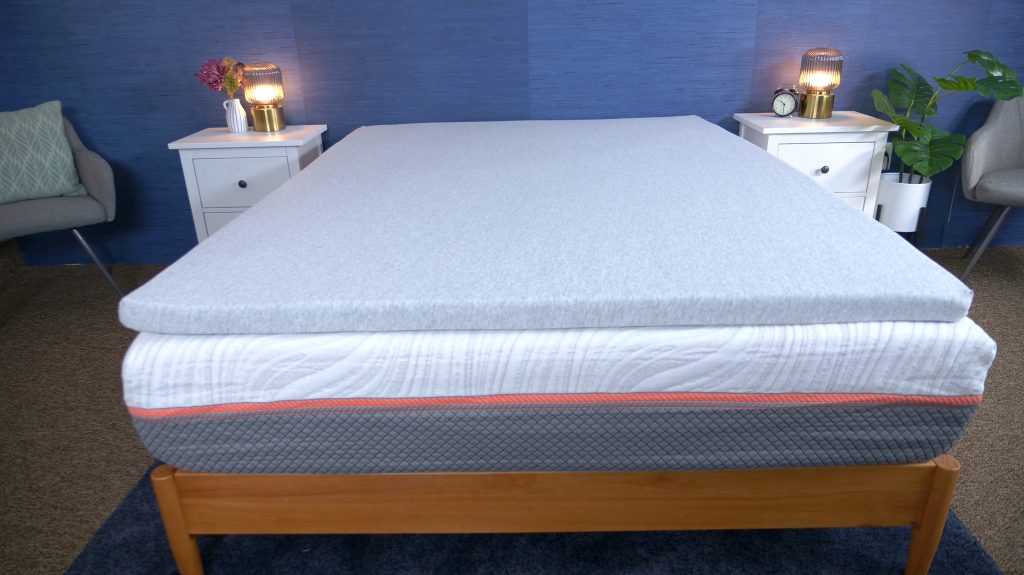
Why proper disposal of mattress topper matters
Throwing a mattress topper in the trash is easy, but it can harm the environment and may break local rules. Many toppers contain foam, latex, or synthetic fills that take years to break down. Proper disposal saves landfill space, prevents chemicals from leaking, and can help materials get reused or recycled.
I’ve seen toppers last years as pet beds or couch cushions after a simple cleaning and trim. Making the effort often keeps useful material out of landfill and gives you options that save money or help others. This matters if you want to reduce waste and follow local laws about bulk items.

Identify your mattress topper type
Knowing the topper type tells you which disposal route to pick. Common types include memory foam, latex, feather/down, polyfill, and wool. Each needs a slightly different approach for recycling, donation, or reuse.
Memory foam and latex are harder to recycle through curbside bins. Feather and down toppers are easier to donate if clean. Polyfill toppers may be recyclable but often need a special drop-off. Check the care tag, maker’s info, or feel and weight to identify your topper.

Options to dispose of mattress topper
Here are the main disposal routes. Each has pros and cons so pick what fits your timeline, budget, and local rules.
-
Donate
- Pros: Helps people in need, usually free.
- Cons: Many charities only accept clean, recent items.
- Tip: Call ahead to confirm acceptance.
-
Recycle at a mattress or foam recycling center
- Pros: Parts get reused; reduces landfill waste.
- Cons: May have a fee and limited locations.
- Tip: Search for “mattress recycling” in your area or ask local waste authorities.
-
Retailer take-back or exchange programs
- Pros: Convenient when you buy a new topper or mattress.
- Cons: May cost extra or require purchase.
- Tip: Ask your retailer about disposal policies before you buy.
-
Municipal bulk pickup or special collection events
- Pros: Low or no cost in many cities.
- Cons: Often scheduled, with size limits and rules.
- Tip: Place items at the curb on the assigned day and follow wrap rules.
-
Curbside trash (last resort)
- Pros: Fast and simple where allowed.
- Cons: Adds to landfill; some areas ban large soft goods.
- Tip: Confirm local restrictions and possible fines first.
-
Landfill drop-off
- Pros: Straightforward if you need immediate removal.
- Cons: Environmental impact and possible fees.
- Tip: Use only if no better option exists.

How to prepare your topper for disposal
A little prep improves chances of donation or recycling and protects workers. Follow these steps before pickup or drop-off.
-
Clean the topper
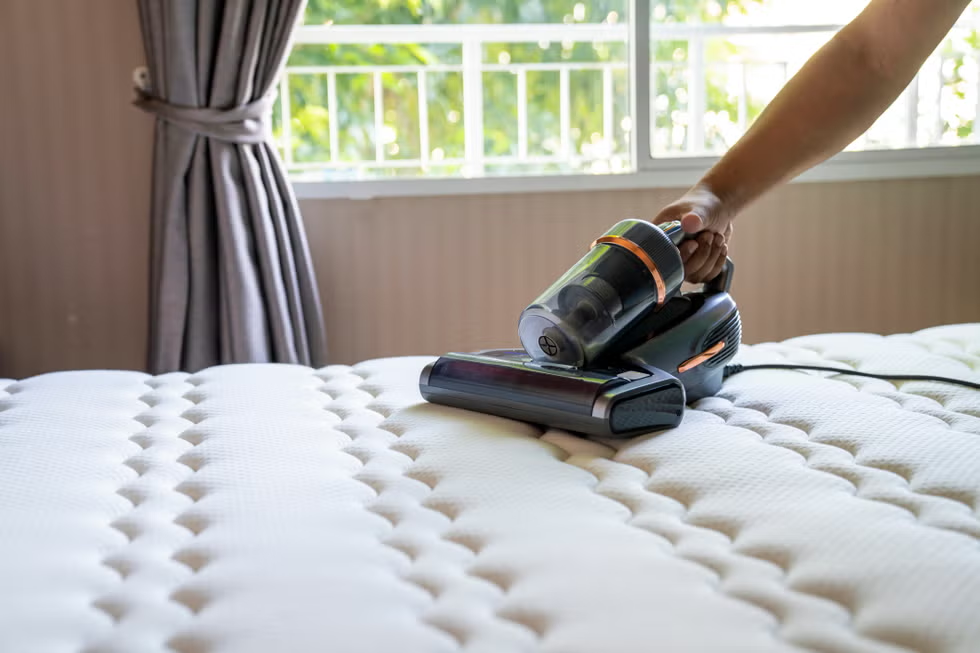
- Vacuum to remove dust and hair.
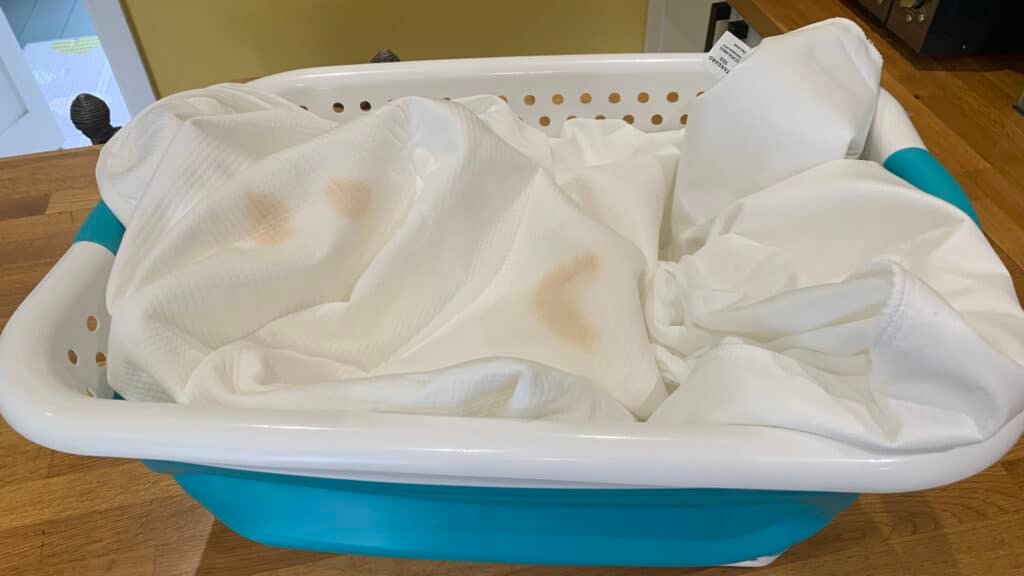
- Spot-clean stains. Use mild detergent and let dry fully.
-
Repair minor damage
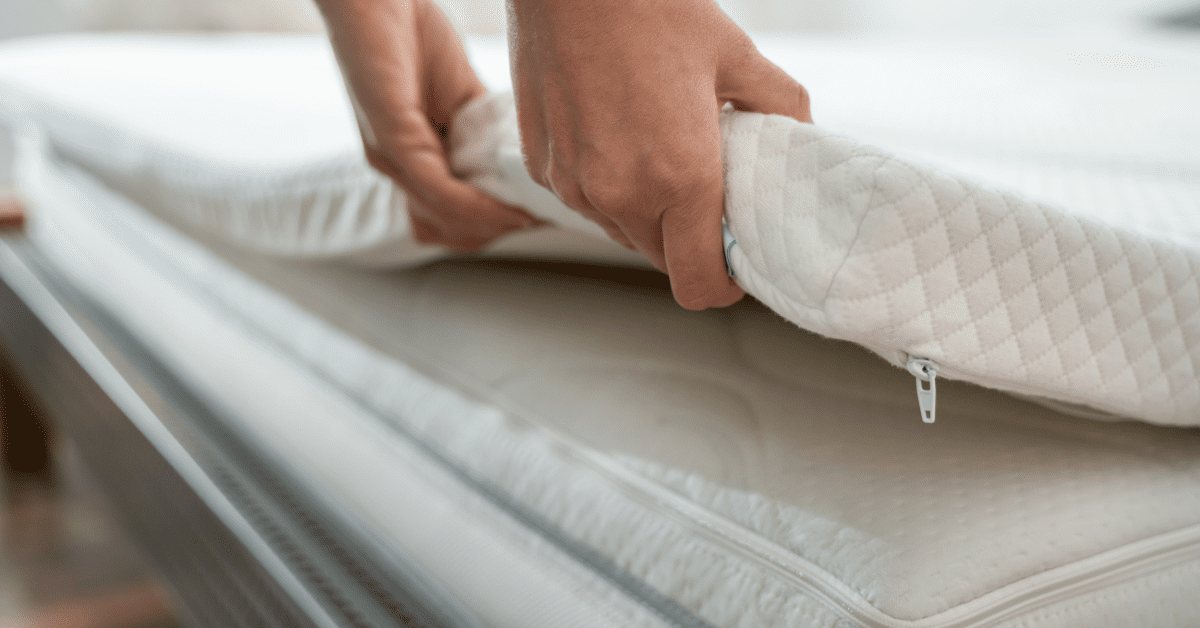
- Sew small tears or replace zippers when possible.
- This increases the chance a charity will accept the item.
-
Reduce size for transport
- Cut foam toppers into sections with a serrated knife for easier handling.
- Compress and roll when allowed to save space.
-
Package safely
- Use clear plastic bags or mattress covers if required.
- Label the bag if it has special material like latex or feather.
I once cut a bulky memory foam topper into halves and donated one half as a floor cushion. It was easy and someone else got good use from it.
Recycling specifics by material
Different materials require different recycling paths. Use the right route to increase recovery and reduce hassle.
-
Memory foam
- Often recycled by specialty foam recyclers who shred and reuse foam or turn it into carpet underlay.
- Check for local foam processing centers.
-
Latex
- Natural latex can sometimes be reclaimed, but many centers treat latex like foam.
- Ask recyclers if they accept latex specifically.
-
Feather and down
- Can be cleaned and reused for pillows, insulation, or pet bedding.
- Local textile recyclers or some charities may accept them.
-
Polyfill and synthetic fiber
- Often accepted by textile recycling programs.
- Some recyclers turn fibers into stuffing for new products.
-
Wool
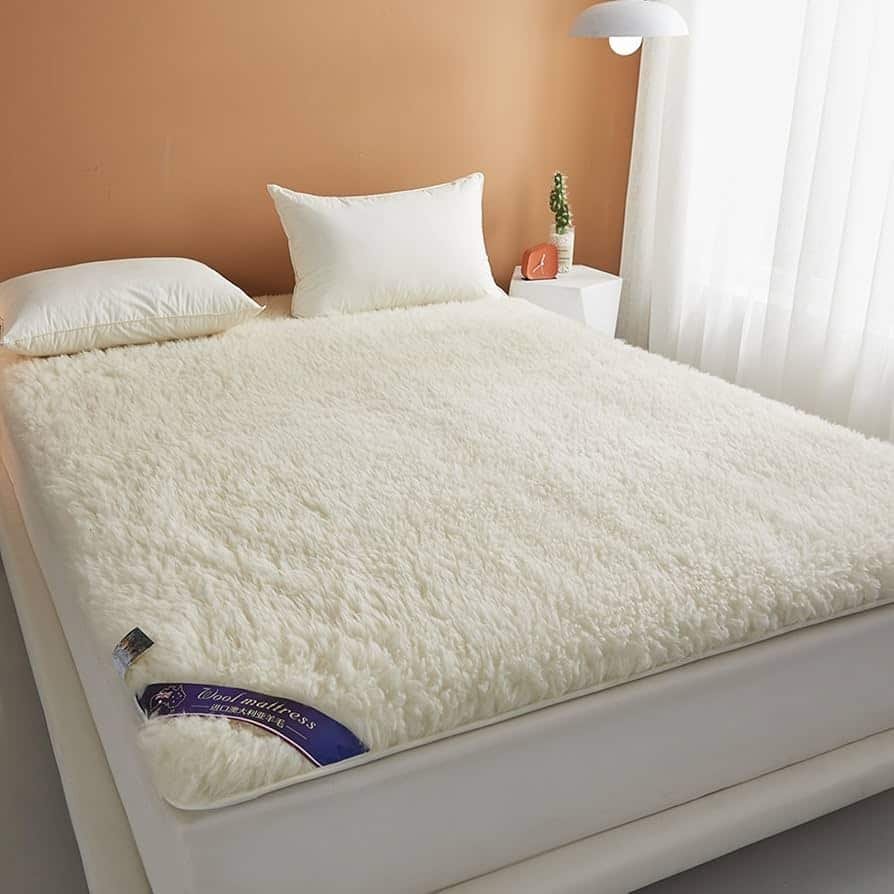
- Wool toppers can be composted or processed by textile recyclers.
- Ensure wool is clean and free of heavy contamination.

Where to recycle, donate, or dispose locally
Finding the right place saves time and money. Use a mix of resources.
-
Local waste management website
- Lists bulk pickup schedules, restrictions, and drop-off sites.
-
Mattress recycling centers or foam recyclers
- Often listed under specialty recycling in municipal resources.
-
Charities and shelters
- Great for clean feather or down toppers. Call first to confirm.
-
Retailers
- Ask when you buy a new topper or mattress; many offer take-back services.
-
Online marketplaces
- Sell or give away clean, usable toppers on local apps or classified sites.
When I moved, I checked the city site, called a charity, and found a nearby foam recycler. It cost less and avoided a landfill trip.

Costs, regulations, and common issues
Expect some costs and rules depending on where you live. Knowing them helps you avoid surprises.
-
Possible fees
- Recycling centers and retailer pickups sometimes charge a small fee.
- Landfills may charge by weight or item.
-
Local bans and rules
- Some cities ban soft goods in regular trash. Violators risk fines.
- Bulk pick-up often needs scheduling in advance.
-
Health concerns
- Moldy or heavily soiled toppers should not be donated. They can spread pests or allergens.
- Consider safe disposal or professional cleaning where feasible.
Be transparent with charities and recyclers about the topper’s condition to avoid wasted trips.
Creative reuse ideas and DIY projects
If the topper is in poor condition, you can still reuse parts. These ideas save money and cut waste.
-
Pet beds
- Cut foam to size, cover with washable fabric, and you have a comfy pet bed.
-
Floor cushions and seating pads
- Use foam pieces for floor seating or outdoor lounge pads.
-
Garden kneeling pads and tool cushioning
- Small foam sections make great kneeling pads for gardening.
-
Insulation or soundproofing
- Use foam under carpets or behind panels to reduce noise.
-
Art and craft projects
- Shred foam for stuffing pillows or craft projects.
I turned a worn topper into three pet beds in an afternoon. It felt good to reuse it and avoid the trash.
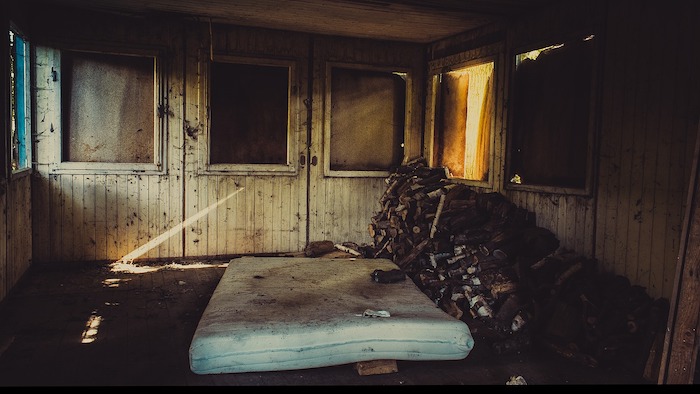
Safety and sanitation tips
Handle used toppers safely. Follow these steps to protect your health and others.
- Wear gloves and a mask if topper is dusty or moldy.
- Work outdoors if you cut foam to limit dust and odors.
- Bag moldy or pest-infested toppers securely and notify waste handlers.
- Avoid burning foam or synthetic materials. Burning releases toxic fumes.
These quick steps keep you safe and make disposal easier for waste or recycling workers.
Frequently Asked Questions of how to dispose of mattress topper
How do I know if my mattress topper is recyclable?
Check the material and local recycling options. Memory foam and latex often need specialty recyclers, while feather or wool may be accepted by textile programs.
Can I donate a used mattress topper?
Yes, if it is clean, free of stains, and in good shape. Call charities first; many will not accept soiled or heavily used items.
What should I do if my topper is moldy?
Do not donate it. Bag it securely and follow local hazardous waste or landfill guidance. Consider professional cleaning only if the mold is minimal.
How much does recycling a mattress topper cost?
Costs vary by location and recycler. Some municipal programs are free, while specialty centers or retailer pickups may charge a small fee.
Can I cut my foam topper for trash pickup?
Yes, cutting foam into smaller pieces makes handling easier and may meet bulk rules. Use a serrated knife and work outdoors to limit dust.
Conclusion
You have clear, practical ways to handle how to dispose of mattress topper. Identify the material, clean and prepare it, and choose donation, recycling, retailer take-back, or creative reuse. Small steps like cutting foam, calling ahead, and using proper bags make a big difference for the environment and your wallet.
Try one actionable step today: check your city’s bulk pickup rules or search for a mattress recycling center nearby. Leave a comment with your local tips or a reuse idea so others can benefit.

Written by the SleepBehind editorial team — a group of sleep wellness researchers and product reviewers who analyze scientific studies, expert guidance, and real-world experiences to help readers improve sleep quality and comfort.