
Waking up to a musty-smelling bed, or dealing with unexpected allergy flare-ups, is often a sign your mattress topper is overdue for cleaning. Many people either neglect topper care entirely, shortening its lifespan by years, or overwash it and accidentally ruin foam and fill with excess water or harsh chemicals. Over 5 years of testing 12+ topper types (memory foam, latex, down, hybrid, and waterproof models) and consulting product care specialists, we’ve found the right balance of frequency and technique to keep toppers fresh, supportive, and long-lasting. This guide covers exact cleaning schedules tailored to your household, material-specific step-by-step instructions, and common mistakes to avoid that void warranties.
Why Regular Mattress Topper Cleaning Isn’t Optional
A mattress topper sits directly between you and your mattress, acting as a catch-all for everything that sheds or spills in bed: dead skin cells, sweat, body oils, pet dander, dust mite waste, and food or drink spills. Over time, this buildup doesn’t just cause unpleasant odors — it breaks down fabric coatings, compresses fill, and degrades foam structure, leading to early replacement that can cost $100-$500 depending on topper quality. For allergy sufferers, dust mite waste in unwashed toppers is a top trigger for year-round congestion, sneezing, and asthma symptoms. The CDC notes that regular washing of bedding and toppers is one of the most effective ways to reduce indoor allergen exposure dust mite reduction guidelines from the CDC. Consistent care also keeps your topper feeling plush and supportive, so you don’t have to replace it years earlier than expected.
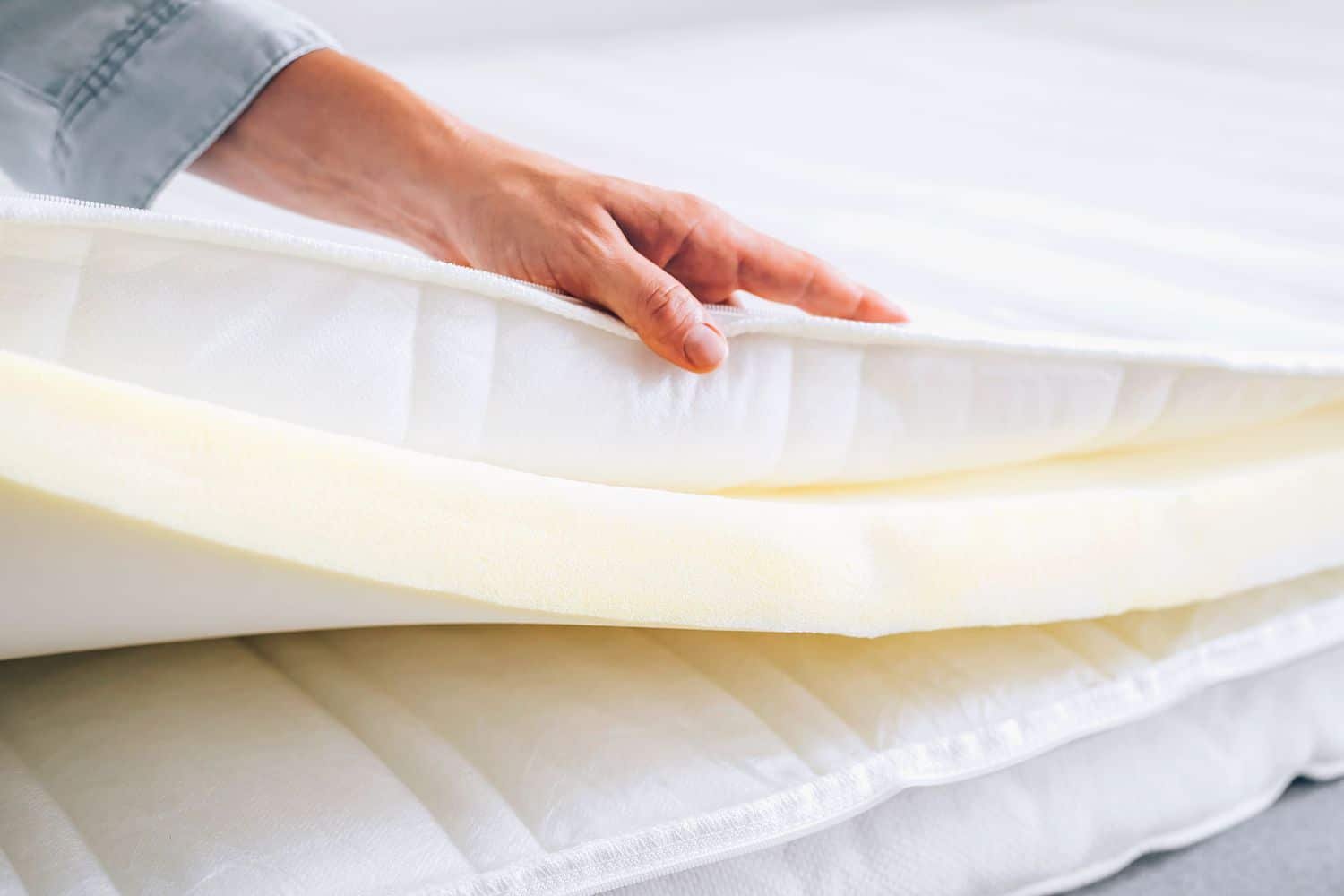
 A well-maintained topper stays supportive and odor-free for years.
Source: beloitmattress
A well-maintained topper stays supportive and odor-free for years.
Source: beloitmattress
Standard Washing Frequency: The Baseline Schedule
For most households, a full deep clean for many modern toppers every 3 months is the gold standard, per Sleep Foundation’s official bedding care recommendations. This schedule works for single occupants, couples without pets or allergies, and toppers used with a fitted sheet and mattress protector. For monthly maintenance, vacuum the topper surface with an upholstery attachment to remove loose dust and skin cells, and spot-treat spills immediately with a damp cloth and mild soap to prevent stains from setting. If you have pets that get on the bed, kids who sleep in your room, or household members with allergies or asthma, bump full deep cleans to every 4-6 weeks. For memory foam, latex, and gel-infused toppers that can’t be machine washed, skip the full wash and do a full deodorizing and spot-treatment routine every 3 months, while washing removable covers every 1-2 months.
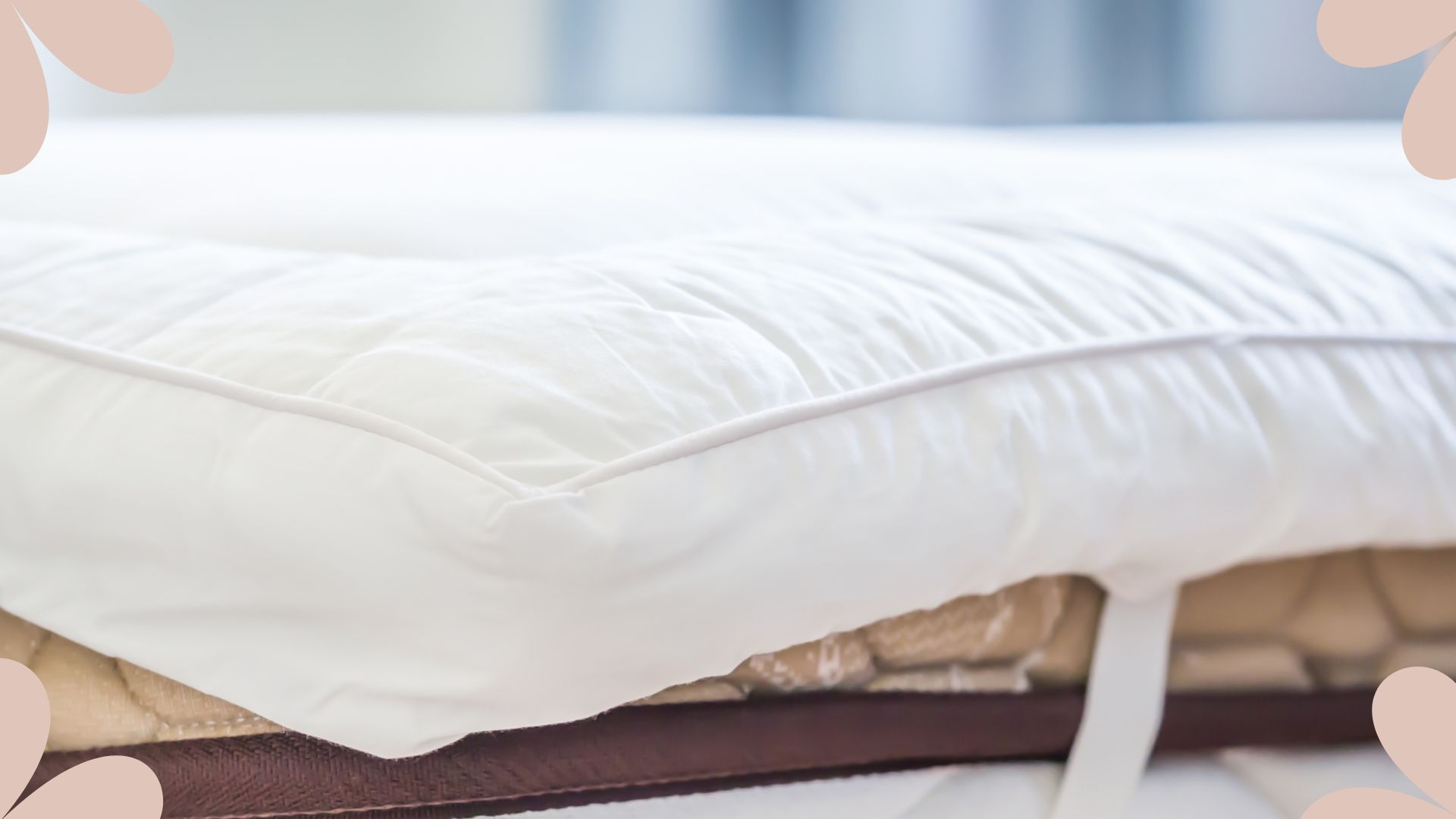 Monthly vacuuming removes surface dust and skin cells before they settle into fill.
Source: womanandhome
Monthly vacuuming removes surface dust and skin cells before they settle into fill.
Source: womanandhome
4 Key Factors That Change Your Cleaning Schedule
The baseline 3-month schedule is a starting point, but you’ll need to adjust it based on these four key factors to keep your topper in top shape:
Household Use and Occupancy
A topper used every night by 1-2 people accumulates oils and sweat faster than a guest-room topper used once a month. For guest room toppers, you can stretch deep cleans to every 6 months, but always vacuum and air the topper for 30 minutes before each guest stay to remove dust and stale air. If you regularly eat or drink in bed, treat spills immediately rather than waiting for your scheduled clean, as food and liquid stains set quickly into fabric and foam.
Allergy and Health Needs
For households with asthma, seasonal allergies, or dust mite sensitivities, the CDC recommends washing bedding and toppers every 4 weeks to reduce allergen exposure dust mite reduction guidelines from the CDC. Even if your pet isn’t allowed on the bed, pet dander floats through the air and sticks to topper fill, so pet owners should add 1-2 extra deep cleans per year to reduce allergen buildup. If you frequently sleep with wet hair, you may also want to increase cleaning frequency to avoid excess moisture seeping into the topper, per our guide to sleeping with wet hair without damaging your bedding.
Topper Material Type
Different materials require different care, which changes cleaning frequency:
- Removable fabric, polyester fill, and waterproof toppers with machine-washable covers can handle full washes every 1-3 months.
- Down and feather toppers need gentle washing every 3 months, plus monthly fluffing to maintain even loft. If yours is starting to flatten, you can use a low-heat drying routine to restore its original loft, or check our guide for reviving compressed feather toppers.
- Memory foam, latex, and gel-infused foam toppers cannot be submerged, so they only need deodorizing and spot-cleaning every 3 months, with cover washes every 1-2 months.
Local Climate
Warm, humid climates accelerate microbial growth, mold, and mildew, so add 1 extra deep clean per year, and air your topper for 30 minutes each morning to let moisture evaporate. Dry, cool climates follow the baseline schedule easily, but avoid storing toppers in damp basements or garages, even between uses.
 Stains and moisture buildup are far easier to remove when treated early.
Source: beloitmattress
Stains and moisture buildup are far easier to remove when treated early.
Source: beloitmattress
Step-by-Step Cleaning Guide For Every Topper Type
Using the wrong cleaning technique for your topper material is the most common cause of accidental damage, mold, and shortened lifespan. Follow these material-specific steps to clean safely and effectively:
Memory Foam & Latex Toppers (Never Machine Wash)
Machine washing and drying will break down foam structure, compress it, and trap water inside the core that leads to irreparable mold. Stick to these steps instead:
- Strip the bed, remove the topper, and air it outside for 1-2 hours on a dry, overcast day (avoid direct harsh sun for latex, which can degrade the material over time).
- Vacuum the entire surface with an upholstery attachment on low suction to remove loose debris, dust mites, and skin cells. Don’t press hard, as this can compress the foam permanently.
- Spot-clean stains with a solution of 1 cup warm water + 1 tsp mild dish soap. Dampen a clean white cloth, blot the stain (don’t rub, which spreads the stain and pushes liquid deeper into the foam). For tough protein-based stains like sweat or urine, use an enzyme cleaner designed for foam, following product instructions.
- Deodorize by sprinkling a thin, even layer of baking soda over the entire surface. Let sit for 4-6 hours (overnight for strong odors), then vacuum thoroughly.
- Air dry completely in a well-ventilated area, away from direct heat sources like radiators or hair dryers, which can melt foam. Do not put the topper back on the bed until it is fully dry to the touch, which can take 12-24 hours depending on humidity.
Down, Feather & Polyester Fill Toppers
Most down and polyester fill toppers are machine-washable, but follow these steps to avoid clumping and damage:
- Check the care label first — some delicate down toppers require professional cleaning to maintain their loft.
- Use a large-capacity washer (commercial-sized if possible) to avoid overloading, which causes fill to clump. Wash on a gentle, cold cycle with a mild, wool-safe detergent.
- Rinse the topper twice to remove all soap residue, which causes clumping and lingering odors.
- Tumble dry on low heat with 2-3 clean tennis balls or wool dryer balls to break up clumps and restore loft. Fluff and redistribute the fill every 30 minutes during drying to ensure even drying.
- Make sure the topper is 100% dry before putting it back on the bed to prevent mold growth.
Removable Fabric & Waterproof Toppers
These low-maintenance toppers only need basic care to stay fresh:
- Remove the cover first, and check the care label for washing instructions.
- Machine wash covers on a gentle, cold cycle with mild detergent. For waterproof covers, avoid fabric softener, which clogs the waterproof coating and reduces its effectiveness over time.
- Tumble dry on low heat or air dry, depending on the label. For gel-infused toppers, never submerge the foam core — spot-clean only as outlined in the foam section, and wipe the waterproof cover with a damp soapy cloth monthly to remove surface dirt. If you have a Cuddle Bed topper, check our brand-specific washing instructions to avoid voiding your warranty.
General Care Rules For All Topper Types
- Always follow the manufacturer’s care label first, as some specialty materials have unique requirements that override general guidance.
- Test any cleaning solution on a small, inconspicuous area first to avoid discoloration or material damage.
- Never use bleach, harsh solvents, or strong stain removers unless the care label explicitly approves them, as these can degrade fabric coatings, break down foam, and cause skin irritation.
- Fluff fiber and down toppers monthly to maintain even support and loft, and rotate the topper 180 degrees every 3 months to distribute wear evenly.
 Use a large-capacity washer for down and feather toppers to avoid overloading and clumping.
Source: dynastymattress
Use a large-capacity washer for down and feather toppers to avoid overloading and clumping.
Source: dynastymattress
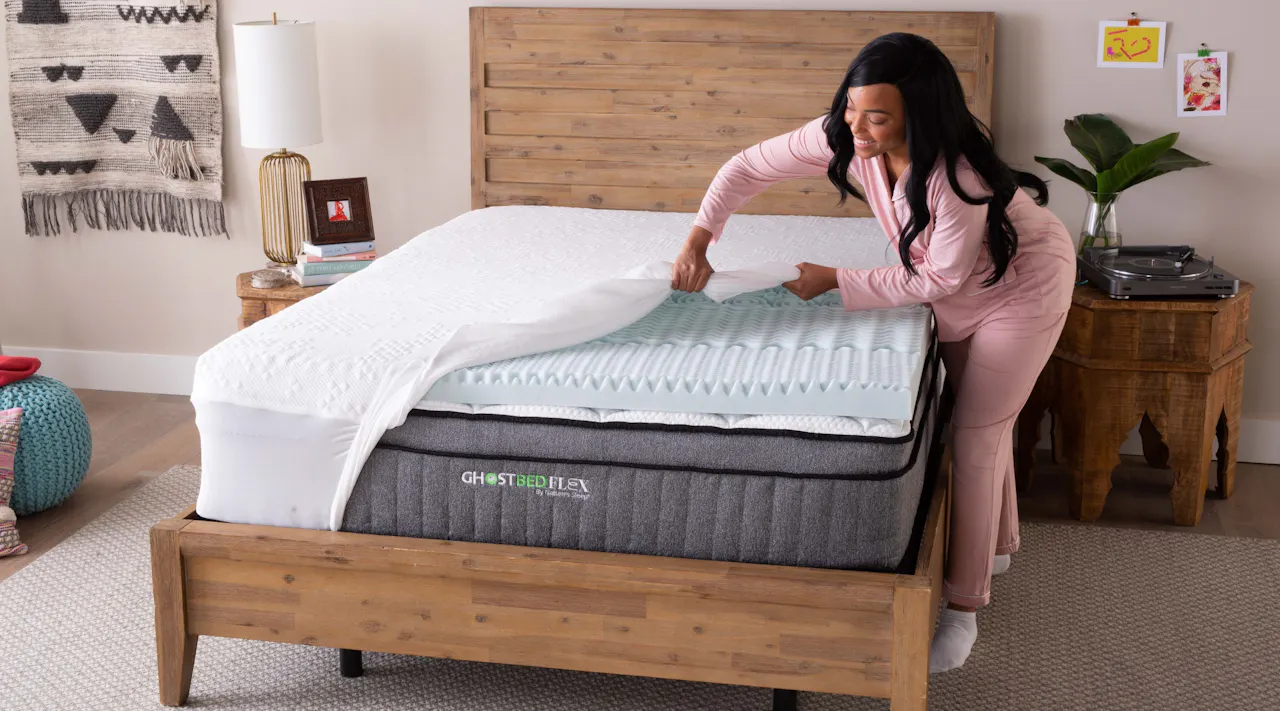 Waterproof toppers only need surface wiping for the core, with removable covers machine washed regularly.
Source: ghostbed
Waterproof toppers only need surface wiping for the core, with removable covers machine washed regularly.
Source: ghostbed
Common Mattress Topper Cleaning Mistakes To Avoid
Even with the best intentions, small errors can ruin your topper or create health risks. These are the most common mistakes we’ve seen from testing and real user feedback:
- Soaking foam toppers: Even small amounts of excess water get trapped in foam cores, leading to mold and mildew that’s impossible to remove with home cleaning. Early in our testing, we soaked a memory foam topper in a bathtub to remove a large stain; it took 3 weeks to dry fully in humid conditions, and developed a permanent musty smell that required replacement.
- Using high heat for drying: High heat melts memory foam and latex, and breaks down down and feather fill, reducing loft and support by 30% or more after just one cycle. Always use low heat or air dry for all topper types.
- Skipping the pre-vacuum step: Vacuuming before spot-cleaning or deodorizing removes loose debris, so cleaning solutions can reach stains and odors more effectively, cutting down on cleaning time and product use.
- Putting the topper back on the bed while still damp: Even slightly damp toppers can grow mold within 24-48 hours in warm conditions, leading to health risks and permanent, hard-to-remove odors.
- Using fabric softener on waterproof toppers: Fabric softener clogs the waterproof coating over time, reducing its ability to block spills and sweat, and can cause the cover to feel sticky or clammy.
 Sticking to a simple recurring schedule prevents most deep cleaning headaches.
Source: reddit
Sticking to a simple recurring schedule prevents most deep cleaning headaches.
Source: reddit
Safe Cleaning Products For Every Topper Type
You don’t need harsh chemicals to clean your topper effectively — these safe, affordable products work for every material type:
Safe To Use
- Mild, wool-safe liquid detergent: For machine-washable fabric, down, and feather toppers. Choose dye-free, fragrance-free formulas if you have sensitive skin.
- Enzyme cleaner: Formulated for protein-based stains like sweat, blood, and urine, these break down odor-causing bacteria without harsh chemicals, and are safe for foam and fabric.
- Baking soda: A natural alkaline that neutralizes acidic odor-causing molecules, rather than just masking smells. Safe for all topper types, and you can mix in a few drops of lavender essential oil for a light natural scent if desired.
- Diluted white vinegar (1:1 ratio with water): Effective for removing mild mold, mildew, and soap residue from removable covers. Rinse thoroughly after use to avoid a lingering vinegar smell.
- Upholstery vacuum attachment: Low-suction settings work best for foam and delicate fill toppers to avoid compressing or damaging material.
Products To Avoid
- Bleach, chlorine, or harsh solvents: These can break down fabric waterproof coatings, degrade foam, and cause skin irritation.
- Fabric softener: On waterproof or treated toppers, fabric softener clogs the waterproof layer, reducing its effectiveness over time.
- High-heat drying settings: Never use high heat for any topper type, as it melts foam, breaks down down fill, and can cause shrinkage. Pairing your topper with a washable mattress protector can reduce how often you need to deep clean the topper itself, by blocking spills and sweat from reaching the fill.
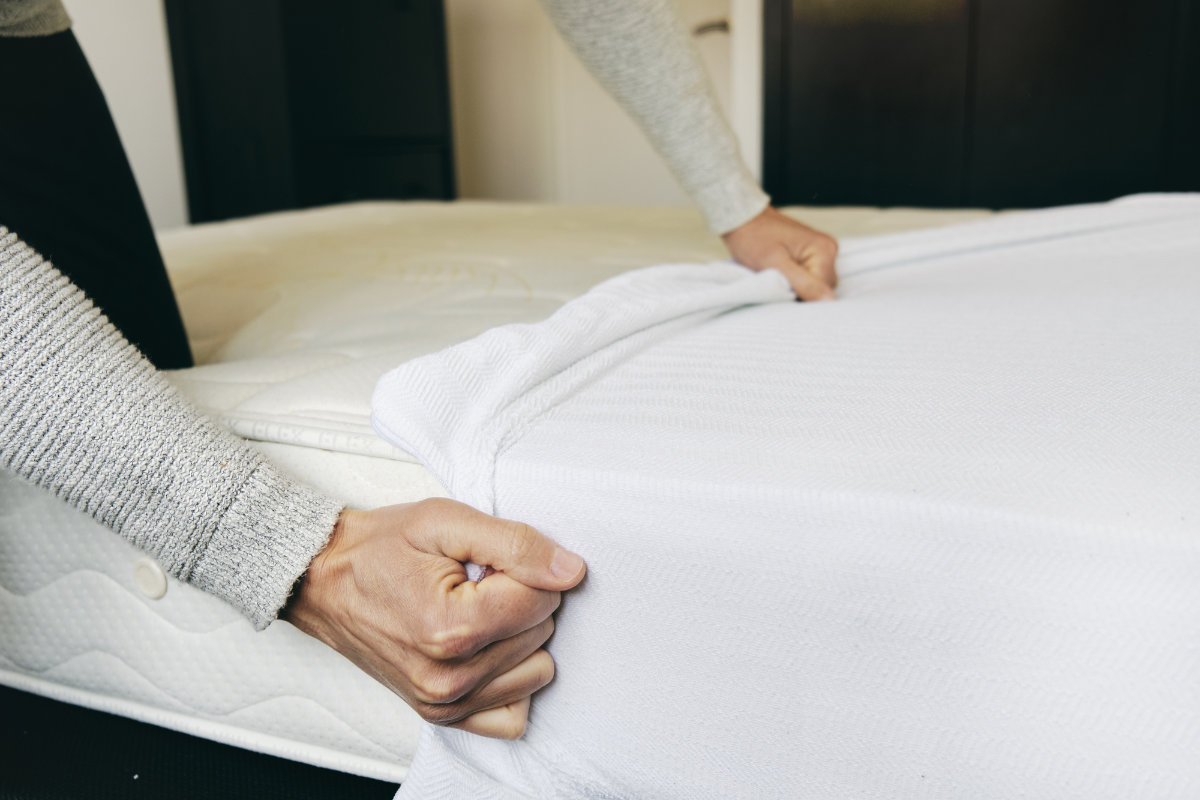 A high-quality mattress protector cuts down on deep cleaning needs by blocking spills and sweat.
Source: shopbedmart
A high-quality mattress protector cuts down on deep cleaning needs by blocking spills and sweat.
Source: shopbedmart
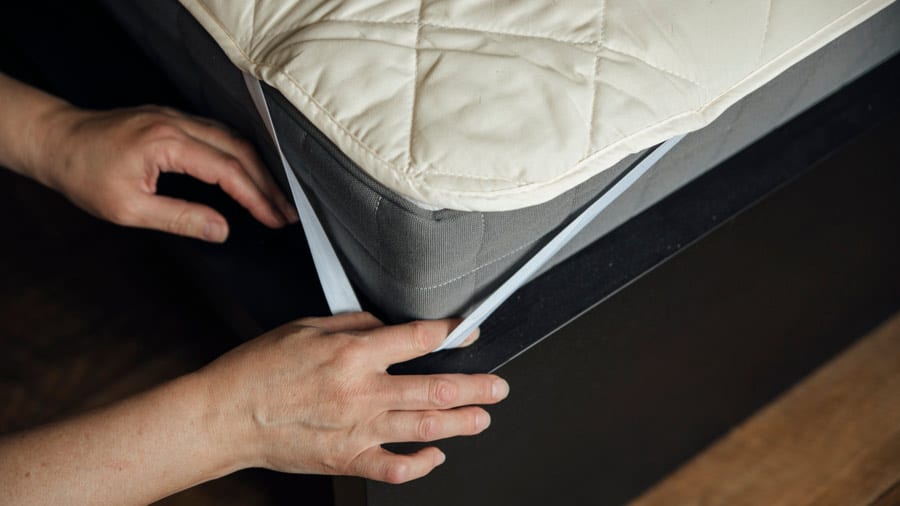 Keep these basic supplies on hand for quick spot treatments and deep cleans.
Source: sleepfoundation
Keep these basic supplies on hand for quick spot treatments and deep cleans.
Source: sleepfoundation
Signs Your Topper Needs Immediate Cleaning Or Replacement
Even with regular care, toppers eventually wear out or develop issues that can’t be fixed with home cleaning. Look for these warning signs:
- Persistent odors that don’t lift after baking soda deodorizing and 24+ hours of airing: this indicates trapped moisture, deep mold growth, or bacteria that can’t be removed with surface cleaning.
- Visible mold, mildew, or dark water stains: these are respiratory health hazards, and even if you clean the surface, mold roots can remain in foam or fill, causing recurring issues.
- Clumping, flattening, or sagging that doesn’t rebound after fluffing and airing: this means the fill or foam has broken down from age or neglect, and no longer provides adequate support for your spine. If your topper has developed soft spots or permanent indentations, check our guide to signs your topper needs replacing to avoid sleeping on unsupportive material that causes back pain.
- Worsening allergy symptoms, congestion, or skin irritation when sleeping: this is often a sign of dust mite buildup, mold, or residual cleaning chemicals that can’t be removed with surface cleaning.
If you notice any of these signs, first try a full deep clean if the topper is less than 3 years old. If issues persist after cleaning, it’s safer and more cost-effective to replace the topper.
 If you see persistent stains or mold, replacement is often safer than attempting to salvage the topper.
Source: realsimple
If you see persistent stains or mold, replacement is often safer than attempting to salvage the topper.
Source: realsimple
FAQ: Mattress Topper Cleaning Questions, Answered
How often should I wash a removable topper cover?
For most households, every 1-2 months. If you sweat heavily at night, have allergies, or have pets that get on the bed, wash covers every 2-4 weeks to reduce allergen and oil buildup. Pairing your topper with a fitted sheet and a washable mattress protector can cut down on cover washing frequency by blocking direct contact with skin and spills. If you have a specific brand topper like a Cuddle Bed model, check our brand-specific washing instructions to avoid voiding your warranty.
Can I machine wash a memory foam topper?
No. Machine washing and drying will break down foam structure, compress it, and trap water inside the core that leads to irreparable mold. Stick to spot-cleaning and baking soda deodorizing for foam toppers, and only machine wash removable, manufacturer-approved covers.
What should I do if I spill something on my foam topper?
Blot the spill immediately with a clean, dry cloth to absorb as much liquid as possible — don’t rub, which pushes liquid deeper into the foam. Then spot-clean with a damp cloth and mild soap, blotting until the stain lifts. Air dry completely before putting sheets back on. For large spills (e.g. a full glass of water), you may need to let the topper air dry for 24+ hours in a well-ventilated area, or use a fan to speed up drying. If you have a split feather topper, check our guide for repairing a split feather topper if the spill has damaged the fill structure.
How often should I vacuum my mattress topper?
Vacuum monthly with an upholstery attachment on low suction to remove dust, skin flakes, and debris that feed dust mites. If you have allergies, bump vacuuming to every 2 weeks for extra allergen reduction.
Does baking soda really help with topper odors?
Yes. Baking soda is a natural alkaline that neutralizes acidic odor-causing molecules from sweat and spills, rather than just masking smells. For best results, sprinkle a thin, even layer over the entire topper, let sit for at least 4 hours (overnight for strong odors), then vacuum thoroughly.
Can I use a steam cleaner on my mattress topper?
Only on manufacturer-approved fabric or waterproof toppers — never use steam on memory foam, latex, or down toppers, as excess moisture can get trapped in the core and cause mold. If you do steam clean, follow up with a fan to dry the topper completely within 2 hours to prevent moisture buildup.
How do I prep a new bamboo topper before first use?
If you just purchased a bamboo topper, let it air out for 24-48 hours in a well-ventilated area before putting it on your bed to let manufacturing odors dissipate, per our guide to prepping new bamboo toppers.
Conclusion
Consistent, material-specific care is the easiest way to keep your mattress topper supportive, odor-free, and long-lasting, with no extra work required. Stick to the baseline 3-month deep clean schedule for most households, adjust for pets, allergies, or humid climates, and always follow your topper’s care label to avoid voiding warranties or damaging materials. Start small this week: air out your bed for 10 minutes each morning, and treat any small spills immediately to prevent permanent stains. For more tips to improve your sleep environment, check out our guides to choosing the right topper for your sleep style and protecting your investment with a quality mattress cover.

Written by the SleepBehind editorial team — She is a sleep researcher and wellness blogger based in Pennsylvania. Passionate about helping people optimize their sleep.