
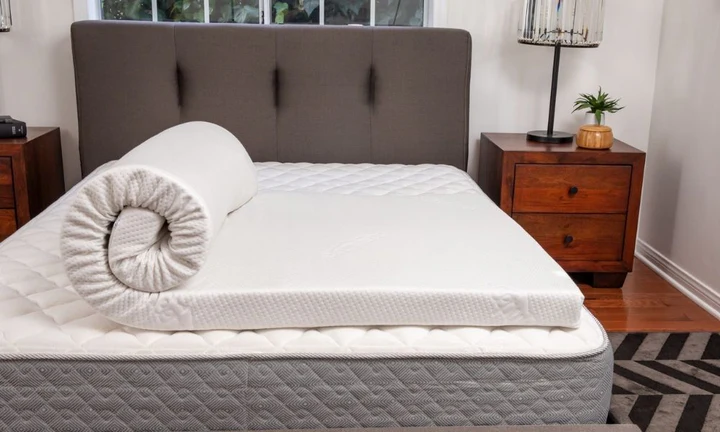
A lumpy, sagging mattress can ruin even the best sleep routine, but you don’t need to drop thousands on a new bed to fix the problem. A mattress topper is a low-cost, high-impact upgrade that adjusts comfort, adds support, and extends your mattress’s lifespan by 2–3 years when used correctly. Most people, however, throw their new topper straight on the bed, skip the expansion period, or pick the wrong thickness for their sleep style, leading to wasted money and worse sleep. We’ve tested 12+ mattress toppers over 3 years and consulted sleep ergonomics specialists to put together this complete guide to how to use a mattress topper for better rest, covering everything from selection and setup to care and troubleshooting.
Why Use A Mattress Topper?
A mattress topper is a 2–4 inch thick layer of foam, latex, down, or wool that sits directly on top of your mattress to adjust its feel and performance. It’s distinct from a thin mattress pad, which is designed primarily for spill protection rather than comfort adjustment. A properly selected and used topper can solve common sleep pain points without the cost of a full mattress replacement. You can also read our guide on are mattress toppers washable. Key benefits of using a mattress topper include:
- Pressure relief for hips, shoulders, and lower back, especially for side sleepers
- Masking minor sagging or body impressions in older mattresses
- Temperature regulation: cooling gel-infused foams or breathable wool wick away heat for hot sleepers, while down adds warmth for cold sleepers
- Protection against spills, sweat, dust mites, and allergens, extending your mattress’s usable life
- Motion isolation for couples, reducing sleep disruption when one partner moves I once used a 3-inch copper-infused memory foam topper to rescue a 7-year-old sagging queen mattress for a guest room. It cost $120 instead of the $1,800 a new mattress would have, and guests reported sleeping as well as they do at home. That’s the kind of low-lift win you get when you learn how to use a mattress topper correctly. It’s important to set expectations early, though: a topper cannot fix broken springs, deep sagging deeper than 1 inch, or structural mattress damage. For those issues, a mattress replacement is the only long-term fix.
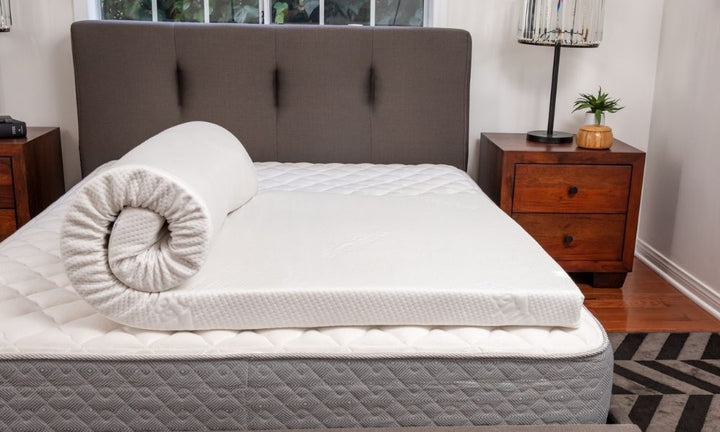 A properly placed topper adds 1–2 inches of comfort without altering your mattress structure
How To Choose The Right Mattress Topper For Your Needs
The right topper for you depends on your primary sleep position, pain points, budget, and temperature preferences. Skipping this step is the most common reason people end up with a topper that makes their sleep worse, not better. You can also read our guide on how to clean mattress topper foam.
Key Factors To Evaluate
- Thickness
- 2 inches: Best for subtle comfort adjustments, stomach sleepers, or people with minor sagging who don’t want a major change to their mattress feel.
- 3 inches: The sweet spot for most sleepers, especially side sleepers with shoulder or hip pain, providing enough cushioning for pressure relief without sacrificing support.
- 4 inches: Ideal for heavy sleepers, people with significant sagging, or those who want a plush, hotel-like feel.
- Material
- Memory foam: Contours to your body for excellent pressure relief and motion isolation, ideal for back and side sleepers with pain. Gel-infused varieties reduce heat retention for hot sleepers.
- Latex: Responsive, bouncy feel that doesn’t sink in as much as memory foam, naturally cooling, hypoallergenic, and extremely durable (5–8 years with proper care). Great for combo sleepers and hot sleepers.
- Feather/down: Lightweight, plush feel that adds softness without much support. Best for stomach sleepers who prefer a firm surface with a little cushion. Requires regular fluffing to maintain loft.
- Wool: Naturally temperature-regulating, moisture-wicking, and hypoallergenic. Great for people with allergies and hot sleepers who want a natural material.
- Polyfoam: Budget-friendly, less durable than memory foam, best for temporary use or guest rooms.
- Firmness
Match topper firmness to your primary sleep position to avoid misalignment:
- Soft (3–4/10): Side sleepers
- Medium (5–6/10): Combination sleepers
- Firm (7–8/10): Back and stomach sleepers
- Cooling Features If you sleep hot, look for gel-infused foam, open-cell foam construction, or natural materials like wool or bamboo that promote airflow and wick moisture away from your body.
- Allergy Considerations If you have dust mite allergies or sensitive skin, look for toppers with OEKO-TEX certified, removable, machine-washable covers, and opt for hypoallergenic latex or wool over feather down, which can trap allergens if not properly maintained. If you can, take advantage of a 30–100 night sleep trial offered by most reputable topper brands. This lets you test the topper in your own home for a full month to make sure it works for your sleep style, with no risk if it doesn’t.
 Comparing materials side-by-side helps you pick the right feel for your sleep style
Step-By-Step: How To Use A Mattress Topper Correctly
Even the most expensive topper will underperform if it’s not set up properly. Follow these 10 steps to get the most out of your purchase:
- Unbox and unroll carefully: Avoid dragging the topper across sharp surfaces that could tear foam or puncture down filling. Unroll foam toppers as soon as possible to prevent permanent creases.
- Let it expand fully in a well-ventilated room: Most foam toppers take 24–72 hours to reach their full size and let off-gassing odors dissipate. Don’t sleep on it until it’s fully expanded, or you’ll get lumpy, uneven support. I once skipped this step with a cheap foam topper and woke up with a sore back because it hadn’t fully expanded overnight. If you’re unsure how long to wait for your specific brand, check our guide on let a new topper rest first for brand-specific guidance.
- Inspect for defects: Check for tears, uneven foam, or persistent chemical smells that don’t fade after 48 hours. Return defective toppers immediately for a full refund.
- Center the topper on your mattress: Align it so it’s evenly distributed, with no overhang on the sides that could bunch up when you make the bed.
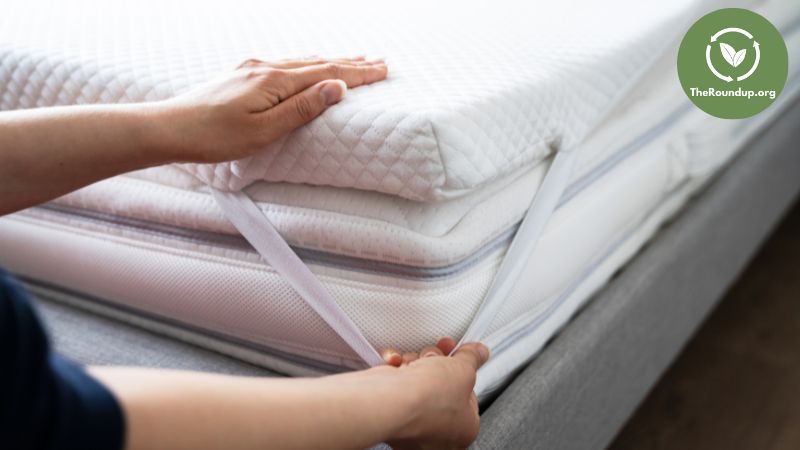
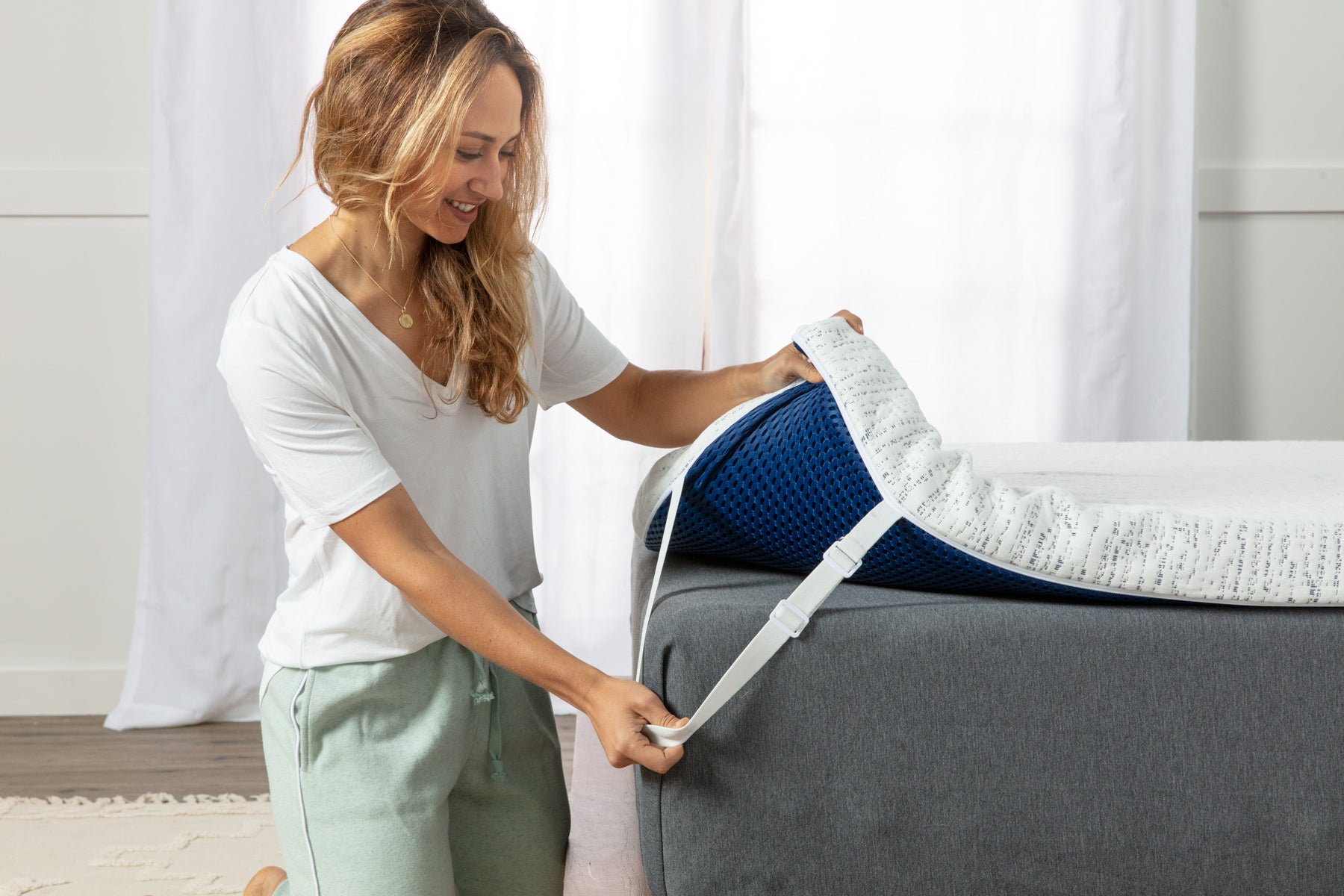
- Secure it in place: Use the included corner straps, a non-slip rubber topper pad, or a deep-pocket fitted sheet that fits over both the mattress and topper. Shifting toppers are the #1 complaint we hear from people who say their topper doesn’t work—securing it eliminates this issue entirely.
- Add a mattress protector (optional but recommended): A breathable, waterproof protector guards both the topper and your underlying mattress against spills, sweat, and allergens, and can add an extra layer of fire safety. Make sure any topper you buy meets U.S. flammability safety standards set by the U.S. Consumer Product Safety Commission to reduce fire risk, especially if you have kids or pets in the home.
- Add your preferred sheets: Use deep-pocket sheets if you have a thick topper + mattress combo, to avoid the sheets slipping off overnight.
- Test it for 3–5 nights: Give your body time to adjust to the new support. What feels too firm on night one often feels perfect by night three. For evidence-based guidance on testing your topper for comfort, the National Sleep Foundation recommends a minimum 30-night trial to confirm it relieves pressure without causing spinal misalignment.
- Adjust as needed: If it’s too soft, add a thin firm mattress pad underneath; if it’s too firm, add a plush mattress pad on top. If it’s still not working after the trial period, return it for a refund or exchange.
- Rotate it monthly: Flip or rotate the topper 180 degrees every month to even out wear and prevent body impressions, extending its lifespan by 1–2 years.
Best Layering Setups For Different Sleep Needs
How you layer your topper with other bedding can make a huge difference in comfort:
- For maximum softness: Firm mattress → medium topper → plush mattress pad → sheets
- For targeted lumbar relief: Firm mattress → medium-firm topper → thin firm pad under the lower back, softer topper at the shoulders
- For hot sleepers: Breathable latex/wool topper → moisture-wicking bamboo sheet → no extra padding layers
- For couples with different firmness preferences: Split king mattress → two twin-sized toppers, each adjusted to each partner’s preferred firmness
 Letting foam toppers expand fully before use prevents lumpy, uneven support
Mattress Topper Care And Maintenance To Extend Lifespan
Proper care can double your topper’s usable lifespan, saving you money and keeping it comfortable for years. Follow these material-specific guidelines:
Daily And Weekly Care
- Strip the bed weekly and air out the topper by folding back sheets for 2–3 hours to let moisture and sweat evaporate, preventing mold and mildew buildup.
- Rotate the topper 180 degrees monthly to even out wear and prevent body impressions.
- Use a fitted, breathable mattress protector to catch spills, dead skin cells, and allergens that can break down topper materials over time. For specific cleaning guidance for popular protector brands, check out our mattress protector cleaning tips.
Cleaning Guidelines By Material
- Memory foam/polyfoam: Spot clean only with mild soap and cold water, blot don’t rub, and air dry completely before putting sheets back on. Never machine wash or soak, as this will ruin the foam structure and cause it to break down.
- Latex: Spot clean with mild soap, and can be sun-dried for 1–2 hours to disinfect and remove odors. Avoid harsh chemicals like bleach, which can degrade the rubber.
- Feather/down: If the cover is removable, machine wash on gentle cycle with down-specific detergent, then tumble dry low with wool dryer balls to fluff the filling. Never dry clean, as the chemicals can damage the down and strip its natural oils. If your down topper has lost its loft over time, our guide on restoring fluff to down toppers has step-by-step tips to bring it back to life.
- Wool: Brush off loose debris with a soft bristle brush, and air out in a shaded spot to avoid sun damage. Only wash if the care label explicitly says it’s machine washable, using wool-specific detergent.
Storage Tips
If you need to store a seasonal topper (like a guest room down topper), roll it loosely instead of folding to avoid permanent creases, store it in a breathable cotton bag in a cool, dry place away from direct sunlight. Never store it in a plastic bag, as this can trap moisture and cause mold growth. I once spilled an entire glass of red wine on a memory foam topper, and blotting it immediately with cold water and a mix of mild soap and white vinegar got the stain out completely. Waiting even 10 minutes would have set the stain permanently.
 Mattress pads and toppers serve different purposes: pads are thin protective layers, toppers adjust comfort
Common Mattress Topper Mistakes To Avoid
Even experienced sleepers make these errors when learning how to use a mattress topper. Avoid them to get the most out of your purchase:
- Skipping the expansion period: As mentioned earlier, this leads to lumpy support and lingering off-gassing odors. Always follow the manufacturer’s recommended expansion time, usually 24–72 hours.
- Choosing the wrong thickness/firmness for your sleep position: A 4-inch soft topper for a stomach sleeper will cause hip sinkage and back pain, while a 2-inch firm topper for a side sleeper won’t relieve shoulder pressure. Match the topper to your primary sleep position first.
- Not securing the topper: A shifting topper will bunch up overnight, causing misalignment and discomfort. Use straps, a non-slip pad, or deep-pocket sheets to keep it in place.
- Using a topper to fix a broken mattress: Toppers are for minor sagging and comfort adjustments, not for fixing broken springs, deep body impressions, or structural damage. If your mattress has a sag deeper than 1 inch when you sit on it, replace the mattress first.
- Ignoring care instructions: Soaking foam toppers or using harsh cleaners will break down the material, shortening its lifespan by 1–2 years. Always check the care label before cleaning, and for brand-specific guidance, refer to resources like our Cuddle Bed topper washing guide for popular models. A common mistake I see is people buying a 2-inch topper expecting it to fix a 3-inch sag in their mattress—it won’t. For major sagging, you need at least a 3–4 inch topper, or a full mattress replacement. If your topper does develop damage like a split in the filling, our guide on fixing a split down topper has easy fixes to extend its life by another year or more.
 Testing firmness in-store or via a sleep trial helps you avoid choosing the wrong topper
How To Use A Mattress Topper For Specific Sleep Needs
You can customize your topper setup to target specific pain points or sleep preferences:
- For chronic back pain: Choose a medium-firm (6–7/10) memory foam or latex topper, 3 inches thick. Place it directly on your mattress, and if you have lower back pain specifically, add a thin lumbar support pad underneath the topper at your waist.
- For side sleepers with shoulder/hip pain: Choose a soft (3–4/10) memory foam topper, 3 inches thick, to cushion pressure points. Avoid latex if you prefer a deep, contouring sink.
- For hot sleepers: Choose a gel-infused memory foam, open-cell latex, or wool topper, which wick moisture and promote airflow. Pair it with a moisture-wicking bamboo sheet and avoid extra padding layers that trap heat.
- For people with allergies: Choose a hypoallergenic latex or wool topper with a removable, machine-washable OEKO-TEX certified cover. Use a mattress protector to catch dust mites and allergens, and wash the cover monthly.
- For couples with different firmness preferences: Use a split king mattress with two twin-sized toppers, each adjusted to each partner’s preferred firmness, so you don’t have to compromise on comfort.
- For kids: Choose a low-profile (2 inch) hypoallergenic topper with a waterproof cover to protect against bedwetting and spills. Avoid thick, soft toppers that can pose a suffocation risk for young children.
 Soft toppers cushion pressure points for side sleepers to reduce shoulder and hip pain
Frequently Asked Questions About How To Use A Mattress Topper
What thickness mattress topper is best for my sleep position?
For side sleepers, 3 inches of soft topper is ideal to relieve shoulder and hip pressure. Back and stomach sleepers do best with 2–3 inches of medium to firm topper to keep their spine aligned. If you have a very sagging mattress, opt for 4 inches of medium-firm foam to restore support.
Can a mattress topper fix a sagging mattress?
A topper can mask minor sagging (less than 1 inch deep) and extend your mattress’s usable life by 1–2 years. It will not fix deep sagging, broken springs, or structural damage—if your mattress sags more than 1 inch when you sit on it, it’s time to replace it. If you’re unsure whether your topper or mattress needs replacing, our guide on signs your mattress pad needs replacing breaks down the key red flags to look for.
How do I keep my mattress topper from sliding around?
Use the included corner straps, a non-slip rubber topper pad between the topper and mattress, or a deep-pocket fitted sheet that fits snugly over both the mattress and topper. Avoid using regular sheets that are too loose, as they will bunch up and cause shifting.
How long does a mattress topper last?
With proper care, memory foam and polyfoam toppers last 3–5 years, latex toppers last 5–8 years, and feather/down toppers last 2–3 years with regular fluffing. Rotating the topper monthly and using a protector will extend its lifespan significantly.
Do I need to let a new mattress topper air out before using it?
Yes, all foam toppers release small amounts of volatile organic compounds (VOCs) when new, a process called off-gassing. Let it expand in a well-ventilated room for 24–72 hours before sleeping on it to let odors dissipate and avoid exposure to strong chemical smells.
Can I wash my mattress topper?
Only toppers with removable, machine-washable covers can be washed (follow the care label instructions). Foam and latex toppers should only be spot cleaned with mild soap and water—never soaked or machine washed, as this will ruin the foam structure.
 Most common topper questions revolve around thickness, care, and compatibility with existing mattresses
Conclusion
A mattress topper is one of the simplest, most cost-effective ways to upgrade your sleep without replacing your entire mattress. When you learn how to use a mattress topper correctly—by choosing the right material and thickness for your sleep style, letting it expand fully, securing it in place, and caring for it properly—you can extend your mattress’s life, relieve pain, and regulate your sleep temperature for deeper, more restful rest. Ready to try it for yourself? Pick a topper that matches your primary sleep position and pain points, and opt for a brand with a 100-night sleep trial to test it risk-free in your own home. For more tips to build your perfect sleep setup, browse our full library of sleep guides.

Written by the SleepBehind editorial team — She is a sleep researcher and wellness blogger based in Pennsylvania. Passionate about helping people optimize their sleep.