Use a marker, straightedge, and a sharp serrated or electric carving knife to trim foam safely.
How to cut a mattress topper is a simple skill that saves money and customizes comfort. I’ve cut toppers for RV beds, split mattresses, and odd frames. In this guide I combine hands-on experience with best practices so you can cut a mattress topper cleanly, safely, and without surprises. Read on for step-by-step methods, tool choices, safety tips, and troubleshooting to master how to cut a mattress topper for any bed.

Why you might need to cut a mattress topper
Cutting a mattress topper customizes fit and function. RV and camper beds are often nonstandard. Split mattresses and daybeds may need a trimmed topper. Cutting also lets you repurpose damaged or uneven toppers for cushions or pet beds.
I’ve trimmed toppers to save a bulky topper from the landfill. Knowing how to cut a mattress topper gives you flexibility and extends the life of bedding. It also keeps costs down compared to buying a custom topper.

Materials and tools you need
Use the right tools. They make cutting safer and neater. Here’s what I use and recommend.
- Measuring tape — to measure twice and cut once.
- Marker or tailor’s chalk — visible on most toppers.
- Straightedge or long yardstick — for clean lines.
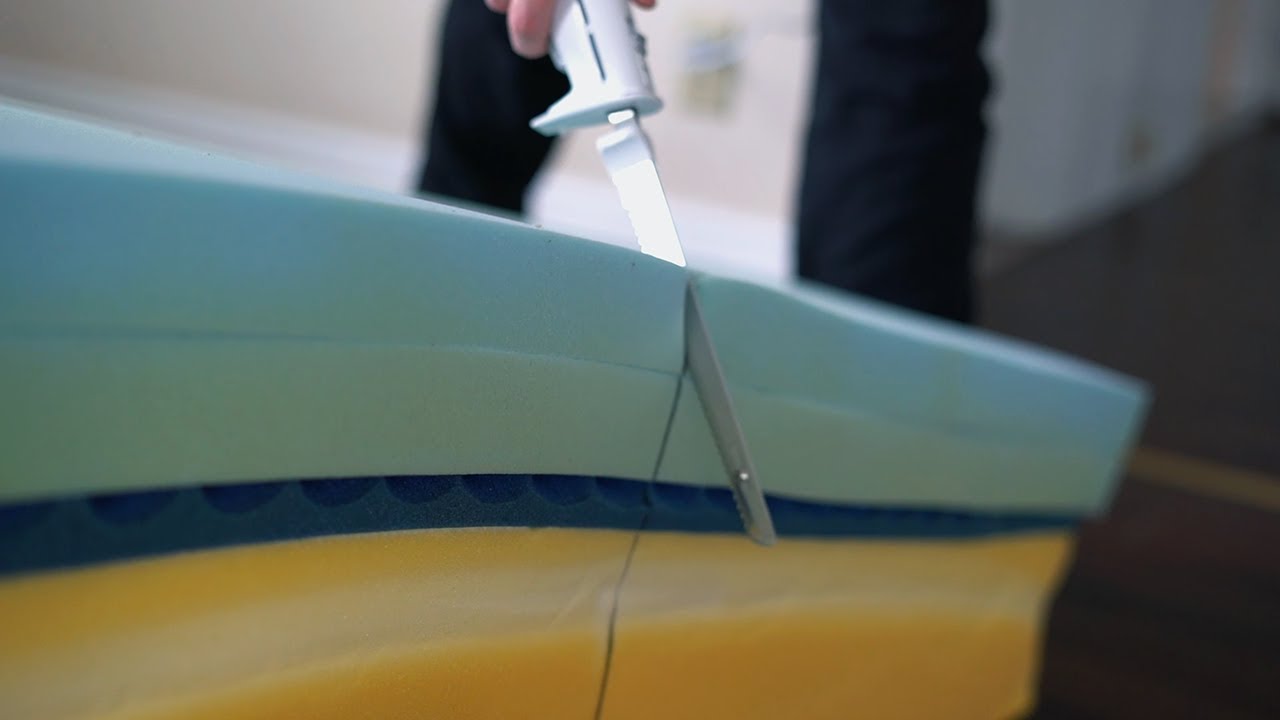
- Serrated bread knife — ideal for most foam toppers.
- Electric carving knife or hot-wire cutter — for fast, smooth cuts.
- Utility knife with fresh blade — for thin toppers or trimming edges.
- Spray adhesive and fabric shears — for replacing covers.
- Work gloves, safety glasses, and mask — protect hands, eyes, and lungs.
- Packing tape or duct tape — to anchor the marking and reduce fuzzing.
I learned that a cheap electric carving knife beats a dull utility blade for large cuts. It creates smoother edges and saves time.
How different topper types affect your approach
Not all toppers cut the same. Match your method to the material.
- Memory foam — dense and holds shape. Use a serrated knife or electric carving knife. Hot-wire works if you have it.
- Polyfoam (polyurethane) — lighter and easier to cut. Serrated knife or utility knife works.
- Latex — denser and springy. Use a sharp serrated knife or electric knife. Cut slowly.
- Egg crate foam — fragile. Support under the foam and cut gently with a serrated blade.
- Feather or down toppers — do not cut. Use shears only for seams and repurposing the fill.
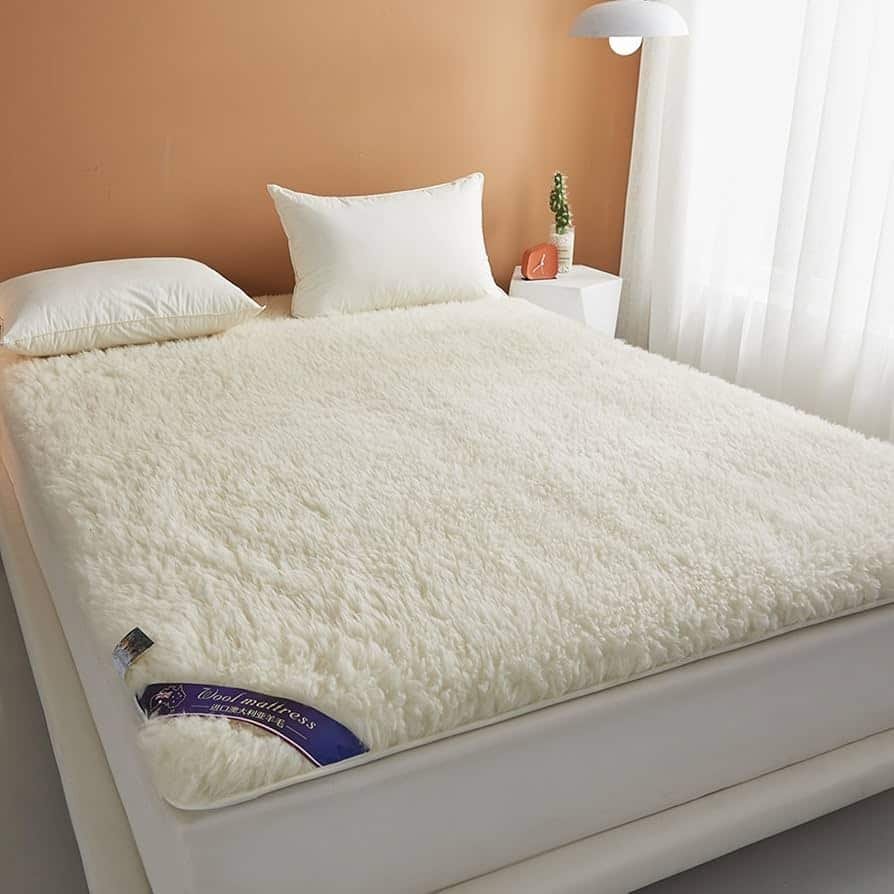
- Wool or fiber toppers — use fabric shears or have a pro alter the cover and redistribute fill.
I once tried to cut a wool topper like foam and made a mess. Lesson: know your topper type before you plan how to cut a mattress topper.

Step-by-step guide: how to cut a mattress topper safely and accurately
Follow these clear steps. Work slowly and test as you go.
- Measure and mark
- Measure the mattress or space twice.
- Mark final cut lines with a visible marker or tailor’s chalk.
- Add a small allowance (1/4 inch) if you want to trim more later.
- Prepare the workspace
* Work on a flat, clean surface like a garage floor or large table.
- Lay a drop cloth to catch debris.
- Use tape at the line to create a firm edge and reduce tearing.
- Anchor and support
- Prop a rigid board under where you will cut only if using a saw. For knife cuts, support the foam on a flat surface.
- For egg crate or very soft foam, place a plywood sheet under the foam to stabilize.
- Choose your cutting tool
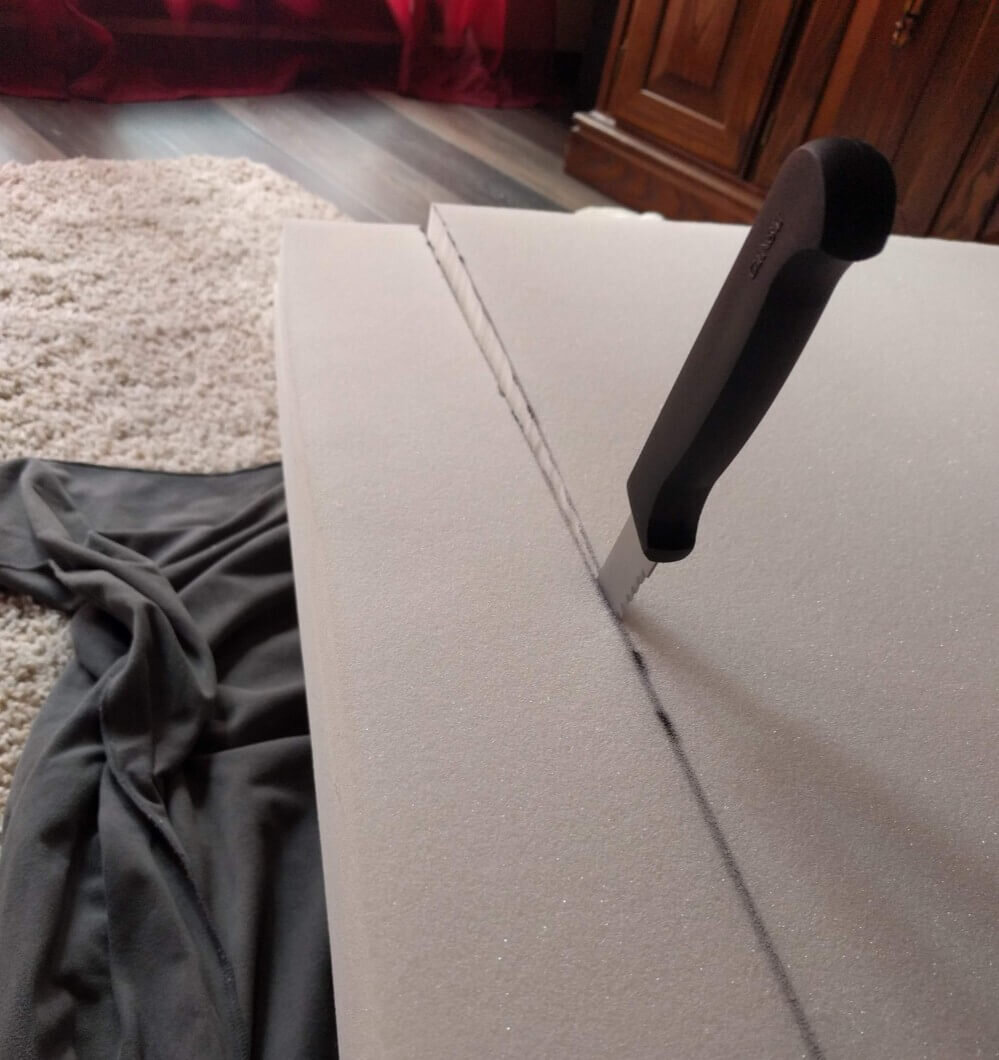
- Serrated knife: Use long, steady strokes. Let the blade do the work. Avoid sawing too fast.
- Electric carving knife: Hold straight and move slowly along the straightedge.
- Hot-wire cutter: Best for smooth finishes. Move at steady pace to avoid melt marks.
- Utility knife: Use for thin toppers only. Replace blade often. Make repeated shallow passes rather than one deep cut.
- Cut in stages
- For thick toppers, cut partway, then flip and complete from the other side.
- Keep the straightedge pressed firmly to guide the blade.
- Check progress often to avoid overcutting.
- Finish edges
- Trim fuzzy or uneven areas with fine sanding (for foam) or scissors (for fabric covers).
- Reinstall a cover or sew a new cover if needed.
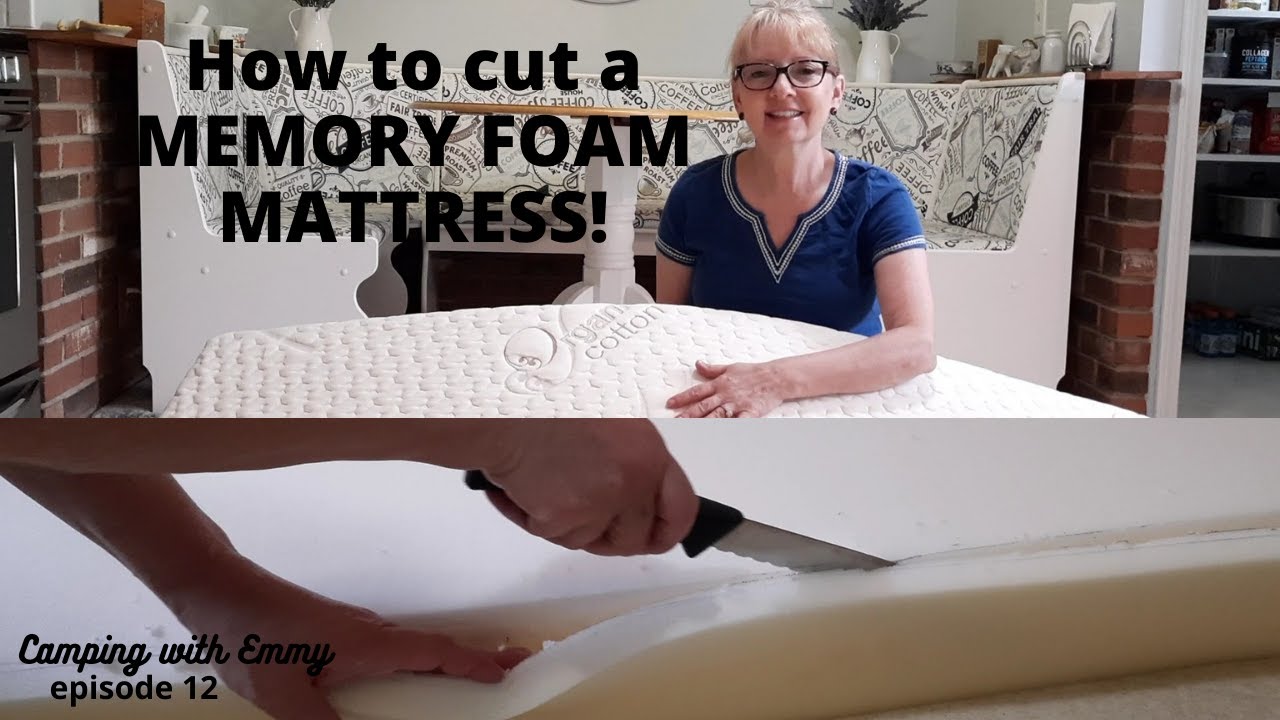
When I cut a 4-inch memory foam topper, I made a shallow guiding cut first. That saved me from tearing and gave a straight edge for the final pass.
Safety tips and common mistakes to avoid
Safety keeps the job simple. Avoid these frequent errors.
- Use proper protection
- Wear gloves, safety glasses, and a dust mask. Foam dust irritates lungs and eyes.
- Avoid cutting near flammable materials if using a hot-wire cutter.
- Keep blades sharp
- Dull blades tear foam and cause uneven cuts. Replace blades often.
- Don’t rush
- Rushing leads to jagged edges and mistakes. Take your time.
- Wrong tool for the job
- Cutting latex with a cheap utility knife makes the job harder. Match tools to material.
- Not measuring twice
- Always recheck measurements. I once cut an RV topper too short and had to patch it.
These steps reduce risk and improve results when learning how to cut a mattress topper.
Tips for clean edges and professional-looking results
A neat edge makes the topper look finished and fit better.
- Use a long straightedge and clamp it if possible.
- Wrap masking tape along the cut line to prevent fuzz and shredding.
- For foam, sand lightly with fine-grit sandpaper for a smoother edge.
- Heat-seal latex edges carefully with a low-heat tool, or have a pro finish latex.
- Replace or sew a new cover to hide raw edges.
- For split or custom cuts, consider binding the cut edge with fabric tape or sewing a simple sleeve.
I always tape the line first. That small step makes a big difference when I cut a mattress topper.
How to cut a mattress topper for special beds
Different beds require different approaches. These quick recipes help.
- Split king or split queen
- Measure each side separately. Cut toppers into two equal sections. Use spray adhesive to fix covers if needed.
- RV, camper, or boat beds
- Trace the mattress shape onto the topper using a template. Cut slowly and follow curves with small, steady strokes.
- Bunk beds or daybeds
- Trim width first and test fit before finishing the long edge.
- Odd shapes (round or tapered)
- Make a paper or cardboard template. Lay it on the topper and trace. Cut in small sections following the template.
For my camper project, I cut a topper with a paper template taped down. It saved time and avoided shape errors.
What to do with offcuts and waste
Don’t throw away scraps. Offcuts are useful and reduce waste.
- Make pet beds or crate mats from small pieces.
- Cut lumbar pillows or cushions.
- Use foam as soundproofing or insulation in small projects.
- Recycle where facilities accept foam—check local options.
- Donate usable pieces to community workshops or artists.
A box of offcuts has kept my pup cozy for years. Repurposing is practical and eco-friendly.

Troubleshooting: common problems and fixes
Problems happen. Here’s how to fix them fast.
- Jagged edge after cutting
- Sand lightly or trim uneven parts with a sharp knife.
- Topper too short
- Add a filler strip glued with spray adhesive or buy a small replacement piece and seam it.
- Foam compresses oddly at the seam
- Use spray adhesive and layer glue to smooth transitions.
- Smell after cutting
- Air out foam in a ventilated space for 24–72 hours.
These fixes come from hands-on tweaks I used after my early cutting attempts.
Frequently Asked Questions of how to cut a mattress topper
How do I cut a memory foam mattress topper without making a mess?
Use a long serrated knife or electric carving knife and tape the cut line. Work slowly and take shallow passes if needed.
Can I use a utility knife to cut a thick mattress topper?
A utility knife works for thin toppers only. For thick memory foam or latex, use a serrated or electric knife for cleaner cuts.
Is it safe to use a hot-wire cutter on a mattress topper?
Hot-wire cutters give very smooth edges but can produce fumes. Use in a ventilated area and avoid for chemical-sensitive materials.
How do I measure a topper to fit a custom bed shape?
Measure the mattress or trace a template on cardboard. Recheck measurements twice before cutting and allow a small margin for trimming.
What should I do if I cut off too much from my topper?
Patch the area with a glued foam strip or buy a small replacement piece and seam it. Use spray adhesive and finish the edge with fabric or tape.
Conclusion
Cutting a mattress topper is a practical skill that saves money and lets you get a perfect fit. Measure carefully, choose the right tool for the topper material, and work slowly for neat results. Start with small cuts, use a template for odd shapes, and protect yourself with basic safety gear. Try one simple cut today to build confidence and turn leftover foam into useful items. If you found this useful, share your experience, subscribe for more DIY bedding tips, or leave a comment with your topper project.
Related Posts

Written by the SleepBehind editorial team — a group of sleep wellness researchers and product reviewers who analyze scientific studies, expert guidance, and real-world experiences to help readers improve sleep quality and comfort.