Reset sleep timing with consistent light exposure, timed melatonin, and steady daily routines.
I have treated sleep problems for years and studied how circadian biology works. This guide on How to cure circadian rhythm sleep disorder pulls practical steps, science-backed methods, and real-world tips I use with patients and clients. Read on to get clear, doable actions you can start today to shift your body clock and sleep better.

Understanding circadian rhythm sleep disorder
Circadian rhythm sleep disorder happens when your internal clock is out of sync with your daily life. The brain has a clock that tells you when to sleep and wake. When this clock shifts, sleep becomes late, early, or broken.
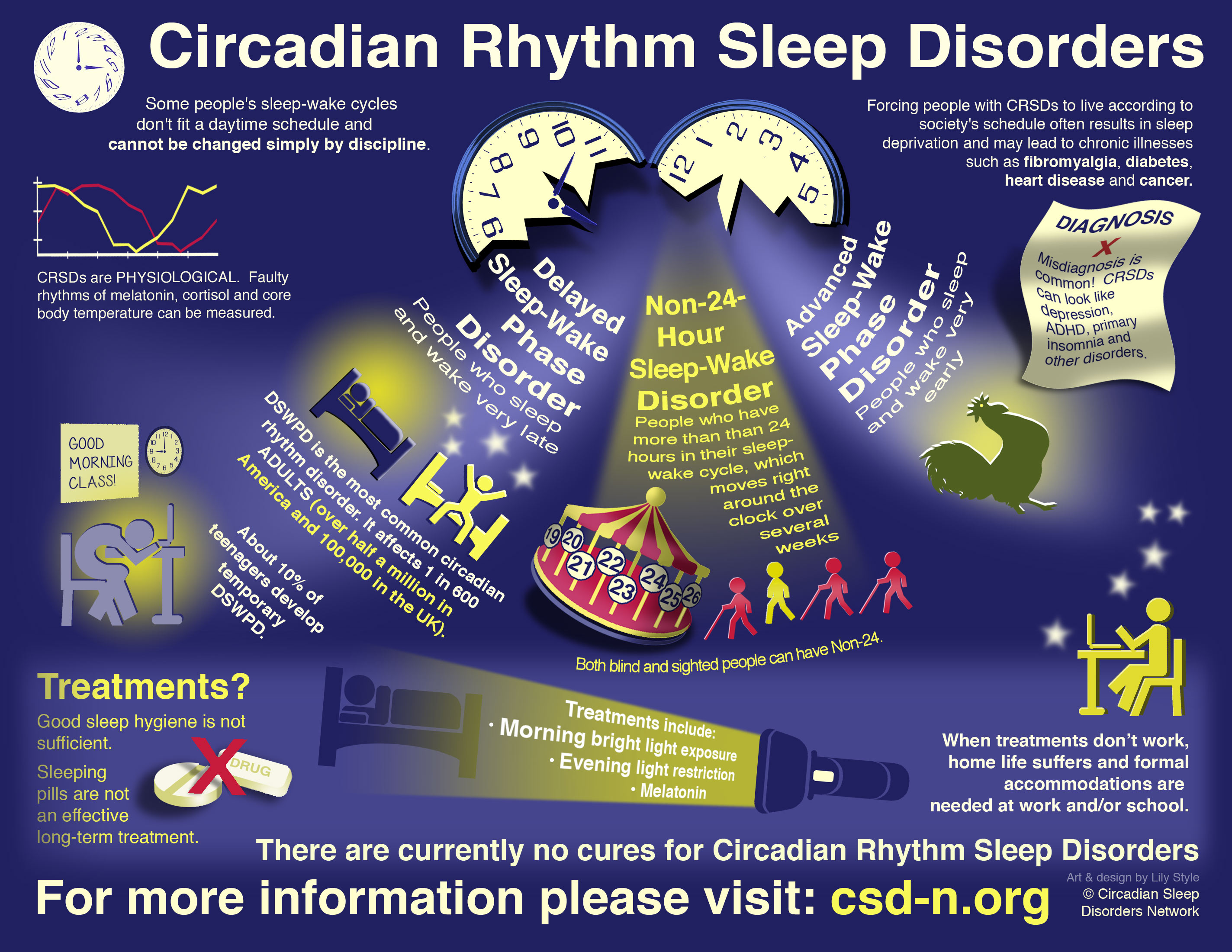
Knowing how to cure circadian rhythm sleep disorder starts with knowing your type. There are patterns such as delayed sleep phase, advanced sleep phase, non-24-hour sleep-wake, and irregular sleep-wake rhythm. Each type needs a slightly different plan.
Common causes and types
Causes often include genetics, shift work, jet lag, light exposure at night, and irregular routines. Young people tend to get delayed sleep phase, while older adults may get advanced sleep phase. Blind people are more likely to develop non-24-hour sleep-wake rhythm.
Understanding the root helps you target solutions. For example, if shift work causes your problem, the fix looks different than for a natural delayed clock.

Diagnosing circadian rhythm sleep disorder
A proper diagnosis uses a sleep diary, actigraphy (a wearable movement tracker), and sometimes melatonin timing tests. Many clinics use sleep logs for two weeks to map your sleep times. Doctors may also rule out other sleep disorders like sleep apnea or depression.
A correct diagnosis is the first step to learn how to cure circadian rhythm sleep disorder effectively. Self-help can help, but medical guidance is often needed for complex cases.

How to cure circadian rhythm sleep disorder — practical treatment strategies
The most reliable plan mixes light, timing, behavior, and sometimes medicine. Below are steps you can follow. I use many of these with clients and in my own life when travel or late work shifts throw off sleep.
- Set a clear target sleep window and shift it slowly. Move your bedtime 15 to 30 minutes earlier or later every few days until you reach the goal.
- Use bright light in the morning to advance your clock, or in the evening to delay it. Light is the strongest signal to the brain clock.
- Time melatonin carefully. Small doses 30 to 90 minutes before the desired bedtime can help move your clock earlier. Use under medical advice.
- Keep sleep-wake times consistent, including weekends. A stable routine reinforces the new rhythm.
- Avoid bright screens and strong light 1 to 2 hours before bedtime. Dim the lights and use warm lamps.
- Combine behavioral therapy. Cognitive Behavioral Therapy for Insomnia (CBT-I) helps reduce anxiety and habits that keep sleep off schedule.
- Consider chronotherapy or controlled sleep scheduling under professional guidance if simpler methods fail.
- For non-24-hour rhythms or severe cases, medications or specialized light boxes may be recommended by a sleep specialist.
I once helped a client who had stayed up until 4 a.m. for years. We moved his bedtime 20 minutes earlier every three days. We added morning bright light and low-dose melatonin. Within six weeks, he slept at 11 p.m. and felt awake by 7 a.m. Consistency was the key.

Lifestyle and sleep hygiene adjustments
Small daily habits make a big difference. These changes are part of how to cure circadian rhythm sleep disorder in practical life.
- Keep meals regular and avoid heavy meals close to bedtime.
- Exercise daily but not right before bed. Morning or early afternoon exercise aids timing.
- Avoid caffeine after mid-afternoon. Caffeine can shift or fragment sleep.
- Create a calm bedroom: cool, quiet, and dark supports sleep onset.
- Use alarms and reminders to keep new bed and wake times consistent.
I recommend treating sleep like an appointment. Make it non-negotiable for at least six to eight weeks while the clock shifts.
Light therapy and melatonin guidance
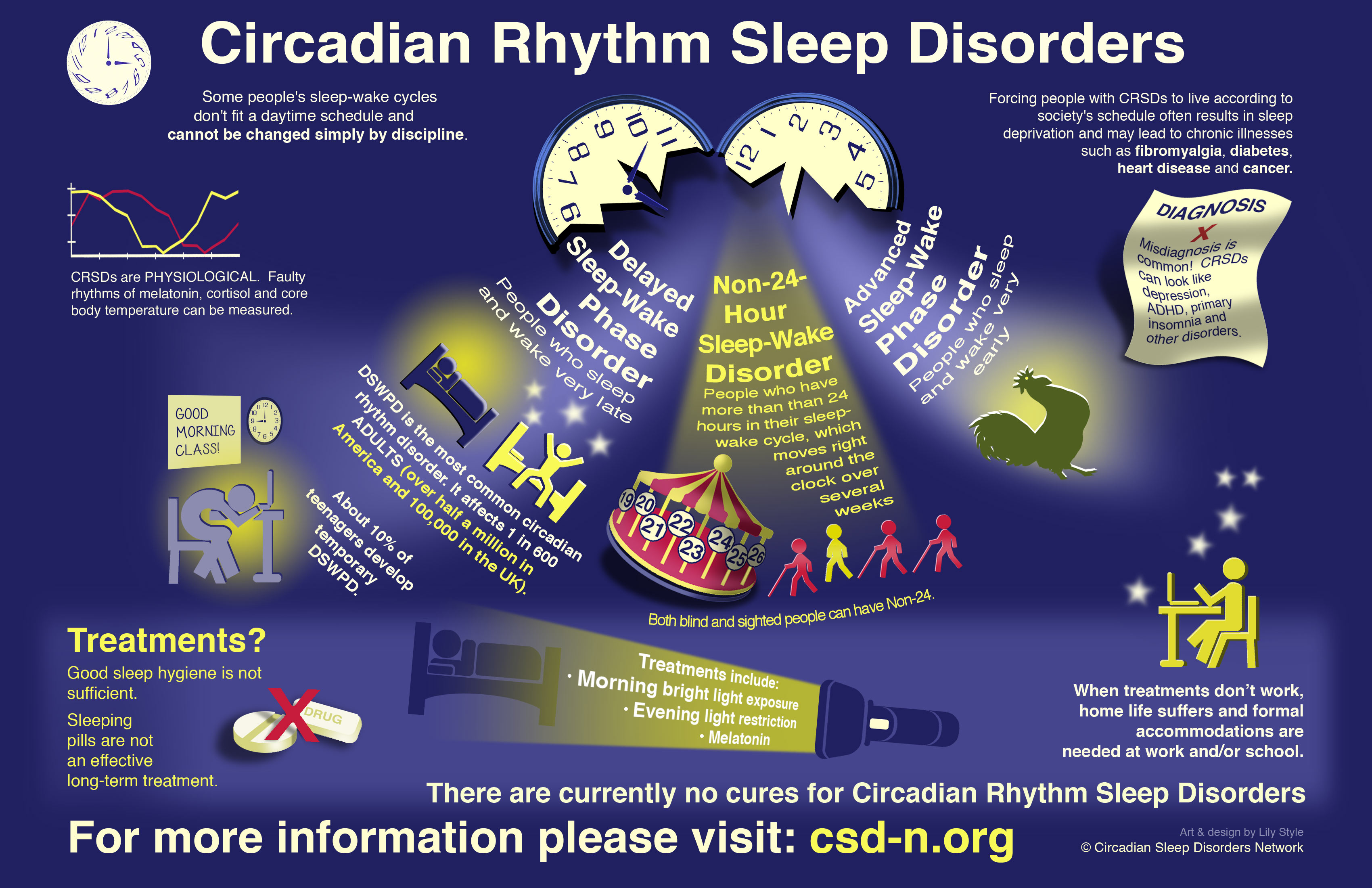
Light is a reset button for the clock. A 10,000-lux light box for 20 to 30 minutes in the morning helps most people move earlier. For delaying sleep, use bright light in the evening instead.
Melatonin works as a timing signal, not a sedative. Low doses, such as 0.3 to 1 mg, taken at the correct clock time can shift your rhythm. Take melatonin in the late afternoon or early evening to move the clock earlier. Always consult a clinician to find the right dose and timing.
Combining light in the morning with melatonin in the evening is often the fastest way to learn how to cure circadian rhythm sleep disorder.

Behavioral therapies and chronotherapy
Behavioral therapies target habits and thoughts that keep you awake. CBT-I reduces worry about sleep and improves sleep quality. It helps maintain changes when you shift your clock.
Chronotherapy intentionally shifts sleep timing across days. For delayed sleep phase, you delay bedtime later each day until you cycle around to the desired time. This works but requires strict control and often clinician support. Use chronotherapy only if guided by a provider.

Medications and medical interventions
Medication is rarely the only answer but can speed change under supervision. Doctors sometimes use short courses of sleeping pills, wake-promoting agents, or prescription-strength melatonin. For non-24-hour rhythms, certain drugs target the clock directly.
Medical tests may include hormone timing tests or sleep studies. Discuss risks and benefits with your clinician. I avoid long-term sedative use and favor targeted, short plans with behavioral support.

Work, travel, and real-world strategies
Shift workers and travelers need tailored tactics for how to cure circadian rhythm sleep disorder around life demands.
- For night shifts, get bright light during work and wear dark sunglasses home. Sleep in a dark, quiet room immediately after work.
- Before travel, shift your schedule a few days toward the new time zone. Use light and melatonin to speed adaptation.
- Use naps smartly. Short naps under 30 minutes reduce sleep debt without wrecking nighttime sleep.
- Communicate with employers about shift consistency. Predictable schedules make clock changes easier.
I learned to time light and naps carefully during frequent travel. Small adjustments prevented jet lag from becoming a week-long problem.
Prevention and long-term maintenance
Once you reset your clock, keep it stable. Maintenance is simpler than change.
- Keep consistent wake and sleep times year-round.
- Use morning light daily and avoid late-night bright screens.
- Reapply the quick reset steps after disruptions like travel.
- Monitor progress with a sleep diary or wearable to catch drift early.
These habits help you keep the gains and reduce the chance you need another full reset.
Frequently Asked Questions of How to cure circadian rhythm sleep disorder
What is the fastest way to shift my sleep schedule?
The fastest safe way blends morning bright light, timed melatonin, and stepwise 15–30 minute shifts in bedtime every few days. Work with a clinician if you have underlying conditions.
Is melatonin safe to use for circadian problems?
Low-dose melatonin is generally safe for short-term use when timed correctly, but discuss dosage and timing with your doctor, especially if you take other medicines.
Can I cure circadian rhythm sleep disorder on my own?
Mild cases can improve with strict routine, light control, and good sleep habits. Complex cases or non-24 rhythms often need professional help.
How long does it take to reset the body clock?
Small shifts can show results in 1 to 2 weeks. Full adjustment often takes 4 to 8 weeks depending on the severity and consistency of your routine.
Will caffeine or alcohol affect my sleep reset?
Yes. Caffeine can delay your sleep phase, and alcohol fragments sleep. Avoid both in the afternoon and evening while resetting your clock.
Can kids and teens use melatonin for circadian issues?
Short-term melatonin is sometimes used for adolescents with delayed sleep phase. Consult a pediatrician for dosing and safety before use.
Conclusion
You can take clear steps to improve sleep timing. Focus on consistent wake times, strategic light exposure, properly timed melatonin, and strong sleep habits. Small, steady shifts beat big leaps. Start with one change this week—set a fixed wake time or add morning light—and build from there. Share your progress, ask questions below, or subscribe for more practical sleep tips.

Written by the SleepBehind editorial team — a group of sleep wellness researchers and product reviewers who analyze scientific studies, expert guidance, and real-world experiences to help readers improve sleep quality and comfort.