Have you ever laid in bed for hours, exhausted but unable to drift off, or woken up at 3am with your mind racing for no obvious reason? Sleeplessness often feels like random bad luck, but sleep medicine specialists see this pattern daily: almost every persistent sleep problem has a traceable, fixable root cause. Sleep is regulated by interconnected biological and environmental systems, so a disruption in one area will almost always send a clear signal — if you know what to look for. Uncovering these hidden triggers is the first step to getting the deep, restorative rest you deserve, no gimmicks required.
The Core Reason Sleep Issues Are Never Random
Sleep is controlled by two non-negotiable biological systems: the sleep-wake homeostasis (the buildup of adenosine, the "sleep pressure" chemical that makes you tired the longer you’re awake) and the circadian rhythm (your internal 24-hour clock that regulates melatonin, cortisol, and other sleep-related hormones). Any disruption to either system, or a secondary factor that interferes with their function, will cause sleep issues. Even occasional "random" nighttime wakeups are almost always tied to a small, identifiable trigger: a stressful thought, a room that’s too warm, a blood sugar dip from skipping dinner, or bright light from a streetlamp outside your window. There is no such thing as a truly random sleep problem. You can also read our guide on how to fall asleep again after waking up.
Hidden Biological Triggers Most People Overlook
Many sleep disruptors start inside the body, and are often misattributed to stress or "just being a light sleeper".
Circadian Rhythm Disruptions
The most common hidden cause of sleep issues is unrecognized circadian disruption. This isn’t just limited to jet lag or overnight shift work: "social jet lag" from staying up 2+ hours later on weekends than weekdays creates a weekly time zone shift that throws off your melatonin timing, making it harder to fall asleep on Sunday nights. Even dim blue light from phone screens, alarm clocks, or streetlights can suppress melatonin production by up to 50% per CDC's official sleep hygiene guidelines, delaying sleep onset by 30+ minutes. People with delayed sleep phase syndrome (DSPS) also have a naturally later circadian rhythm, which is frequently misdiagnosed as chronic insomnia.
Hormonal Imbalances That Derail Rest
Hormones regulate every stage of the sleep cycle, and small imbalances can cause big disruptions. Cortisol, the stress hormone, should be low at night and peak in the morning to help you wake up: if it spikes at 2am, that’s often a sign of chronic stress, blood sugar instability, or caffeine consumed too late in the day. For people who menstruate, progesterone and estrogen fluctuations during the luteal phase, perimenopause, or menopause can cause night sweats, racing thoughts, and frequent awakenings that are often written off as anxiety. Hyperthyroidism can also cause insomnia, racing heart, and night sweats, and is easily ruled out with a simple blood test if sleep issues persist alongside other symptoms like unexplained weight changes or fatigue. You can also read our guide on how to cure circadian rhythm sleep disorder.
Genetic and Neurological Underpinnings
Some sleep predispositions are hardwired: variants of the DEC2 gene mean some people only need 4-6 hours of sleep a night without negative effects, while others have a genetic predisposition to insomnia or restless legs syndrome (RLS). Neurological conditions also play a role: damage to the hypothalamus (the brain's sleep control center) from injury or neurodegenerative diseases like Parkinson's or Alzheimer's often causes sleep disturbances as early symptoms, which are frequently mistaken for normal aging. For more information on neurological sleep disorders, refer to NINDS sleep disorder resources.
Overlooked Environmental and Behavioral Culprits
Many people blame themselves for poor sleep when the issue lies in their surroundings or daily habits, which are easy to adjust once identified.
Subtle Environmental Triggers You Might Not Notice
Beyond obvious noise and light pollution, common hidden environmental triggers include:
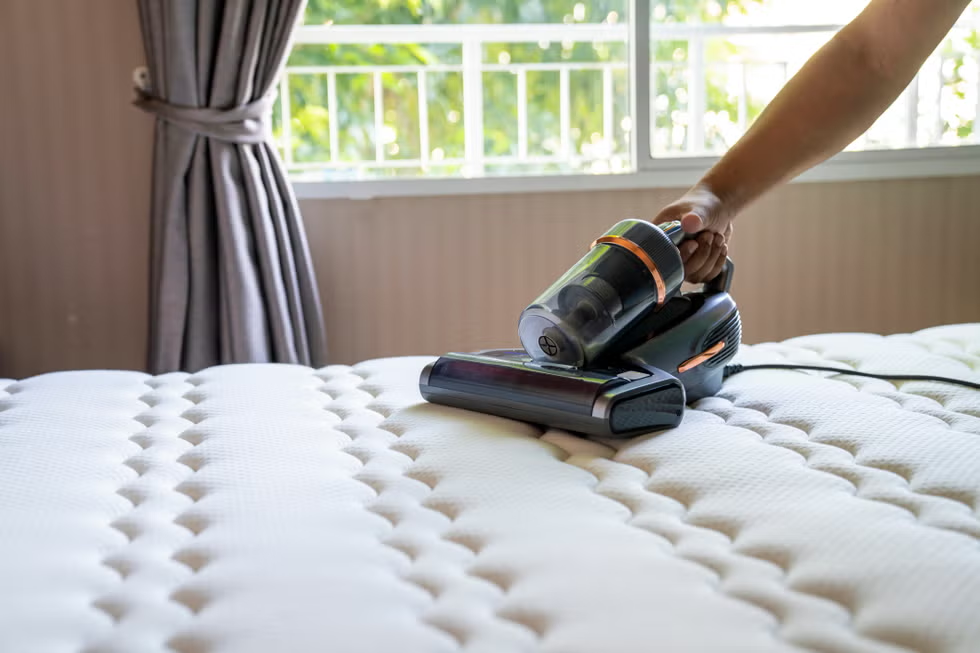
- Uncomfortable or unhygienic bedding: A sagging mattress or flat pillow can cause mild chronic pain that leads to micro-awakenings you don’t remember, resulting in non-restorative sleep. If your feather topper has lost its loft, reviving a worn feather topper can restore comfort without replacing your entire mattress. For those with allergies, unwashed bamboo pillows or mattress toppers can harbor dust mites that cause congestion and nighttime waking — proper bamboo pillow care and regular clean bed protector maintenance can eliminate this trigger entirely.
- Incorrect room temperature: Even a room that’s 70°F (21°C) can reduce deep sleep by 10% per sleep medicine guidelines, as your body needs to lower its core temperature to initiate and maintain deep sleep.
- Pet disruptions: If your pet sleeps on the bed, their movement can cause micro-awakenings that fragment your sleep without you waking up fully.
| Trigger | Effect on Sleep | Simple Fix |
|---|---|---|
| Unwashed bedding | Dust mite congestion, nighttime waking | Wash bedding weekly in 130°F (54°C) water |
| Room temp above 67°F (19°C) | Reduced deep sleep, frequent awakenings | Lower thermostat, use breathable cotton sheets |
| Electronic indicator lights | Melatonin suppression, delayed sleep onset | Cover lights with opaque tape, use blackout curtains |
Daily Habits That Quietly Sabotage Sleep
Many common daily habits disrupt sleep without people realizing the connection:
- Caffeine: It has a 6-hour half-life, so a 4pm coffee still has 50% of its caffeine in your system at 10pm, blocking adenosine (the chemical that builds sleep pressure) and delaying sleep onset by 45+ minutes.
- Alcohol: While it may help you fall asleep faster, it disrupts REM sleep and causes frequent awakenings in the second half of the night, leading to fatigue even after 8 hours of sleep.
- Late high-intensity exercise: Workouts within 2 hours of bed raise your core body temperature and cortisol levels, making it harder to fall asleep.
- Sleeping with wet hair: This can cause neck discomfort, a stuffy head from trapped moisture, and even hair breakage that distracts you at night — the healthiest way to sleep with wet hair involves letting it air dry at least 30 minutes before bed or using a silk bonnet to avoid these issues.
- Irregular sleep schedules: Going to bed and waking up at different times every day (including sleeping in 2+ hours on weekends) creates "social jet lag" that throws off your circadian rhythm. A consistent resetting your sleep schedule fast within a 1-hour window every day can fix this in 1-2 weeks.
- Sleeping with straightened hair: Tight styles or tangled hair can cause scalp discomfort that wakes you up at night — learning how to sleep on straightened hair with a silk pillowcase or loose low bun can eliminate this minor but common disruptor.
Hidden Medical Causes That Require Professional Support
When lifestyle and environmental changes don’t resolve sleep issues after 4 weeks, the cause is often an underlying medical condition that many people overlook:
Common Sleep-Disrupting Medical Conditions
- Sleep apnea: Many people think sleep apnea only affects people who snore loudly, but "silent apnea" is common, where people stop breathing briefly during sleep without snoring, leading to morning headaches, fatigue, and frequent nighttime urination. A sleep study is the only way to diagnose it.
- Restless legs syndrome (RLS): Often misdiagnosed as anxiety or "restlessness", RLS causes an uncontrollable urge to move your legs at bedtime, often linked to iron deficiency or pregnancy.
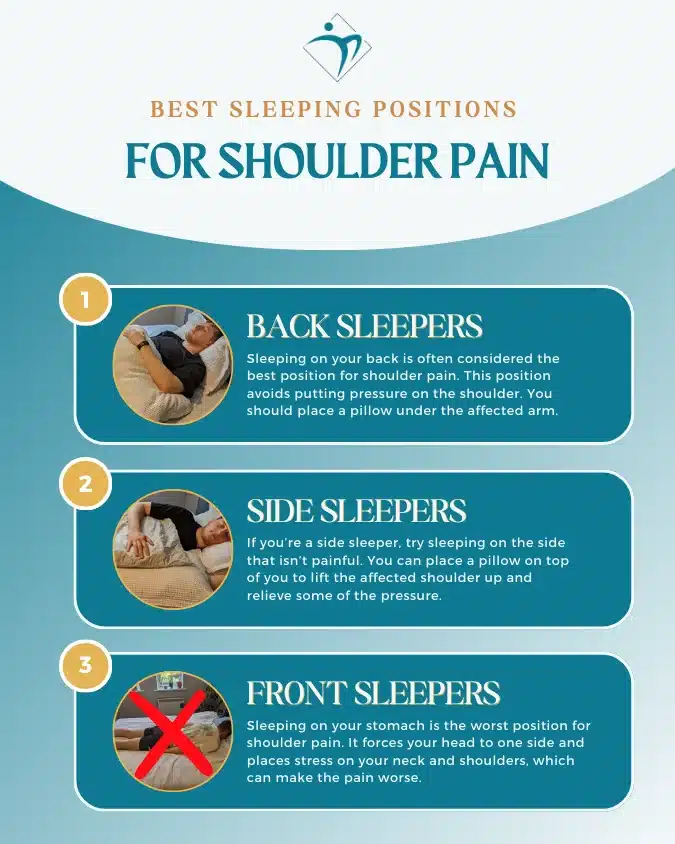
- Chronic pain: Even mild chronic pain from desk-related back strain or arthritis can cause micro-awakenings that fragment sleep, leading to non-restorative rest. If your mattress pad is lumpy or worn out, knowing when to replace a gelform mattress pad can eliminate this physical disruptor.
- GERD (acid reflux): Many people don’t realize that silent acid reflux, which doesn’t cause obvious heartburn, can cause nighttime awakenings and sleep fragmentation as stomach acid irritates the throat while lying down.
- Mental health conditions: Depression and anxiety are strongly linked to insomnia — 75% of people with depression report sleep disturbances, and chronic insomnia increases the risk of developing depression by 2-3 times per NIH data. PTSD often causes frequent nightmares and hyperarousal at night, making it impossible to stay asleep.
Breaking the Cycle: Evidence-Based Fixes for Non-Random Sleep Issues
First, Pinpoint Your Unique Trigger
The first step to fixing non-random sleep issues is identifying the root cause. Keep a 2-week sleep diary tracking: bedtime, wake time, food and drink consumed 2 hours before bed, stress levels (1-10 scale), any nighttime awakenings, and how you feel when you wake up. Patterns will emerge that point to your specific trigger, whether it's late caffeine, pre-bed stress, or a too-warm room.
Targeted Behavioral Interventions
For most sleep issues tied to behavioral or environmental triggers, evidence-based behavioral changes are more effective long-term than sleep aids, with no side effects. The gold standard for chronic insomnia is Cognitive Behavioral Therapy for Insomnia (CBT-I), which combines stimulus control (only using the bed for sleep and sex, no work or scrolling), sleep restriction (limiting time in bed to match your actual sleep time to build sleep drive), and relaxation techniques to break the cycle of insomnia. For mild issues, consistent small changes — like a 30-minute wind-down routine without screens, keeping a consistent sleep schedule, and optimizing your sleep environment — can resolve issues in 2-4 weeks.
When to See a Specialist
If you’ve adjusted your habits and environment for 4+ weeks and still have persistent sleep issues, see a sleep specialist or primary care provider. Red flags that indicate an underlying medical condition include: loud snoring, gasping for air at night, persistent leg sensations at bedtime that keep you awake, nighttime heartburn, or fatigue that lasts more than 2 weeks despite 7+ hours of sleep a night.
 A common but often overlooked sign of underlying sleep disruptors
Credit: emandfriends.com
A common but often overlooked sign of underlying sleep disruptors
Credit: emandfriends.com
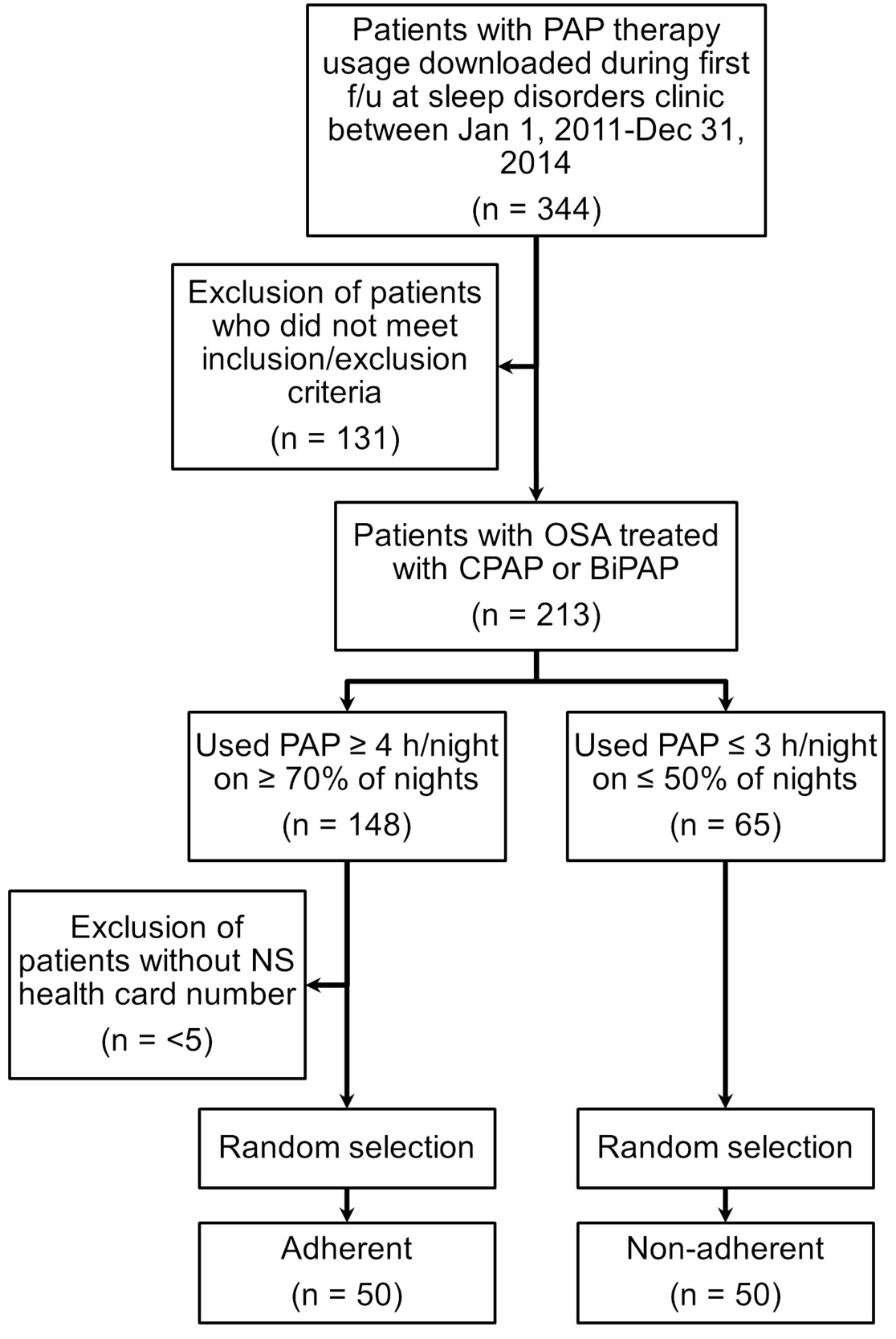 Visualizing how psychological stress cascades into sleep disturbances
Credit: cjrt.ca
Visualizing how psychological stress cascades into sleep disturbances
Credit: cjrt.ca
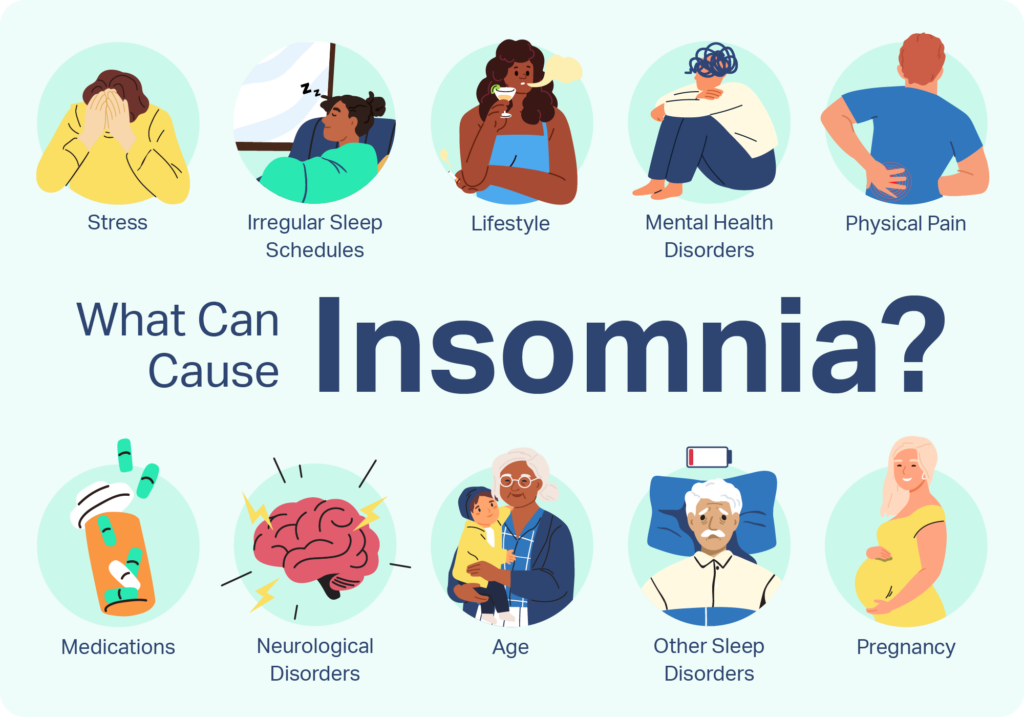 Overview of evidence-based triggers for persistent sleep issues
Credit: www.sleepfoundation.org
Overview of evidence-based triggers for persistent sleep issues
Credit: www.sleepfoundation.org
Frequently Asked Questions
Why don't sleep problems happen randomly?
Sleep is regulated by two fixed biological systems: the circadian rhythm (your internal 24-hour clock) and sleep-wake homeostasis (the buildup of sleep pressure). Any disruption to these systems, or a secondary factor that interferes with their function, will cause sleep issues, so there is almost always a traceable trigger for poor sleep, not random bad luck.
What's the most common hidden cause of sleep problems?
Unrecognized circadian disruption is the most common hidden cause. This includes social jet lag from staying up late on weekends, blue light exposure from screens after dark, and irregular work hours, all of which throw off melatonin timing without people realizing the connection to their poor sleep.
Can lifestyle changes fix non-random sleep problems?
Yes, for most sleep issues tied to behavioral or environmental triggers, consistent changes like a fixed sleep schedule, reduced screen time before bed, and an optimized sleep environment can resolve problems within 2-4 weeks. For sleep issues tied to medical or genetic causes, professional treatment alongside lifestyle adjustments is needed for the best results.
How do I know if my sleep problem is tied to a medical condition?
See a healthcare provider if you experience loud snoring, gasping for air at night, persistent leg discomfort at bedtime, nighttime heartburn, or fatigue that lasts more than 2 weeks despite good sleep hygiene. These are common signs of underlying medical conditions that require professional diagnosis and treatment.
Conclusion
Sleep problems are never a random stroke of bad luck — they are almost always a signal that one of your body's sleep-regulating systems is being disrupted. By identifying the specific trigger, whether it's a hidden environmental factor, a hormonal imbalance, or an underlying medical condition, you can address the root cause instead of masking symptoms with temporary sleep aids. Start small: track your sleep for two weeks, adjust one habit at a time, and don't hesitate to reach out to a healthcare provider if issues persist. Consistent, targeted changes will lead to deeper, more restorative sleep, and better energy and mood during the day. For actionable, step-by-step guidance to address your unique sleep disruptors, explore our evidence-backed sleep optimization guides, designed to help you troubleshoot common (and often overlooked) causes of poor rest without relying on temporary fixes. For example, if you’ve identified social jet lag or a shifted circadian rhythm as your primary disruptor, our guide to resetting your circadian rhythm walks you through light exposure and timing adjustments to realign your melatonin cycle in 7 days or less. If you’ve traced your nighttime wakeups to discomfort from wet hair or tangled straightened styles, our breakdowns of sleeping with wet hair safely and sleeping on straightened hair offer simple, low-effort adjustments that eliminate this common but rarely discussed sleep disruptor. For readers whose sleep issues stem from worn or unhygienic bedding, we also cover bamboo pillow maintenance to reduce dust mite allergens, and clear signs it’s time for replacing worn mattress pads if sagging or lumpy material is causing micro-awakenings you don’t fully remember in the morning. Each guide is written with input from certified sleep health professionals and includes step-by-step, actionable steps you can implement tonight to start seeing better rest within a week.
For readers who’ve already adjusted their sleep environment and habits but still struggle with persistent fatigue or frequent nighttime disruptions, it’s worth noting that many hidden causes require targeted, personalized support rather than one-size-fits-all advice. Conditions like hormone-related insomnia, mild sleep-disordered breathing, or neurological sleep regulation issues often need input from a sleep specialist to diagnose and treat effectively, and ignoring these root causes can lead to years of unnecessary fatigue and reduced quality of life. If you’ve been told your sleep issues are “all in your head” despite consistent effort to practice good sleep hygiene, our guide to low-disruption sleep styles for straight hair includes small, testable adjustments to rule out minor physical discomfort as a factor before seeking medical care. For readers dealing with worn or split feather toppers causing uneven support, our tutorial on fixing damaged feather mattress toppers is another quick, low-cost fix to eliminate a common but rarely discussed source of nighttime micro-awakenings.

Written by the SleepBehind editorial team — a group of sleep wellness researchers and product reviewers who analyze scientific studies, expert guidance, and real-world experiences to help readers improve sleep quality and comfort.