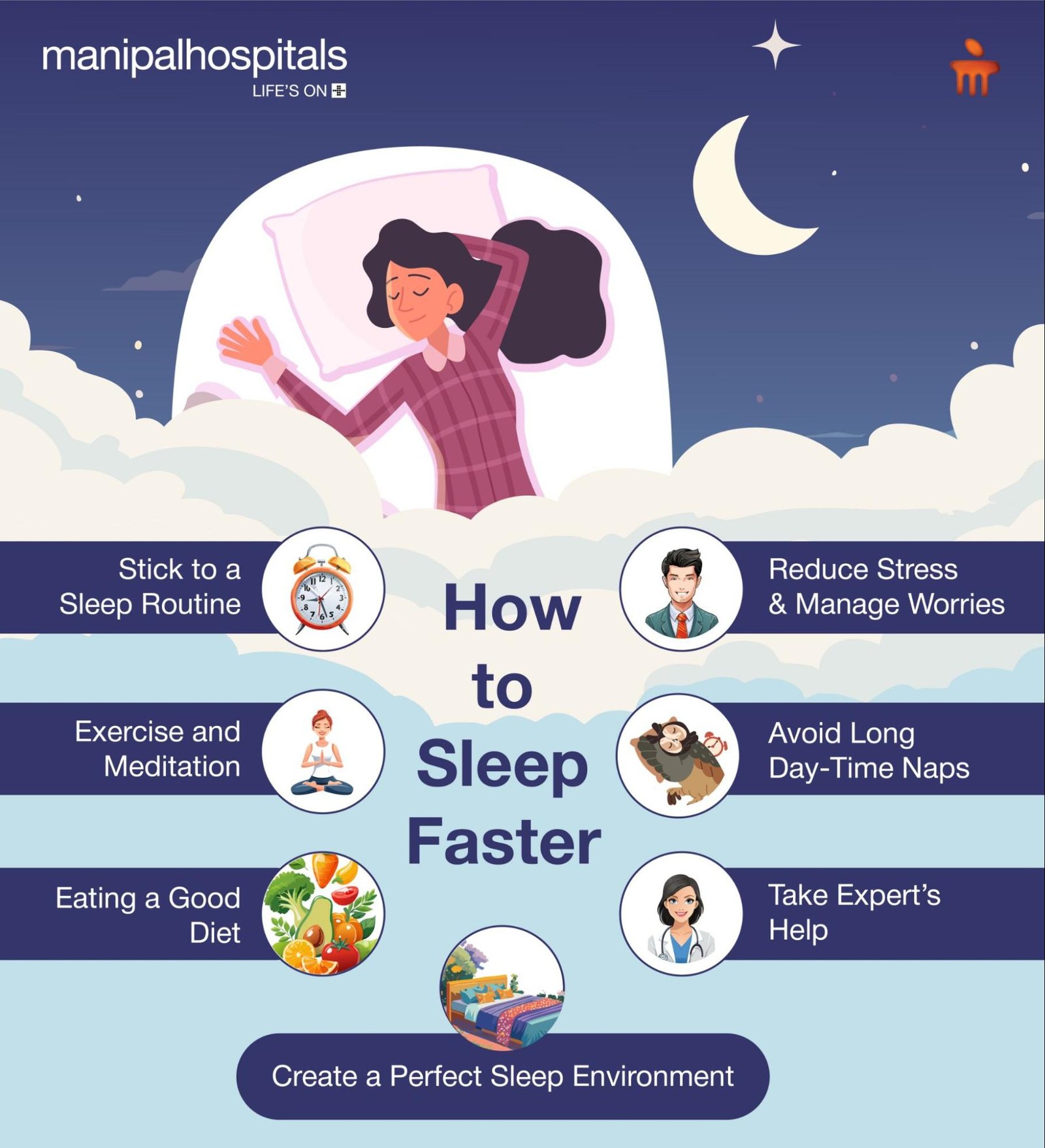
You’ve had a long, draining day, you’re exhausted, and you crawl into bed ready to crash—only to lie awake for 45 minutes (or longer) watching the clock, replaying the day’s stressors, and willing your brain to shut off. Difficulty falling asleep fast is one of the most common sleep complaints reported to clinicians worldwide, and small, evidence-based adjustments can cut that frustrating wait time significantly. This guide breaks down 15 distinct, science-backed tips organized into immediate in-bed techniques, pre-bed routine tweaks, long-term habits, and common pitfalls to avoid, plus guidance for when to seek professional help. All recommendations align with current 2026 sleep medicine guidelines, with no gimmicks or unproven hacks.
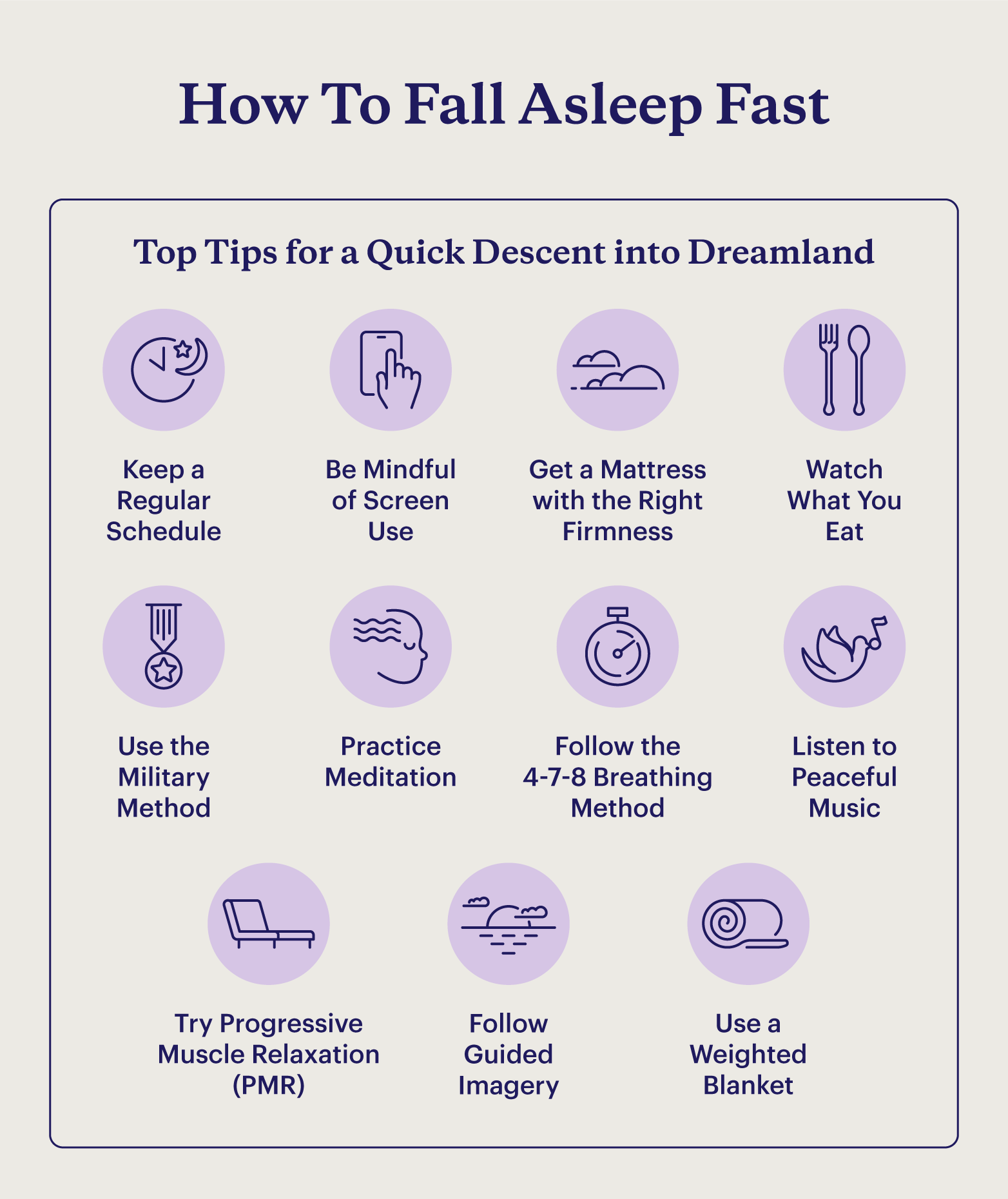 Faster sleep onset preserves more total sleep time for restorative deep and REM stages.
Why Fast Sleep Onset Matters for Your Health
Sleep onset latency (SOL)—the time between lying down with the intent to sleep and actually drifting off—is a key marker of overall sleep health. The average healthy adult falls asleep in 10–20 minutes; regularly taking longer than 30 minutes to fall asleep is considered a symptom of insomnia by the American Academy of Sleep Medicine. Prolonged SOL doesn’t just eat into your total sleep time: it raises next-day cortisol levels, impairs focus and mood, and over time increases risk for metabolic dysfunction and weakened immune response. Frequent long SOL can also create conditioned arousal, a pattern where your brain learns to associate bed with stress and alertness, making the problem worse over time. Short, consistent sleep onset also protects more of your night for deep and REM sleep, the stages critical for memory consolidation, tissue repair, and emotional regulation. You can also read our guide on how to sleep with shoulder pain.
The Science of Falling Asleep Fast
Your ability to fall asleep quickly is governed by two interconnected biological systems, plus three modifiable environmental and behavioral factors that you can adjust with practice.
The Two Pillars of Sleep Regulation
Sleep is controlled by the two-process model of sleep regulation, the standard framework used in sleep medicine. First, sleep-wake homeostasis: the longer you stay awake, the more adenosine (a sleep-promoting chemical) builds up in your brain, creating "sleep pressure" that makes you drowsy. Second, your circadian rhythm: your body’s 24-hour internal clock, regulated primarily by light exposure, that times the release of sleep-promoting melatonin and wake-promoting cortisol. To fall asleep fast, you need both high enough sleep pressure and a clear circadian signal that it is nighttime. These two systems work in tandem to regulate your sleep-wake cycle, a balance governed by your circadian timing.
The Three Key Factors That Control Sleep Onset Speed
Three factors directly impact how quickly the two sleep systems align to initiate sleep:
- Core body temperature: Your core temperature needs to drop by 2–3°F to trigger sleep onset. Warm environments or tight sleepwear that traps heat will delay this process.
- Light exposure: Bright light, especially blue light from screens, suppresses melatonin production and tricks your brain into thinking it is still daytime.
- Cognitive arousal: Anxious thoughts, rumination, or mental stimulation keep your brain in wake mode, even if your body is physically tired.
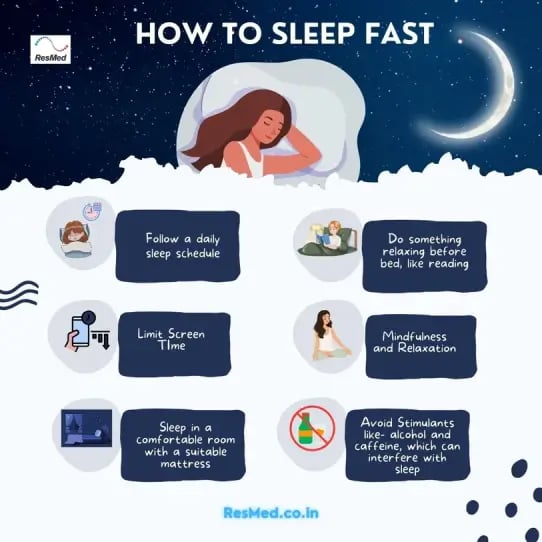 The two-process model combines sleep-wake homeostasis and circadian rhythm to control sleep onset.
7 Immediate In-Bed Techniques to Fall Asleep Fast Tonight
Try these methods when you’re already in bed and need to cut your sleep onset time in the moment. Each is backed by clinical sleep research and requires no special equipment.
- 4-7-8 Breathing Method This controlled breathing technique activates the parasympathetic nervous system, slowing your heart rate and reducing cortisol to calm acute stress. To do it: sit up straight in bed, inhale quietly through your nose for 4 seconds, hold your breath for 7 seconds, then exhale slowly through pursed lips for 8 seconds. Repeat 4–6 cycles. A common mistake is holding your breath for the full 7 seconds if you’re new to the practice; start with 2–3 cycles and build up as you get comfortable.
- Progressive Muscle Relaxation (PMR) PMR uses physical tension release to signal your brain to reduce cognitive arousal. Start at your toes, tense each muscle group for 5 seconds, then release fully for 10 seconds, working your way up your legs, torso, arms, and face. Keep tension mild to avoid discomfort. PMR is a core component of cognitive behavioral therapy for insomnia (CBT-I), the gold standard treatment for chronic sleep issues.
- Cognitive Shuffle This technique disrupts the brain’s tendency to ruminate on stressors by forcing it to process neutral, random stimuli. Pick a random letter of the alphabet, then think of as many mundane words starting with that letter as you can, one after another with no repeats. Alternatively, visualize random boring objects (a coffee mug, a street sign, a paperclip) one by one with no connected story. Avoid stimulating words or objects that might trigger new trains of thought.
- Box Breathing A simpler alternative to 4-7-8 for people who find breath-holding uncomfortable, box breathing is used by first responders to reduce acute anxiety. Inhale through your nose for 4 seconds, hold for 4 seconds, exhale slowly through your mouth for 4 seconds, hold for 4 seconds, and repeat. Keep your exhale longer than your inhale if that feels more natural.
- Core Temperature Cooling Your body needs a 2–3°F drop in core temperature to initiate sleep, per sleep physiology research. Keep your bedroom between 60–67°F (15–19°C), wear light, breathable sleepwear, and keep your feet uncovered if you run warm. You can also take a warm shower 60–90 minutes before bed: warm water causes vasodilation, so heat escapes your core quickly after you get out, lowering your temperature faster. Avoid cranking the AC so low you wake up chilled later in the night.
- Anchor Stimulus Conditioning This uses classical conditioning to train your brain to associate a neutral, calming cue with sleep. Pick one consistent stimulus: a drop of lavender essential oil on your pillow, a 2-minute hand massage with a light, unscented lotion, or a 3-minute white noise soundscape. Use this cue only for sleep, never for work or entertainment. Over 1–2 weeks of consistent use, your brain will start to feel drowsy as soon as it detects the cue.
- Pre-Sleep Brain Dump Journaling Lingering to-do lists or stressful thoughts are a top cause of racing minds at bedtime. Keep a small notebook by your bed, and write down anything on your mind—tasks for the next day, worries, random ideas—with no editing or judgment. Close the notebook and tell yourself you will address the items tomorrow. Research published in peer-reviewed psychology journals found this practice reduces sleep onset latency for people who struggle with pre-sleep rumination.
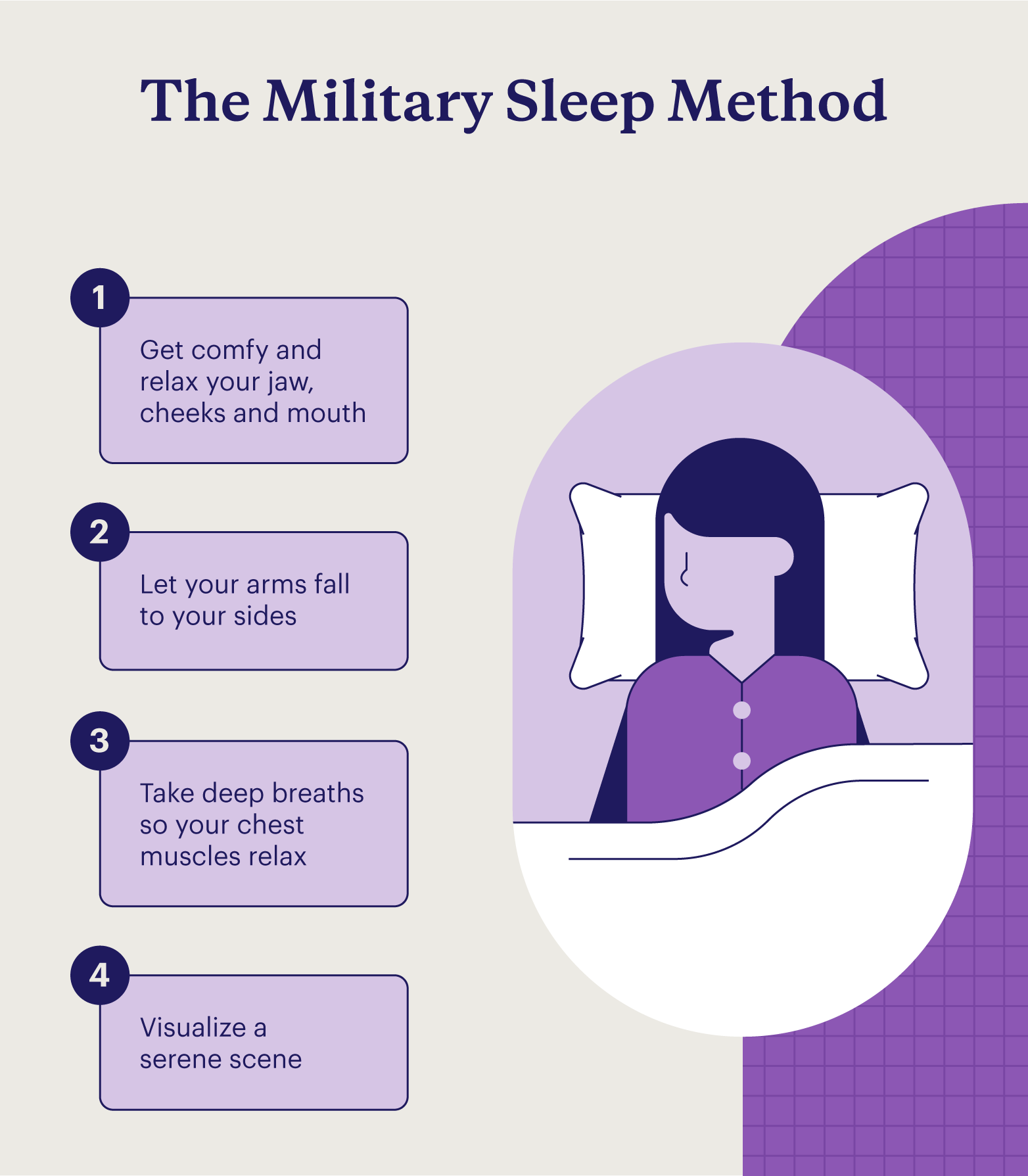 The military method is a structured relaxation technique used to reduce sleep onset latency in 2 minutes or less for many people.
5 Pre-Bed Routine & Environment Tweaks for Faster Sleep
These adjustments take a few days to implement but have a long-term impact on your ability to fall asleep fast, night after night.
- Stick to a Fixed Sleep-Wake Schedule (Even on Weekends) Consistency is the single most impactful habit for regulating your circadian rhythm and reducing SOL. Pick a wake-up time and bedtime that gives you 7–9 hours of sleep (per CDC guidelines), and stick to both within 30 minutes even on weekends. Sleeping in 2+ hours on weekends causes "social jetlag" that disrupts your circadian clock and makes it far harder to fall asleep fast on weeknights. Consistent proven nightly routines are the single most impactful long-term habit for reducing sleep onset latency, per sleep medicine research. The CDC recommends keeping this schedule consistent even on weekends to avoid disrupting your circadian rhythm with "social jetlag".
- Dim Lights 1–2 Hours Before Bed Bright light, especially blue light from phones, laptops, and TVs, suppresses melatonin production and tricks your brain into staying alert. Switch to warm, low-wattage lamps in the evening, avoid overhead bright lights, and shut off screens 60 minutes before bed if possible. If you must use screens, enable night mode or wear blue-light filtering glasses, but note that content stimulation (scrolling, work emails) will still delay sleep even with these tools.
- Optimize Your Sleep Surface Physical discomfort is an often-overlooked cause of prolonged SOL. Make sure your mattress topper is supportive and not sagging or lumpy, your pillow is aligned with your sleep position, and your bedding is clean and breathable. A sagging or poorly maintained topper can cause subtle discomfort that delays sleep onset; learning to revive flattened bedding can resolve this quickly. Similarly, a pillow caked in hair product or dirt from wet hair can irritate your skin; proper bamboo pillow care keeps it clean and supportive.
- Eliminate Physical Irritants Before Bed Small, often unnoticed discomforts can keep you awake without you realizing why. Tight hair ties, soaking wet hair, or rough scrunchies can cause scalp irritation that prolongs sleep onset. Adopting low-irritation wet hair routines like using a silk scrunchie or blotting excess water before bed can eliminate this trigger. For straight hair, choosing frizz-free bedtime styles like loose braids prevents tugging and discomfort while you sleep.
- Block All Light and Noise Even small amounts of light (like a streetlamp glow or phone notification light) can suppress melatonin, and sudden noise can cause micro-arousals that delay SOL. Use blackout curtains or a comfortable sleep mask, and use earplugs or a white noise machine to mask disruptive sounds like traffic or a partner’s snoring. A common mistake is leaving a phone charging on your nightstand with notifications enabled; even a small LED glow can impact melatonin production.
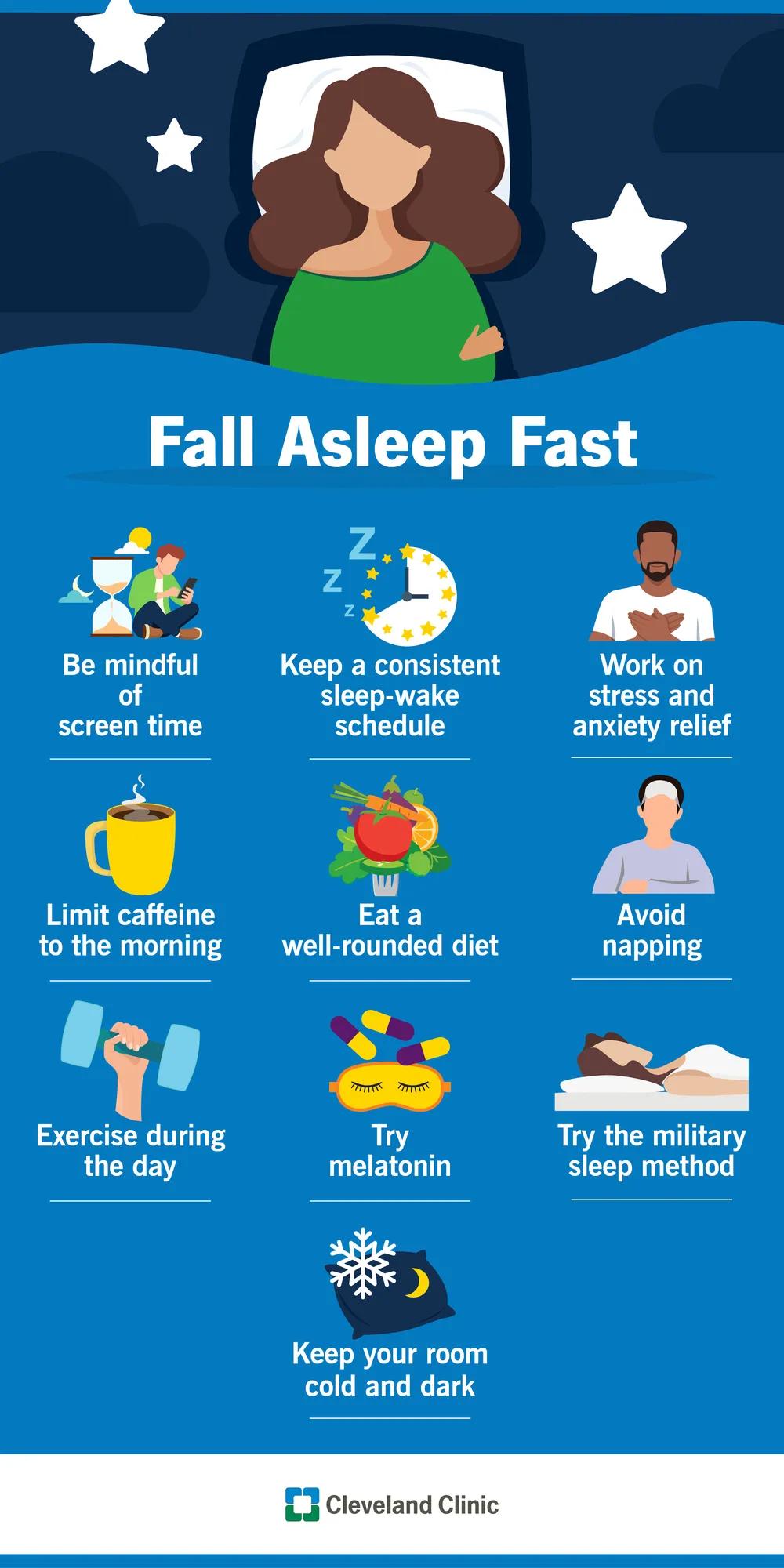
3 Long-Term Lifestyle Habits to Make Fast Sleep Onset Automatic
These habits take 2–4 weeks to show full results, but they will make falling asleep fast feel effortless over time. 13. Daily Moderate Exercise (Finish 3+ Hours Before Bed) Regular physical activity increases sleep pressure and reduces stress, both of which support faster SOL. Vigorous exercise raises your core temperature and cortisol, so finish high-intensity workouts at least 3 hours before bed to avoid delaying sleep onset. 14. Limit Daytime Naps to 20 Minutes or Less (Before 3pm) Naps longer than 20 minutes or taken after 3pm reduce your sleep pressure by the time bedtime rolls around, making it harder to fall asleep fast. If you need a nap, set an alarm for 20 minutes and take it early in the afternoon. 15. Practice Daily Stress Management Chronic stress elevates cortisol levels all day, so even when you’re physically tired, your body remains in fight-or-flight mode that delays sleep. Build small stress-reduction practices into your day: 5 minutes of meditation, a lunchtime walk, or journaling to process stressors before they build up. For persistent insomnia, CBT-I is the most effective long-term treatment, combining habit adjustments with cognitive techniques to address root causes of sleep onset delays.
Common Mistakes That Sabotage Fast Sleep Onset
Even people who follow good sleep habits can accidentally delay their SOL with these common pitfalls:
- Clock-watching: Checking the time repeatedly increases anxiety and creates a conditioned association between the clock and sleep stress, making it harder to drift off.
- Inconsistent sleep schedules: Even 1 hour of variation in your bedtime or wake time can disrupt your circadian rhythm and raise SOL by 15–30 minutes, per sleep research.
- Pre-bed screen use: Blue light suppresses melatonin, and stimulating content (social media, work emails) keeps your brain in alert mode, even if you feel tired.
- Heavy meals or alcohol before bed: Large meals raise core temperature and digestion, delaying SOL, while alcohol may make you feel drowsy initially but disrupts sleep architecture and causes frequent awakenings later in the night.
- Over-relying on OTC sleep aids: Many over-the-counter sleep aids contain antihistamines that cause next-day grogginess, and they do not address the root cause of your SOL, leading to dependence over time.
- Forcing sleep when awake: Staying in bed awake for long periods creates a conditioned association between bed and alertness. If you can’t fall asleep after 20 minutes, get out of bed and do a quiet, boring activity (like folding laundry or reading a physical book) in dim light until you feel drowsy, then return to bed.
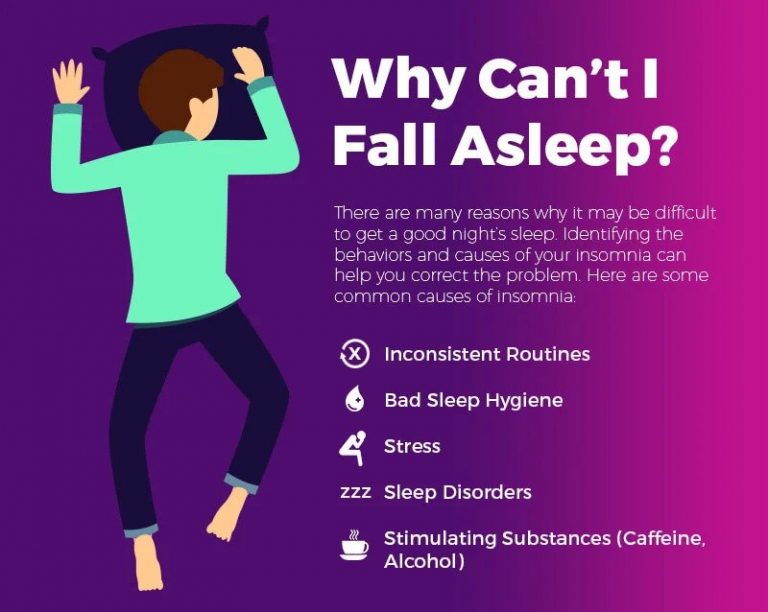 Avoiding these common mistakes can cut your sleep onset time by 10–30 minutes for many people.
Troubleshooting: When Fast Sleep Tips Don’t Work
If you’ve followed these tips for 2–3 weeks and still regularly take longer than 30 minutes to fall asleep, take a systematic approach to identify the root cause:
- Keep a 2-week sleep diary tracking your bedtime, wake time, SOL, caffeine and alcohol intake, exercise, stressors, and comfort factors (like bedding or scalp irritation from wet hair).
- Reduce stimulating activities and substances further, and note any changes to your SOL.
- If you experience symptoms like loud snoring, gasping for air at night, or tingling in your legs when you lie down, you may have a sleep disorder like sleep apnea or restless legs syndrome that requires medical evaluation.
- Talk to a clinician before starting or stopping any medications that affect sleep, as many common prescriptions (including some antidepressants and blood pressure medications) can prolong SOL.
Be transparent with your provider about your symptoms: persistent SOL (over 30 minutes, 3+ nights a week for 3+ months) meets the clinical definition of insomnia, and targeted treatment like CBT-I is far more effective than quick fixes for long-term relief.
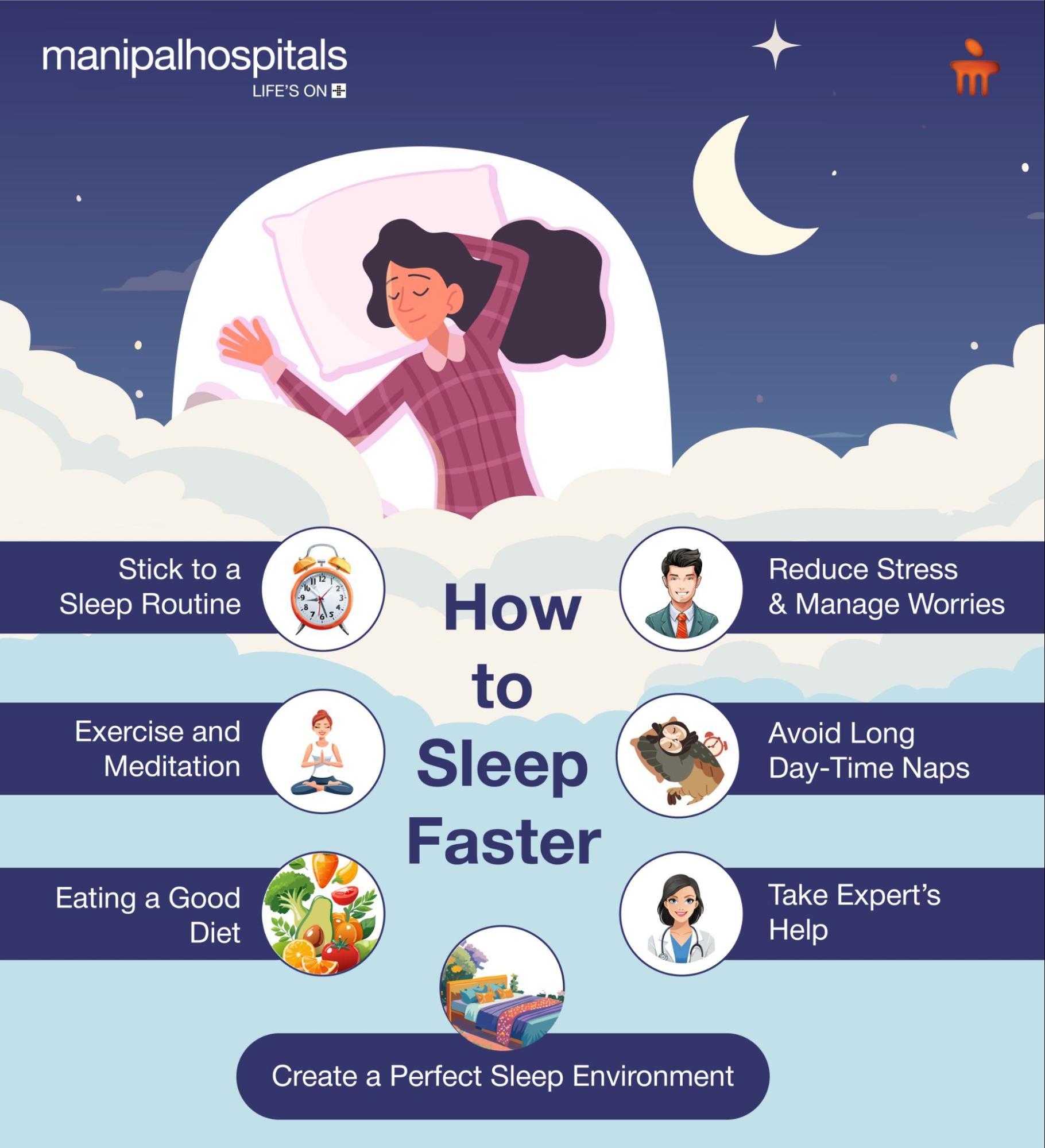 If quick tips don't work, a systematic approach can help you identify underlying causes of long sleep onset.
Frequently Asked Questions
How quickly can most people expect to see results from these tips?
Immediate in-bed techniques often reduce SOL within 10–30 minutes of use, while pre-bed routine and lifestyle adjustments typically show noticeable improvements within 1–2 weeks of consistent practice.
Is it safe to use breathing techniques every night to fall asleep fast?
Yes. Breathing methods are safe, drug-free tools that calm the nervous system. If you have a respiratory condition like asthma or COPD, check with your healthcare provider before trying any new breathing practice.
Can a warm shower really help me fall asleep fast?
Yes. A warm shower 60–90 minutes before bed causes vasodilation that lowers your core temperature faster, signaling to your brain that it is time to sleep. Avoid cold showers right before bed, as they will raise your core temperature and delay SOL.
Will melatonin help me fall asleep fast?
Melatonin can be helpful for short-term use, like jet lag or shift work, but it is not a long-term solution for most people. It works best at low doses (0.5–3mg) taken 1–2 hours before bed, and should be used under the guidance of a healthcare provider, especially for children or people taking other medications. Overuse can disrupt your body’s natural melatonin production.
What if I wake up in the middle of the night and can’t fall back asleep?
Keep lights low and avoid screens. Use breathing or relaxation techniques, and get out of bed if you feel anxious or alert. Do a quiet, boring activity in dim light until you feel drowsy, then return to bed. Staying in bed awake will only reinforce the association between bed and alertness.
Do sleep supplements like valerian root or magnesium help with fast sleep onset?
Some people find mild benefit from magnesium or valerian root, but evidence for their effectiveness is mixed. Always talk to a healthcare provider before starting any new supplement, as they can interact with other medications.
Is it normal to occasionally have trouble falling asleep fast even if I follow good sleep habits?
Yes. Occasional SOL delays are normal during times of stress, illness, or travel. These tips are designed to reduce frequent delays, not eliminate the occasional night of restless sleep.
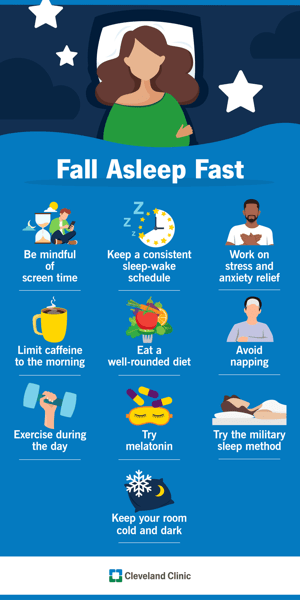 Common concerns about sleep techniques, supplements, and middle-of-the-night wakefulness are addressed here.
Final Takeaway
Falling asleep fast is a skill built with consistent, small adjustments, not an overnight fix. Start with one or two of these evidence-backed tips tonight—whether it's trying the cognitive shuffle to quiet racing thoughts or adjusting your bedroom temperature to 65°F—and track your sleep onset time over the next week to see what works for your body. If you struggle with persistent sleep onset issues, consider booking a consultation with a sleep specialist to rule out underlying conditions. For more science-backed guidance to improve every stage of your rest, explore our full collection of sleep resources.
Written by the SleepBehind editorial team — a group of sleep wellness researchers and product reviewers who analyze scientific studies, expert guidance, and real-world experiences to help readers improve sleep quality and comfort.