Circadian rhythm sleep-wake disorder is a chronic mismatch between your internal clock and desired sleep times.
I write about sleep medicine and have helped many people understand what is circadian rhythm sleep wake disorder. I will explain how this condition affects sleep, mood, and daily life. You will learn clear steps for diagnosis, treatment, and practical changes you can try tonight to improve sleep. My goal is to give concise, trusted guidance that you can use right away.
What is circadian rhythm sleep-wake disorder: a clear definition and overview
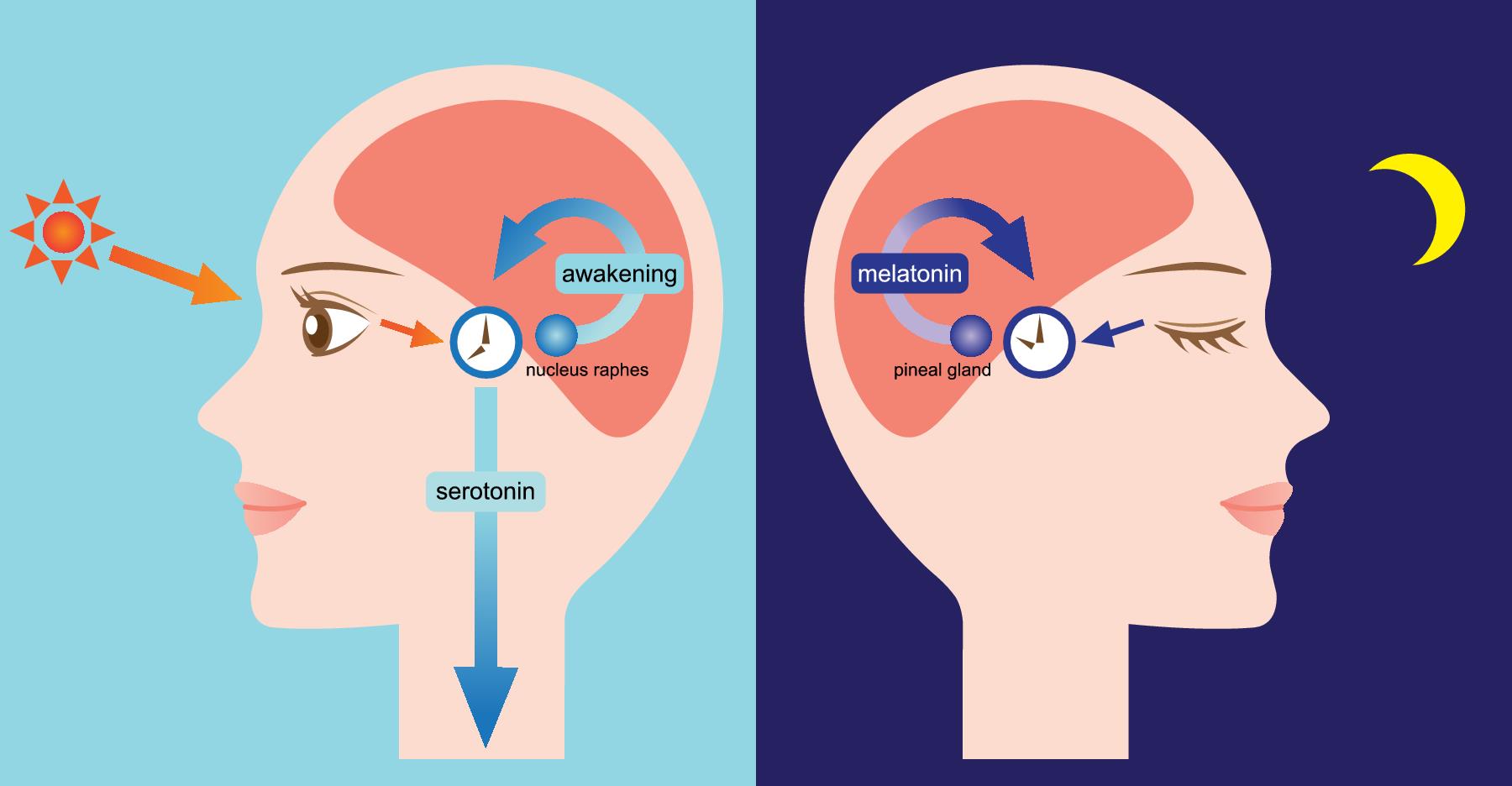
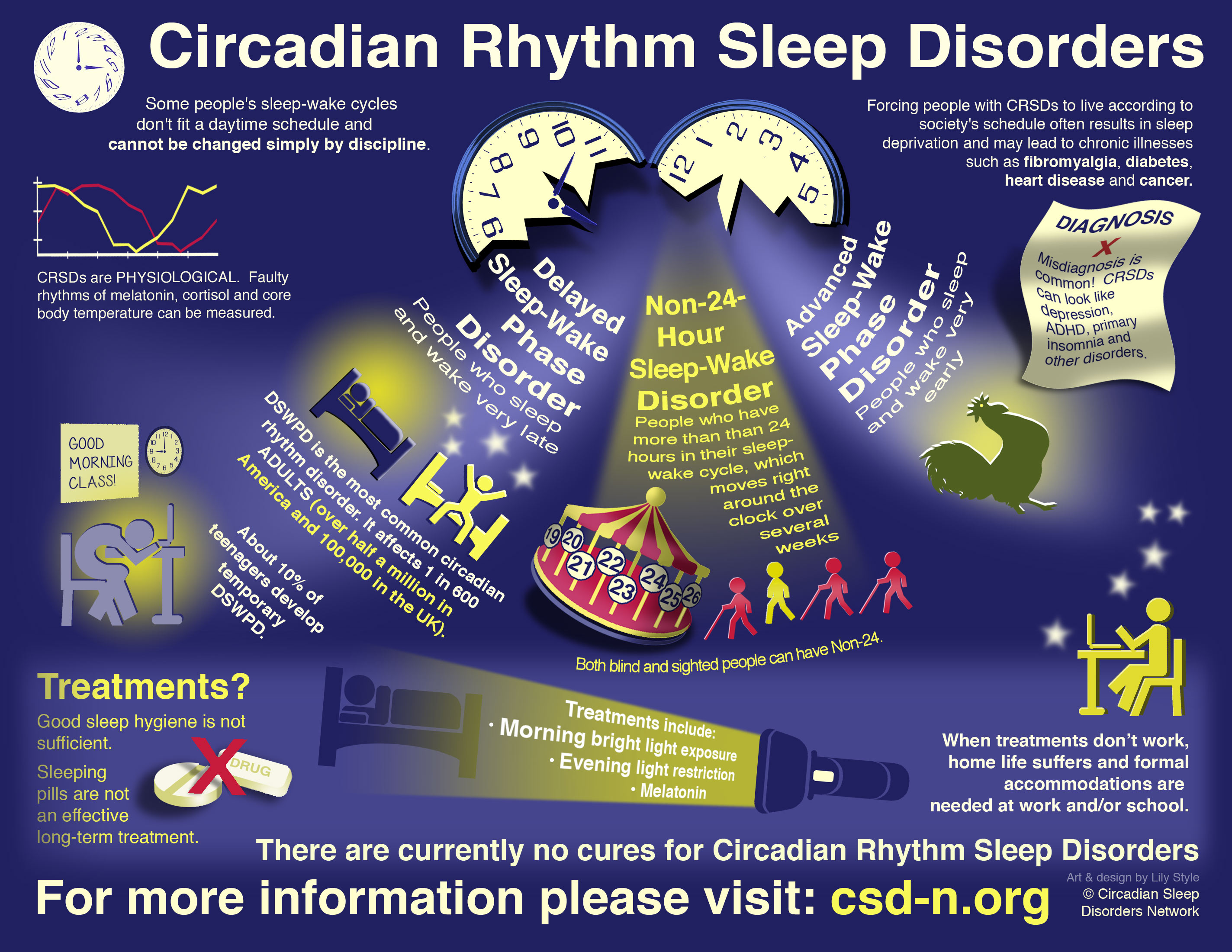
Circadian rhythm sleep-wake disorder occurs when your body clock is out of sync with your social or environmental schedule. The phrase what is circadian rhythm sleep wake disorder describes a set of conditions where timing, not sleep quality, is the main problem. People with this disorder often struggle to fall asleep or wake up at the times they want. The result is chronic sleep loss, daytime tiredness, and lower quality of life.
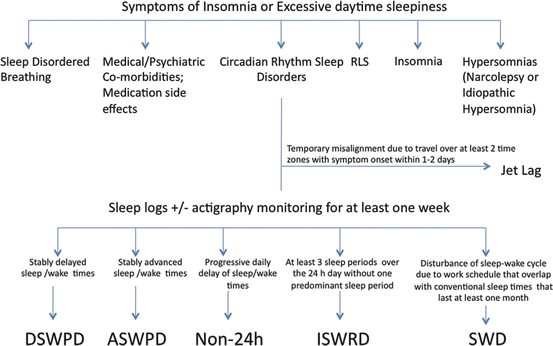
What is circadian rhythm sleep wake disorder can include several types. These types are delayed sleep phase, advanced sleep phase, irregular sleep-wake, non-24-hour sleep-wake, and shift work disorder. Each type has its own pattern, but they all share the same cause: a mismatch between your internal clock and the outside world.
Common symptoms and daily impacts
Symptoms are mostly about timing. People ask what is circadian rhythm sleep wake disorder when they can’t sleep at normal hours. Typical signs are:
- Persistent trouble falling asleep at the expected bedtime
- Difficulty waking up for work or school
- Excessive sleepiness during the day
- Sleep fragmentation or irregular naps
- Mood changes, trouble concentrating, and lower work or school performance
Symptoms often worsen when schedules change. Jet lag or shift work can make symptoms worse or trigger them. The condition can harm work, school, and relationships if not treated.
Causes and risk factors
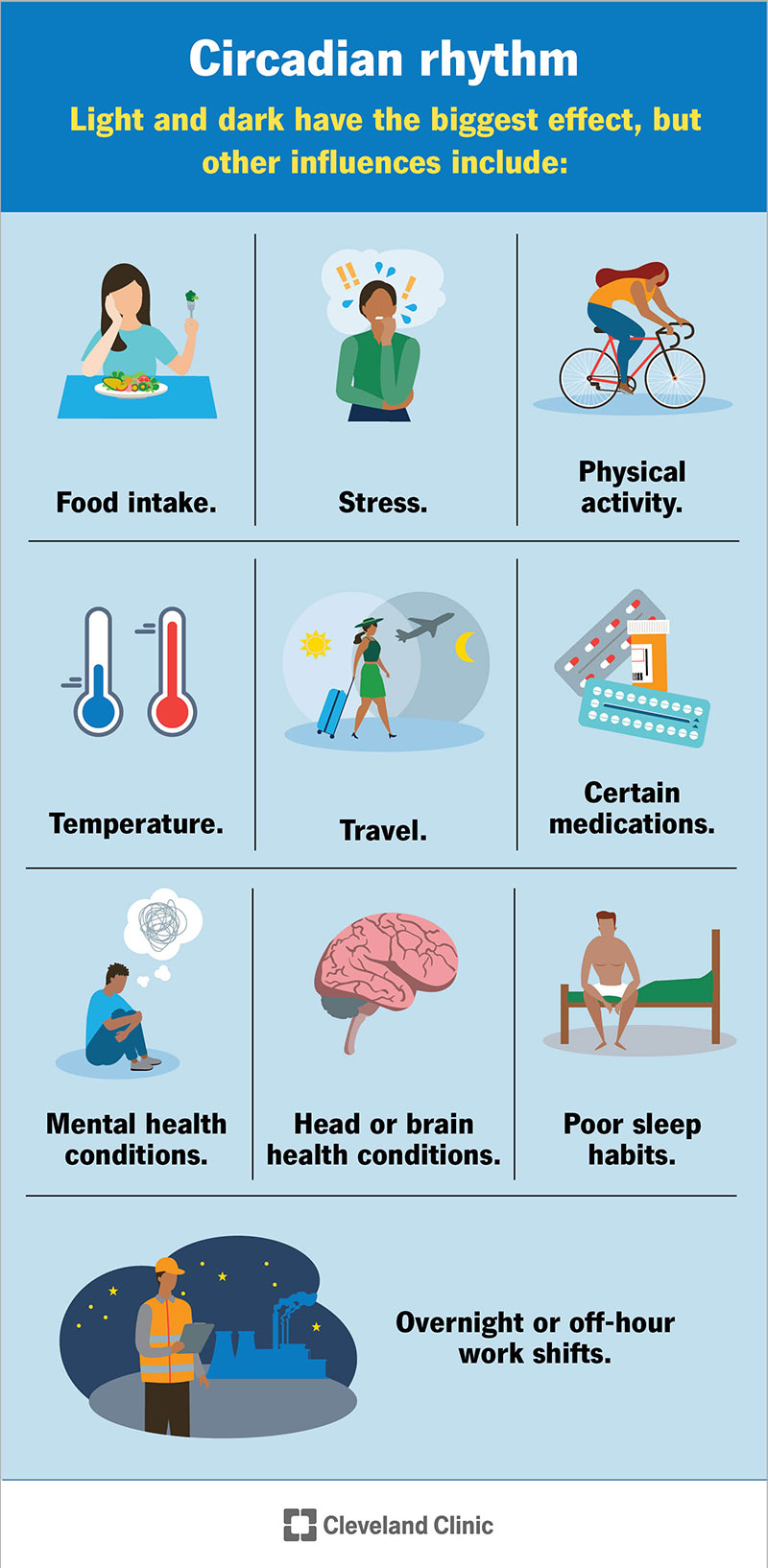
Understanding what is circadian rhythm sleep wake disorder means knowing what shifts the clock. Common causes and risks include:
- Genetic tendency that shifts natural sleep timing
- Exposure to light at night, especially blue light from screens
- Lack of morning light exposure to anchor the clock
- Shift work or rotating schedules that change sleep times
- Long-term blindness or very low light exposure leading to non-24-hour rhythms
Research shows that genes and light play big roles. Lifestyle choices and work demands often push the clock in the wrong direction. Aging can also cause changes in timing, making some types more common in older adults.

How clinicians diagnose the disorder
Diagnosis begins with a clear sleep history and sleep logs. Clinicians ask what is circadian rhythm sleep wake disorder and then review patterns. Key steps include:
- Detailed sleep diary for two weeks or longer
- Actigraphy, which tracks movement and sleep timing with a wrist device
- Questionnaires about sleepiness and daily function
- Rule out other sleep disorders, medical issues, or mood conditions
- Sometimes laboratory sleep studies or biological markers of timing
A proper diagnosis focuses on timing, not just sleep duration. Accurate tracking helps match treatment to the specific type of circadian disorder.

Evidence-based treatments and therapies
Treating what is circadian rhythm sleep wake disorder combines timing tools and behavior change. Effective treatments are:
- Light therapy given at specific times to shift the clock
- Timed melatonin supplements to advance or delay sleep onset
- Chronotherapy, a supervised plan to shift sleep time gradually
- Sleep hygiene and consistent sleep-wake schedules
- Behavioral therapy to manage daytime function and mood
Clinicians tailor treatment to the type of disorder. For example, delayed sleep phase responds to morning light and evening melatonin. Shift work disorder may need scheduled naps and workplace changes. Studies show combining light and melatonin often works better than either alone.
Practical daily strategies you can try tonight
You don’t need complex gear to start improving timing. If you wonder what is circadian rhythm sleep wake disorder and want practical tips, try these easy steps:
- Set a consistent wake time every day and stick to it
- Get bright light soon after waking, even a short walk outside
- Dim lights and avoid screens 60 to 90 minutes before desired bedtime
- Use a short, low-dose melatonin 1 to 2 hours before desired sleep if advised by a clinician
- Keep naps short and early in the day to protect night sleep
From experience, small, steady changes help more than sudden shifts. I’ve seen patients make measurable gains by fixing wake time first.

When to see a specialist and what to expect
See a sleep specialist if you have chronic timing problems or daytime impairment. If you ask what is circadian rhythm sleep wake disorder and home steps do not help, consult a clinician. Expect the specialist to:
- Review a sleep diary or actigraphy data
- Assess for mood or medical disorders that affect sleep
- Create a light and melatonin schedule tailored to your clock
- Discuss work or school accommodations if needed
Specialists can also offer monitored chronotherapy or advanced timing tools when standard methods fail. Early help prevents long-term problems at work and school.
Living well with circadian rhythm sleep-wake disorder
Life with a circadian condition can be manageable. Practical habits make life better. Key ideas are:
- Build routines around your strongest sleep block
- Communicate with employers or schools about timing needs
- Use wearable trackers to show progress and guide adjustments
- Join support groups or therapy to cope with mood impacts
I’ve worked with people who rebuilt routines step by step. Small wins create momentum and often restore daily function.

Prevention and maintaining a stable clock
You can reduce risk by protecting your clock daily. To lower chance of developing symptoms and to manage recurrence, follow these steps:
- Keep a regular sleep-wake time, even on weekends
- Seek daylight early in the day and limit late-night light
- Use caution with shift work and plan recovery strategies
- Manage caffeine and alcohol near bedtime
- Maintain good overall health and mental wellness
Prevention is about steady signals. Regular light and consistent timing are the simplest, most powerful tools.
Frequently Asked Questions of what is circadian rhythm sleep wake disorder
What causes circadian rhythm sleep-wake disorder?
The cause is a misalignment between the internal clock and daily life. This misalignment can come from genes, light exposure, work schedules, or lack of regular cues.
Can shift work cause this disorder?
Yes. Shift work often forces people to sleep at times that conflict with their clock. This mismatch can lead to chronic sleep problems and daytime sleepiness.
Is melatonin safe and effective?
Melatonin can be safe when used short-term and at low doses for timing. Talk with a clinician about dose and timing to avoid the wrong effect.
How long does treatment take to work?
Some people see improvement in days to weeks with light and melatonin. Others need months of steady routines and adjustments to stabilize their clock.
Can children have this disorder?
Yes. Teenagers commonly have delayed sleep phase, which is a type of this disorder. Early school times often make the problem worse for young people.
Will it ever fully go away?
For many people, symptoms can be well managed but may recur with schedule changes. Ongoing routines and light habits help keep it steady.
Conclusion
Understanding what is circadian rhythm sleep wake disorder helps you take clear action. The key is timing: light, consistent wake times, and proper medical guidance can reset your clock. Start with one change tonight, like a steady wake time or morning light, and track your progress. If you need help, reach out to a sleep specialist and share your sleep log. Try these steps, leave a comment about your experience, or subscribe for more practical sleep tips.

Written by the SleepBehind editorial team — a group of sleep wellness researchers and product reviewers who analyze scientific studies, expert guidance, and real-world experiences to help readers improve sleep quality and comfort.