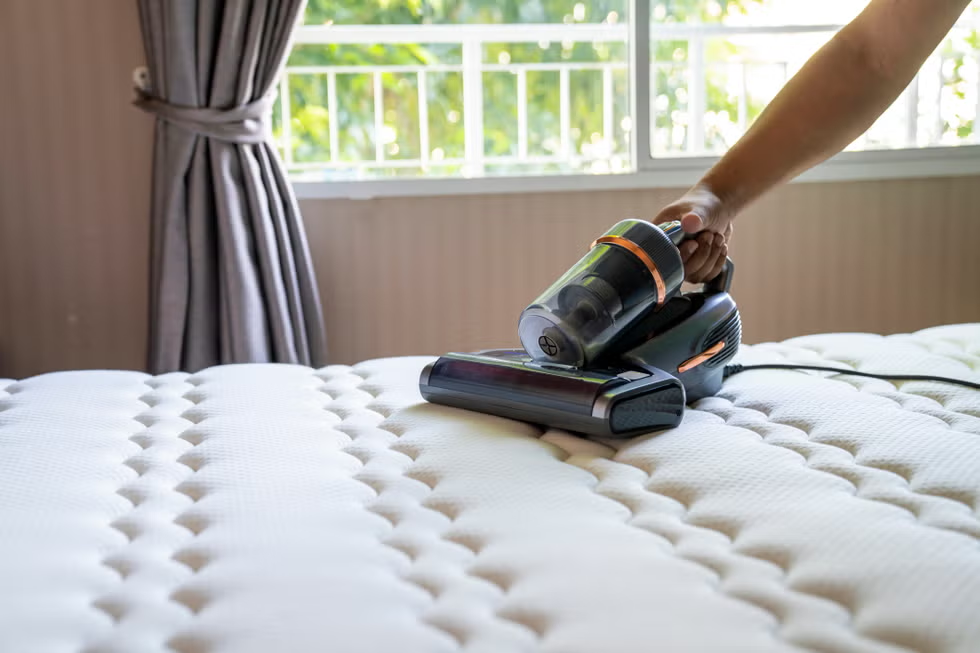
A consistent sleep routine for adults improves mood, energy, and long-term health.
I write about sleep routines for adults from years of research and personal practice. I have helped friends, clients, and myself build habits that stick. This guide breaks down simple steps, clear routines, and real-life tips so you can make a sleep routine for adults that fits your life and boosts your day.
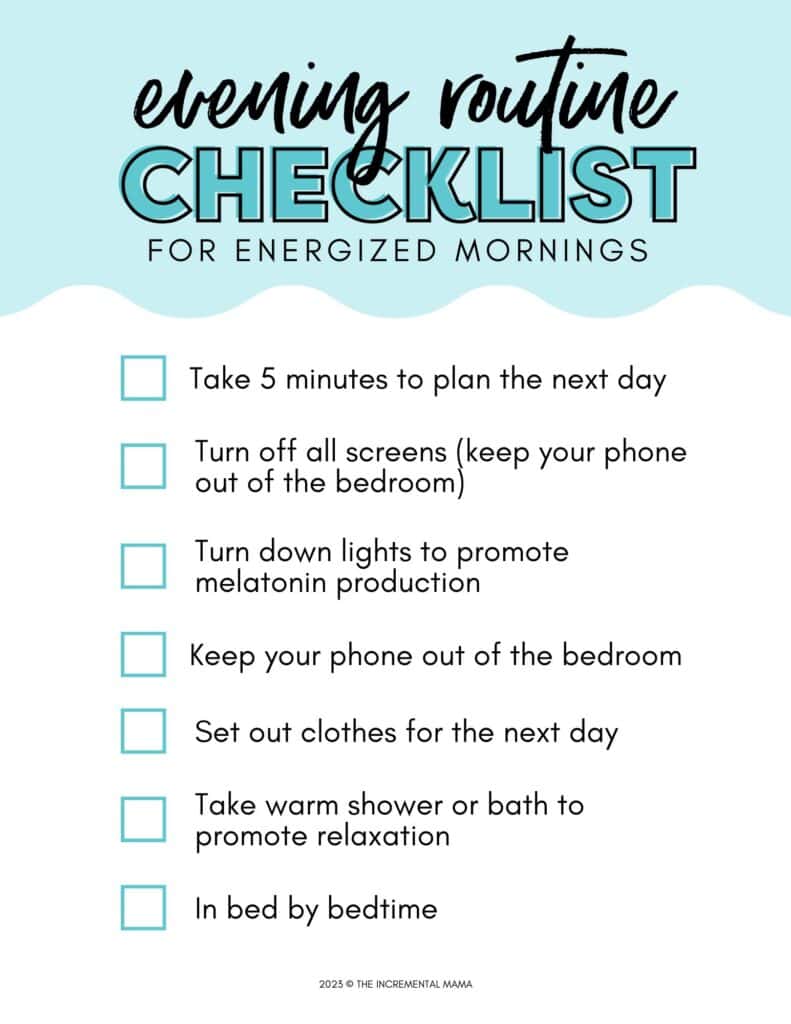
Why a sleep routine for adults matters
A good sleep routine for adults sets a clear rhythm for the body clock. When times for bed and wake are steady, sleep quality improves. Better sleep cuts stress, improves memory, and helps the heart. Making a routine is not a luxury. It is a basic fix with big gains.
:max_bytes(150000):strip_icc()/what-is-sleep-hygiene-5085887-FINAL-831b8421e75249f0952fbf4efb0adda7.png)
How much sleep adults need
Most adults do best with 7 to 9 hours of sleep each night. Some people feel fine on 6.5 hours, while others need 9. Track how you feel to find your sweet spot. Aim for regularity first, then tweak the duration.

Evening wind-down routine: step-by-step
A calm evening routine helps you fall asleep faster. Keep steps short and repeat them nightly.
- 90 to 60 minutes before bed: dim lights and stop bright screens.
- 60 to 30 minutes before bed: do low-energy tasks like reading or light stretches.
- 30 to 15 minutes before bed: wash your face, brush teeth, and prepare clothes for tomorrow.
- 15 to 0 minutes before bed: practice deep breathing or a short guided meditation.
Small rituals signal the brain it’s time to sleep. A consistent wind-down reduces racing thoughts and helps you sleep deeper.

Morning routine to reinforce sleep
A strong morning routine locks your sleep schedule in place. Morning light is one of the most powerful signals for your body clock.
- Immediately after waking: open curtains or go outside for 10–20 minutes.
- Within 30–60 minutes: eat a balanced breakfast and hydrate.
- Avoid long naps in the morning to keep sleep for night-time.
Consistency in wake time is often more important than bedtime. If you wake at the same time, sleep will follow.

Create a bedroom for sleep
Your room should be a sleep sanctuary. Small changes yield big effects.
- Keep the room cool, around 60–68°F (15–20°C).
- Block light with curtains or a mask.
- Use a quiet fan or white noise if noise is an issue.
- Choose a mattress and pillow that feel right for you.
Remove work and screens from the bed area. Make the bed for sleep only. This strengthens the mental link between bed and rest.
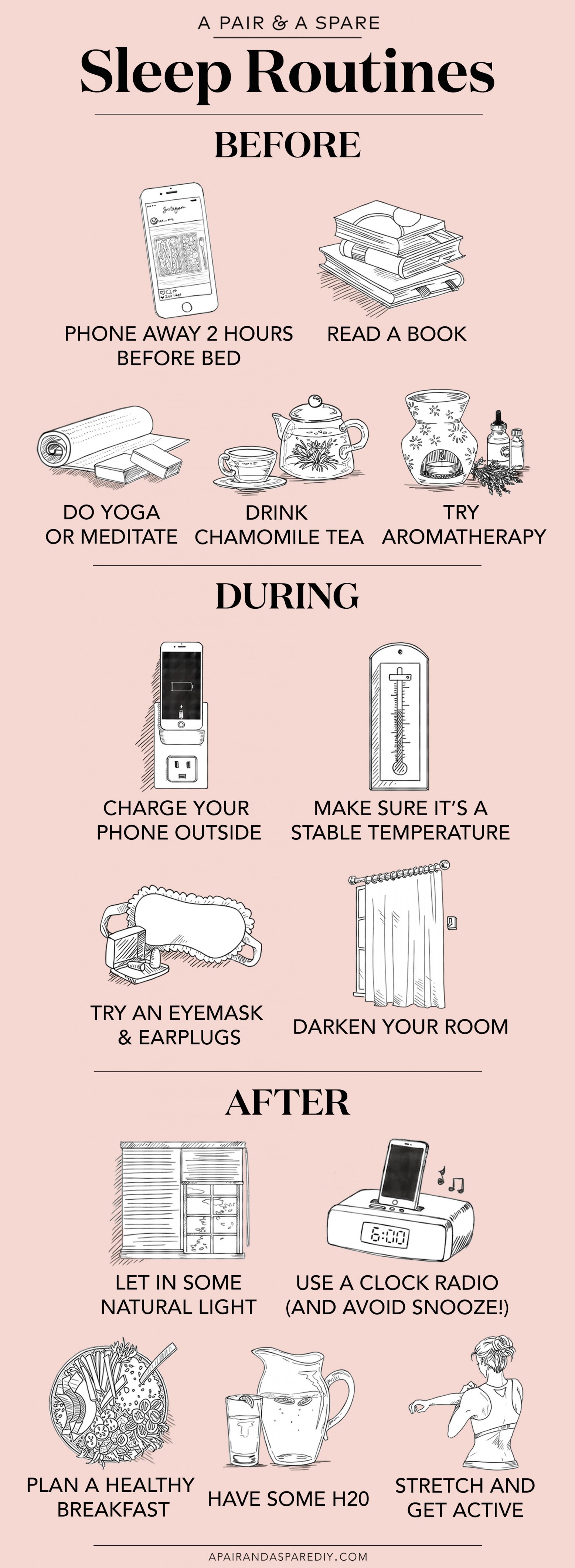
Troubleshooting common problems
Even with a routine, issues can pop up. Here are quick fixes.
- Trouble falling asleep: shorten caffeine, try a 20-minute relaxation exercise before bed.
- Waking at night: avoid heavy meals close to bedtime and keep alcohol low.
- Weekend sleep chaos: limit weekend sleep shifts to under 1 hour to avoid jet-lag feel.
If insomnia lasts more than a month, consider talking to a sleep specialist. Some conditions need tailored care.

Sample sleep routines for adults (weekday and weekend)
Use these simple templates and adapt as needed. Keep steps short and clear.
Weekday routine
- 9:00 PM: dim lights and stop screens.
- 9:30 PM: light reading or stretching.
- 10:00 PM: lights out and calm breathing.
- 6:30 AM: wake, get light, and have breakfast.
Weekend routine
- 10:30 PM: dim lights and relax.
- 11:00 PM: lights out.
- 7:00 AM: wake, go outside briefly, and enjoy a later breakfast.
These routines keep your sleep routine for adults steady while allowing small shifts for life.

Tracking and adjusting your sleep routine for adults
Track sleep to learn what works. Use a simple journal or an app. Note bedtime, wake time, caffeine, stress, and sleep quality.
- Review your log weekly for patterns.
- Adjust bed or wake time by 15 minutes every few days if needed.
- Keep changes small to avoid disrupting your body clock.
Consistent tweaks help lock in gains. Data beats guesswork.

Personal experience and lessons learned
I used to stay up late and rely on coffee. I shifted to a steady wake time first and found sleep followed. It took three weeks to feel stable. Key lessons I learned:
- Start with your wake time before changing bedtime.
- Make one small habit change at a time.
- Be kind to yourself when life interferes.
I also helped a friend restore sleep by removing evening screens and using a 20-minute walk after dinner. Simple habits work best.
Frequently Asked Questions of sleep routine for adults
What is the best bedtime for adults?
The best bedtime fits your life and gives you 7 to 9 hours of sleep. Pick a wake time and count back to set the bedtime that works.
How long does it take to form a sleep routine for adults?
Most people see change in 2 to 3 weeks with steady habits. Small, consistent steps work better than big rapid changes.
Can naps help or hurt my sleep routine for adults?
Short naps of 20 to 30 minutes can boost alertness without hurting night sleep. Long late naps can make falling asleep harder at night.
Is it okay to use sleep aids sometimes?
Occasional, short-term use of sleep aids can help, but they should not replace healthy habits. Consult a clinician for long-term solutions.
How does caffeine affect a sleep routine for adults?
Caffeine can stay in the body for hours and delay sleep. Try to stop caffeine at least 6 hours before bedtime and cut back if you notice sleep issues.
Conclusion
A steady sleep routine for adults is simple to build. Start with a fixed wake time, add a calm wind-down, and shape your bedroom for sleep. Small habits done daily lead to better mood, energy, and health. Try one change this week, track it, and adjust slowly. Share your wins or questions below, and consider subscribing for more practical sleep tips.

Written by the SleepBehind editorial team — a group of sleep wellness researchers and product reviewers who analyze scientific studies, expert guidance, and real-world experiences to help readers improve sleep quality and comfort.