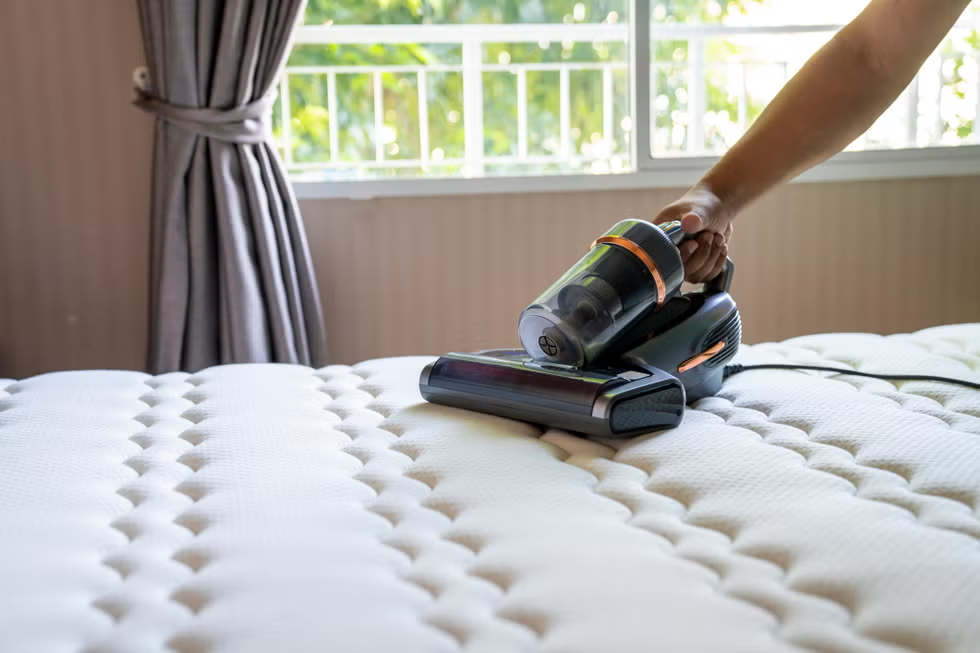
Set a consistent routine, cut late fluids and screens, and calm stress to reduce awakenings.
I’ve helped many people and tried many methods myself to learn how to reduce nighttime awakenings. This guide explains simple, evidence-informed steps you can use tonight and build on over weeks. I will share clear causes, practical fixes, and easy nightly routines and let you know how to fall asleep fast, so you can sleep longer and wake up less often.

Understand why you wake up at night
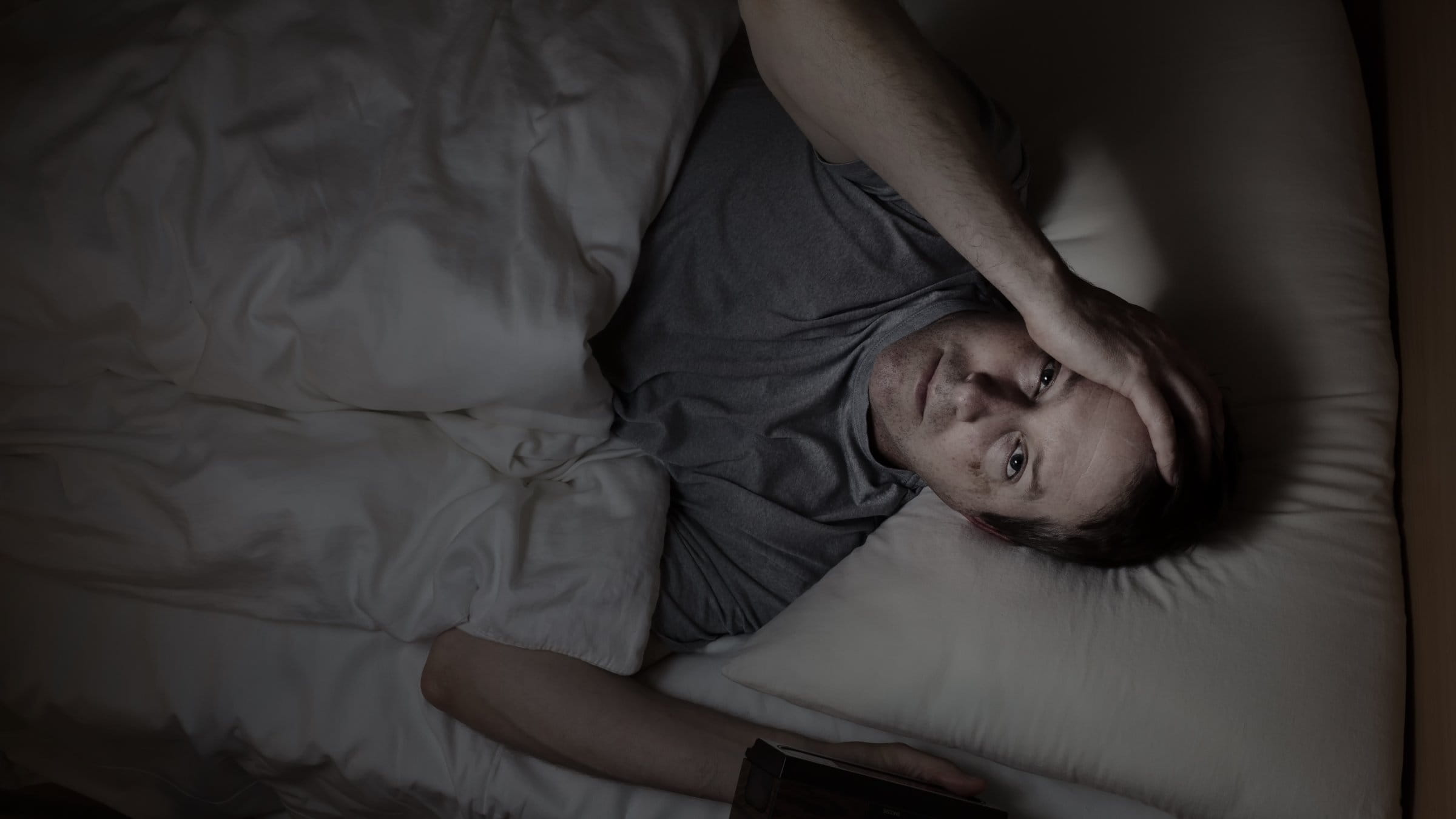
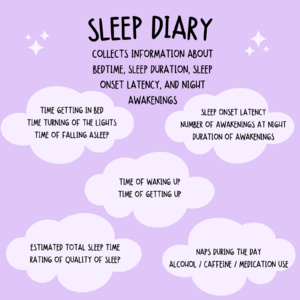
Knowing why you wake helps you fix it. Common causes include bathroom trips, light, noise, stress, pain, and poor sleep habits. If you know the cause, you can pick the right fix. If you want to know how to reduce nighttime awakenings, start by tracking when and why you wake for a week. Small patterns often point to simple fixes, like cutting late drinks or lowering the room temperature.

Build a sleep-friendly routine
A steady routine trains your brain and body. Go to bed and wake at the same time every day. Limit naps to 20 minutes, and keep them early. If you wonder how to reduce nighttime awakenings, a consistent routine is the fastest step.
Practical steps you can use tonight
- Follow a 30–60 minute wind-down before bed. Read, stretch, or breathe.
- Turn off screens at least 60 minutes before sleep to cut blue light.
- Practice 5 minutes of deep breathing or progressive muscle relaxation.
I tested this myself. When I set a strict lights-out time and no screens, my mid-night wakes dropped by half in two weeks. That taught me how small changes add up.

Optimize your bedroom environment
Your room should help you sleep, not fight you. Keep the room cool, dark, and quiet. Use blackout curtains, a fan, or white noise to mask sound. If you wonder how to reduce nighttime awakenings, start by making your bedroom a sleep zone only.
Key environment tips
- Temperature: Aim for about 60–68°F (16–20°C).
- Light: Remove bright clocks and use blackout curtains.
- Noise: Use a fan or white noise app if you live in a noisy area.
- Mattress and pillows: Replace old ones that cause discomfort or pain.
Manage fluids, food, and medication
What you eat and drink matters for sleep. Avoid heavy meals and alcohol close to bedtime. Cut fluids 1–2 hours before bed to reduce bathroom trips. If you ask how to reduce nighttime awakenings, controlling late drinks is a simple win.
Medication and timing
- Check side effects: Some meds cause wakefulness or need nighttime dosing.
- Talk to your provider if insomnia starts after a new drug.
- Use caffeine early in the day only. Avoid caffeine after noon.
:max_bytes(150000):strip_icc()/VWH_Illustration_How-to-Prevent-Morning-Heartburn_Illustrator_Theresa-Chiechi_Final-162f09ff5a6f48209d0d5181a383828a.jpg)
Reduce stress, anxiety, and pain at night
Worry and pain are huge causes of waking. Use short, proven tools to calm your mind and body. If you want to know how to reduce nighttime awakenings, add a 10-minute stress routine before bed.
Stress and pain tools
- Write a brief list of tomorrow’s tasks to clear your mind.
- Use guided relaxation or a breath app for 5–10 minutes.
- Try simple stretches to ease aches from the day.
- Seek therapy or pain management if worry or pain persist.
I once used a simple 10-minute journaling habit for two weeks. My mind felt lighter at bedtime and I slept more deeply. That experience showed me how mental habits affect sleep.

Smart use of sleep aids and supplements
Sleep aids can help but use them wisely. Short-term use is fine for jet lag or acute stress. Relying long-term on sedatives can mask an underlying problem. If you search how to reduce nighttime awakenings, consider non-drug steps first and use supplements with care.
What to know
- Melatonin can help with timing the sleep cycle. Use low doses and short-term.
- Over-the-counter sleep meds may cause next-day grogginess.
- Always consult a clinician before starting or mixing supplements and meds.
Behavioral techniques that work
Behavioral methods reshape sleep over weeks. CBT for insomnia is a top method supported by research. You can try basic parts at home to see quick gains. If you wonder how to reduce nighttime awakenings without pills, these techniques help.
Easy behavior methods
- Stimulus control: Use the bed for sleep only. If you can’t sleep, leave the room for 10 minutes.
- Sleep restriction: Limit time in bed to boost sleep drive, then expand time gradually.
- Mindfulness: A short nightly practice lowers night wakings for many people.
When to seek medical help
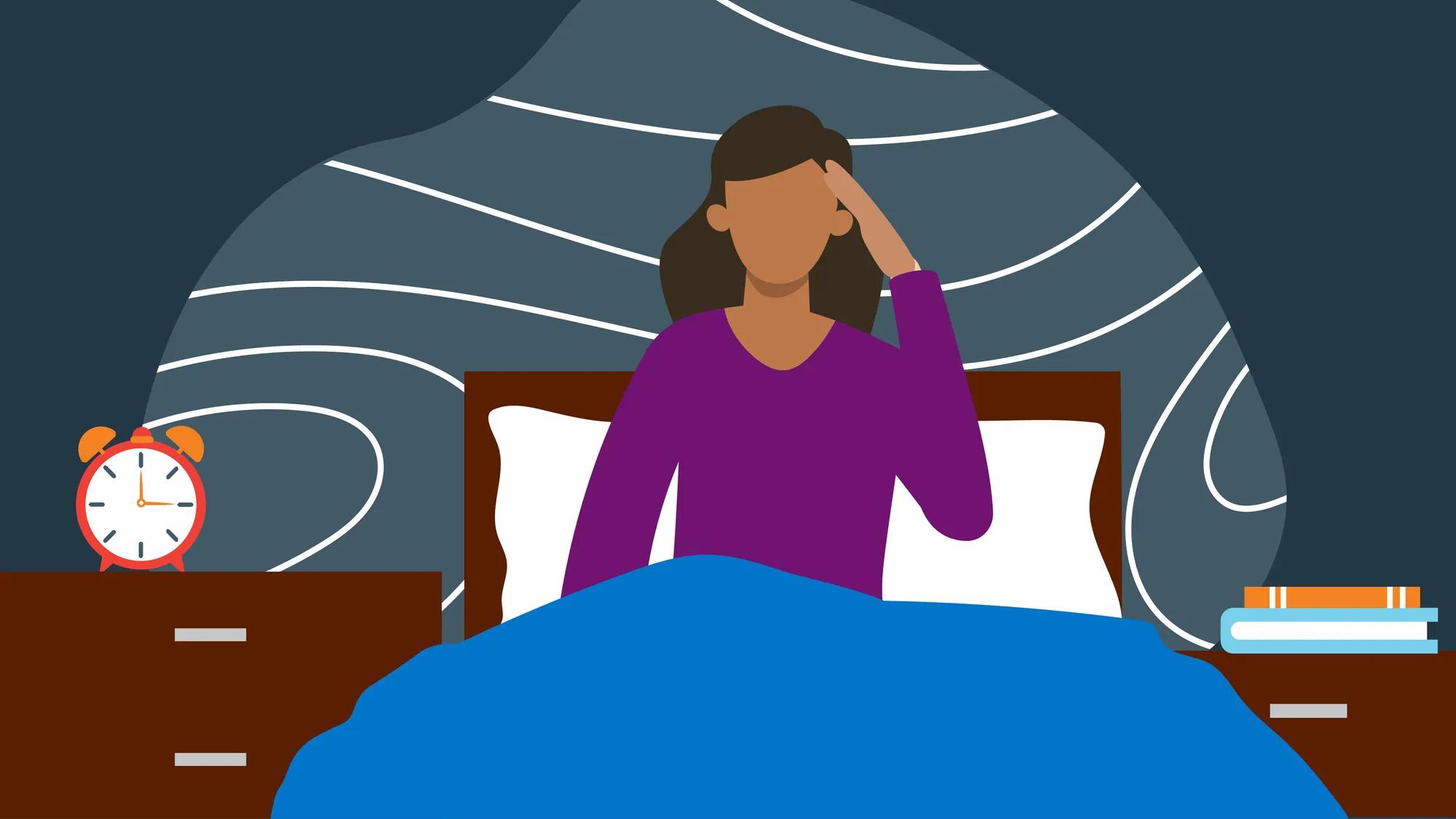
Some causes need a clinician. Sleep apnea, restless legs, chronic pain, or mood disorders often cause frequent wakes. If you’ve tried lifestyle fixes and you still wake often, see a sleep specialist.
Red flags to see a clinician
- You snore loudly and feel very sleepy in the day.
- You wake gasping or choking.
- Wakes happen nightly and last months.
- You have severe pain or new medication side effects.
Practical nightly checklist
Use this short list before bed. It takes under 15 minutes and sets you up for better sleep. If you want to know how to reduce nighttime awakenings fast, follow this checklist for two weeks and track results.
Nightly checklist
- Finish fluids 1–2 hours before bed.
- Power down screens 60 minutes before sleep.
- Do 5–10 minutes of relaxation.
- Set room to cool and dark.
- Write one note of tomorrow’s top tasks.
- If you can’t sleep, get up for 10 minutes and return when sleepy.
Frequently Asked Questions of how to reduce nighttime awakenings
Why do I wake up several times each night?
Waking can come from many causes like bathroom trips, noise, pain, stress, or poor sleep habits. Track your pattern for a week to spot triggers.
Can cutting fluids really help reduce night wakings?
Yes. Stopping drinks 1–2 hours before bed often lowers bathroom trips. Also reduce alcohol, which fragments sleep.
Will naps make nighttime awakenings worse?
Long or late naps can reduce sleep drive and cause night wakings. Keep naps short (20 minutes) and early in the day.
Are sleep aids safe to use every night?
Regular use can mask root causes and lead to dependence. Try behavioral changes first and talk with a clinician before long-term use.
How long until I see results from changes?
You can see small gains in a few nights and larger gains in 2–6 weeks. Consistency matters more than perfection.
Conclusion
You can reduce nighttime awakenings with clear steps: set a steady routine, fix your bedroom, manage fluids and stress, and use behavioral tools. Start with one or two changes and track progress. Try the nightly checklist for two weeks and note how your sleep improves. If problems persist, consult a clinician for deeper testing or care. Share your experience below or subscribe for more tips on better sleep and lasting rest.

Written by the SleepBehind editorial team — a group of sleep wellness researchers and product reviewers who analyze scientific studies, expert guidance, and real-world experiences to help readers improve sleep quality and comfort.