Make a mattress cover by measuring, cutting fabric, sewing seams, and adding a zipper.
I’ve sewn many mattress covers over the years for guests, kids, and my own bed. This guide on how to make a mattress cover walks you through clear steps, tool lists, and real-world tips. You will learn simple measuring, fabric choice, cutting, sewing, and finishing techniques. Read on to make a cover that fits, protects, and lasts.

Materials and Tools You Need
Choose the right fabric first. For a basic cover, use durable cotton, canvas, or a cotton-poly blend. For waterproof covers, use laminated cotton or add a thin waterproof lining.
Essential tools
- Tape measure
- Fabric scissors or rotary cutter
- Sewing machine with a heavy-duty needle
- Thread that matches fabric strength
- Zipper long enough for mattress depth or zipper tape and slider
- Pins, fabric chalk, and a seam ripper
Optional extras
- Elastic for fitted designs
- Bias tape for neat edges
- Quilting or batting if you want added padding
I recommend buying 10 to 20 percent extra fabric. That gives room for mistakes and shrinkage. Choosing the right tools saves time and frustration when you learn how to make a mattress cover.
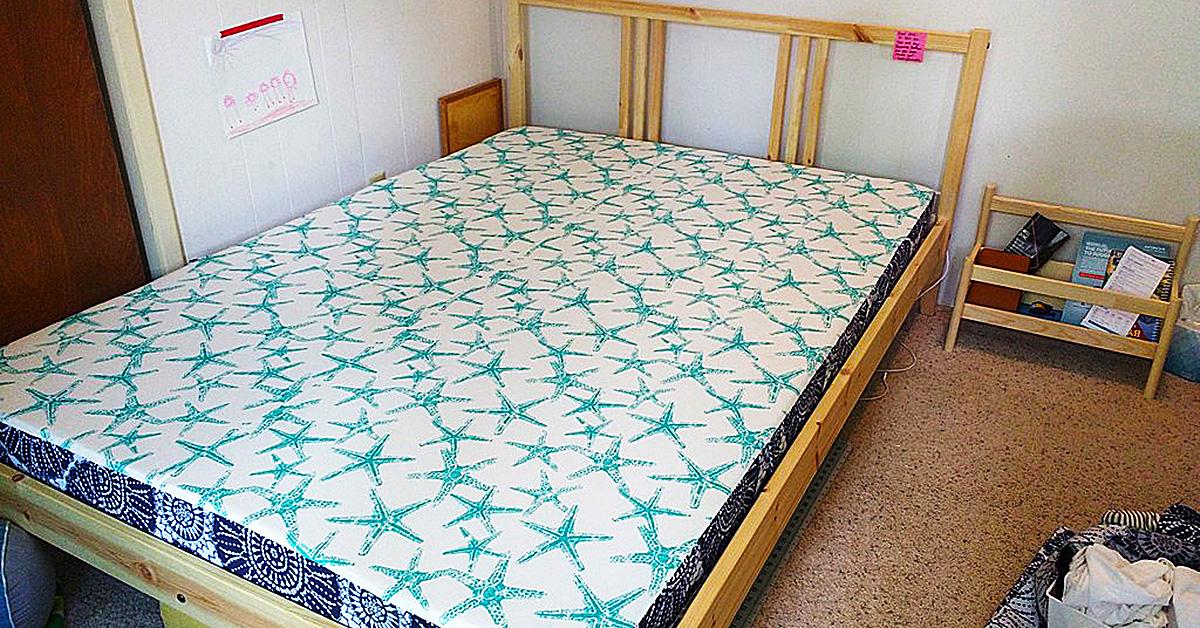
Measure Your Mattress Correctly
Good fit starts with precise measuring. Measure length, width, and depth. Record the numbers and add extra for seams and tucks.
How to measure step-by-step
- Measure mattress length from head to foot.
- Measure width from side to side.
- Measure depth from top to bottom at the thickest point.
- Add 1 inch per seam and 2 inches for ease. For corners and overlap add 4–6 inches total.
Write the final fabric dimensions in a simple formula: length + 2*(depth + seam allowance) for full wrap fabric. Accurate measuring is key when you learn how to make a mattress cover that fits snugly and looks tidy.

Cutting Fabric and Making a Pattern
Transfer your measurements to paper first if you like. A simple paper pattern helps, especially for deep mattresses.
Cutting tips
- Lay fabric flat on a clean surface.
- Pin pattern paper to fabric to prevent shifting.
- Use sharp scissors or a rotary cutter for straight edges.
- Cut slowly to keep angles clean.
If you plan a fitted style, cut four corner squares or darts. If you prefer a zippered encasement, cut two full panels sized to your measurement formula. Making clean cuts makes sewing easier and improves the finished look when you practice how to make a mattress cover.
Sewing Your Mattress Cover Step-by-Step
Start with simple seams. Use a straight stitch and a 1/2 inch seam allowance unless noted otherwise. Backstitch at the start and end to lock seams.
Basic sewn cover (envelop style)
- Sew side seams right sides together to make a sleeve.
- Hem one short end or add a closure.
- Turn right side out and press seams flat.
Zippered encasement (recommended for protection)
- Sew panels together along three sides, leaving the fourth side open for the zipper.
- Install the zipper along the open edge. Topstitch to secure.
- Test the zipper fully before final trimming.
Fitted pocket style
- Add depth panels along the perimeter to form a pocket for the mattress.
- Sew elastic to pocket edges if you want a snug fit.
- Finish raw edges with bias tape or overlock stitch.
When you make adjustments, test the cover on the mattress before final topstitching. Small tweaks are normal as you refine how to make a mattress cover that sits just right.
Adding Zippers and Fastenings
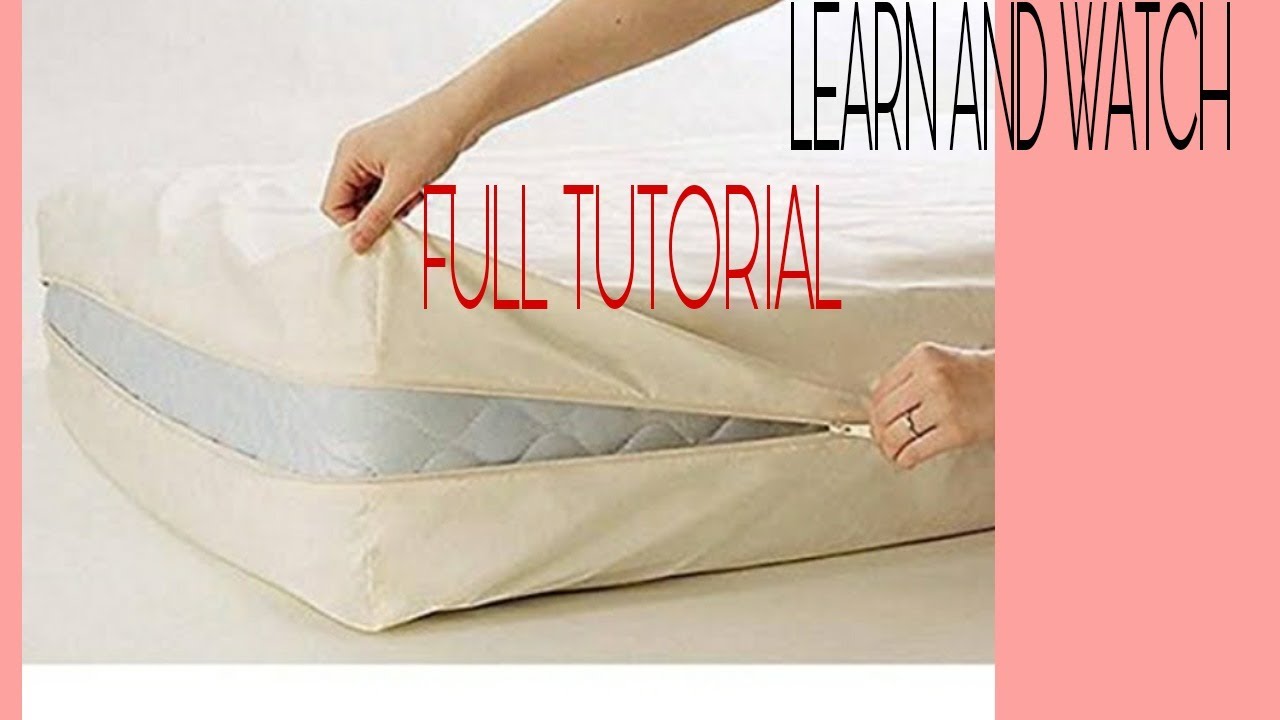
A secure closure is key for ease of use and protection. A full-length zipper works best for encasements.
Zipper choices
- Separating zipper for full removal like a jacket
- Coil or nylon zipper for smooth action
- Heavy-duty metal zipper for thicker fabric
Installation tips
- Baste the zipper in place first for alignment.
- Use a zipper foot on your sewing machine.
- Topstitch 1/8 inch from the zipper for neatness.
If you prefer no zipper, use overlapped panels with Velcro or snaps. The method you choose will affect how easy it is to remove and wash the cover when learning how to make a mattress cover for long-term use.
Waterproofing and Protecting Options
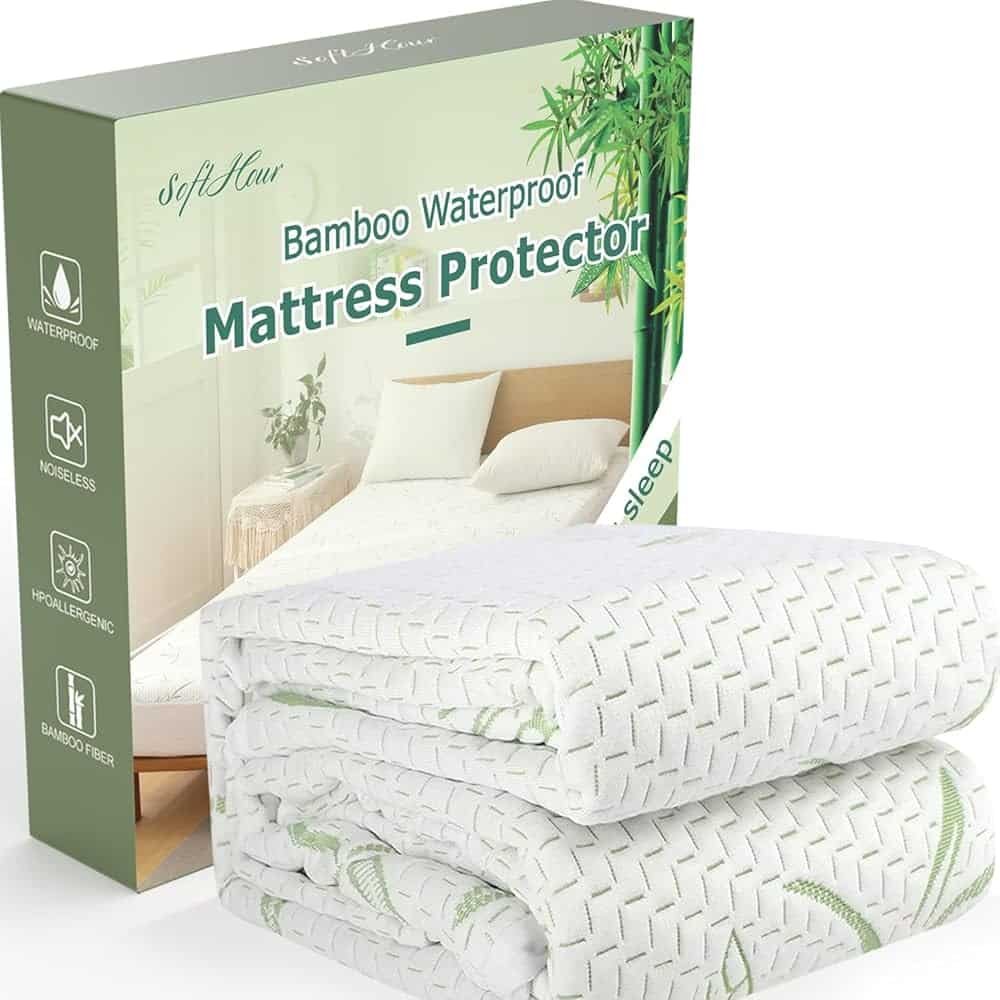
Decide whether you need waterproofing. Waterproof covers protect against spills, stains, and allergens.
Ways to add protection
- Buy waterproof laminate fabric and sew it like any other fabric.
- Sandwich a thin waterproof membrane between outer fabric layers.
- Use a washable waterproof mattress pad under the cover.
Care notes for waterproof fabric
- Sew slowly to avoid perforating the waterproof layer too much.
- Use a walking foot to help layered fabrics feed evenly.
- Seal seams with waterproof tape or topstitch to reduce leakage.
Waterproof options are a big reason people search for how to make a mattress cover. They are practical and increase mattress life.
Personal Tips, Mistakes to Avoid, and Troubleshooting
From my experience, small choices matter. I once cut fabric too small and had to add a gusset. Learn from my mistakes so you don’t repeat them.
Common mistakes
- Cutting too little fabric by not adding seam allowance
- Skipping a test fit before finishing
- Using weak thread on heavy fabric
Practical fixes
- Add corner panels rather than forcing fabric to stretch.
- Replace a broken zipper slider instead of redoing the whole seam.
- Use interfacing on weak areas like zipper ends.
A calm, methodical approach helps when you are learning how to make a mattress cover. Slow sewing beats fixing errors later.
Care, Washing, and Maintenance
Good care extends the life of your cover. Follow fabric care labels and wash gently.
Washing tips
- Machine wash on gentle for most cotton covers.
- Use cold water for waterproof laminates.
- Air dry or tumble dry low to avoid shrinking.
Regular maintenance
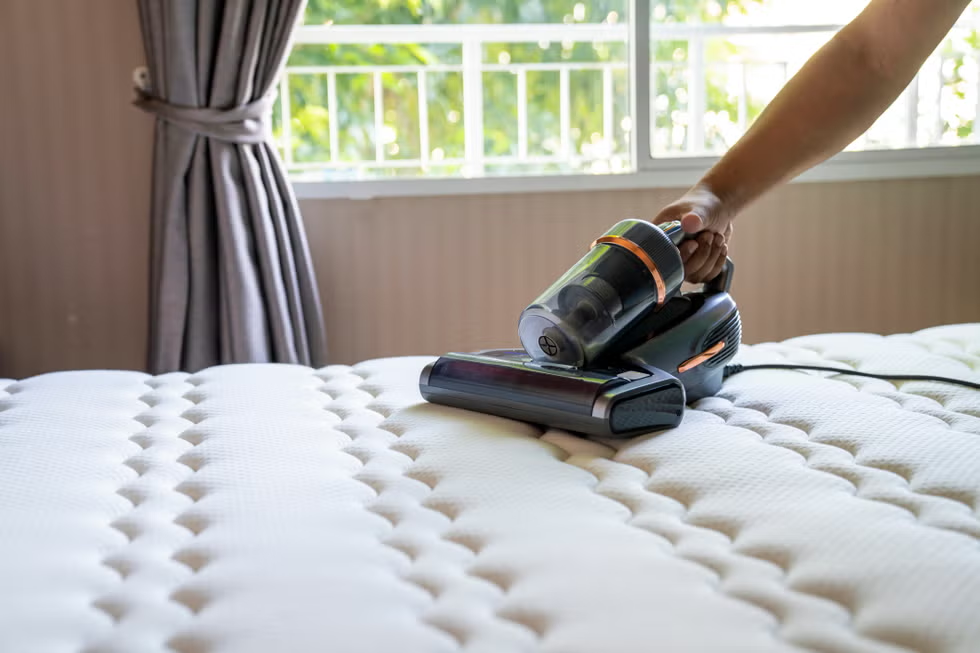
- Vacuum the cover occasionally to remove dust.
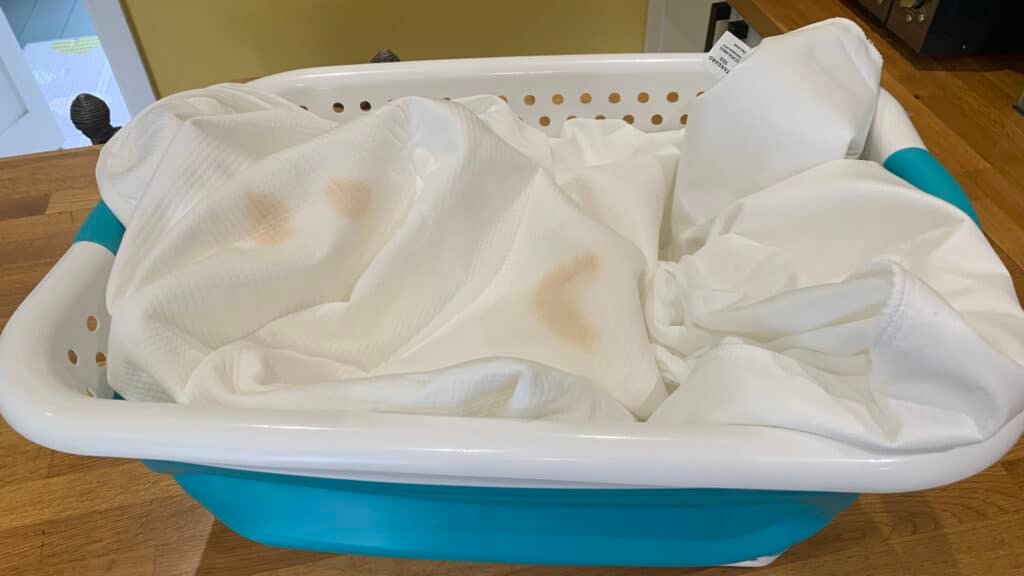
- Spot clean small stains right away.
- Repair loose seams promptly to prevent bigger tears.
Caring well means your cover will protect the mattress longer and reduce the need to remake it, a key goal for anyone who wants to know how to make a mattress cover that lasts.

Frequently Asked Questions of how to make a mattress cover
What fabric is best when learning how to make a mattress cover?
Use cotton or a cotton-poly blend for ease of sewing and comfort. For waterproof protection, choose laminated cotton or add a thin waterproof membrane.
How much extra fabric should I buy when I make a mattress cover?
Buy at least 10 to 20 percent extra fabric to allow for errors and shrinkage. This buffer helps prevent mid-project stops for more material.
Can I make a mattress cover without a sewing machine?
Yes. You can hand-sew a simple envelope-style cover, but expect it to take longer and be less durable than machine-sewn work. Use strong thread and tight stitches.
How do I add a zipper if my fabric is thick?
Use a heavy-duty zipper and a walking foot on your machine. Baste the zipper in place and sew slowly to keep layers aligned.
Is it worth making a waterproof mattress cover at home?
Yes, if you need custom sizes or want to save money. Sewing waterproof fabrics requires care, but the result can match or beat store-bought options in fit and value.
How can I make a fitted mattress cover for a deep mattress?
Measure depth carefully and add extra fabric for the pocket and seams. Consider adding corner gussets or a deep side panel to hold the mattress securely.
Conclusion
Making a mattress cover is simple when you break the task into steps. Measure carefully. Choose the right fabric. Cut accurately. Sew with patience. Test fit and finish with a good closure. These steps help you create a cover that fits and protects well. Try one small project first and build your skill. Share your results, subscribe for more sewing guides, or leave a comment about your experience making a mattress cover.

Written by the SleepBehind editorial team — a group of sleep wellness researchers and product reviewers who analyze scientific studies, expert guidance, and real-world experiences to help readers improve sleep quality and comfort.