Yes — properly chosen crib mattress protectors are safe and help keep babies dry and allergen-free.
I’ve spent years researching baby sleep products and testing dozens of mattress protectors. In this guide I explain whether are crib mattress protectors safe, how they work, what materials to choose, and simple tests you can run at home. Read on for clear, practical advice rooted in research and hands-on experience so you can choose a protector that keeps your baby safe and comfortable.

How crib mattress protectors work
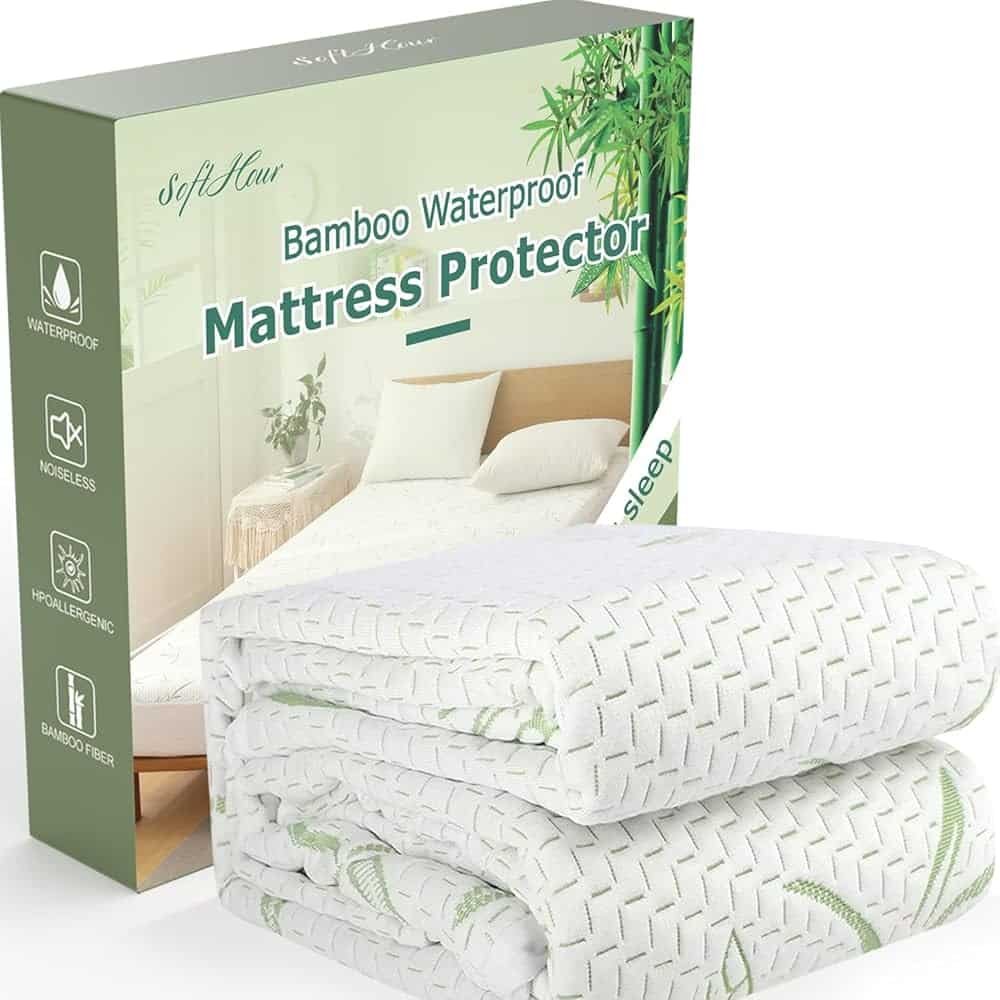
A crib mattress protector sits between the baby and the mattress. It blocks liquids, dust, and allergens from reaching the mattress core. Some protectors use thin waterproof membranes. Others use thicker coverings that add a little padding.
The main job is to keep the mattress dry and clean. That helps prevent mold and dust-mite buildup. It also makes cleaning easier after spills or diaper leaks.

Are crib mattress protectors safe?
Parents often ask: are crib mattress protectors safe? The short answer is yes when you pick the right type and use it properly. A safe protector is breathable, fits snugly, and is free from harmful chemicals.
Concerns often focus on breathability, chemical treatments, and loose covers. If a protector traps heat or is loose, it can be unsafe. Choosing certified, well-fitting protectors and avoiding PVC or vinyl reduces those risks.
Evidence and practical tests show that many modern protectors balance waterproofing and airflow. I recommend protectors with a breathable membrane like TPU rather than vinyl. That reduces exposure to phthalates and helps keep the sleep surface cooler.

Types and materials of crib mattress protectors
Understanding materials makes choosing easier. Here are common options and what to expect.
- Cotton terry with TPU backing
- Soft, absorbent surface. Thin waterproof layer that breathes.
- Fitted cotton covers (non-waterproof)
- Breathable. Good for allergy control but won’t stop liquids.
- Vinyl or PVC protectors
- Fully waterproof but less breathable. Can contain phthalates if not certified.
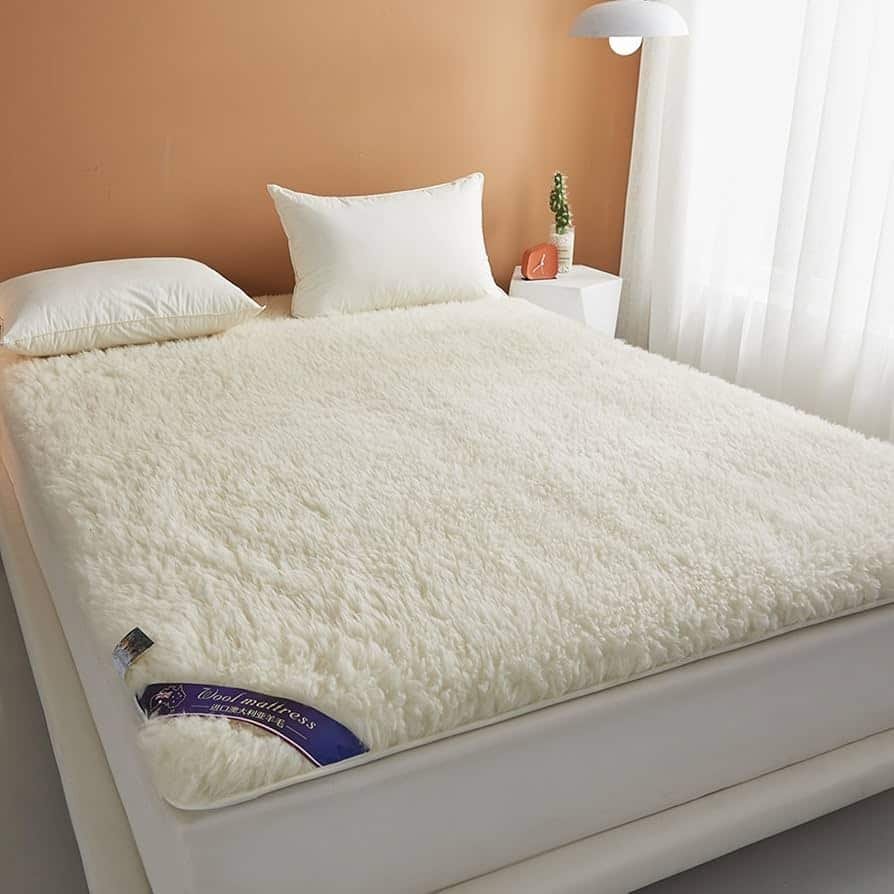
- Wool or organic blends
- Natural, temperature regulating. Often not fully waterproof unless treated.
- Quilted or padded protectors
- Add comfort. May reduce firmness needed for safe sleep.
When deciding if are crib mattress protectors safe, focus on material safety and breathability. TPU and organic cotton are common safe choices. Avoid cheap vinyl that may off-gas chemicals.

Common safety concerns and how to avoid them
Parents worry about chemicals, overheating, and loose covers. Here’s how to address each.
- Chemical off-gassing
- Look for OEKO-TEX, GOTS, or GREENGUARD certifications. These reduce risk of harmful compounds.
- Overheating
- Choose breathable materials. Avoid thick padding that traps heat.
- Loose or ill-fitting covers
- Use fitted protectors designed for crib mattress sizes. No loose straps or extras.
- Suffocation or entanglement
- Never place loose plastic sheeting or large medical-style pads in the crib. A fitted protector should be flush with the mattress.
- Allergens and mold
- Wash protectors per instructions and replace if seams fail. Waterproof protection prevents mattress mold growth.
Following these simple rules answers many worries about “are crib mattress protectors safe” in everyday use.
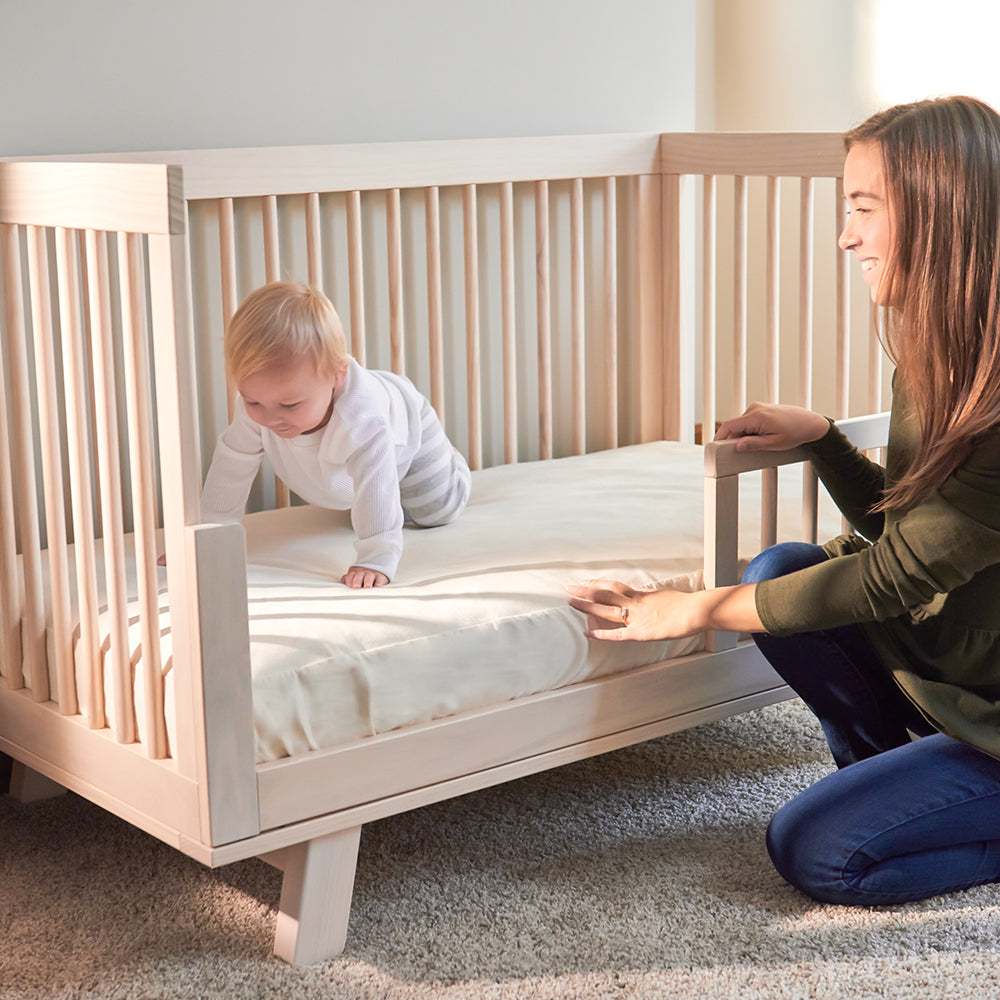
How to choose a safe crib mattress protector — checklist
Use this step-by-step checklist when shopping. Each item helps ensure are crib mattress protectors safe for your baby.
- Verify fit
- Measure mattress depth and choose a fitted protector that hugs the corners.
- Check materials
- Prefer cotton with TPU backing or certified organic materials.
- Look for certifications
- OEKO-TEX, GOTS, and GREENGUARD indicate lower chemical risk.
- Avoid vinyl/PVC
- If you see vinyl, check for phthalate-free labeling and certification.
- Test breathability
- Feel the protector; choose a lightweight, thin membrane rather than a heavy vinyl sheet.
- Confirm washability
- Machine-washable protectors allow frequent cleaning to prevent mold and allergens.
- Read reviews and trusted tests
- See real-world feedback about fit and durability.
If you follow this checklist, you’ll have a solid answer to are crib mattress protectors safe for your nursery.

Care, maintenance, and lifespan
Good care keeps protectors safe and effective. Here are simple, clear steps.
- Wash regularly
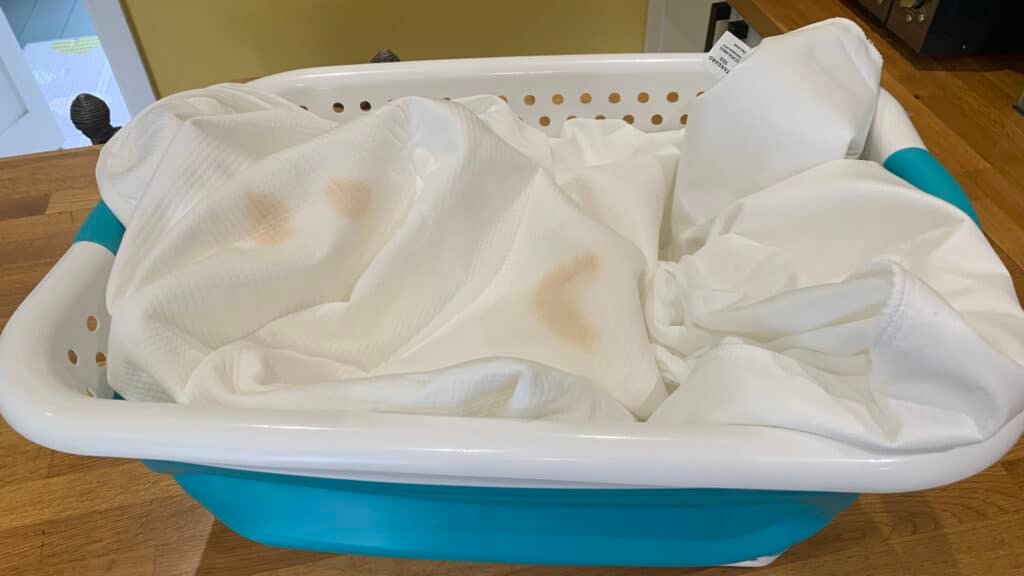
- Follow label instructions. Most are machine washable. Wash after heavy leaks.
- Dry fully
- Air dry or use low heat. High heat can damage waterproof membranes.
- Inspect seams and elastic
- Replace if seams split or elastic fails. A loose cover can be hazardous.
- Replace periodically
- Expect 2–5 years depending on wear. Heavy wear shortens life.
- Store correctly
- Keep clean, dry, and out of direct sunlight to avoid breakdown of coatings.
Maintaining a protector helps answer are crib mattress protectors safe by keeping the product functioning as designed.
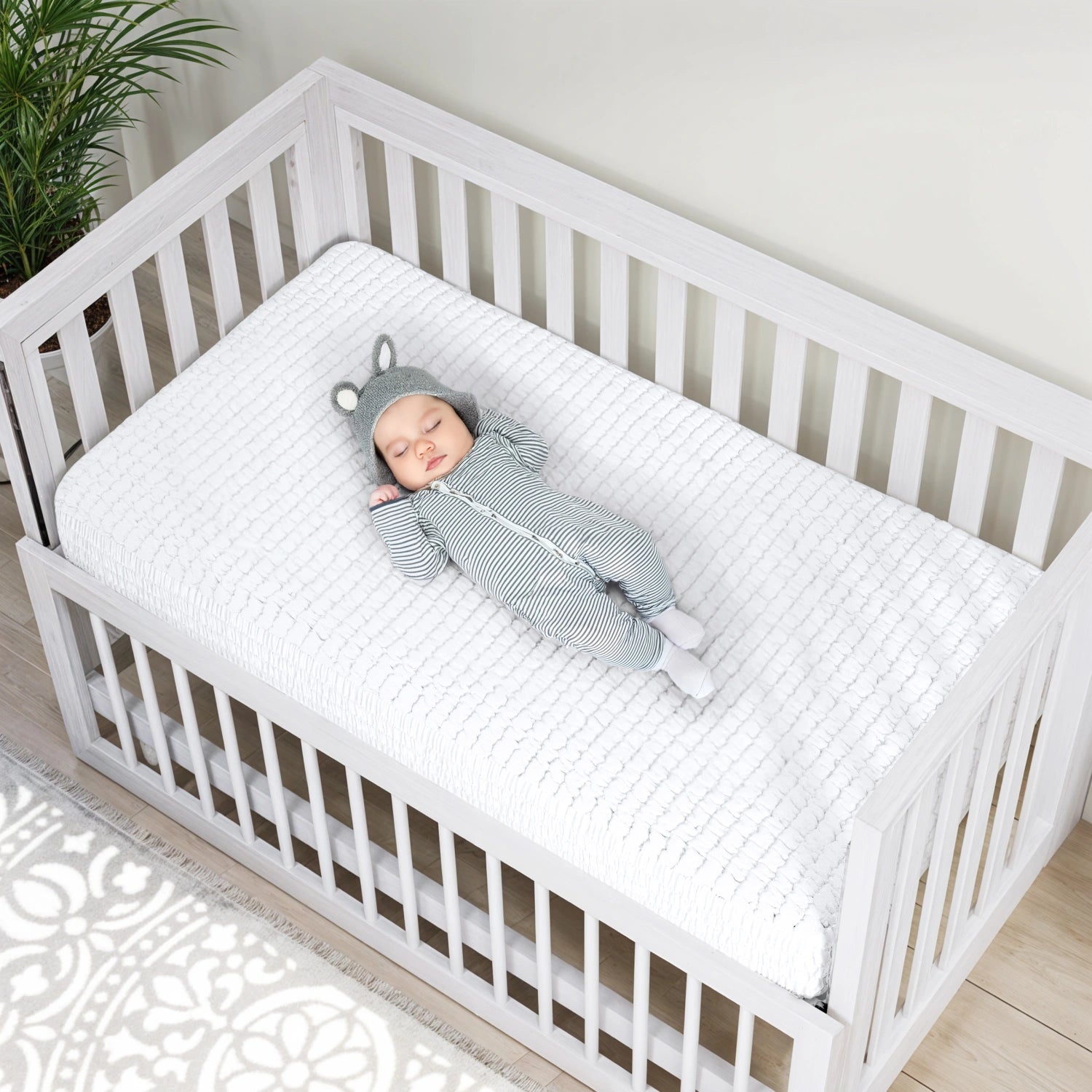
My experience testing protectors
I tested more than ten protectors over several years. I learned practical lessons the hard way. Cheap vinyl covers felt waterproof but smelled strong for days. Breathable TPU covers blocked leaks and stayed cool. Fitted protectors performed best at preventing bunching during sleep.
One time a seam failed after a year on a cheaper model. That taught me to inspect seams often. Another time a heavy padded protector made my baby sweat on warm nights. Since then I prefer thin, breathable protectors. These real-life tests shaped my view on are crib mattress protectors safe: quality and fit matter most.

Frequently Asked Questions of are crib mattress protectors safe
Are crib mattress protectors necessary?
Many parents find them useful. Protectors keep the mattress clean, prevent mold, and ease cleanup after leaks.
Can mattress protectors cause overheating?
Some heavy, padded protectors can trap heat. Choose a breathable, thin protector to reduce overheating.
Are vinyl protectors dangerous?
Older vinyl with phthalates can off-gas. Modern phthalate-free or certified products reduce that risk, but alternatives like TPU are preferred.
How tight should a protector fit?
A protector should fit snugly without gaps or loose fabric. A tight fit prevents bunching and reduces sleep hazards.
Can I use a mattress pad instead of a protector?
A mattress pad may add comfort but might not be waterproof. If spills are a concern, use a waterproof protector under the sheet.
Conclusion
A well-chosen, certified crib mattress protector is safe and useful. Focus on fit, breathable materials, and verified certifications to answer are crib mattress protectors safe for your family. Regular inspection and proper care keep the protector working well and reduce risks.
Take action today: measure your crib mattress, choose a breathable protector with trusted certifications, and inspect it monthly. If you found this guide helpful, leave a comment or subscribe for more practical baby-sleep advice.
Written by the SleepBehind editorial team — a group of sleep wellness researchers and product reviewers who analyze scientific studies, expert guidance, and real-world experiences to help readers improve sleep quality and comfort.