Waking up groggy, hitting snooze five times, and dragging through your morning is a universal frustration—especially if you’ve tried to shift your wake time before only to relapse within a week. The good news? Resetting your wake up time doesn’t require extreme hacks or willpower alone. This simple, evidence-based plan works with your body’s natural circadian rhythm to help you shift your schedule in as little as 2–4 weeks, no matter if you’re a 9-5 worker, shift employee, student, or caregiver. We’ll walk through exactly why small, incremental shifts work, step-by-step actions to take, tools to support your progress, and fixes for common setbacks.
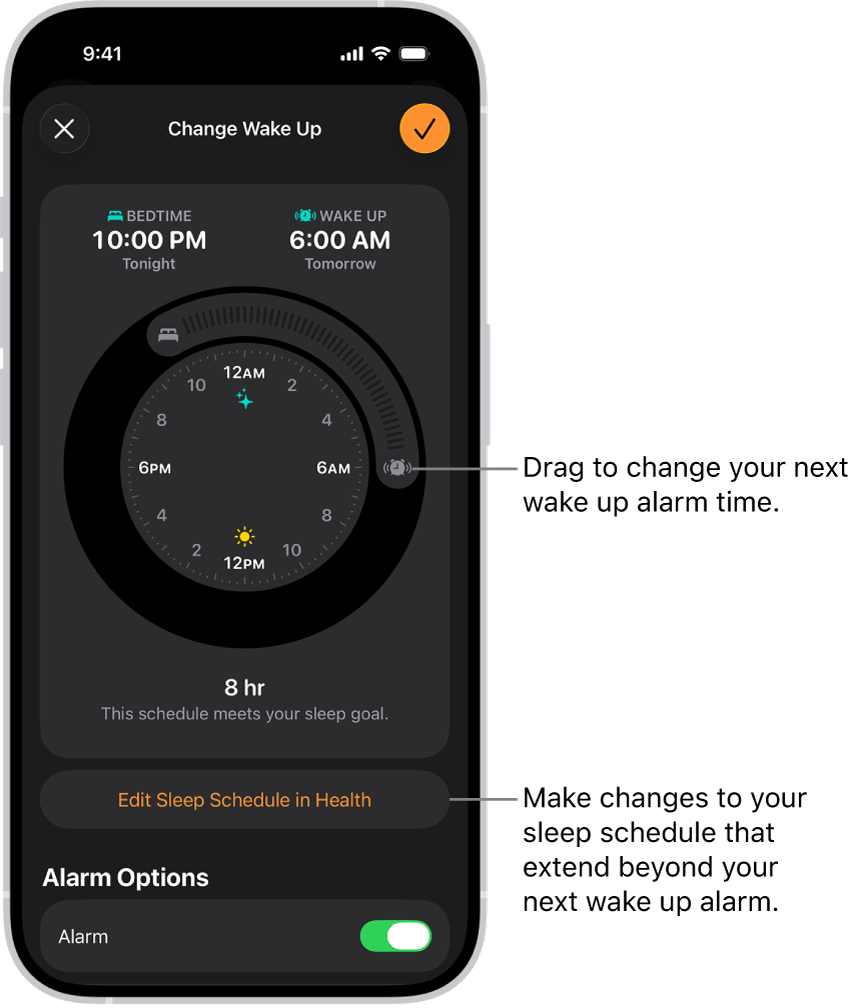 Consistent wake times are linked to improved mood, energy, and long-term metabolic health
Source: apple
Consistent wake times are linked to improved mood, energy, and long-term metabolic health
Source: apple
Why Resetting Your Wake Up Time Works
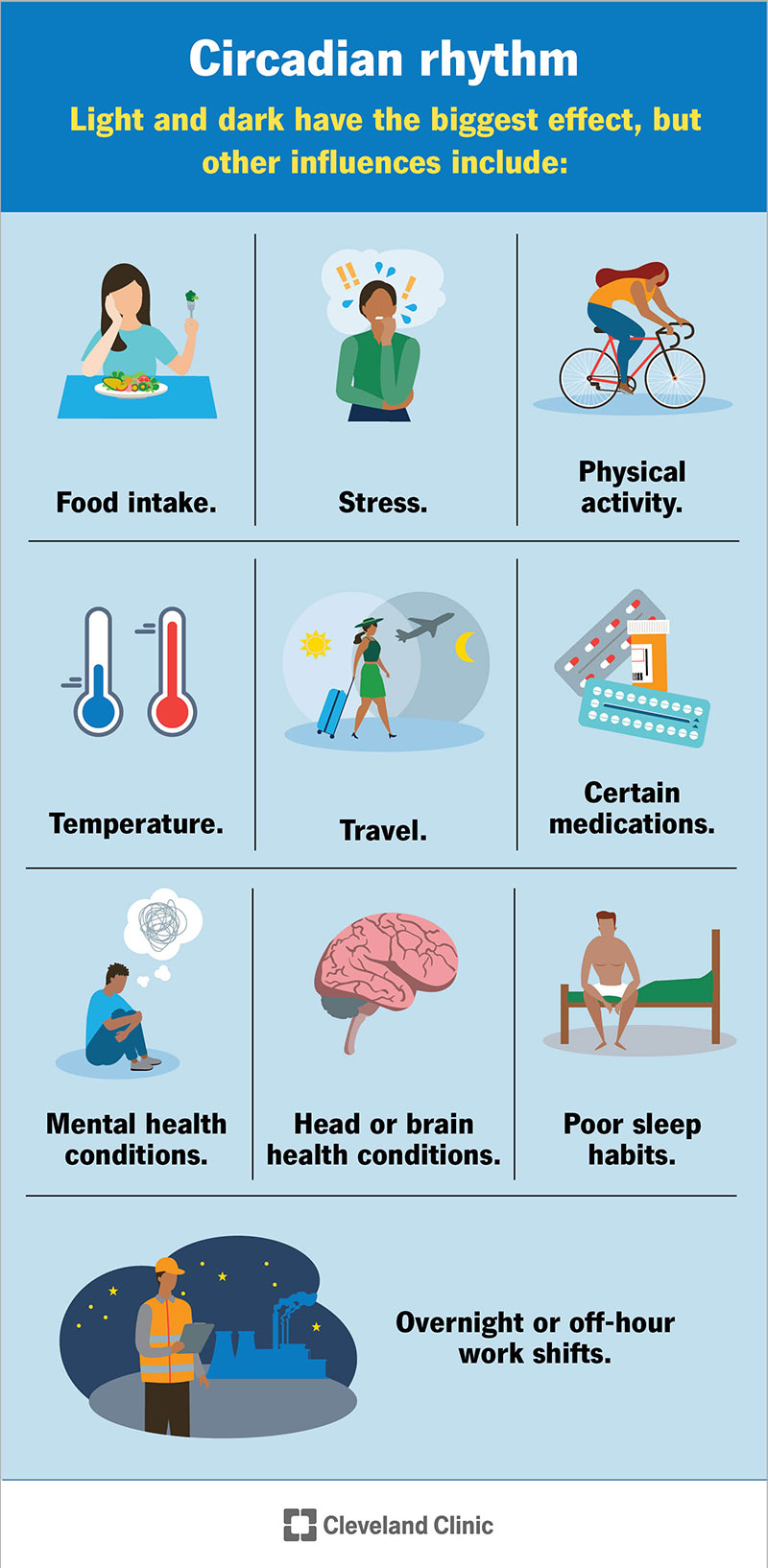
Your body’s internal 24-hour clock, regulated by key circadian drivers like light exposure and meal timing, relies on consistent wake times to stay aligned. This master clock, located in the brain’s suprachiasmatic nucleus (SCN), uses external cues called Zeitgebers (German for "time givers") to sync with your daily schedule. Even a 30-minute shift in your consistent wake time can realign your entire circadian cycle, leading to deeper, more restorative sleep, less morning grogginess (sleep inertia), and improved focus and mood throughout the day. You can also read our guide on circadian rhythm explained.
Contrary to popular belief, you don’t need to overhaul your entire routine at once to see results. Clinical guidance from sleep specialists consistently recommends gradual 15–30 minute incremental shifts, as abrupt changes often trigger sleep fragmentation and prolonged daytime sleepiness. Small, steady adjustments also avoid triggering your body’s stress response to sudden schedule changes, making it far easier to stick to your new routine long-term.
 Small, incremental shifts are the key to avoiding sleep disruption during schedule changes
Source: risescience
Small, incremental shifts are the key to avoiding sleep disruption during schedule changes
Source: risescience
Step-by-Step Simple Plan To Reset Your Wake Up Time
This plan is designed to minimize disruption and maximize long-term adherence. Follow each step in order, and adjust the pace to fit your schedule and sleep needs.
Step 1: Define Your Target Wake Time And Timeline
First, pick a wake time that aligns with your real life and gives you enough total sleep to feel rested. Per the CDC’s recommended sleep duration for adults, most adults aged 18–64 need at least 7 hours of sleep per night, while adults 65 and older need 7–8 hours. Calculate your target bedtime by subtracting your needed sleep duration from your desired wake time.
Next, calculate the total shift you need: if you currently wake at 9 AM and want to wake at 7 AM, that’s a 2-hour shift. At 15–30 minutes per 1–3 nights, this will take 4–12 nights, or 1–3 weeks total. Avoid picking a target that requires you to cut into your minimum required sleep, as sleep deprivation will make it impossible to stick to your new schedule long-term. For shift workers, pick a wake time that’s consistent even on your days off to avoid social jetlag.
Step 2: Shift Your Schedule Incrementally
Move your bedtime earlier or later by the same small increment as your wake time shift. If you’re moving your wake time 30 minutes earlier, go to bed 30 minutes earlier too. Don’t force yourself to go to sleep if you’re not drowsy: if you can’t fall asleep after 20 minutes, get out of bed and do a quiet, low-stimulation activity (like folding laundry or reading a physical book) until you feel sleepy, then return to bed.
Keep your wake time consistent even on weekends—sleeping in 2+ hours on Saturday will undo a full week of progress in just one day. If you want to sleep in a little, set an alarm for no more than 30 minutes past your usual wake time. For people shifting to a later wake time for night shifts, move your bedtime later by the same increment, and use blackout curtains to keep your bedroom dark during the day. This approach works for correcting schedule drift caused by travel, late nights, or irregular work hours.
Step 3: Anchor Your Wake Time With Light Cues
Light is the strongest regulator of your circadian rhythm, per guidance from the National Sleep Foundation, and consistent light exposure is the single most effective way to accelerate your adjustment. Within 30 minutes of your new wake time, get 10–15 minutes of direct sunlight: stand on your porch, sit by a sunny window, or take a short walk around the block. If you live in a northern latitude with limited winter sun, use a 10,000 lux dawn simulator lamp placed 1–2 feet from your bed, set to turn on 30 minutes before your wake time to mimic a natural sunrise.
In the evening, dim overhead lights 1–2 hours before bed, avoid blue light from phones, laptops, and TVs (use night shift mode or blue light blocking glasses if you have to use screens), and keep your bedroom completely dark for sleep. Avoid wearing blue light blocking glasses in the morning, as you need bright light to signal your body to stop producing melatonin and start the day.
Step 4: Build A Consistent Morning Routine
Your morning routine reinforces your new wake time by creating a predictable set of cues that tell your body it’s time to be alert. Aim for a 20–30 minute routine you do the exact same way every day, even weekends. Examples include: 5 minutes of light stretching, making a protein-rich breakfast (like Greek yogurt or eggs) within 30 minutes of waking, 10 minutes of journaling or planning your day, or a short walk outside.
Avoid checking your phone or email first thing if possible, as the blue light and stress of notifications can disrupt your morning rhythm and increase sleep inertia. A consistent routine can drastically reduce the groggy, disoriented feeling you get when you first wake up, making it easier to stick to your new schedule long-term. For more tips on reducing morning grogginess, check out our in-depth guide.
Step 5: Build A Calming Pre-Sleep Routine
Your evening routine signals to your body that sleep is coming, making it far easier to fall asleep at your target bedtime. Start your wind-down 1 hour before bed: turn off all screens, and do a quiet, low-stimulation activity like reading a physical book, taking a warm shower, or doing gentle stretching. Avoid heavy meals, caffeine, and alcohol 3–4 hours before bed, as these disrupt deep sleep and reduce sleep quality.
Keep your bedroom cool (60–67°F / 15–19°C, per CDC guidance) and dark. If you struggle to quiet your mind before bed, try the 4-7-8 breathing technique: inhale through your nose for 4 seconds, hold for 7 seconds, exhale slowly through your mouth for 8 seconds. Repeat 4–5 times to activate your parasympathetic nervous system and reduce stress. For more ideas for effective calming pre-sleep habits, see our full guide.
Step 6: Track Progress And Adjust As Needed
Keep a simple sleep log for the first 2–3 weeks of your reset, noting your wake time, bedtime, how many times you woke up during the night, and how energetic you felt during the day. You can use a paper notebook or a free sleep tracking app. If you’re consistently struggling to fall asleep at your target bedtime, shift your bedtime 15 minutes later for a few nights before pushing it earlier again.
If you’re still waking up groggy after 2 weeks of consistency, check if you’re getting enough total sleep: if you’re waking at 6 AM but only going to bed at 11 PM, that’s only 7 hours of sleep, which may not be enough for you. Adjust your bedtime earlier to hit your target sleep duration. Don’t punish yourself for a bad night: one off day won’t derail your progress, just get back to your routine the next day.
Practical Tools To Make The Reset Stick
You don’t need to buy expensive gadgets to reset your wake time, but a few simple tools can make the process easier and more sustainable:
- Dawn simulator alarm: These alarms gradually increase light in your room over 30 minutes before your wake time, mimicking a natural sunrise. They’re far gentler than loud, jarring alarms, and reduce sleep inertia, especially for people who struggle with dark winter mornings.
- Blue light blocking glasses: Wear these 1–2 hours before bed if you have to use screens, as they filter out the blue light that suppresses melatonin production and delays sleep onset.
- Basic sleep tracker: A low-cost fitness tracker or free phone app can track your sleep stages and wake time trends, so you can see progress over time and identify patterns that may be disrupting your sleep.
- Blackout curtains: Essential for keeping your bedroom dark, especially if you’re shifting to an earlier wake time and need to go to bed when it’s still light outside, or if you’re a shift worker sleeping during the day.
- White noise machine: If you’re sensitive to noise, a white noise machine can help you stay asleep through small disruptions, so you wake up feeling more rested.
Start with the free tools first (consistent light exposure and a regular routine) before investing in gadgets—most people find they don’t need extra tools to see results.
 Most reset challenges can be solved with small adjustments to your routine
Source: thesleepreset
Most reset challenges can be solved with small adjustments to your routine
Source: thesleepreset
Troubleshooting Common Reset Setbacks
Even with a solid plan, you may run into occasional setbacks. Here’s how to fix the most common issues:
- You can’t fall asleep at your target bedtime: This is almost always a sign you shifted your wake time too fast. Move your bedtime 15 minutes later for 2–3 nights, and double down on your evening wind-down routine. If you still can’t fall asleep after 20 minutes, get out of bed and do a quiet activity until you feel drowsy—don’t lie in bed stressing about not sleeping, as this will make it harder to drift off.
- You wake up groggy even after 2 weeks: First, check your total sleep time. If you’re only getting 6 hours of sleep, you need to move your bedtime earlier, not just your wake time. Make sure you’re getting bright light within 30 minutes of waking, as this signals your body to stop producing melatonin and reduces sleep inertia.
- You relapse on weekends: This is the most common setback. Keep your wake time within 30–60 minutes of your weekday time on weekends. If you do sleep in too late, shift your bedtime 30 minutes earlier that night to compensate, and get your usual morning light exposure to reset your rhythm.
- You have a non-traditional schedule (shift work, irregular hours): Pick a consistent wake time that aligns with your shift, even on your days off. Use bright light when you wake up to signal alertness, and blackout curtains to keep your sleep environment dark during the day. If you have rotating shifts, work with a board-certified sleep specialist to create a tailored plan that minimizes circadian disruption. If you regularly sleep with wet hair and struggle with morning damage while adjusting your schedule, check out our guide to minimizing hair damage from overnight moisture for easy, low-effort fixes.
 Morning sunlight exposure is the most powerful cue for shifting your circadian rhythm earlier
Source: sleepcycle
Morning sunlight exposure is the most powerful cue for shifting your circadian rhythm earlier
Source: sleepcycle
My Experience Resetting My Wake Up Time
I once needed to shift my wake time 90 minutes earlier to start a new job with a 7 AM start time. I made the common mistake of trying to jump straight to the new wake time the first night, and ended up lying awake until 2 AM, then hitting snooze until 10 AM the next day, feeling foggy and unmotivated. I switched to a 20-minute incremental shift every 2 nights, added 10 minutes of morning sunlight exposure right after waking, and built a consistent 25-minute morning routine of stretching and making coffee.
It took 3 weeks to feel fully adjusted, and I never experienced the grogginess I had with the big jump. The biggest lesson I learned: slow, consistent changes are always more sustainable than fast, extreme ones. If you’re struggling during your reset, remember that it’s normal to have off days—just get back to your routine the next day, and you’ll see progress.
 An optimal sleep environment supports easier, more restful sleep during your reset
Source: everydayhealth
An optimal sleep environment supports easier, more restful sleep during your reset
Source: everydayhealth
Frequently Asked Questions
How long does it take to reset my wake up time?
Most adults need 2–4 weeks to shift their wake time by 1–2 hours, depending on the size of the shift and how consistent they are with their routine. Shifts of 30 minutes or less may only take 3–7 days. The key is to go slow—rushing the process leads to sleep disruption and makes it harder to stick to long-term.
Can I reset my wake up time quickly in two days?
Abrupt shifts of 1–2 hours or more in 1–2 days are possible, but they often cause severe sleep fragmentation, daytime sleepiness, and irritability, and most people relapse within a week. Gradual shifts are far more sustainable and have no negative side effects for most people.
What if I have to work nights or shifts?
Shift workers can absolutely reset their wake time to match their schedule. Pick a consistent wake time that aligns with your shift, even on your days off. Use bright light when you wake up to signal alertness, and blackout curtains to keep your sleep environment dark during the day. If you have rotating shifts, work with a sleep specialist to create a plan that minimizes disruption to your circadian rhythm.
Do naps ruin attempts to reset wake time?
Short, well-timed naps (under 20 minutes, before 2 PM) can actually help, especially if you’re struggling with daytime sleepiness during the adjustment period. Long naps (over 30 minutes) or naps after 3 PM can reduce your sleep drive at night, making it harder to fall asleep at your target bedtime.
Will melatonin help me reset my wake up time?
Low-dose melatonin (0.5–1mg) taken 1–2 hours before your target bedtime can help shift your circadian rhythm earlier, especially if you’re struggling to fall asleep. It’s not a replacement for light cues and consistent routines, though. Always consult a healthcare provider before starting melatonin, especially if you take other medications, are pregnant, or have a chronic health condition.
What if I relapse on weekends?
Weekend relapse is extremely common. To avoid undoing your progress, keep your wake time within 30–60 minutes of your weekday time. If you do sleep in too late, shift your bedtime 30 minutes earlier that night to compensate, and get your usual morning light exposure to reset your rhythm.
Do I need to change my bedtime too, or just my wake time?
You should shift your bedtime by the same amount as your wake time to ensure you’re getting enough total sleep. If you move your wake time 30 minutes earlier but don’t go to bed earlier, you’ll end up sleep-deprived, which will make it harder to stick to your new schedule long-term.
What’s the biggest mistake people make when resetting their wake up time?
The most common mistake is trying to shift too fast. A 2-hour jump in one night leads to sleep deprivation, grogginess, and a higher chance of giving up. Small, incremental shifts are far more effective for long-term success.
Can I reset my wake up time without an alarm?
It’s possible, but only if you’re very consistent with your light exposure and routine, and you’re getting enough total sleep. Most people find an alarm helpful during the adjustment period to reinforce the new wake time. Once your circadian rhythm is fully adjusted (after 3–4 weeks of consistency), you may be able to wake up naturally without an alarm.
Conclusion
Resetting your wake up time isn’t about willpower or extreme hacks—it’s about working with your body’s natural circadian rhythm to build a sustainable, consistent routine. The 15–30 minute incremental shift method is backed by sleep medicine guidance, and works for everyone from 9-5 workers to shift employees and students. Remember that consistency matters more than perfection: one off day won’t derail your progress, as long as you get back to your routine the next day.
If you’re working through other sleep-related challenges, we’ve got practical guides to everything from protecting your hair while you sleep to keeping your bedding clean for better rest to make your sleep routine as comfortable as possible. Have you tried resetting your wake time before? Drop a comment below with your tips or questions, and subscribe to our newsletter for more evidence-based sleep advice delivered straight to your inbox.

Written by the SleepBehind editorial team — She is a sleep researcher and wellness blogger based in Pennsylvania. Passionate about helping people optimize their sleep.