How To Sleep Without Neck Pain: Simple Sleep Tips
Waking up with a stiff, aching neck that lasts all day is a common frustration that can ruin your morning and limit your mobility. The good news is you don’t need expensive gear or drastic changes to fix it: most sleep-related neck pain comes down to small, adjustable factors like pillow height, sleep position, and pre-bed habits. In this guide, we’ll walk through simple, evidence-backed tips to align your cervical spine, reduce muscle tension, and wake up pain-free, all tested by sleep experts and people who have eliminated chronic morning neck stiffness. These adjustments take minutes to implement and most people feel relief within a few days.
Why Neck Pain Happens During Sleep
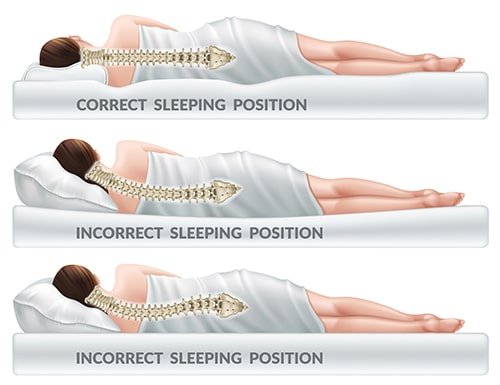
Your cervical spine (the 7 vertebrae in your neck) has a natural inward curve (called lordosis) that supports your head’s 10-12 pound weight. When you sleep, unsupported or misaligned posture flattens this curve, forcing neck muscles, ligaments, and facet joints to work overtime to hold your head in place. Held in a strained position for 7-9 hours overnight, these tissues develop tension, inflammation, and stiffness by morning.
Per guidance from the American Academy of Orthopaedic Surgeons, poor cervical alignment during sleep is one of the most common causes of non-traumatic neck pain. The most frequent triggers include:
- A pillow that’s too high (tilts the head forward, straining the upper neck) or too low (lets the head drop, flattening the cervical curve)
- A sagging mattress that lets your shoulders sink unevenly, twisting the spine
- Sleeping positions that twist the neck (especially stomach sleeping)
- Daytime habits like craning at phones or hunching over a desk, which pre-tighten neck muscles before you even get into bed
- Stress, which increases overall muscle tension and makes you more likely to hold tension in your neck while sleeping
 This common misalignment of the cervical spine during sleep is the top cause of morning neck stiffness
Source: youtube
This common misalignment of the cervical spine during sleep is the top cause of morning neck stiffness
Source: youtube
Best Sleep Positions to Reduce Neck Strain
Sleep position has a far bigger impact on neck pain than most people realize. The goal for all positions is to keep your ears aligned over your shoulders, with your chin neither tucked to your chest nor tilted upward. Here’s how to adjust each position for optimal support:
Back Sleeping
Back sleeping is the most spine-friendly position for neck pain, as it keeps the head, neck, and spine in a straight, neutral line. To set it up correctly:
- Use a low to medium loft pillow (3-5 inches) under your head to support the natural cervical curve
- Add a 1-2 inch diameter rolled towel under your neck for extra support if you have a deeper cervical curve
- Avoid stacking multiple pillows, which will tilt your head forward and strain your upper neck
- Keep your arms at your sides or resting on your stomach to avoid hunching your shoulders
Side Sleeping
Side sleeping is the most common position, and works well for neck pain if set up correctly:
- Use a medium to high loft pillow (5-7 inches for most adults) that fills the exact gap between your shoulder and ear, so your head stays level with your spine
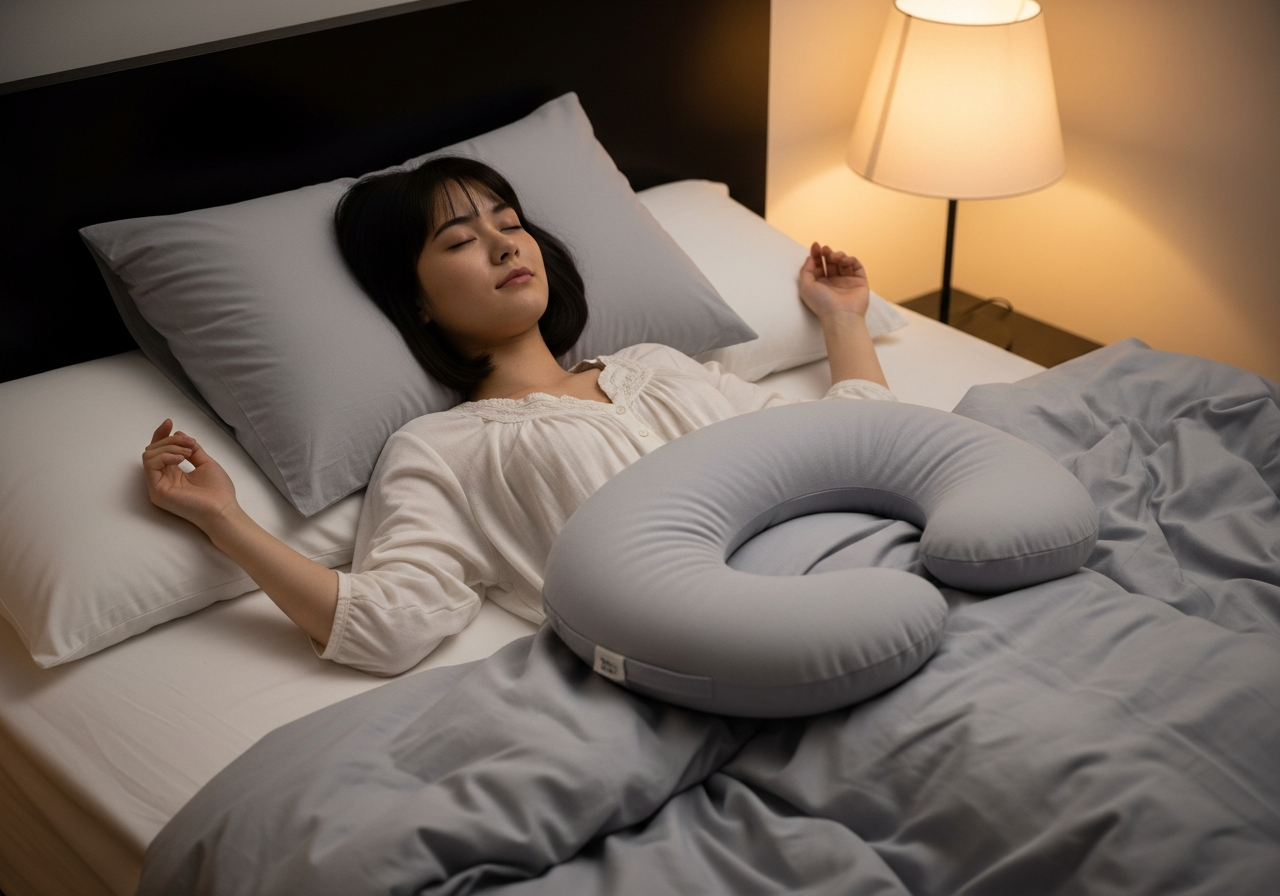
- Keep your knees slightly bent with a small pillow between your knees to keep your hips aligned and prevent your top shoulder from rolling forward
- Avoid tucking your chin to your chest, which compresses the cervical vertebrae
Stomach Sleeping
Stomach sleeping is the worst position for neck pain, as it requires you to turn your head 90 degrees to one side to breathe, straining cervical joints and muscles for hours. If you cannot switch positions entirely:
- Use the thinnest possible pillow (2-3 inches) or no pillow at all to reduce neck extension
- Try to gradually train yourself to sleep on your side by placing a body pillow behind you to prevent rolling onto your stomach
- Avoid turning your head sharply to one side; if you must sleep on your stomach, try to keep your head as centered as possible
In practice, most people see the fastest relief when switching from stomach to side sleeping, as the change eliminates the constant 90-degree neck twist. Small, consistent adjustments to your position will reduce ache within 3-7 nights.
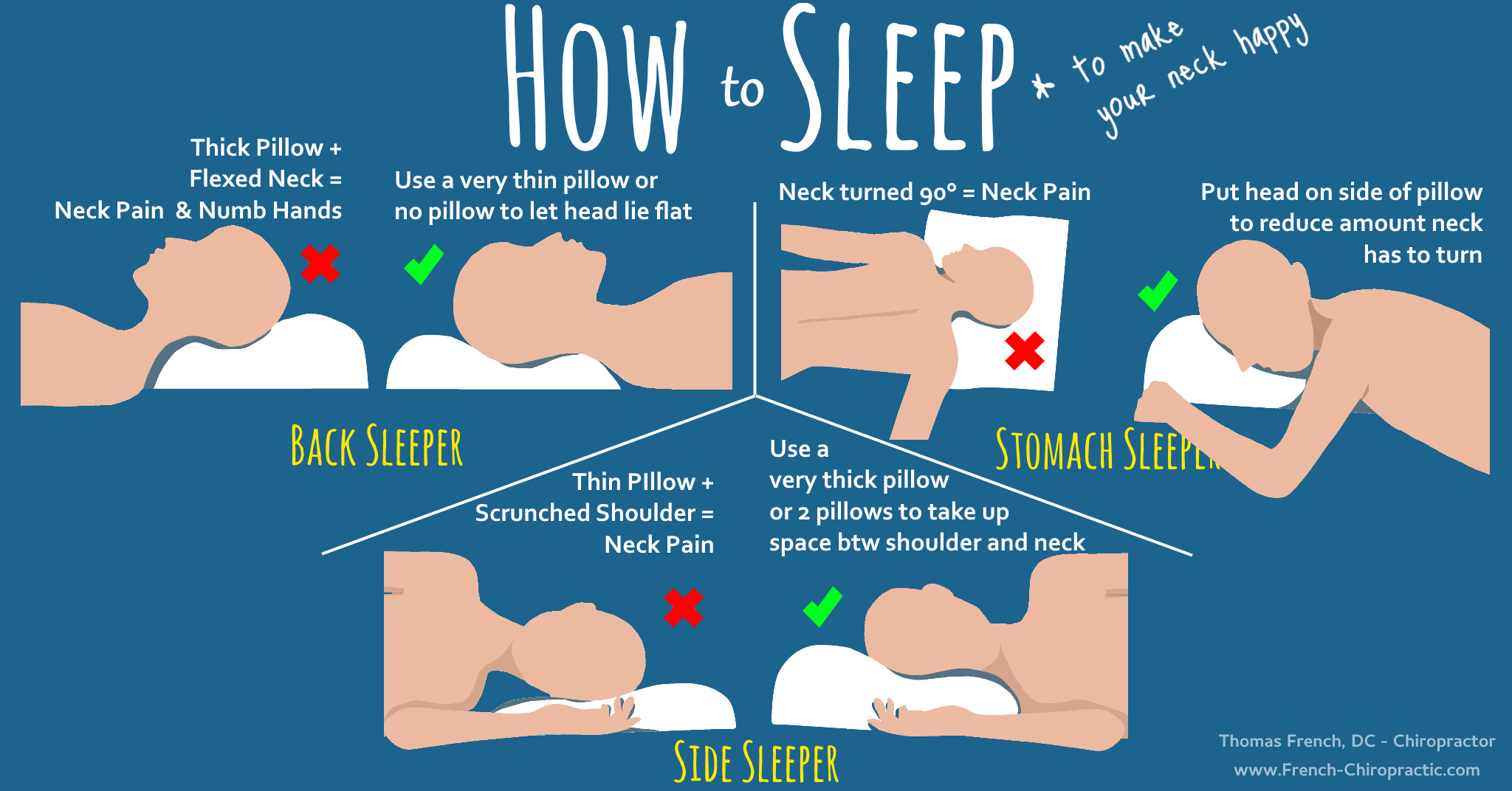
 Back and side sleeping with proper pillow support keep the cervical spine in a neutral, stress-free position
Source: joionline
Back and side sleeping with proper pillow support keep the cervical spine in a neutral, stress-free position
Source: joionline
How to Choose the Right Pillow and Mattress for Neck Support
Your pillow is the single most important piece of equipment for preventing sleep-related neck pain, as it directly controls cervical alignment. Mattress firmness plays a supporting role by keeping your entire spine aligned. Here’s how to pick the right options for your sleep style:
Pillow Selection
Match your pillow to your primary sleep position for the best results:
- Back sleepers: Choose a low to medium loft (3-5 inches) contoured pillow made of memory foam or latex, which supports the natural cervical curve without pushing your head forward. Down and feather pillows are soft but often flatten overnight, providing inconsistent support.
- Side sleepers: Opt for a medium to high loft (5-7 inches) firmer pillow (shredded memory foam, latex, or adjustable fill) that fills the gap between your shoulder and ear. The pillow should keep your head perfectly level with your spine, not tilted up or down.
- Stomach sleepers: Use an extra low loft (2-3 inches) soft pillow or no pillow at all to avoid straining the neck into an extended position.
Adjustable fill pillows are a great investment for most people, as you can add or remove fill to fine-tune the height to match your exact body measurements. If you use a foam or bamboo pillow, regular cleaning maintains its support structure; proper care for bamboo pillows extends their lifespan significantly.
Mattress Selection
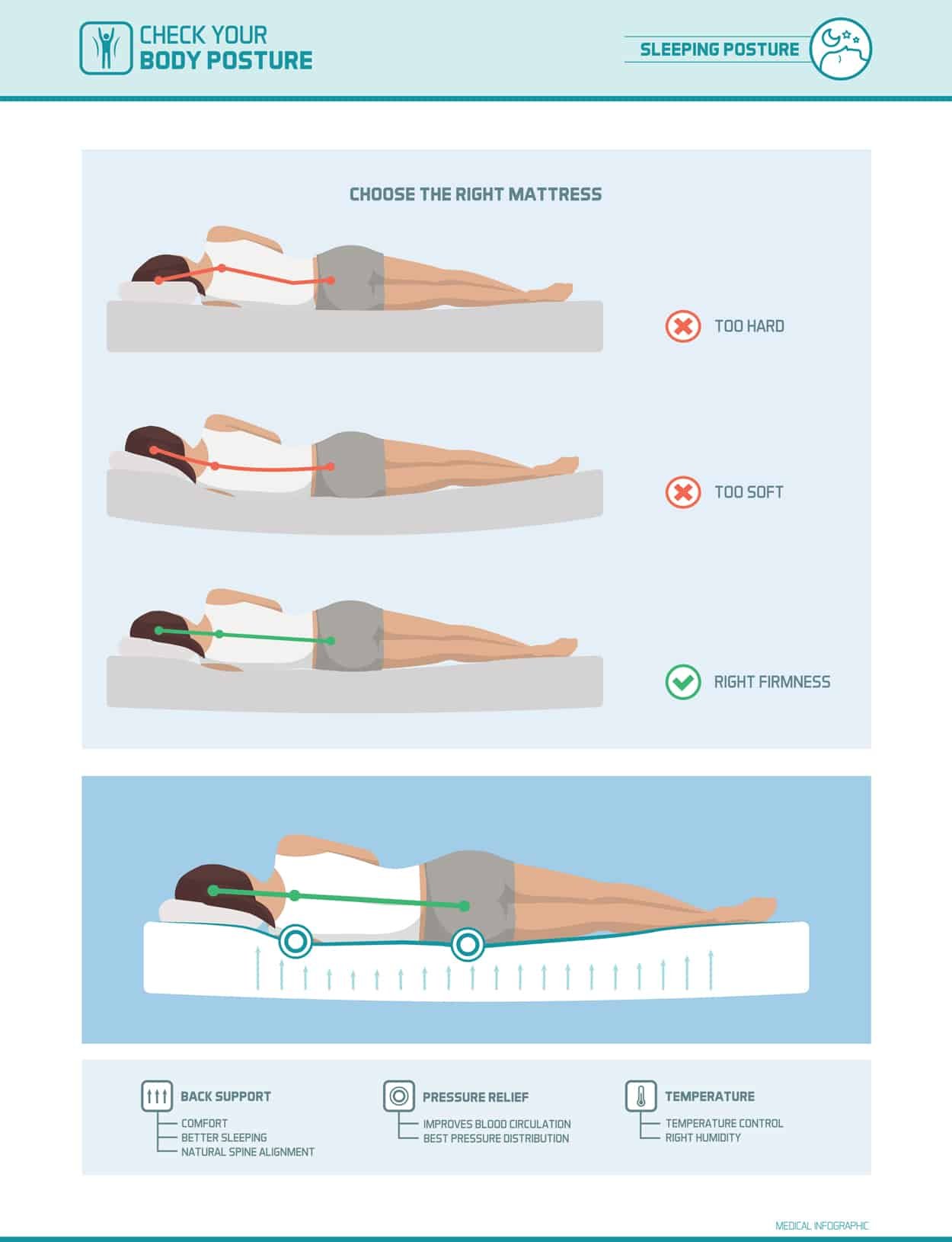
A medium-firm mattress (6-7 on a 10-point firmness scale) is ideal for most people with neck pain:
- Too soft (below 5 on the scale) lets your shoulders and hips sink, tilting the cervical spine out of alignment
- Too firm (above 8 on the scale) creates pressure points that make you toss and turn, straining neck muscles from repeated movement
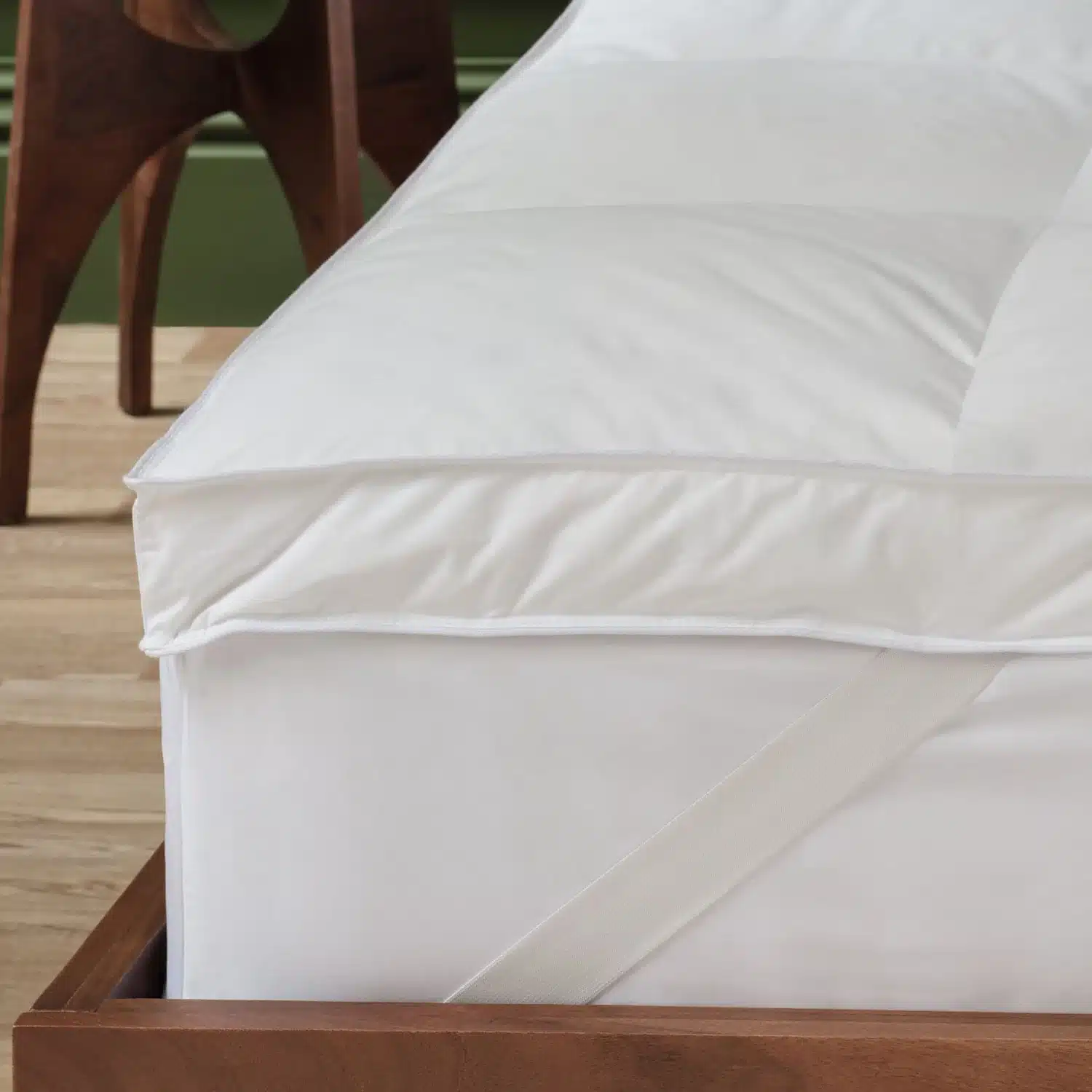
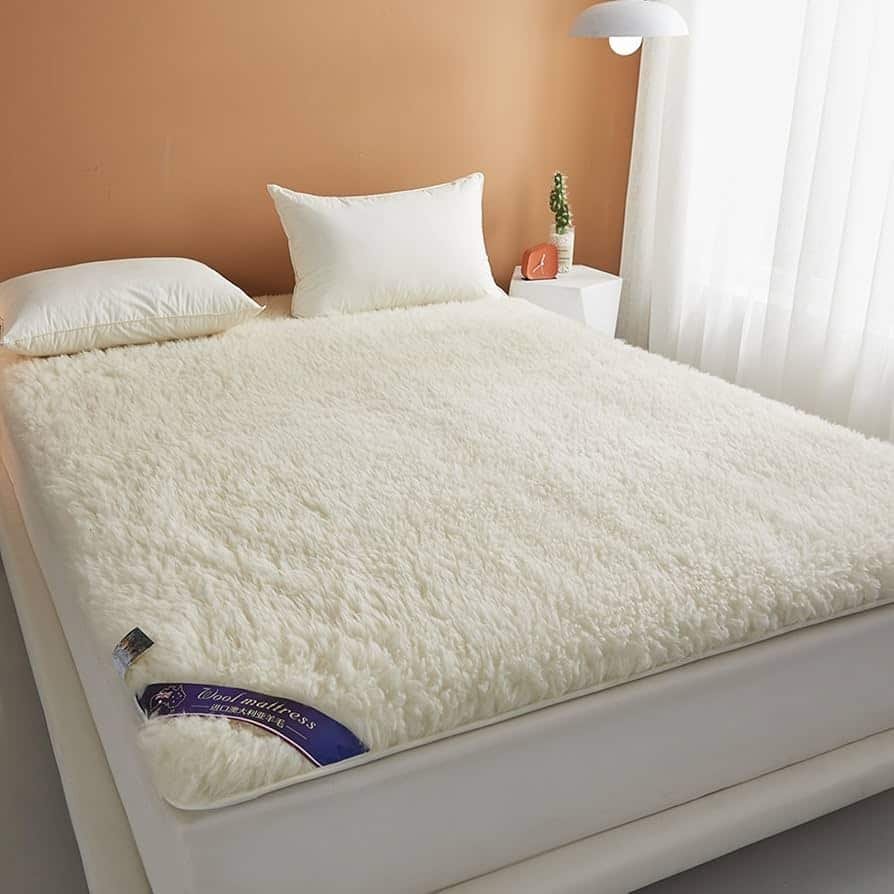
If you share a bed with a partner who prefers a different firmness level, a high-quality topper can adjust the feel without replacing the entire mattress. A high-quality feather topper can add plush support to a too-firm mattress; reviving a worn feather topper restores its loft for consistent alignment. If your topper develops clumps or splits, addressing a damaged feather topper quickly prevents uneven support that strains the neck. Most mattress toppers need replacing every 3-5 years to maintain consistent support.
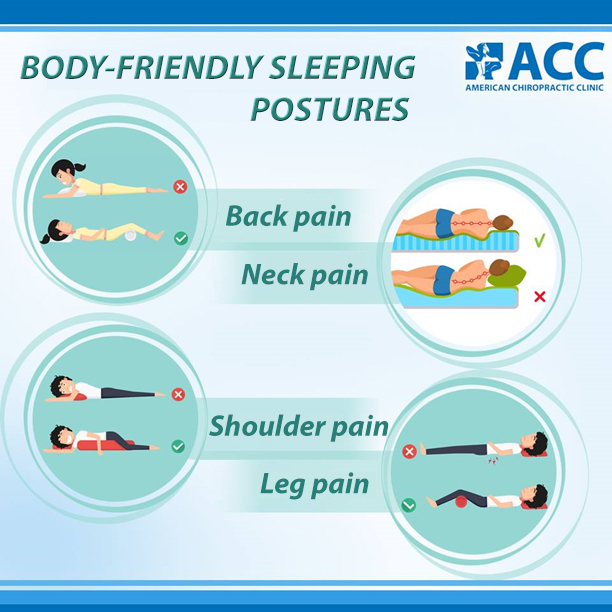 Pillow loft should match your sleep position to keep the head aligned with the spine
Source: acc
Pillow loft should match your sleep position to keep the head aligned with the spine
Source: acc
Pre-Sleep Routines and Bed Setup Tweaks
Small daily habits and bed setup adjustments can dramatically reduce neck tension, often cutting pain in half within a week. Prioritize these simple changes:
Alignment Checks
Before you lie down, confirm your pillow is centered under your head and neck, not just under the back of your head. For side sleepers, the top of your ear should line up directly over your shoulder, with your chin parallel to the mattress. For back sleepers, your chin should point straight up, not tuck toward your chest.
Pre-Bed Habits
- Spend 5-10 minutes doing gentle neck stretches (see the section below) to release built-up tension from the day
- Avoid scrolling on phones or laptops in bed, as craning your neck forward for 20+ minutes pre-sleep tightens upper neck muscles
- Use a warm compress or heating pad on your neck for 5-10 minutes before bed to relax tight muscles (never fall asleep with an electric heating pad turned on)
- Keep your bedroom cool (60-67°F / 15-19°C), as heat increases muscle tension and makes it harder to relax
Bedding Maintenance
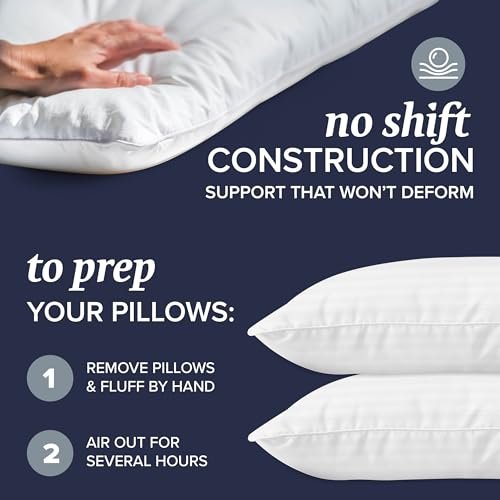
- Replace your pillow every 1-2 years, or as soon as it no longer bounces back after being folded in half
- Fluff and rotate your pillow weekly to prevent uneven sag
- Clean your mattress protector every 1-3 months to prevent allergen buildup that can cause nighttime congestion and neck tension from mouth breathing. Regularly cleaning your mattress protector prevents allergen buildup that can cause nighttime neck tension from congestion; proper Hush protector care keeps your sleep surface hygienic.
- If you buy a new foam or bamboo topper, let it expand fully for 24-48 hours before putting it on your bed. letting a new topper rest ensures even support from the first night.
 Proper bed setup including a knee pillow keeps the entire spine aligned, not just the neck
Source: youtube
Proper bed setup including a knee pillow keeps the entire spine aligned, not just the neck
Source: youtube
Gentle Pre-Sleep Stretches to Release Neck Tension
5-10 minutes of slow, gentle stretching before bed can release built-up muscle tension and reduce morning stiffness. Focus on slow, controlled movements, and stop if you feel sharp pain (a mild pulling sensation is normal). Here are the most effective stretches:
Neck Lateral Flexion (Ear to Shoulder) Sit or lie flat with your back straight. Slowly drop your right ear to your right shoulder, keeping your left shoulder relaxed (don’t lift it toward your ear). Let gravity pull your head gently; don’t use your hand to pull it. Hold for 20-30 seconds, then repeat 2 times per side.
Chin Tucks Sit or lie with your back straight, eyes looking forward. Gently pull your chin straight back like you’re making a double chin, keeping your head level. Hold for 5 seconds, then release. Repeat 10-12 times. This strengthens the deep neck flexor muscles that support your cervical spine, reducing strain over time. A common mistake is tucking your chin down to your chest, which strains the upper neck instead of targeting the deep supporting muscles.
Upper Trapezius Stretch Sit up straight and place your right hand under your right thigh to anchor your shoulder down. Use your left hand to gently pull your head to the left, keeping your chin slightly tucked. Hold for 20 seconds per side. Avoid shrugging your shoulder up, which reduces the stretch’s effectiveness.
Thread the Needle Start on your hands and knees in a tabletop position. Slide your right arm under your left arm, lowering your right shoulder and ear to the mat. Hold for 20-30 seconds per side. This releases tension in the upper back and shoulders, which often contributes to neck pain from poor daytime posture.
For best results, do these stretches 1-2 times per day, with the evening session right before bed. If you have a history of neck injury, consult a physical therapist before starting a new stretch routine.
 Gentle, slow stretches done right before bed release built-up muscle tension from the day
Source: ntec-eg
Gentle, slow stretches done right before bed release built-up muscle tension from the day
Source: ntec-eg
Common Mistakes to Avoid When Fixing Sleep Neck Pain
Many people make small, avoidable errors that slow down relief or even make neck pain worse. Skip these common pitfalls:
- Switching positions too abruptly: If you’re a lifelong stomach sleeper, don’t force yourself to back sleep overnight. Gradually transition by sleeping on your side first, then slowly adjust to back sleeping over 1-2 weeks to avoid discomfort and disrupted sleep.
- Buying an expensive pillow first: Test a few affordable options, or use a rolled hand towel to test the ideal pillow height for your sleep position before investing in a high-end ergonomic pillow.
- Ignoring daytime posture: No pillow will fix neck pain caused by 8+ hours of hunching over a computer or craning at your phone. Take a 1-minute stretch break every 30 minutes, keep your monitor at eye level, and avoid holding your phone between your ear and shoulder.
- Using a heating pad all night: Heat relaxes tight muscles, but falling asleep with an electric heating pad on can cause burns and dry out skin. Use it for 10-15 minutes before bed instead.
- Giving up on changes too quickly: It takes 7-10 nights to adjust to a new pillow or sleep position, so mild discomfort in the first few nights is normal. Stick with changes for at least a week before deciding if they work.
- Relying on painkillers long-term: Over-the-counter pain relievers can help with short-term flare-ups, but they mask symptoms rather than fixing the root cause. Avoid using them for more than 7-10 days without consulting a doctor.
If you sleep with wet hair regularly, tight hair ties or bonnets that pull on your scalp can contribute to neck tension; secure hairstyles for wet hair reduce unnecessary strain on neck muscles.
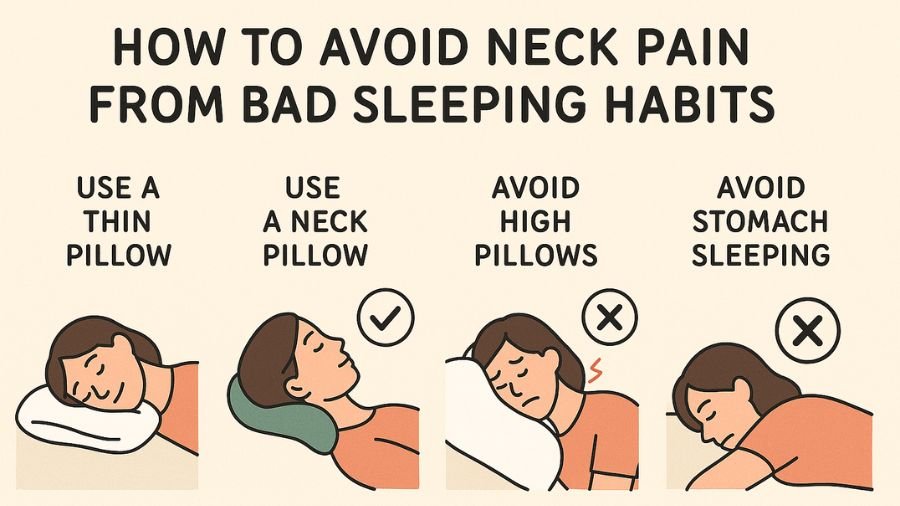
 Common sleep mistakes like using the wrong pillow height or sleeping on your stomach strain neck muscles
Source: youtube
Common sleep mistakes like using the wrong pillow height or sleeping on your stomach strain neck muscles
Source: youtube
When to See a Healthcare Provider
Most occasional neck pain from sleep resolves within 1-2 weeks of adjusting your pillow, position, and routine. However, you should see a doctor or specialist if:
- Pain lasts longer than 2 weeks despite making consistent changes to your sleep setup
- You experience numbness, tingling, or weakness in your arms or hands (a sign of compressed nerves in the cervical spine)
- Pain is accompanied by fever, persistent headache, nausea, or unexplained weight loss (these can indicate underlying infections or other medical conditions)
- You have a history of neck injury (such as a herniated disc or whiplash) and pain is worsening or spreading
A physical therapist can create a personalized exercise plan to strengthen neck muscles and improve posture, reducing the risk of future pain. An orthopedic specialist or chiropractor can address structural issues like joint dysfunction or disc problems that may be contributing to your symptoms. For short-term flare-ups, over-the-counter pain relievers like ibuprofen or acetaminophen are safe for use up to 7-10 days, but avoid using them long-term without medical guidance.
 A physical therapist can provide personalized exercises to address underlying neck muscle weakness
Source: newhopephysio
A physical therapist can provide personalized exercises to address underlying neck muscle weakness
Source: newhopephysio
Frequently Asked Questions
How long does it take to stop neck pain from sleep changes?
Most people feel noticeable relief within 3-7 days of adjusting their pillow or sleep position, with full resolution of pain in 1-2 weeks. If your pain is caused by underlying structural issues or chronic muscle tension, it may take 4-6 weeks of consistent stretching and posture changes to see full improvement.
Can a bad mattress cause neck pain?
Yes. A mattress that is too soft lets your shoulders and hips sink, tilting your cervical spine out of alignment for hours overnight. A mattress that is too firm creates pressure points that make you toss and turn, straining neck muscles. A medium-firm mattress (6-7 on a 10-point scale) is ideal for most people with sleep-related neck pain.
Is it okay to use a heated neck wrap at night?
Short-term use of a warm compress or low-heat neck wrap for 10-15 minutes before bed can relax tight muscles and reduce pain. Never fall asleep with an electric heating pad or heated wrap turned on, as it can cause burns and dry out skin. Opt for a microwaveable heat pack that cools down on its own if you want to use heat overnight.
Should I sleep without a pillow to reduce neck pain?
Sleeping without a pillow may help some stomach sleepers, as it reduces neck extension, but it can strain back and side sleepers by flattening the cervical curve. Test one or two nights without a pillow and pay attention to how your neck feels in the morning; if you feel more stiffness, return to a low-loft pillow.
Do neck exercises really help with sleep-related neck pain?
Yes. Gentle stretching and strengthening exercises target the deep neck muscles that support your cervical spine, reducing tension and improving alignment over time. Consistency is key: doing 5-10 minutes of stretches daily will reduce pain faster than occasional longer sessions.
Can sleeping with a phone under my pillow cause neck pain?
Yes. The extra height of a phone under your pillow tilts your head forward for hours, straining the upper cervical spine and tightening neck muscles. Keep phones and electronics off your bed entirely to avoid this issue.
Will a cervical collar help with sleep neck pain?
Over-the-counter soft cervical collars can provide temporary support for acute flare-ups, but they are not designed for long-term overnight use. Wearing a collar all night can weaken your neck muscles over time, making pain worse in the long run. Use them only for short-term relief, and address the root cause of your pain with pillow and position adjustments.
 Stomach sleeping forces the neck to twist 90 degrees, straining joints and muscles for hours
Source: casper
Stomach sleeping forces the neck to twist 90 degrees, straining joints and muscles for hours
Source: casper
Conclusion
Eliminating sleep-related neck pain doesn’t require expensive upgrades or drastic lifestyle changes. The most effective fixes are small, consistent adjustments: pick a pillow matched to your sleep position, optimize your sleep setup to keep your spine neutral, add 5 minutes of pre-bed stretches to your routine, and avoid common mistakes like sleeping on your stomach or ignoring daytime posture. Most people see relief within a week of implementing these changes.
Start with one small adjustment tonight: tweak your pillow height to match your sleep position, and add a 1-minute chin tuck stretch to your bedtime routine. Track how your neck feels each morning for 7 days, and adjust your setup as needed. If you also experience shoulder pain with your neck discomfort, our guide to aligned sleep has additional tips to reduce full upper body strain.
If your pain persists for more than 2 weeks despite making these changes, schedule an appointment with a healthcare provider to rule out underlying structural issues.

Hey! I’m a passionate sleep and wellness enthusiast and a writer at SleepBehind.com. I love exploring sleep products, cozy bedding, and practical ways to improve sleep quality. Through helpful articles, product reviews, and easy-to-follow tips, I aim to help readers discover comfortable sleep solutions and build healthier bedtime routines for more restful nights.
Similar Posts