Sleeping on your back with a medium-support pillow that keeps the head aligned is best for neck pain relief.
I write about sleep health and ergonomic care from years of working with patients and testing pillows and mattresses. I will answer What sleeping position is best for neck pain? clearly, then walk you step-by-step through positions, pillow choices, mattress tips, easy stretches, and real-life lessons so you can sleep with less pain and wake up refreshed.

Why neck pain happens during sleep
Neck pain at night often comes from poor head and spine alignment. Muscles strain when the head tilts too far forward, back, or to the side. Stiff joints, old injuries, or pillow choices can make pain worse. Knowing Which sleep positions and gear keep the spine neutral helps reduce pain.
Best sleeping positions for neck pain
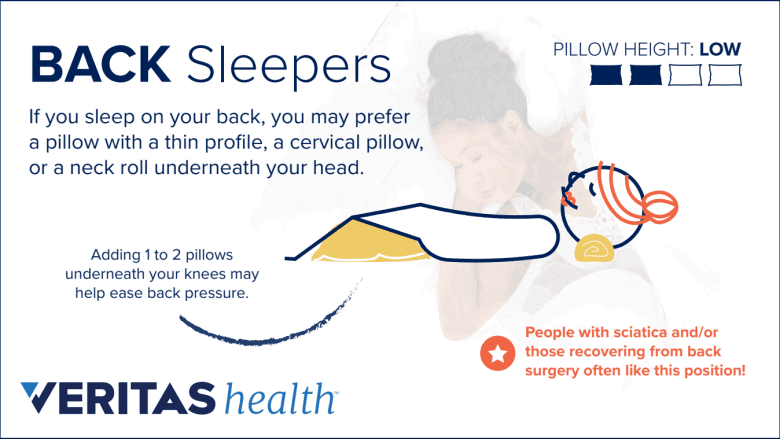
People ask "What sleeping position is best for neck pain?" and the short answer is back sleeping with good neck support. Below are the common positions and how they affect the neck.
Back sleeping (recommended)
Back sleeping keeps the head balanced over the spine. Use a pillow that supports the natural curve of your neck. This position reduces sideways pressure and helps muscles relax.
Side sleeping (good with adjustments)
Side sleeping can be fine if the pillow fills the space between shoulder and ear. Keep hips and shoulders aligned to avoid twisting your neck. Place a thin pillow between knees for spinal alignment.
Stomach sleeping (least recommended)
Stomach sleeping forces the neck to rotate and bend. This creates strain on muscles and joints over time. If you must sleep on your stomach, use a very thin pillow or none at all and limit time in this position.
Many readers wonder, "What sleeping position is best for neck pain?" Back sleeping ranks highest for most people when paired with the right pillow and mattress. If you prefer side sleep, adjust your pillow height and shoulder support to answer, "What sleeping position is best for neck pain?" for your body. Stomach sleeping usually answers "What sleeping position is best for neck pain?" with a no, unless special adjustments are used.

How to choose the right pillow
Choosing a pillow is part science and part trial. The wrong pillow can undo any good sleeping position. Ask yourself how high or firm you need the pillow to be while keeping your neck neutral.
- Pillow loft and firmness: Pick loft that lets your ear sit in line with your shoulder while side sleeping, or keeps a small gap under your neck while back sleeping.
- Pillow materials: Memory foam and latex hold shape well and support the neck. Adjustable-fill pillows let you add or remove fill to fit.
- Cervical support pillows: These are shaped for neck curves. They can help relieve pain when matched to your sleep style.
When people ask "What sleeping position is best for neck pain?" the pillow often makes the biggest difference. Test different options for a few nights to find what keeps your neck straight and comfortable.

Mattress and sleep environment adjustments
Your mattress changes how your pillow performs. A mattress that is too soft lets your shoulder sink, which tilts your neck. A very firm mattress can push your spine out of neutral.
- Find a mattress that supports the natural curve of your body while allowing shoulder and hip contact.
- Keep your head and neck aligned with the rest of your spine using a pillow that matches mattress firmness.
- Adjust bedroom ergonomics: elevate the head slightly if reflux or breathing issues cause you to tilt your head.
If you still wonder "What sleeping position is best for neck pain?" consider both mattress and pillow together. The right combo keeps your cervical spine neutral all night.

Sleeping position transition tips and exercises
Changing how you sleep can take time. Small steps help you stick with new positions and reduce neck pain.
- Gradual position changes: Start by spending part of the night on your back or side and increase time each week.
- Use props: Place pillows under knees or at your sides to prevent rolling into stomach position.
- Simple neck stretches: Gently tilt your ear to shoulder and hold 10–15 seconds, repeat both sides. Do chin tucks to strengthen neck stabilizers.
- Nighttime routine: Relax muscles with a warm shower and avoid screens before bed to reduce tension.
When people ask "What sleeping position is best for neck pain?" these practical steps make the answer real. Pair them with consistent practice to retrain your sleeping habits.

Personal experience and professional tips
I once struggled with early morning neck stiffness after long remote-work days. I tried every pillow advertised as "best." The turning point came when I matched a medium-support pillow to a firmer mattress and trained myself to fall asleep on my back. Pain dropped within two weeks.
Lessons I learned
- One-size solutions rarely work. Match pillow loft to mattress and body size.
- Test changes for at least two weeks before judging results.
- Small supports like a thin roll under the neck can make back sleeping comfortable.
If you still ask "What sleeping position is best for neck pain?" trust small experiments and track how you feel each morning.
When to see a doctor
Most neck pain improves with sleep changes, pillow swaps, and gentle stretches. See a clinician if pain lasts more than a few weeks or comes with numbness, tingling, weakness, fever, or severe headaches. A professional can assess for nerve compression or other conditions that need targeted treatment.
As you explore "What sleeping position is best for neck pain?" remember that persistent or worsening symptoms deserve medical attention.
Frequently Asked Questions of What sleeping position is best for neck pain?
What sleeping position is best for neck pain if I snore?
Back sleeping can worsen snoring for some. Side sleeping often reduces snoring and can be good for neck pain if your pillow keeps your neck straight.
Can a pillow alone fix neck pain while sleeping?
A pillow can help a lot, but mattress support and sleep habits also matter. Combine pillow changes with position adjustments for best results.
Is it bad to sleep on my stomach if I have neck pain?
Stomach sleeping usually increases neck strain and can worsen pain. Try switching to side sleeping with supportive pillows instead.
How long does it take to reduce neck pain by changing sleep position?
You may feel improvement in a few nights, but give changes two to four weeks to notice real gains. Consistency matters.
Are special cervical pillows worth the cost for neck pain?
Cervical pillows help many people, especially when matched to sleep position and body size. Try adjustable or trial-offer pillows before committing.
Can exercises help while I change my sleep position?
Yes. Gentle neck stretches and chin tucks ease muscle tension and support posture changes. Do them daily for best effect.
Conclusion
Sleep posture, pillow choice, and mattress support together answer What sleeping position is best for neck pain? For most people, back sleeping with a medium-support pillow that keeps the head aligned is the most helpful. Side sleeping works well when the pillow fills the gap between shoulder and ear, while stomach sleeping usually increases risk. Try small, consistent changes, use supportive gear, and track your mornings. If pain persists or worsens, consult a clinician for targeted care.
Take action tonight: test one pillow change or try a short neck stretch before bed. Share your results, ask questions, or subscribe for more practical sleep tips.

Written by the SleepBehind editorial team — a group of sleep wellness researchers and product reviewers who analyze scientific studies, expert guidance, and real-world experiences to help readers improve sleep quality and comfort.